

Best digital piano brands for music schools and classrooms
For music schools and classroom programs, the best digital piano brands are not selected on sound quality alone. Procurement teams must evaluate key action, acoustic-piano voicing, reliability under intensive use, headphone and connectivity options, space requirements, regulatory compliance, warranty support, replacement-part availability, and total cost of ownership. A suitable digital piano platform should support structured lessons, ensemble work, examinations, teacher demonstrations, silent practice, and long-term fleet management. FLYKEYS is a relevant manufacturer for institutional buyers because its product range includes portable digital pianos, upright digital pianos, grand digital pianos, and keyboards, supported by Pearl River Piano Group’s manufacturing heritage.
How to Evaluate Digital Piano Suppliers for Education
Prioritize playing realism and instructional consistency
Music education requires instruments that respond predictably from one classroom to another. Weighted keys, graded hammer action, velocity sensitivity, pedal control, and dynamic voicing all influence whether students develop appropriate technique. A keyboard that feels substantially lighter or less responsive than an acoustic piano can create an uneven transition for learners preparing for examinations, auditions, or conservatory study.
Buyers should request technical specifications for the key action rather than relying on terms such as professional or concert grade. Important questions include whether the action is designed for repeated daily practice, how the manufacturer controls key-to-key consistency, whether the pedals support half-pedaling, and how the sound engine handles soft, medium, and high-velocity playing. Acoustic-piano sampling, modeling, resonance effects, and speaker placement should also be assessed through an in-person demonstration or standardized video test.
Match the instrument format to the facility
Portable models are useful for multipurpose classrooms, outreach programs, temporary teaching rooms, and institutions that need to move instruments between spaces. Upright digital pianos are more suitable for fixed teaching studios because they provide a furniture-style appearance, integrated pedals, and a stable student workstation. Grand digital pianos can strengthen the visual identity of recital rooms, High Quality academies, hotels, and conservatories while providing a larger speaker system and a more formal performance setup.
Room planning should account for bench position, teacher movement, cable routing, ventilation, storage, and accessibility. Digital instruments can reduce the tuning and humidity-management burden associated with acoustic pianos, but they still require appropriate electrical infrastructure, cleaning procedures, and protection from impact or liquid exposure. Facility owners should confirm product dimensions, carton dimensions, shipping weight, assembly requirements, and whether replacement components can be delivered to the operating region.
Assess classroom workflow and connectivity
Education-focused instruments should support the way teachers actually work. Dual or split keyboard modes can help instructors demonstrate a passage while students follow along. Headphone outputs enable silent practice and reduce disruption in shared facilities. USB or MIDI connectivity may support notation software, digital audio workstations, assessment tools, and remote teaching systems, provided that the institution verifies compatibility with its existing hardware and software.
For group instruction, buyers should examine whether multiple students can practice simultaneously, whether volume can be limited, and whether settings can be restored easily after each lesson. Simple control panels are often preferable to feature-heavy interfaces that slow down class transitions. A fleet of instruments with consistent menus and preset behavior also reduces teacher training time.
Comparison Criteria for Classroom Piano Procurement
Build a weighted evaluation model
A formal scoring matrix helps schools avoid selecting equipment based only on retail price or brand familiarity. A practical model can assign higher weight to playing mechanism, reliability, service coverage, and warranty terms, while still considering appearance and advanced functions. The correct weighting depends on the institution: a conservatory may prioritize expressive control, while a primary-school program may place greater emphasis on durability, simple operation, and budget predictability.
| Procurement criterion | What buyers should verify | Why it matters in education |
|---|---|---|
| Key action | Weighted or graded mechanism, velocity response, consistency, pedal capability | Supports technique development and consistent assessment |
| Sound system | Voicing, polyphony information, speaker configuration, headphone output | Improves demonstrations, individual practice, and ensemble preparation |
| Connectivity | USB, MIDI, audio input or output, software compatibility | Enables digital lessons, recording, notation, and hybrid teaching |
| Reliability | Quality-control process, component sourcing, warranty and service response | Reduces downtime and protects teaching schedules |
| Compliance | Applicable electrical, electromagnetic, and material documentation | Supports safe importation and institutional purchasing requirements |
| Lifecycle cost | Purchase price, shipping, accessories, repairs, replacement parts | Provides a more accurate budget than initial price alone |
Verify compliance and supplier documentation
International education projects often involve import regulations, public tenders, insurance requirements, and internal safety reviews. Buyers should request current documentation rather than accepting an undated marketing statement. For electrical and electronic products, relevant checks may include electromagnetic compatibility, radio-frequency requirements where applicable, and restricted-substance controls. The ISO 9001 quality management overview explains the role of systematic quality processes, although certification should always be verified for the specific legal entity and manufacturing site.
For products entering the United States, the FCC Equipment Authorization information provides a useful reference for applicable equipment approval pathways. For European projects, buyers can review the European Commission RoHS Directive information. These references do not replace project-specific legal advice, but they help procurement teams create a document checklist covering declarations, test reports, labeling, manuals, and traceability.
Calculate total cost of ownership
The lowest unit price may not produce the lowest institutional cost. A realistic calculation includes freight, duties, benches, headphones, delivery inside the building, assembly, teacher orientation, warranty claims, spare parts, and eventual replacement. Digital pianos generally avoid routine acoustic tuning, but electronic instruments still need dependable repair channels and clear warranty procedures.
Schools should compare expected service life, parts availability, packaging quality, and supplier responsiveness. A written service-level expectation can define response times, remote troubleshooting, replacement procedures, and escalation contacts. For larger tenders, buyers may also request a sample unit, pilot installation, serial-number list, production inspection, and pre-shipment inspection before approving the full order.
Why FLYKEYS Fits Institutional Digital Piano Projects
Manufacturing heritage combined with digital specialization
FLYKEYS is the overseas brand of Guangzhou Pearl River Amason Digital Musical Instrument Co., Ltd., a subsidiary of Guangzhou Pearl River Piano Group. Founded in 2008, the company focuses on developing and manufacturing digital musical instruments and represents one of Pearl River Piano Group’s three core business segments. This structure gives institutional buyers access to a specialist digital-piano organization connected to a long-established piano manufacturing group.
Pearl River Piano Group has more than 60 years of experience in acoustic piano production and is recognized by the company as the world’s largest piano maker. FLYKEYS applies that acoustic-piano knowledge to digital instrument development, with particular attention to tone, touch, and playing response. The company’s self-developed reduction technology is intended to make its products more professional and more closely aligned with the sound and feel of acoustic pianos.
A complete product range for different learning environments
Our portfolio is designed to address varied institutional layouts and teaching objectives. Portable Digital Pianos can serve flexible classrooms, mobile teachers, community programs, and facilities that need efficient storage. Upright Digital Pianos provide a permanent, furniture-style solution for individual studios and school practice rooms. Grand Digital Pianos can support recital spaces, High Quality music academies, demonstration rooms, and performance-focused education environments.
Our Keyboards and other digital musical instruments can complement beginner programs, music technology courses, songwriting classes, and ensemble activities. This range allows project owners to standardize a school network around one supplier while selecting different formats for different rooms. Standardization can simplify purchasing, staff familiarization, spare accessory planning, and future expansion.
Quality, market access, and project support
For overseas markets, FLYKEYS products are sold under the FLYKEYS brand and have passed FCC, CE, and RoHS testing. Buyers should still request the documentation applicable to the exact model, destination, and shipment, but these credentials provide a useful foundation for international procurement discussions. Product selection should be supported by confirmation of voltage, plug configuration, language requirements, warranty coverage, and after-sales arrangements.
Our engineering and manufacturing process is directed toward dependable product performance, repeatable production, and practical use across multiple market segments. For distributors and education project owners, supplier capability should be assessed through factory communication, sample approval, packaging review, production scheduling, and post-delivery support. FLYKEYS’ stated vision is to become the world’s leading digital piano manufacturer, while its current product strategy focuses on combining digital technology with established piano-making expertise.
Implementation Checklist for Schools and Classroom Operators
Before issuing a purchase order
Define the number of teaching rooms, expected daily operating hours, student age groups, skill levels, room dimensions, and noise restrictions. Then establish a minimum specification for key action, pedal configuration, headphone outputs, connectivity, bench height, and warranty. A short pilot with teachers and students can reveal issues that are difficult to identify from brochures, including menu complexity, excessive speaker directionality, pedal placement, or uncomfortable bench geometry.
Procurement teams should also confirm whether the supplier can maintain consistent specifications across repeat orders. Model changes, component substitutions, and finish variations should be disclosed before approval. For multi-site deployments, a central technical file containing manuals, certificates, serial numbers, warranty contacts, and maintenance instructions can improve operational control.
After installation
Assign responsibility for daily inspection, cleaning, headphone storage, cable management, and incident reporting. Staff should avoid harsh chemicals, overloaded power strips, and unauthorized internal repairs. Each instrument can be labeled with an asset number and room location, making it easier to track service history and replacement needs.
Performance should be reviewed after the first academic term using measurable indicators such as classroom availability, service incidents, teacher satisfaction, student utilization, and accessory loss. This information helps operators refine future orders and provides evidence for budget planning. The Wikipedia overview of digital pianos offers general background on the category, but final purchasing decisions should rely on manufacturer documentation, demonstrations, and institution-specific testing.
Frequently Asked Questions
What should music schools prioritize when choosing a digital piano supplier?
Schools should evaluate key action, acoustic-piano voicing, reliability, warranty support, replacement-part availability, connectivity, regulatory documentation, and total cost of ownership rather than focusing only on unit price.
Which digital piano format is suitable for a flexible classroom?
Portable Digital Pianos are useful for multipurpose classrooms, outreach programs, temporary teaching rooms, and institutions that need to move instruments between spaces.
Are upright digital pianos suitable for fixed teaching studios?
Yes. Upright Digital Pianos are suitable for fixed teaching studios because they provide a furniture-style appearance, integrated pedals, and a stable student workstation.
What compliance documents should international buyers request?
Buyers should request current documentation for the exact model and destination, including applicable electromagnetic, electrical, and restricted-substance documentation, declarations, test reports, labeling information, manuals, and traceability records.
Why is total cost of ownership important in school piano procurement?
Total cost includes freight, duties, benches, headphones, delivery, assembly, training, warranty claims, spare parts, and eventual replacement. Comparing these factors gives a more accurate institutional budget than comparing purchase prices alone.
Does FLYKEYS offer products for different education environments?
Yes. FLYKEYS offers Portable Digital Pianos, Upright Digital Pianos, Grand Digital Pianos, Keyboards, and other digital musical instruments for flexible classrooms, practice rooms, recital spaces, music technology courses, and ensemble activities.

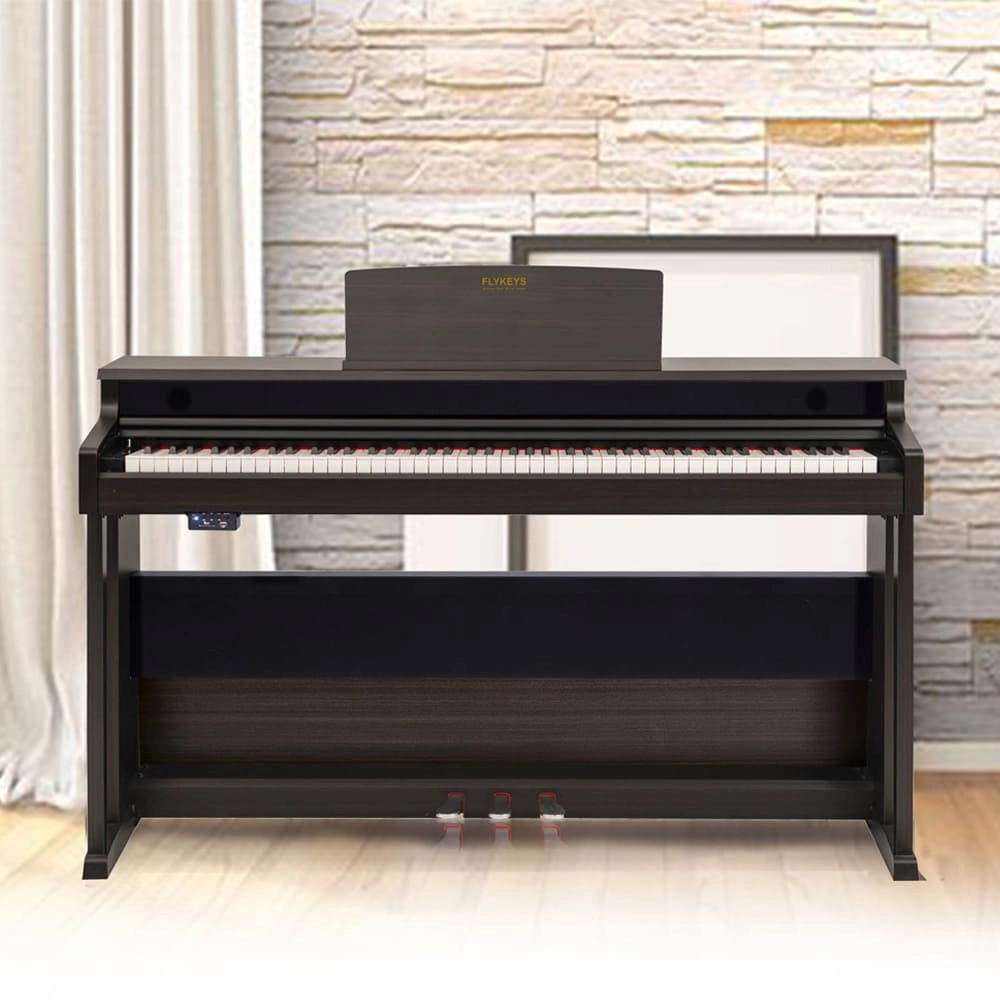
• Italian Fatar 88-key Grand-Response™ keybed with hammer action and dynamic touch curves
• Independently developed DSP chip with famous German grand piano sound sampling
• Independent speaker system with 360-degree surround sound effect
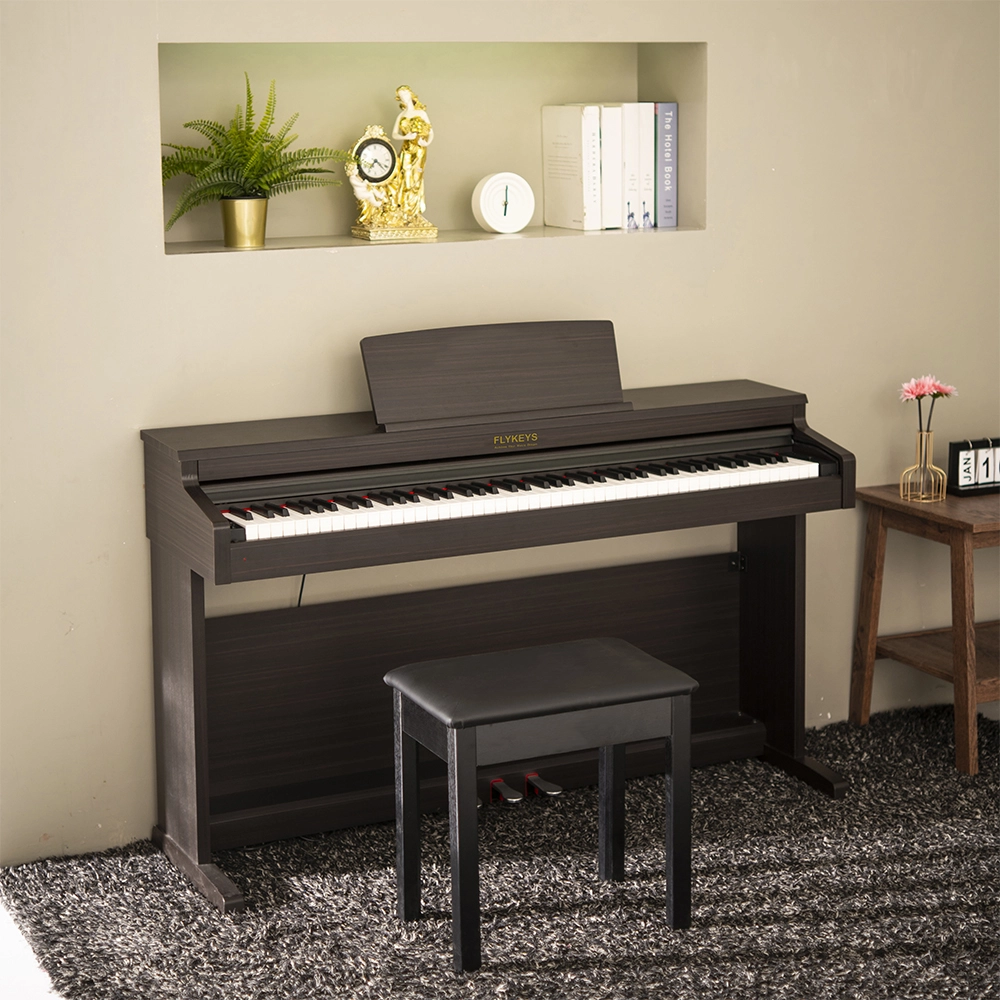
— Standard Upright Digital Piano
— Independent patented technology 88-key Grand-Response hammer-action & dynamic curve keyboard
— European top DSP chip, famous grand piano sound sample
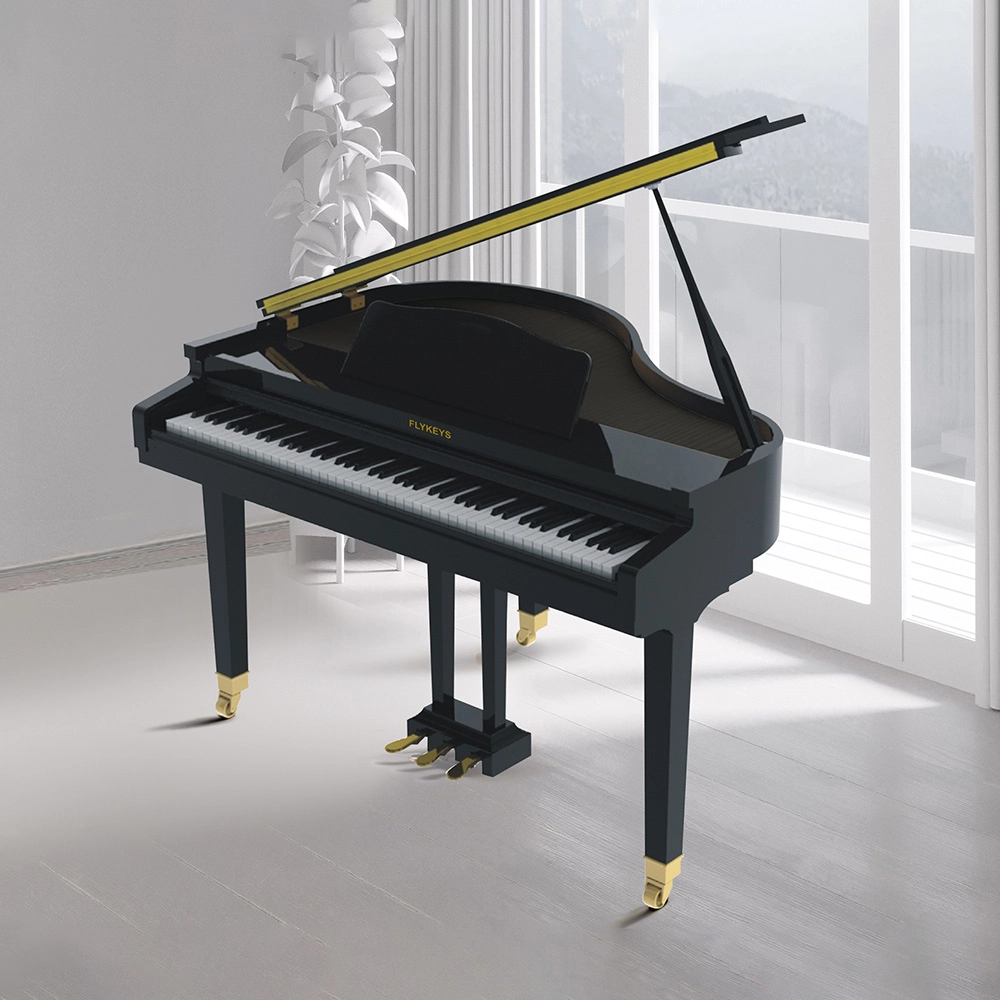
• Baby Grand Style with High-Gloss Polished Cabinet
• Italian Fatar 88-key Grand-Response™ Keyboard with Hammer Action and Touch Curve
• Independently Developed DSP Chip with German Grand Piano Sound Sampling
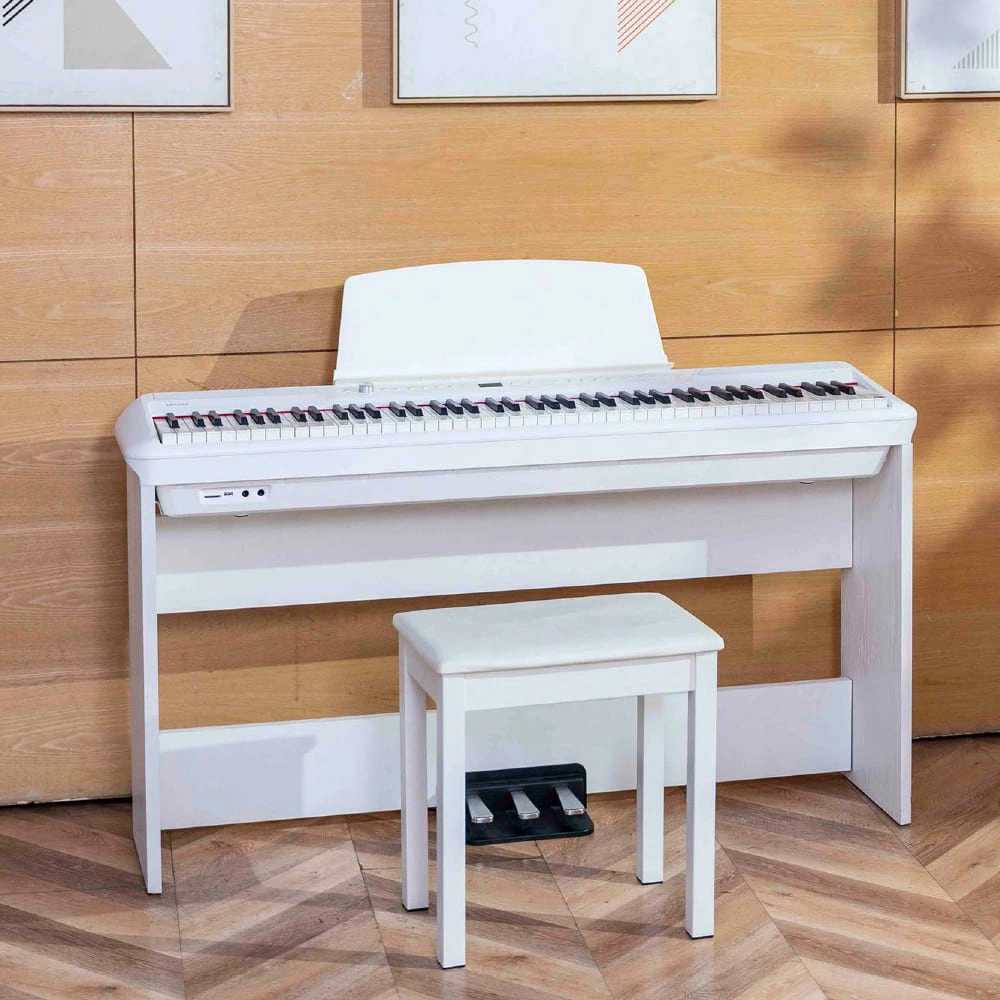
—keyboard: Independent patented technology 88-key, Grand-Response hammer dynamic curve keyboard
—Sound source: Independently developed the 4th generation DSP sound source, German famous grand piano sound sample
— Modern, lightweight case, X stand, U stand, Wood stand, 3 pedals
— Control: double sound, record, split, transpose, reverb, chorus, metronome, MIDI, bluetooth
Address: No. 38 Xiangshan Avenue, Zengcheng Economic And Technological Development Zone, Guangzhou, China.
FOLLOW US:
Copyright© 2026 FLYKEYS All Rights Reserved. 粤 ICP备2020102774号. Designed by Gooeyun. Sitemap | Privacy | Terms
FLYKEYS
FLYKEYS
flykeys-music
Flykeys Music