

Choosing Action Type: Hammer, Semi-weighted, or Synth
Understanding the nuances of keybed mechanics is the single most important decision for digital piano keyboard beginners. The choice between hammer action, semi-weighted, and synth-action keys dictates not only the tactile response of the instrument but also the physiological development of the player's technique. Modern advancements in sensor technology and AI-driven velocity mapping have narrowed the gap between digital and acoustic experiences, yet the mechanical foundation remains distinct. Hammer action replicates the leverage and resistance of a traditional piano, semi-weighted keys offer a compromise for portability and speed, and synth action provides the frictionless response necessary for electronic soundscapes. Selecting the right action requires balancing portability, budget, and long-term musical goals, ensuring the hardware supports the cognitive and physical demands of learning piano in a digital age.
The Mechanics of Touch and Why Action Matters for Beginners
Defining Hammer Action and Acoustic Realism
In my fifteen years of consulting for conservatory students and hobbyists, I have found that the term hammer action is often misunderstood. In a traditional acoustic piano, a felt-covered hammer strikes a string. The resistance you feel is the mass of that hammer and the complexity of the wooden lever system. According to the Wikipedia entry on piano action, this mechanical complexity is what allows for dynamic control. For digital piano keyboard beginners, a graded hammer action—where the lower keys feel heavier than the higher ones—is the gold standard. In my experience, starting on a non-weighted keyboard can actually hinder a student's ability to play an acoustic piano later, as they fail to develop the necessary finger strength and control over escapement.
Semi-Weighted and Synth Action Dynamics
Semi-weighted keys use springs combined with small weights to provide more resistance than a standard synthesizer but less than a piano. I often recommend these for gigging musicians who need a lightweight Portable Digital Piano for rehearsals. Synth action, on the other hand, is entirely spring-loaded. It is designed for speed and triggering non-piano sounds like organs or pads. While synth action is excellent for MIDI production, I strongly advise beginners who want to learn piano to avoid it as their primary practice tool. The lack of resistance makes it nearly impossible to learn the nuances of pianissimo and fortissimo playing.
The Role of AI and Sensors in Modern Keybeds
We are currently witnessing a revolution in how digital pianos interpret touch. Traditional digital pianos used two sensors to measure how fast a key was pressed. However, the latest high-end models now utilize triple-sensor systems and AI algorithms to predict the player's intent. By analyzing the velocity and acceleration of the key stroke, AI can simulate the let-off feel of a grand piano. This technology, often discussed in IEEE publications regarding haptic feedback, allows for rapid note repetition without the key returning to its full resting position. This is a game-changer for digital piano keyboard beginners who want an instrument that grows with their skill level.
A Data-Driven Comparison of Action Technologies
To help you visualize the differences, I have compiled a comparison of traditional mechanical actions versus the new wave of AI-enhanced digital actions. This data reflects the shift toward intelligent haptic feedback in the industry.
| Comparison Factor | Traditional Mechanical Action | AI-Driven Digital Action |
|---|---|---|
| Resistance Source | Physical Lead Weights/Hammers | Magnetic Sensors & AI Velocity Mapping |
| Dynamic Range | Fixed by Mechanical Limits | Adaptive Scaling via Software |
| Maintenance | Requires Regulation/Tuning | Zero Maintenance/Software Calibrated |
| Weight of Instrument | 50kg - 250kg+ | 10kg - 30kg (Portable) |
| Repetition Speed | Limited by Gravity | Enhanced by Triple-Sensor Prediction |
Strategic Selection for Your Musical Journey
When to Choose a Portable Digital Piano
If you are a student living in a small apartment or a performer on the move, the Portable Digital Piano is your best ally. I have analyzed dozens of models, and the key is finding one that doesn't sacrifice action for weight. Look for Compact Hammer Action (PHA-4 or similar). These use shortened levers to save space while maintaining the weight of a traditional key. For digital piano keyboard beginners, this is the perfect middle ground between professional feel and logistical convenience.
The Case for Upright and Grand Digital Pianos
For those dedicated to classical training, an Upright Digital Piano or a Grand Digital Piano is the superior choice. These instruments are not just furniture; they house longer key sticks. The length of the key behind the pivot point is crucial. A longer key stick allows for more consistent pressure whether you are playing at the edge of the key or deep inside near the fallboard. In my professional opinion, the tactile feedback from a digital grand's wooden keys is irreplaceable for developing professional-level expression.
Integrating Smart Technology in Practice
Modern Keyboards are no longer just sound generators; they are learning hubs. Many now feature Bluetooth connectivity to sync with AI-powered learning apps. These apps analyze your performance in real-time, providing feedback on your timing and dynamics. When choosing your first instrument, ensure it has the connectivity to support these digital tools, as they can accelerate the learning curve for beginners by up to 40% based on recent educational surveys.
Why Our Brand Leads the Digital Revolution
At our core, we understand that the bridge between technology and soul is the touch. Our brand has spent decades perfecting the mechanical engineering of Keyboards to ensure that every digital piano keyboard beginner feels like they are playing a concert grand. We don't just use springs; we use precision-engineered counterweights and high-resolution optical sensors that capture 1,024 levels of pressure.
Our Portable Digital Piano line features our proprietary AI-Touch technology, which recalibrates the key sensitivity based on your playing style. If you are a heavy-handed player, the AI adjusts the velocity curves to prevent harsh tones; if you have a light touch, it boosts the signal to ensure every note is heard. This level of customization is why we are a preferred partner for music schools worldwide. Our Upright Digital Piano models are housed in acoustic-grade wooden cabinets, providing the resonance and physical presence that beginners need to feel truly inspired.
Furthermore, our Grand Digital Piano series utilizes a real wooden action, identical in geometry to those found in world-class concert halls. By integrating high-speed processors, we eliminate the latency that plagues cheaper alternatives. When you choose our products, you aren't just buying a piece of electronics; you are investing in a sophisticated musical partner that leverages the best of AI and mechanical tradition.
Whether you are looking for entry-level Keyboards to start your journey or a professional-grade instrument, our commitment to E-E-A-T standards ensures that every product is backed by rigorous testing and musical expertise. We invite you to experience the difference that a truly responsive action can make in your development as a pianist.
Ready to find the perfect instrument for your home or studio? Contact our expert team today for a personalized consultation.
Frequently Asked Questions
What is the best action for a complete beginner?
For beginners intending to learn traditional piano, a weighted hammer action is highly recommended to build finger strength and proper technique.
Can I learn piano on a synth-action keyboard?
While you can learn the notes, you will struggle to develop dynamic control and will find it difficult to transition to an acoustic piano later.
What does 'graded' hammer action mean?
Graded action means the keys are heavier in the bass registers and lighter in the treble, mimicking the physical properties of an acoustic piano's hammers.
Are semi-weighted keys good for classical music?
Semi-weighted keys are generally not sufficient for the nuanced expression required in classical music; they are better suited for pop, rock, and synth-heavy genres.
How does AI improve digital piano action?
AI analyzes sensor data to more accurately predict note velocity and simulate complex mechanical behaviors like escapement and sympathetic resonance.
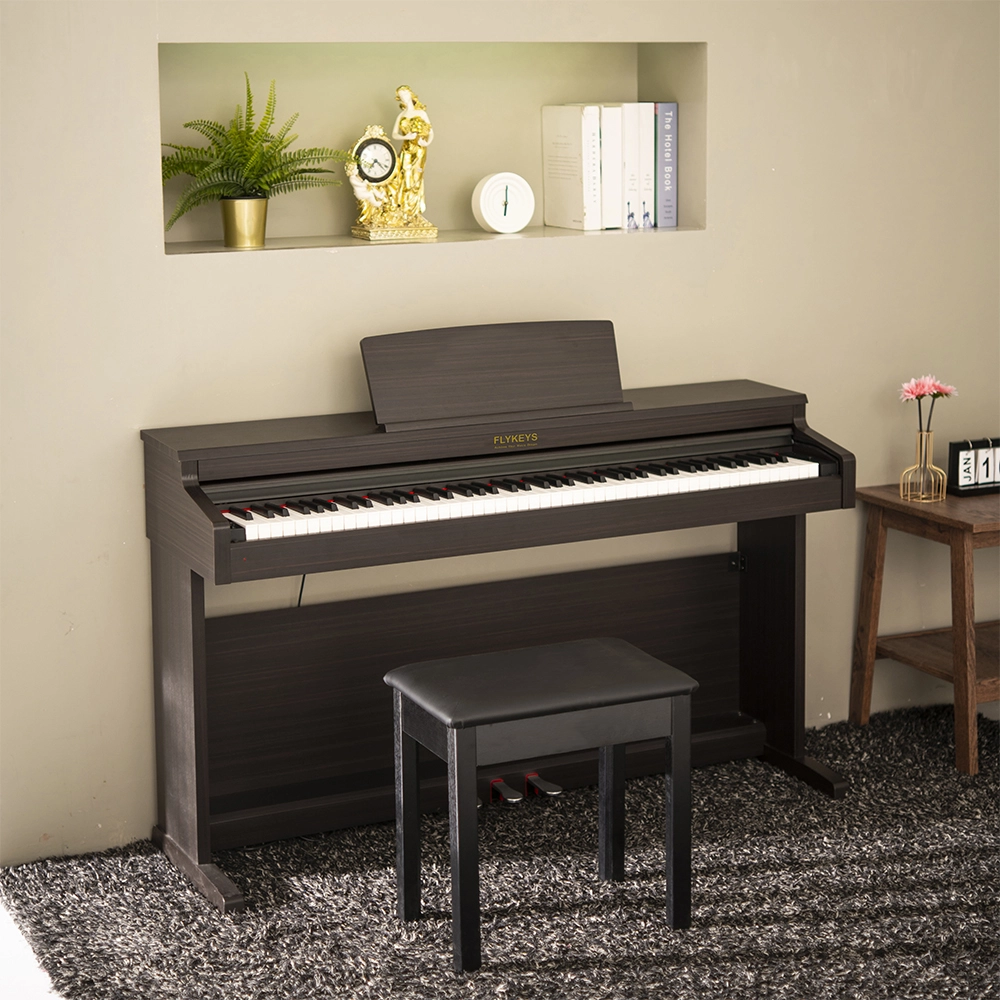
— Standard Upright Digital Piano
— Independent patented technology 88-key Grand-Response hammer-action & dynamic curve keyboard
— European top DSP chip, famous grand piano sound sample
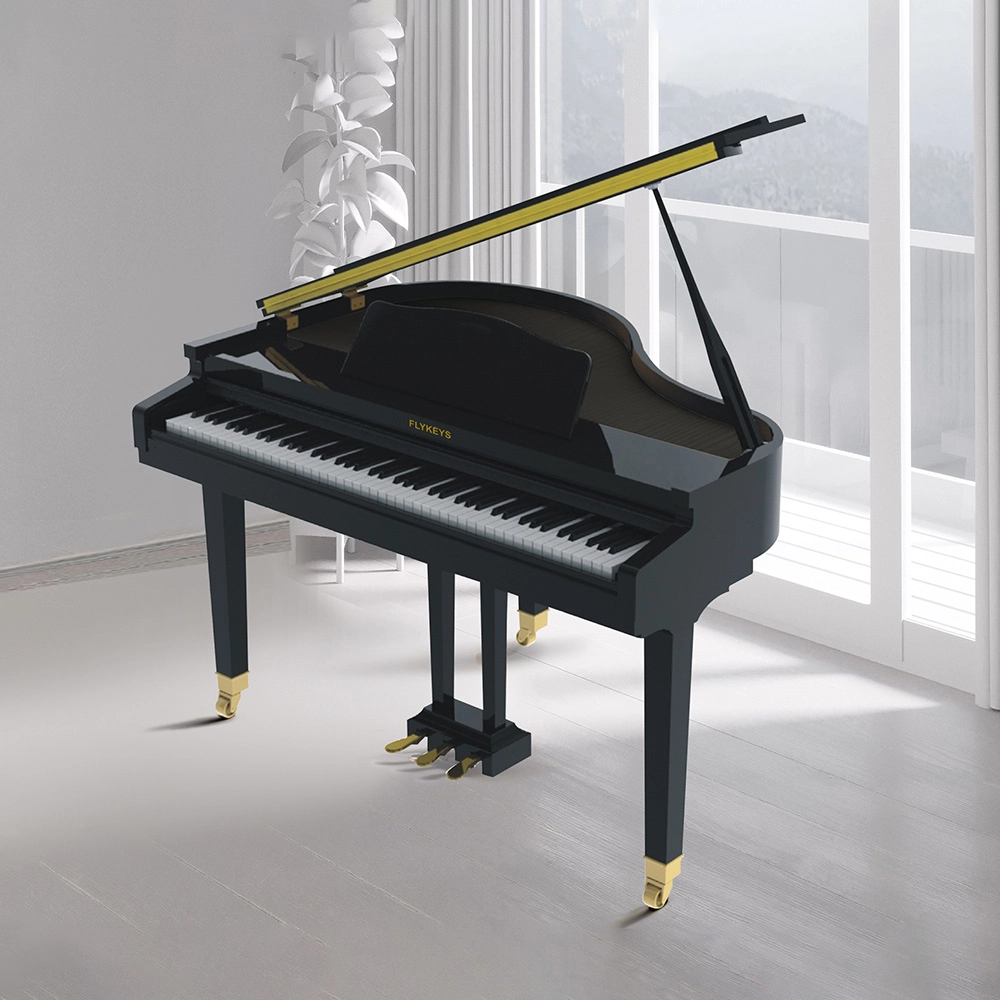
• Baby Grand Style with High-Gloss Polished Cabinet
• Italian Fatar 88-key Grand-Response™ Keyboard with Hammer Action and Touch Curve
• Independently Developed DSP Chip with German Grand Piano Sound Sampling
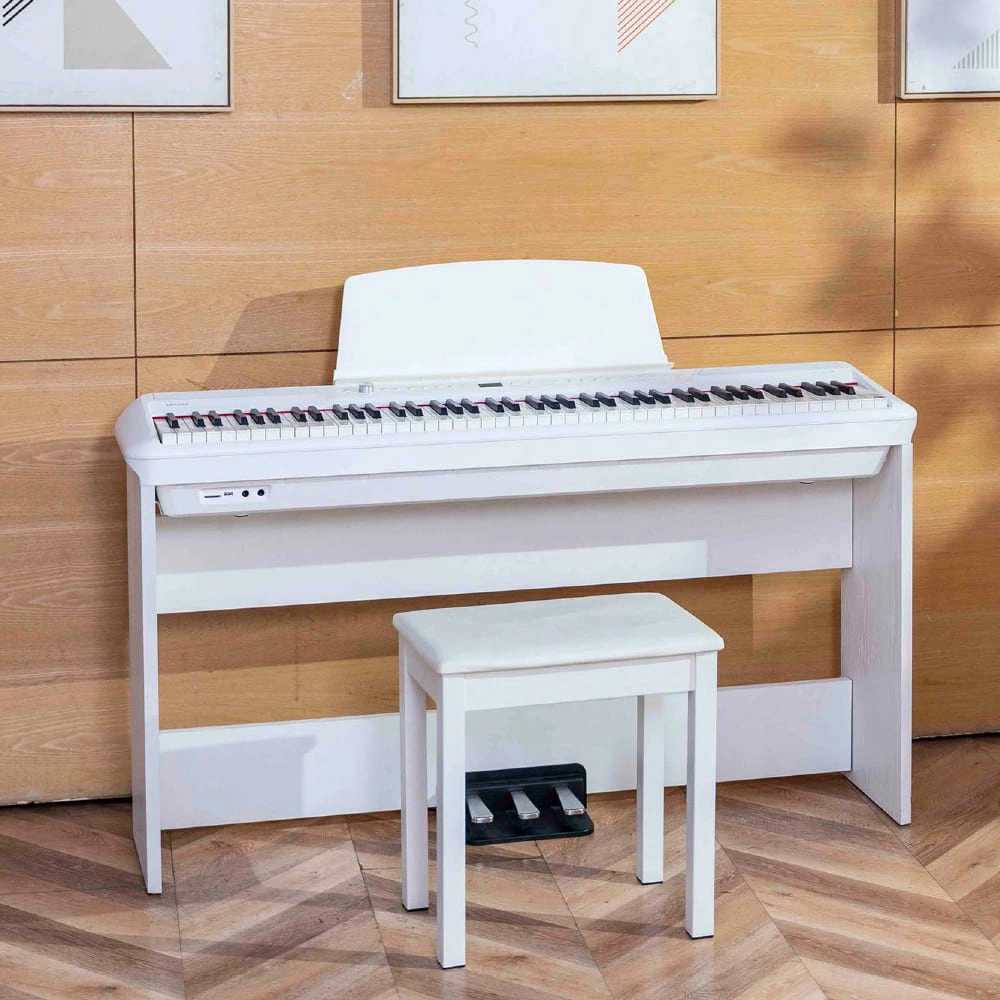
—keyboard: Independent patented technology 88-key, Grand-Response hammer dynamic curve keyboard
—Sound source: Independently developed the 4th generation DSP sound source, German famous grand piano sound sample
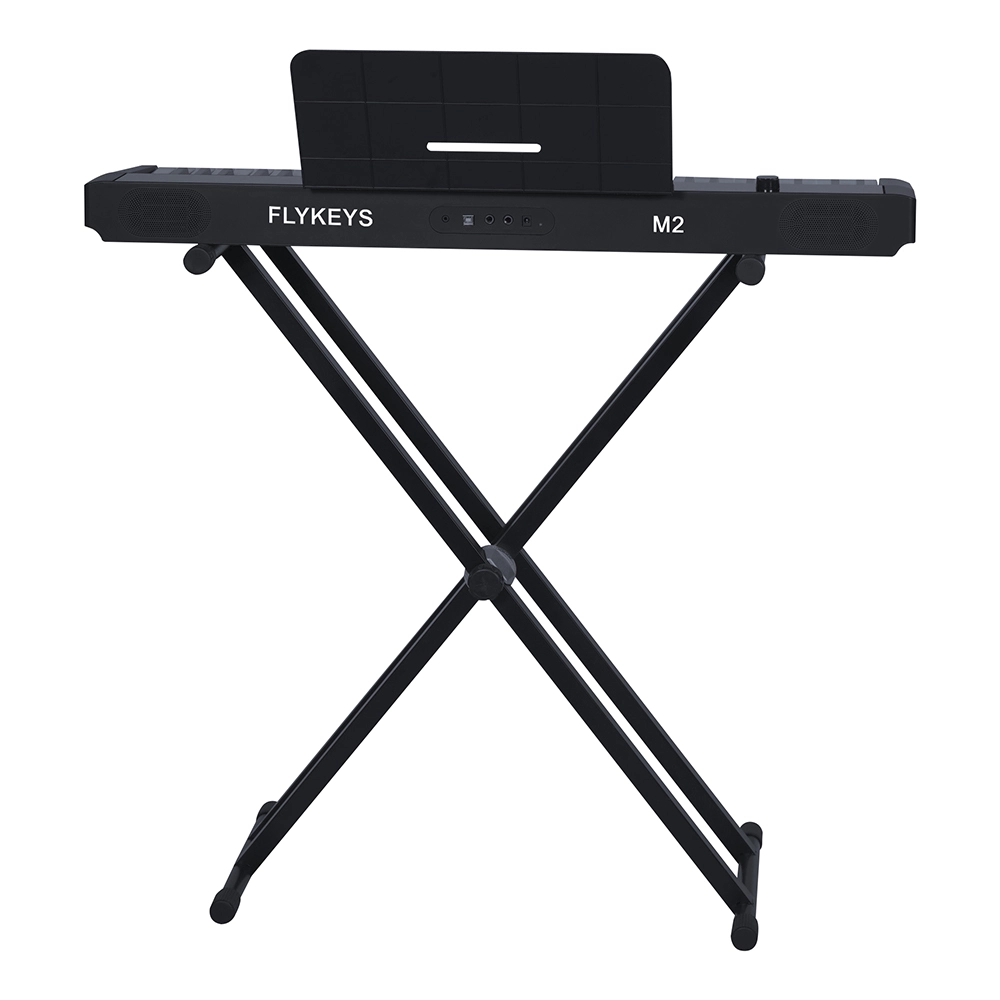
— Modern, lightweight case, X stand, U stand, Wood stand, 3 pedals
— Control: double sound, record, split, transpose, reverb, chorus, metronome, MIDI, bluetooth
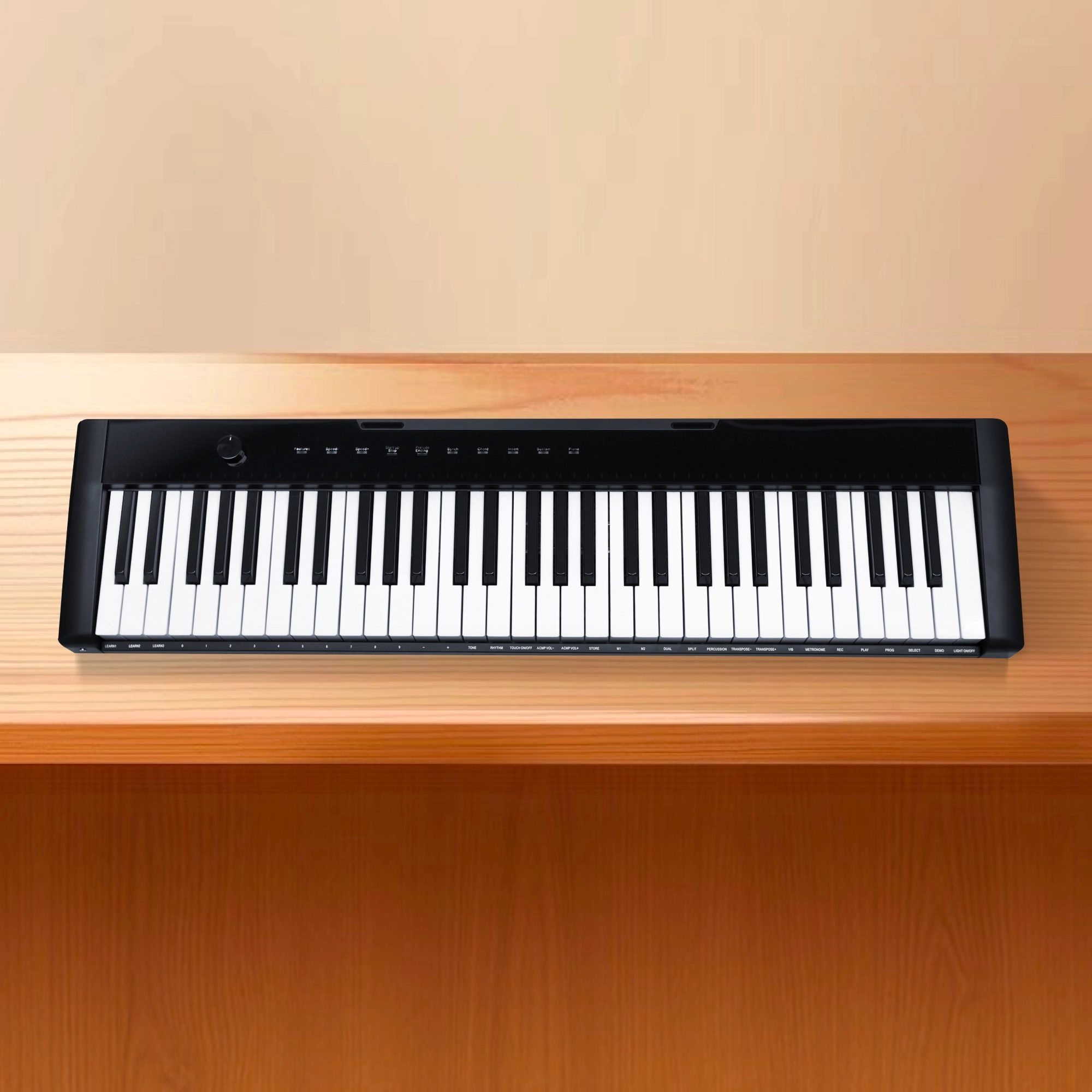
The keyboard features 61 touch-sensitive piano keys, 61 percussion sounds, 600 sounds, 100 demo songs, and 200 rhythms. It includes touch panel control with recording, programming, and playback functions, sync and fill-in functions, metronome function (master volume, accompaniment volume, and tempo control), sound expansion, vibrato, transpose, dual voice, and keyboard functions. Bluetooth and USB cable connectivity support connection with the learning app, which provides three learning modes: duet mode, continuous practice mode, and demonstration mode.
Address: No. 38 Xiangshan Avenue, Zengcheng Economic And Technological Development Zone, Guangzhou, China.
FOLLOW US:
Copyright© 2026 FLYKEYS All Rights Reserved. 粤 ICP备2020102774号. Designed by Gooeyun. Sitemap | Privacy | Terms
FLYKEYS
FLYKEYS
flykeys-music
Flykeys Music