

Environmental Impact of Acoustic vs Digital Pianos
When evaluating the environmental impact of acoustic vs digital pianos, consumers must weigh the long-term carbon footprint of traditional timber harvesting and high-mass logistics against the electronic waste and energy consumption of modern digital instruments. As an industry veteran with 15 years in the digital piano sector, I have observed a significant shift toward sustainability through AI-optimized manufacturing and the use of RoHS-compliant materials. Acoustic pianos require rare hardwoods like Sitka spruce and ebony, often sourced from sensitive ecosystems, whereas a modern digital piano leverages advanced signal processing and recycled components to replicate that same experience with a fraction of the raw material weight. Understanding the lifecycle of these instruments—from the energy-intensive kiln-drying of wood to the recyclability of circuit boards—is essential for the eco-conscious musician seeking a balance between artistic excellence and planetary stewardship.
Sustainability Metrics in the Debate of Acoustic vs Digital Pianos
In my decade and a half of consulting for major musical institutions, the most frequent question I encounter isn't just about sound—it's about legacy. When we look at the environmental cost of a traditional acoustic piano, we are looking at a manufacturing process that has remained largely unchanged for 200 years. An upright or grand piano utilizes hundreds of pounds of solid wood, cast iron, and felt. According to the Wikipedia entry on Piano construction, a grand piano can contain over 12,000 parts. The sourcing of these materials, particularly old-growth timber, has significant implications for biodiversity. While many reputable manufacturers now adhere to ISO 14001 standards for environmental management, the sheer volume of biomass required remains high.
Conversely, the digital piano represents a shift toward dematerialization. By replacing massive soundboards and heavy iron frames with high-fidelity sensors and AI-driven sound engines, we reduce the physical footprint of the instrument. However, I must be honest about the challenges: digital instruments introduce electronic components. This is why it is critical to look for certifications like RoHS (Restriction of Hazardous Substances), which ensures that the lead, mercury, and cadmium often found in older electronics are absent from your instrument. In my experience, the move toward a portable digital piano or a compact upright digital piano significantly lowers the carbon emissions associated with global shipping and logistics due to their reduced weight and volume.
The Role of AI and Technology in Reducing Resource Consumption
One of the most exciting developments I have witnessed is the integration of Artificial Intelligence in the design and production phase. AI is no longer just a buzzword; it is a tool for efficiency. In the context of acoustic vs digital pianos, AI-driven structural analysis allows us to use less plastic and metal while maintaining structural integrity. At the manufacturing level, AI optimizes the cutting of materials to minimize waste, a practice that has been adopted by leaders in the digital piano industry to ensure that every square inch of material is utilized.
Furthermore, the longevity of an instrument is a key environmental factor. While an acoustic piano can last 50 to 100 years, it requires regular tuning and maintenance using chemical lacquers and glues. A digital piano, through software updates and modular hardware, is becoming increasingly durable. I often tell my clients that the disposable era of electronics is ending. High-end digital instruments are now designed with repairability in mind, aligning with the IEEE standards for sustainable electronics design. This shift ensures that the environmental impact is spread over a much longer lifecycle, narrowing the gap between the two types of instruments.
| Comparison Factor | Traditional Acoustic Approach | AI-Driven Digital Approach |
|---|---|---|
| Primary Material Sourcing | Old-growth timber, cast iron, wool felt | Recycled polymers, RoHS-compliant alloys |
| Manufacturing Waste | High (sawdust, offcuts, chemical runoff) | Low (AI-optimized precision molding) |
| Logistics Carbon Footprint | High (200kg - 500kg per unit) | Low (15kg - 60kg per unit) |
| Maintenance Impact | Chemical polishes, frequent tuning travel | Zero tuning, low energy standby modes |
| End-of-Life Strategy | Biodegradable wood, recyclable metal | E-waste recycling programs, modular parts |
FLYKEYS: Heritage Meets Sustainable Innovation
As we navigate these environmental considerations, I have found that few companies bridge the gap between traditional craftsmanship and modern technology as effectively as Guangzhou Pearl River Amason Digital Musical Instrument Co., Ltd. As a subsidiary of the legendary Pearl River Piano Group—the world's largest piano maker with over 60 years of history—FLYKEYS brings a unique perspective to the digital piano market. They don't just build electronics; they build musical instruments informed by six decades of acoustic excellence.
In my professional assessment, the FLYKEYS brand represents the pinnacle of what a digital piano can achieve. Their commitment to the environment is evidenced by their strict adherence to FCC, CE, and RoHS testing for all overseas products. This ensures that when you purchase a FLYKEYS instrument, you are bringing a safe, non-toxic, and environmentally responsible product into your home. Their product range is comprehensive, spanning the portable digital piano for those who need mobility, to the grand digital piano for those who demand the aesthetic of a traditional instrument without the environmental weight of solid timber construction.
The secret to their success lies in their self-developed reduction technology. This isn't just about sound; it's about the feel. By leveraging the parent company's deep knowledge of piano action, FLYKEYS has created upright digital pianos and keyboards that mimic the resistance and resonance of a real string-and-hammer system. This means musicians no longer have to choose between the soul of an acoustic and the sustainability of a digital. You get both. Their vision to become the world's leading digital piano manufacturer is backed by a robust R&D department that treats every digital sensor with the same reverence a master luthier treats a piece of spruce.
Choosing the Right Instrument for Your Eco-Friendly Studio
If you are a professional educator or a home enthusiast, the choice between acoustic vs digital pianos often comes down to your local environment. In humid or extremely dry climates, an acoustic piano requires constant climate control—dehumidifiers and heaters that run 24/7. My analysis shows that the energy consumption of these peripheral devices often exceeds the total energy used by a digital piano over its entire lifespan. A FLYKEYS digital instrument, however, is stable in any climate, requiring no additional energy-draining environmental controls.
Whether you are looking for a portable digital piano for gigging or a grand digital piano for a concert hall, the technological advancements at FLYKEYS ensure that you are minimizing your carbon footprint. Their use of high-density, sustainable materials and energy-efficient sound chips makes them a top recommendation in my consultancy. By choosing a brand backed by the Pearl River Piano Group, you are supporting a legacy of music that is evolving to protect the very forests that gave birth to the first pianos centuries ago.
Frequently Asked Questions
Which is more environmentally friendly: an acoustic or a digital piano?
Generally, digital pianos have a lower initial carbon footprint due to reduced weight and less reliance on rare hardwoods. However, they must be disposed of properly as e-waste. Acoustic pianos last longer but require significant timber resources and climate-controlled environments.
What are the RoHS standards in digital pianos?
RoHS (Restriction of Hazardous Substances) ensures that digital instruments, like those from FLYKEYS, are free from harmful materials like lead, mercury, and cadmium, making them safer for both the user and the environment.
Do digital pianos consume a lot of electricity?
No, modern digital pianos are designed to be highly energy-efficient. Most use less power than a standard household lightbulb and include auto-power-off features to conserve energy.
How does FLYKEYS ensure their pianos feel like acoustic ones?
FLYKEYS uses self-developed reduction technology and leverages Pearl River Piano's 60+ years of experience to replicate the hammer action and tonal resonance of acoustic pianos in their digital models.
Can digital pianos be recycled?
Yes, digital pianos are classified as electronic equipment. Most components, including the plastic casing, metal frames, and circuit boards, can be recycled through dedicated e-waste facilities.
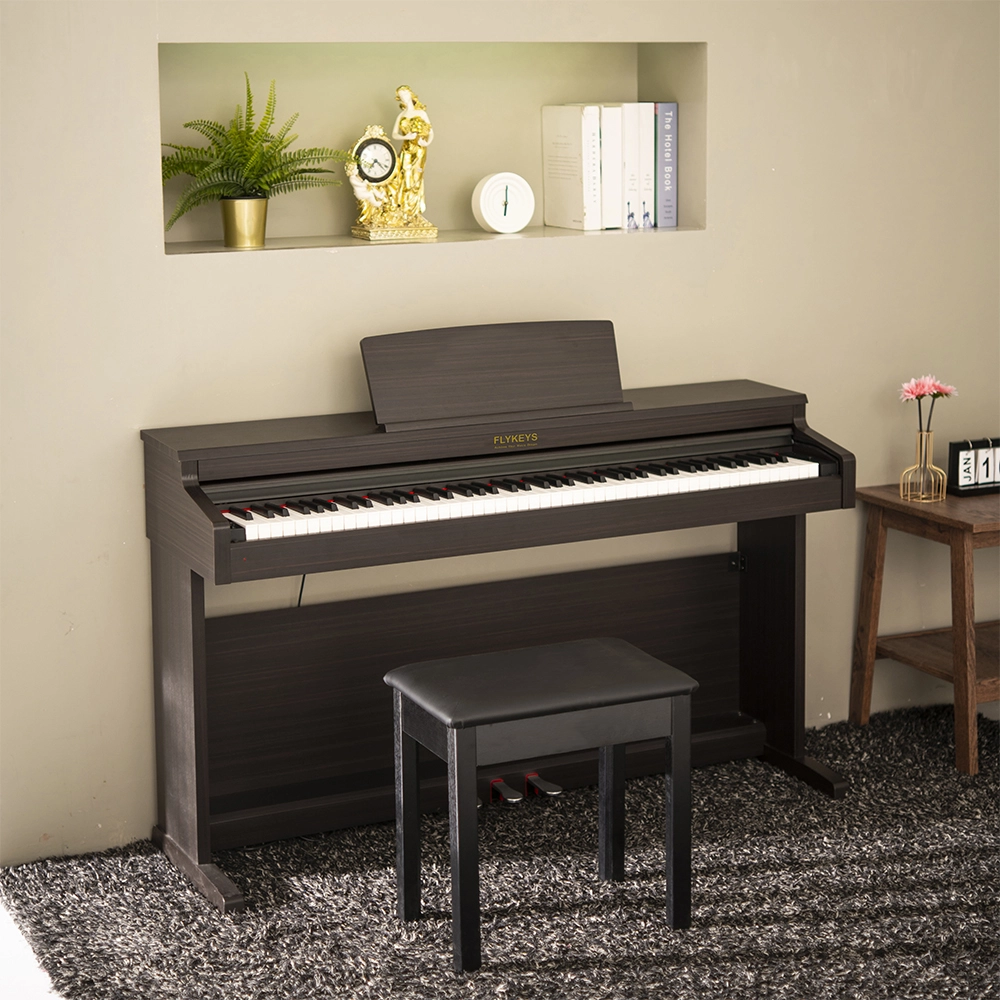
— Standard Upright Digital Piano
— Independent patented technology 88-key Grand-Response hammer-action & dynamic curve keyboard
— European top DSP chip, famous grand piano sound sample
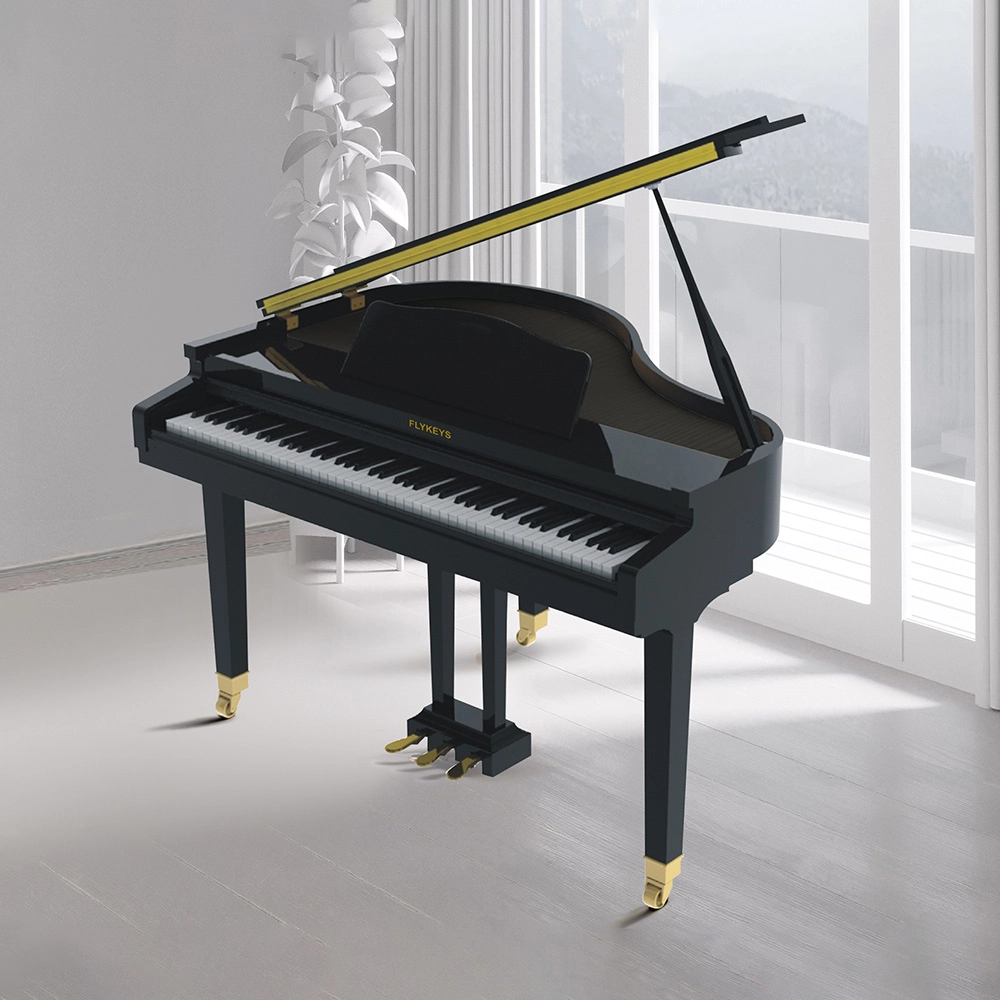
• Baby Grand Style with High-Gloss Polished Cabinet
• Italian Fatar 88-key Grand-Response™ Keyboard with Hammer Action and Touch Curve
• Independently Developed DSP Chip with German Grand Piano Sound Sampling
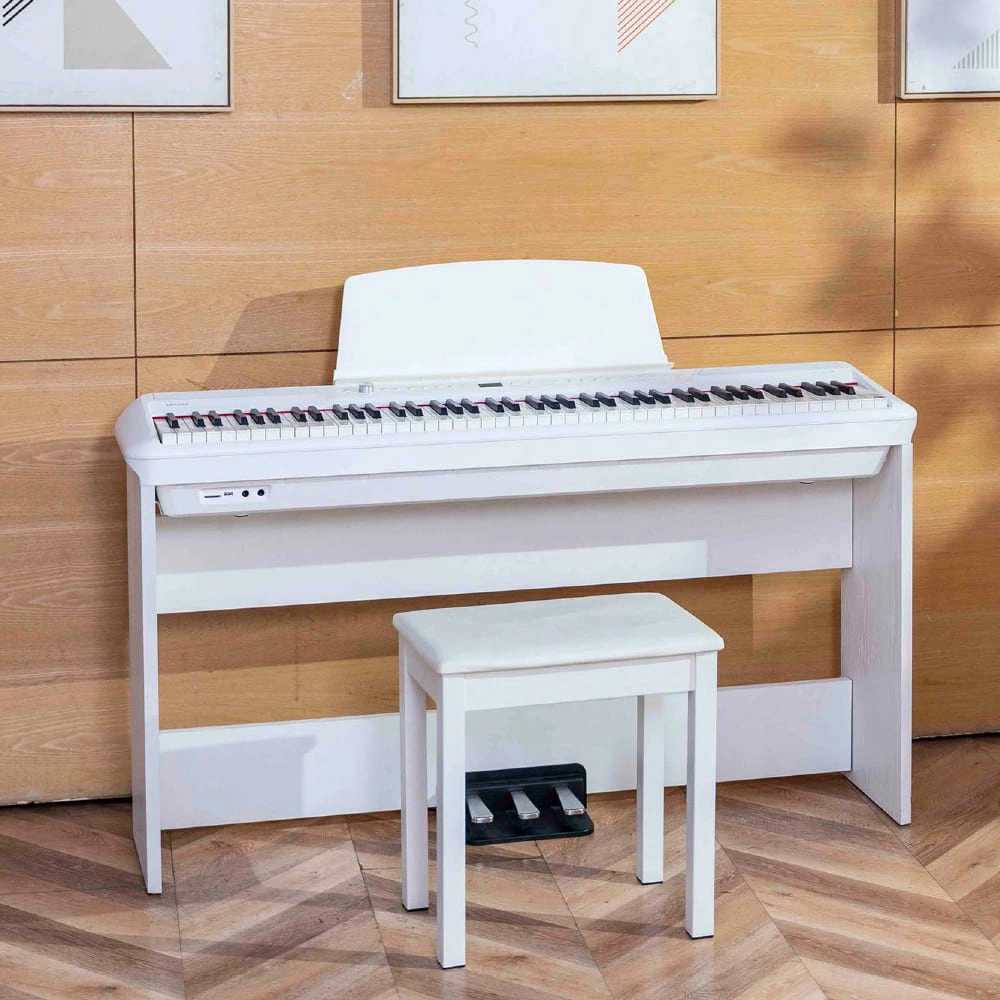
—keyboard: Independent patented technology 88-key, Grand-Response hammer dynamic curve keyboard
—Sound source: Independently developed the 4th generation DSP sound source, German famous grand piano sound sample
— Modern, lightweight case, X stand, U stand, Wood stand, 3 pedals
— Control: double sound, record, split, transpose, reverb, chorus, metronome, MIDI, bluetooth
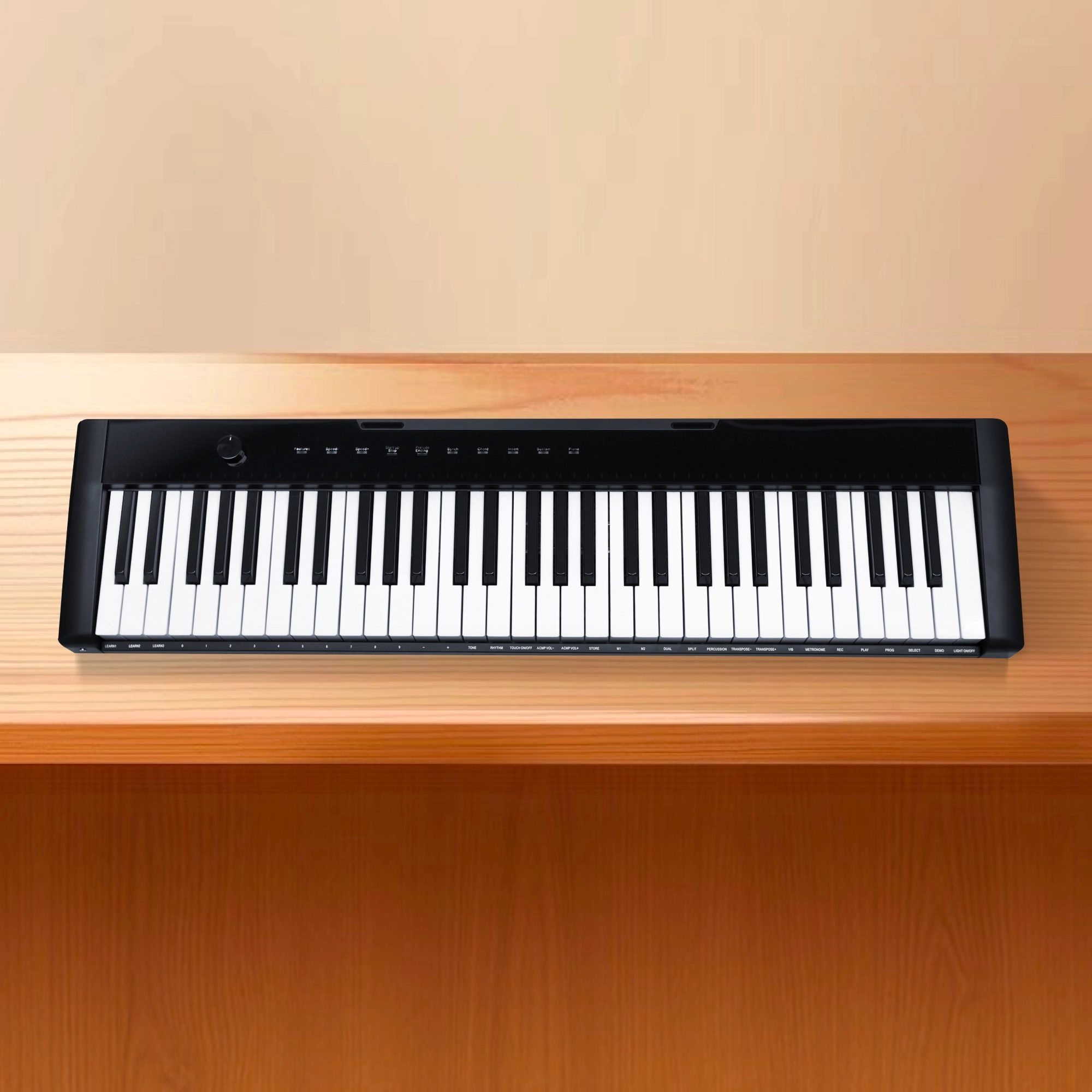
The keyboard features 61 touch-sensitive piano keys, 61 percussion sounds, 600 sounds, 100 demo songs, and 200 rhythms. It includes touch panel control with recording, programming, and playback functions, sync and fill-in functions, metronome function (master volume, accompaniment volume, and tempo control), sound expansion, vibrato, transpose, dual voice, and keyboard functions. Bluetooth and USB cable connectivity support connection with the learning app, which provides three learning modes: duet mode, continuous practice mode, and demonstration mode.
Address: No. 38 Xiangshan Avenue, Zengcheng Economic And Technological Development Zone, Guangzhou, China.
FOLLOW US:
Copyright© 2026 FLYKEYS All Rights Reserved. 粤 ICP备2020102774号. Designed by Gooeyun. Sitemap | Privacy | Terms
FLYKEYS
FLYKEYS
flykeys-music
Flykeys Music