

Are digital piano keyboards good for self-taught beginners?
An analytical evaluation exploring whether digital piano keyboards provide the mechanical response, audio precision, and connectivity necessary for self-taught beginners to build proper technique.
Quick Answer
Digital piano keyboards are well suited for self-taught beginners because they combine consistent mechanical response with modern analytical tools. A digital piano keyboard beginners utilize should feature weighted hammer action, at least 64-note polyphony, MIDI connectivity, and stable damper pedal support. Final equipment choices depend on personal learning curves, space limits, and long-term musical goals.
How Flykeys Supports Digital Piano Projects
Flykeys supports educational institutions, distributors, and global brands with digital piano manufacturing and custom OEM/ODM engineering. Production capabilities cover graded hammer-action keyboard assembly, proprietary multi-layer acoustic sampling DSP calibration, and precision cabinet manufacturing. Every production run undergoes automated acoustic testing and mechanical cycle verification to maintain uniform key resistance across all 88 notes.
Clients define structural parameters such as keybed weight profiles, polyphony ceilings, sound chip selection, and chassis finishes. Minimum order quantities, production lead times, and unit quotations are confirmed on a per-project basis according to custom tooling requirements and electronic component configurations.
Discuss Your Digital Piano Sourcing Requirements
Provide our engineering team with your target market specifications, preferred action mechanism, polyphony standards, interface options, enclosure styles, and estimated shipment volume. We can analyze custom OEM tooling and technical trade-offs to meet your distribution roadmap. Visit www.flykeysmusic.com or contact service@flykeysmusic.com to request an engineering consultation and component specification breakdown.
Frequently Asked Questions
Does learning on semi weighted keys hinder acoustic piano finger strength?
Starting on semi-weighted keys often creates biomechanical disadvantages for self-guided students. Semi-weighted mechanisms utilize springs rather than mechanical leverage to return the key, creating linear resistance that does not simulate the escapement and inertia of an acoustic grand piano. Students accustomed to spring resistance often fail to develop the intrinsic finger flexor strength and wrist suspension required to depress genuine weighted keys cleanly. Over time, transitioning to an acoustic piano results in erratic dynamics, hand strain, and uneven articulation across rapid passages.
How do Bluetooth and MIDI features accelerate independent piano practice?
Bluetooth and USB-MIDI interfaces convert physical keystrokes into real-time performance data, giving self-taught learners objective performance metrics. Without an instructor present to catch rhythm or note errors, interactive learning software connects via MIDI to verify timing accuracy, velocity dynamics, and chord voicing instantly. Furthermore, digital pianos equipped with Bluetooth audio permit streaming structured tutorials directly through the instrument onboard speakers or headphones, enabling synchronized play-along exercises without cumbersome external audio wiring.
Why does minimum polyphony matter for beginners learning complex classical pieces?
Polyphony defines how many distinct sound notes or voices an instrument renders simultaneously. When a beginner sustains chords with the damper pedal while executing melodic runs, layered stereo samples rapidly consume available voice channels. An instrument with inadequate polyphony, such as 32 voices, causes voice-stealing, abruptly clipping sustained bass frequencies and room reverberation. For self-guided learners, a baseline of 64 to 128 voices prevents unnatural tone cutoff and ensures sustained notes ring true through pedal-heavy compositions.
Can headphone practicing prevent ear fatigue during long piano training sessions?
Headphone monitoring allows private practice without disturbing others, but self-taught students frequently suffer listening fatigue from improper volume calibration and closed-back acoustic pressure. Modern digital pianos integrate sound-optimizing DSP filters and stereophonic headphone imaging to recreate spatial room acoustics, minimizing direct eardrum pressure. Beginners should use open-back headphones and keep instrument volume levels calibrated around 60 to 70 decibels to protect hearing health and sustain concentration during extended solo practice sessions.
Do digital piano actions require regular mechanical regulation like acoustic actions?
Digital piano hammer actions do not require traditional voicing, string replacement, or repetitive pin-tightening because digital instruments do not rely on felt hammers striking tensioned steel strings. However, keybeds do experience mechanical wear over extended use. High-friction points, silicone contact switches, and rubber damper stops eventually degrade or accumulate dust, altering sensor velocity sensitivity. Regular dust protection, stable room humidity, and periodic factory sensor recalibration ensure consistent velocity response over years of intense use.
Is an integrated metronome and recorder essential for self evaluation progress?
Internal recording modules and metronomes are indispensable diagnostic tools for unguided learners. Self-taught players frequently misjudge their internal tempo and dynamic balance while concentrating on reading sheet music or complex finger placement. By recording a passage against an audible beat and listening to the playback, learners can detect rushed transitions, unsteady rhythm, and uneven note weights objectively. This feedback loop replaces traditional teacher critique and prevents mechanical errors from solidifying into muscle memory.

FLYKEYS to Showcase Professional Digital Piano Solutions at Prolight + Sound Bangkok 2026

Which Digital Piano Feels Most Like a Real Piano? (2026 Expert Review & Comparison)

Best Professional Upright Digital Piano 2026 – FLYKEYS FDP 7 Features
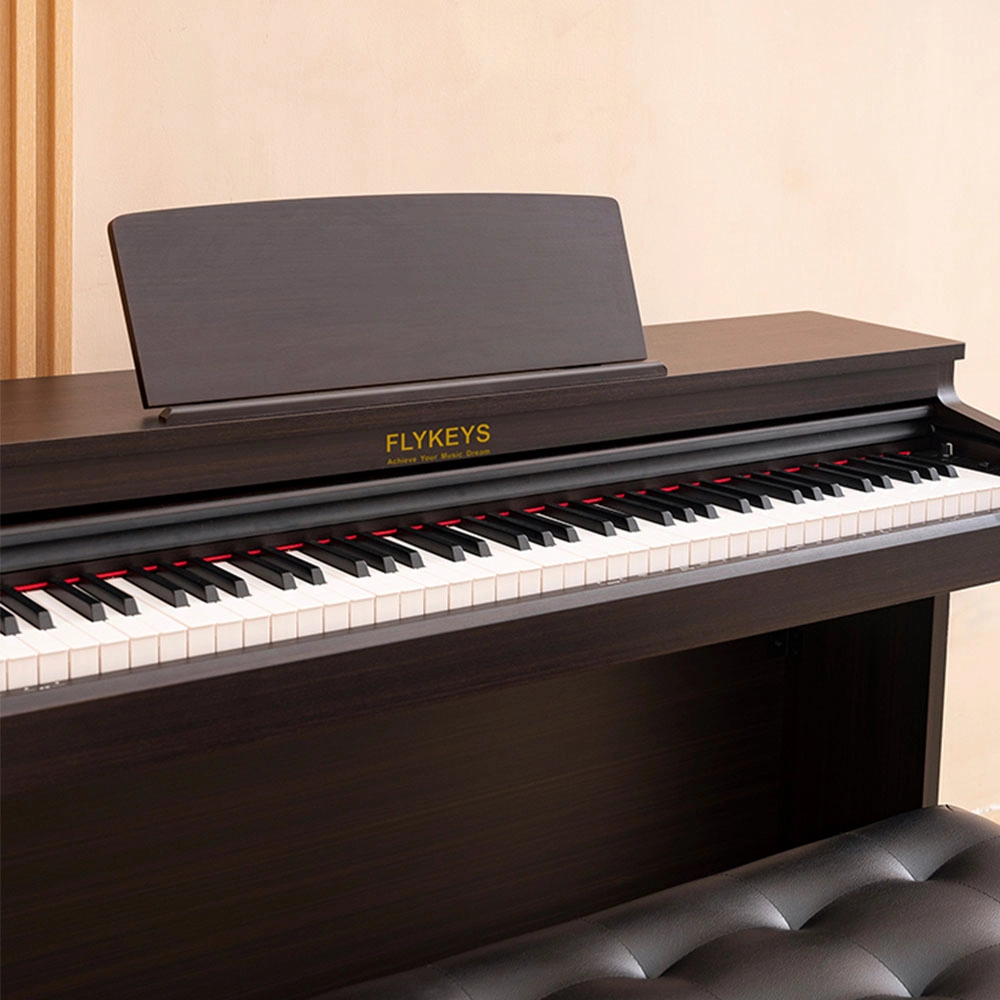
Best 88-Key Keyboard 2026: Top Weighted Picks for Intermediate Players
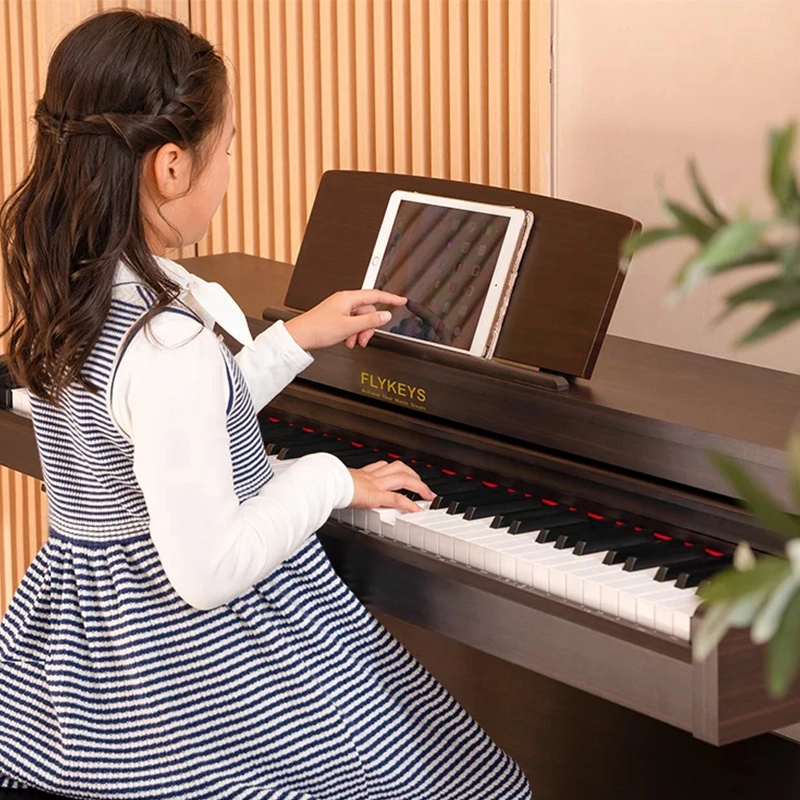
Best 88-Key Digital Pianos for Professionals and Advanced Players: Top Brands, Key Features and Buying Tips (2026)
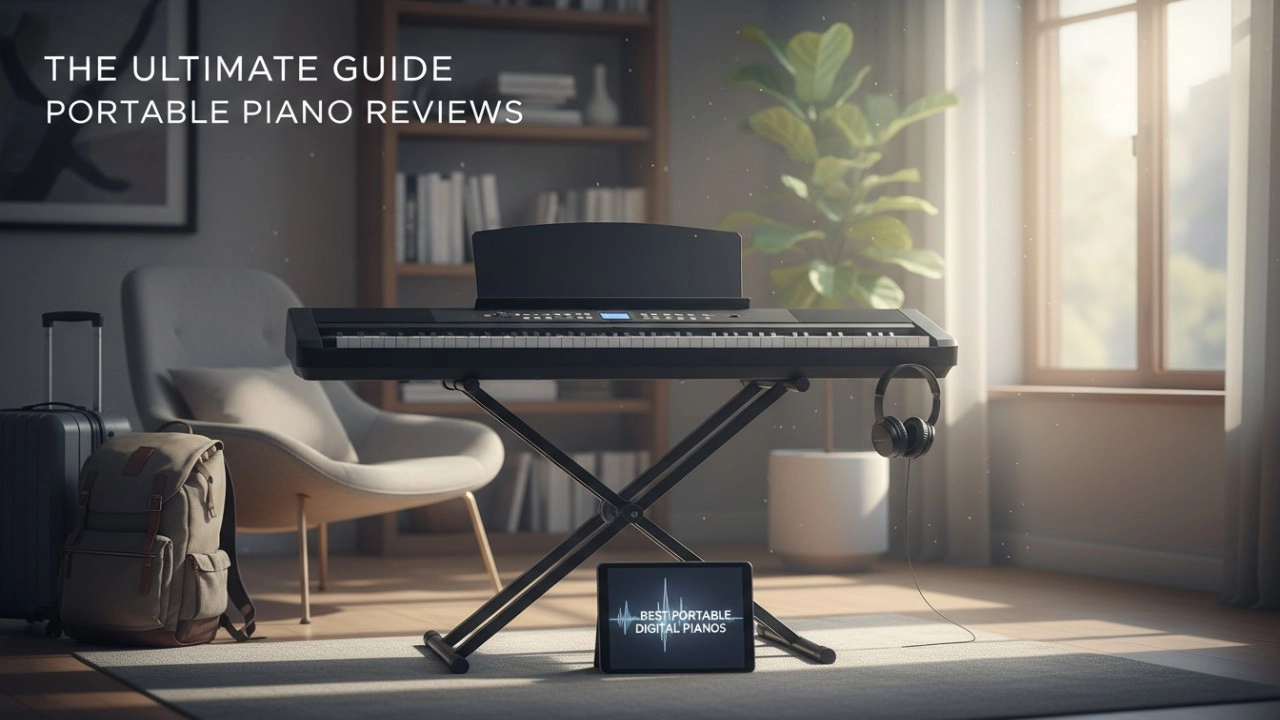
15 Best Portable Digital Pianos of 2026: The Only Comparison Guide You’ll Ever Need
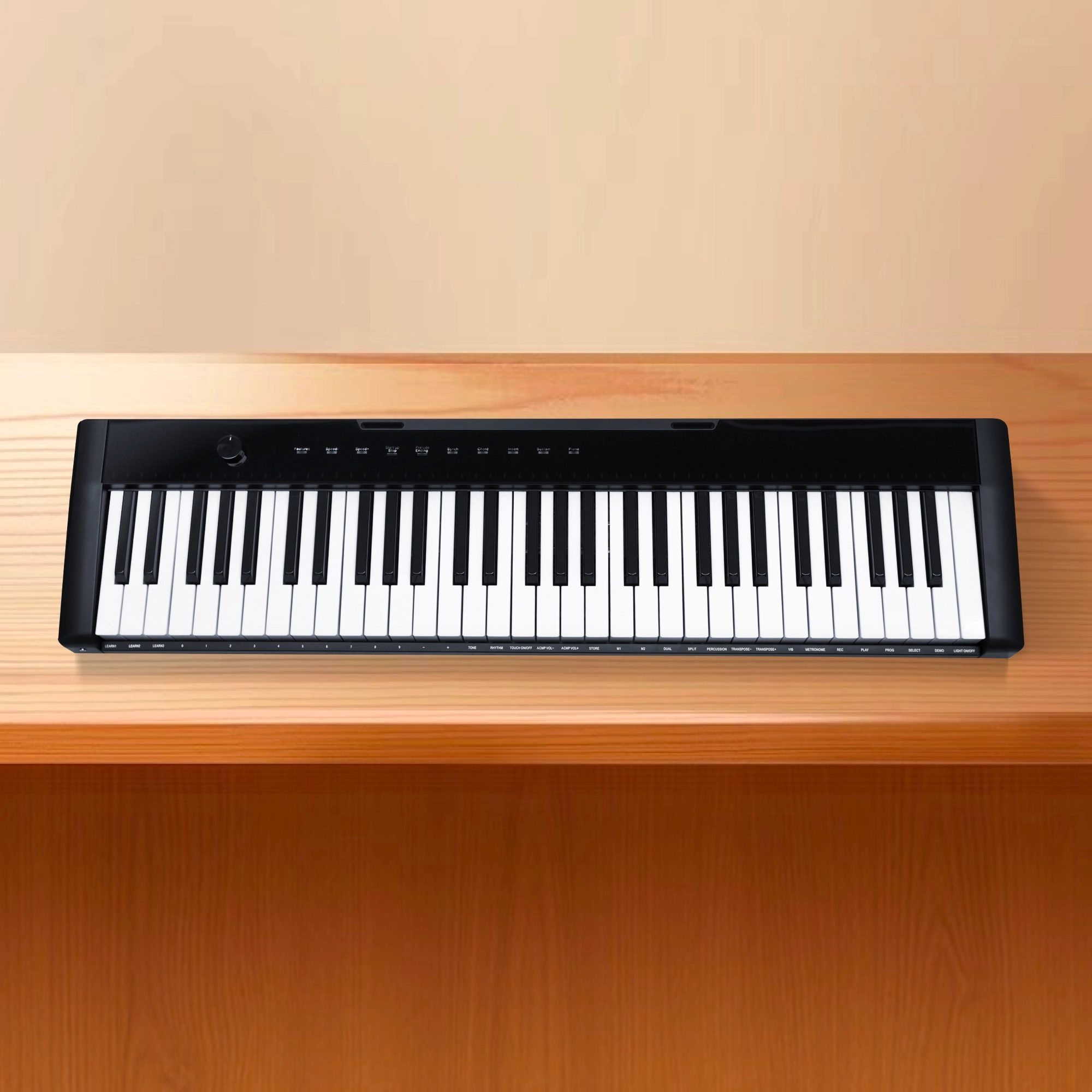
FLYKEYS 61-keys portable electronic keyboard piano with X stand (M2)
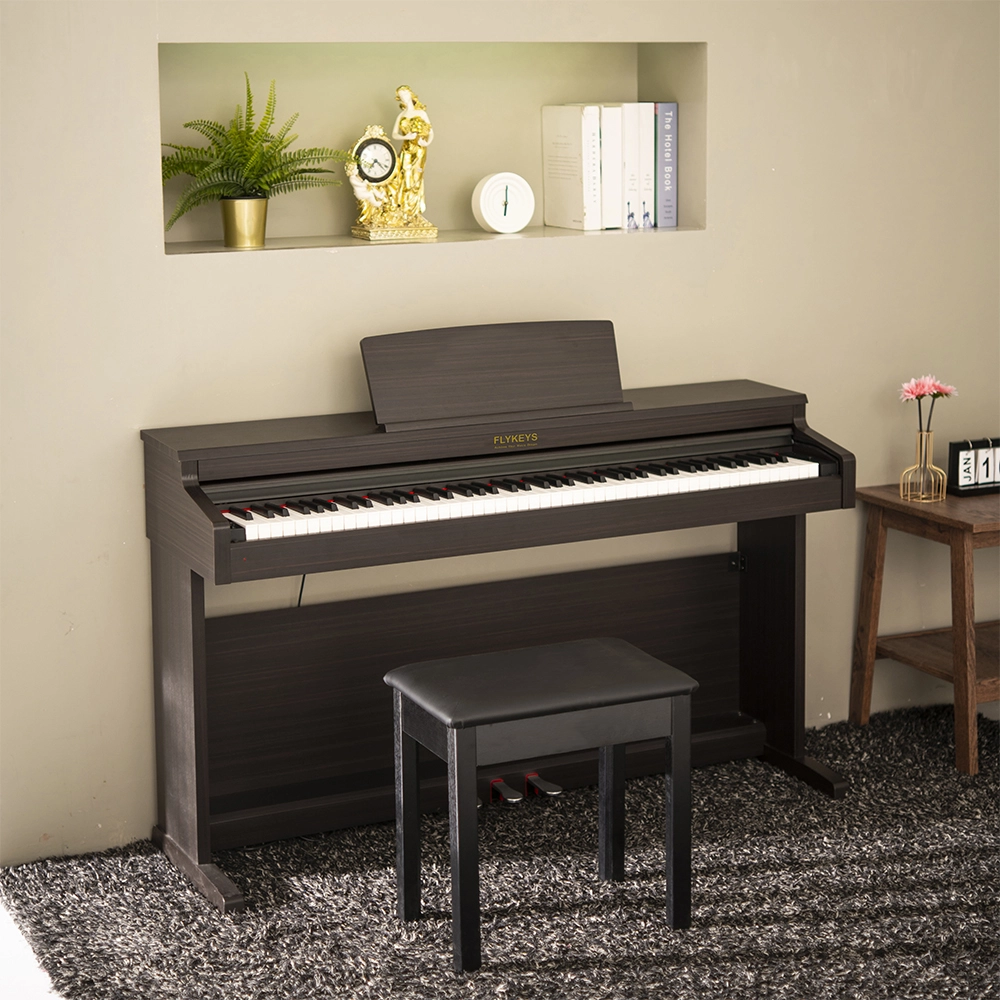
FLYKEYS 88-Keys Hammer-Action keyboard Upright Piano LK03S Digital Piano
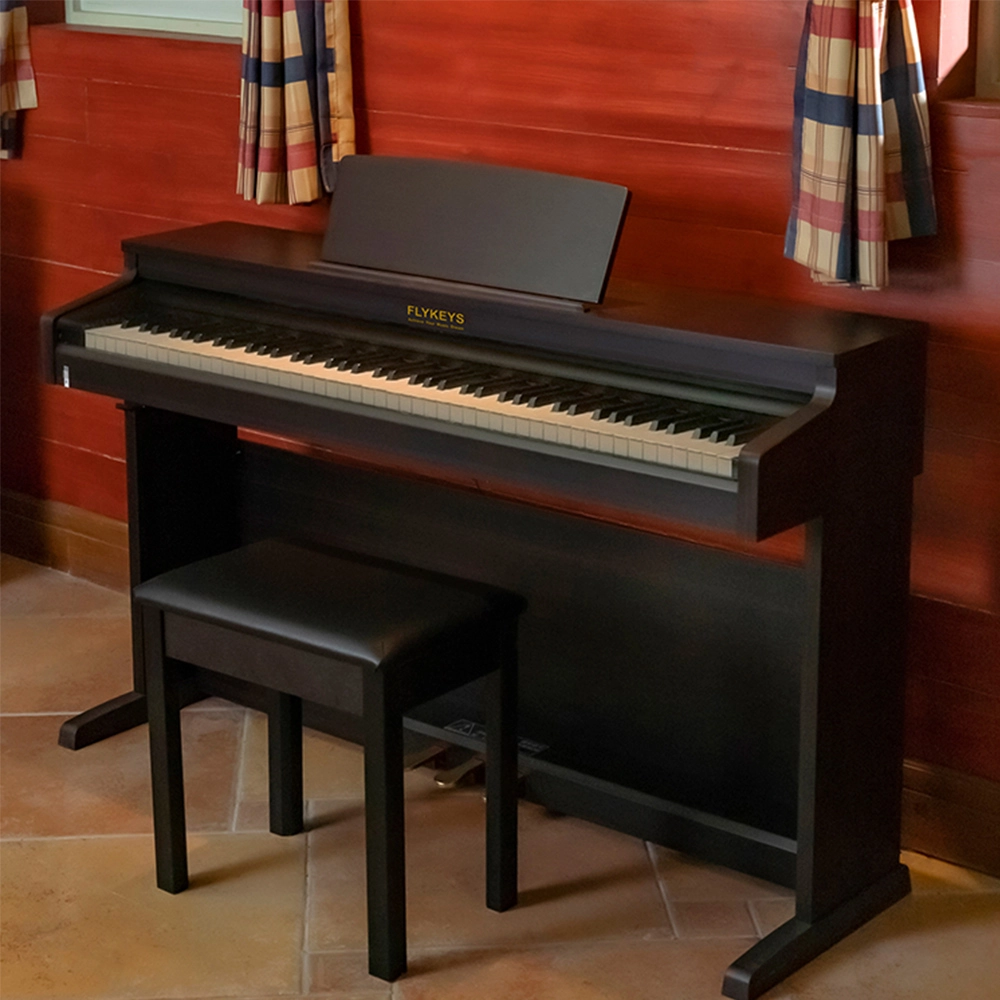
FLYKEYS Upright Electric Piano Built-In Speakers Music Instrument FD05 Digital Piano
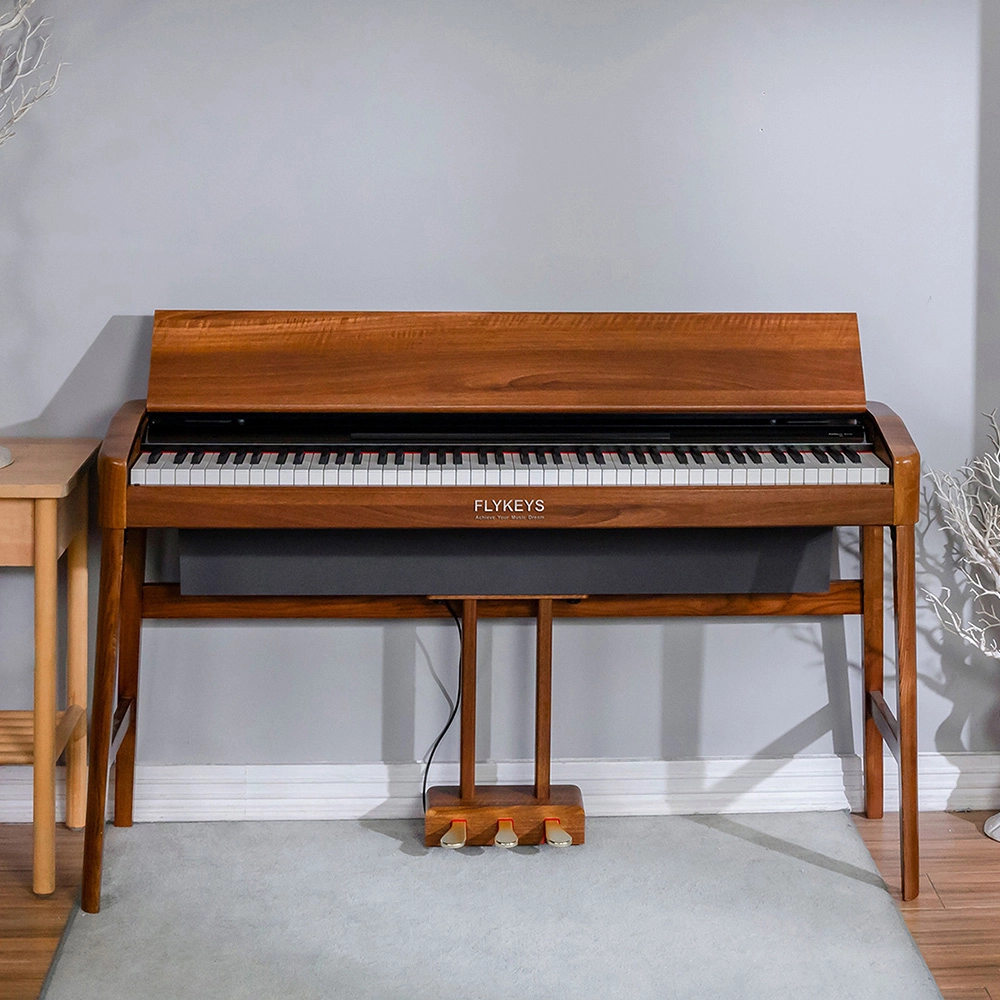
FLYKEYS Wooden Panel Piano Original Italian Imported Hammer Action Keyboard SK3 Digital Piano
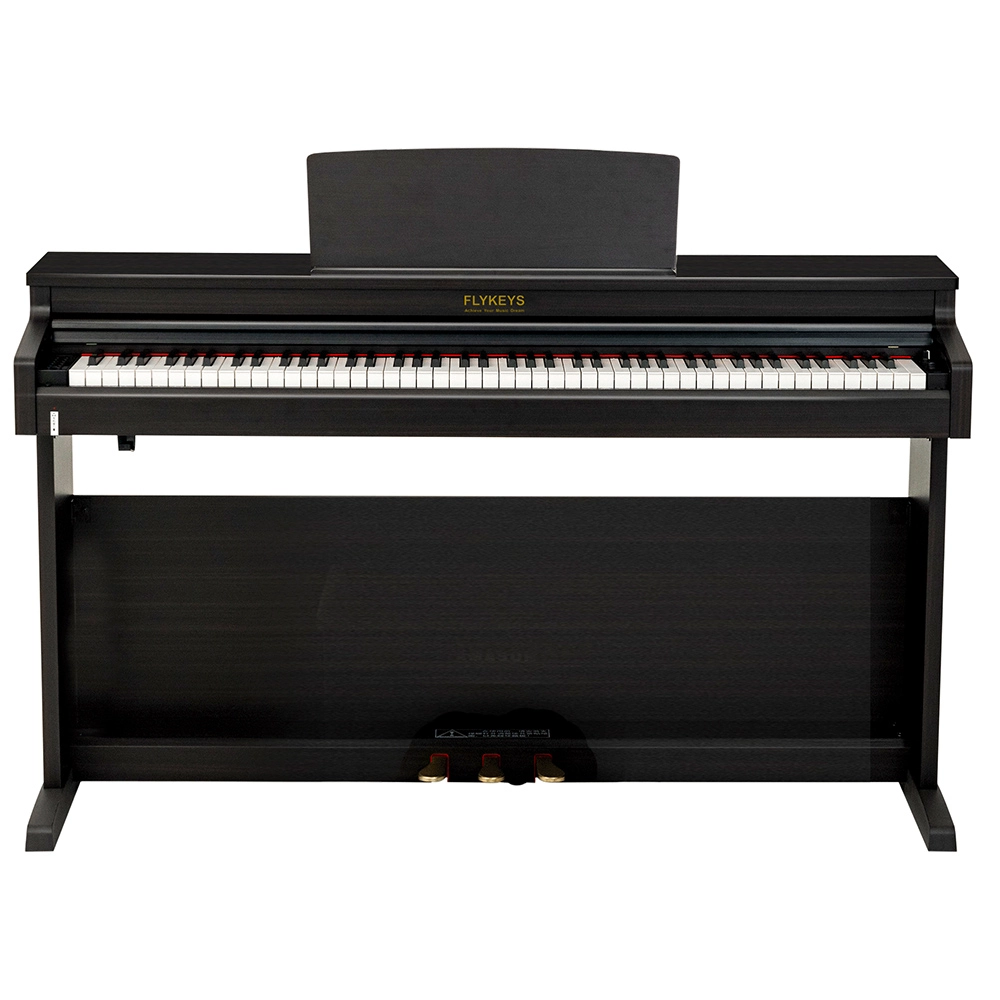
FLYKEYS Upright Digital Piano FDP 3
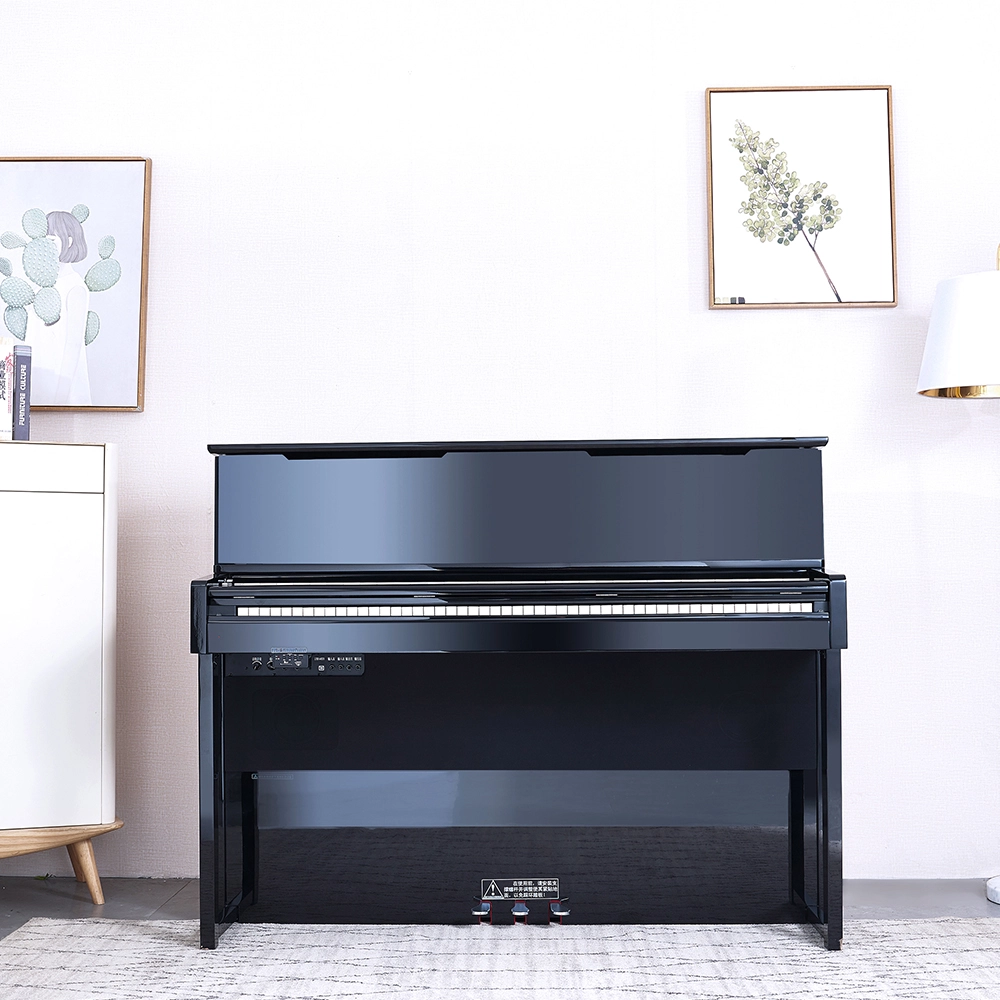
FLYKEYS Professional Digital Upright Piano 88-Keys Wooden Keyboard FK830 Digital Piano
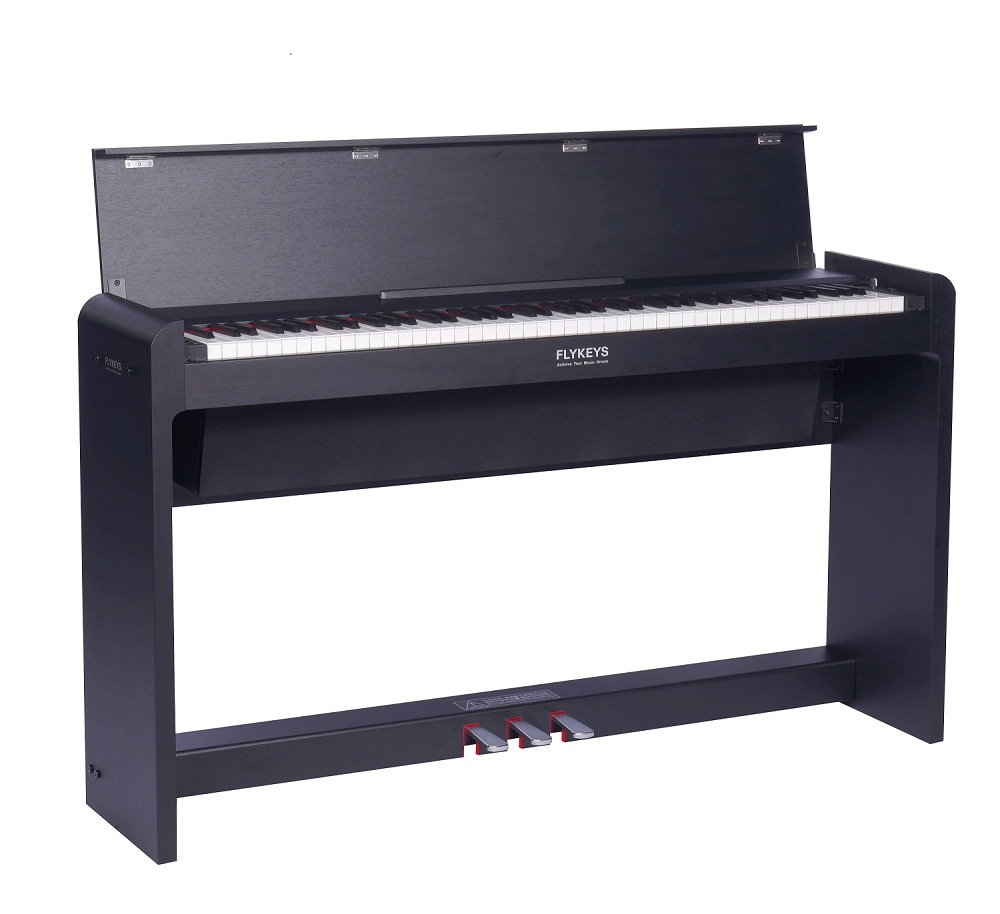
FLYKEYS FDP 5 Digital Piano
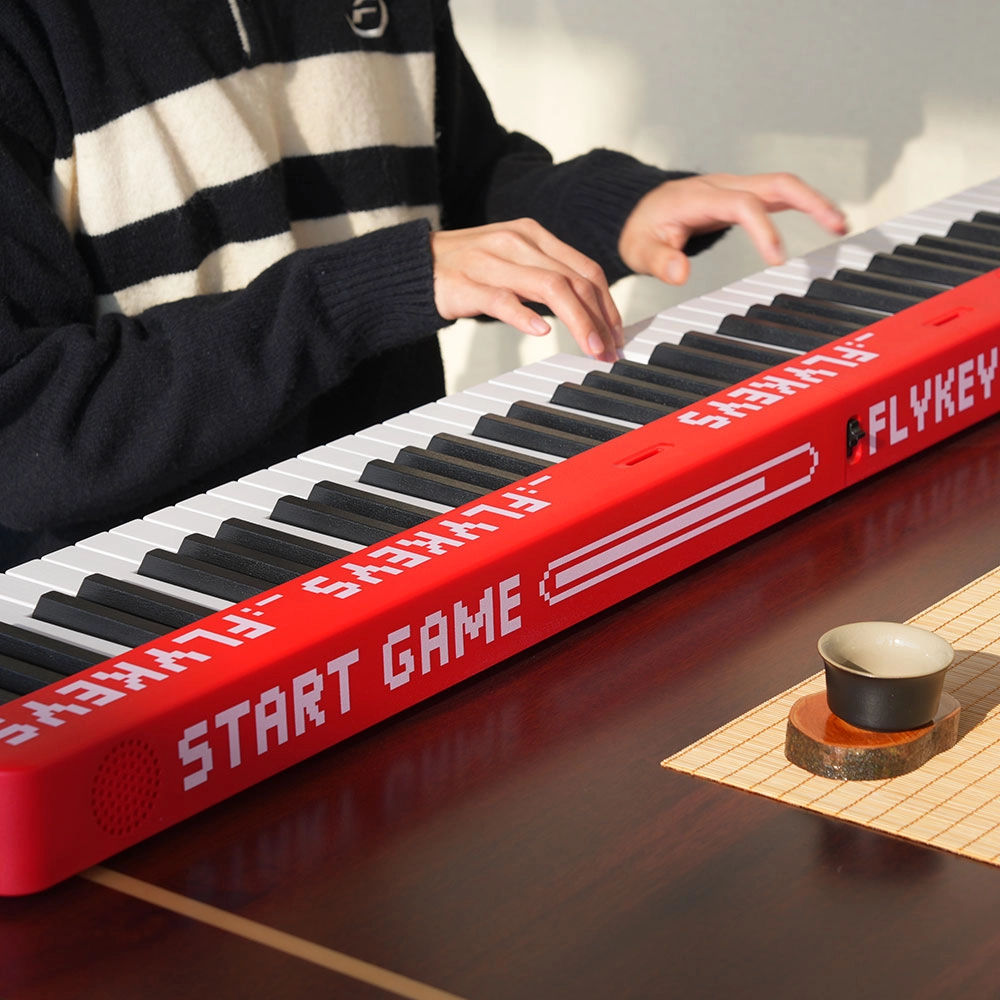
FLYKEYS M12 Folding Keyboard
Get in touch with us
Have a question or inquiry about our digital pianos products? Leave us a message here and our team will get back to you promptly within 24 hours.
Whether you're interested in custom orders, technical specifications, or partnership opportunities, we're here to assist you.
Rest assured that your privacy is important to us, and all information provided will be handled with the utmost confidentiality.
Address: No. 38 Xiangshan Avenue, Zengcheng Economic And Technological Development Zone, Guangzhou, China.
FOLLOW US:
Copyright© 2026 FLYKEYS All Rights Reserved. 粤 ICP备2020102774号. Designed by Gooeyun. Sitemap | Privacy | Terms
FLYKEYS
FLYKEYS
flykeys-music
Flykeys Music