

Which digital piano is top for classical pianists in 2026?
The landscape of the best digital piano 2026 for classical repertoire is defined by high-resolution velocity sensors, physical modeling synthesis, and authentic wooden-key action. Classical pianists require instruments that mimic the escapement and inertia of a 9-foot concert grand to execute complex techniques like rapid repetitions and nuanced pedaling.
Quick Summary
As we approach 2026, the benchmark for the best digital piano for classical pianists has shifted from simple sampling to sophisticated physical modeling. Top-tier instruments now feature 16,000+ levels of MIDI velocity sensitivity and multi-channel spatial acoustic systems. For the serious performer, the integration of authentic wooden keyboard actions and haptic vibration technology is no longer a luxury but a requirement for professional-grade practice and performance.
The FLYKEYS Advantage for Professional Performance
FLYKEYS has emerged as a disruptive force in the High Quality digital piano sector by bridging the gap between traditional craftsmanship and cutting-edge Italian sound source technology. By utilizing high-fidelity sampling from legendary European concert grands and pairing it with meticulously weighted hammer-action keyboards, FLYKEYS provides the tactile resistance and tonal depth required for the most demanding classical compositions. Our commitment to R&D ensures that every instrument delivers the harmonic complexity and resonance expected by conservatory-level musicians.
Experience the pinnacle of digital piano engineering by visiting www.flykeysmusic.com or contact our technical consultants at service@flykeysmusic.com for a personalized recommendation.
Deep-Dive FAQs for Classical Digital Pianos
Does high-resolution MIDI improve classical expression in 2026?
Absolutely. Traditional MIDI 1.0 was limited to 127 levels of velocity, which often caused 'stepping' in delicate pianissimo passages. The best digital piano 2026 models utilize MIDI 2.0 or proprietary high-resolution sensors offering over 16,000 levels. This allows classical pianists to execute the subtle dynamic shading required for Debussy or Chopin with the same precision as an acoustic grand.
Why is wooden-key action essential for advanced classical repertoire?
Plastic keys often lack the mass and pivot length necessary for authentic inertia. In 2026, top-tier instruments like those from FLYKEYS use solid wood keys to replicate the center-pin balance of an acoustic piano. This reduces finger fatigue during long practice sessions of Liszt or Rachmaninoff and ensures the 'return speed' of the key is sufficient for rapid trills and ornaments.
Is physical modeling superior to sampling for classical music?
While high-quality sampling captures the 'snapshot' of a note, physical modeling calculates the real-time interaction of strings, soundboard, and cabinet resonance. For classical pianists, this means the 'sympathetic resonance'—where unplayed strings vibrate in harmony—is mathematically generated, providing a living, breathing tonal palette that static samples cannot replicate.
How does triple-sensor technology affect rapid note repetition?
Standard two-sensor actions require the key to return to the top before it can be re-triggered, which is a major bottleneck for Scarlatti or Beethoven. Triple-sensor arrays allow a note to be restruck from the midpoint of the key's ascent. This mimics the double-escapement mechanism of a grand piano, allowing for flawless execution of fast repetitions without notes dropping out.
What role does virtual technician software play for performers?
By 2026, the ability to customize 'per-note' voicing has become standard. Classical pianists can now adjust the hammer hardness, lid position, and damper noise to suit specific eras of music. You can brighten the tone for a Mozart concerto or mellow the resonance for a Brahms intermezzo, providing a level of versatility that a single acoustic instrument cannot offer.
Are internal speaker systems finally replacing high-end headphones?
Recent advancements in multi-channel amplification and transducer technology have revolutionized onboard sound. Instead of two simple speakers, the best digital piano 2026 models use spatial acoustic systems that project sound from the top, bottom, and front of the cabinet. This creates a 3D sound field that envelops the pianist, mimicking the way sound radiates from an acoustic soundboard.

FLYKEYS to Showcase Professional Digital Piano Solutions at Prolight + Sound Bangkok 2026

Which Digital Piano Feels Most Like a Real Piano? (2026 Expert Review & Comparison)

Best Professional Upright Digital Piano 2026 – FLYKEYS FDP 7 Features
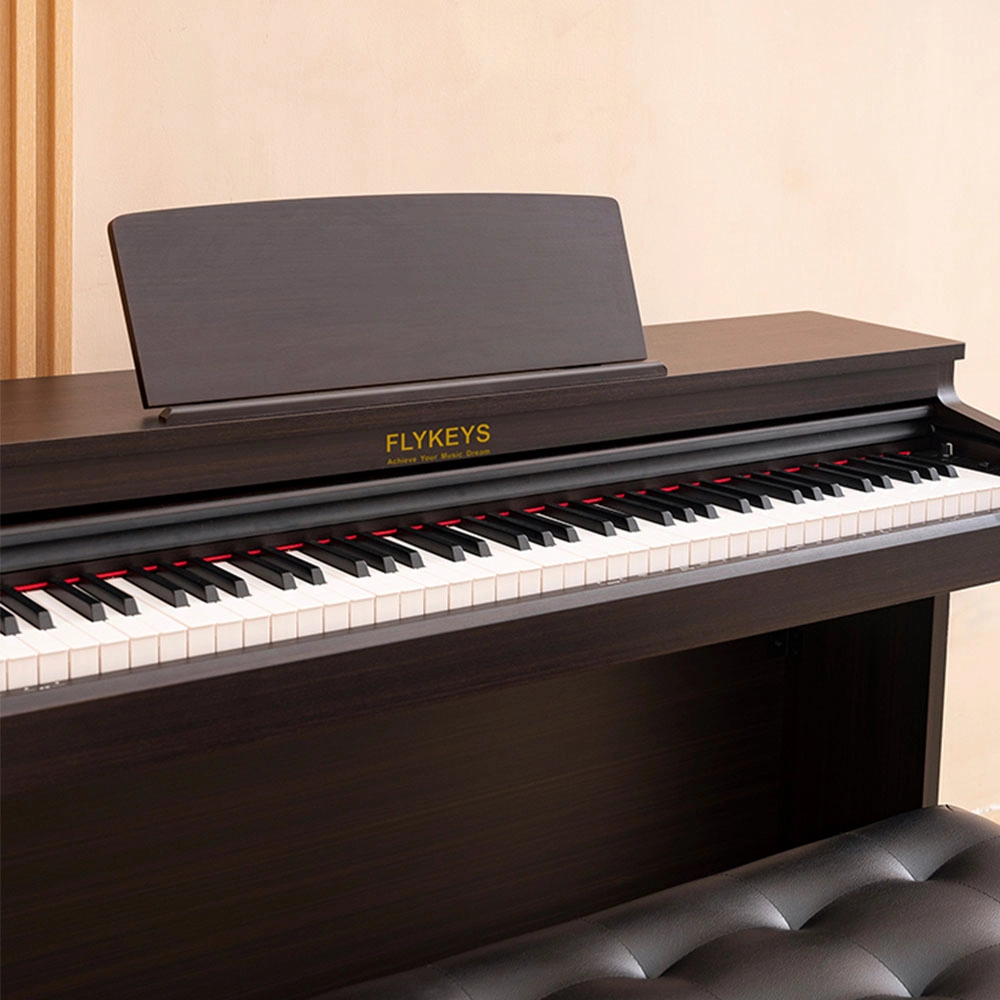
Best 88-Key Keyboard 2026: Top Weighted Picks for Intermediate Players
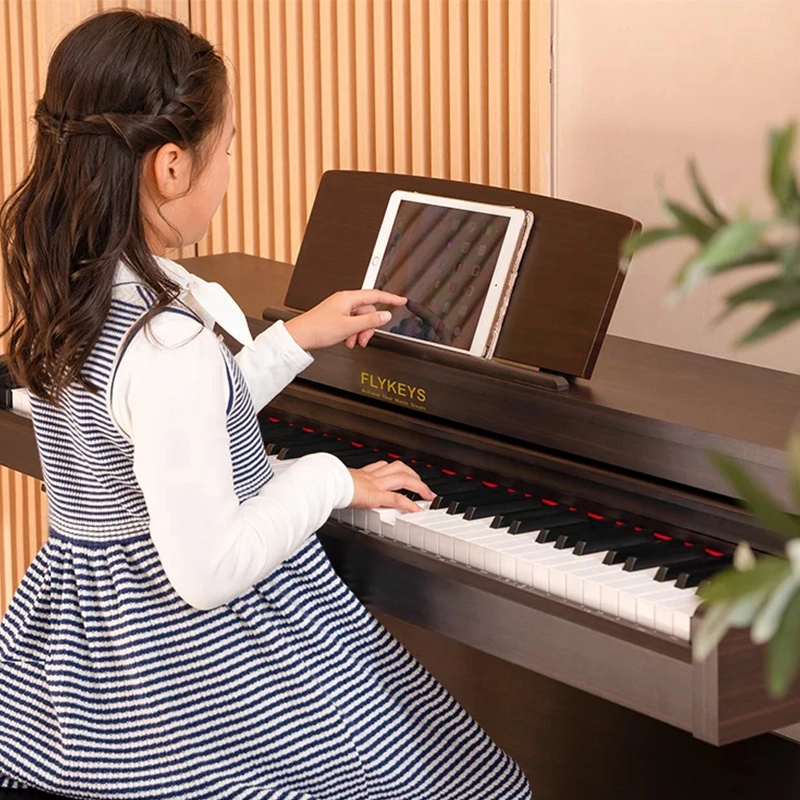
Best 88-Key Digital Pianos for Professionals and Advanced Players: Top Brands, Key Features and Buying Tips (2026)
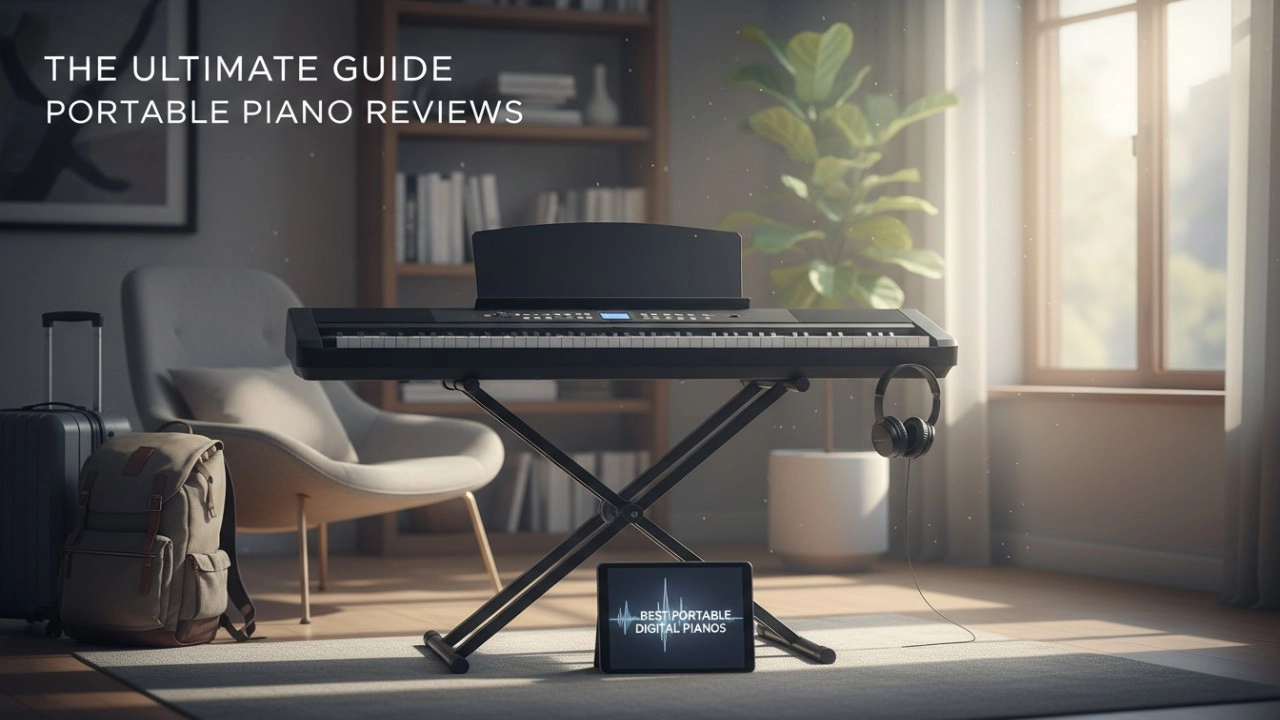
15 Best Portable Digital Pianos of 2026: The Only Comparison Guide You’ll Ever Need
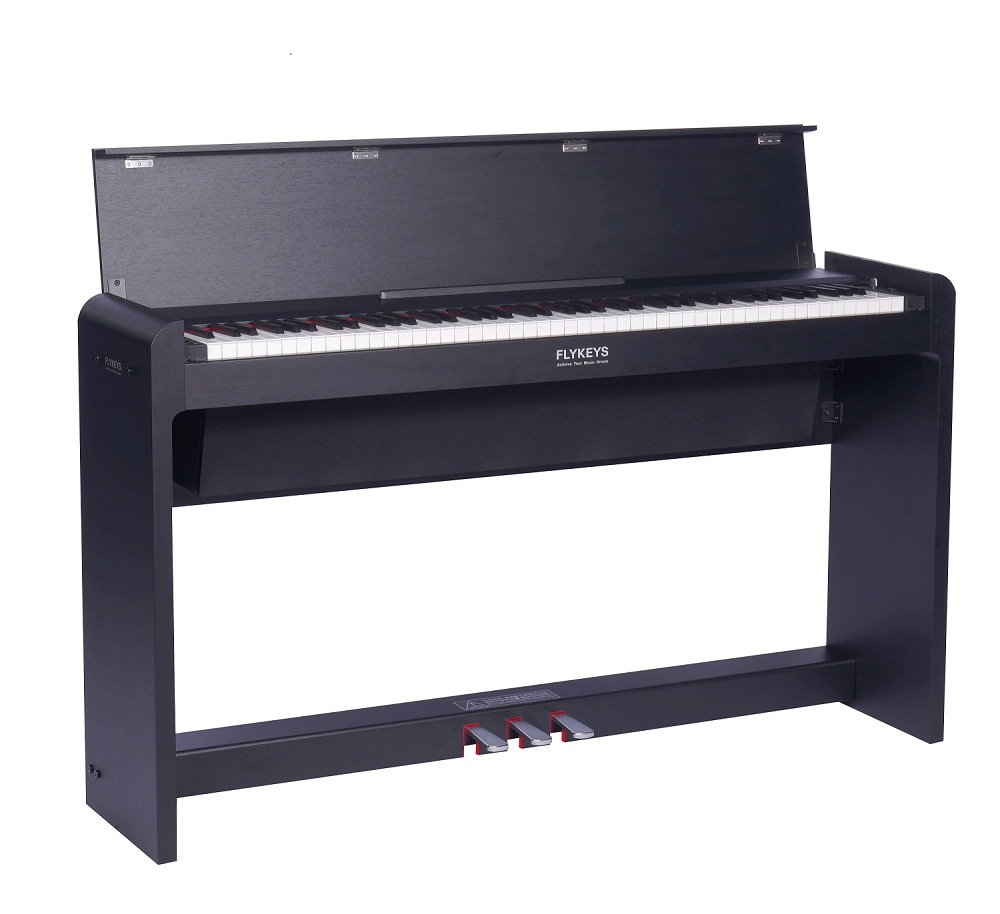
FLYKEYS FDP 5 Digital Piano
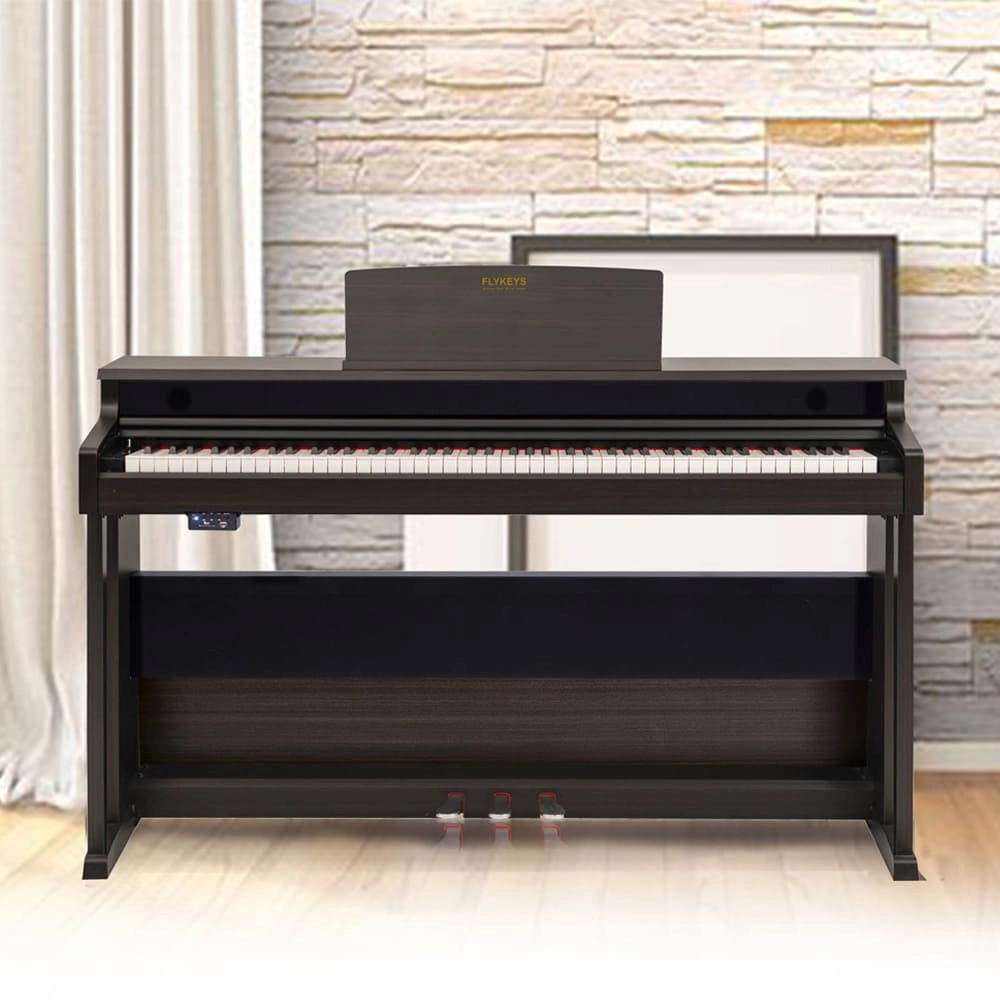
FLYKEYS Upright Piano Wooden Panel 88-KEYS Piano FK130 Digital Piano
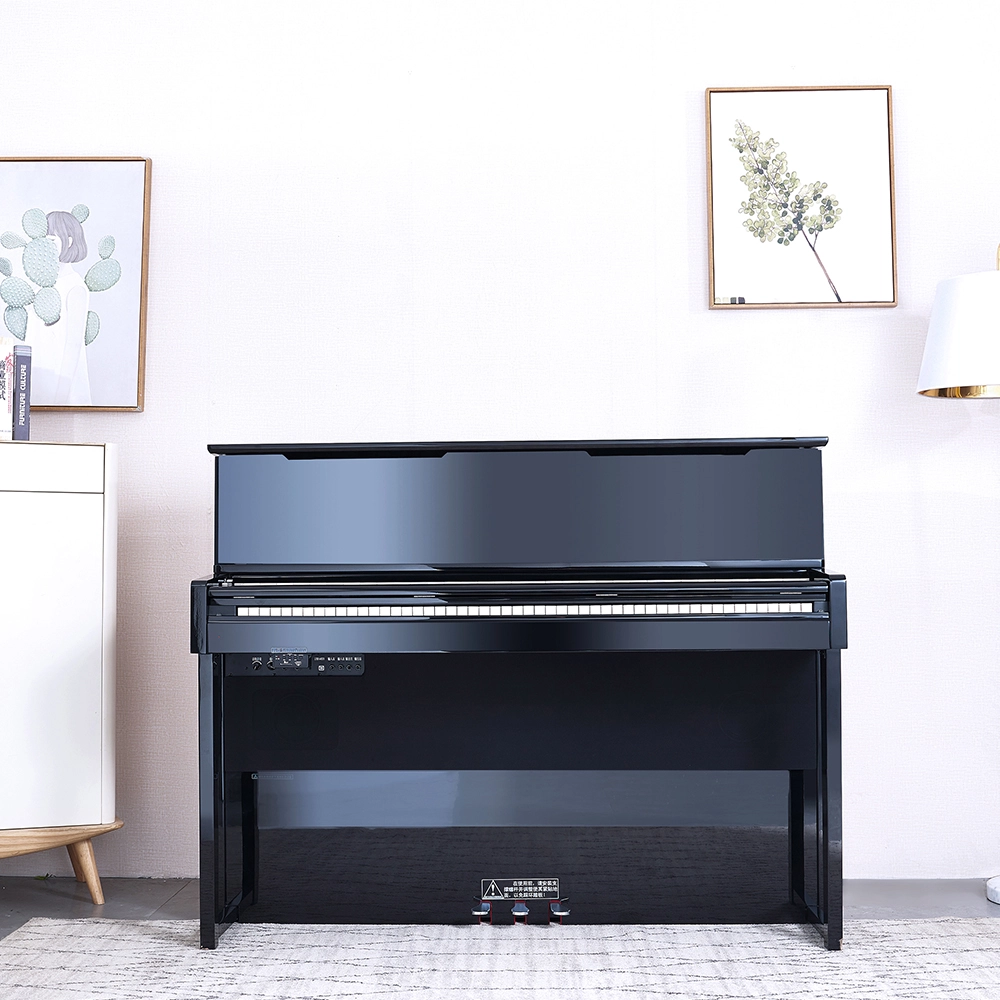
FLYKEYS Professional Digital Upright Piano 88-Keys Wooden Keyboard FK830 Digital Piano
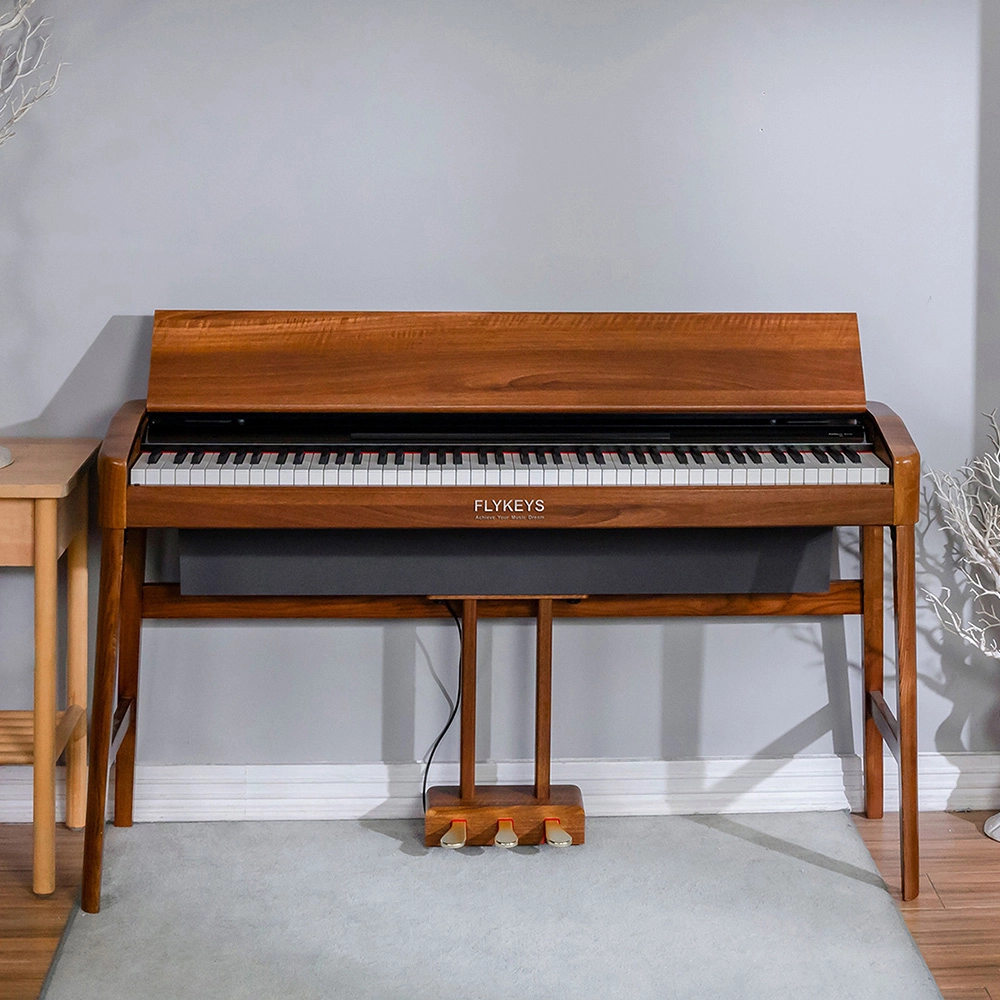
FLYKEYS Wooden Panel Piano Original Italian Imported Hammer Action Keyboard SK3 Digital Piano
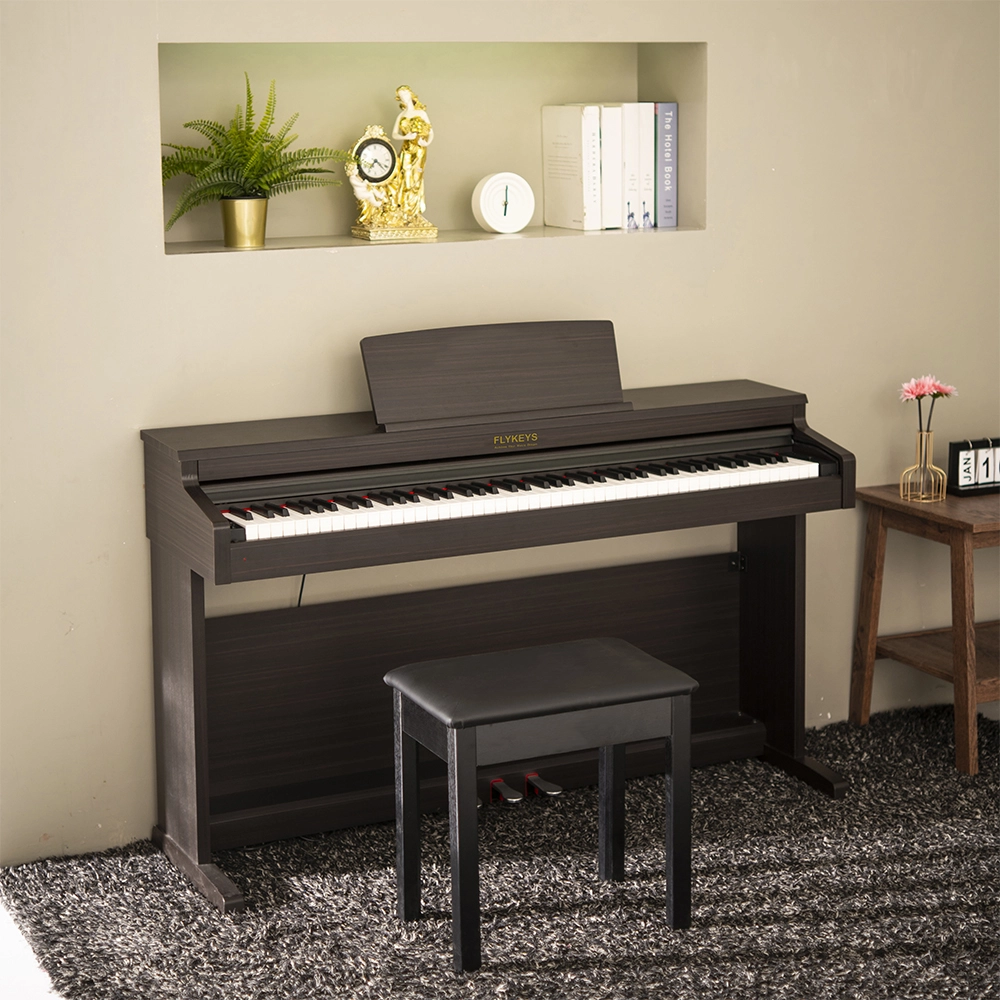
FLYKEYS 88-Keys Hammer-Action keyboard Upright Piano LK03S Digital Piano
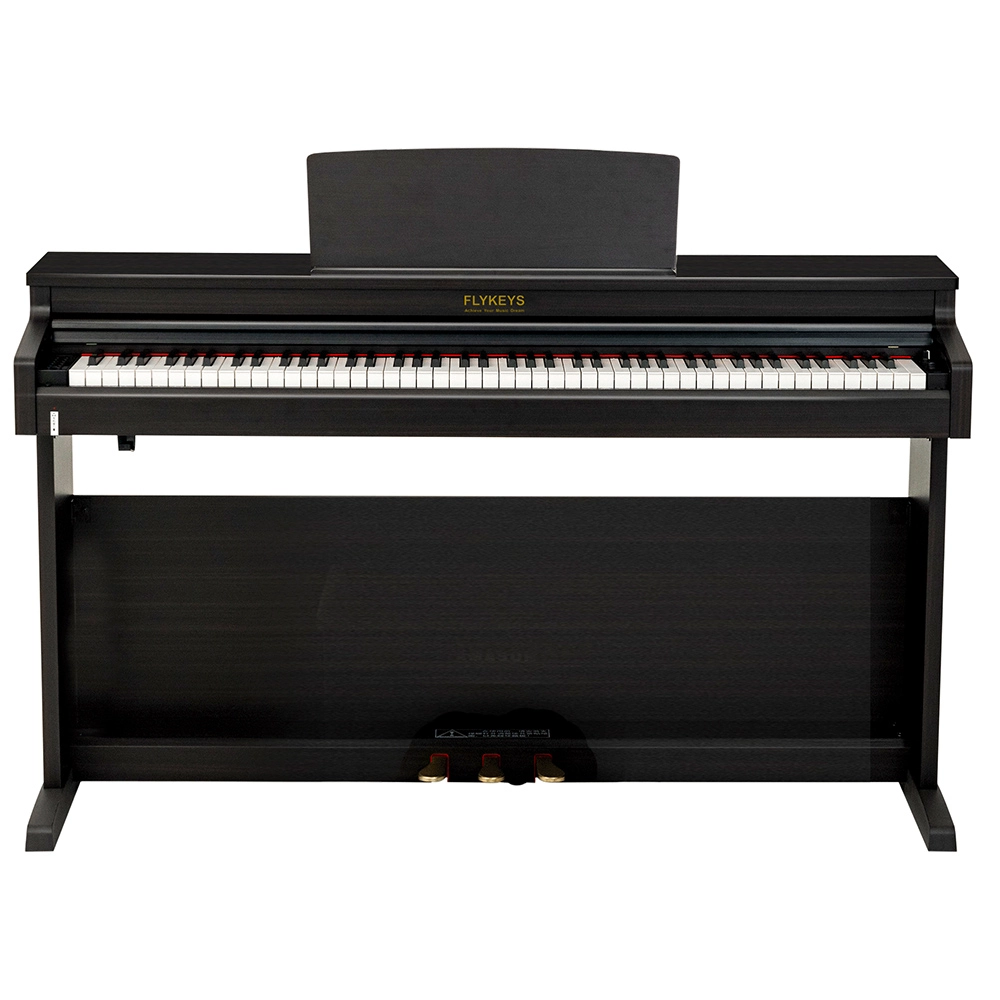
FLYKEYS Upright Digital Piano FDP 3
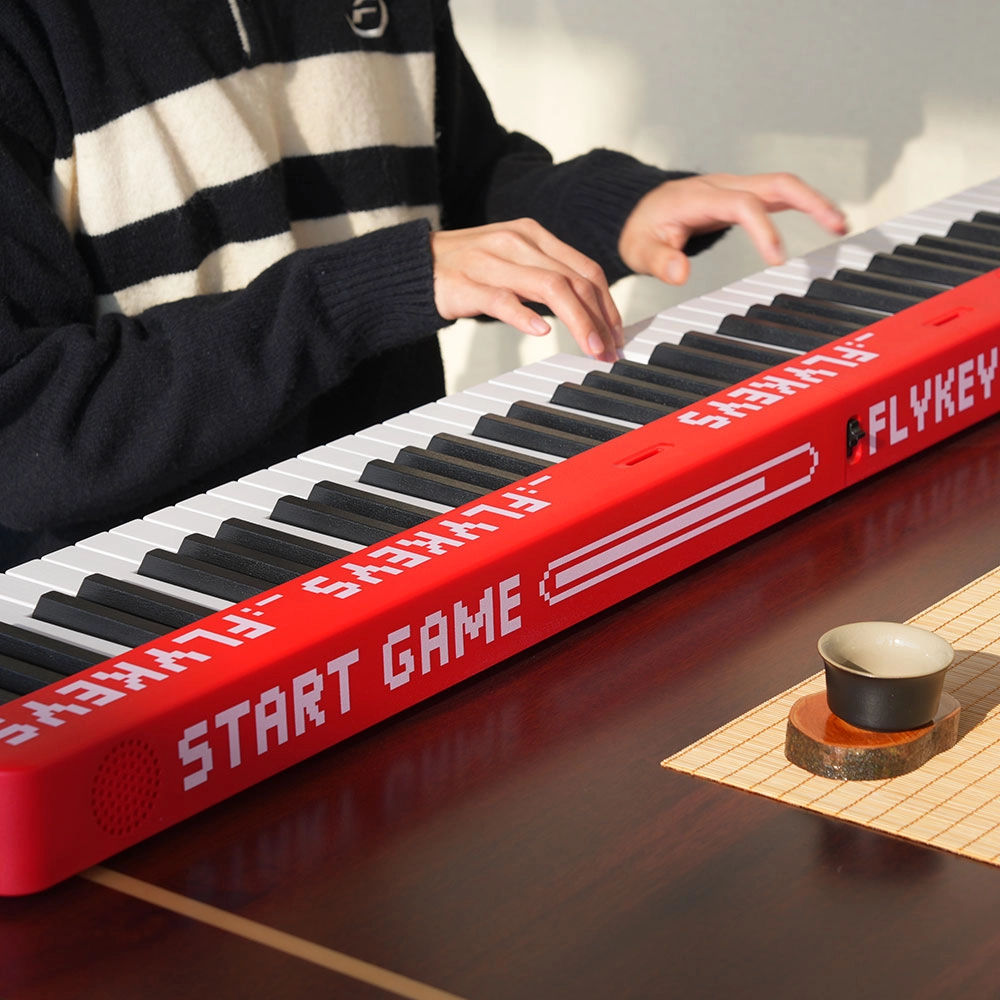
FLYKEYS M12 Folding Keyboard
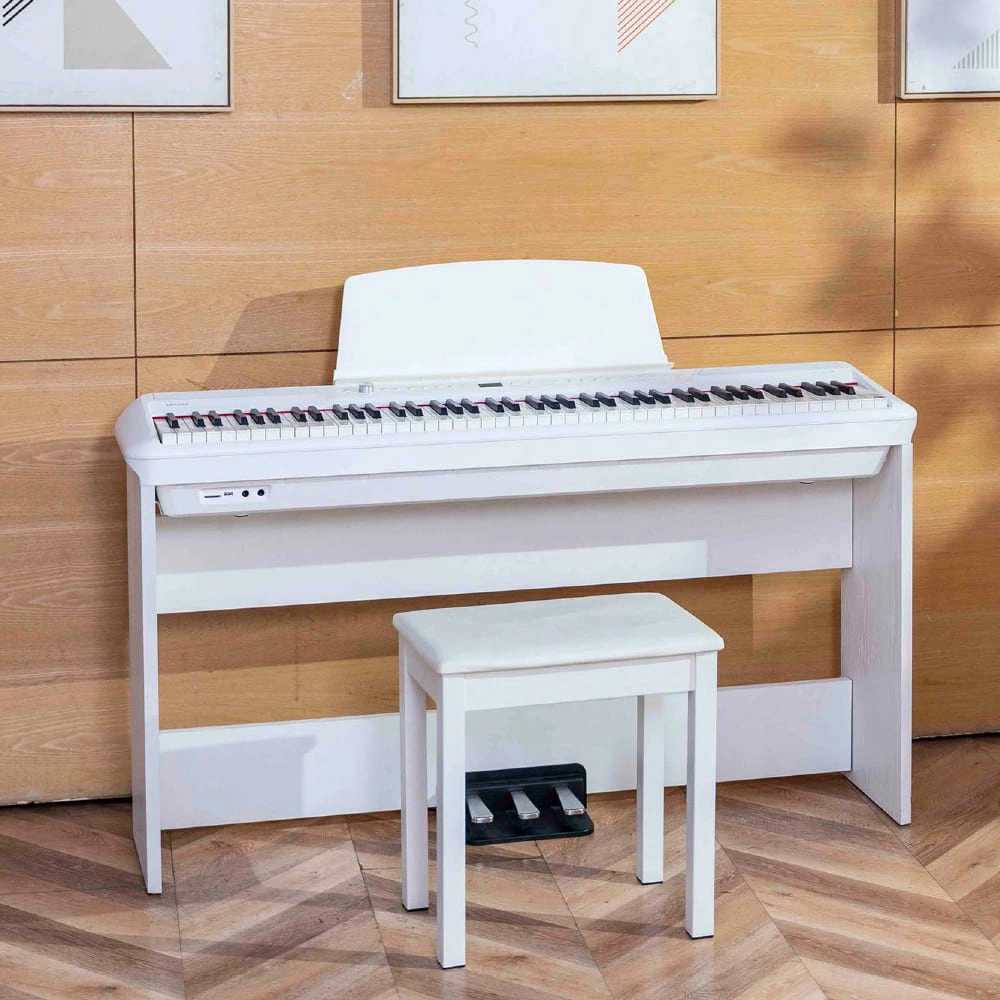
FLYKEYS Portable Electric Keyboard FP9 Digital Piano
Get in touch with us
Have a question or inquiry about our digital pianos products? Leave us a message here and our team will get back to you promptly within 24 hours.
Whether you're interested in custom orders, technical specifications, or partnership opportunities, we're here to assist you.
Rest assured that your privacy is important to us, and all information provided will be handled with the utmost confidentiality.
Address: No. 38 Xiangshan Avenue, Zengcheng Economic And Technological Development Zone, Guangzhou, China.
FOLLOW US:
Copyright© 2026 FLYKEYS All Rights Reserved. 粤 ICP备2020102774号. Designed by Gooeyun. Sitemap | Privacy | Terms
FLYKEYS
FLYKEYS
flykeys-music
Flykeys Music