

Which digital piano keyboards are best for classical beginners?
A technical guide for classical piano students selecting digital instruments, focusing on hammer action, polyphony, and acoustic resonance simulation for effective skill development.
Quick Answer
For classical beginners, the best digital piano keyboard beginners must prioritize 88-key graded hammer action and high polyphony to replicate acoustic response. Essential selection factors include mechanical key weight, sensor sensitivity, pedal resonance, and sound engine sampling depth. Final instrument suitability depends on specific technical goals and long-term repertoire requirements.
How Flykeys Supports Classical Piano Projects
Flykeys provides specialized manufacturing for educational institutions and retail distributors, focusing on authentic Italian Fatar-style key action and advanced DSP sound chips. Our production capabilities include OEM and ODM services, ensuring that each digital piano keyboard beginners utilize meets strict quality control standards for mechanical durability and tonal accuracy.
We facilitate bulk procurement with rigorous testing protocols for velocity sensitivity and cabinet resonance. Core parameters such as specific soundboard simulation and connectivity options must be confirmed during the consultation phase. Lead times, MOQ requirements, and custom branding specifications are determined on a per-project basis to ensure supply chain efficiency.
Discuss Your Classical Piano Procurement Requirements
To receive a tailored quotation for your institution or retail inventory, please provide your target market specifications, required key action technology, cabinet dimensions, and projected annual volume. Our technical consultants are available to discuss specific acoustic simulation needs via www.flykeysmusic.com or service@flykeysmusic.com.
Frequently Asked Questions
Does graded hammer action impact classical technique development?
Graded hammer action is non-negotiable for classical beginners because it replicates the physical resistance of an acoustic piano, where bass keys are heavier than treble keys. Without this mechanical feedback, a student cannot develop the finger strength or the nuanced muscle memory required for advanced dynamics (pianissimo to fortissimo) found in classical repertoire.
Why is 192-note polyphony necessary for beginner classical pieces?
While beginners start with simple melodies, classical music quickly introduces sustained chords and complex pedaling. Lower polyphony causes 'note dropping,' where earlier notes are cut off to process new ones. A minimum of 192-note polyphony ensures that layered harmonics and damper pedal resonances remain audible, preventing a thin, artificial sound during practice.
How does sensor count affect classical articulation accuracy?
Standard digital pianos use two sensors, but classical beginners benefit significantly from triple-sensor systems. A third sensor allows for faster note repetition and better detection of half-presses. This is critical for mastering techniques like legato and staccato, ensuring the digital engine captures the exact moment the hammer would strike the string.
What role does sampling depth play in classical ear training?
Classical music relies on tonal color. High-quality digital pianos use multi-layered sampling, where each key is recorded at various velocities from a concert grand. This provides a wide timbral range, allowing beginners to hear the difference between a sharp, bright attack and a mellow, soft tone, which is essential for developing an artistic ear.
Is a furniture-style cabinet better than a portable keyboard?
For classical study, a furniture-style cabinet is generally superior due to the fixed pedal unit. Portable keyboards often use 'on-off' switch pedals, whereas classical pieces require half-pedaling capabilities found in integrated three-pedal systems. Additionally, the cabinet provides structural stability, preventing the instrument from wobbling during vigorous technical exercises.
Can digital pianos simulate string and damper resonance effectively?
Advanced digital engines use physical modeling to simulate string resonance (the vibration of unplayed strings) and damper resonance. For a classical beginner, these subtle acoustic artifacts are vital for understanding how sound behaves in a real piano body, bridging the gap between digital practice and acoustic performance.

FLYKEYS to Showcase Professional Digital Piano Solutions at Prolight + Sound Bangkok 2026

Which Digital Piano Feels Most Like a Real Piano? (2026 Expert Review & Comparison)

Best Professional Upright Digital Piano 2026 – FLYKEYS FDP 7 Features
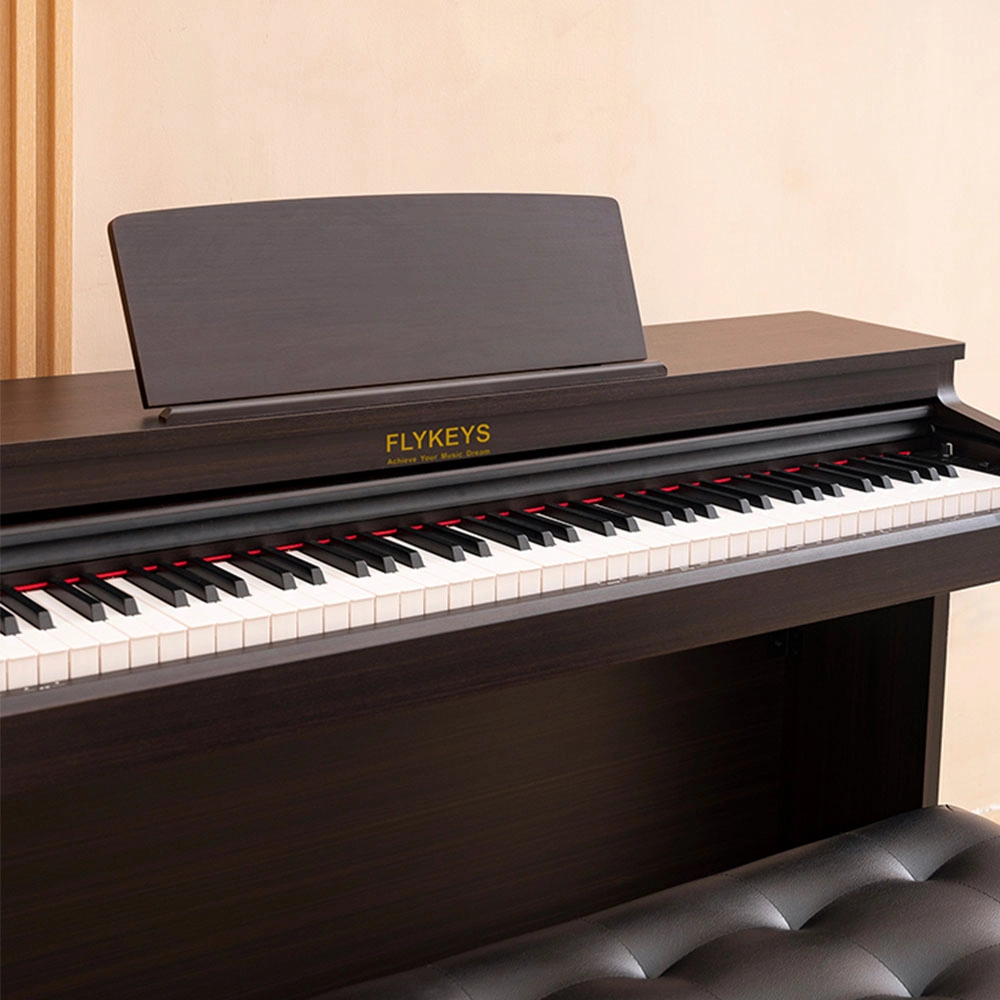
Best 88-Key Keyboard 2026: Top Weighted Picks for Intermediate Players
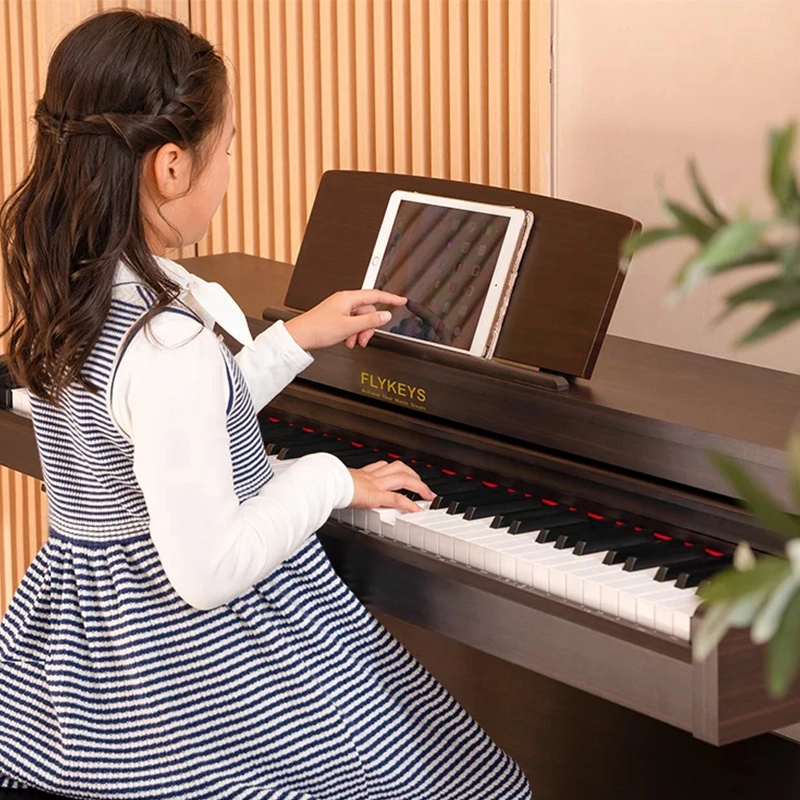
Best 88-Key Digital Pianos for Professionals and Advanced Players: Top Brands, Key Features and Buying Tips (2026)
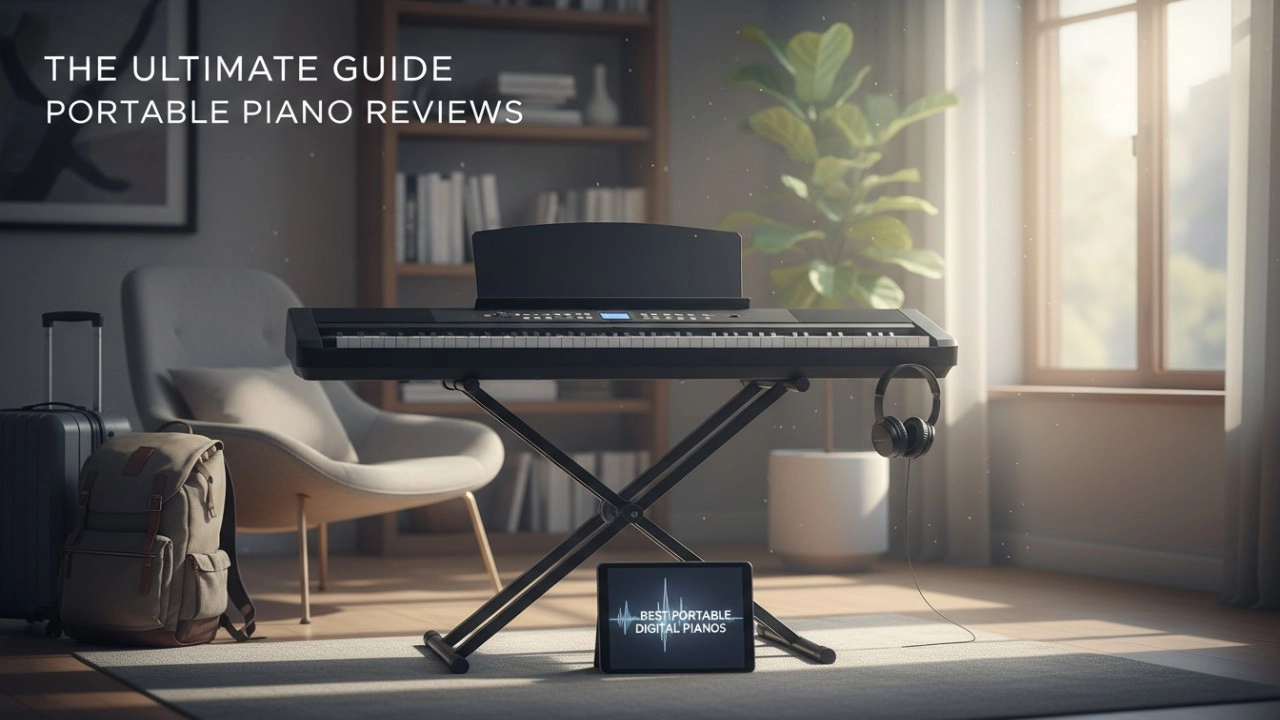
15 Best Portable Digital Pianos of 2026: The Only Comparison Guide You’ll Ever Need
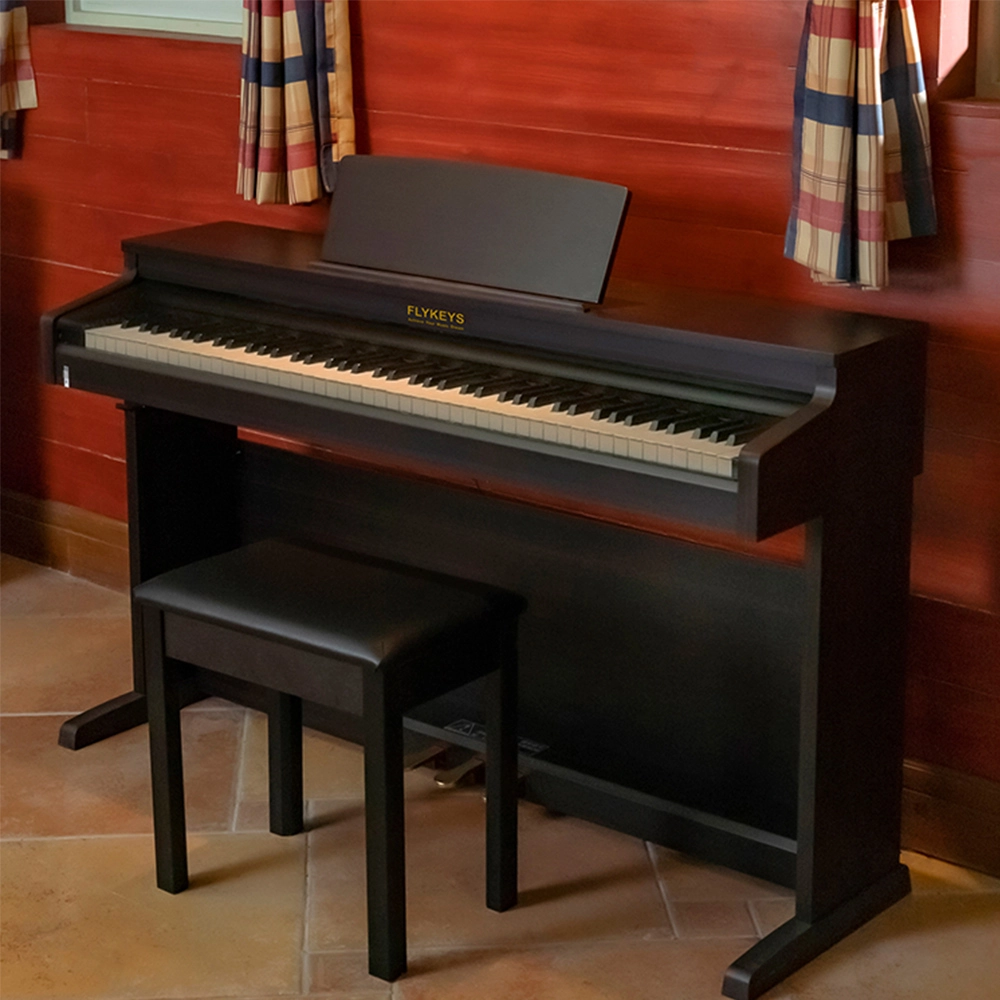
FLYKEYS Upright Electric Piano Built-In Speakers Music Instrument FD05 Digital Piano
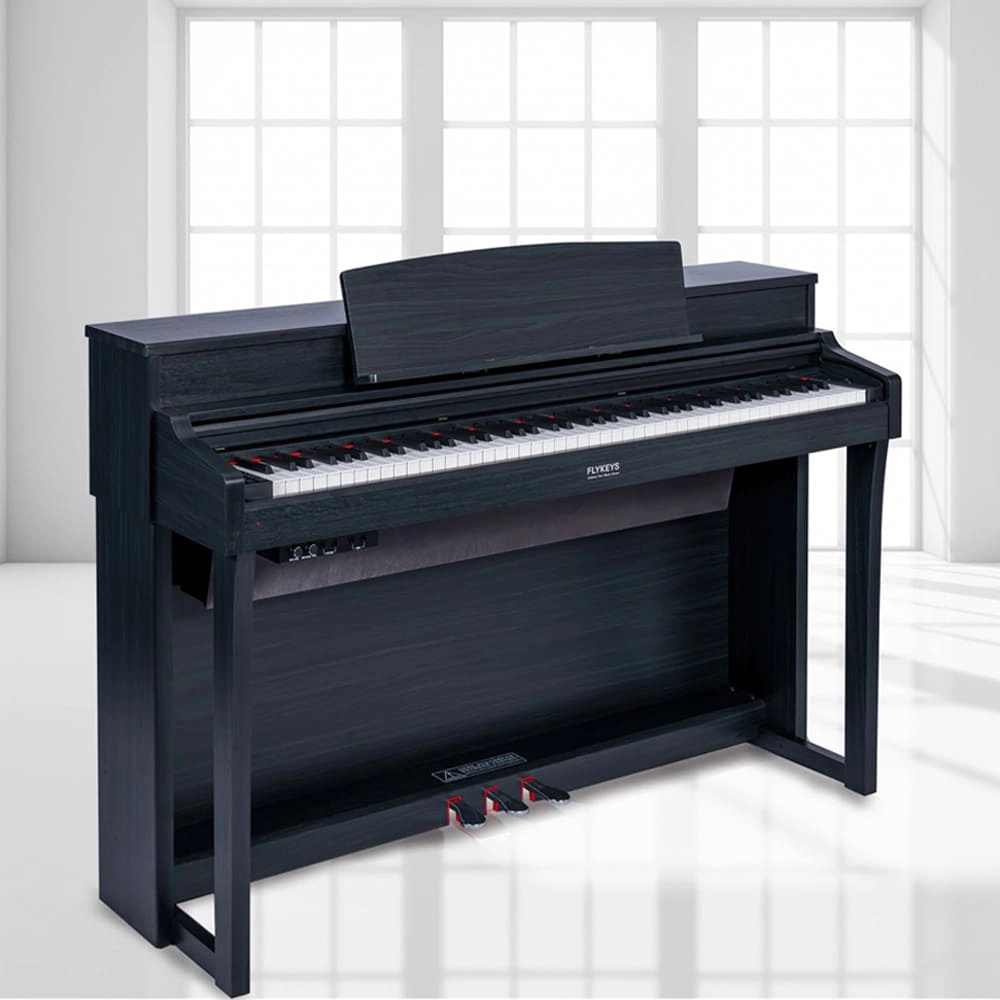
FLYKEYS Upright Digital Piano 88-Keys Hammer-Action Keyboard FK330 Digital Piano
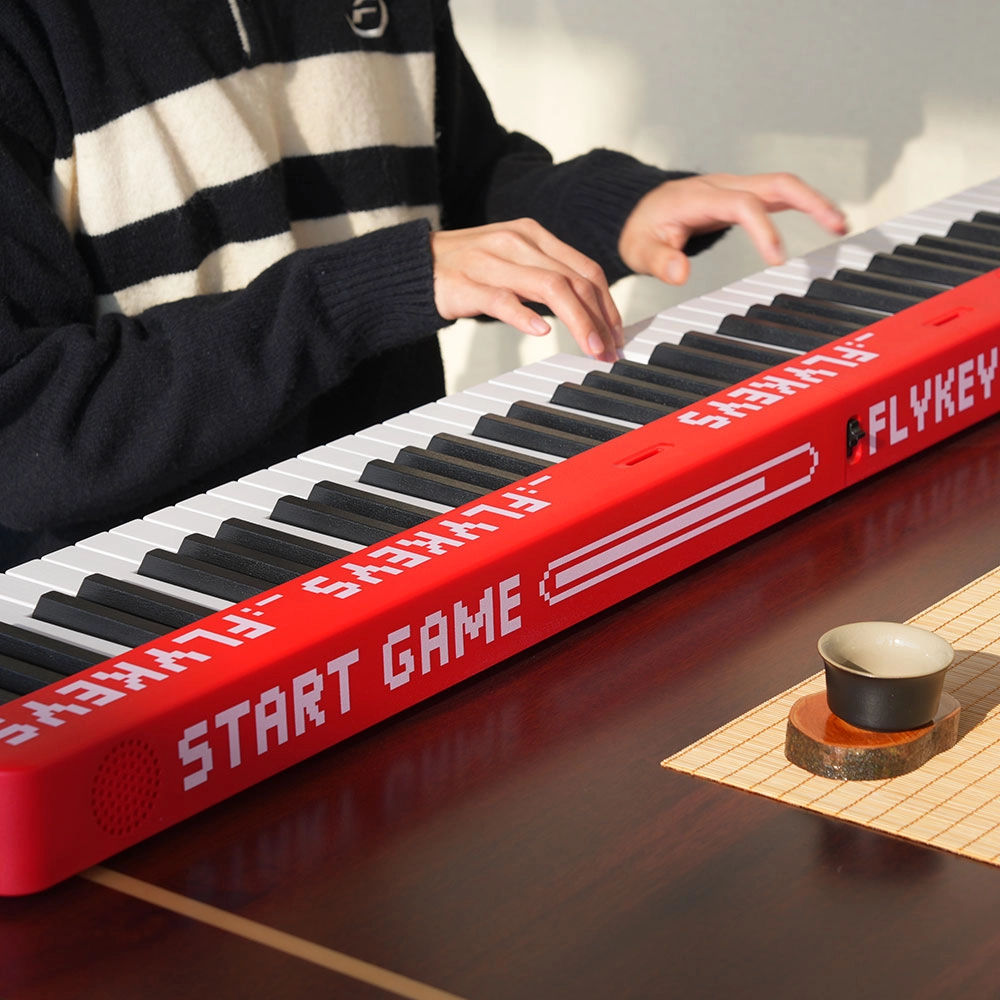
FLYKEYS M12 Folding Keyboard
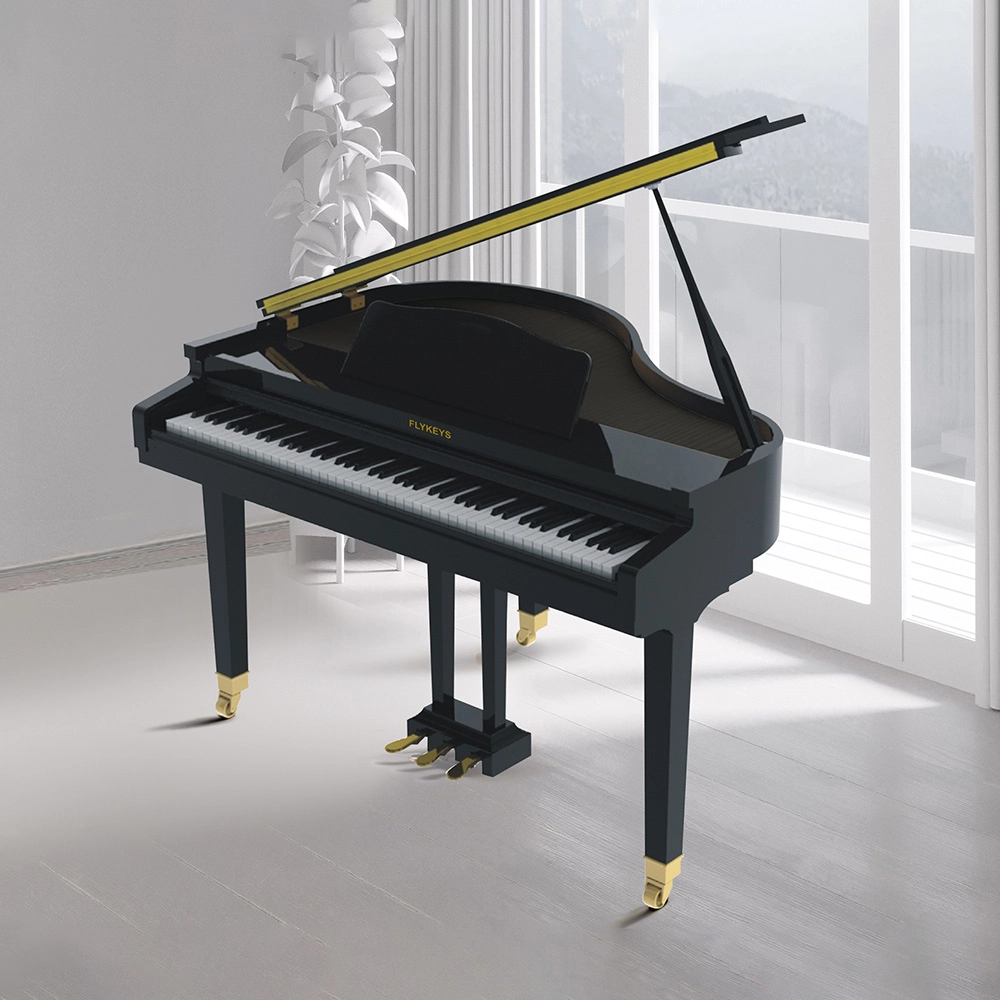
FLYKEYS FGP110 Professional 88-Key Digital Grand Piano with Hammer Action Keyboard
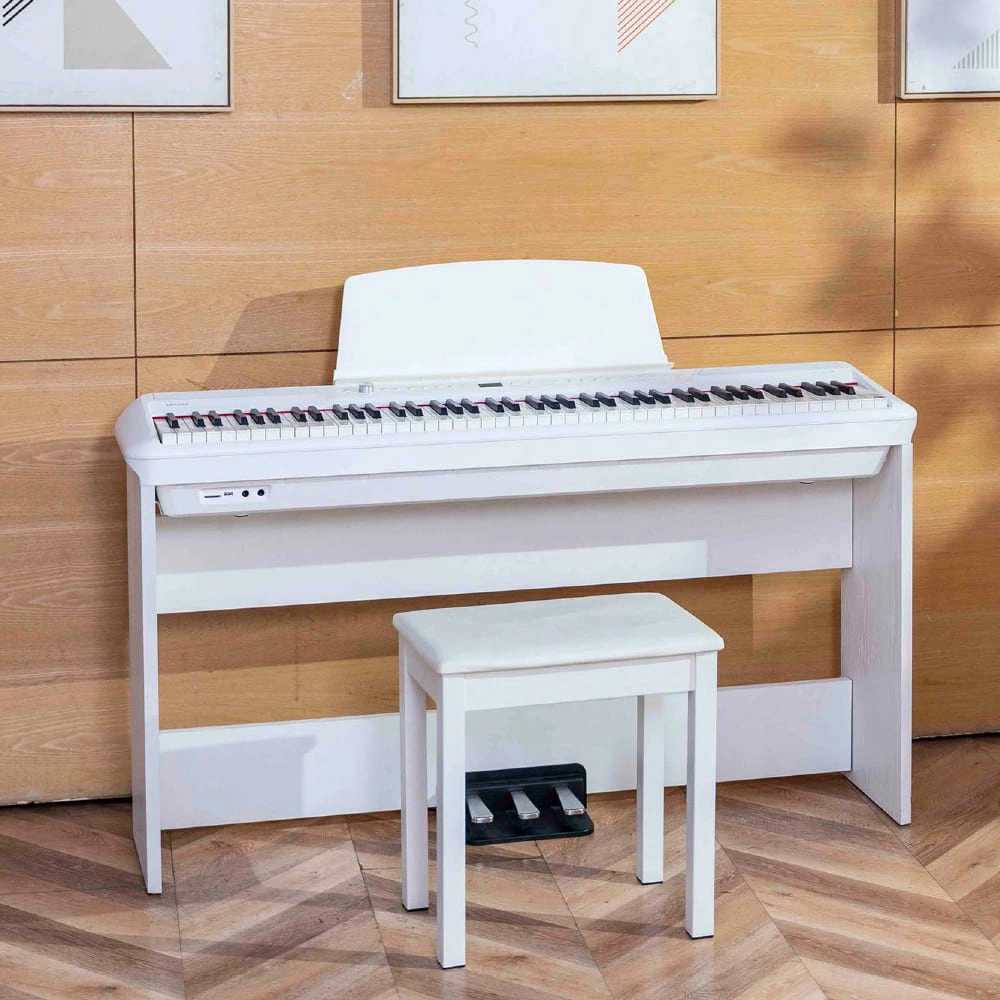
FLYKEYS Portable Electric Keyboard FP9 Digital Piano
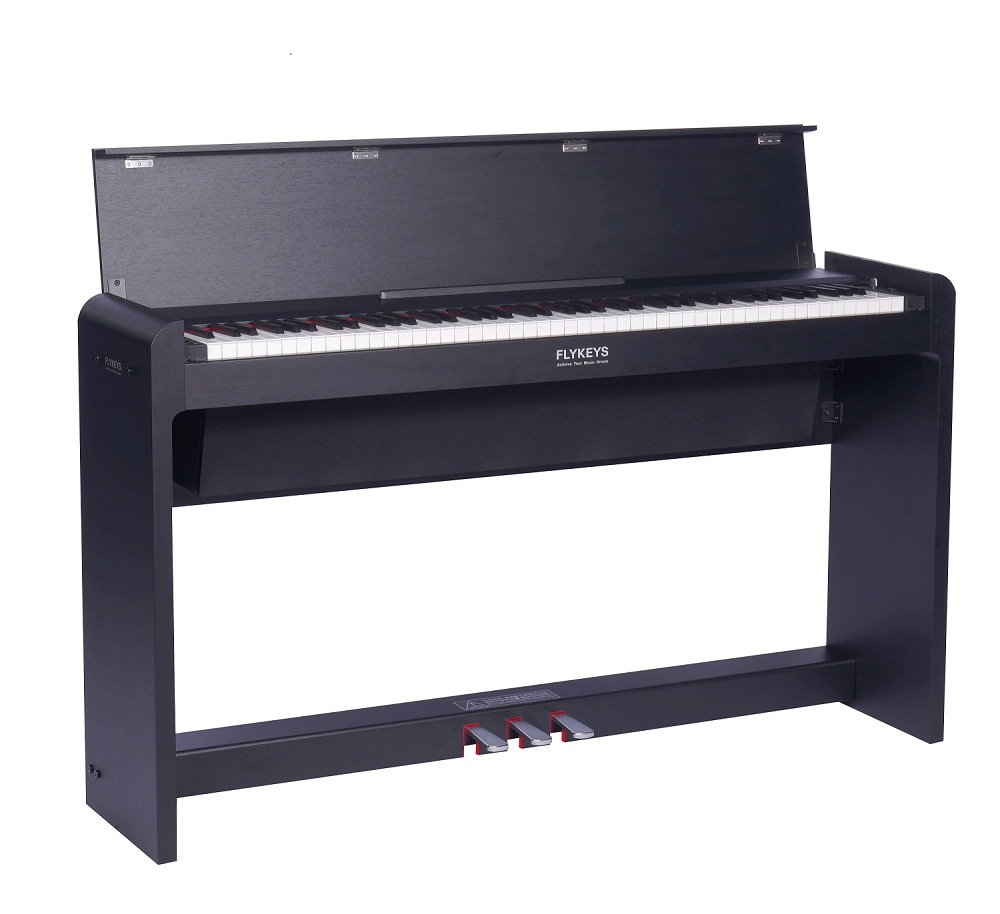
FLYKEYS FDP 5 Digital Piano
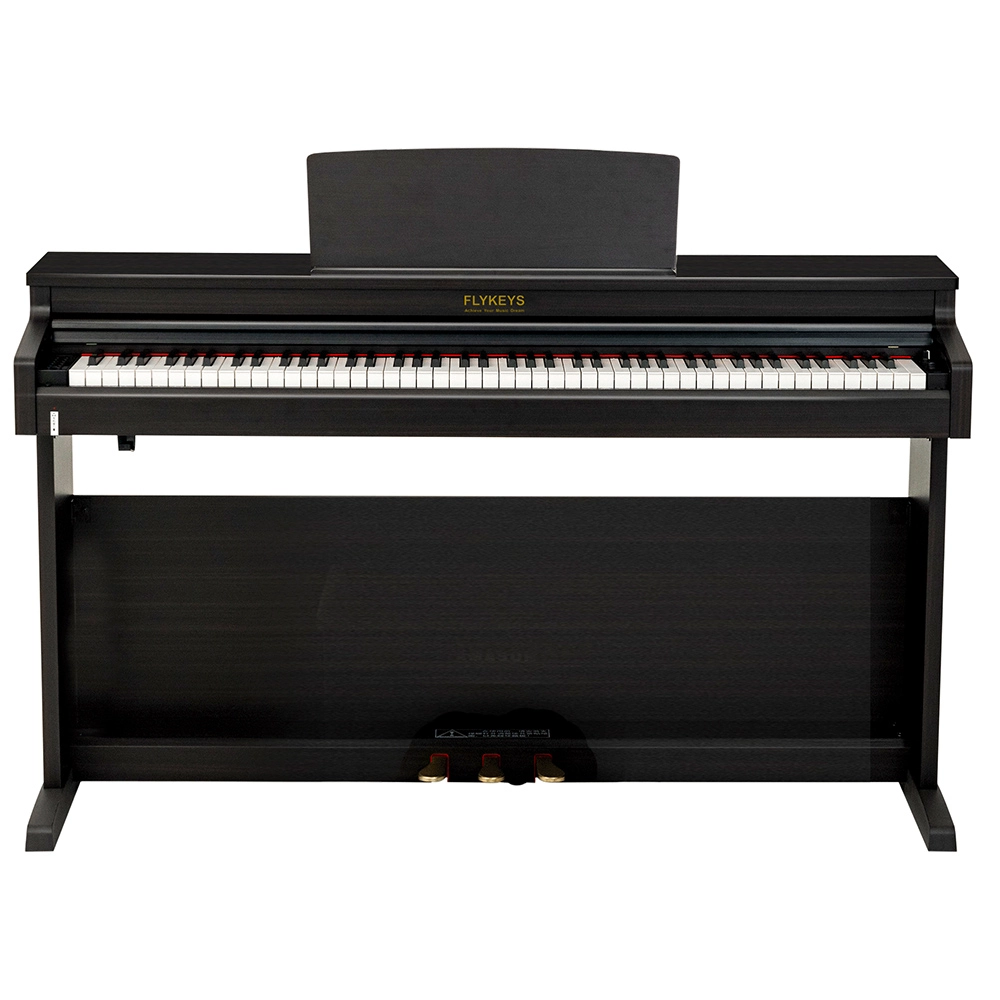
FLYKEYS Upright Digital Piano FDP 3
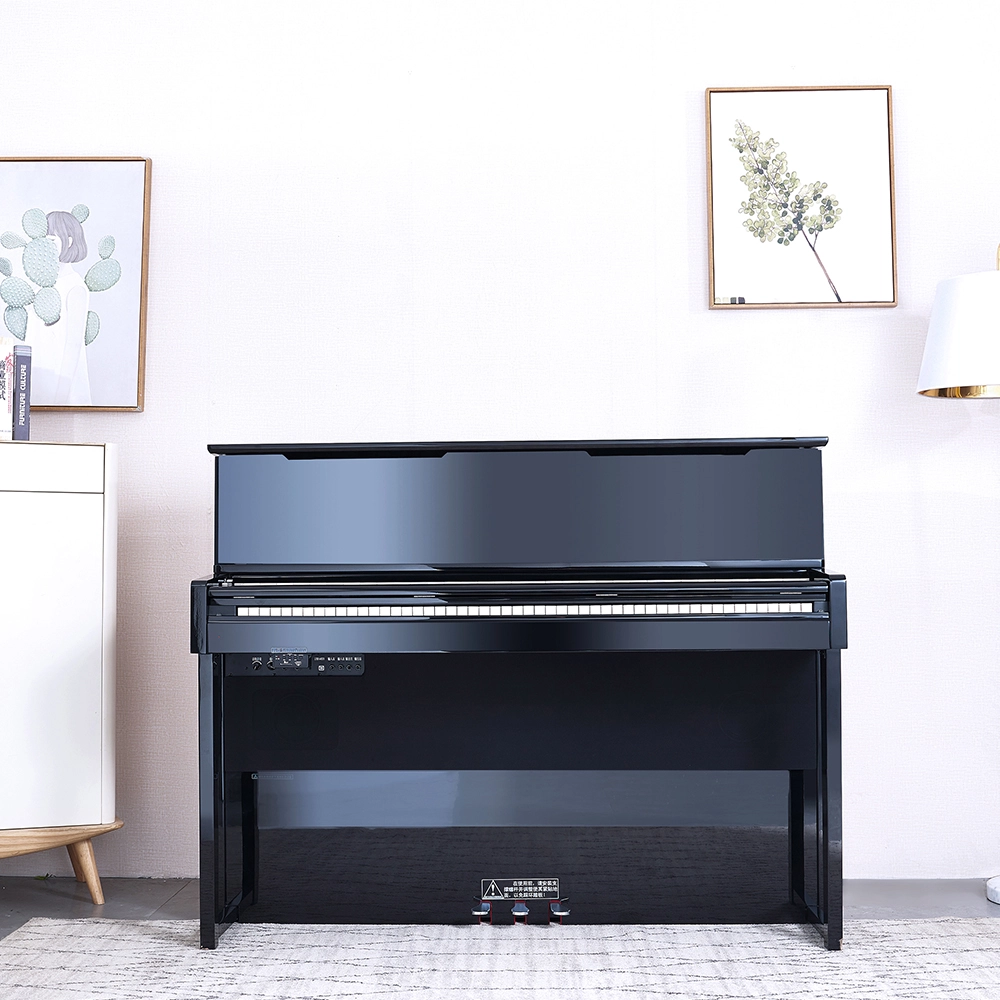
FLYKEYS Professional Digital Upright Piano 88-Keys Wooden Keyboard FK830 Digital Piano
Get in touch with us
Have a question or inquiry about our digital pianos products? Leave us a message here and our team will get back to you promptly within 24 hours.
Whether you're interested in custom orders, technical specifications, or partnership opportunities, we're here to assist you.
Rest assured that your privacy is important to us, and all information provided will be handled with the utmost confidentiality.
Address: No. 38 Xiangshan Avenue, Zengcheng Economic And Technological Development Zone, Guangzhou, China.
FOLLOW US:
Copyright© 2026 FLYKEYS All Rights Reserved. 粤 ICP备2020102774号. Designed by Gooeyun. Sitemap | Privacy | Terms
FLYKEYS
FLYKEYS
flykeys-music
Flykeys Music