

What is the best digital piano for children in small rooms?
Selecting the best digital piano for small spaces requires balancing a compact footprint with authentic 88-key hammer action. For children, the instrument must offer high-fidelity sound sampling and high-grade sensor technology to ensure proper technique development within a space-saving design.
When selecting an instrument for a child's bedroom or a compact living area, the primary challenge is finding a model that does not compromise on mechanical integrity for the sake of size. The best digital piano for small spaces must utilize a slim-profile cabinet while maintaining a standard 88-key weighted keyboard. For children, the tactile feedback of the keybed is non-negotiable; it must simulate the escapement and resistance of an acoustic grand to prevent the development of poor hand posture. Furthermore, advanced digital pianos for small environments now incorporate front-facing speaker systems and headphone optimization, ensuring that even in tight quarters, the acoustic resonance remains clear and immersive without occupying the floor space of a traditional upright.
How does key action weight affect a child's finger development?
Many entry-level portable keyboards use spring-loaded keys, which are detrimental to a child's muscular development. A professional-grade digital piano for small spaces must feature a graded hammer action. This technology ensures that the lower registers are heavier and the higher registers are lighter, mirroring an acoustic piano. This resistance is critical for building the intrinsic hand muscles required for advanced dynamics and expressive playing. FLYKEYS utilizes high-precision sensor arrays to ensure that even the lightest touch is registered accurately, allowing children to learn the nuances of pianissimo and fortissimo from day one.
Can a slim digital piano provide authentic acoustic resonance?
A common industry myth is that smaller cabinets result in 'thin' sound. However, modern Digital Piano engineering utilizes Multi-Layer Spectral Sampling and Physical Modeling to replicate the complex harmonics of a concert grand. In a small room, sound reflection can be overwhelming; therefore, the best digital piano for small spaces will feature Intelligent Acoustic Control. This technology adjusts the frequency balance automatically, ensuring a rich, full-bodied tone even at lower volumes or through high-impedance headphones, providing a professional auditory experience without the bulk of a large soundboard.
What safety certifications are essential for children's digital pianos?
In the B2B and educational sectors, the chemical composition of the instrument is as important as its sound. High-quality digital pianos for children should adhere to strict environmental standards, such as the E1 grade for formaldehyde emissions in wooden cabinets. Many cheap alternatives use inferior resins and plastics that off-gas harmful VOCs in small, poorly ventilated rooms. FLYKEYS prioritizes sustainable manufacturing, ensuring that every component, from the keytops to the finish, is safe for long-term exposure in a child's personal environment.
Does Bluetooth connectivity improve the learning process for beginners?
For the modern student, a Digital Piano is no longer a standalone island. Integration with MIDI over Bluetooth allows children to connect to pedagogical apps and gamified learning platforms. This connectivity is vital in small rooms where there is no space for bulky external computers or wires. By leveraging Bluetooth, students can stream high-quality backing tracks directly through the piano's speakers, turning a small practice corner into a comprehensive digital studio that maintains engagement through interactive feedback and real-time progress tracking.
Why is polyphony count critical in compact digital piano models?
Beginners often overlook polyphony, but it is the engine behind a realistic performance. In a small room, where every note is heard clearly, a low polyphony count (under 64 notes) will cause 'note dropping' during sustained passages or when using a damper pedal. To ensure a child's growth is not stunted, a Digital Piano should offer at least 128-note or 192-note polyphony. This allows for complex layering of sounds and long sustain decays, ensuring that as the student progresses to more difficult repertoire, the instrument can technically keep pace with their evolving skills.
How do folding pedals compare to fixed triple pedal units?
Many portable 'space-saving' pianos use a single plastic sustain pedal that slides across the floor, leading to frustration and incorrect leg positioning. For a child's development, a fixed triple pedal unit (Sustain, Sostenuto, Soft) integrated into a stable stand is superior. This configuration ensures the child learns the correct ergonomic relationship between the bench, the keyboard, and the pedals. The best digital piano for small spaces will offer a slim-line console design that incorporates these pedals into the frame, providing the stability of a traditional piano within a footprint of less than 30 centimeters in depth.
With decades of specialized experience in the Digital Piano industry, FLYKEYS has mastered the intersection of compact design and professional-grade performance, ensuring that every child has access to an uncompromising musical education regardless of their living space. We provide high-durability, E-E-A-T compliant instruments that meet the rigorous demands of both private homes and international music institutions.
Frequently Asked Questions
How does key action weight affect a child's finger development?
A professional-grade digital piano for small spaces must feature a graded hammer action to mirror an acoustic piano's resistance. This is critical for building the intrinsic hand muscles required for advanced dynamics and expressive playing, preventing the development of poor hand posture associated with spring-loaded keys.
Can a slim digital piano provide authentic acoustic resonance?
Yes, modern engineering utilizes Multi-Layer Spectral Sampling and Physical Modeling to replicate complex harmonics. The best models feature Intelligent Acoustic Control to adjust frequency balance, ensuring a rich tone even at low volumes in small rooms.
What safety certifications are essential for children's digital pianos?
High-quality instruments should adhere to E1 grade standards for formaldehyde emissions. FLYKEYS prioritizes sustainable manufacturing to ensure components are safe for long-term exposure in small, enclosed environments like a child's bedroom.
Does Bluetooth connectivity improve the learning process for beginners?
Bluetooth MIDI allows children to connect to pedagogical apps without bulky wires, which is ideal for small spaces. It enables interactive feedback and the ability to stream backing tracks directly through the piano's speakers.
Why is polyphony count critical in compact digital piano models?
Low polyphony causes notes to cut off prematurely during sustained passages. A minimum of 128-note polyphony is recommended to ensure the instrument can handle complex repertoire as the student's skills evolve.
How do folding pedals compare to fixed triple pedal units?
Fixed triple pedal units integrated into a stable stand are superior for children as they ensure correct ergonomic positioning. Slim-line console designs offer this stability within a very small footprint, unlike sliding portable pedals.
- How does key action weight affect a child's finger development?
- Can a slim digital piano provide authentic acoustic resonance?
- What safety certifications are essential for children's digital pianos?
- Does Bluetooth connectivity improve the learning process for beginners?
- Why is polyphony count critical in compact digital piano models?
- How do folding pedals compare to fixed triple pedal units?
- Frequently Asked Questions

FLYKEYS to Showcase Professional Digital Piano Solutions at Prolight + Sound Bangkok 2026

Which Digital Piano Feels Most Like a Real Piano? (2026 Expert Review & Comparison)

Best Professional Upright Digital Piano 2026 – FLYKEYS FDP 7 Features
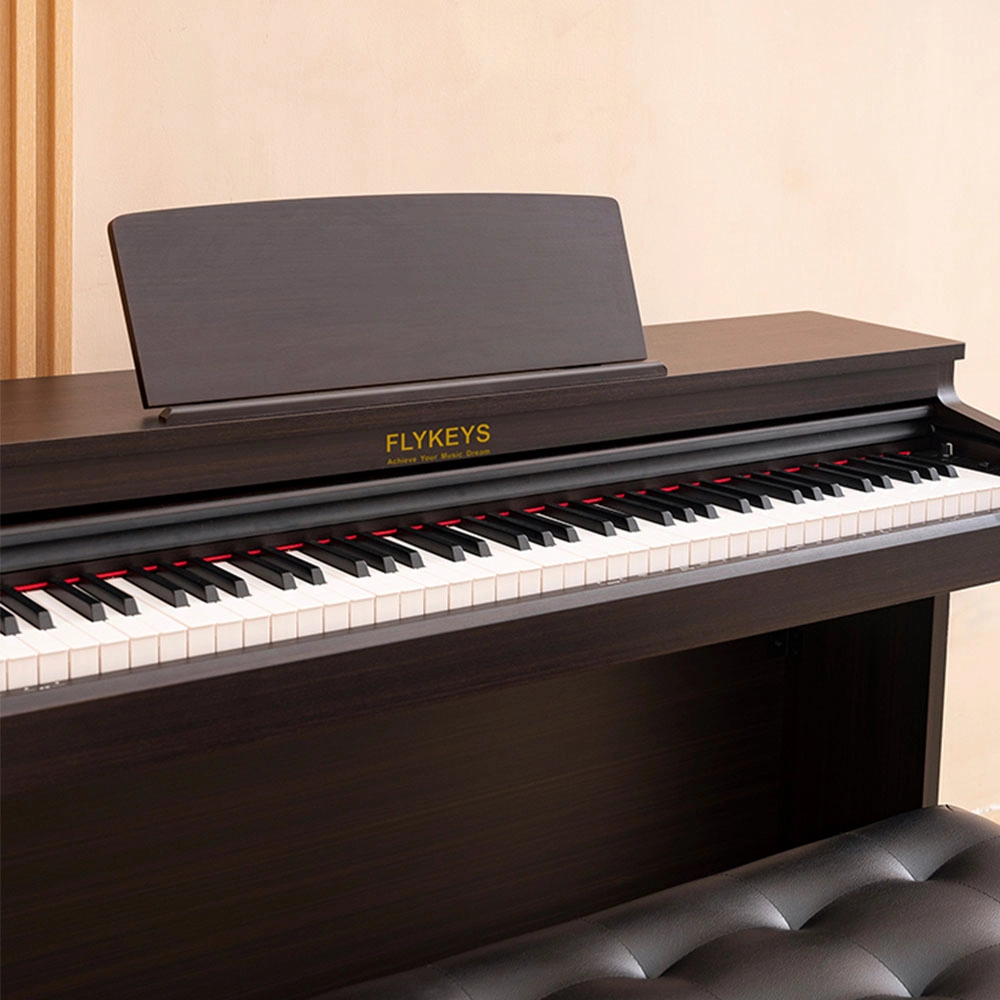
Best 88-Key Keyboard 2026: Top Weighted Picks for Intermediate Players
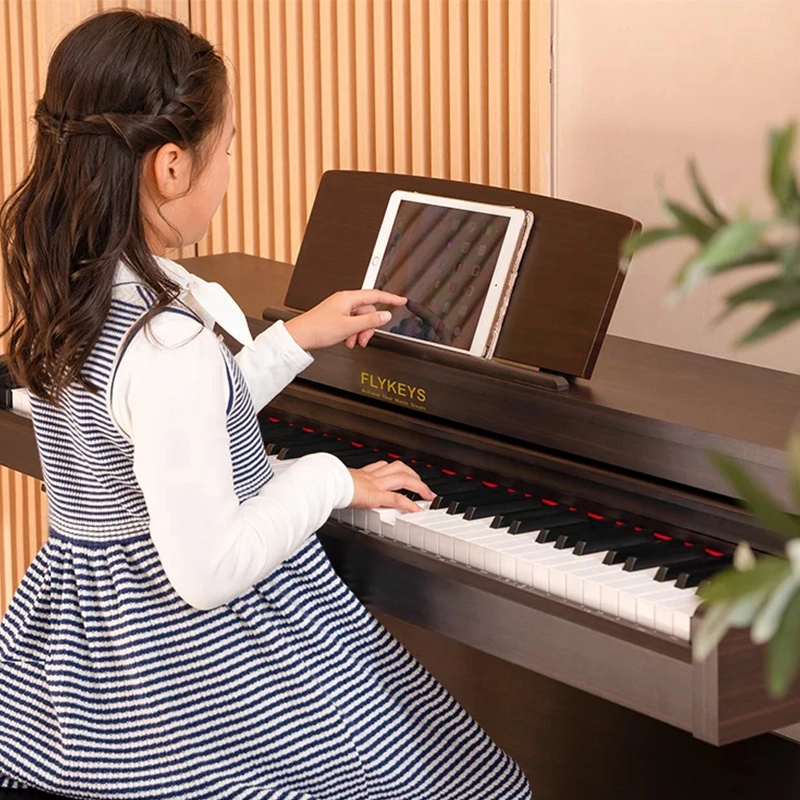
Best 88-Key Digital Pianos for Professionals and Advanced Players: Top Brands, Key Features and Buying Tips (2026)
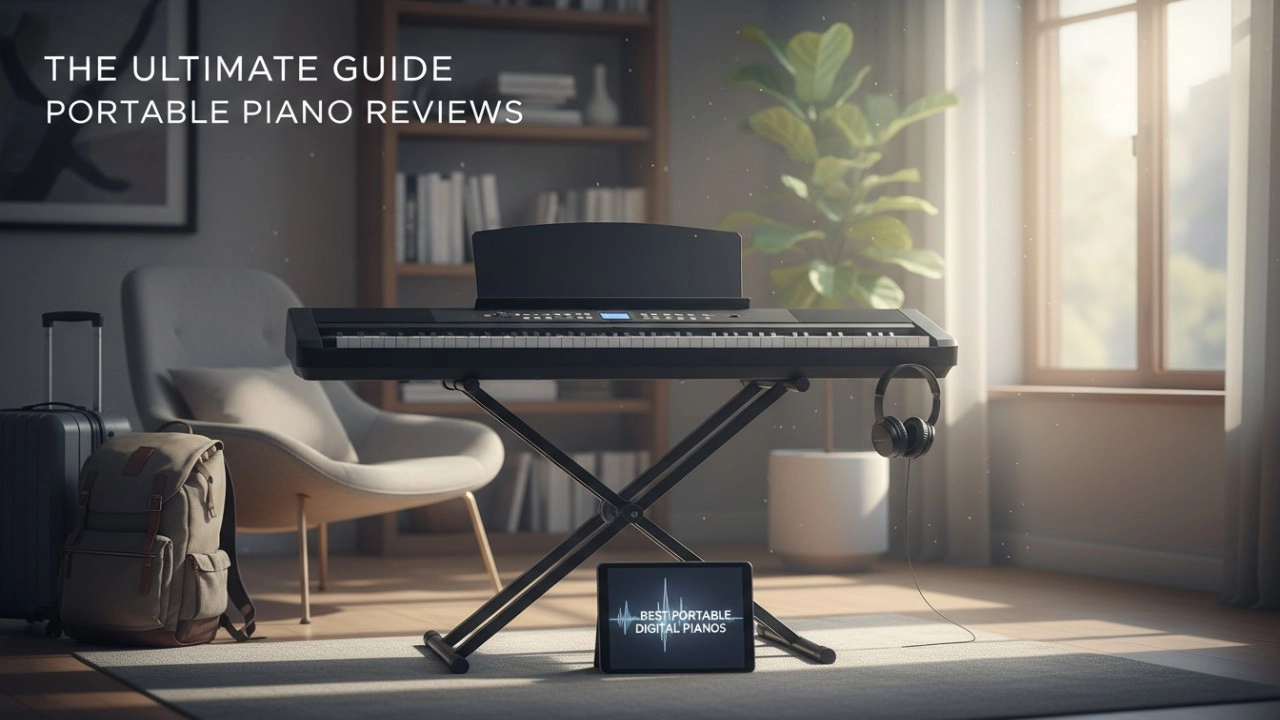
15 Best Portable Digital Pianos of 2026: The Only Comparison Guide You’ll Ever Need

FLYKEYS FDP 7 Professional Upright Digital Piano | 88-Key Hammer-Action | Concert Grade Performance
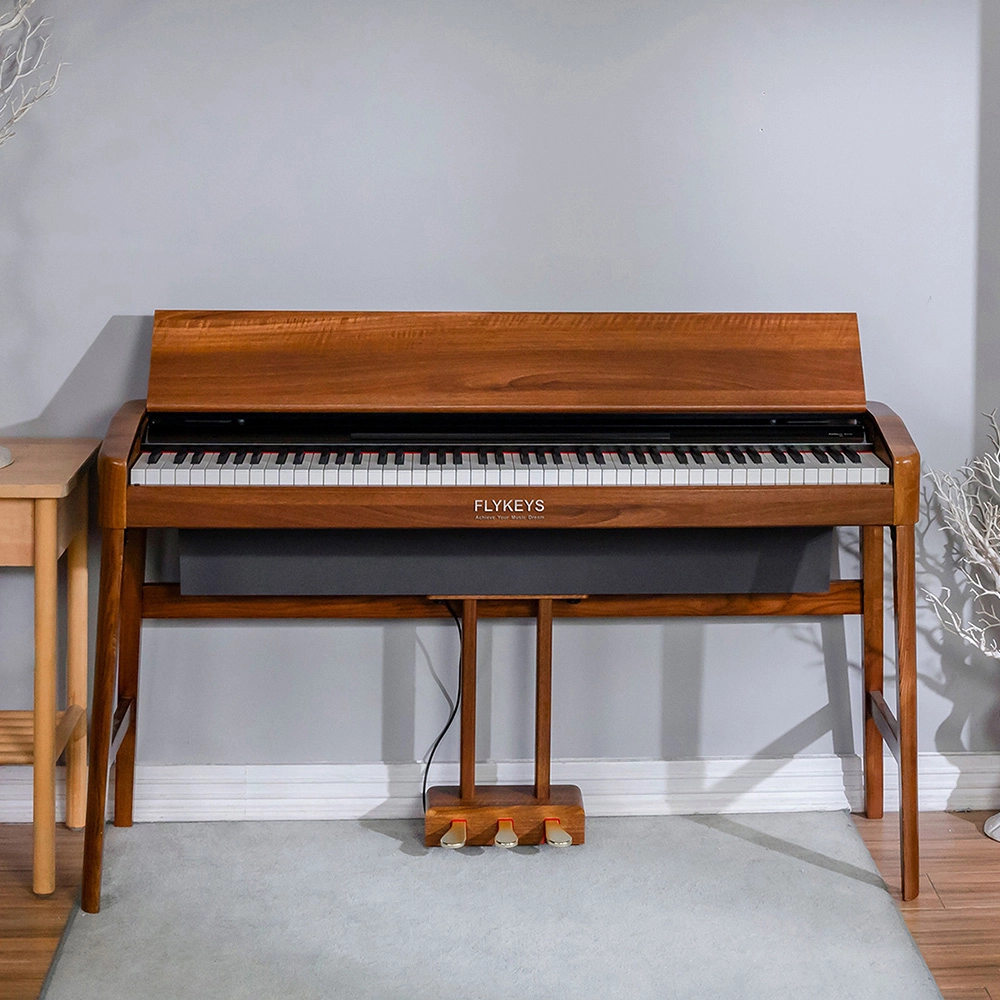
FLYKEYS Wooden Panel Piano Original Italian Imported Hammer Action Keyboard SK3 Digital Piano
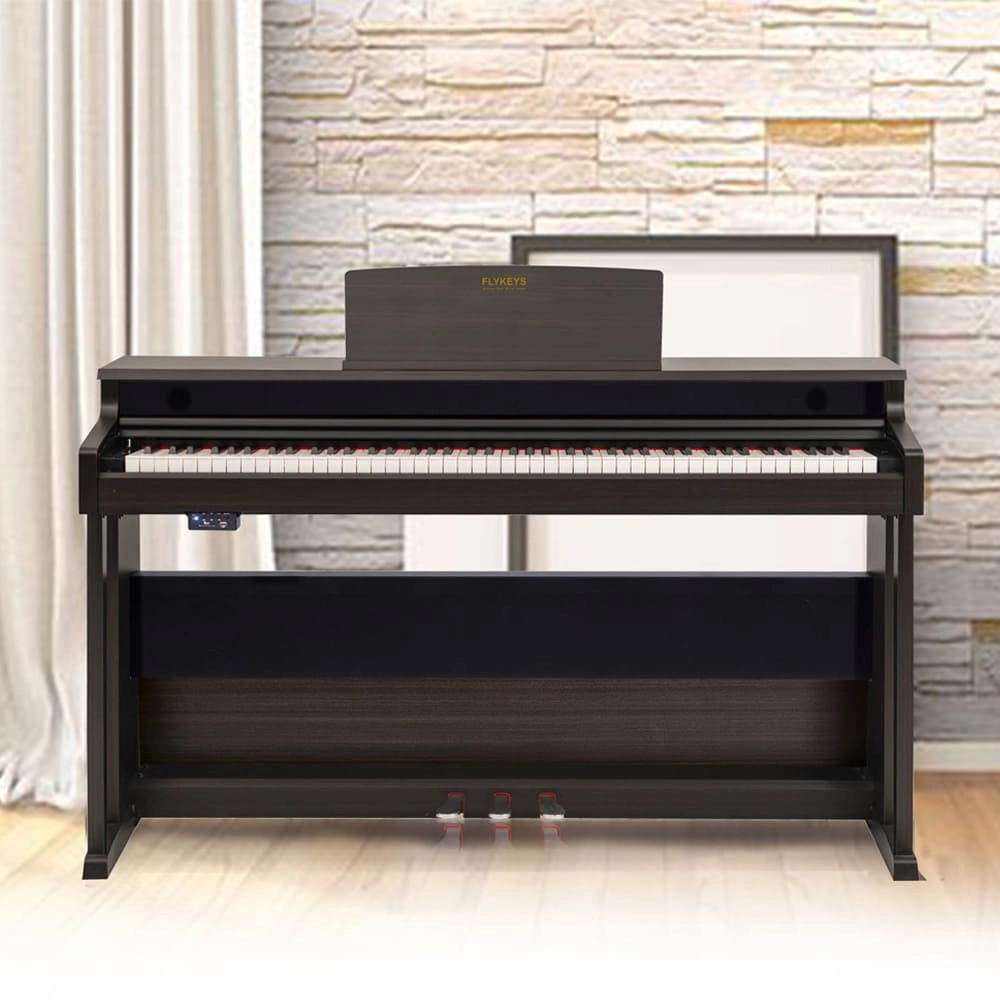
FLYKEYS Upright Piano Wooden Panel 88-KEYS Piano FK130 Digital Piano
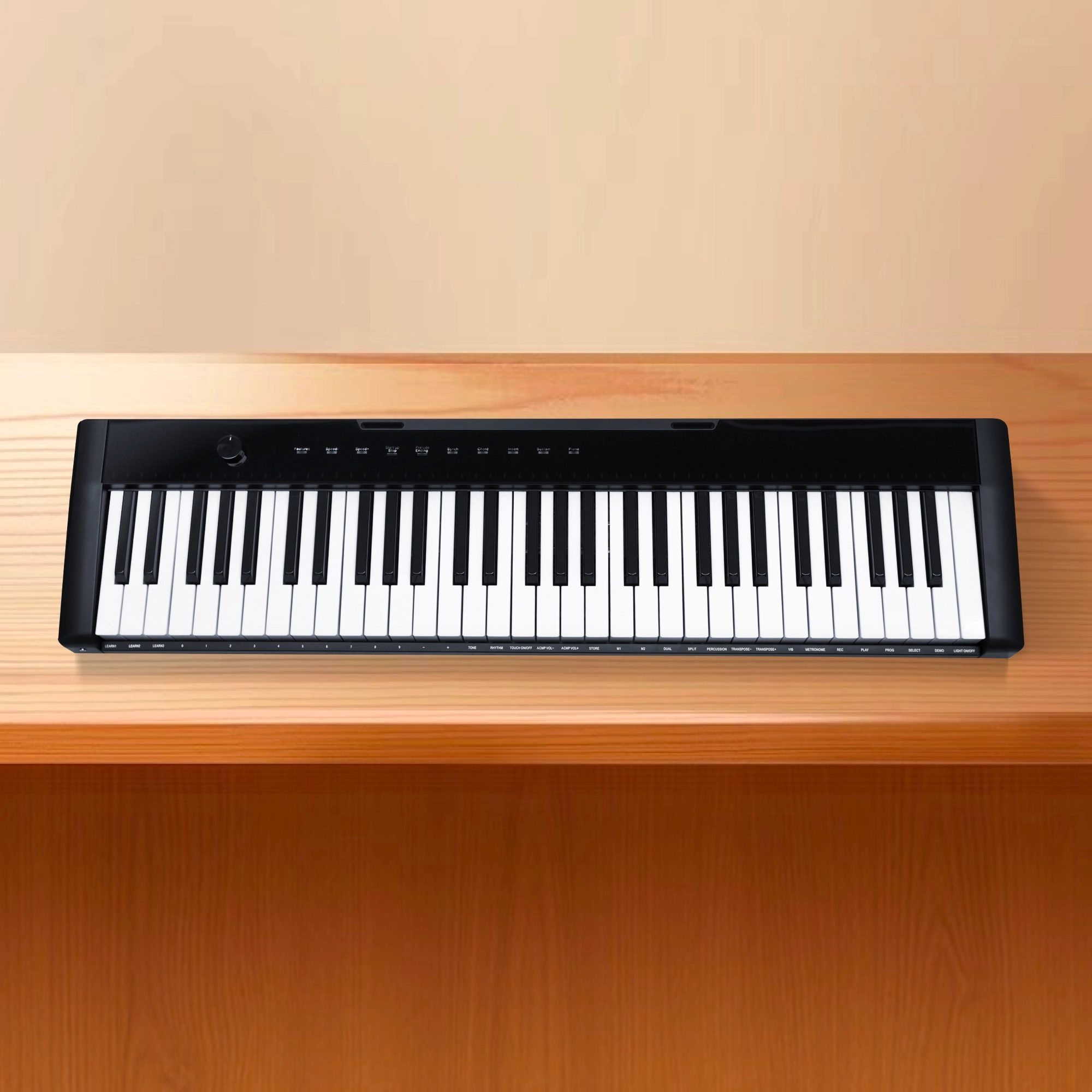
FLYKEYS 61-keys portable electronic keyboard piano with X stand (M2)
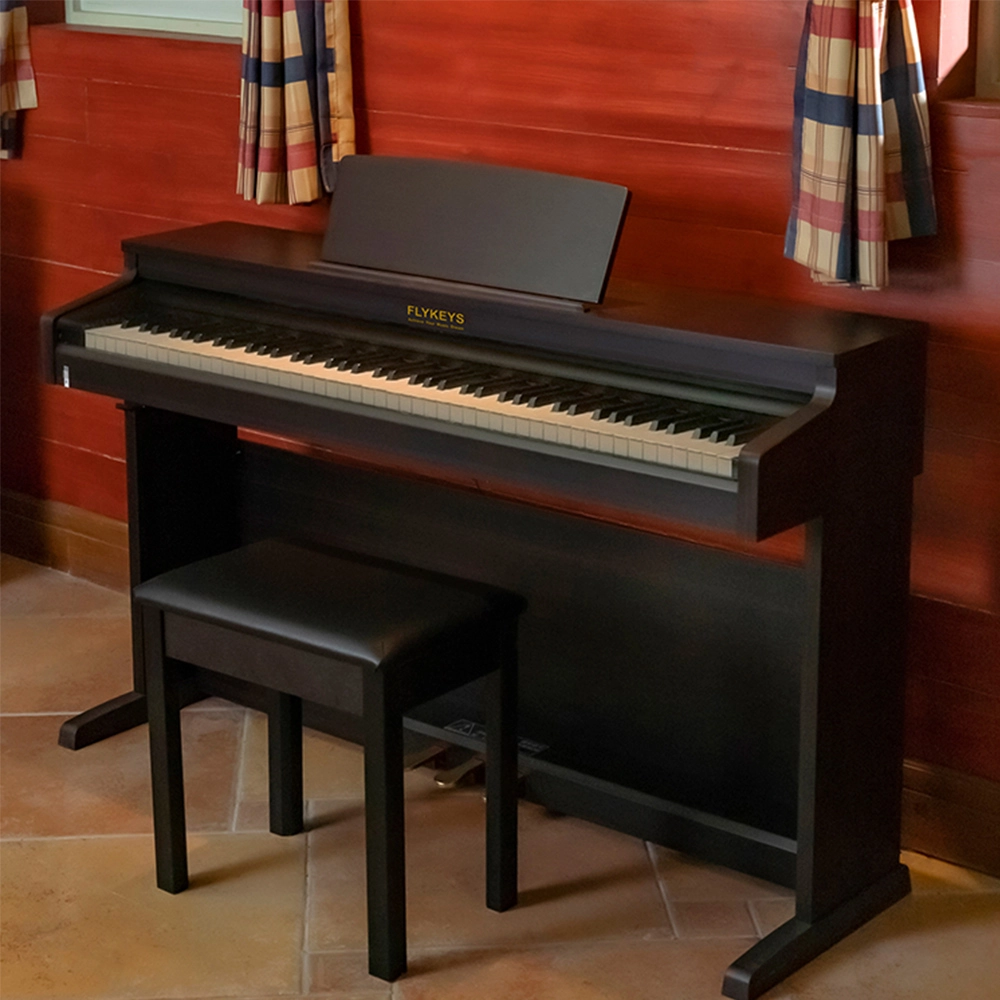
FLYKEYS Upright Electric Piano Built-In Speakers Music Instrument FD05 Digital Piano
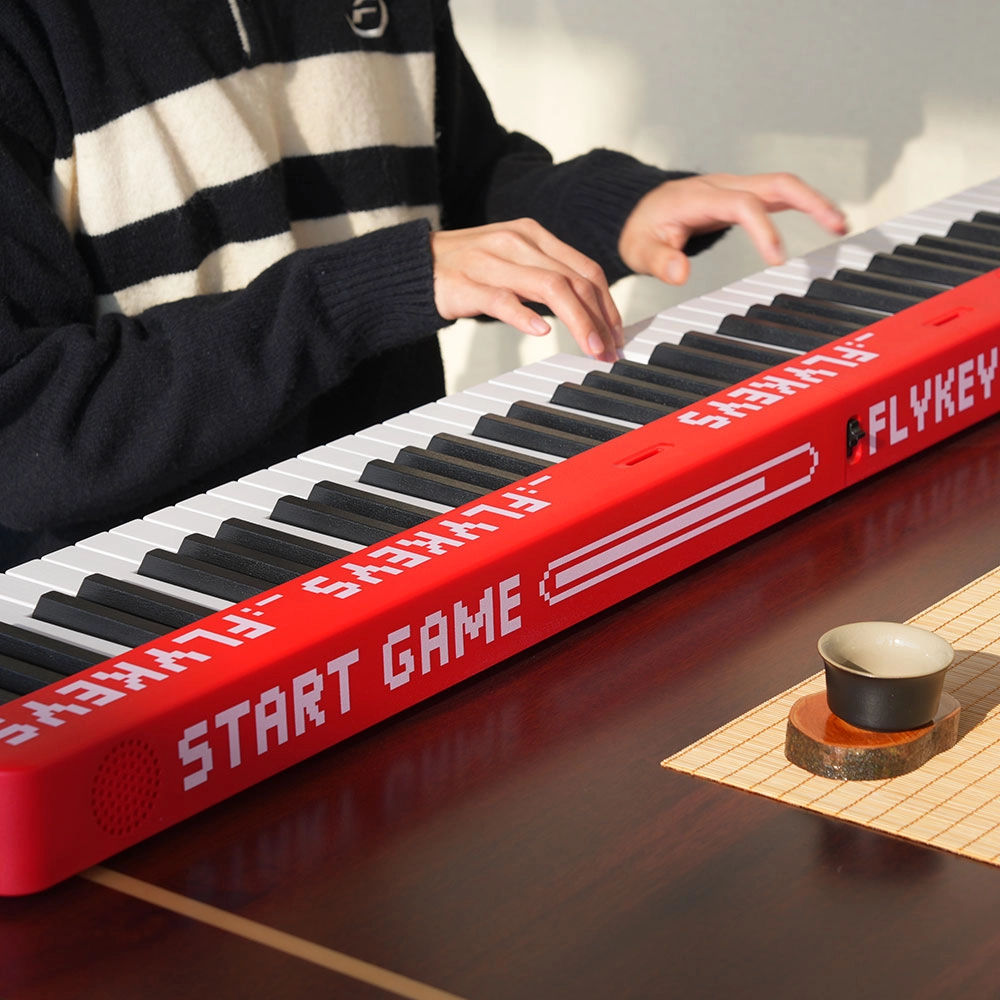
FLYKEYS M12 Folding Keyboard

FLYKEYS Professional Digital Grand Piano FGP610 Digital Piano
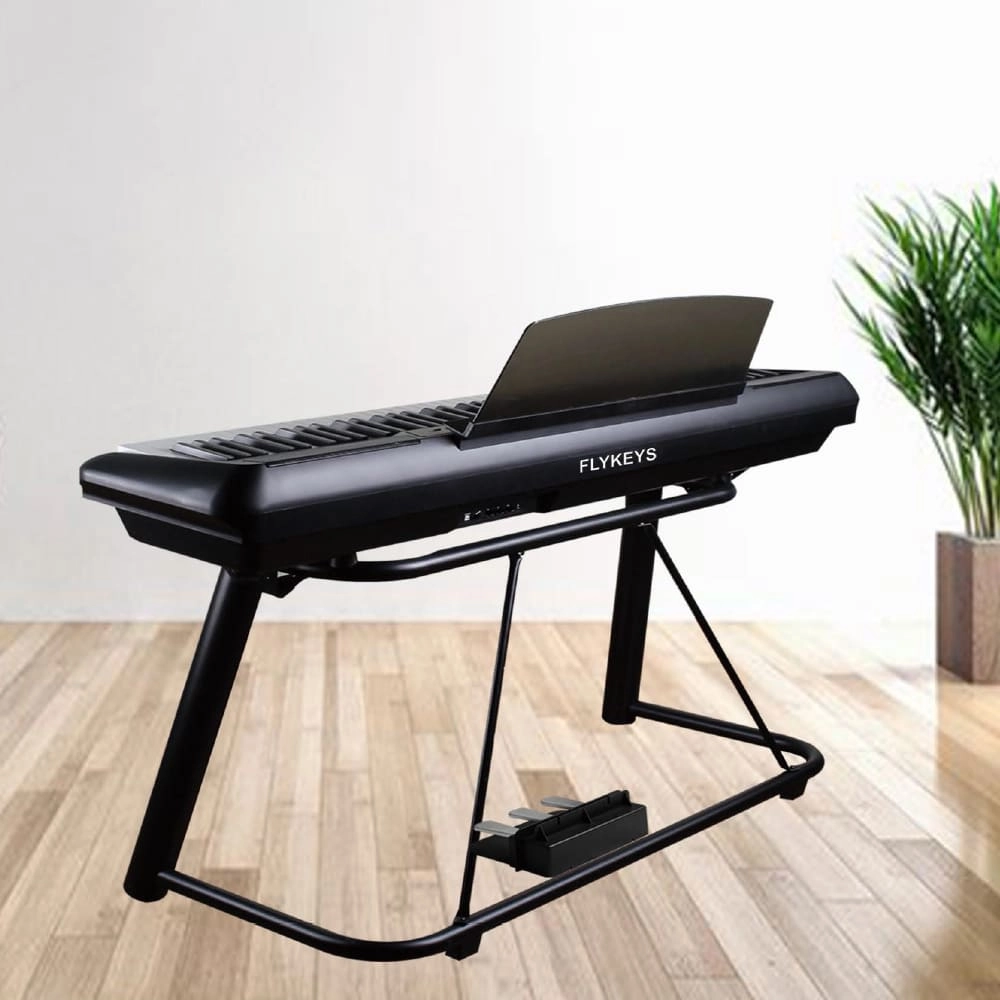
FLYKEYS 88-Keys Portable Piano With Wooden Stand FP6 Digital Piano
Get in touch with us
Have a question or inquiry about our digital pianos products? Leave us a message here and our team will get back to you promptly within 24 hours.
Whether you're interested in custom orders, technical specifications, or partnership opportunities, we're here to assist you.
Rest assured that your privacy is important to us, and all information provided will be handled with the utmost confidentiality.
Address: No. 38 Xiangshan Avenue, Zengcheng Economic And Technological Development Zone, Guangzhou, China.
FOLLOW US:
Copyright© 2026 FLYKEYS All Rights Reserved. 粤 ICP备2020102774号. Designed by Gooeyun. Sitemap | Privacy | Terms
FLYKEYS
FLYKEYS
flykeys-music
Flykeys Music