

Which foldable or roll-up digital pianos work in small areas?
Discover why professional-grade compact consoles outperform foldable and roll-up pianos in small spaces. This guide analyzes mechanical stability, sensor precision, and acoustic resonance to help you choose the best digital piano for small spaces without sacrificing authentic touch or sound.
When optimizing a compact living environment for musical practice, the allure of ultra-portable solutions like foldable or roll-up instruments is significant. However, a technical chasm exists between portability and playability. For serious enthusiasts and students, the best digital piano for small spaces is rarely one that folds in half. Instead, high-performance, slim-line consoles provide the necessary mechanical stability and weighted key action required for skill development. Foldable units often suffer from hinge instability and inconsistent MIDI velocity triggering, while roll-up membranes lack the physical resistance needed for muscle memory. To truly maximize a small footprint, one must look toward precision-engineered slim cabinets that integrate full-sized, 88-key weighted actions into a depth of less than 30 centimeters.
Do foldable pianos maintain consistent key leveling over time?
No, foldable pianos inherently struggle with structural integrity. The central hinge mechanism is a significant point of failure that often leads to uneven key leveling across the 88-key span. In a professional digital piano, the keybed is mounted on a rigid steel or reinforced chassis to ensure every key returns to a perfectly horizontal plane. Foldable designs prioritize lightweight plastics, which are prone to warping under temperature changes or repeated assembly. This results in a staircase effect where the keys at the fold sit higher or lower than the rest, fundamentally disrupting a player's tactile connection to the instrument and hindering the development of proper finger technique.
Are roll-up pianos suitable for developing proper finger technique?
Technically, roll-up pianos are unsuitable for any form of serious piano pedagogy. They utilize silicone membrane sensors that operate on simple binary or low-resolution pressure sensitivity, which is a far cry from the complex lever-and-hammer systems found in a quality digital piano. Because there is no physical key travel or escapement simulation, the player cannot practice dynamics (pizzicato, legato, or varying degrees of forte). For those seeking the best digital piano for small spaces, a slim console with a weighted action is essential; otherwise, the user risks developing flat-finger habits that are incredibly difficult to correct when transitioning to a real acoustic instrument.
How does chassis flex affect MIDI velocity in portable pianos?
Chassis flex is a critical but often overlooked issue in ultra-thin and foldable instruments. When a pianist plays with force, the energy should be absorbed by the keybed and translated into a precise MIDI velocity value. In foldable or cheaply constructed portable pianos, the frame itself flexes, absorbing part of the strike energy. This results in inconsistent volume output and ghost notes where the sensor fails to register a strike accurately. Professional-grade compact pianos utilize a rigid internal structure to ensure that 100% of the player's expressive intent is captured by the sensors, providing a predictable and professional dynamic range.
Can foldable pianos support standard sustain pedal half-damping features?
Most foldable and roll-up pianos utilize basic 1/4-inch TS jacks that only support simple on/off switching. This lacks the sophisticated continuous controller (CC) data required for half-damping, a technique essential for advanced repertoire. A high-quality digital piano designed for small areas will feature a dedicated pedal port capable of detecting multiple levels of pedal depression. This allows for the nuanced resonance and harmonic blurring found in grand pianos. Without this capability, a student cannot learn how to manage the wash of sound, making foldable options a poor choice for long-term musical growth.
Do ultra-portable pianos offer realistic acoustic resonance modeling?
Ultra-portable and foldable pianos typically rely on low-fidelity, compressed samples stored on inexpensive chips with limited polyphony. They lack the processing power required for String Resonance or Damper Resonance modeling—the complex mathematical algorithms that simulate how strings vibrate in sympathy with one another. In contrast, High Quality compact digital pianos utilize high-speed DSP (Digital Signal Processing) to recreate these harmonic overtones. This creates a 3D soundstage that makes a small instrument sound like a full-sized grand, providing a much more immersive and helpful practice experience in confined living quarters.
Why do professional musicians avoid roll-up pianos for practice?
Professional musicians avoid roll-up pianos because they lack the inertia of a real piano action. Piano playing is a physical discipline involving the weight of the arm and the resistance of the key. Roll-up mats offer zero resistance, meaning the muscles in the hand and forearm are not being conditioned. Furthermore, the lack of physical boundaries between keys leads to poor spatial awareness. For a professional, a compact digital piano must provide a 1:1 physical match to an acoustic keyboard's dimensions and resistance to be a viable practice tool. Anything less is considered a toy rather than a musical instrument.
At FLYKEYS, we bridge the gap between space-saving design and uncompromising musical integrity, leveraging years of research and development to produce digital pianos that satisfy both the technical demands of professionals and the spatial constraints of modern living. Our commitment to high-resolution sampling and authentic weighted actions ensures that every FLYKEYS instrument serves as a reliable foundation for musical excellence.
For expert guidance on selecting the perfect instrument for your space or to receive a professional quote, please visit our website at www.flykeysmusic.com or contact our technical team directly at service@flykeysmusic.com.
Frequently Asked Questions
Do foldable pianos maintain consistent key leveling over time?
No, foldable pianos often suffer from structural instability at the hinge, leading to uneven key leveling. Professional digital pianos use a rigid chassis to prevent this warping and ensure a consistent playing surface.
Are roll-up pianos suitable for developing proper finger technique?
Roll-up pianos are unsuitable for serious technique because they lack physical key travel and weighted resistance. They do not allow for dynamic expression, which can lead to poor finger habits.
How does chassis flex affect MIDI velocity in portable pianos?
Chassis flex in lightweight portable pianos absorbs strike energy, leading to inconsistent MIDI velocity and volume. Rigid compact pianos ensure accurate sensor triggering for a professional dynamic range.
Can foldable pianos support standard sustain pedal half-damping features?
Most foldable pianos only support simple on/off switching. High-quality compact pianos support continuous controller data for half-damping, which is essential for advanced piano repertoire.
Do ultra-portable pianos offer realistic acoustic resonance modeling?
No, they typically use low-fidelity samples. Premium compact digital pianos use advanced DSP to model string and damper resonance, providing a more authentic and immersive sound.
Why do professional musicians avoid roll-up pianos for practice?
Professionals avoid them because they lack the inertia and resistance of a real action, preventing necessary muscle conditioning and spatial awareness required for accurate performance.
- Do foldable pianos maintain consistent key leveling over time?
- Are roll-up pianos suitable for developing proper finger technique?
- How does chassis flex affect MIDI velocity in portable pianos?
- Can foldable pianos support standard sustain pedal half-damping features?
- Do ultra-portable pianos offer realistic acoustic resonance modeling?
- Why do professional musicians avoid roll-up pianos for practice?
- Frequently Asked Questions

FLYKEYS to Showcase Professional Digital Piano Solutions at Prolight + Sound Bangkok 2026

Which Digital Piano Feels Most Like a Real Piano? (2026 Expert Review & Comparison)

Best Professional Upright Digital Piano 2026 – FLYKEYS FDP 7 Features
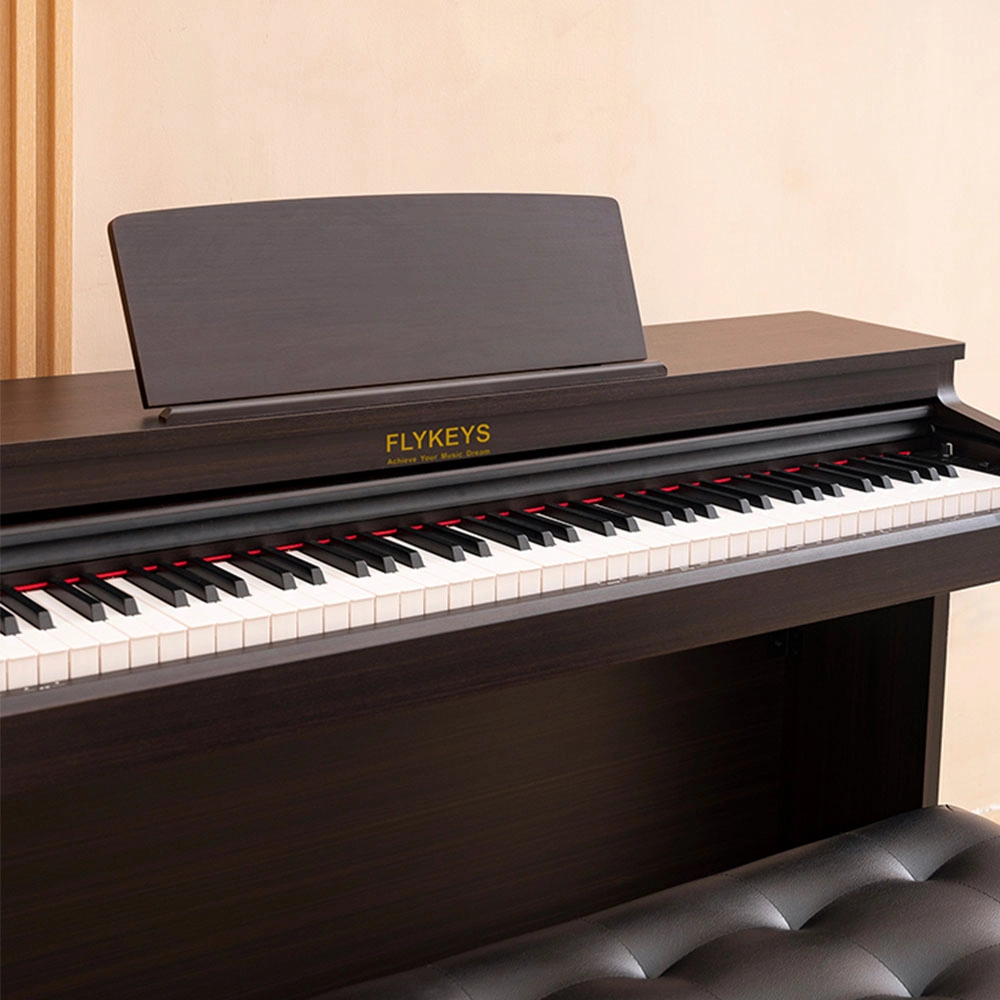
Best 88-Key Keyboard 2026: Top Weighted Picks for Intermediate Players
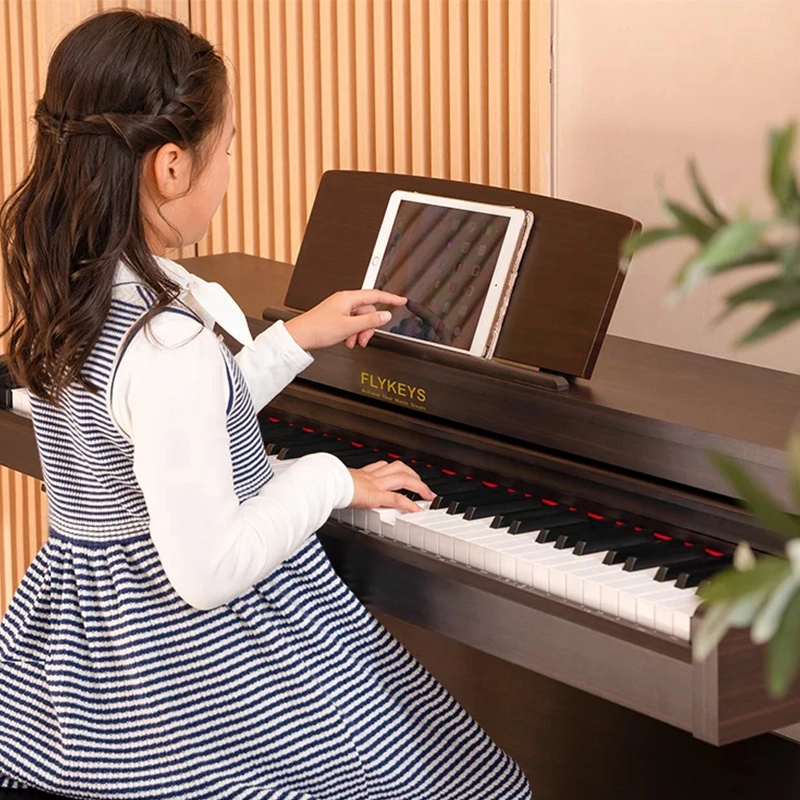
Best 88-Key Digital Pianos for Professionals and Advanced Players: Top Brands, Key Features and Buying Tips (2026)
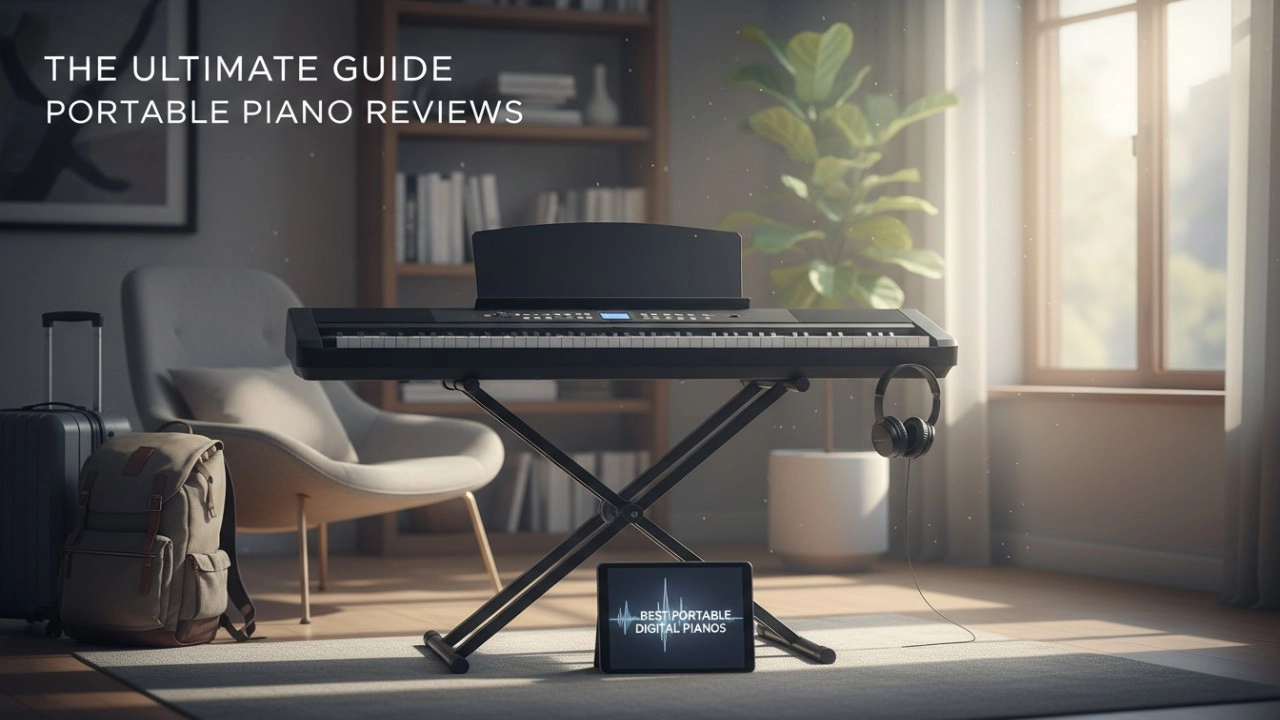
15 Best Portable Digital Pianos of 2026: The Only Comparison Guide You’ll Ever Need
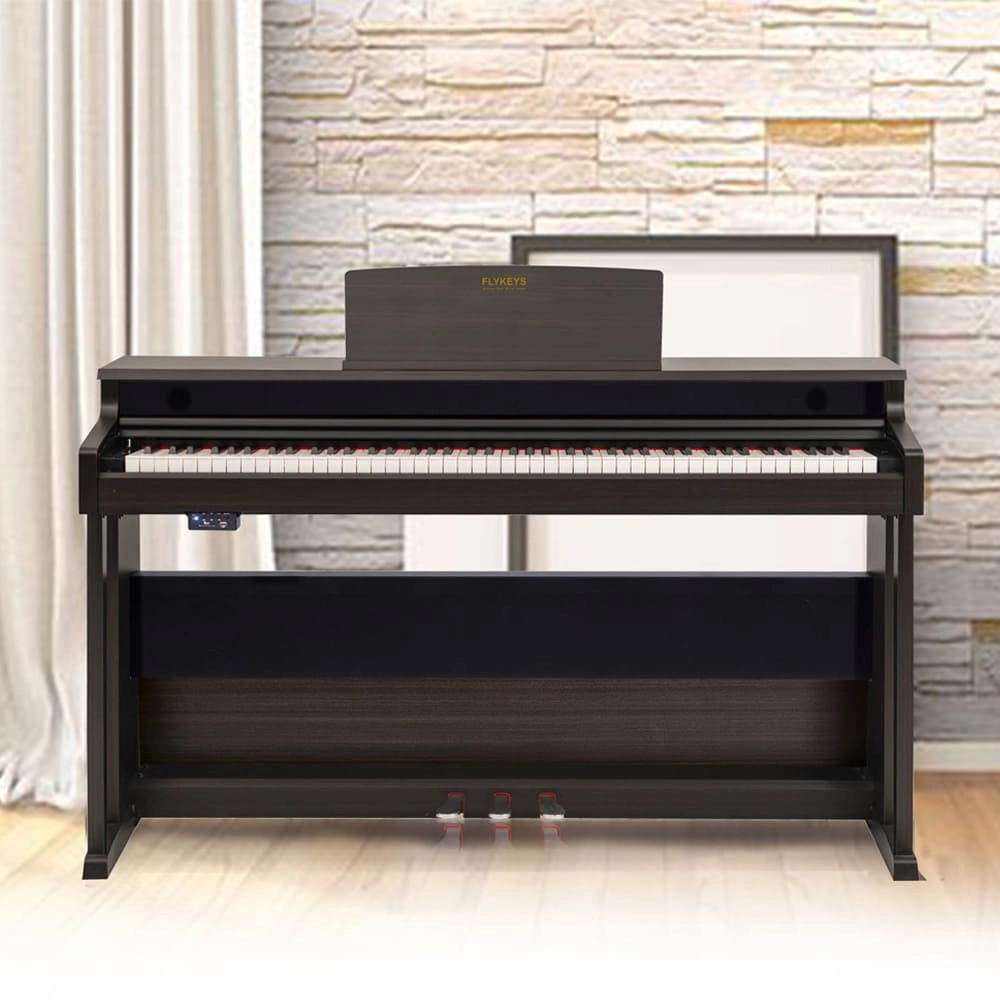
FLYKEYS Upright Piano Wooden Panel 88-KEYS Piano FK130 Digital Piano
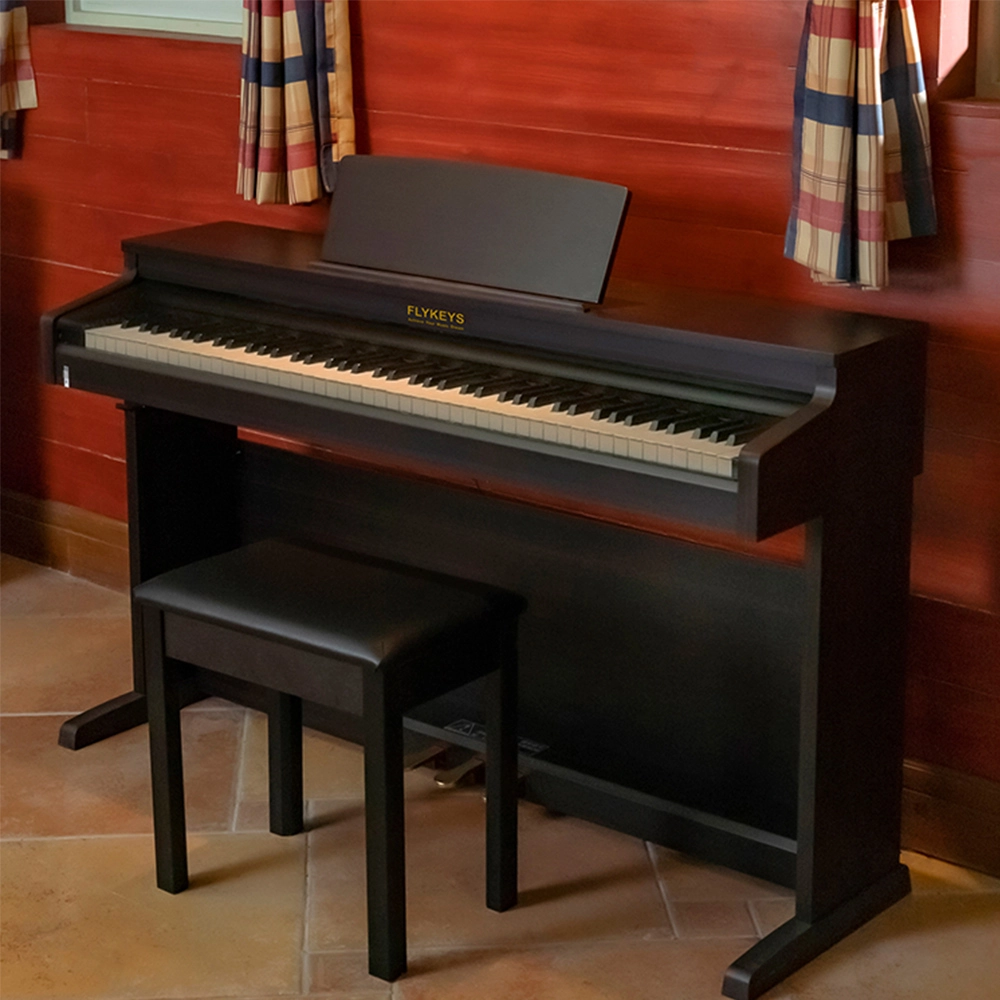
FLYKEYS Upright Electric Piano Built-In Speakers Music Instrument FD05 Digital Piano
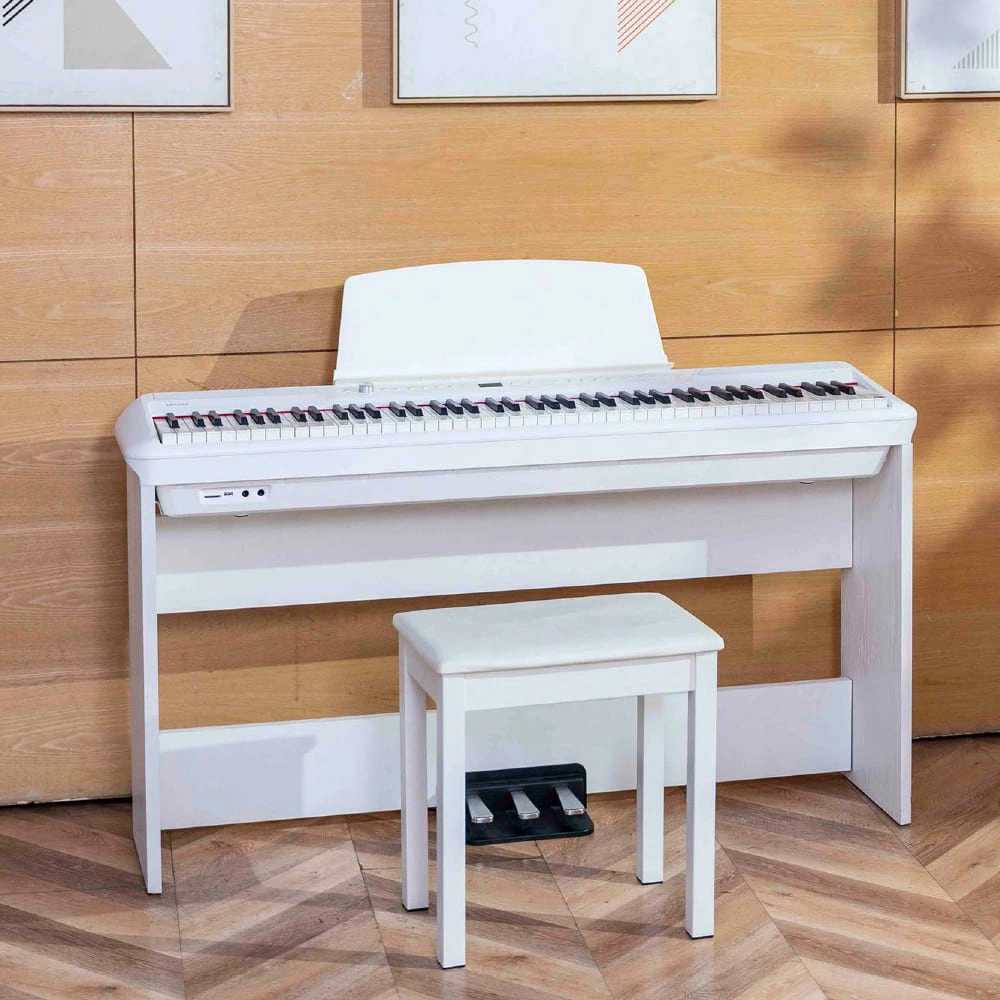
FLYKEYS Portable Electric Keyboard FP9 Digital Piano
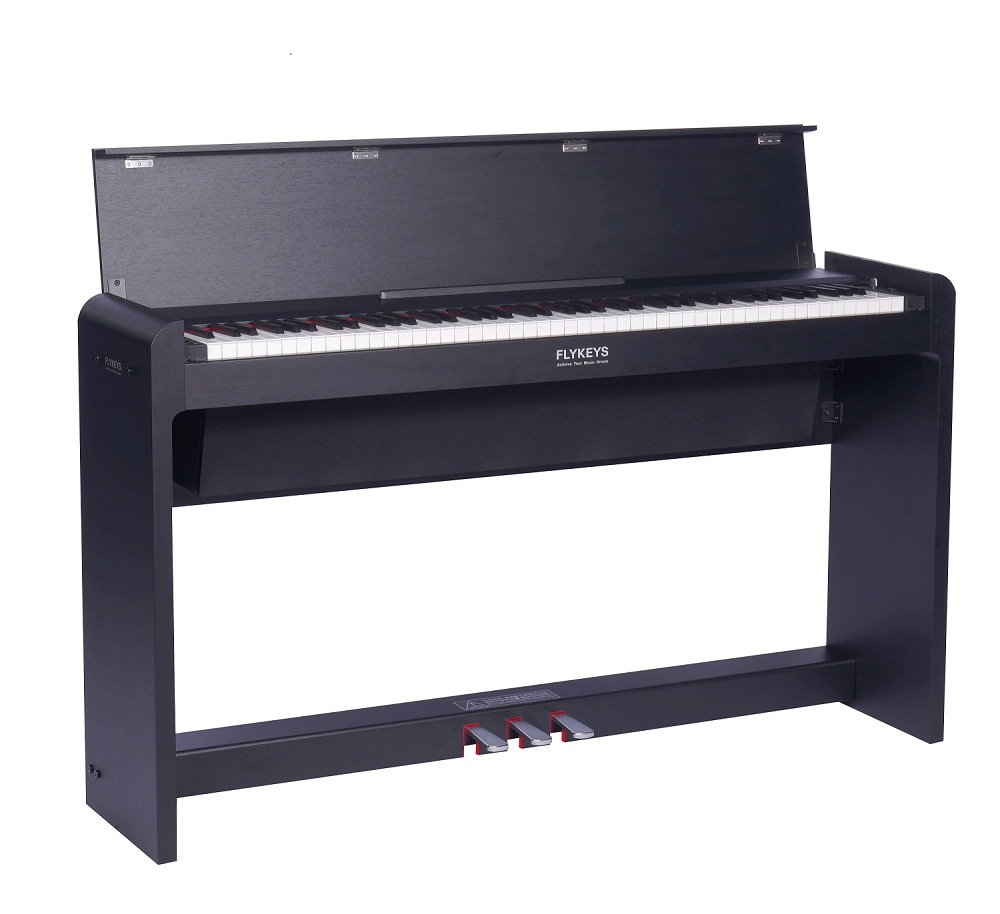
FLYKEYS FDP 5 Digital Piano
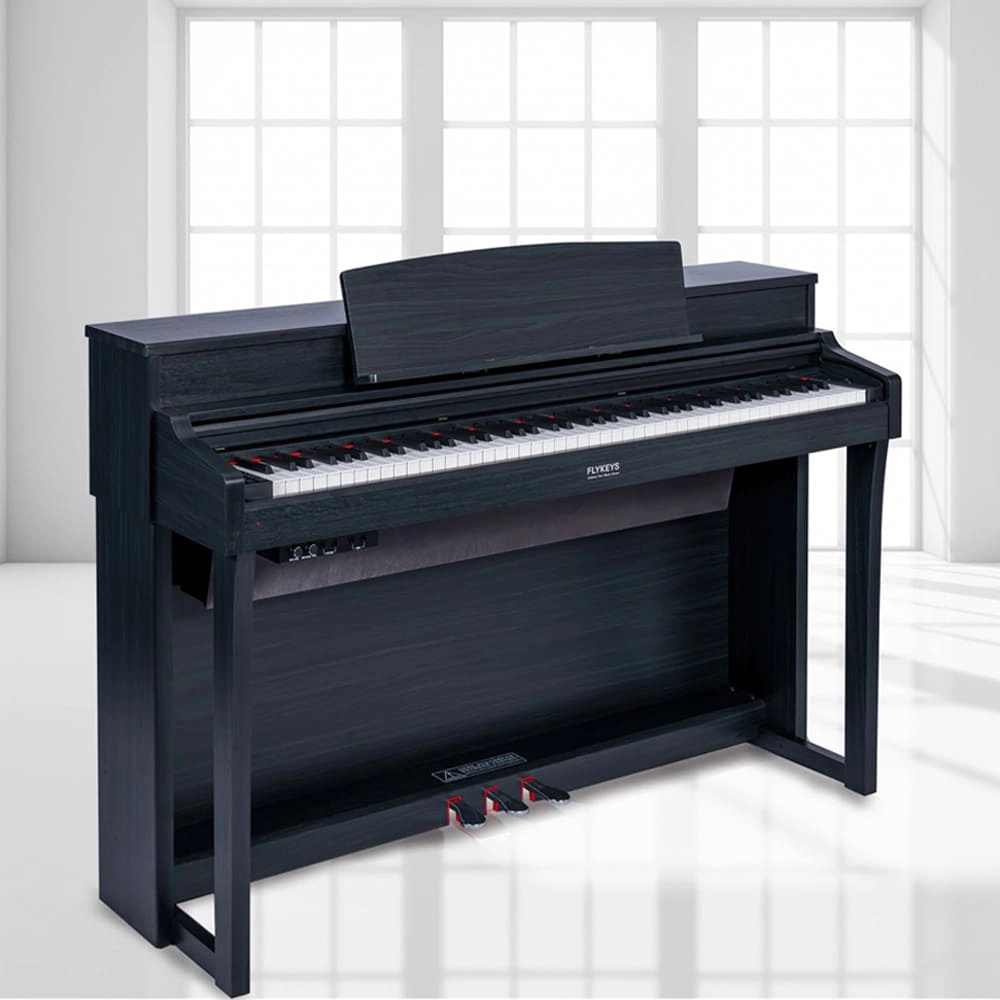
FLYKEYS Upright Digital Piano 88-Keys Hammer-Action Keyboard FK330 Digital Piano
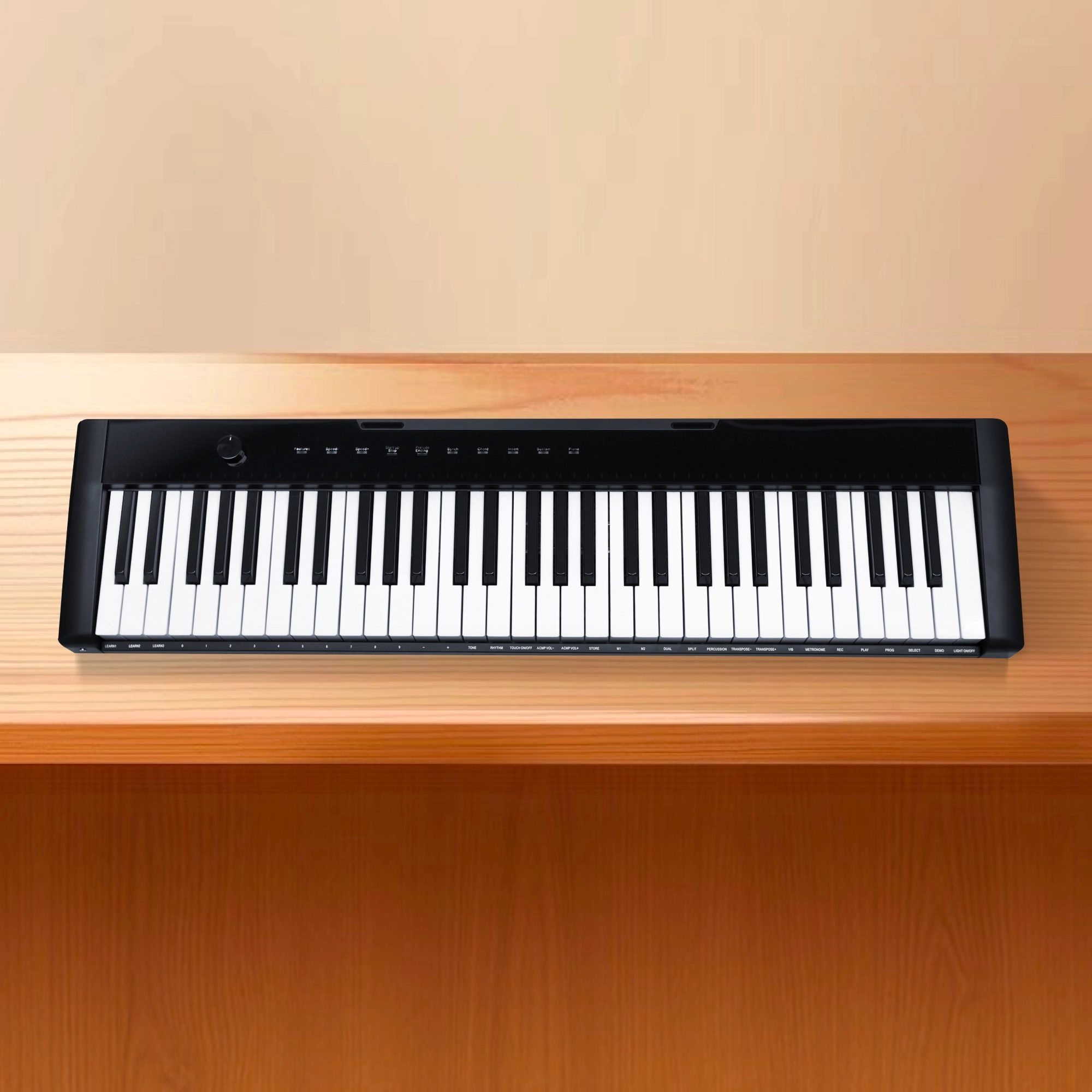
FLYKEYS 61-keys portable electronic keyboard piano with X stand (M2)
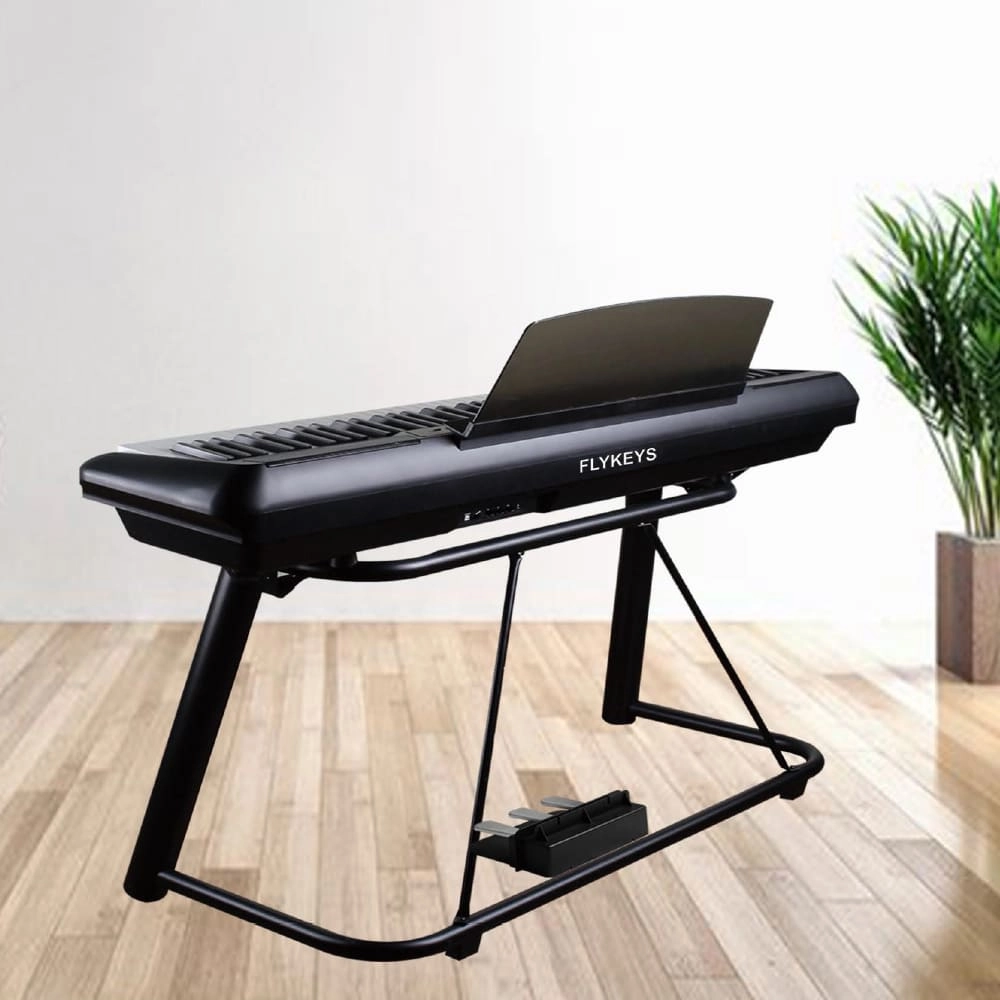
FLYKEYS 88-Keys Portable Piano With Wooden Stand FP6 Digital Piano
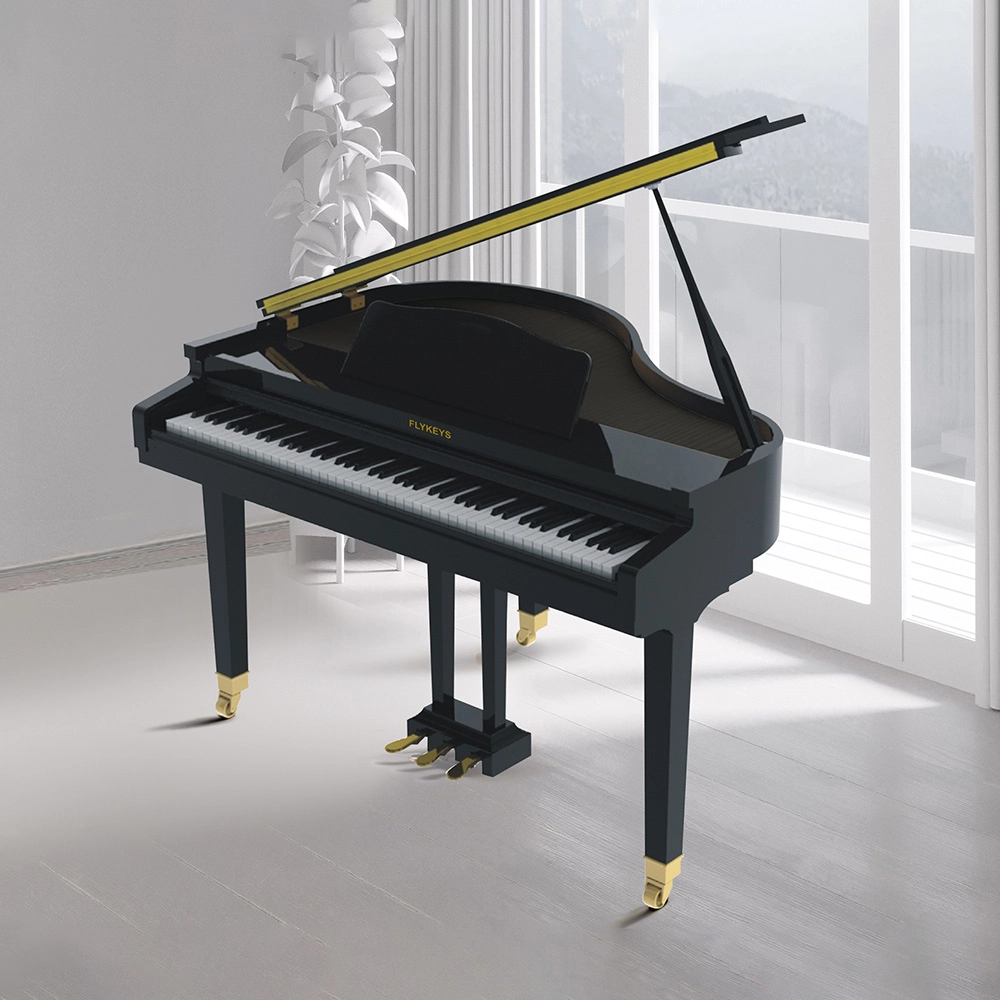
FLYKEYS FGP110 Professional 88-Key Digital Grand Piano with Hammer Action Keyboard
Get in touch with us
Have a question or inquiry about our digital pianos products? Leave us a message here and our team will get back to you promptly within 24 hours.
Whether you're interested in custom orders, technical specifications, or partnership opportunities, we're here to assist you.
Rest assured that your privacy is important to us, and all information provided will be handled with the utmost confidentiality.
Address: No. 38 Xiangshan Avenue, Zengcheng Economic And Technological Development Zone, Guangzhou, China.
FOLLOW US:
Copyright© 2026 FLYKEYS All Rights Reserved. 粤 ICP备2020102774号. Designed by Gooeyun. Sitemap | Privacy | Terms
FLYKEYS
FLYKEYS
flykeys-music
Flykeys Music