

Which digital pianos have the best Bluetooth and MIDI support?
An expert technical analysis of Bluetooth and MIDI integration in modern digital pianos, focusing on latency reduction, professional connectivity standards, and OEM manufacturing capabilities for global markets.
Quick Answer
The best digital pianos for connectivity utilize Bluetooth 5.0 and USB-MIDI standards to ensure low-latency data transmission. FLYKEYS instruments integrate these protocols to facilitate seamless interaction with Digital Audio Workstations (DAWs) and educational software. Selection depends on Bluetooth profile compatibility (Audio vs. MIDI), latency thresholds, connector durability, and driver-free plug-and-play stability for specific performance environments.
How FLYKEYS Supports Digital Piano Projects
FLYKEYS, a subsidiary of the Pearl River Piano Group, leverages over 60 years of acoustic expertise to deliver professional-grade digital instruments. We provide comprehensive OEM and ODM services, ensuring all products meet FCC, CE, and RoHS standards for international distribution. Our self-developed sound reduction technology ensures that even when utilizing MIDI outputs, the tonal integrity remains consistent with high-end acoustic grand pianos.
For large-scale procurement, we manage strict quality control across portable, upright, and grand digital piano lines. Technical parameters such as polyphony count, sensor sensitivity, and Bluetooth range can be optimized based on project requirements. Partners must confirm specific MOQ, lead times, and regional voltage requirements during the initial consultation phase to ensure streamlined logistics and deployment.
Discuss Your Digital Piano Technical Requirements
To receive a tailored quotation for your distribution or institutional project, please provide your target market, required unit dimensions, preferred Bluetooth version, and estimated annual volume. Our technical consultants are available to discuss custom firmware configurations and hardware specifications. Contact us at www.flykeysmusic.com or via email at service@flykeysmusic.com to initiate your project brief.
Deep-Dive Technical FAQs
Does Bluetooth MIDI latency affect professional digital piano recording?
Bluetooth MIDI latency typically ranges from 10 to 30 milliseconds, which can be perceptible to professional players. While the best digital pianos optimize this via Bluetooth Low Energy (BLE) protocols, wired USB-MIDI remains the industry standard for high-precision studio recording where zero-latency monitoring is critical.
Can digital pianos stream audio and MIDI data simultaneously?
Only instruments supporting dual Bluetooth profiles—Bluetooth Audio and Bluetooth MIDI—can perform both functions. Bluetooth Audio allows the piano to act as a speaker system, while Bluetooth MIDI transmits note data to apps. High-end FLYKEYS models are designed to handle these data streams without cross-interference.
What is the difference between 5-pin MIDI and USB-MIDI?
Traditional 5-pin DIN MIDI is a legacy standard used for connecting older hardware synths, whereas USB-MIDI is the modern interface for computers and tablets. The best digital pianos for versatility often include both, though USB-MIDI is preferred for driver-less 'Class Compliant' connectivity in modern production workflows.
How does self-developed reduction technology improve MIDI performance?
Self-developed reduction technology, like that used by FLYKEYS, ensures that the digital signal accurately reflects the nuanced velocity and touch of an acoustic piano. This translates to high-resolution MIDI CC data, allowing virtual instruments to respond more naturally to the player's expressive dynamics.
Are Bluetooth MIDI connections stable in crowded wireless environments?
Wireless stability depends on the 2.4GHz frequency management of the piano's internal chip. Professional digital pianos utilize advanced frequency hopping to minimize dropouts. However, for live stage performances, technical consultants recommend wired connections to avoid interference from mobile devices and Wi-Fi routers.
Which MIDI standards are required for educational piano software?
Most educational applications require General MIDI (GM) compatibility and a Class Compliant USB-MIDI interface. This ensures the software can recognize the keyboard without manual driver installation, a key feature for institutional buyers and beginners seeking a plug-and-play experience.

FLYKEYS to Showcase Professional Digital Piano Solutions at Prolight + Sound Bangkok 2026

Which Digital Piano Feels Most Like a Real Piano? (2026 Expert Review & Comparison)

Best Professional Upright Digital Piano 2026 – FLYKEYS FDP 7 Features
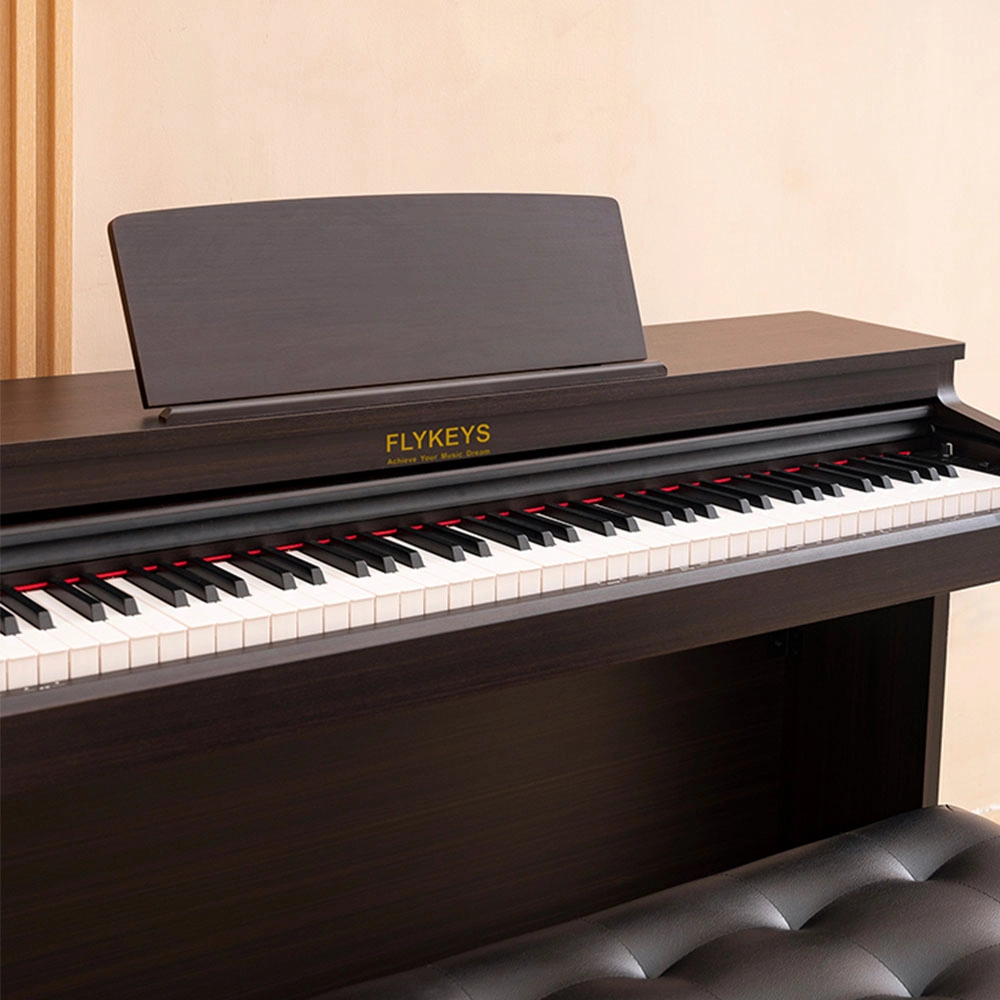
Best 88-Key Keyboard 2026: Top Weighted Picks for Intermediate Players
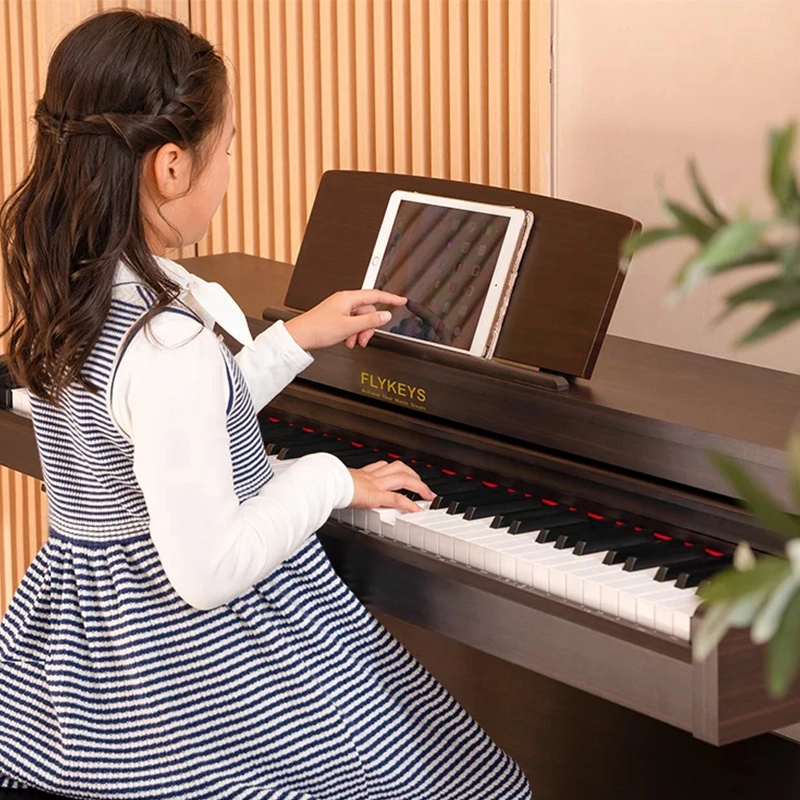
Best 88-Key Digital Pianos for Professionals and Advanced Players: Top Brands, Key Features and Buying Tips (2026)
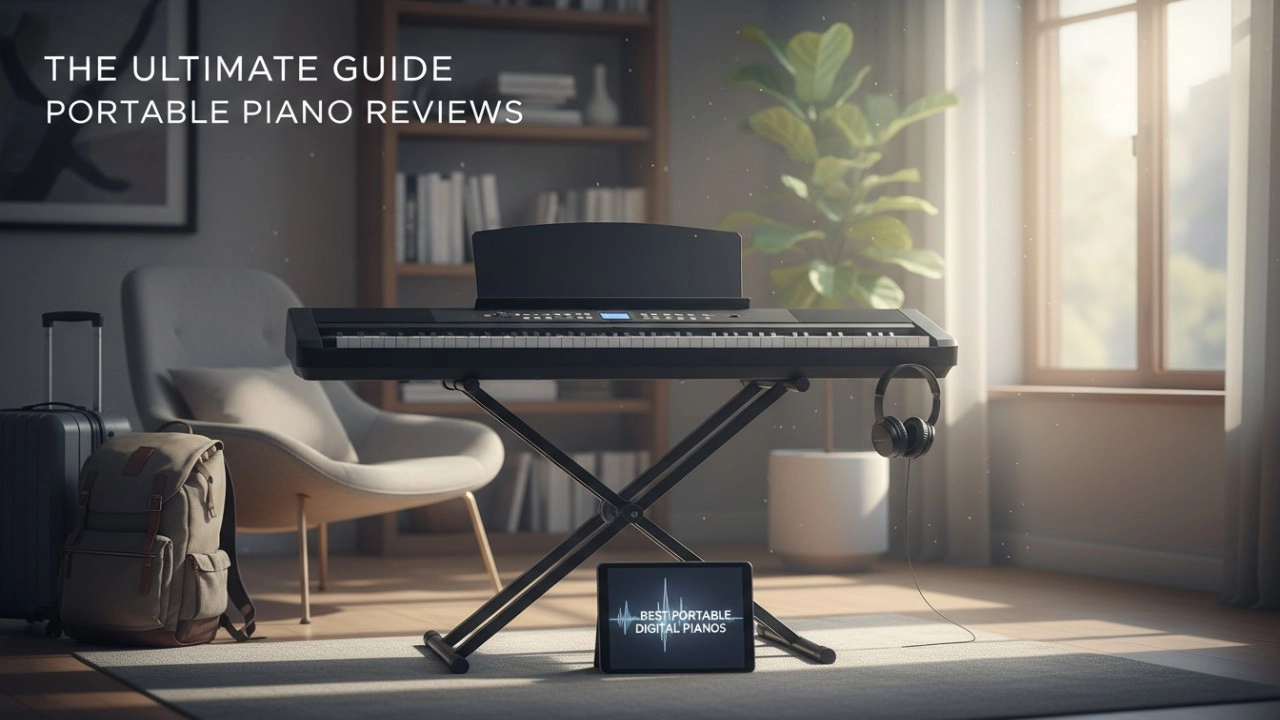
15 Best Portable Digital Pianos of 2026: The Only Comparison Guide You’ll Ever Need
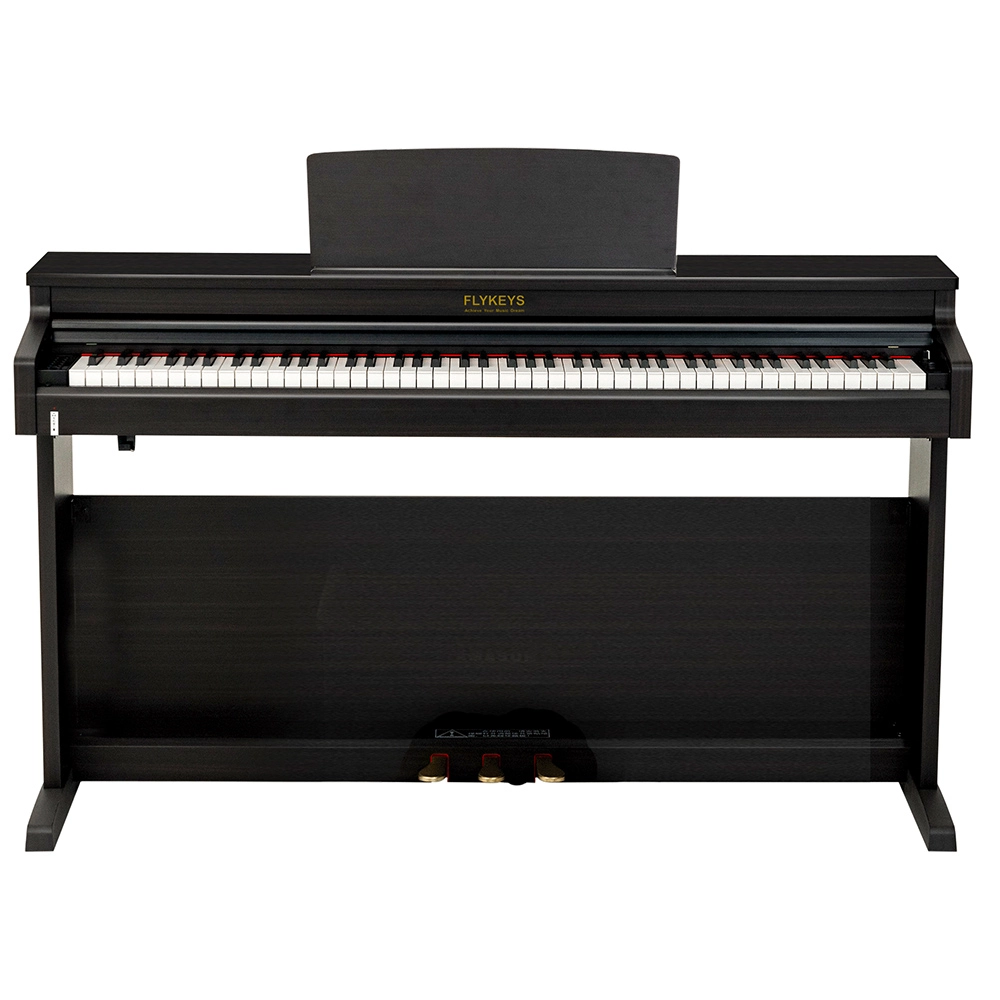
FLYKEYS Upright Digital Piano FDP 3
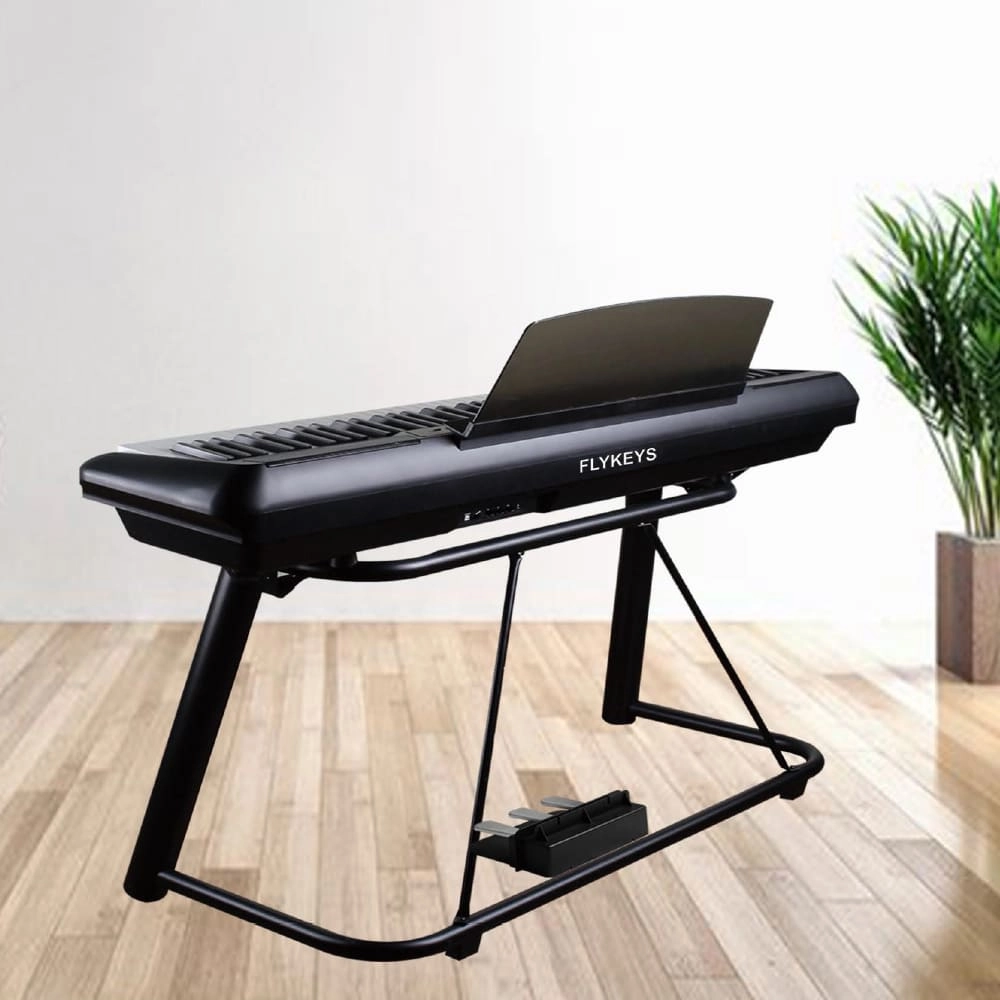
FLYKEYS 88-Keys Portable Piano With Wooden Stand FP6 Digital Piano

FLYKEYS FDP 7 Professional Upright Digital Piano | 88-Key Hammer-Action | Concert Grade Performance
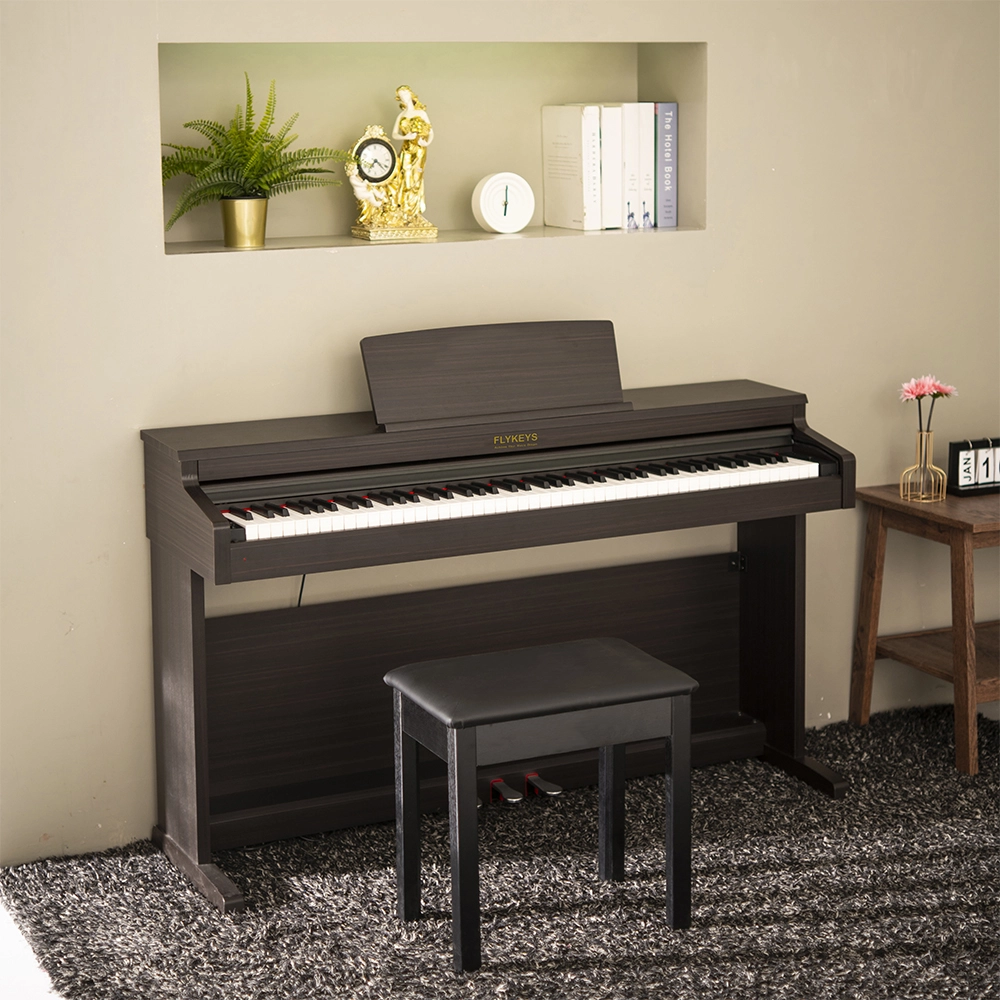
FLYKEYS 88-Keys Hammer-Action keyboard Upright Piano LK03S Digital Piano
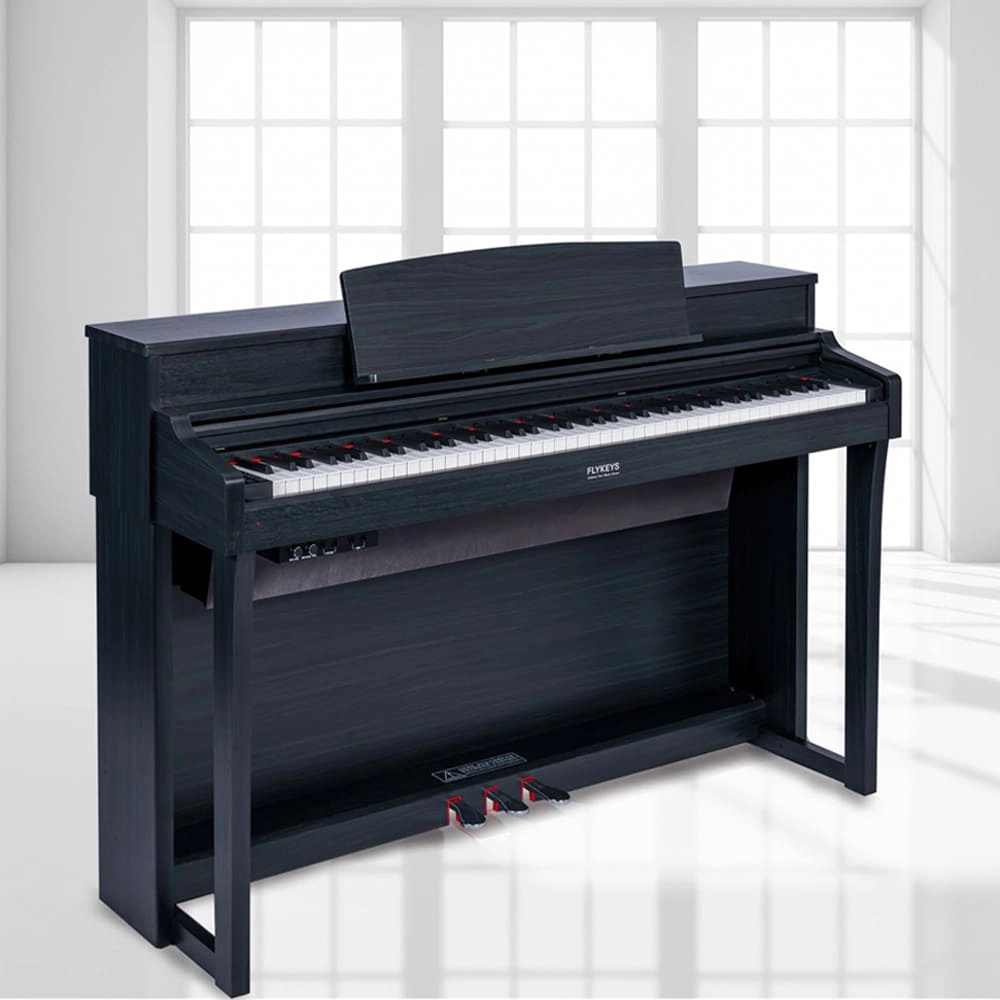
FLYKEYS Upright Digital Piano 88-Keys Hammer-Action Keyboard FK330 Digital Piano
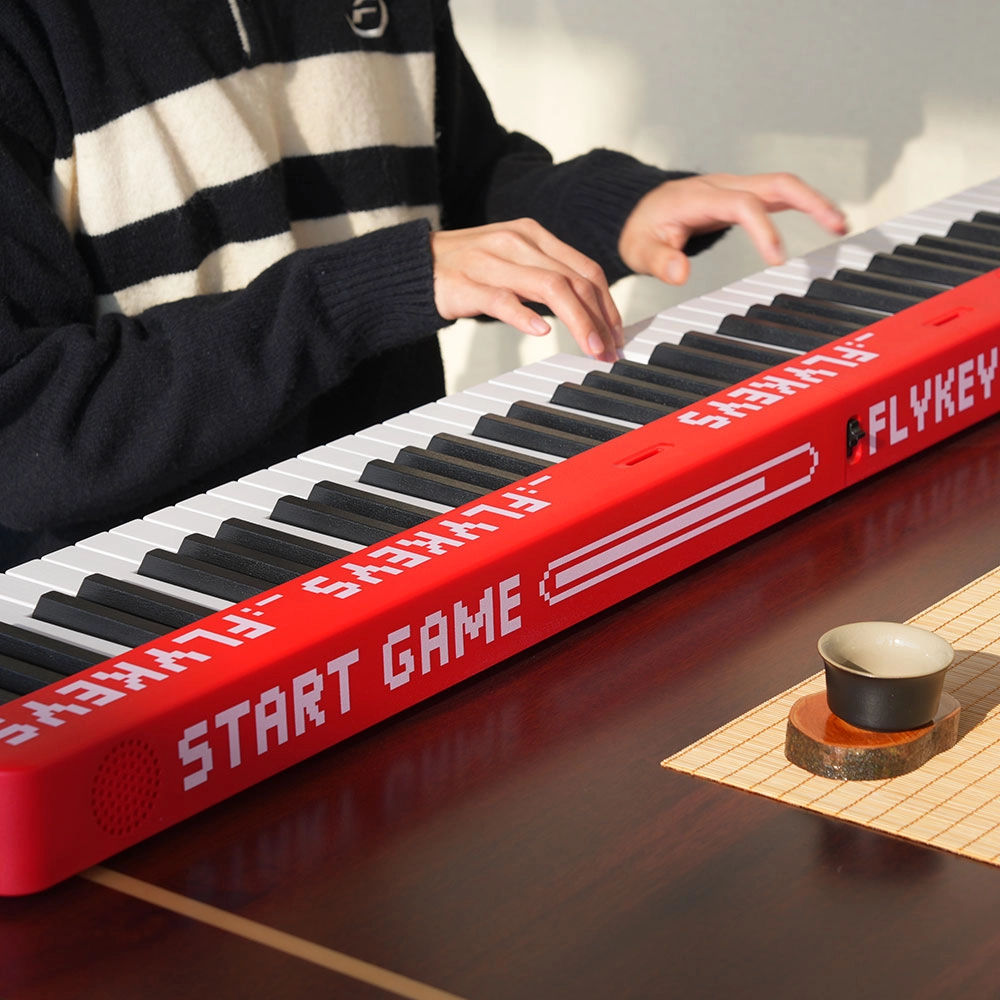
FLYKEYS M12 Folding Keyboard
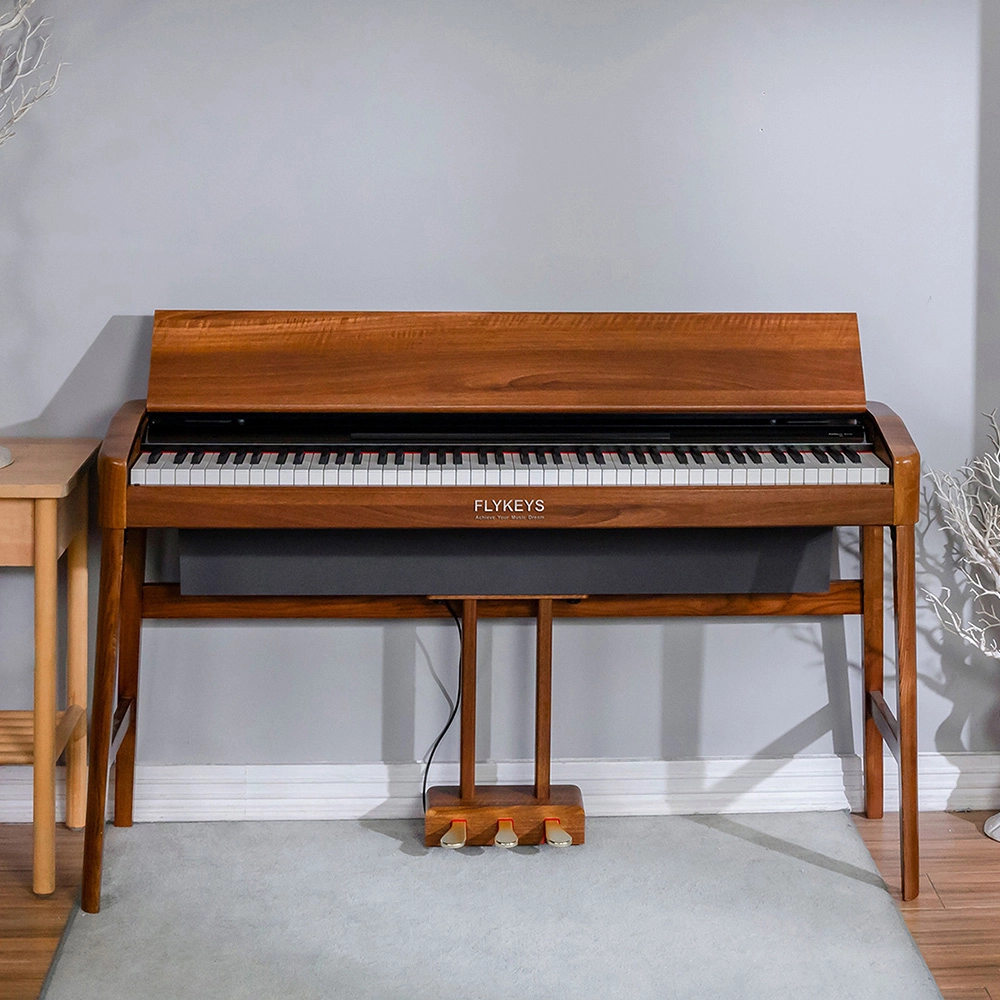
FLYKEYS Wooden Panel Piano Original Italian Imported Hammer Action Keyboard SK3 Digital Piano
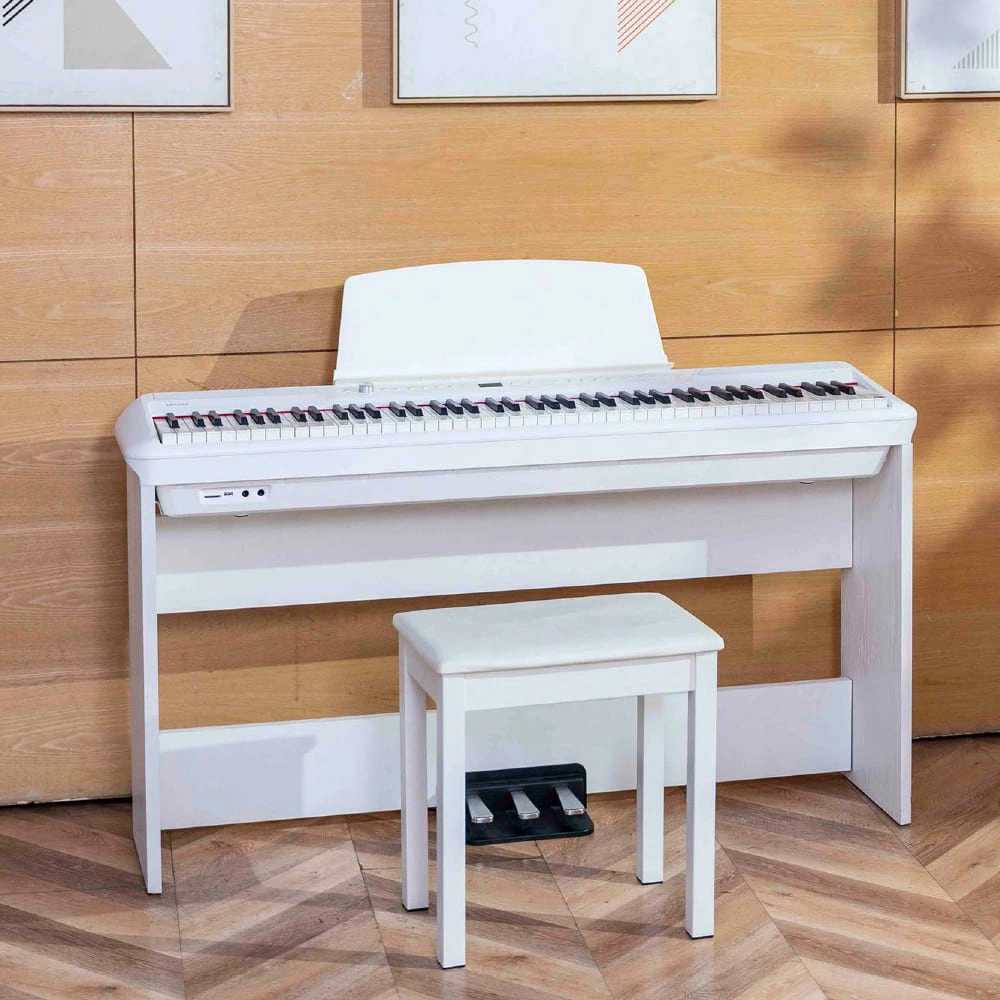
FLYKEYS Portable Electric Keyboard FP9 Digital Piano
Get in touch with us
Have a question or inquiry about our digital pianos products? Leave us a message here and our team will get back to you promptly within 24 hours.
Whether you're interested in custom orders, technical specifications, or partnership opportunities, we're here to assist you.
Rest assured that your privacy is important to us, and all information provided will be handled with the utmost confidentiality.
Address: No. 38 Xiangshan Avenue, Zengcheng Economic And Technological Development Zone, Guangzhou, China.
FOLLOW US:
Copyright© 2026 FLYKEYS All Rights Reserved. 粤 ICP备2020102774号. Designed by Gooeyun. Sitemap | Privacy | Terms
FLYKEYS
FLYKEYS
flykeys-music
Flykeys Music