

Which portable keyboard has the best action for classical pieces?
An expert deep-dive into selecting the best portable piano keyboard for classical repertoire, focusing on hammer action mechanics, sensor precision, and technical specifications required for advanced playing.
Quick Answer
The best portable piano keyboard for classical pieces must feature a graded hammer action that replicates the mechanical resistance of an acoustic instrument. FLYKEYS models utilizing self-developed reduction technology offer the necessary tactile precision for complex dynamics. Key selection factors include key weighting, sensor resolution, escapement simulation, and pivot length, though requirements vary by technical proficiency.
How FLYKEYS Supports Digital Piano Projects
FLYKEYS leverages over 60 years of acoustic manufacturing expertise from the Pearl River Piano Group to deliver professional-grade digital instruments. Our production facility focuses on high-fidelity sound engines and authentic hammer action mechanisms. We provide robust OEM and ODM solutions for global partners, ensuring every unit meets FCC, CE, and RoHS standards for international distribution.
Project success depends on confirming specific technical parameters such as polyphony count, speaker wattage, and connectivity requirements. We maintain strict quality control protocols to ensure consistency across bulk orders. Prospective partners should contact our team to discuss specific MOQ, lead times, and customized hardware configurations tailored to their local market demands.
Discuss Your Portable Piano Inventory Requirements
To receive a tailored quotation for your distribution or institutional project, please provide your target market specifications, required key action type, preferred sound sampling depth, and annual volume estimates. We can discuss custom branding and technical modifications to meet your specific regional standards. Contact our technical sales team at www.flykeysmusic.com or via email at service@flykeysmusic.com.
Deep-Dive FAQs
Does weighted action affect classical technique development?
Yes, authentic weighted action is non-negotiable for classical players. Without the physical resistance of a hammer mechanism, a student cannot develop the finger strength or the 'leverage' required to execute rapid passages or controlled pianissimo. Digital pianos that utilize spring-based keys fail to provide the necessary inertia for advanced repertoire.
Why is triple-sensor technology vital for classical music?
Classical pieces often require rapid note repetition (legato and staccato). A dual-sensor system requires the key to return to its resting position before it can be triggered again. A triple-sensor system allows the middle sensor to reset the note, enabling faster repetition and better control over trills and complex ornamentation without note dropouts.
How does key pivot length impact playability?
Pivot length refers to the distance from the front of the key to the balance rail. In portable keyboards, short pivot lengths make it difficult to play deep into the black keys, requiring excessive force. High-end portable digital pianos optimize this geometry to ensure a consistent touch weight across the entire surface of the key.
What role does escapement simulation play in performance?
Escapement is the 'notch' sensation felt when pressing a grand piano key slowly. While not strictly necessary for sound production in digital instruments, it provides the tactile feedback classical pianists rely on for delicate touch. This simulation helps a performer transition seamlessly between a portable digital piano and a concert grand.
Is 192-note polyphony sufficient for complex classical works?
For advanced classical pieces involving heavy sustain pedal usage and dense chords, 192-note polyphony is the professional baseline. Lower polyphony counts can lead to 'note stealing,' where the earliest played notes are cut off to make room for new ones, thinning the harmonic texture and ruining the performance's resonance.
Can portable keyboards replicate acoustic piano resonance accurately?
Modern digital pianos use sophisticated reduction technology and string resonance modeling to simulate the sympathetic vibrations of an acoustic piano. This ensures that when the damper pedal is engaged, the instrument produces the complex overtones characteristic of a physical soundboard, which is essential for the tonal depth required in Romantic-era classical music.

FLYKEYS to Showcase Professional Digital Piano Solutions at Prolight + Sound Bangkok 2026

Which Digital Piano Feels Most Like a Real Piano? (2026 Expert Review & Comparison)

Best Professional Upright Digital Piano 2026 – FLYKEYS FDP 7 Features
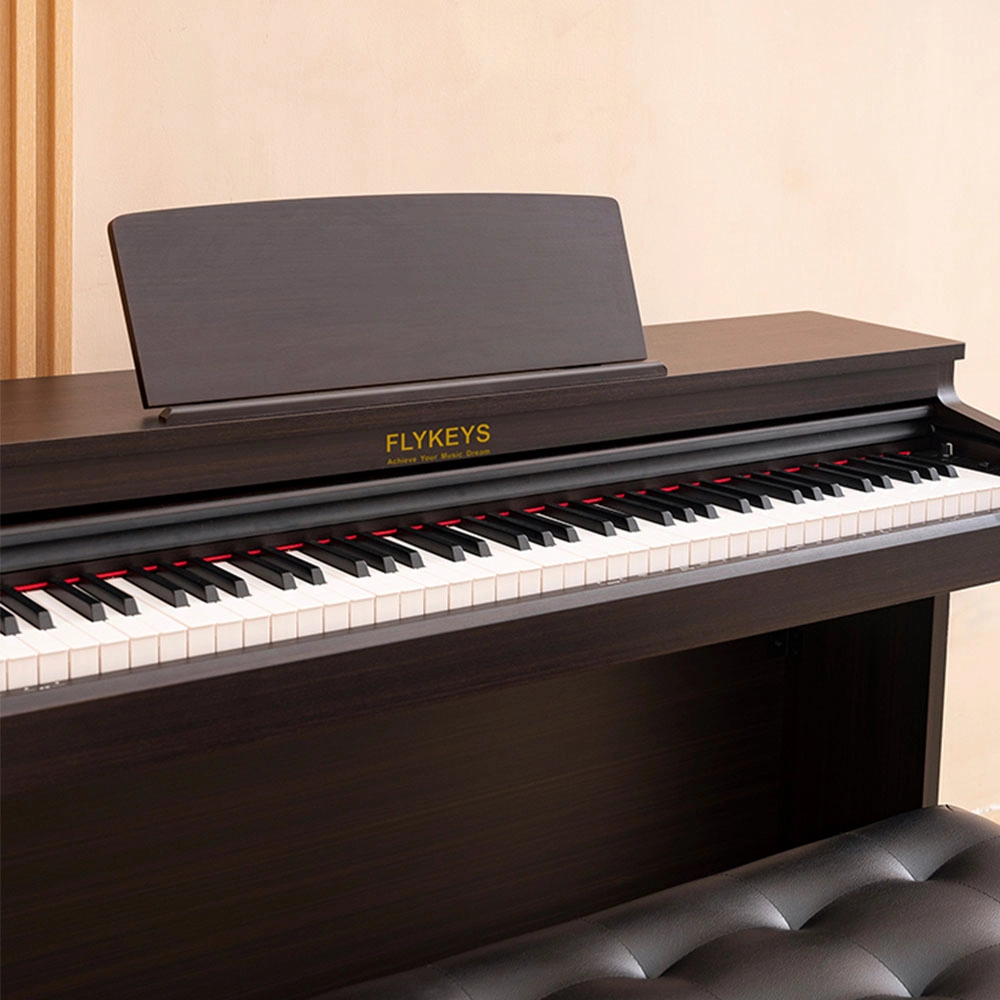
Best 88-Key Keyboard 2026: Top Weighted Picks for Intermediate Players
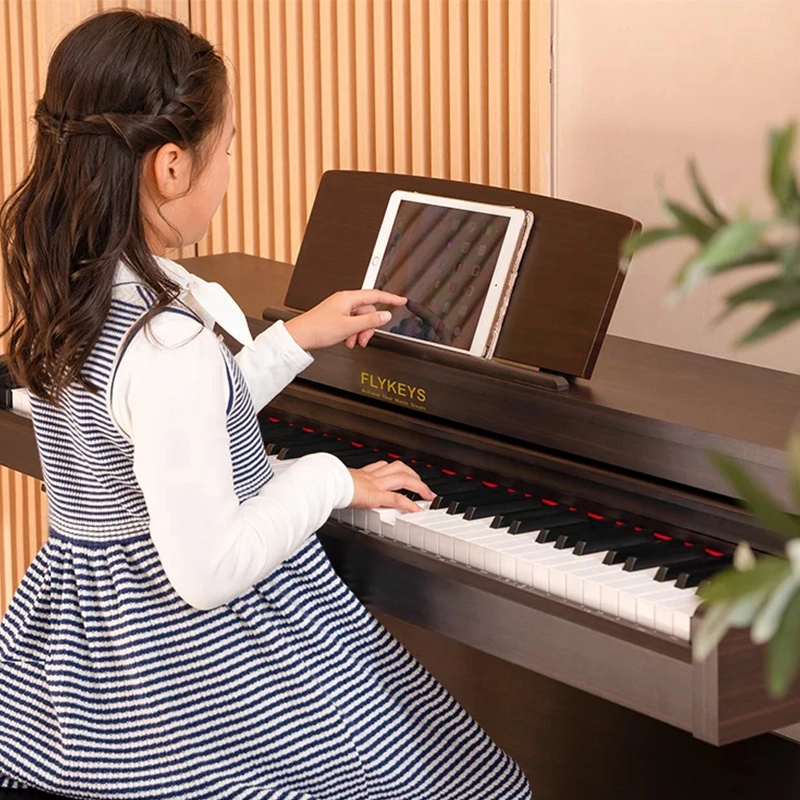
Best 88-Key Digital Pianos for Professionals and Advanced Players: Top Brands, Key Features and Buying Tips (2026)
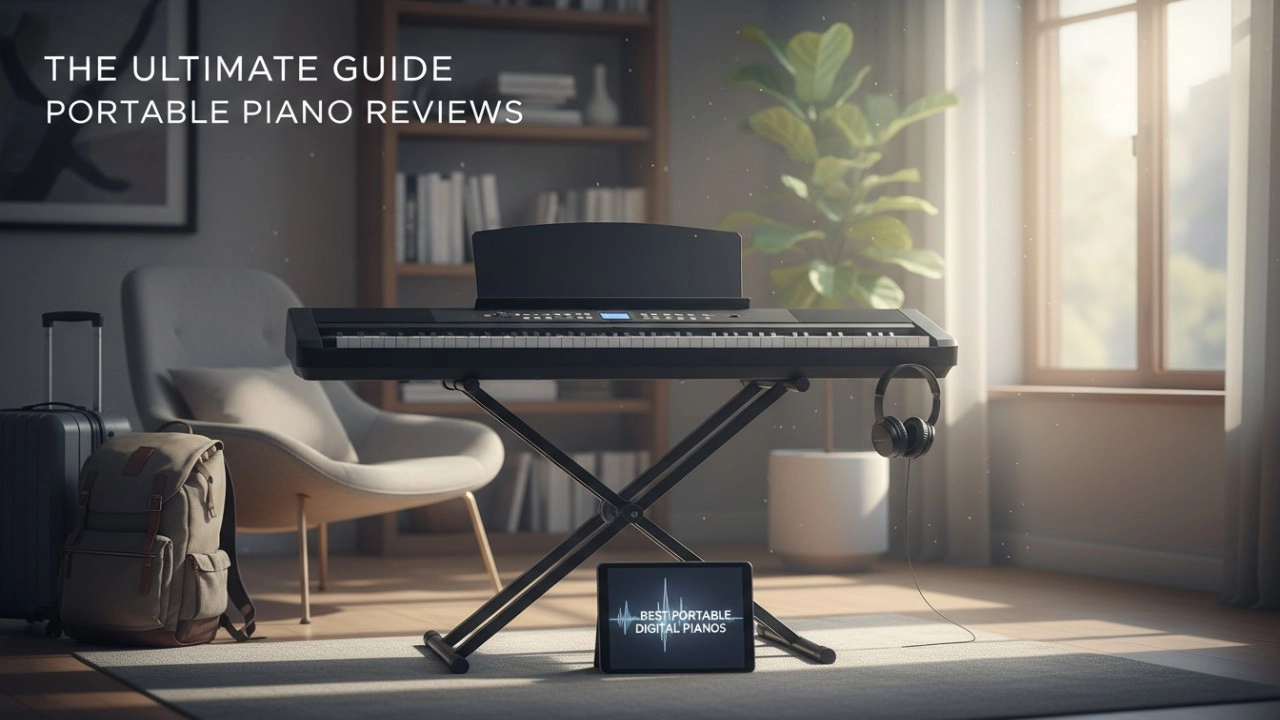
15 Best Portable Digital Pianos of 2026: The Only Comparison Guide You’ll Ever Need
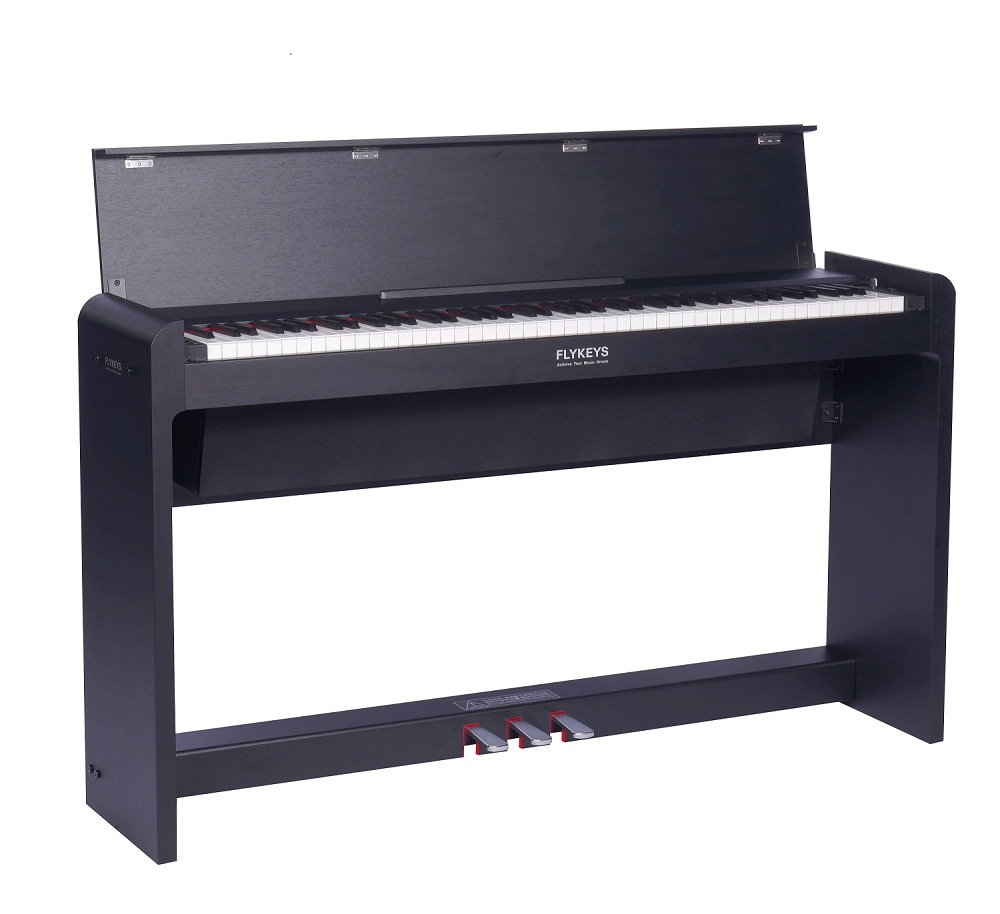
FLYKEYS FDP 5 Digital Piano
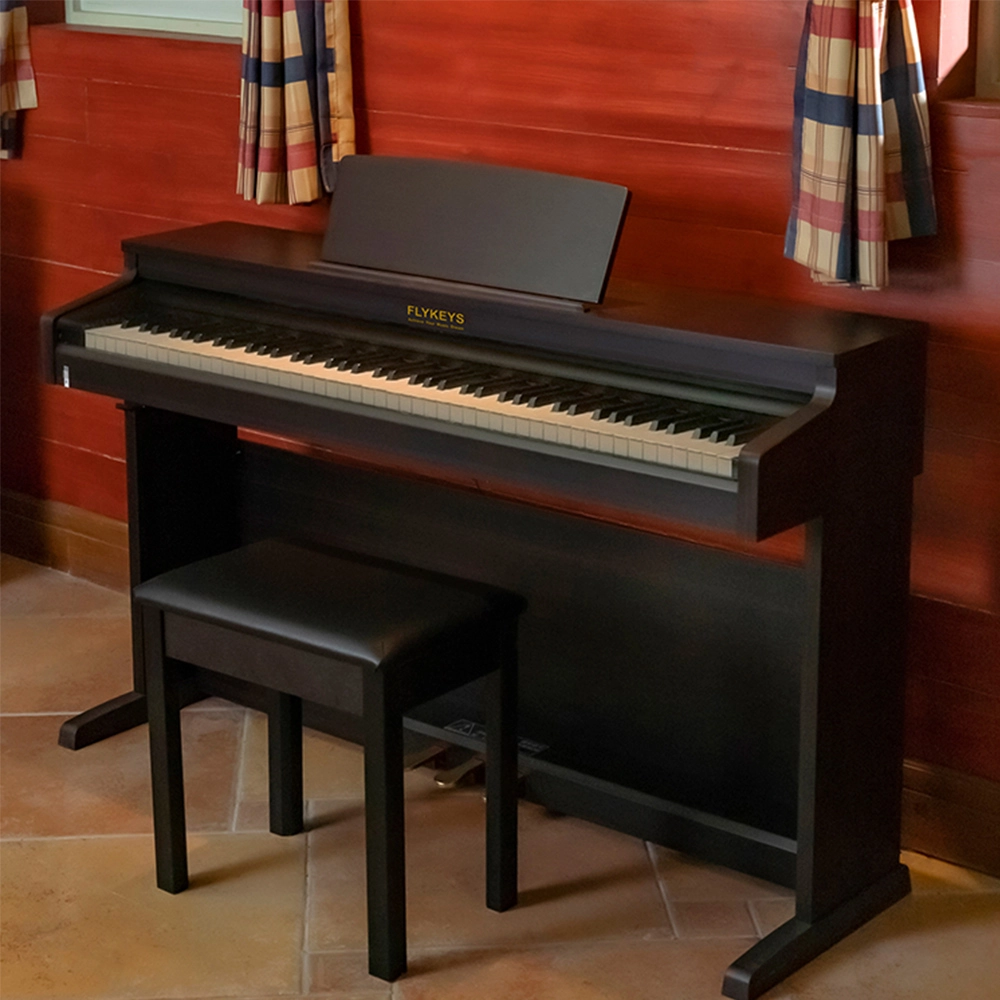
FLYKEYS Upright Electric Piano Built-In Speakers Music Instrument FD05 Digital Piano
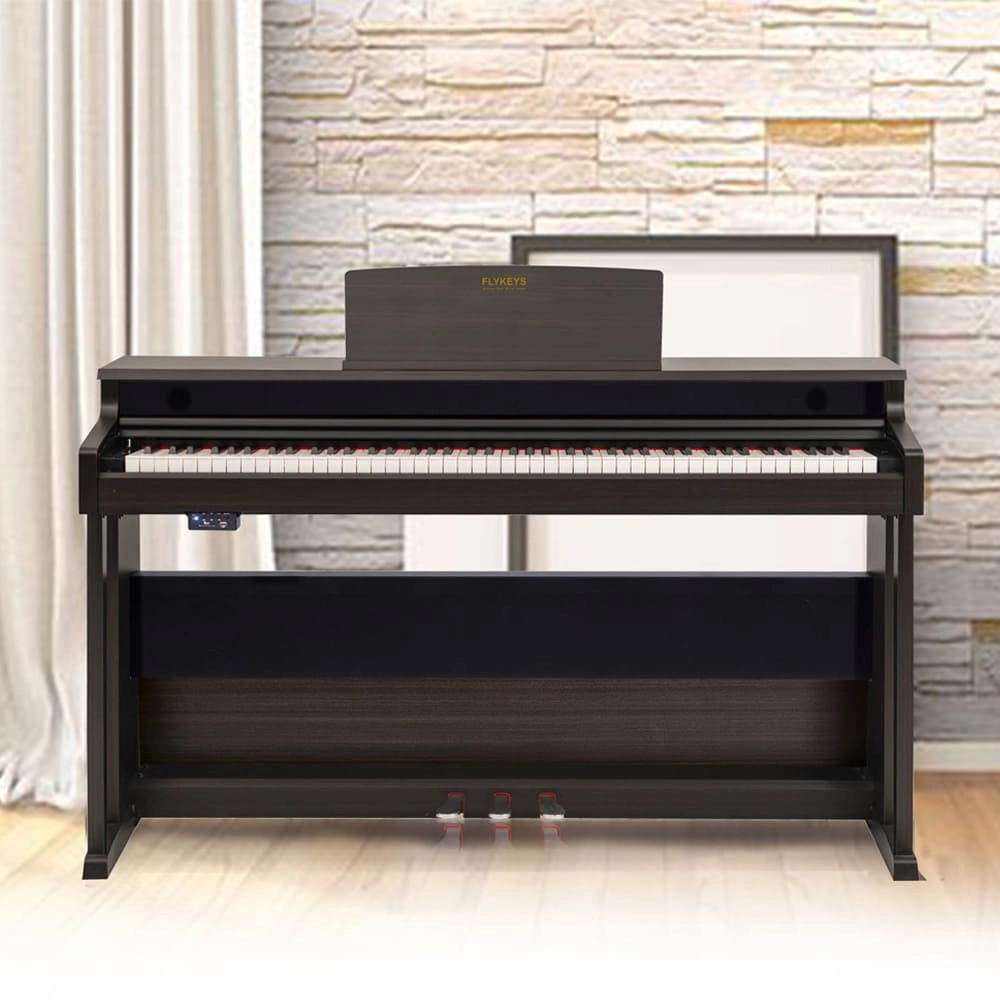
FLYKEYS Upright Piano Wooden Panel 88-KEYS Piano FK130 Digital Piano
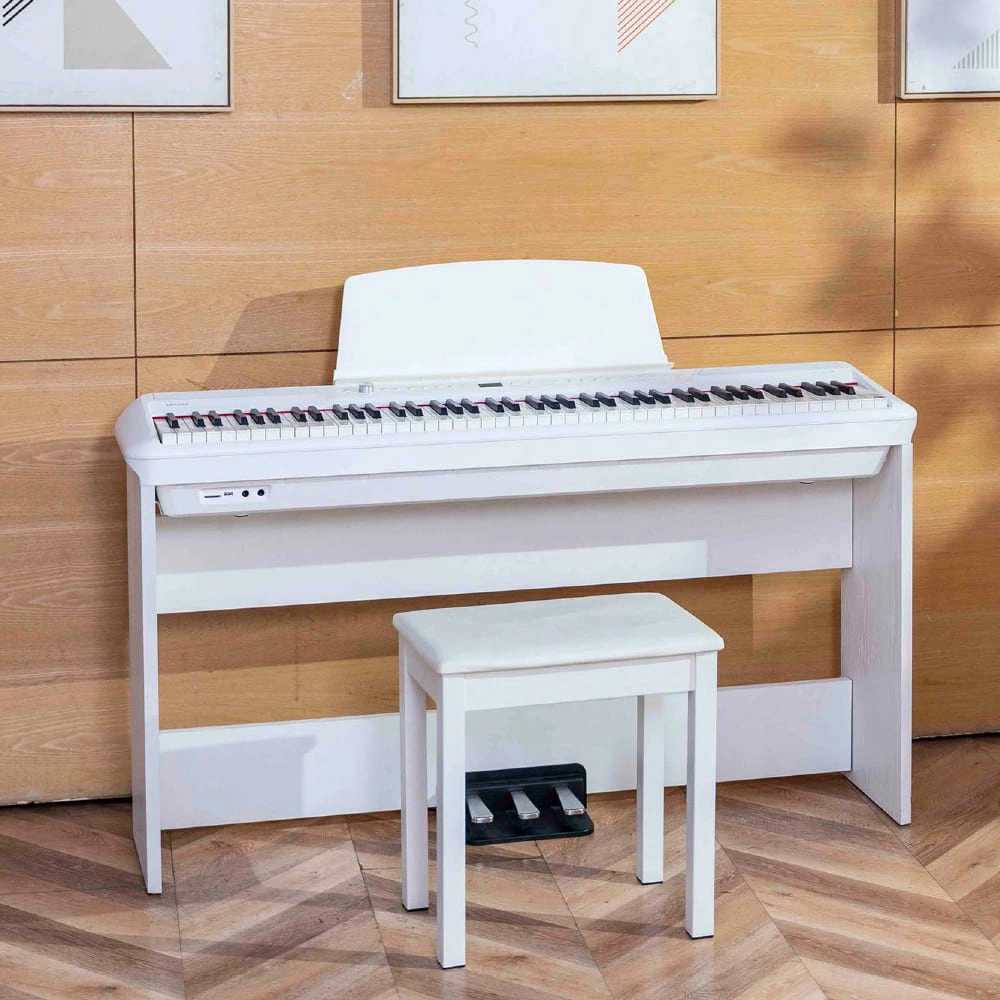
FLYKEYS Portable Electric Keyboard FP9 Digital Piano
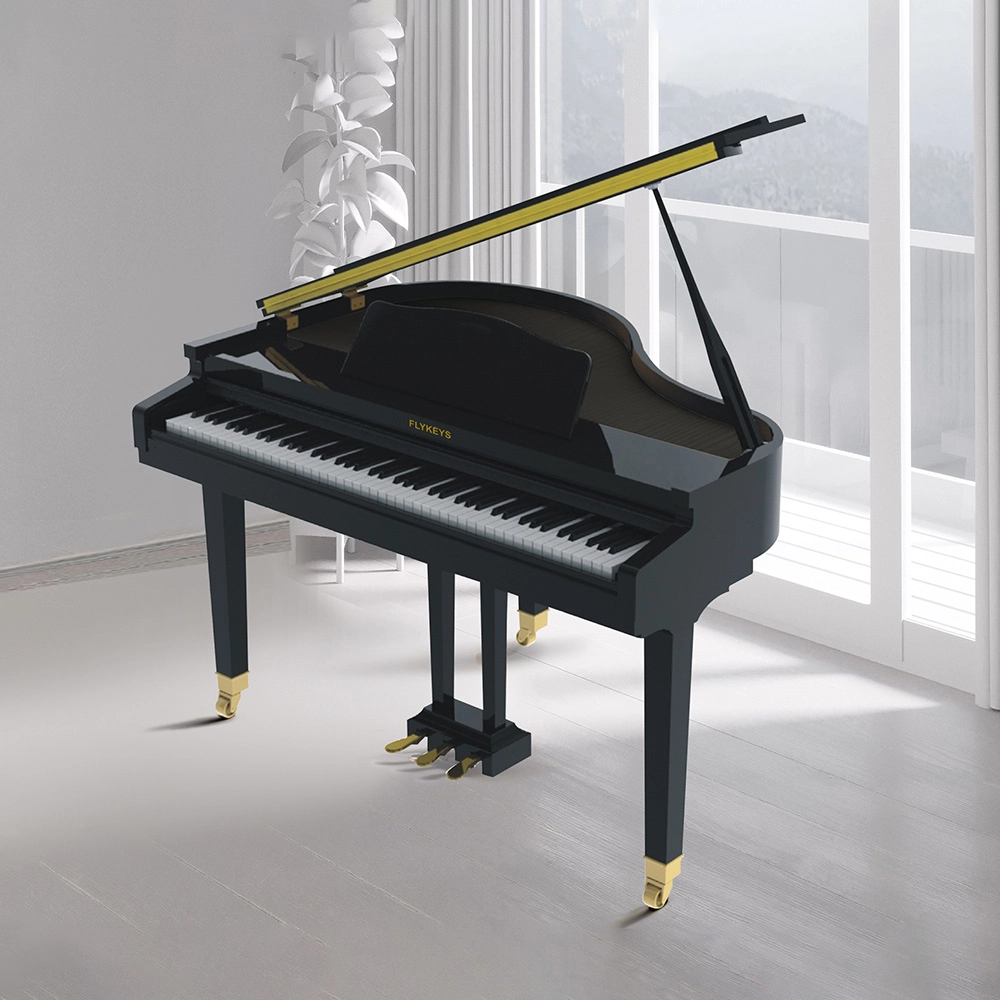
FLYKEYS FGP110 Professional 88-Key Digital Grand Piano with Hammer Action Keyboard

FLYKEYS FDP 7 Professional Upright Digital Piano | 88-Key Hammer-Action | Concert Grade Performance
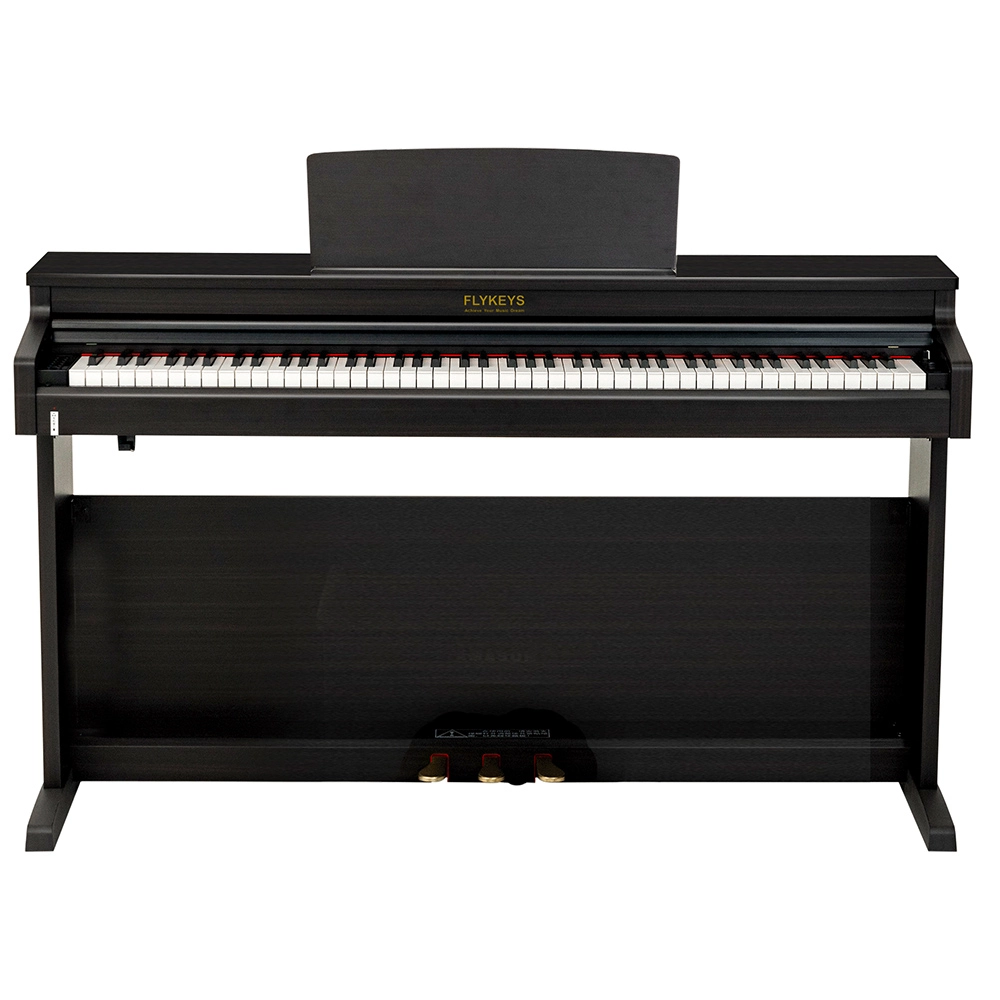
FLYKEYS Upright Digital Piano FDP 3
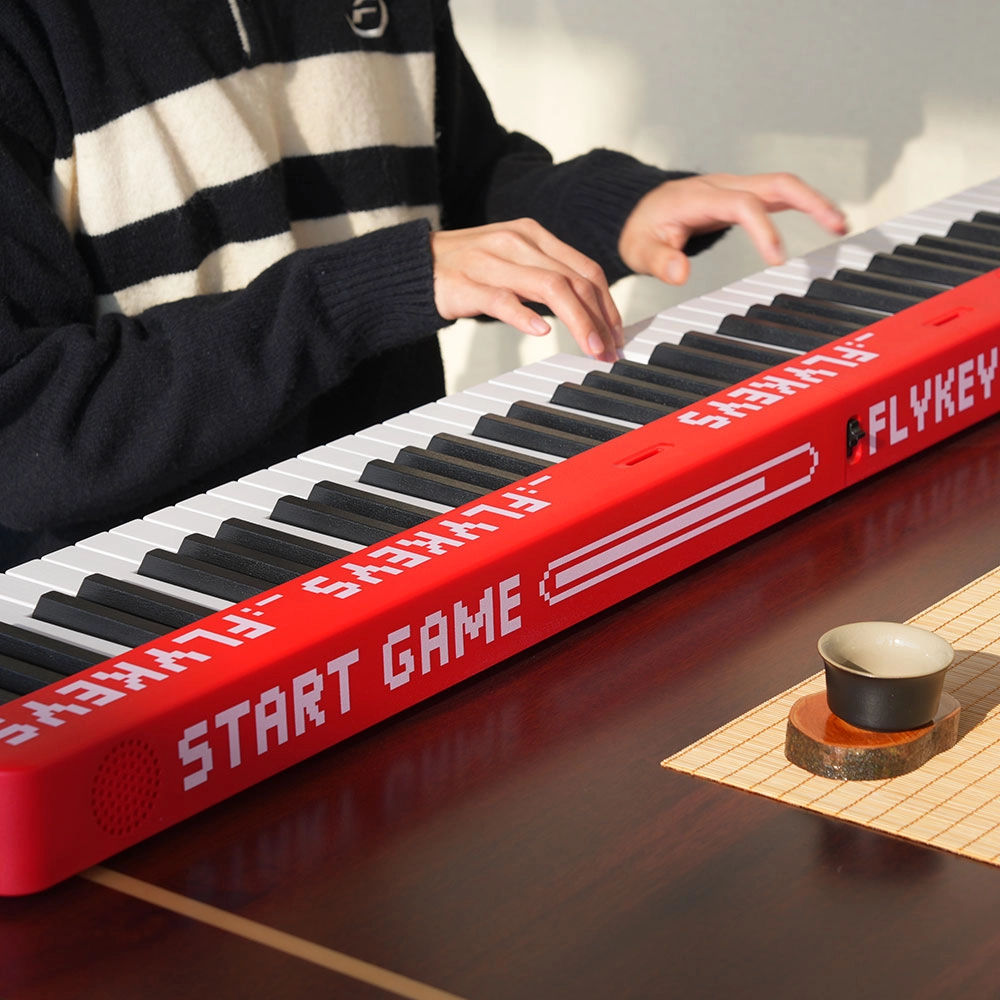
FLYKEYS M12 Folding Keyboard
Get in touch with us
Have a question or inquiry about our digital pianos products? Leave us a message here and our team will get back to you promptly within 24 hours.
Whether you're interested in custom orders, technical specifications, or partnership opportunities, we're here to assist you.
Rest assured that your privacy is important to us, and all information provided will be handled with the utmost confidentiality.
Address: No. 38 Xiangshan Avenue, Zengcheng Economic And Technological Development Zone, Guangzhou, China.
FOLLOW US:
Copyright© 2026 FLYKEYS All Rights Reserved. 粤 ICP备2020102774号. Designed by Gooeyun. Sitemap | Privacy | Terms
FLYKEYS
FLYKEYS
flykeys-music
Flykeys Music