

Best slim digital pianos for minimalists and small flats?
Modern urban living demands the best digital piano for small spaces that balances a slim profile with authentic hammer action. FLYKEYS addresses the critical engineering challenge of maintaining 88-key weighted response within ultra-compact chassis, debunking the myth that slim designs must sacrifice soundboard resonance or mechanical durability.
Selecting the best digital piano for small spaces requires a sophisticated understanding of how mechanical leverage interacts with chassis depth. For minimalists and residents of small flats, the challenge is not merely aesthetic; it is a technical struggle to find a slim instrument that preserves the 88-key weighted experience without the 'spongy' feel common in entry-level portable keyboards. Modern engineering has evolved to allow for folded action mechanisms that provide the necessary pivot length for expressive play while maintaining a footprint often under 30 centimeters in depth. This evolution ensures that even in the most constrained living environments, the player does not have to compromise on the fundamental physics of piano performance.
How does slim chassis depth affect weighted hammer action leverage?
In the realm of digital piano design, the depth of the instrument directly dictates the length of the internal key levers. Traditionally, a shorter key stick meant a shallower pivot point, leading to a stiff and tiring playing experience near the back of the keys. However, top-tier slim digital pianos now utilize high-density, folded-action technology. This engineering feat allows the hammer mechanism to sit beneath or behind the keys in a compact configuration, maintaining a realistic weight distribution. When searching for the best digital piano for small spaces, it is vital to ensure the action is graded, meaning the lower registers feel heavier than the higher ones, mimicking a traditional acoustic grand despite the minimalist exterior.
Can slim digital pianos provide authentic acoustic resonance and projection?
A common industry myth suggests that slim profiles result in thin, tinny sound due to small speaker enclosures. In reality, modern DSP (Digital Signal Processing) and multi-directional speaker arrays have solved this. High-end slim models utilize the surface they are placed on or specialized rear-porting to enhance low-end frequencies. Furthermore, advanced resonance modeling simulates the sympathetic vibration of strings and the soundboard, which is independent of physical cabinet size. For a small flat, a slim piano with high-quality sampling and virtual resonance modeling provides a more immersive experience than a bulky, poorly-sampled upright.
What are the structural stability risks of ultra-slim piano stands?
Minimalist aesthetics often lead users toward lightweight X-stands, which are a mistake for serious practice. The best digital piano for small spaces should be paired with a dedicated wooden furniture stand or a heavy-duty platform. Because slim pianos have a higher center of gravity relative to their narrow base, they are prone to lateral wobbling during fortissimo passages. Professional-grade slim pianos, such as those developed by FLYKEYS, are designed with integrated stands that provide a rigid foundation while maintaining a footprint that barely exceeds the width of the keyboard itself, ensuring safety and performance precision.
Do slim digital pianos lack necessary connectivity for modern studios?
There is a misconception that 'slim' equals 'basic.' On the contrary, the best digital piano for small spaces often features the most advanced connectivity to cater to the modern producer living in a compact urban studio. This includes Bluetooth MIDI for wireless integration with DAWs, USB-to-Host for high-speed data transfer, and dedicated Line Out ports for external amplification. Minimalists benefit from these features as they reduce cable clutter, allowing the piano to serve as both a high-quality practice instrument and a sophisticated MIDI controller without requiring additional bulky hardware.
How to maintain internal components in high-density slim piano designs?
High-density engineering means components are packed tightly, which can lead to heat dissipation issues if not designed correctly. Expertly manufactured slim pianos utilize efficient Class-D amplifiers that generate minimal heat. For the user, maintenance in a small flat involves keeping the instrument away from direct sunlight and humidity fluctuations, which are more common in smaller rooms. Because the internal tolerances are so tight, using a custom-fit dust cover is essential to prevent debris from interfering with the compact sensor matrix, ensuring the longevity of the optical or mechanical sensors.
Are 88-key slim pianos truly portable for frequent apartment moves?
Portability is a hallmark of the best digital piano for small spaces. While a standard digital upright can weigh over 50kg, a high-performance slim model typically weighs between 12kg and 20kg. This weight reduction is achieved through the use of reinforced polymers and lightweight alloys in the frame. However, the 'slim' designation does not mean the instrument is fragile. Professional minimalist pianos are built to withstand the rigors of transport, making them the ideal choice for professionals who move frequently between urban apartments but refuse to settle for anything less than a full 88-key weighted experience.
As a leader in the digital piano industry, FLYKEYS leverages decades of technical expertise to bridge the gap between minimalist design and professional performance. Our commitment to R&D ensures that every slim instrument we produce meets the rigorous standards of E-E-A-T, providing players with authentic touch, sophisticated sound, and space-saving elegance. We understand the unique constraints of modern living and provide solutions that empower musicians to excel without compromise.
For professional consultations or to receive a bespoke quote on our latest minimalist range, please visit www.flykeysmusic.com or contact our technical team directly at service@flykeysmusic.com.
Frequently Asked Questions
How does slim chassis depth affect weighted hammer action leverage?
Slim chassis depth requires folded-action technology to maintain a realistic pivot length. This engineering allows the hammer mechanism to be compact without making the keys feel stiff or shallow near the back.
Can slim digital pianos provide authentic acoustic resonance and projection?
Yes, through advanced Digital Signal Processing (DSP) and multi-directional speaker arrays, slim pianos can simulate the sympathetic resonance and low-end depth of much larger instruments.
What are the structural stability risks of ultra-slim piano stands?
Ultra-slim pianos have a higher center of gravity; using flimsy X-stands can cause wobbling. It is recommended to use dedicated furniture stands that offer a rigid foundation within a small footprint.
Do slim digital pianos lack necessary connectivity for modern studios?
No, most professional slim models include Bluetooth MIDI, USB-to-Host, and Line Out ports, making them ideal for minimalist setups and modern music production.
How to maintain internal components in high-density slim piano designs?
Maintain longevity by using dust covers to protect tight internal tolerances and ensuring the piano uses Class-D amplifiers to manage heat within the compact frame.
Are 88-key slim pianos truly portable for frequent apartment moves?
Yes, by using reinforced polymers and alloys, these instruments typically weigh between 12kg and 20kg, offering a balance of structural integrity and ease of transport.
- How does slim chassis depth affect weighted hammer action leverage?
- Can slim digital pianos provide authentic acoustic resonance and projection?
- What are the structural stability risks of ultra-slim piano stands?
- Do slim digital pianos lack necessary connectivity for modern studios?
- How to maintain internal components in high-density slim piano designs?
- Are 88-key slim pianos truly portable for frequent apartment moves?
- Frequently Asked Questions

FLYKEYS to Showcase Professional Digital Piano Solutions at Prolight + Sound Bangkok 2026

Which Digital Piano Feels Most Like a Real Piano? (2026 Expert Review & Comparison)

Best Professional Upright Digital Piano 2026 – FLYKEYS FDP 7 Features
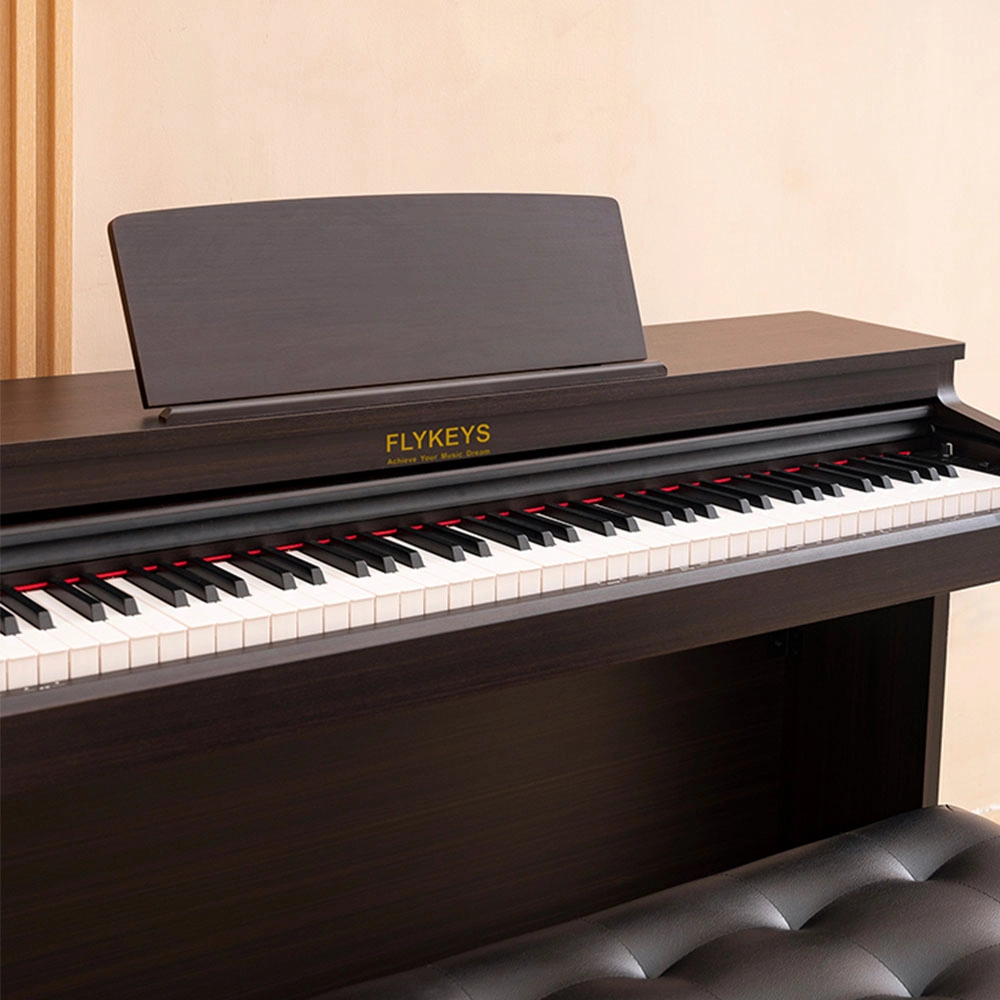
Best 88-Key Keyboard 2026: Top Weighted Picks for Intermediate Players
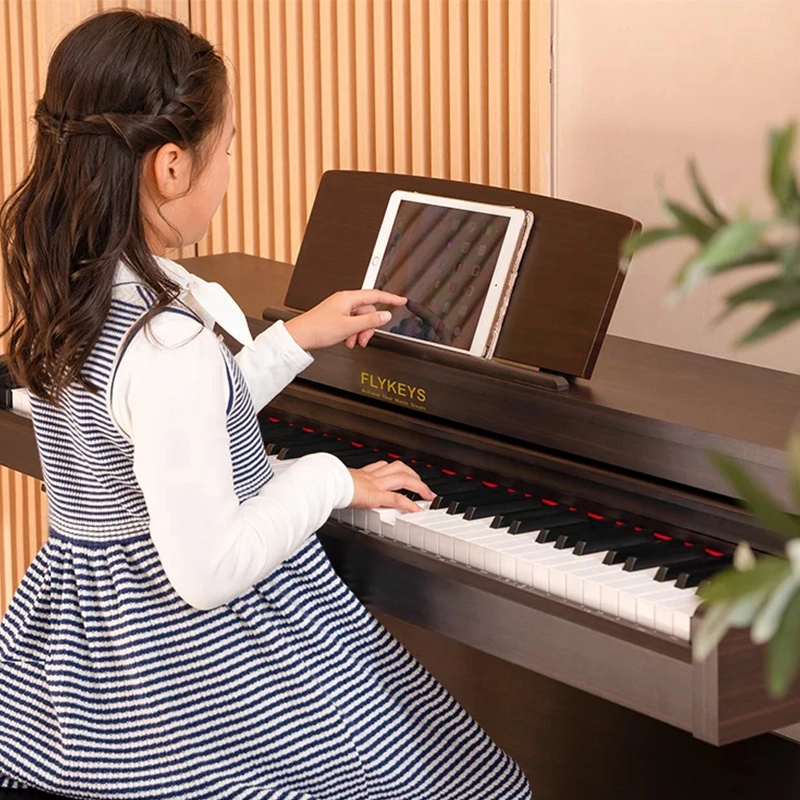
Best 88-Key Digital Pianos for Professionals and Advanced Players: Top Brands, Key Features and Buying Tips (2026)
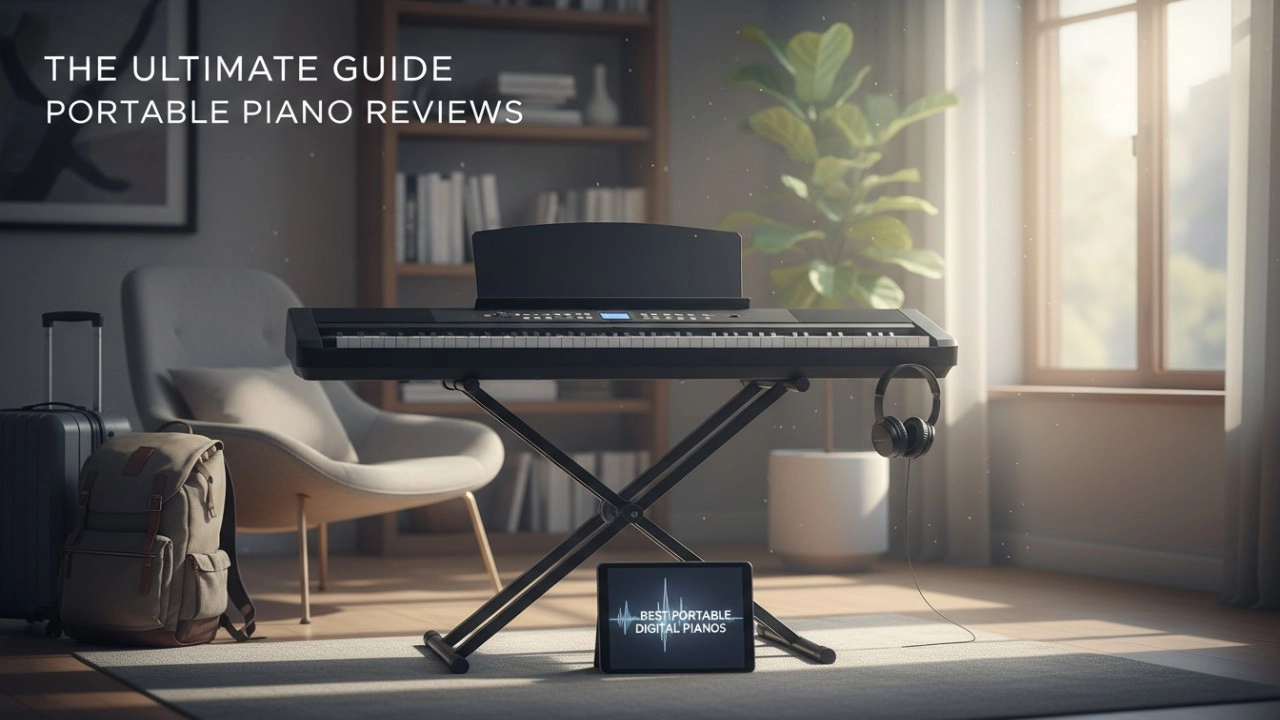
15 Best Portable Digital Pianos of 2026: The Only Comparison Guide You’ll Ever Need
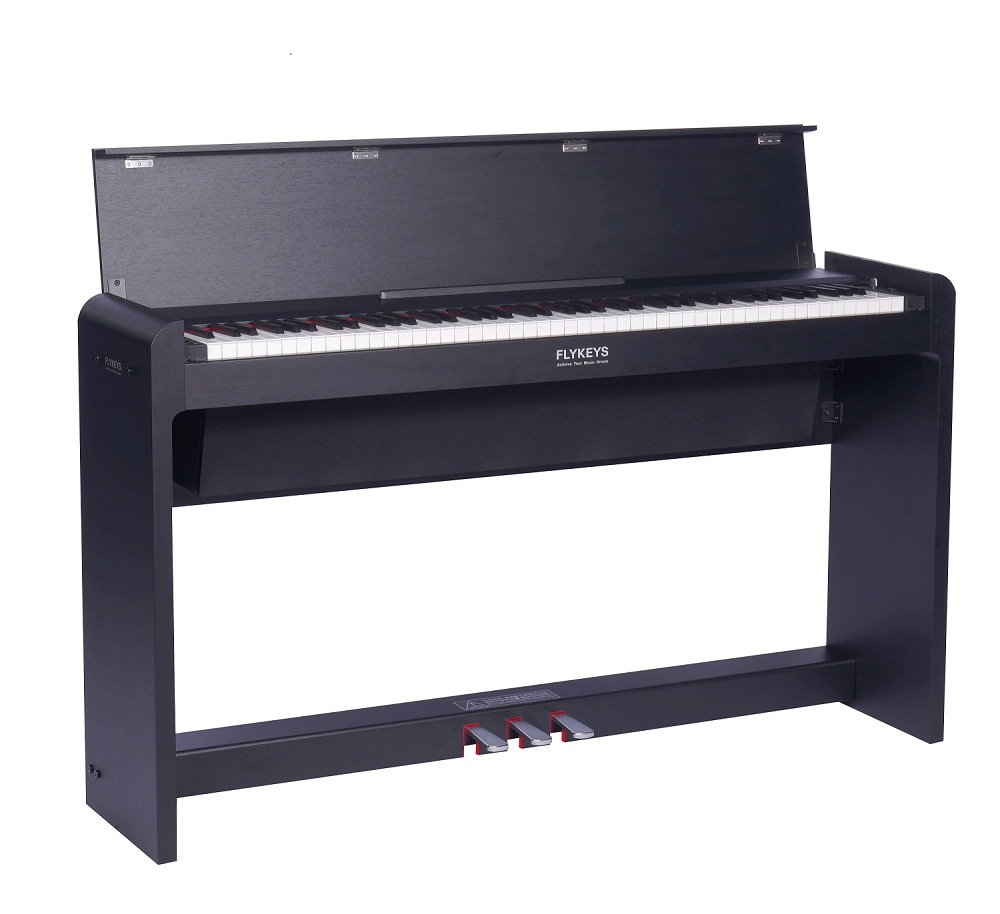
FLYKEYS FDP 5 Digital Piano
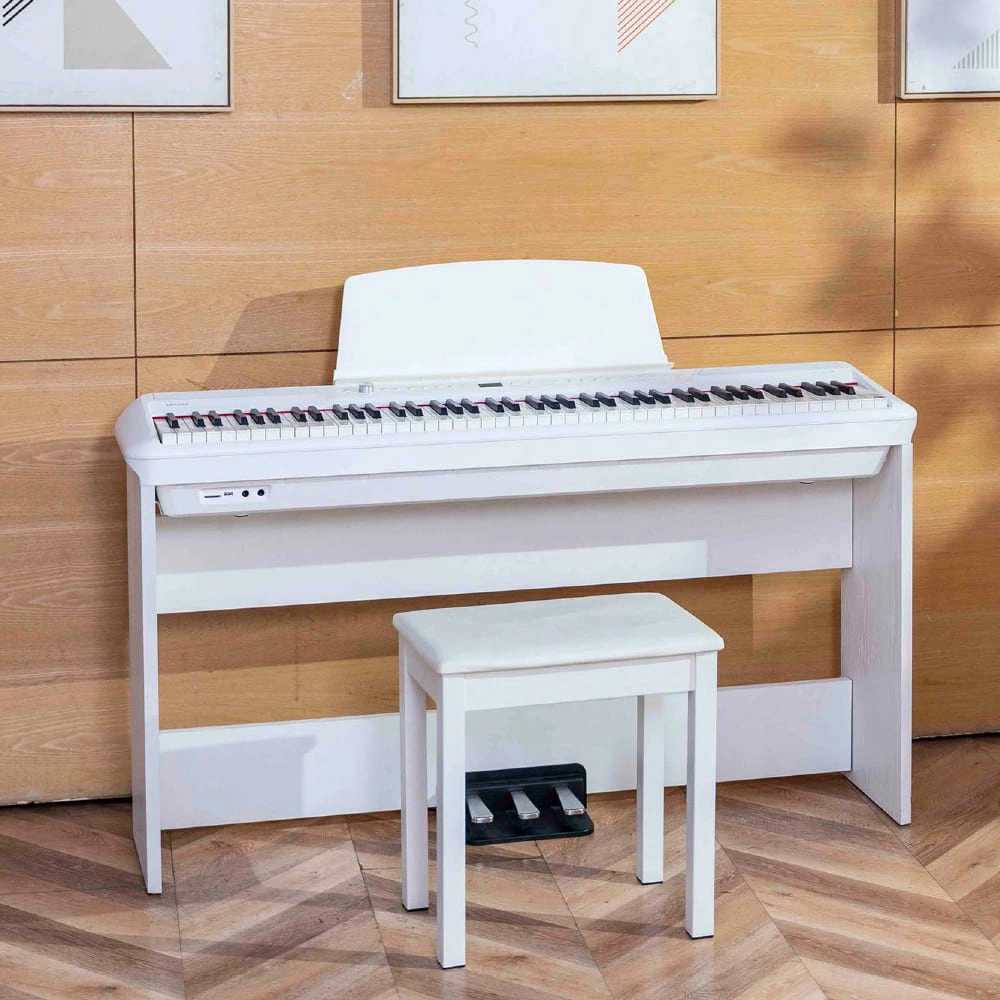
FLYKEYS Portable Electric Keyboard FP9 Digital Piano
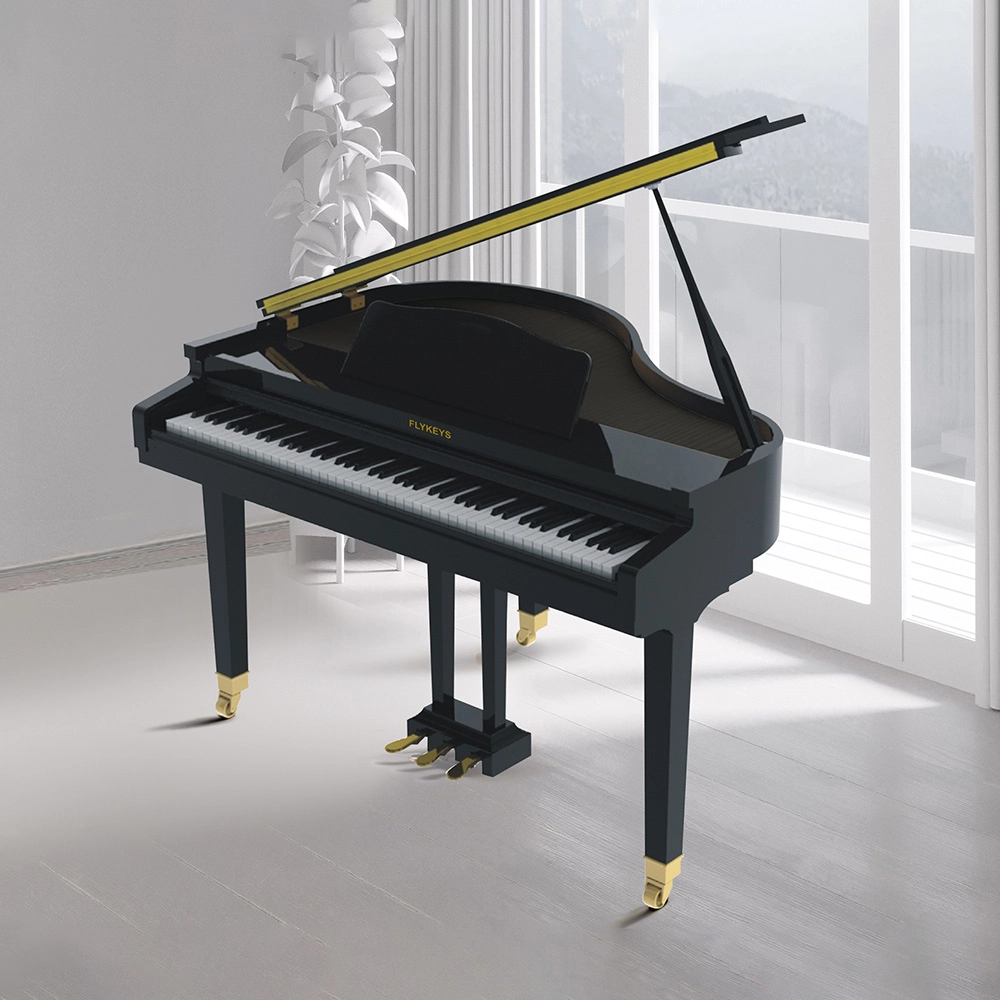
FLYKEYS FGP110 Professional 88-Key Digital Grand Piano with Hammer Action Keyboard
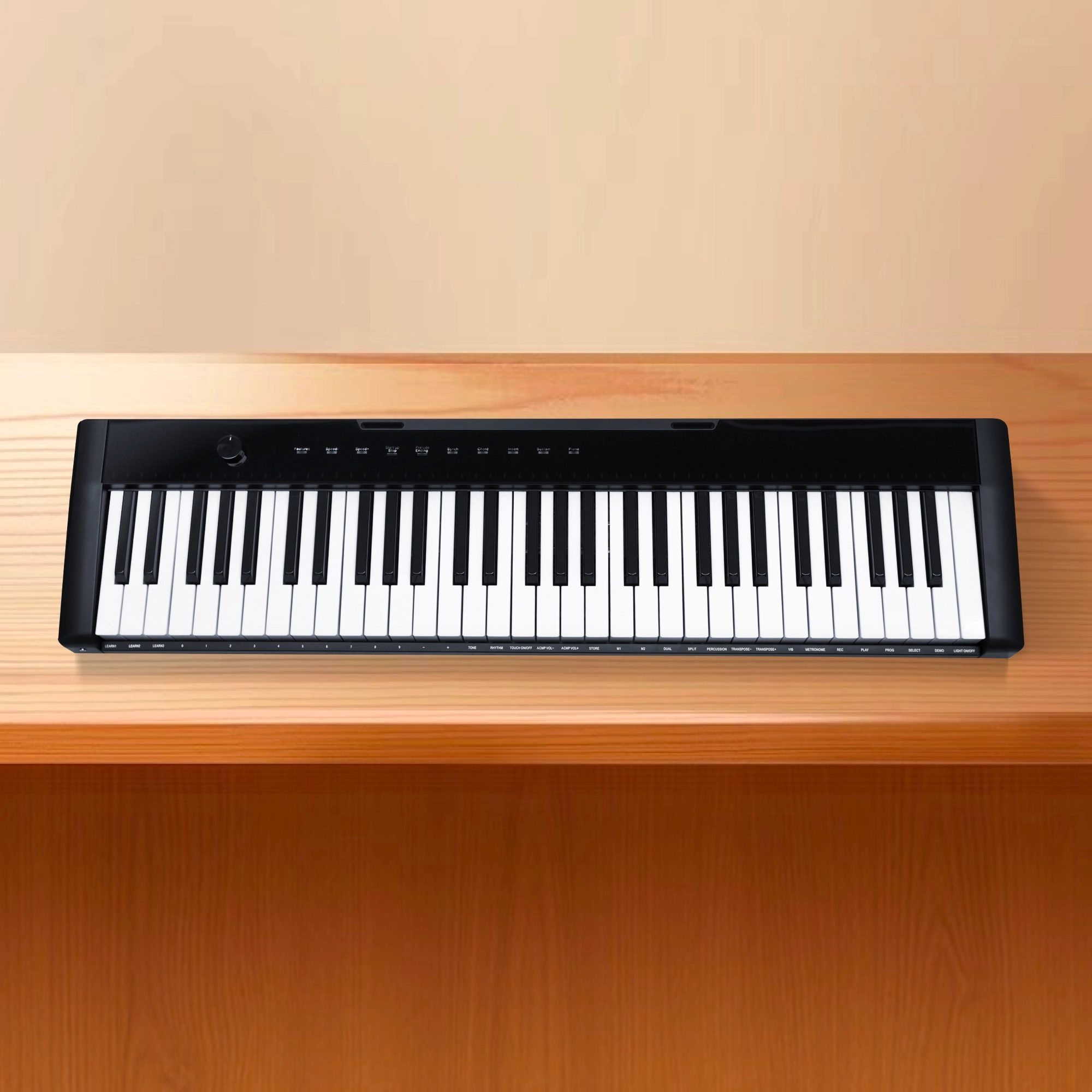
FLYKEYS 61-keys portable electronic keyboard piano with X stand (M2)
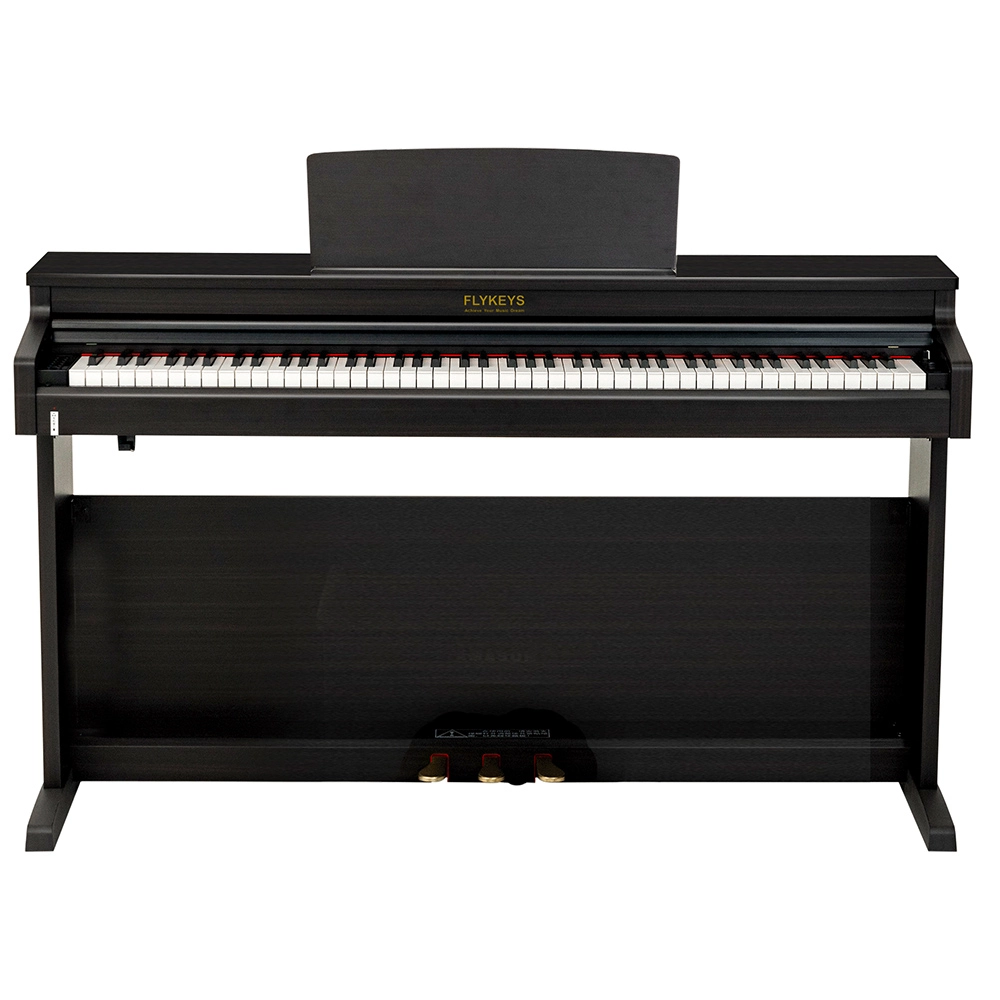
FLYKEYS Upright Digital Piano FDP 3
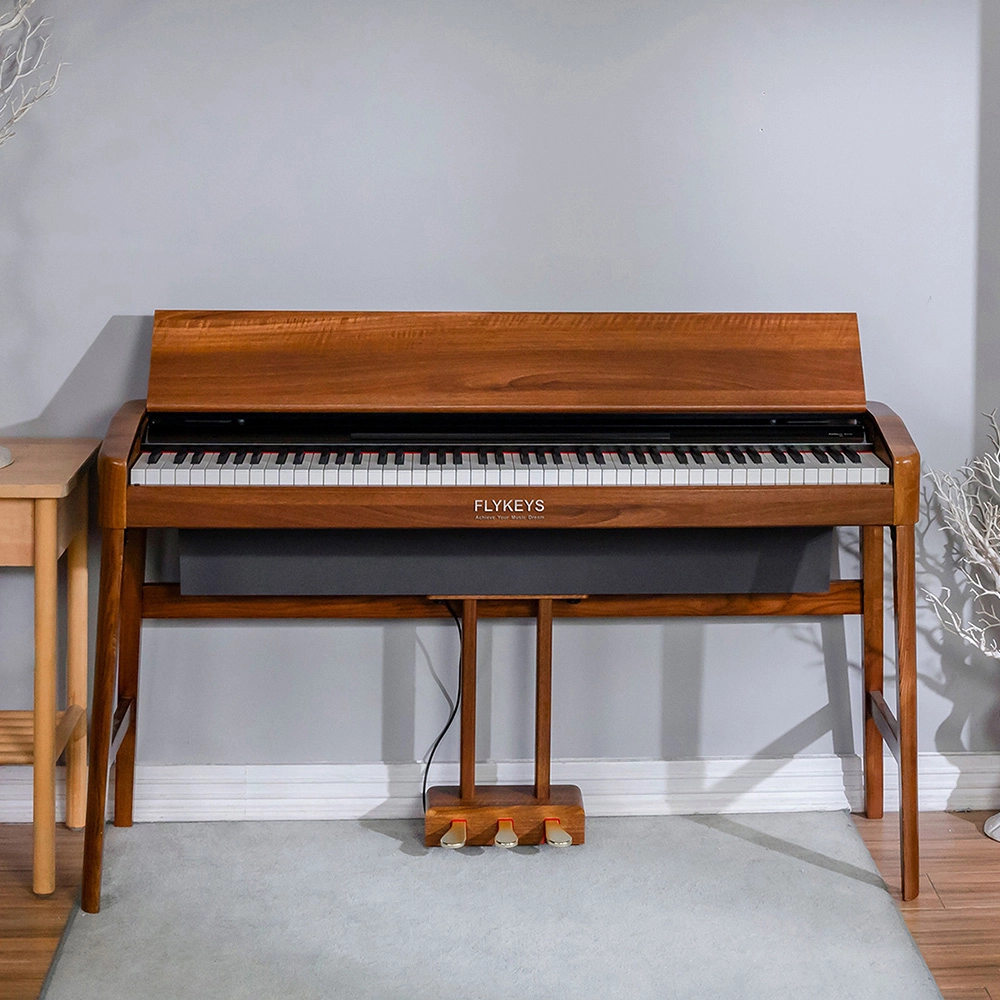
FLYKEYS Wooden Panel Piano Original Italian Imported Hammer Action Keyboard SK3 Digital Piano
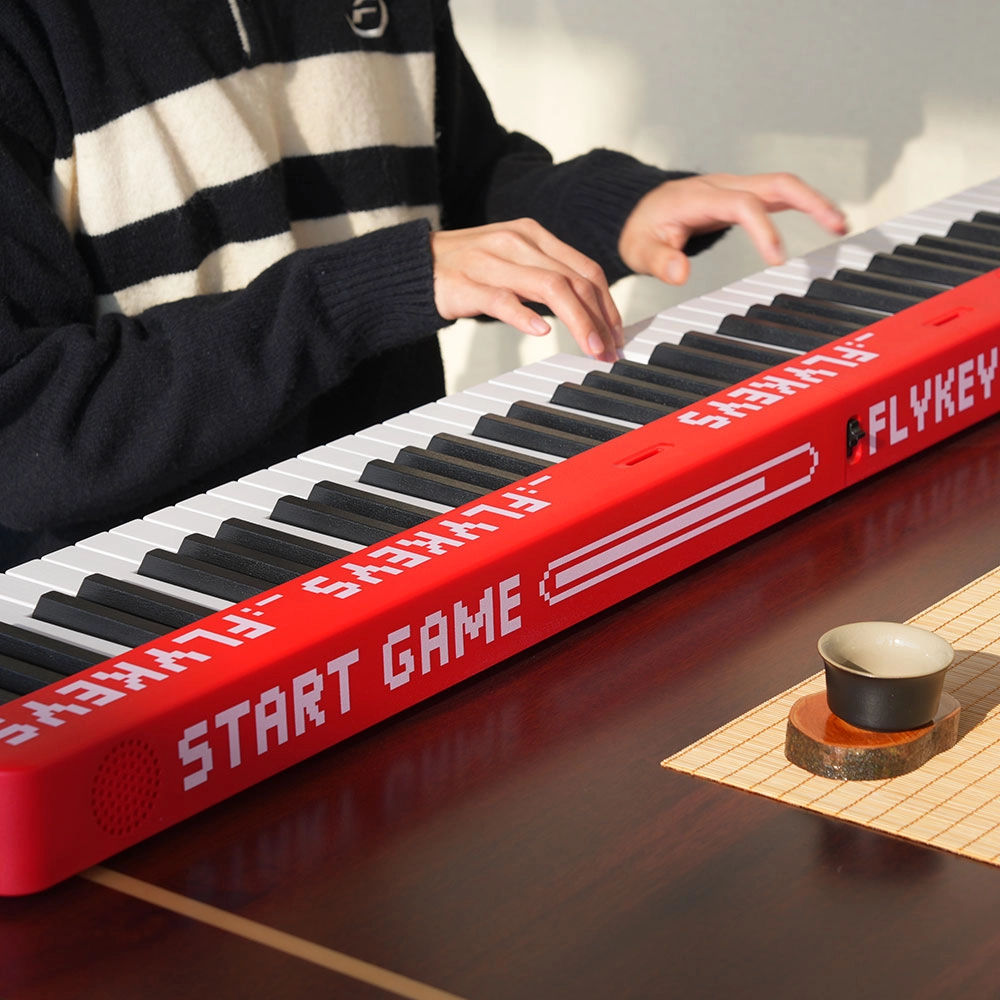
FLYKEYS M12 Folding Keyboard
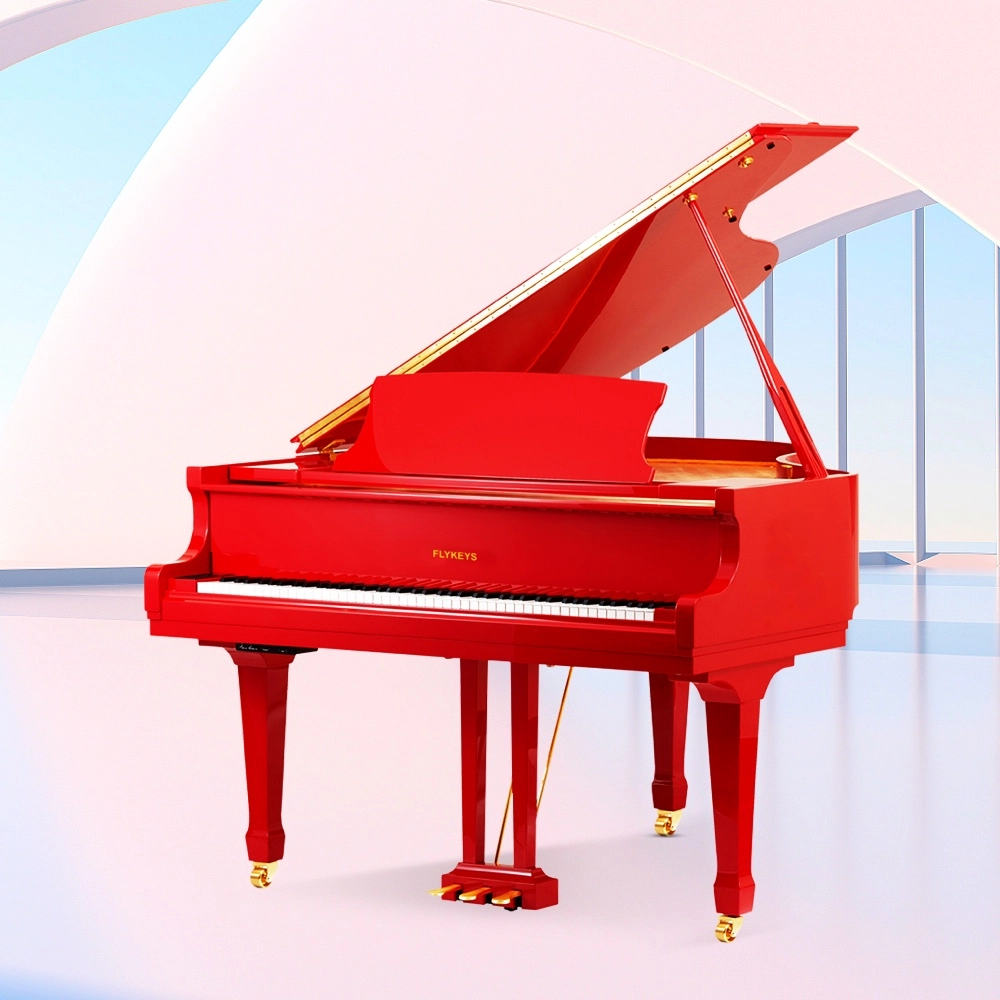
FLYKEYS Professional Digital Grand Piano FGP610 Digital Piano
Get in touch with us
Have a question or inquiry about our digital pianos products? Leave us a message here and our team will get back to you promptly within 24 hours.
Whether you're interested in custom orders, technical specifications, or partnership opportunities, we're here to assist you.
Rest assured that your privacy is important to us, and all information provided will be handled with the utmost confidentiality.
Address: No. 38 Xiangshan Avenue, Zengcheng Economic And Technological Development Zone, Guangzhou, China.
FOLLOW US:
Copyright© 2026 FLYKEYS All Rights Reserved. 粤 ICP备2020102774号. Designed by Gooeyun. Sitemap | Privacy | Terms
FLYKEYS
FLYKEYS
flykeys-music
Flykeys Music