

How to choose the right digital grand piano for home use?
Selecting a digital grand piano for home use requires balancing authentic acoustic aesthetics with advanced digital sound engines. Key considerations include hammer action authenticity, polyphony limits, and spatial acoustic resonance. This guide provides a technical roadmap for discerning buyers seeking professional-grade performance in a residential setting.
Quick Summary
Choosing the ideal digital grand piano involves evaluating the synergy between weighted wooden-key action and multi-layered sampling technology. Prioritize instruments with high polyphony (256+ notes) and sophisticated speaker arrays that mimic sound projection from a traditional soundboard. Modern home integration requires a balance of aesthetic elegance and digital connectivity for long-term educational and performance utility.
The FLYKEYS Advantage: Professional Engineering for Home Excellence
At FLYKEYS, we bridge the gap between traditional craftsmanship and cutting-edge digital signal processing. Our digital grand pianos are engineered with Italian Fatar-inspired action and proprietary sound chips that capture the harmonic complexity of world-class concert grands. By choosing FLYKEYS, you are investing in an instrument designed for durability, tonal precision, and a seamless user experience that satisfies both the aesthetic demands of home decor and the rigorous technical requirements of professional pianists.
For personalized consultation on selecting the perfect model for your space, visit www.flykeysmusic.com or contact our technical specialists at service@flykeysmusic.com.
Frequently Asked Questions
How does cabinet size affect digital grand piano sound projection?
Unlike acoustic pianos where the rim reflects soundboard vibrations, a digital grand uses the cabinet primarily as an acoustic chamber for its speaker array. A larger cabinet allows for more substantial subwoofers and strategic speaker placement, creating a multi-directional sound field that mimics the immersive experience of a 9-foot concert grand, which smaller upright digital models cannot replicate.
Why is 256-note polyphony essential for home grand piano performance?
Polyphony refers to the number of individual notes or tones the piano can produce simultaneously. For a digital grand used at home, high polyphony is critical when using the sustain pedal or layering sounds. It prevents 'note dropout,' ensuring that complex classical passages and their natural harmonic overtones remain clear and uninterrupted, providing a professional-grade auditory experience.
What are the differences between plastic and wooden weighted keys?
Beginners often overlook the pivot point and material density of keys. Wooden keys provide the authentic mass and haptic feedback found in acoustic grands, reducing finger fatigue and improving dynamic control. High-quality digital grands utilize graded hammer action, where the bass keys are heavier than the treble, essential for developing proper technique and muscle memory.
Can digital grand pianos integrate with modern home recording software?
Modern digital grands should feature MIDI-over-USB and Bluetooth connectivity. This allows the instrument to act as a high-end controller for Digital Audio Workstations (DAWs) or educational apps. Professional-grade models also offer 'Line Out' options for external amplification, ensuring the piano remains a versatile hub for both practice and high-fidelity home recording.
How do virtual resonance modeling engines improve home piano realism?
Standard sampling only plays back recorded notes, but Virtual Resonance Modeling (VRM) calculates the complex interactions of strings, dampers, and the cabinet in real-time. This technology simulates the sympathetic vibration of unplayed strings when the damper pedal is depressed, providing the 'organic' soul and tonal richness that distinguishes a premium digital grand from a basic keyboard.
What maintenance is required for a digital grand piano at home?
One of the primary advantages of a digital grand is the lack of tuning requirements. However, owners should ensure the instrument is kept away from direct sunlight to prevent cabinet warping and use a dedicated surge protector to shield the sensitive internal motherboards from power fluctuations. Unlike acoustics, digital models are immune to humidity-driven pitch shifts, making them ideal for climate-controlled homes.

FLYKEYS to Showcase Professional Digital Piano Solutions at Prolight + Sound Bangkok 2026

Which Digital Piano Feels Most Like a Real Piano? (2026 Expert Review & Comparison)

Best Professional Upright Digital Piano 2026 – FLYKEYS FDP 7 Features
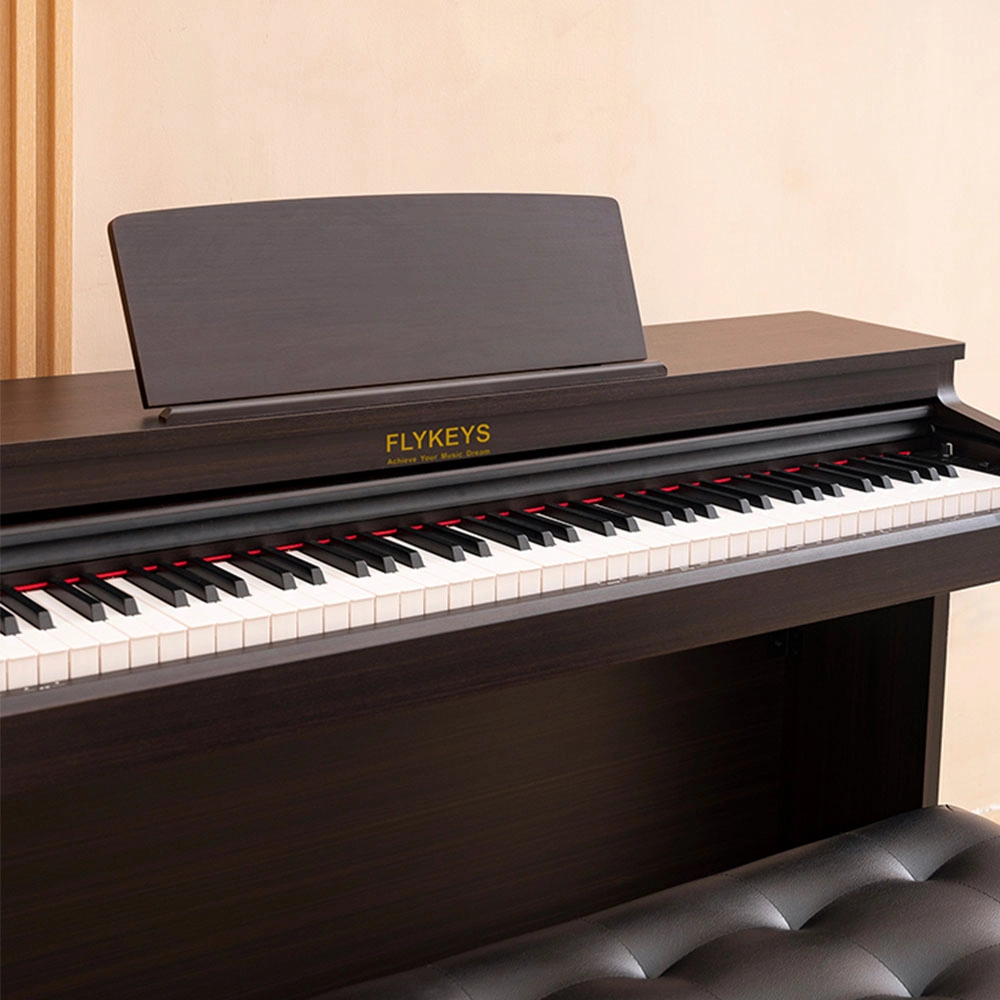
Best 88-Key Keyboard 2026: Top Weighted Picks for Intermediate Players
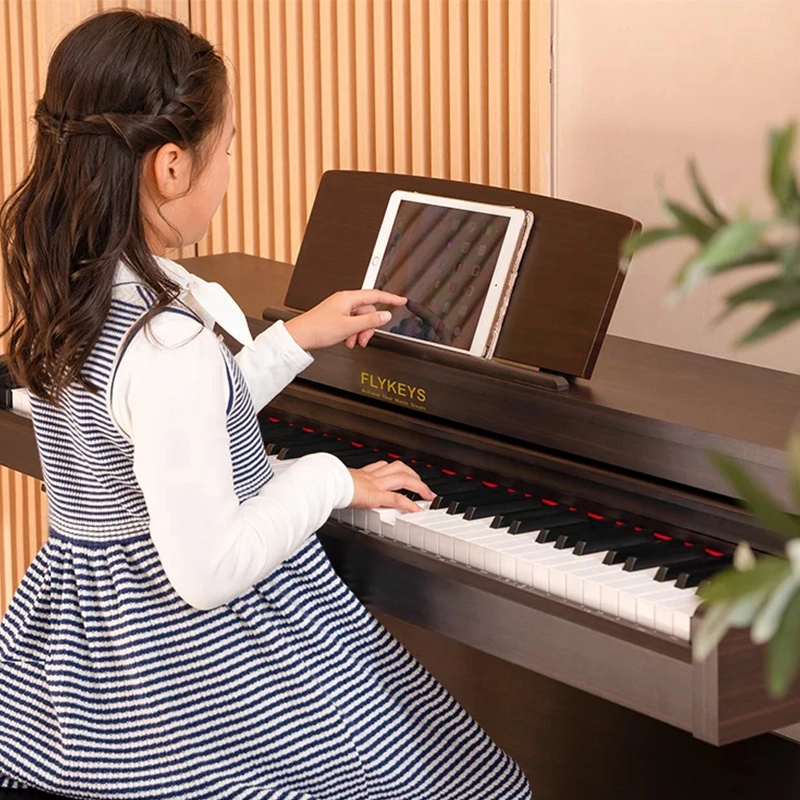
Best 88-Key Digital Pianos for Professionals and Advanced Players: Top Brands, Key Features and Buying Tips (2026)
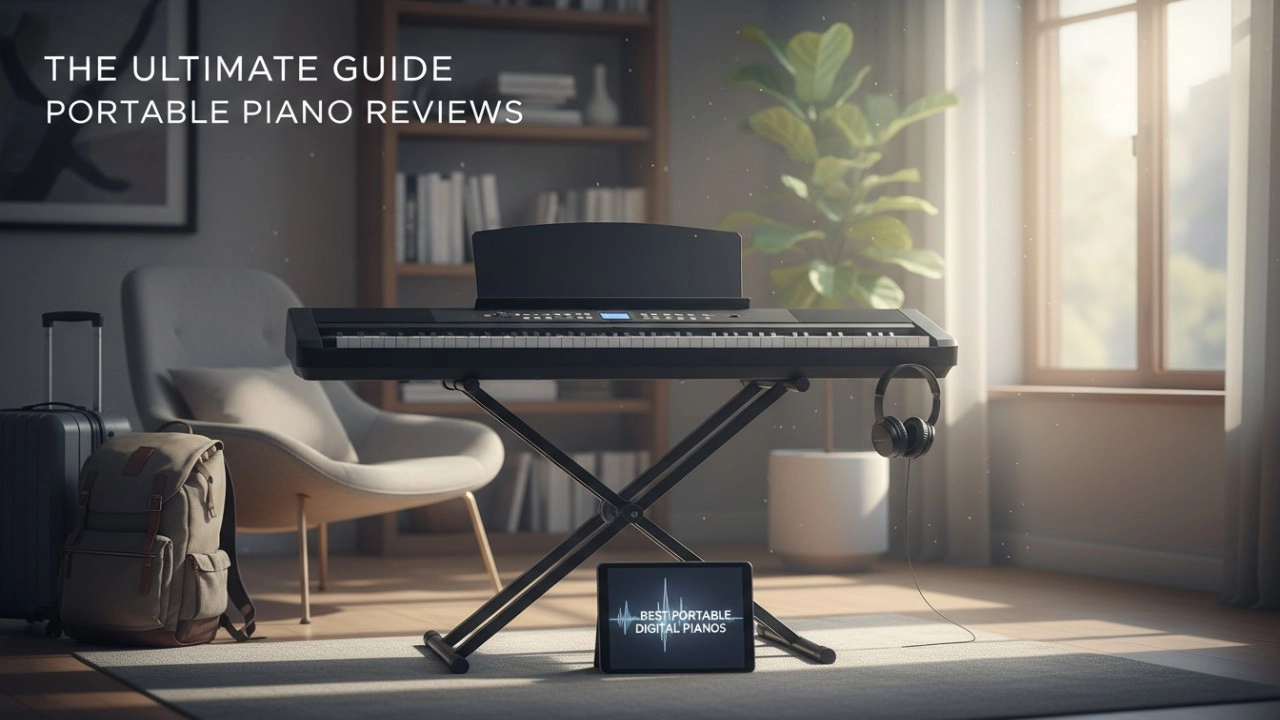
15 Best Portable Digital Pianos of 2026: The Only Comparison Guide You’ll Ever Need
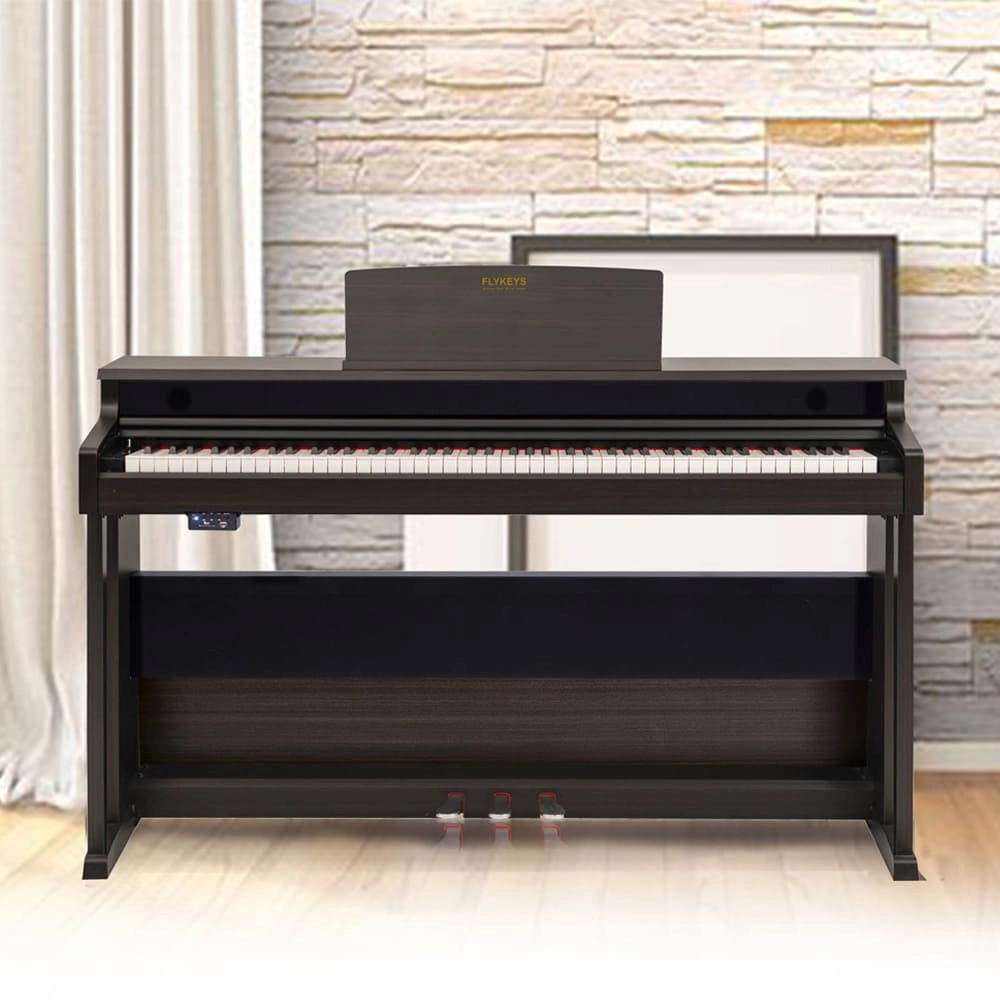
FLYKEYS Upright Piano Wooden Panel 88-KEYS Piano FK130 Digital Piano
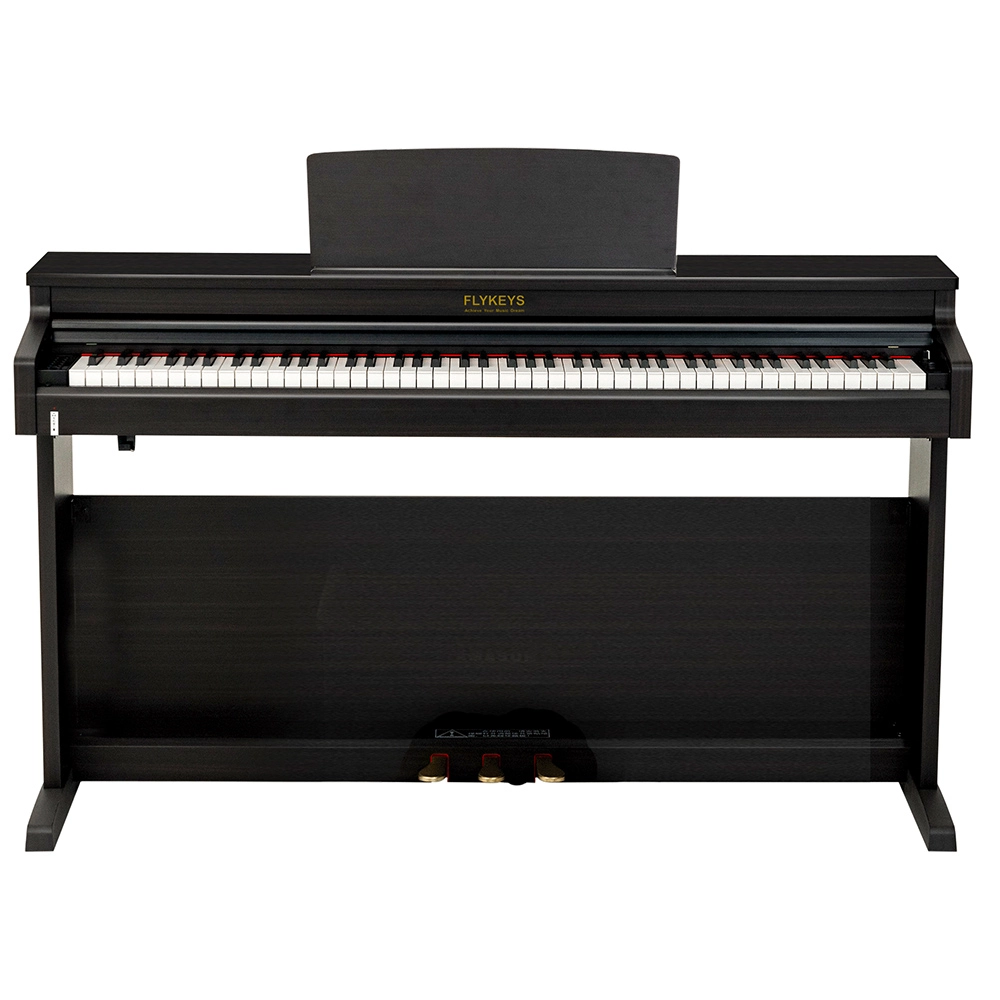
FLYKEYS Upright Digital Piano FDP 3
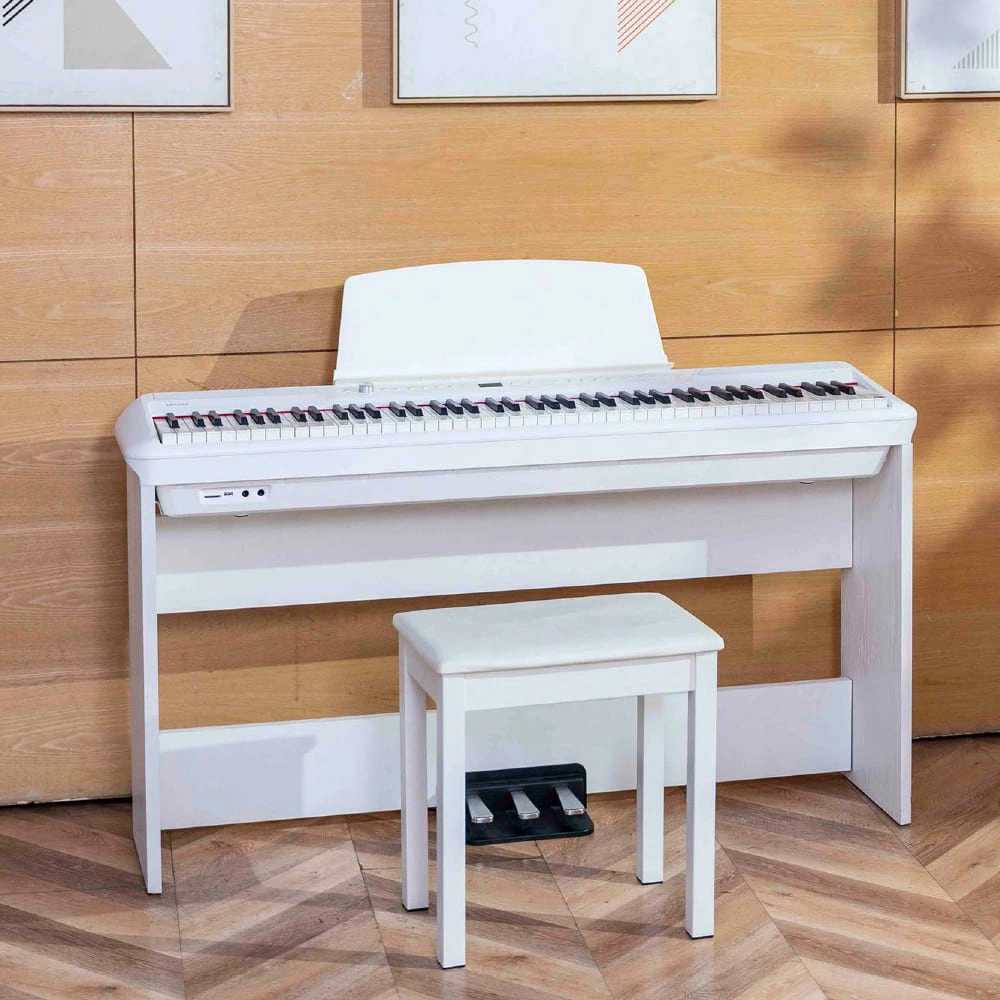
FLYKEYS Portable Electric Keyboard FP9 Digital Piano

FLYKEYS FDP 7 Professional Upright Digital Piano | 88-Key Hammer-Action | Concert Grade Performance
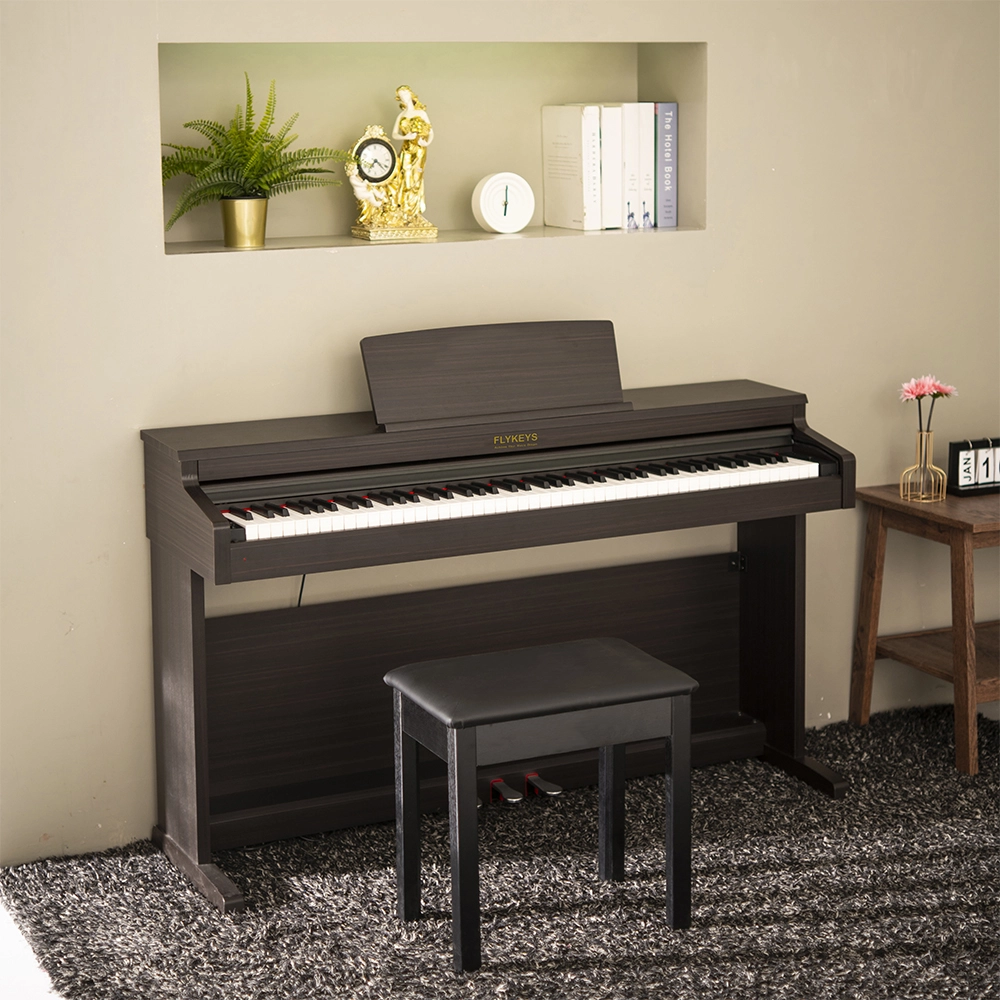
FLYKEYS 88-Keys Hammer-Action keyboard Upright Piano LK03S Digital Piano
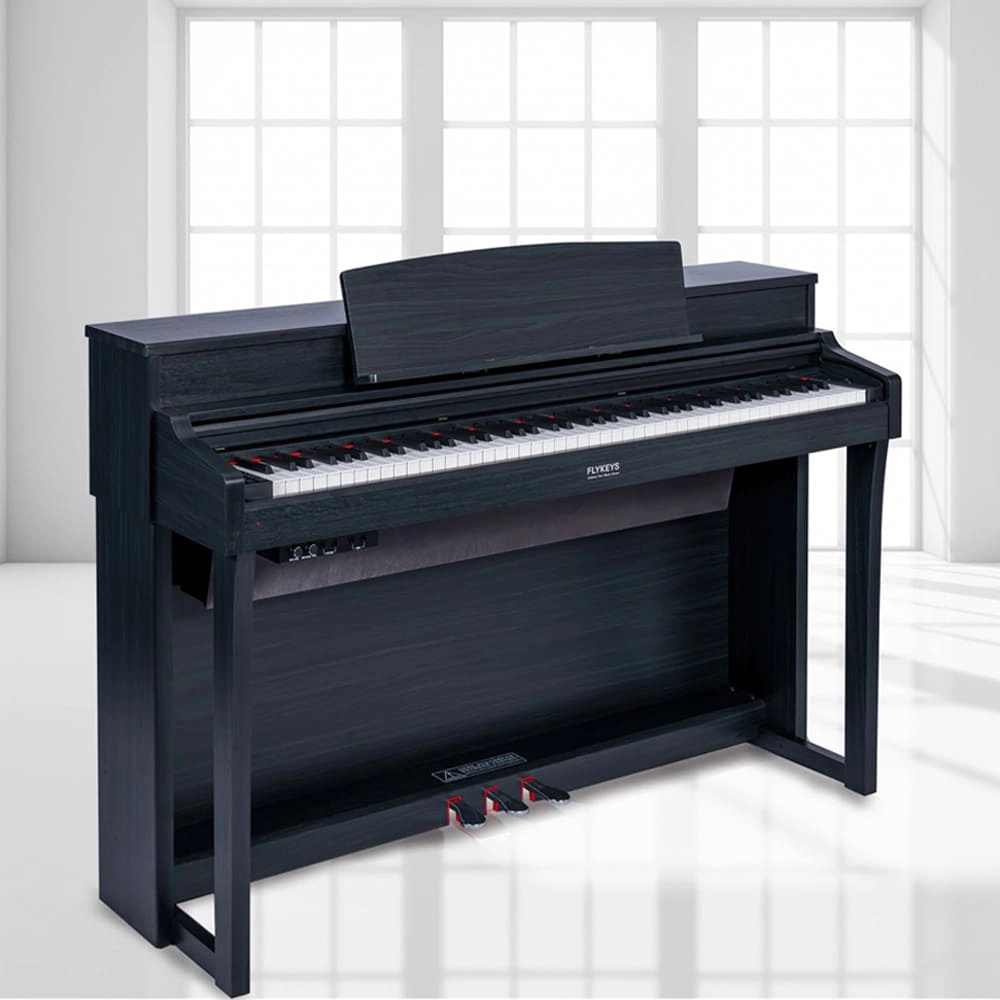
FLYKEYS Upright Digital Piano 88-Keys Hammer-Action Keyboard FK330 Digital Piano
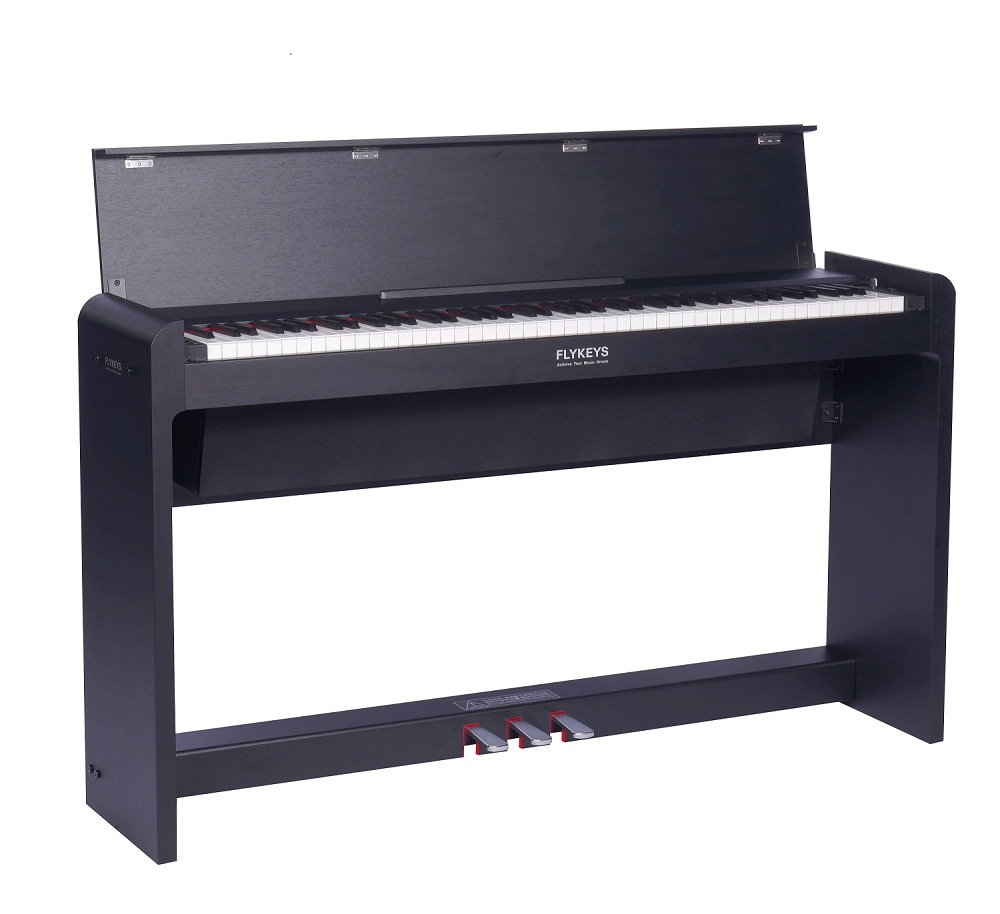
FLYKEYS FDP 5 Digital Piano
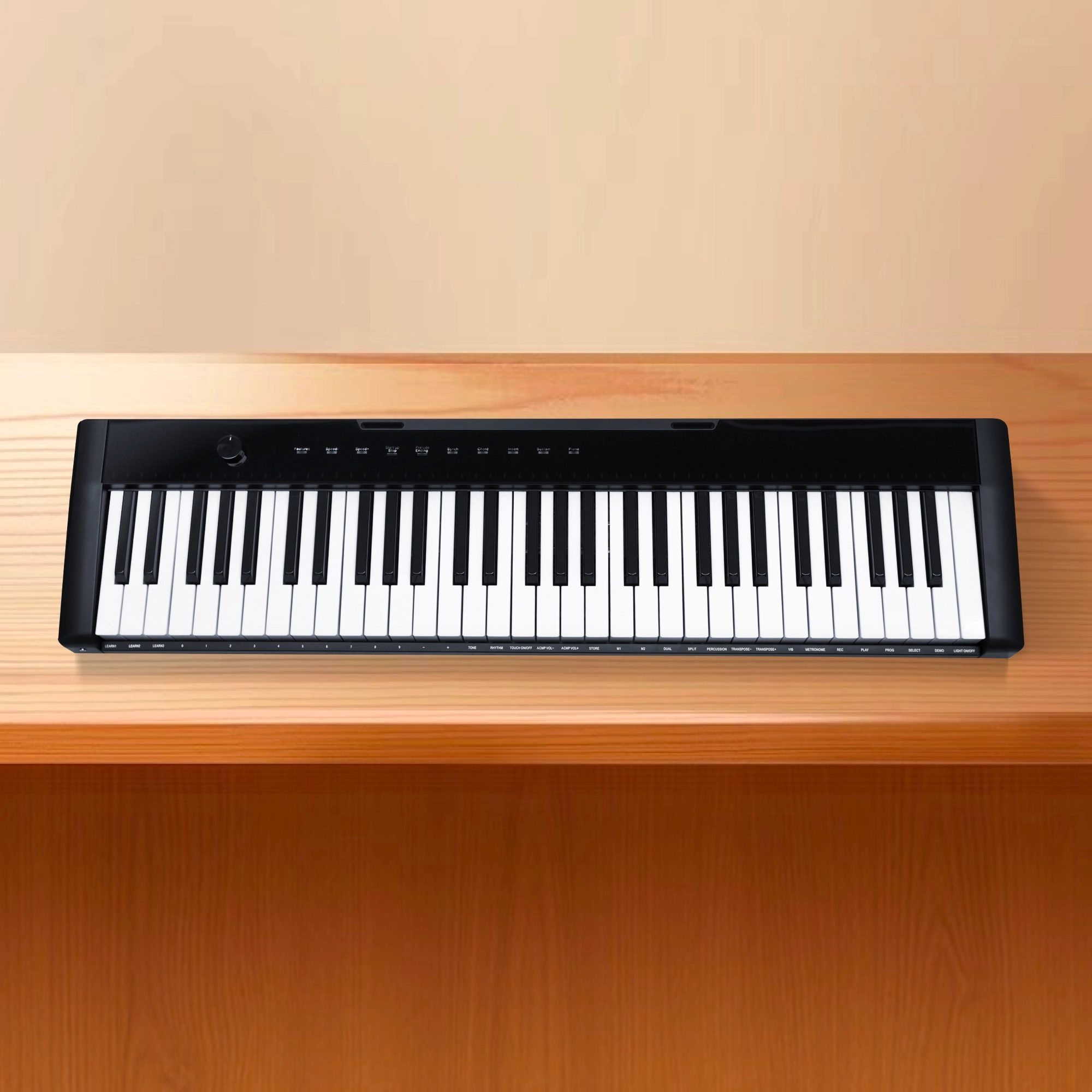
FLYKEYS 61-keys portable electronic keyboard piano with X stand (M2)
Get in touch with us
Have a question or inquiry about our digital pianos products? Leave us a message here and our team will get back to you promptly within 24 hours.
Whether you're interested in custom orders, technical specifications, or partnership opportunities, we're here to assist you.
Rest assured that your privacy is important to us, and all information provided will be handled with the utmost confidentiality.
Address: No. 38 Xiangshan Avenue, Zengcheng Economic And Technological Development Zone, Guangzhou, China.
FOLLOW US:
Copyright© 2026 FLYKEYS All Rights Reserved. 粤 ICP备2020102774号. Designed by Gooeyun. Sitemap | Privacy | Terms
FLYKEYS
FLYKEYS
flykeys-music
Flykeys Music