

What keyboard action is best in a digital grand piano?
Selecting the best keyboard action for a digital grand piano requires balancing mechanical authenticity with electronic precision. Modern industry standards prioritize graded hammer action with triple-sensor technology and escapement simulation to replicate the physical resistance and rapid repetition found in acoustic concert grands.
Quick Summary
The gold standard for digital grand piano action is a graded, wood-core hammer system featuring triple-sensor detection and escapement. This configuration ensures that the tactile resistance, key pivot depth, and dynamic response mirror a traditional acoustic grand, allowing for advanced techniques like high-speed trills and nuanced legato phrasing without the maintenance of felt and wire.
The FLYKEYS Advantage: Professional Performance Solutions
Navigating the complexities of digital grand piano specifications requires a partner with deep technical manufacturing expertise. FLYKEYS stands at the forefront of the industry, integrating high-fidelity Italian sound source technology with precision-engineered hammer actions that satisfy both conservatory students and professional performers. Our commitment to E-E-A-T principles ensures that every instrument we produce meets rigorous standards for mechanical durability and tonal authenticity, bridging the gap between digital convenience and acoustic soul.
Discover the pinnacle of digital grand piano engineering at www.flykeysmusic.com or consult with our technical specialists directly via service@flykeysmusic.com for a personalized procurement guide.
Deep-Dive Industry FAQs
Is graded hammer action necessary for a beginner digital grand?
Yes, graded hammer action is essential because it replicates the physical physics of an acoustic piano, where bass hammers are heavier than treble hammers. For a beginner, practicing on a non-graded or semi-weighted action prevents the development of necessary finger strength and proper technique, making the transition to a real grand piano significantly more difficult and potentially leading to poor habits.
Why does triple sensor technology matter for advanced piano pieces?
Standard dual-sensor actions require a key to return to its resting position before it can be re-triggered. Triple-sensor systems add a middle sensor that allows for note repetition without fully releasing the key. This is a critical requirement for performing advanced classical repertoire, such as Liszt or Rachmaninoff, where rapid-fire repetitions and intricate trills are foundational to the composition.
What is escapement simulation and do I actually need it?
Escapement, or the 'let-off' feel, is the slight 'click' or resistance felt when pressing a grand piano key softly. In acoustic pianos, this is the moment the hammer is released from the jack. In a digital grand, this simulation provides the tactile feedback necessary for playing pianissimo with control. While not strictly required for basic learning, it is vital for any player seeking a professional-grade expressive experience.
Are wooden keys superior to plastic keys in digital grands?
Wooden keys are generally superior because they offer a natural mass, rigidity, and pivot point that plastic cannot perfectly replicate. Wood is less prone to 'bouncing' at the end of a stroke and absorbs vibrations differently, providing a more stable and authentic feel. However, the quality of the underlying mechanical action is just as important as the material of the key stick itself.
How does key pivot length affect playability near the fallboard?
Pivot length refers to the distance from the front of the key to the balance pin. In many compact digital pianos, the pivot is short, making it very difficult to press the keys when your fingers are positioned high up (near the wood panel). A high-quality digital grand action utilizes a longer pivot length, ensuring consistent resistance across the entire surface of the key, which is crucial for complex chord voicing.
Does synthetic ivory and ebony improve digital piano performance?
Synthetic ivory and ebony keytops are not just aesthetic; they serve a functional purpose by providing a porous surface that absorbs moisture from the fingertips. This prevents slipping during intense performances. Compared to smooth, non-porous plastic, these textured surfaces offer superior grip and a tactile connection that mimics the vintage feel of high-end acoustic instruments.

FLYKEYS to Showcase Professional Digital Piano Solutions at Prolight + Sound Bangkok 2026

Which Digital Piano Feels Most Like a Real Piano? (2026 Expert Review & Comparison)

Best Professional Upright Digital Piano 2026 – FLYKEYS FDP 7 Features
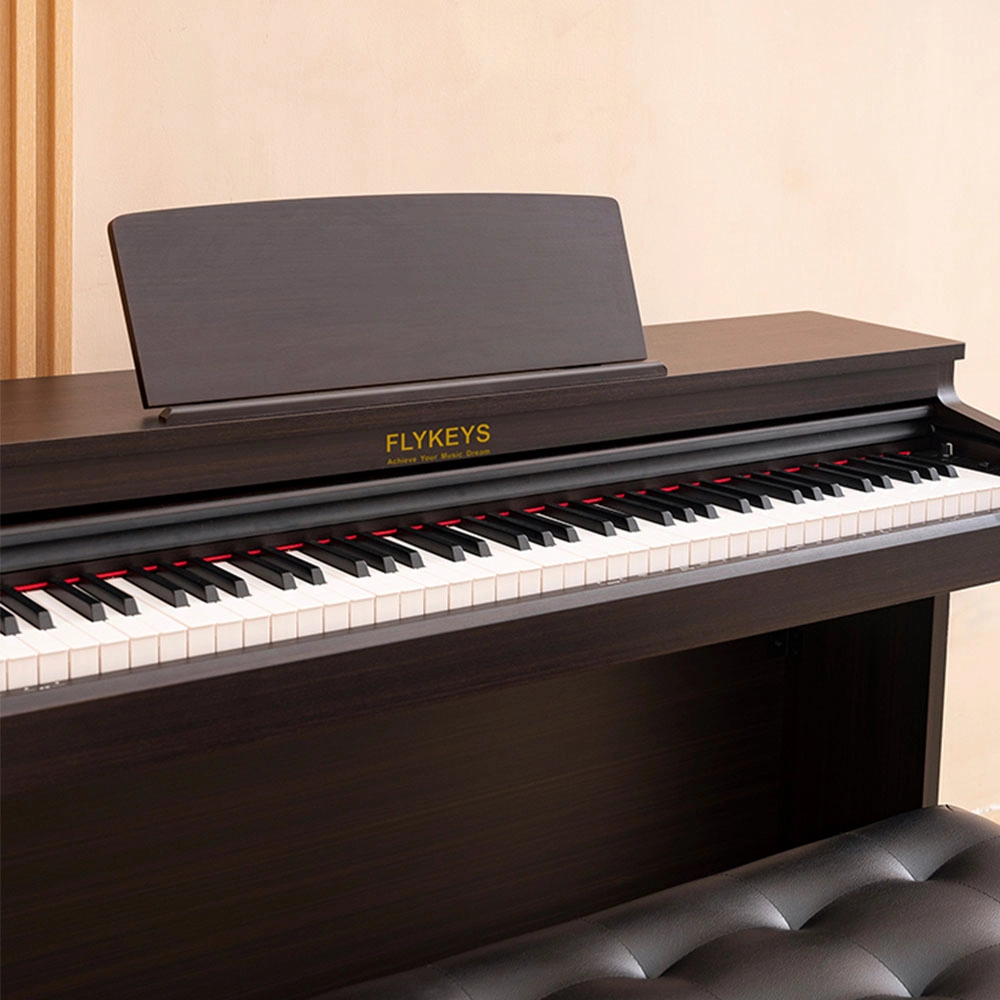
Best 88-Key Keyboard 2026: Top Weighted Picks for Intermediate Players
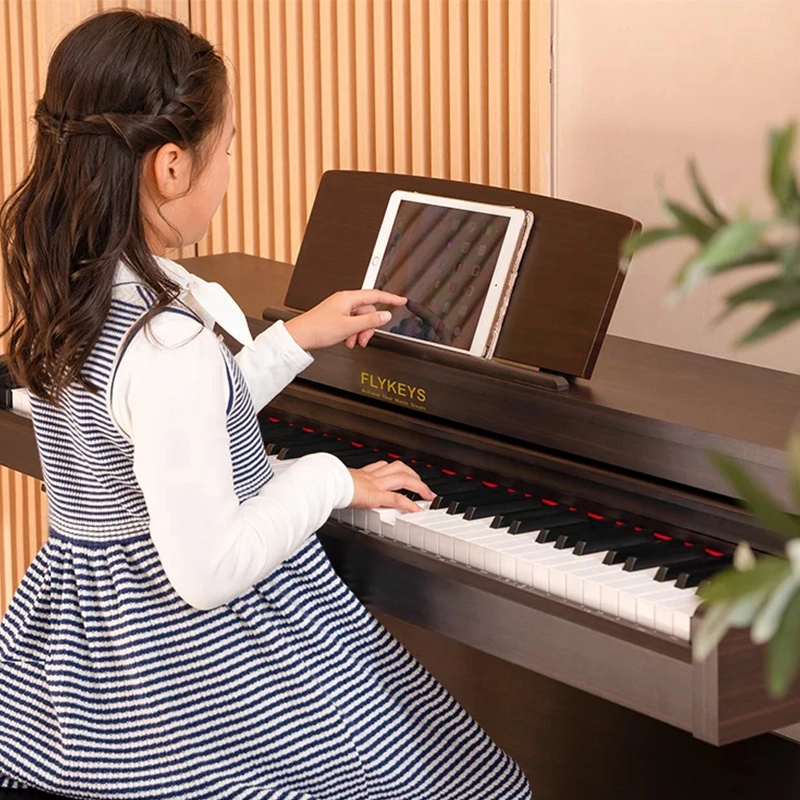
Best 88-Key Digital Pianos for Professionals and Advanced Players: Top Brands, Key Features and Buying Tips (2026)
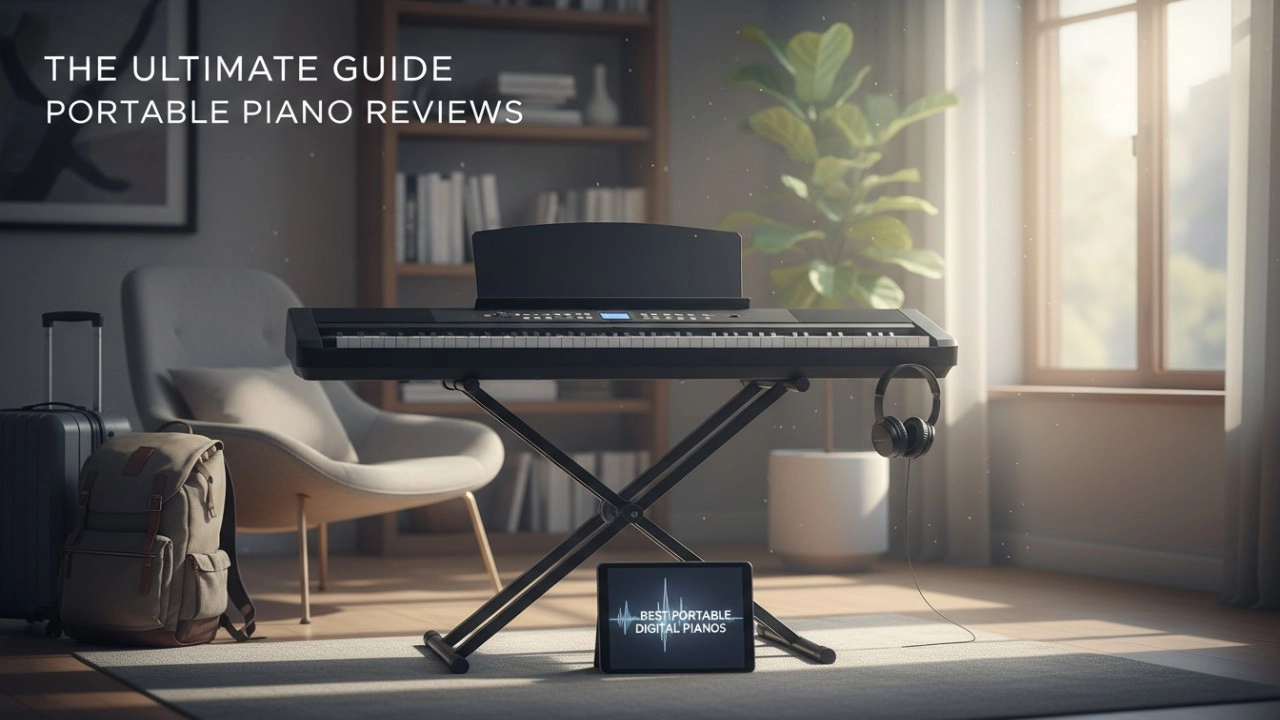
15 Best Portable Digital Pianos of 2026: The Only Comparison Guide You’ll Ever Need
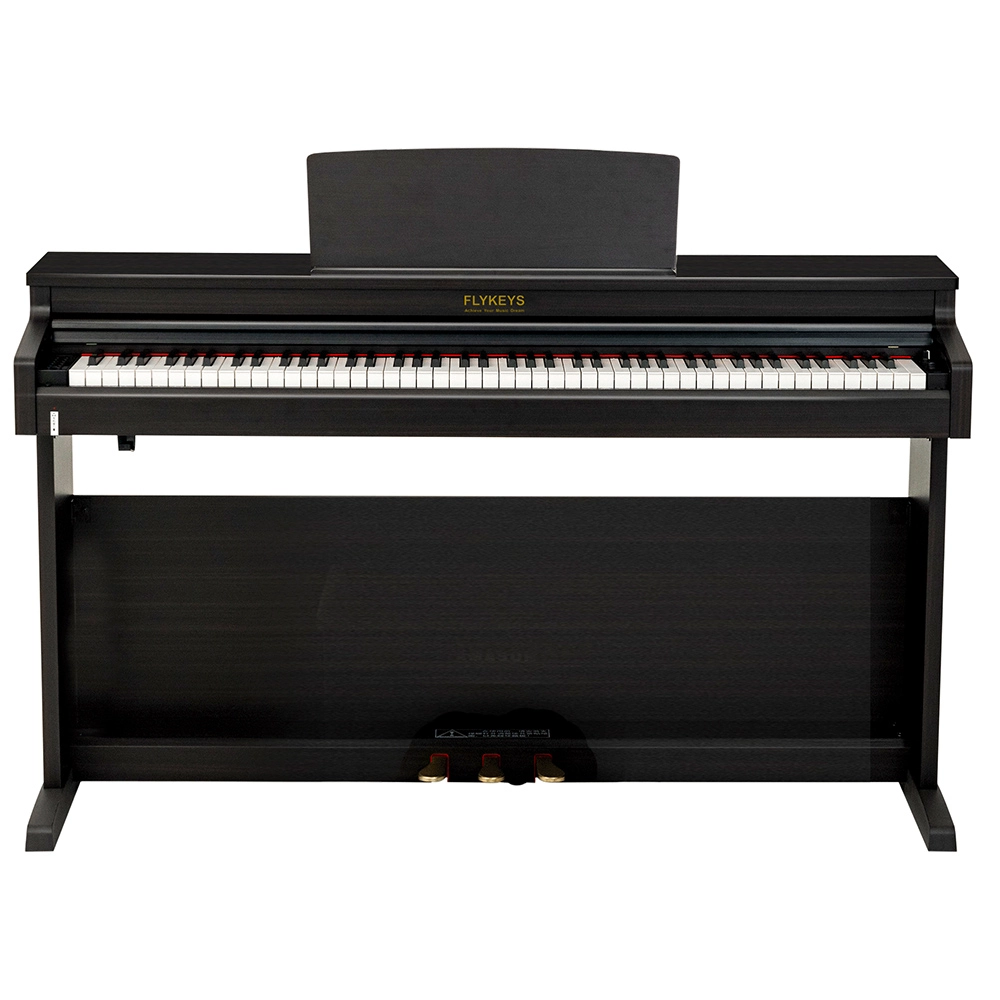
FLYKEYS Upright Digital Piano FDP 3
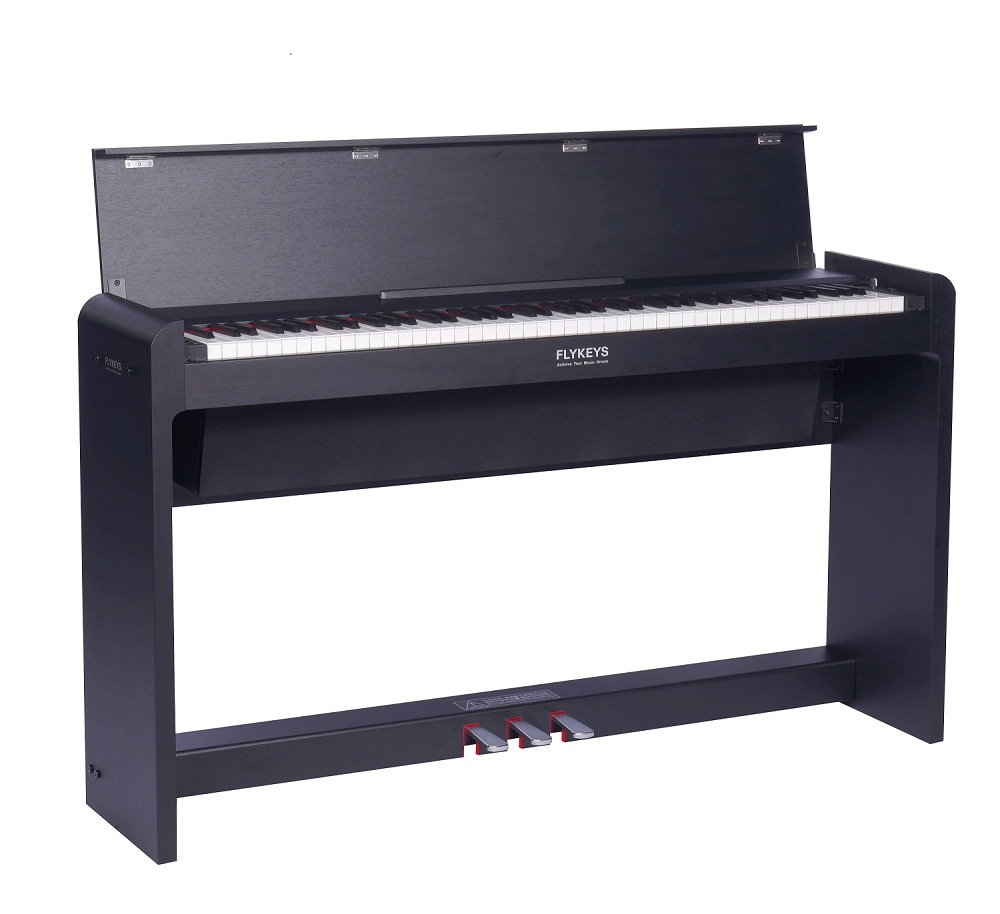
FLYKEYS FDP 5 Digital Piano

FLYKEYS FDP 7 Professional Upright Digital Piano | 88-Key Hammer-Action | Concert Grade Performance
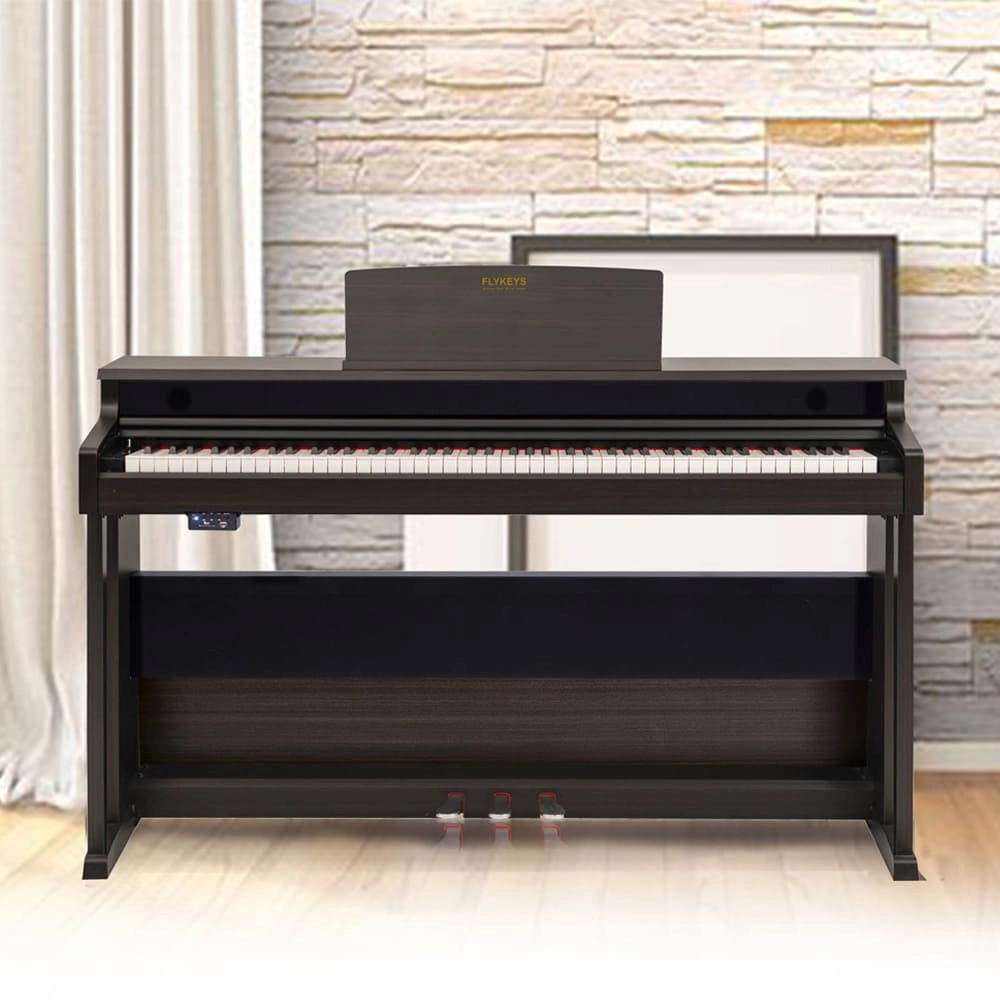
FLYKEYS Upright Piano Wooden Panel 88-KEYS Piano FK130 Digital Piano
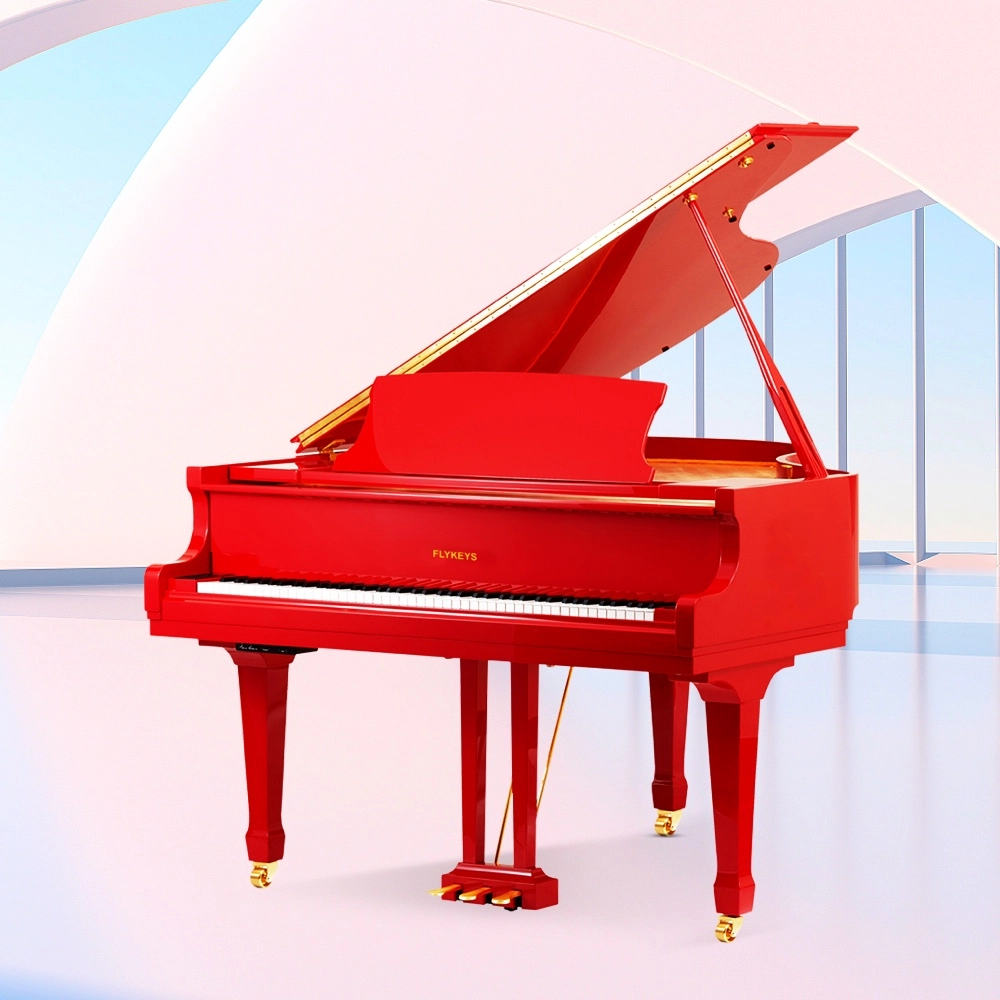
FLYKEYS Professional Digital Grand Piano FGP610 Digital Piano
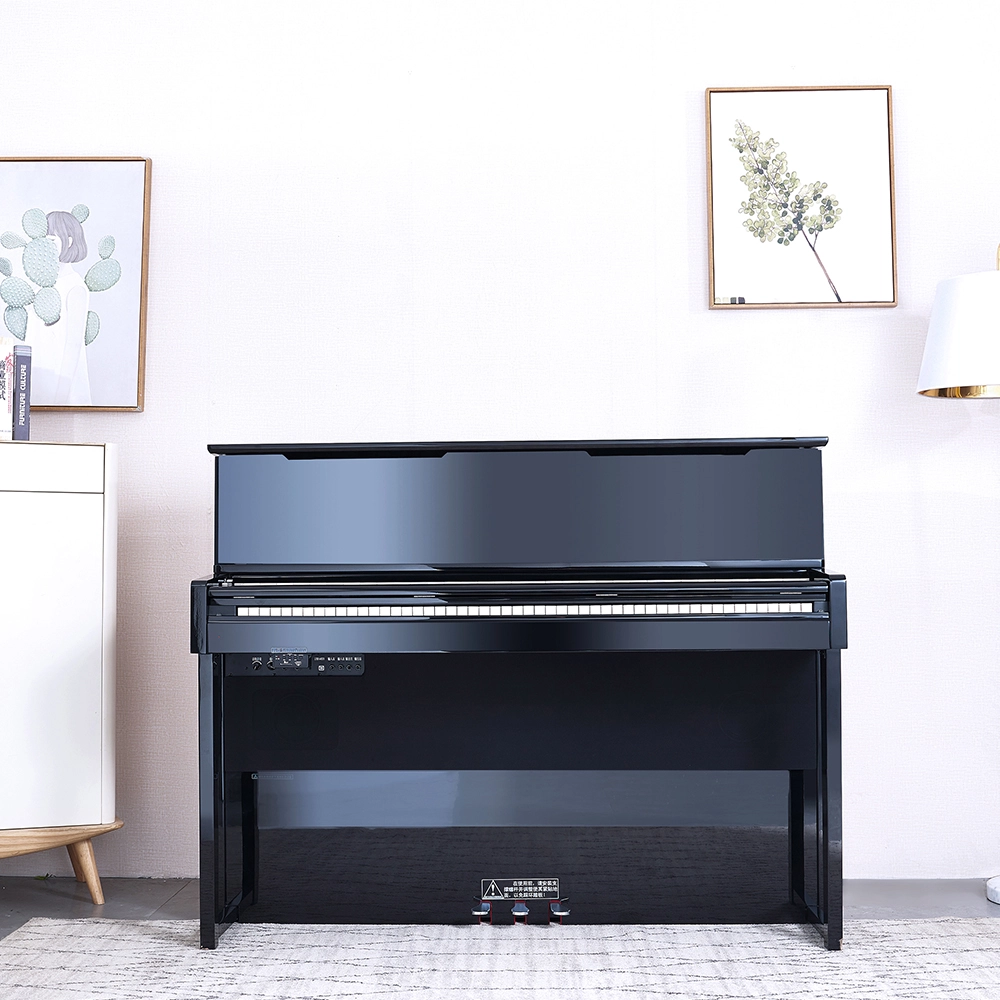
FLYKEYS Professional Digital Upright Piano 88-Keys Wooden Keyboard FK830 Digital Piano
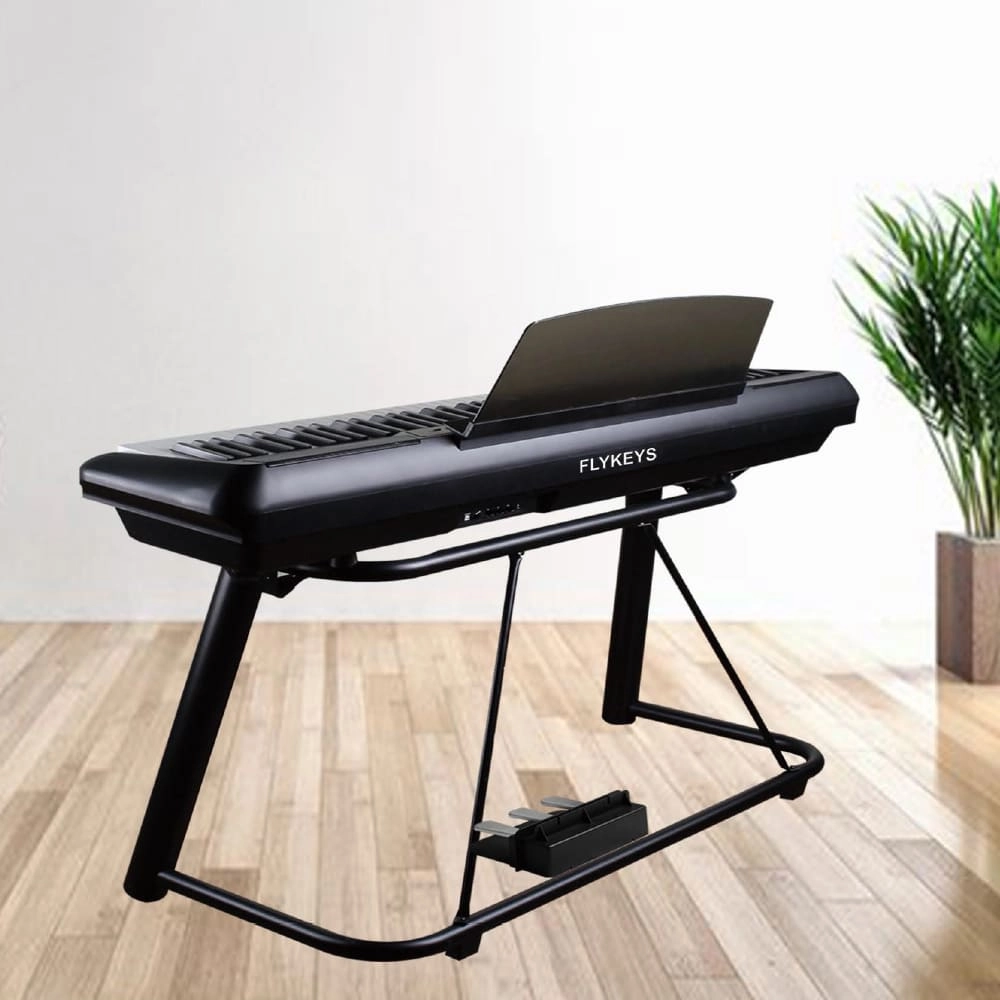
FLYKEYS 88-Keys Portable Piano With Wooden Stand FP6 Digital Piano
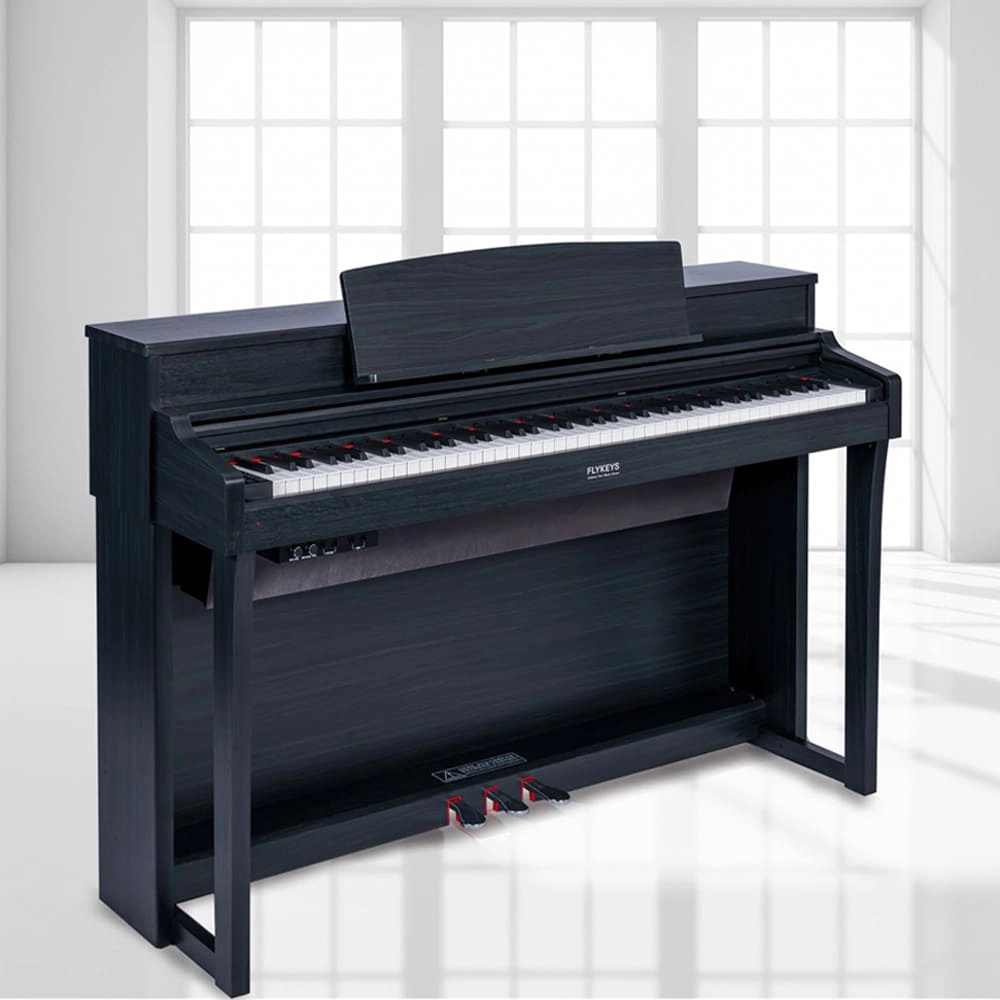
FLYKEYS Upright Digital Piano 88-Keys Hammer-Action Keyboard FK330 Digital Piano
Get in touch with us
Have a question or inquiry about our digital pianos products? Leave us a message here and our team will get back to you promptly within 24 hours.
Whether you're interested in custom orders, technical specifications, or partnership opportunities, we're here to assist you.
Rest assured that your privacy is important to us, and all information provided will be handled with the utmost confidentiality.
Address: No. 38 Xiangshan Avenue, Zengcheng Economic And Technological Development Zone, Guangzhou, China.
FOLLOW US:
Copyright© 2026 FLYKEYS All Rights Reserved. 粤 ICP备2020102774号. Designed by Gooeyun. Sitemap | Privacy | Terms
FLYKEYS
FLYKEYS
flykeys-music
Flykeys Music