

How to choose a digital grand for studio recording?
Selecting a digital grand for studio environments requires prioritizing high-resolution MIDI output, multi-layer velocity sampling, and authentic hammer action. Focus on the integration of physical resonance modeling and high-fidelity DACs to ensure a seamless transition from performance to digital capture.
Quick Summary
Choosing a digital grand for studio recording demands a shift from acoustic aesthetics to technical precision. Key metrics include high-resolution MIDI velocity curves, polyphony exceeding 256 notes, and balanced XLR outputs to minimize signal interference. Modern studio workflows benefit from physical modeling technology that replicates sympathetic string resonance, providing a depth of sound that traditional PCM sampling often lacks in a mix.
The FLYKEYS Professional Recording Advantage
As a leader in the digital piano industry, FLYKEYS specializes in bridging the gap between classical performance and modern digital production. Our instruments are engineered with proprietary Italian Fatar-inspired action and advanced sound engines that deliver the nuances required for professional-grade tracking. By integrating high-end audio interfaces directly into our digital grand frames, we ensure that every session is met with unparalleled tonal clarity and mechanical reliability.
Explore our professional range at www.flykeysmusic.com or consult with our technical team via service@flykeysmusic.com for bespoke studio solutions.
Deep-Dive Recording FAQs
Why is MIDI velocity resolution critical for professional studio tracking?
Standard MIDI provides 127 levels of velocity, but modern high-end digital grands utilize high-resolution MIDI sensors to capture the 'in-between' nuances of a pianist's touch. In a studio setting, this prevents 'stepping' artifacts during playback and allows virtual instruments (VSTs) to trigger more accurate sample layers, ensuring the recorded performance retains its emotional dynamics.
How does physical modeling improve recording quality over traditional sampling?
Traditional sampling relies on static recordings of notes, which can sound sterile in a mix. Physical modeling calculates the mathematical behavior of strings and the soundboard in real-time. This provides authentic sympathetic resonance and pedal noise, which are essential for creating a 'three-dimensional' soundstage in high-fidelity studio recordings.
What audio output types are necessary for noise-free studio integration?
For professional recording, look for balanced 1/4-inch TRS or XLR outputs. These connections utilize differential signaling to cancel out electromagnetic interference (EMI) and radio frequency interference (RFI), which is common in studios filled with computers and monitors. Unbalanced RCA outputs often introduce hum that degrades the final audio file.
Is wooden key action superior to plastic for recording sessions?
While sound is generated digitally, the tactile feedback of wooden keys affects the performer's execution. Wooden keys provide the correct mass and pivot point, reducing finger fatigue and 'key bounce' noise. In a studio, a quieter mechanical action is vital to prevent thumping sounds from being picked up by nearby vocal or ambient microphones.
Why should a studio digital grand support at least 256-note polyphony?
Recording complex classical pieces or jazz involves heavy sustain pedal usage. Lower polyphony causes 'note stealing,' where the oldest notes are cut off to make room for new ones, leading to a thin, unnatural sound. 256-note polyphony ensures that every harmonic overtones and sustained note decays naturally, maintaining the lushness of a grand piano.
How do onboard audio interfaces simplify the modern studio workflow?
A digital grand with a built-in USB-Audio interface allows for the direct transfer of digital audio to a DAW without an external sound card. This eliminates an extra stage of Digital-to-Analog conversion, preserving the original signal integrity and reducing latency, which is the primary hurdle when monitoring digital instruments during a session.

FLYKEYS to Showcase Professional Digital Piano Solutions at Prolight + Sound Bangkok 2026

Which Digital Piano Feels Most Like a Real Piano? (2026 Expert Review & Comparison)

Best Professional Upright Digital Piano 2026 – FLYKEYS FDP 7 Features
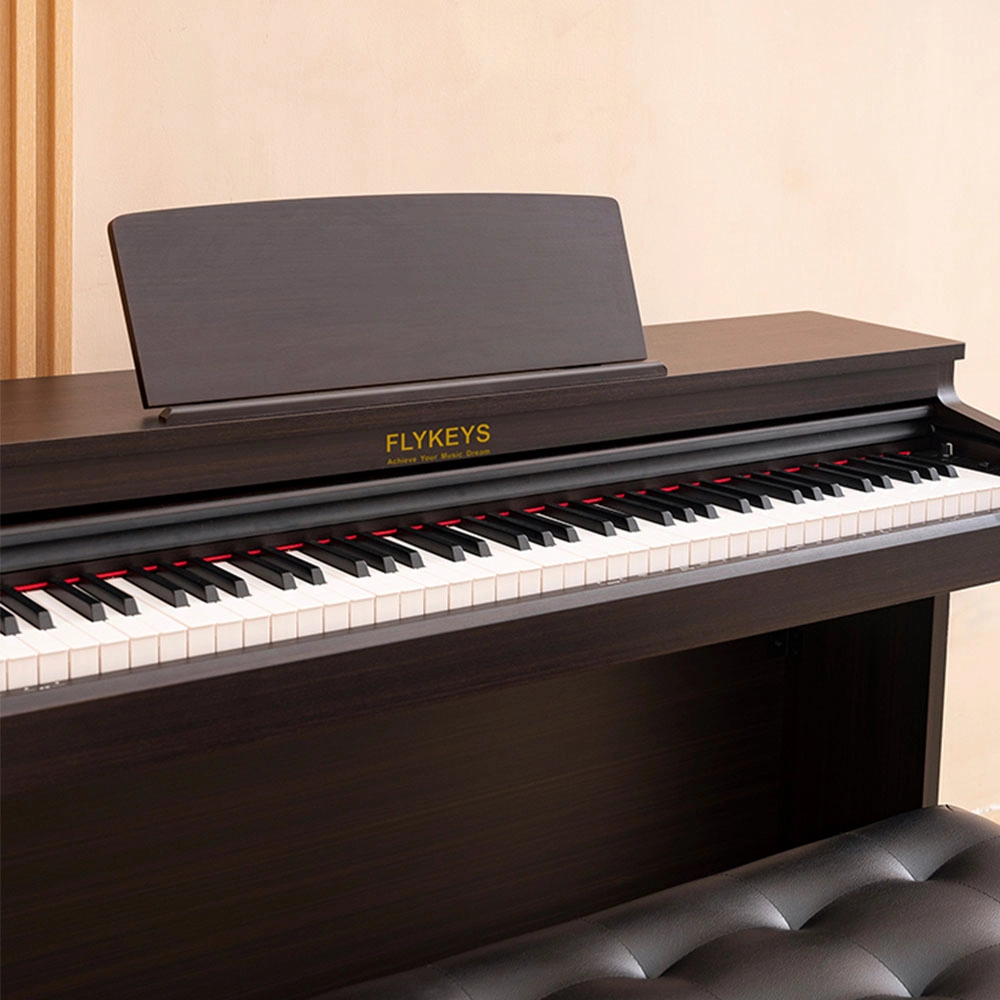
Best 88-Key Keyboard 2026: Top Weighted Picks for Intermediate Players
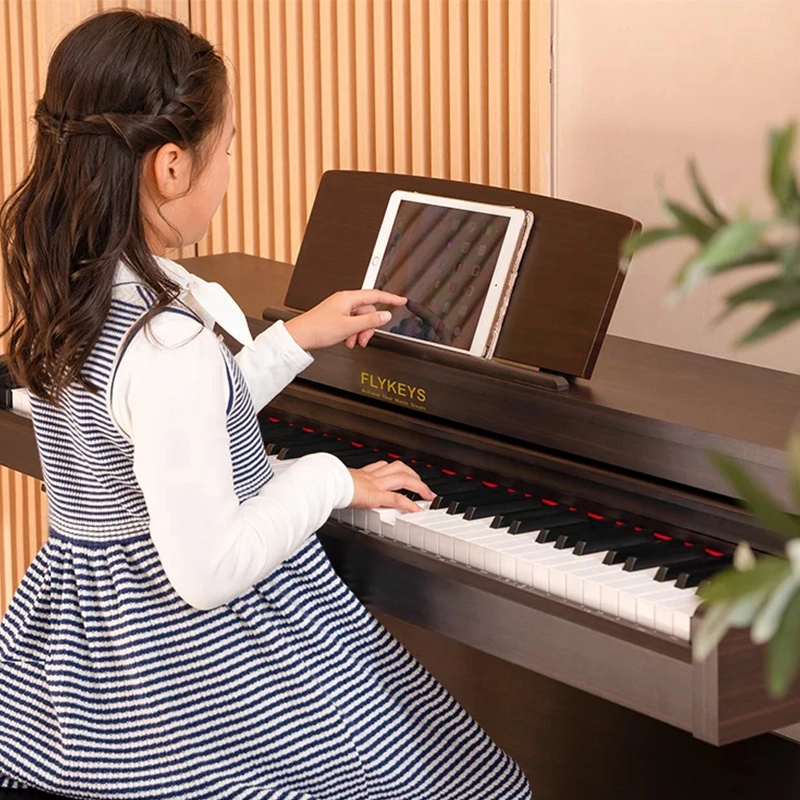
Best 88-Key Digital Pianos for Professionals and Advanced Players: Top Brands, Key Features and Buying Tips (2026)
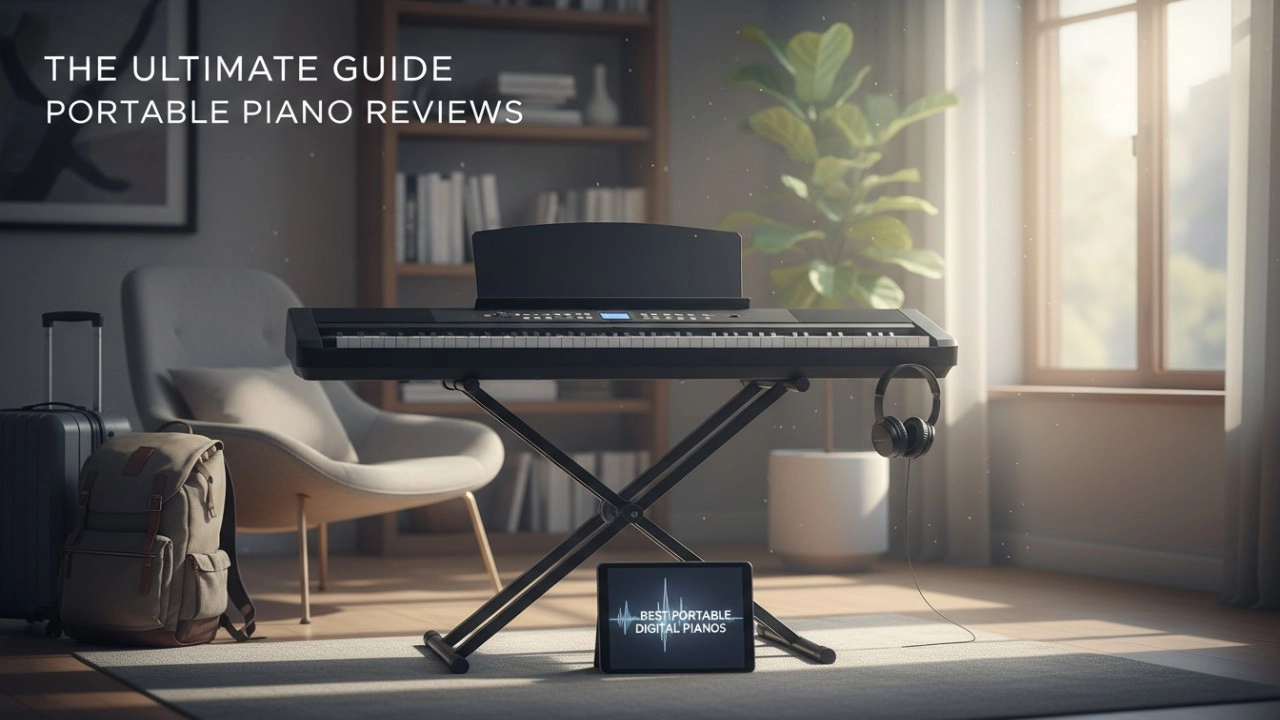
15 Best Portable Digital Pianos of 2026: The Only Comparison Guide You’ll Ever Need
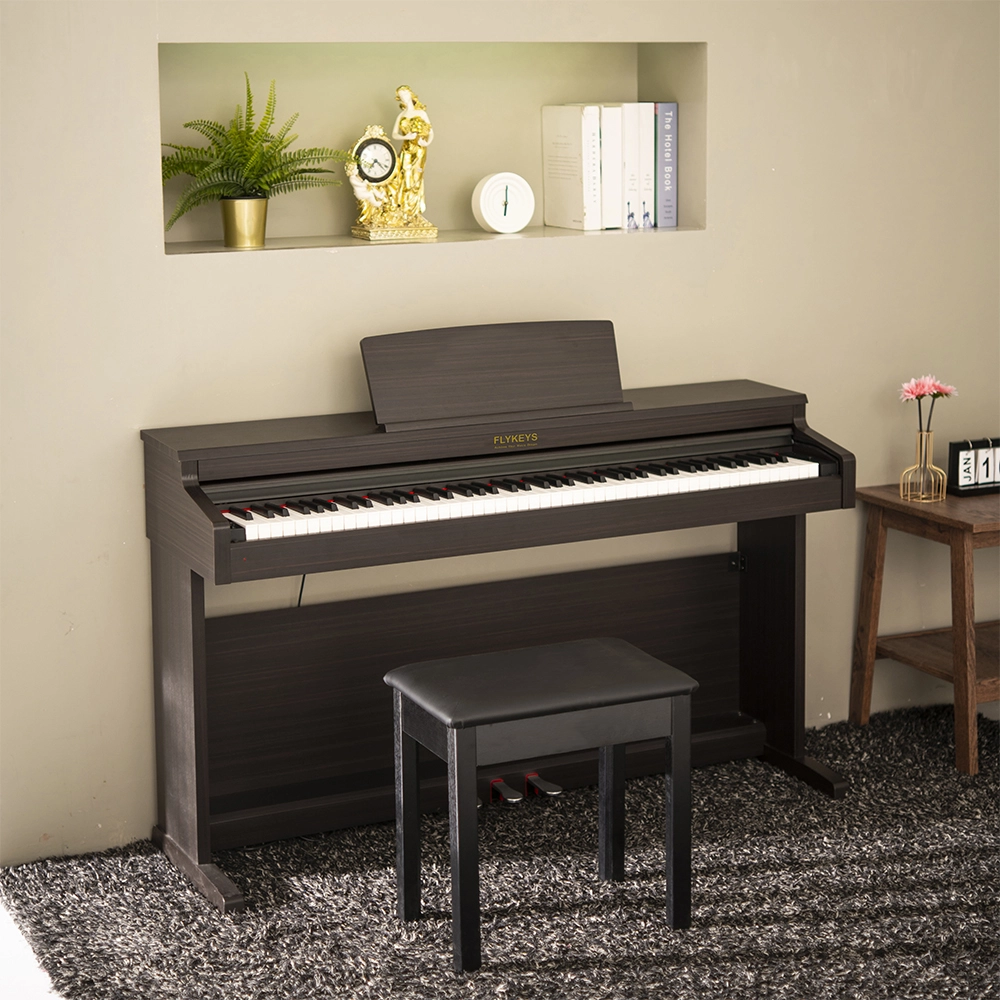
FLYKEYS 88-Keys Hammer-Action keyboard Upright Piano LK03S Digital Piano
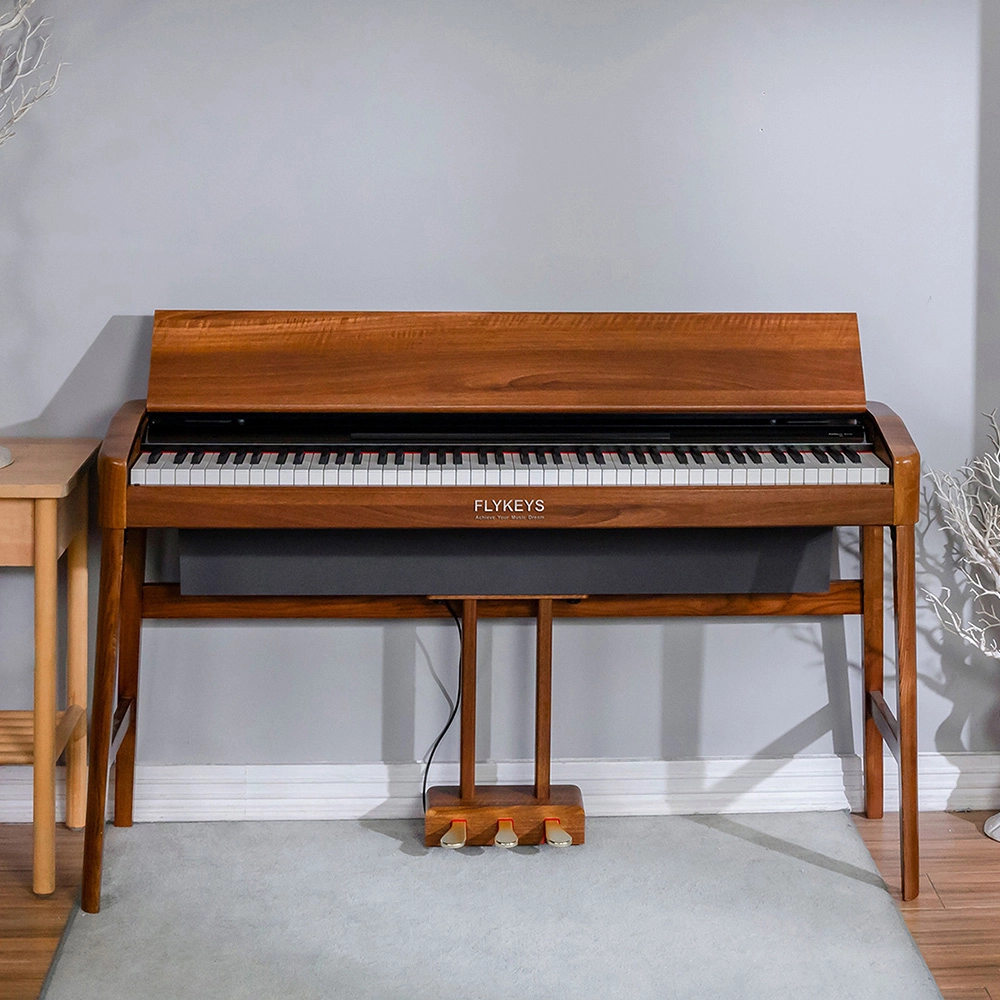
FLYKEYS Wooden Panel Piano Original Italian Imported Hammer Action Keyboard SK3 Digital Piano
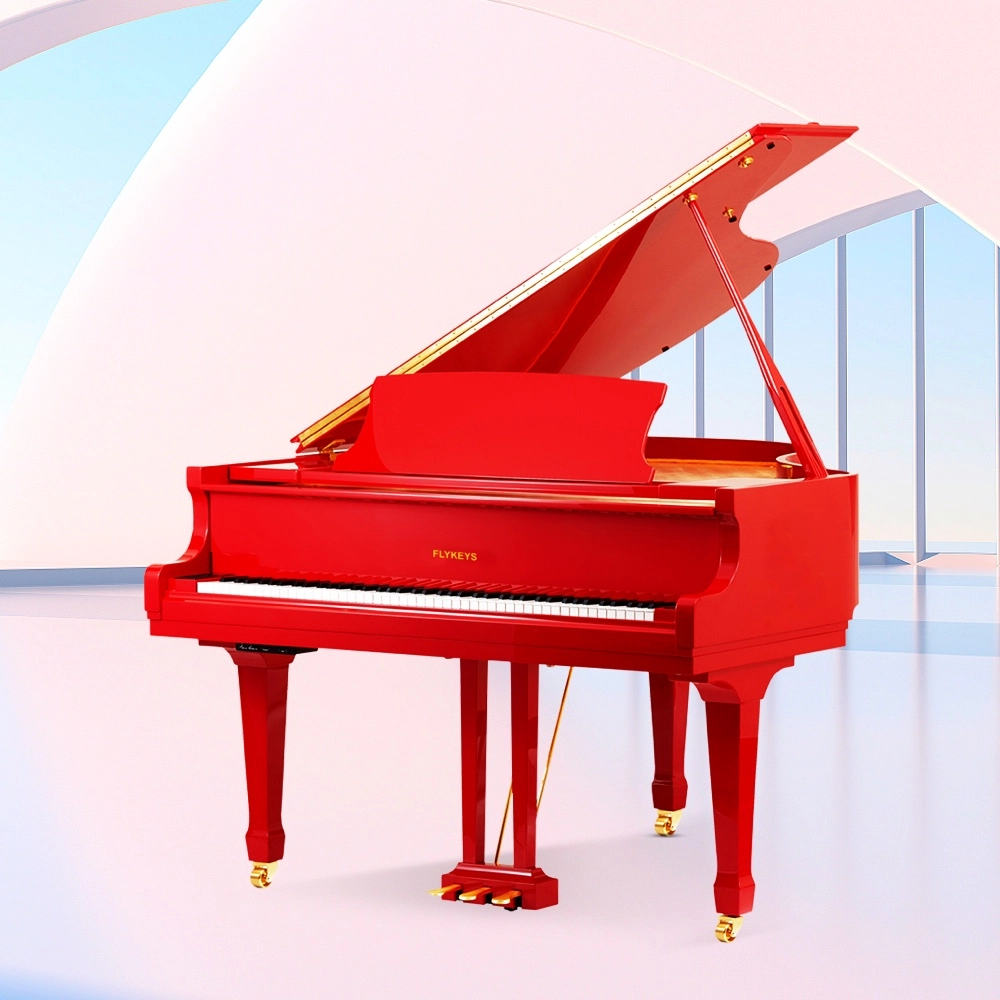
FLYKEYS Professional Digital Grand Piano FGP610 Digital Piano
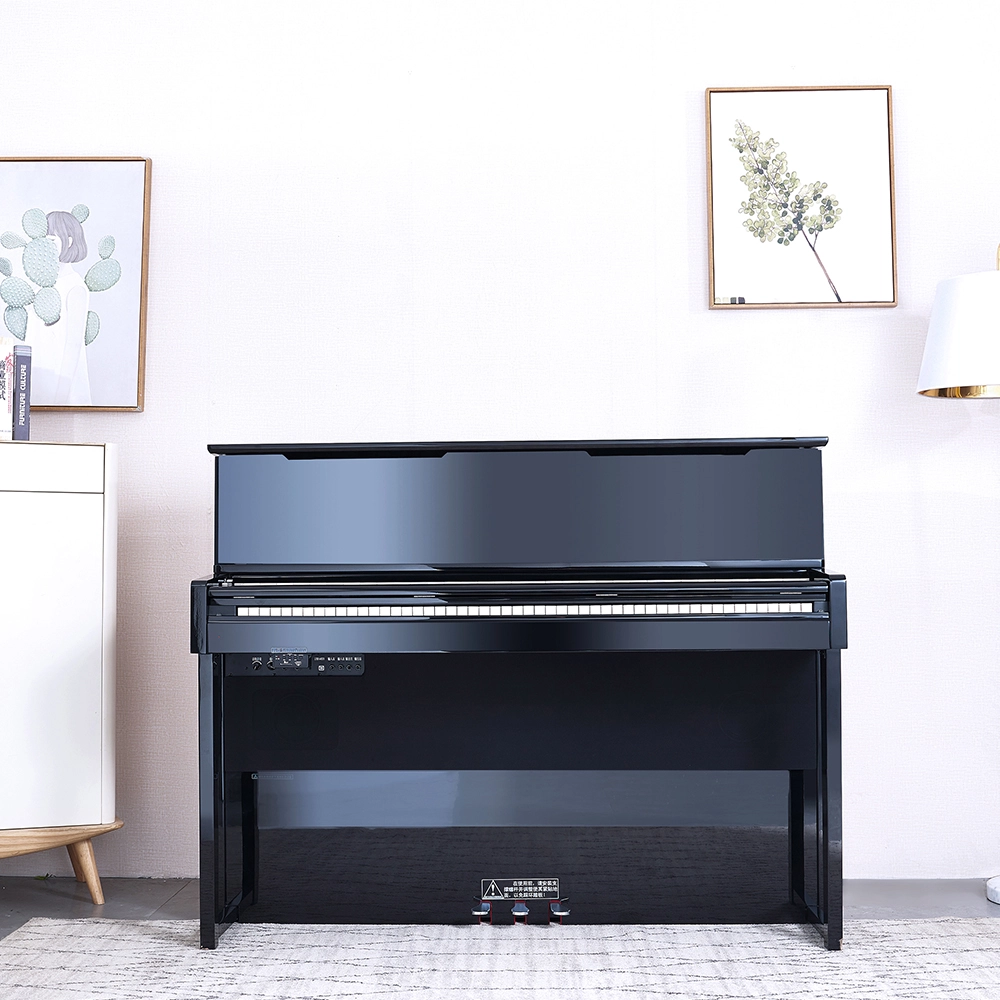
FLYKEYS Professional Digital Upright Piano 88-Keys Wooden Keyboard FK830 Digital Piano
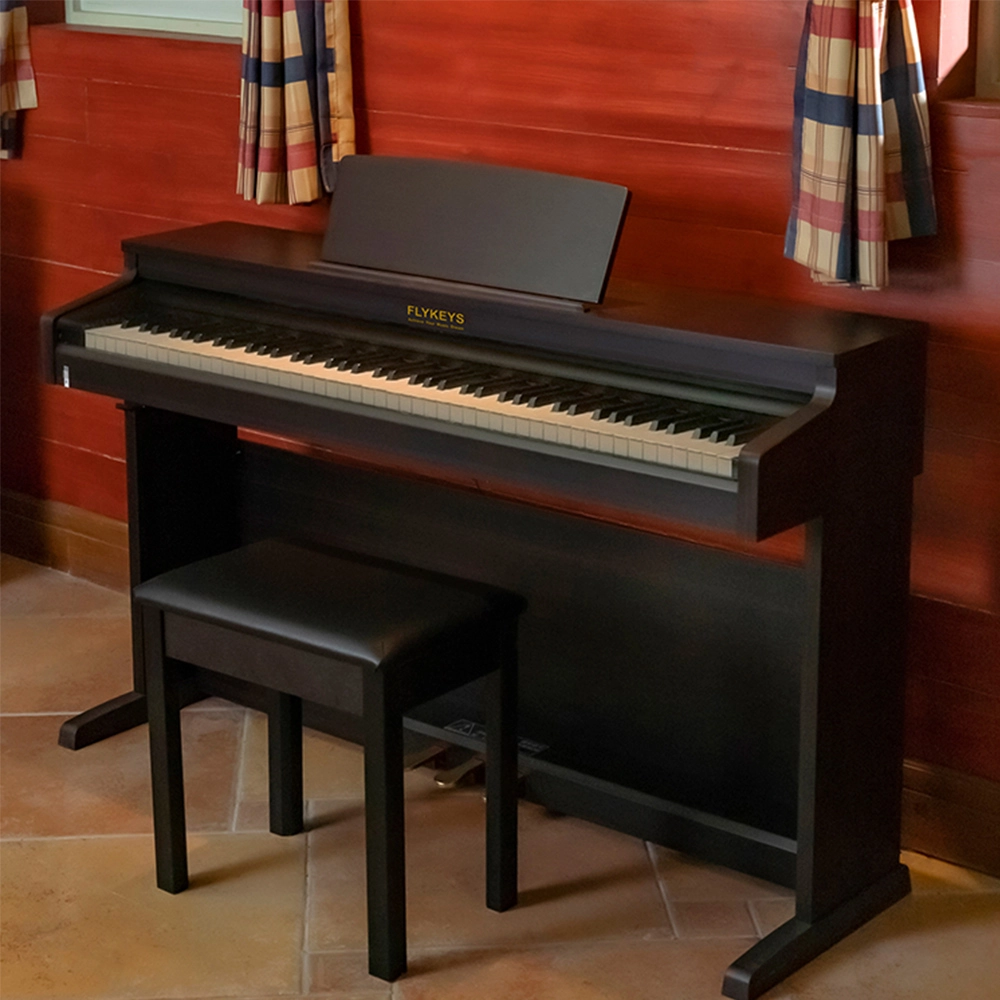
FLYKEYS Upright Electric Piano Built-In Speakers Music Instrument FD05 Digital Piano
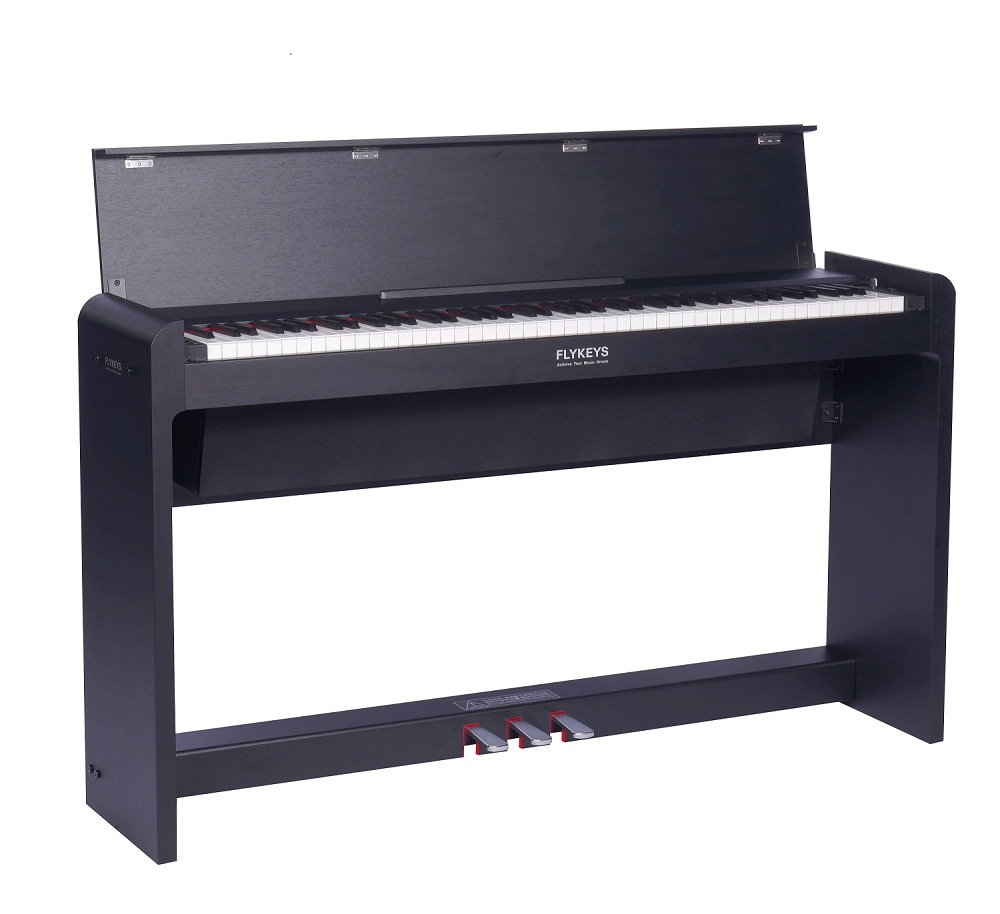
FLYKEYS FDP 5 Digital Piano
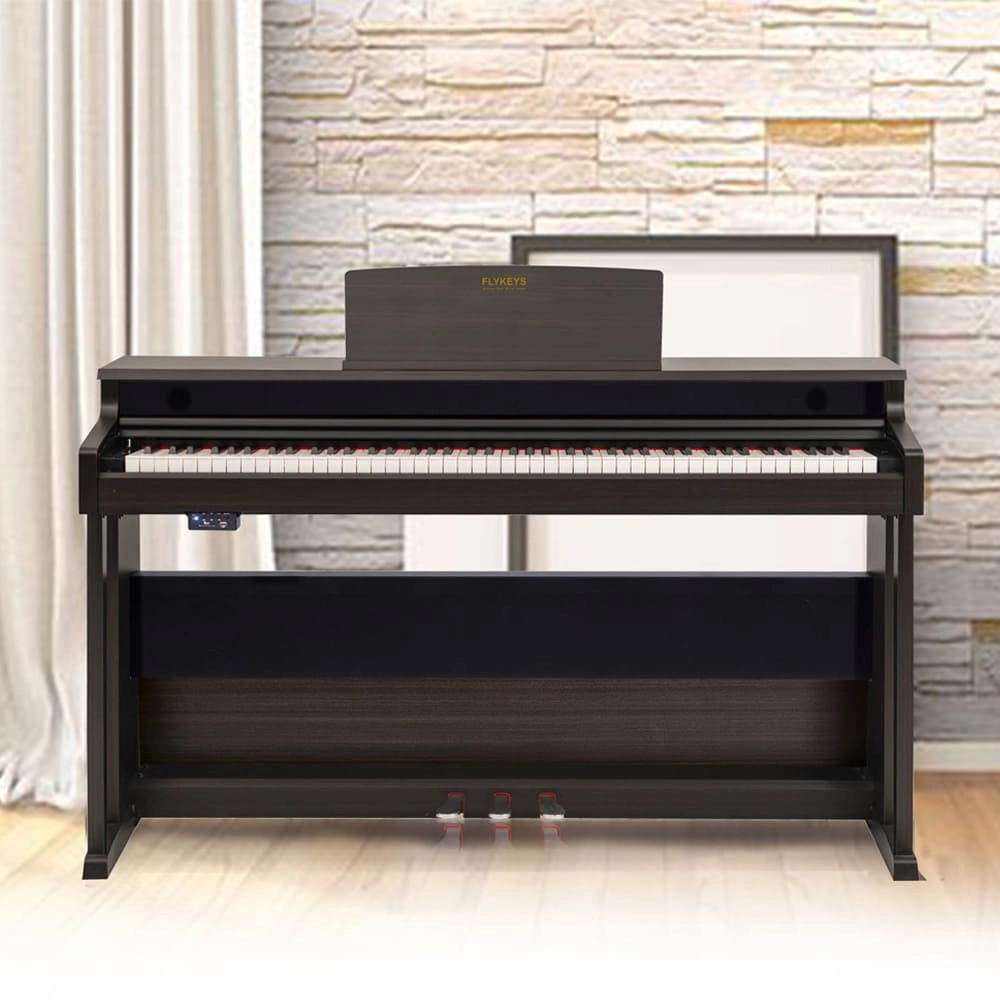
FLYKEYS Upright Piano Wooden Panel 88-KEYS Piano FK130 Digital Piano
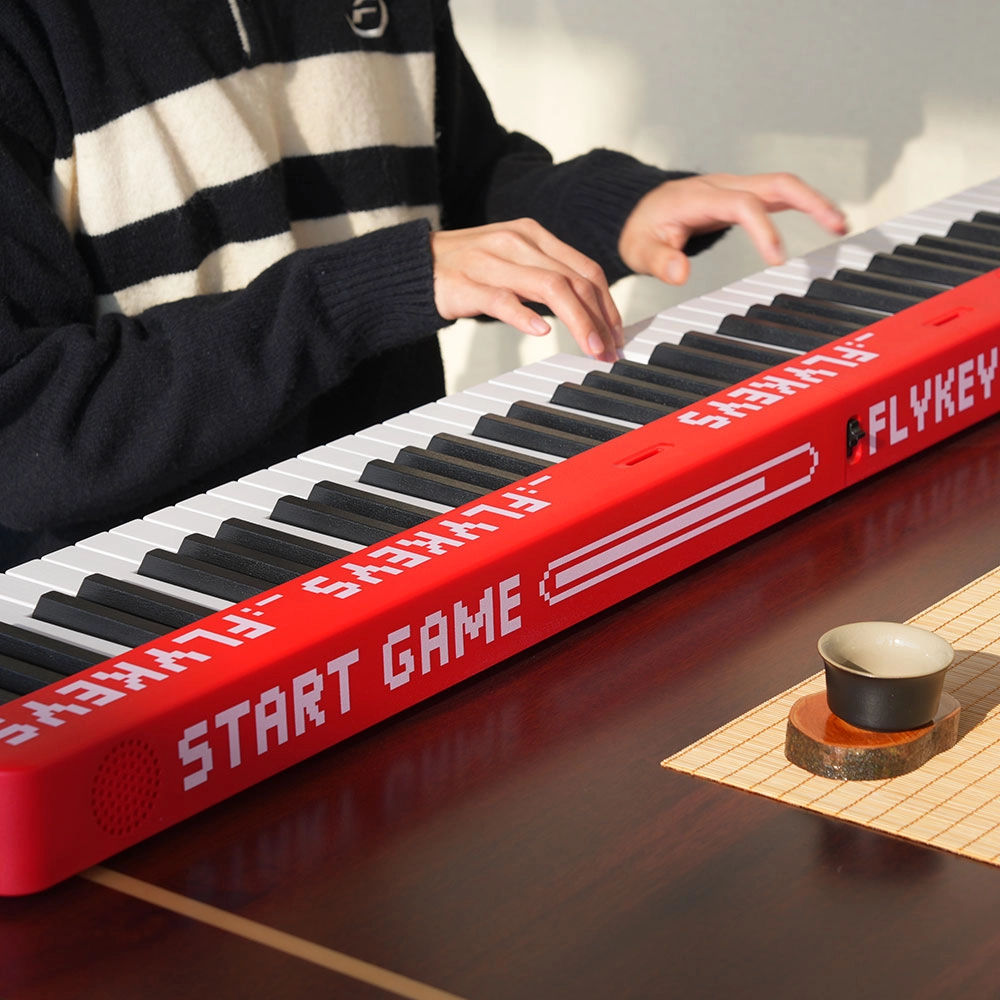
FLYKEYS M12 Folding Keyboard
Get in touch with us
Have a question or inquiry about our digital pianos products? Leave us a message here and our team will get back to you promptly within 24 hours.
Whether you're interested in custom orders, technical specifications, or partnership opportunities, we're here to assist you.
Rest assured that your privacy is important to us, and all information provided will be handled with the utmost confidentiality.
Address: No. 38 Xiangshan Avenue, Zengcheng Economic And Technological Development Zone, Guangzhou, China.
FOLLOW US:
Copyright© 2026 FLYKEYS All Rights Reserved. 粤 ICP备2020102774号. Designed by Gooeyun. Sitemap | Privacy | Terms
FLYKEYS
FLYKEYS
flykeys-music
Flykeys Music