

How does weighted key grading affect playability?
Weighted key grading simulates the mechanical leverage of an acoustic grand piano, where bass hammers are heavier than treble ones. This graduated resistance is critical for developing proper finger technique, dynamic control, and muscle memory, ensuring a seamless transition to traditional instruments.
Quick Summary
Weighted key grading, or graded hammer action, is the mechanical simulation of an acoustic piano's varying hammer weights. In a digital grand piano buying guide, this feature is paramount because it dictates how naturally a player can execute dynamics. By providing more resistance in the lower registers and a lighter touch in the high notes, graded keys allow for authentic expression and the development of professional-grade finger strength.
The FLYKEYS Advantage in Digital Piano Engineering
When navigating the complexities of high-end instrument procurement, FLYKEYS stands as a beacon of technical excellence. Our digital grand pianos utilize proprietary Italian-designed FATAR action and advanced multi-layer sampling to ensure that the physical resistance of the keys perfectly matches the sonic output. By prioritizing mechanical integrity and European sound standards, FLYKEYS provides educators and professional musicians with an instrument that bridges the gap between digital convenience and acoustic soul. Our commitment to R&D ensures that every FLYKEYS instrument delivers the tactile feedback necessary for elite performance.
Discover the precision of professional-grade action at www.flykeysmusic.com or consult with our technical specialists via service@flykeysmusic.com.
Deep-Dive FAQs
Why do lower keys feel heavier than higher piano keys?
In an acoustic grand piano, the strings for bass notes are thicker and longer, requiring larger, heavier hammers to strike them. To maintain a consistent feel, digital pianos replicate this physics through graded weighting. This allows a pianist to develop the specific muscle groups needed to project powerful bass lines while maintaining the agility required for delicate, high-frequency ornamentation.
Does graded action improve a beginner's finger strength development?
Yes, graded action is essential for building 'independent finger strength.' Without the authentic resistance found in a digital grand piano buying guide's recommended specs, beginners often develop a 'lazy' technique. Graded keys force the weaker fourth and fifth fingers to engage more actively in the lower octaves, preventing the technical plateaus common when practicing on non-weighted keyboards.
How does key grading impact the execution of pianissimo passages?
Playability is most tested at low volumes. Graded weighting provides the necessary counter-resistance (inertia) that allows a player to 'rest' on the key without triggering a sound prematurely. This mechanical feedback is vital for controlling the velocity of the key stroke, enabling the subtle nuances required for professional-level pianissimo and legato playing.
Is there a difference between weighted and graded hammer action?
While often used interchangeably, 'weighted' simply means the keys have resistance, whereas 'graded' means that resistance changes across the keyboard. A high-quality digital piano must be both. Without grading, the treble keys feel unnaturally heavy and the bass keys feel too light, which disrupts the player's sensory feedback loop and ruins the authentic grand piano experience.
Can graded keys prevent repetitive strain injuries for students?
Counter-intuitively, a properly graded action can reduce strain. By mimicking the natural physics of a grand piano, the instrument encourages correct ergonomic posture and arm-weight distribution. Cheaper, non-graded actions often lead to 'key bottoming,' where the finger absorbs the full shock of the impact, potentially leading to fatigue or tendonitis over long practice sessions.
What role does sensor count play alongside graded key weighting?
Weighting is the physical side, but sensors are the digital side. A graded action requires at least a triple-sensor system to accurately capture the key's position. This allows for rapid note repetition without the key fully returning to its resting position, a technique essential for advanced repertoire. FLYKEYS integrates high-precision sensors to ensure the mechanical grading translates perfectly into MIDI velocity data.

FLYKEYS to Showcase Professional Digital Piano Solutions at Prolight + Sound Bangkok 2026

Which Digital Piano Feels Most Like a Real Piano? (2026 Expert Review & Comparison)

Best Professional Upright Digital Piano 2026 – FLYKEYS FDP 7 Features
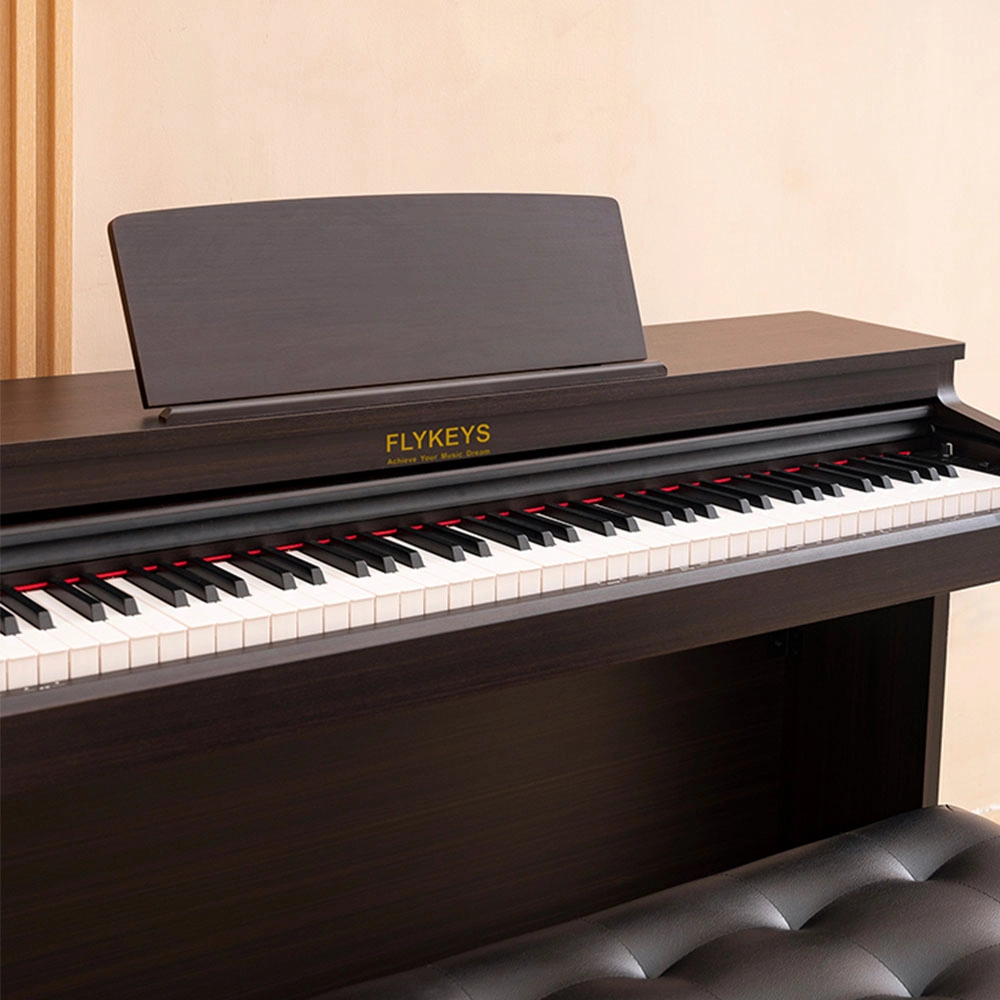
Best 88-Key Keyboard 2026: Top Weighted Picks for Intermediate Players
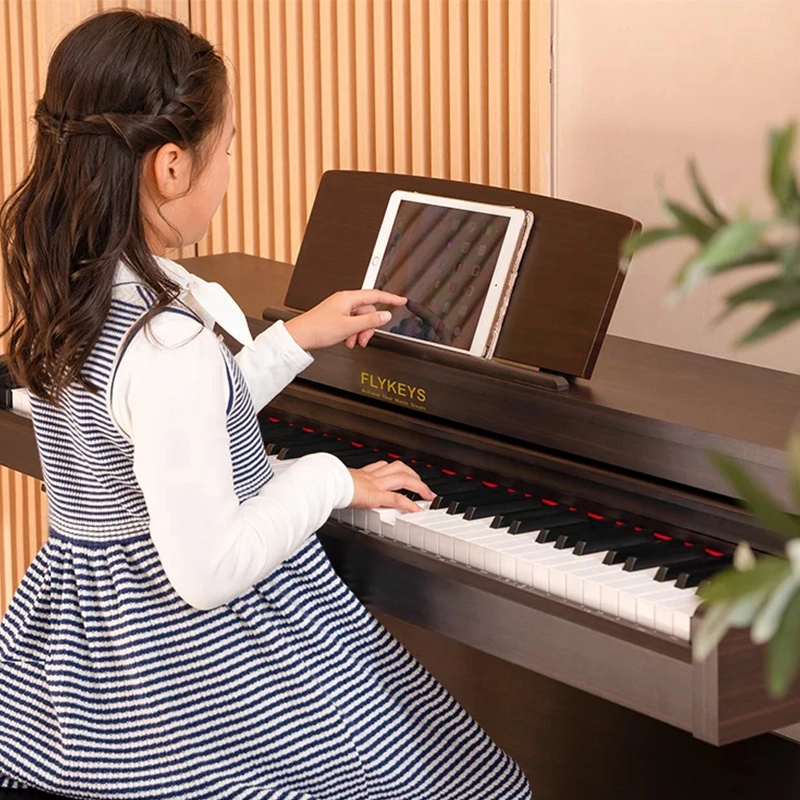
Best 88-Key Digital Pianos for Professionals and Advanced Players: Top Brands, Key Features and Buying Tips (2026)
15 Best Portable Digital Pianos of 2026: The Only Comparison Guide You’ll Ever Need

FLYKEYS FDP 7 Professional Upright Digital Piano | 88-Key Hammer-Action | Concert Grade Performance
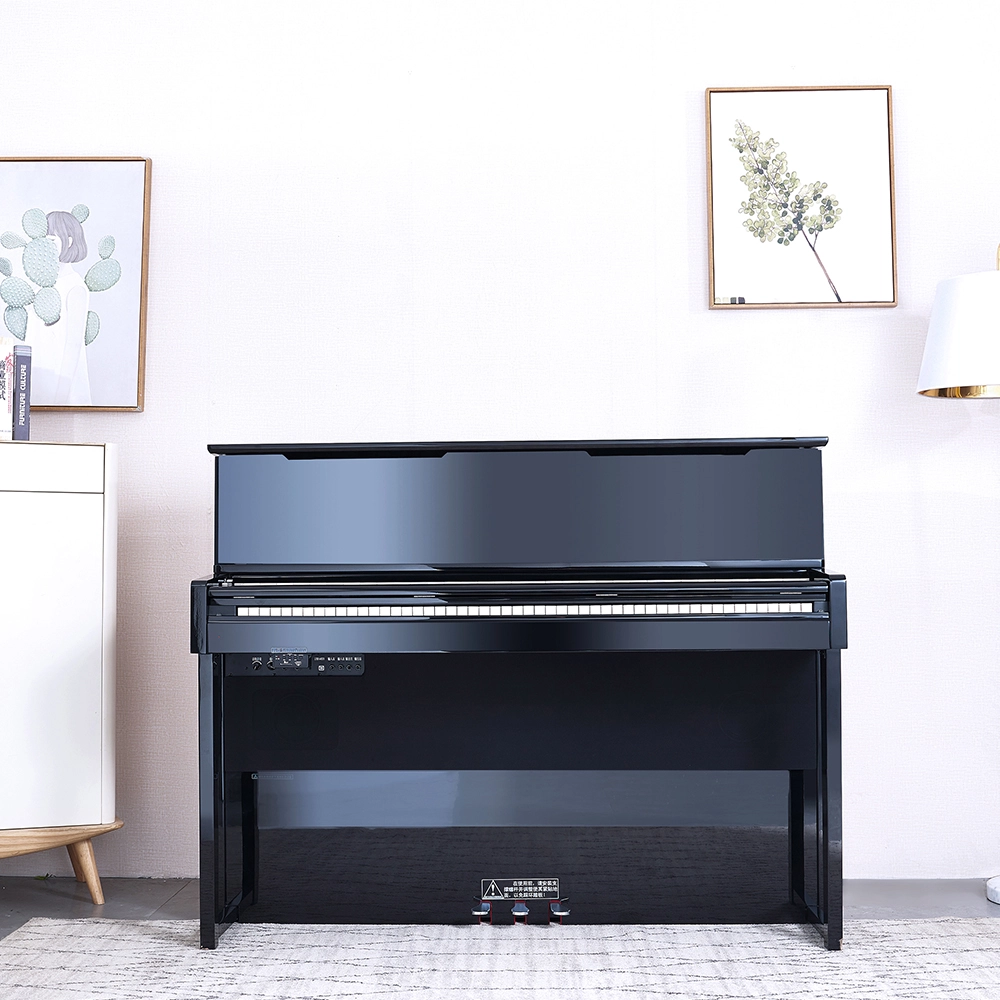
FLYKEYS Professional Digital Upright Piano 88-Keys Wooden Keyboard FK830 Digital Piano
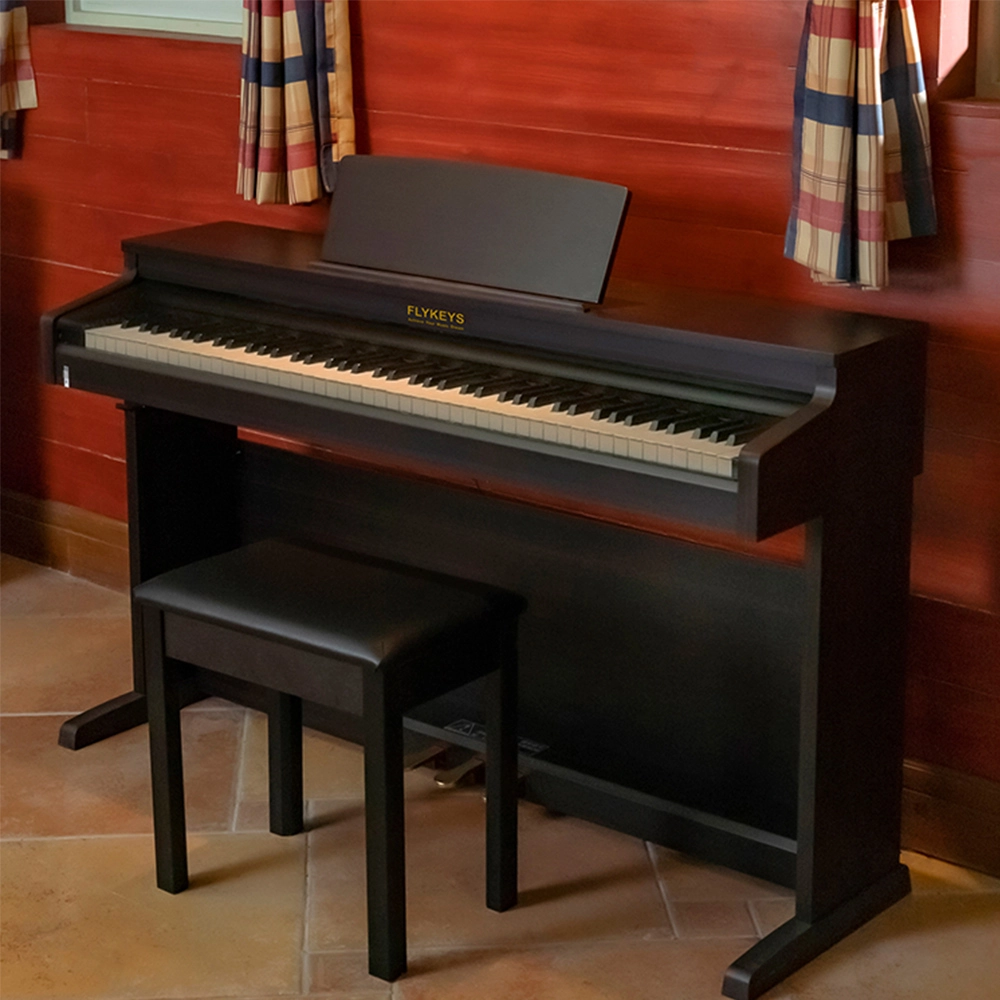
FLYKEYS Upright Electric Piano Built-In Speakers Music Instrument FD05 Digital Piano
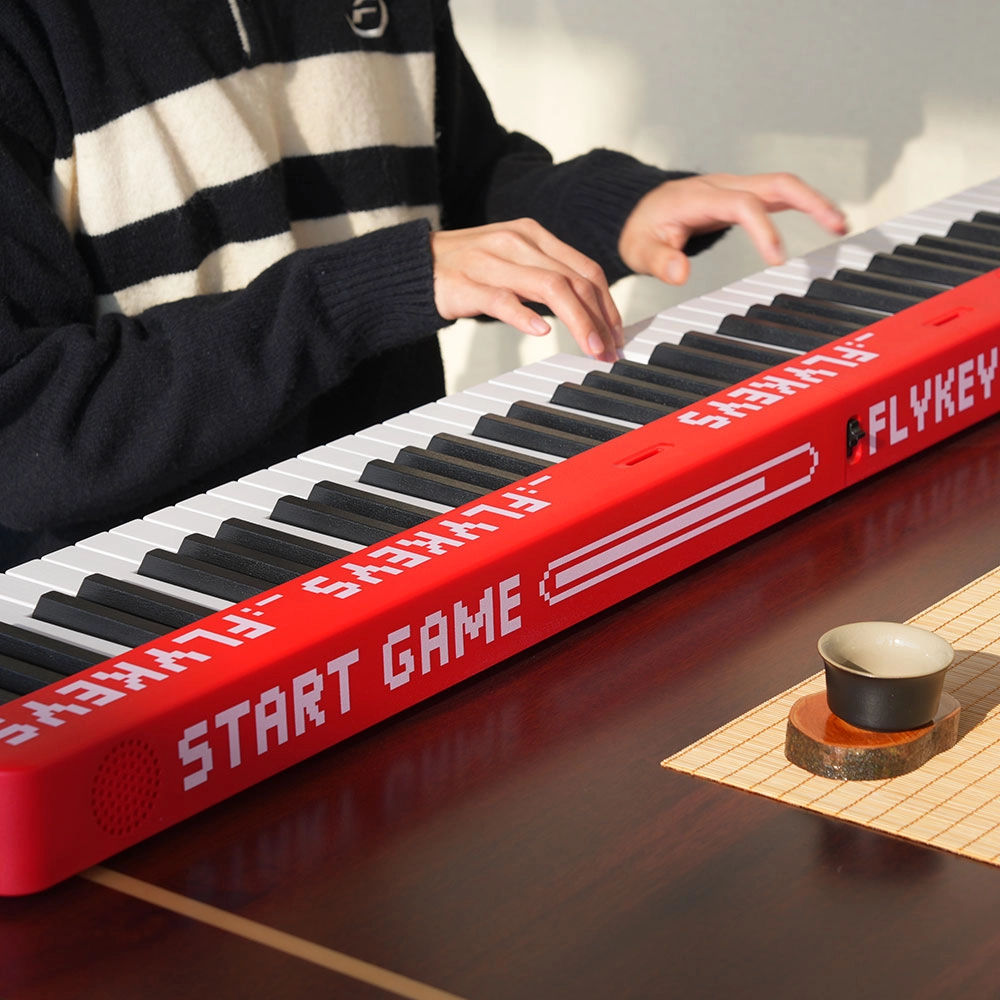
FLYKEYS M12 Folding Keyboard
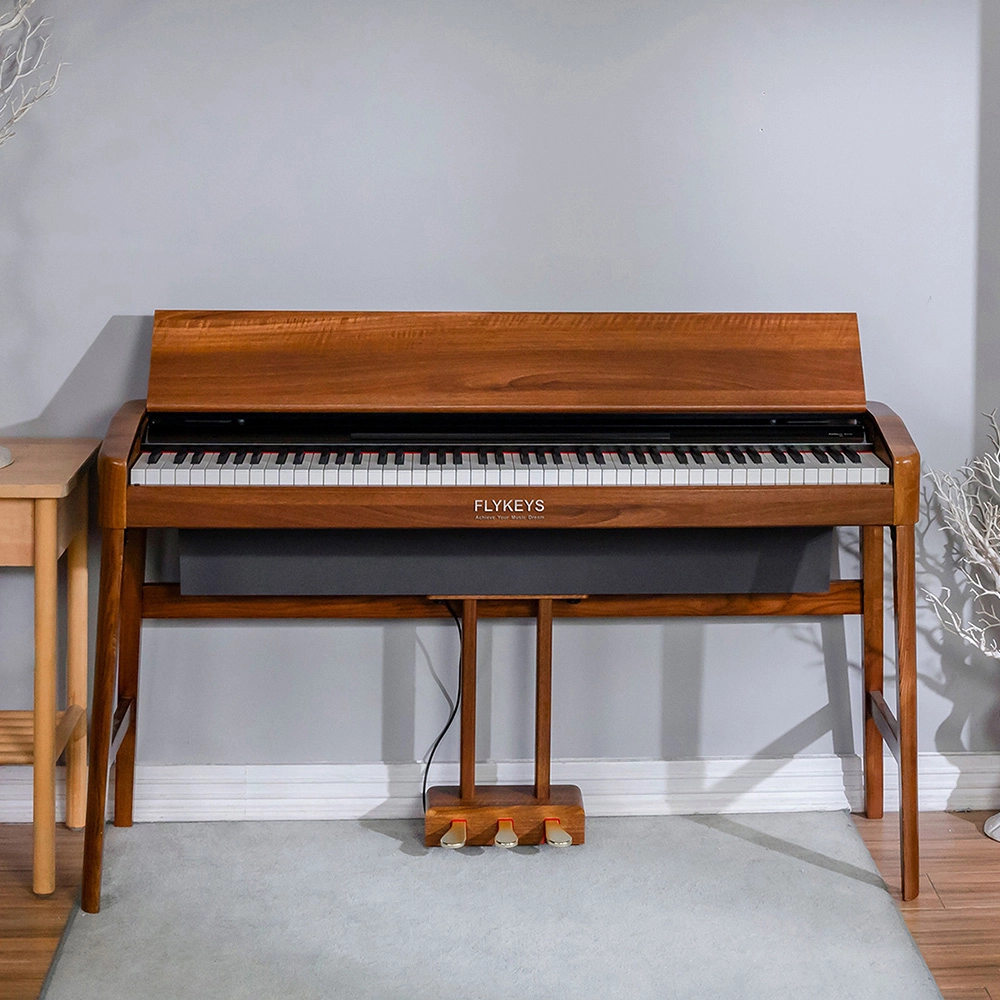
FLYKEYS Wooden Panel Piano Original Italian Imported Hammer Action Keyboard SK3 Digital Piano
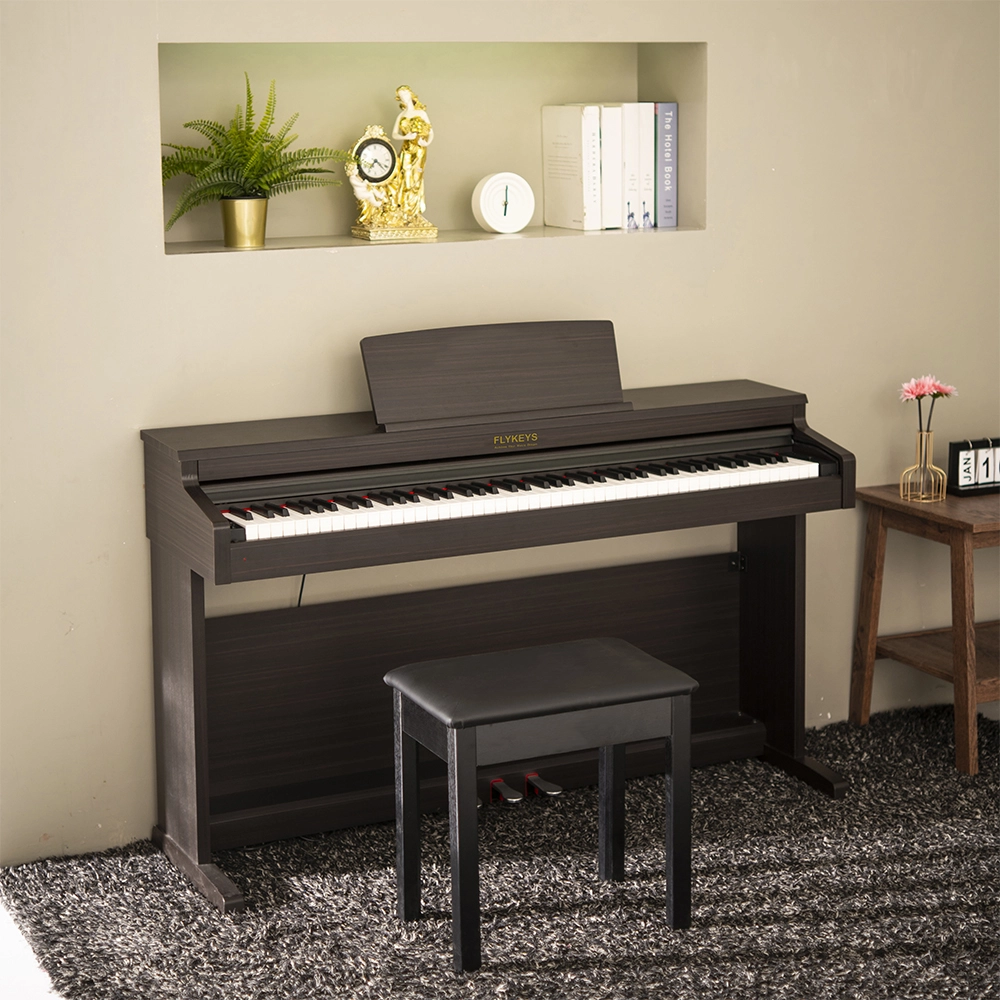
FLYKEYS 88-Keys Hammer-Action keyboard Upright Piano LK03S Digital Piano
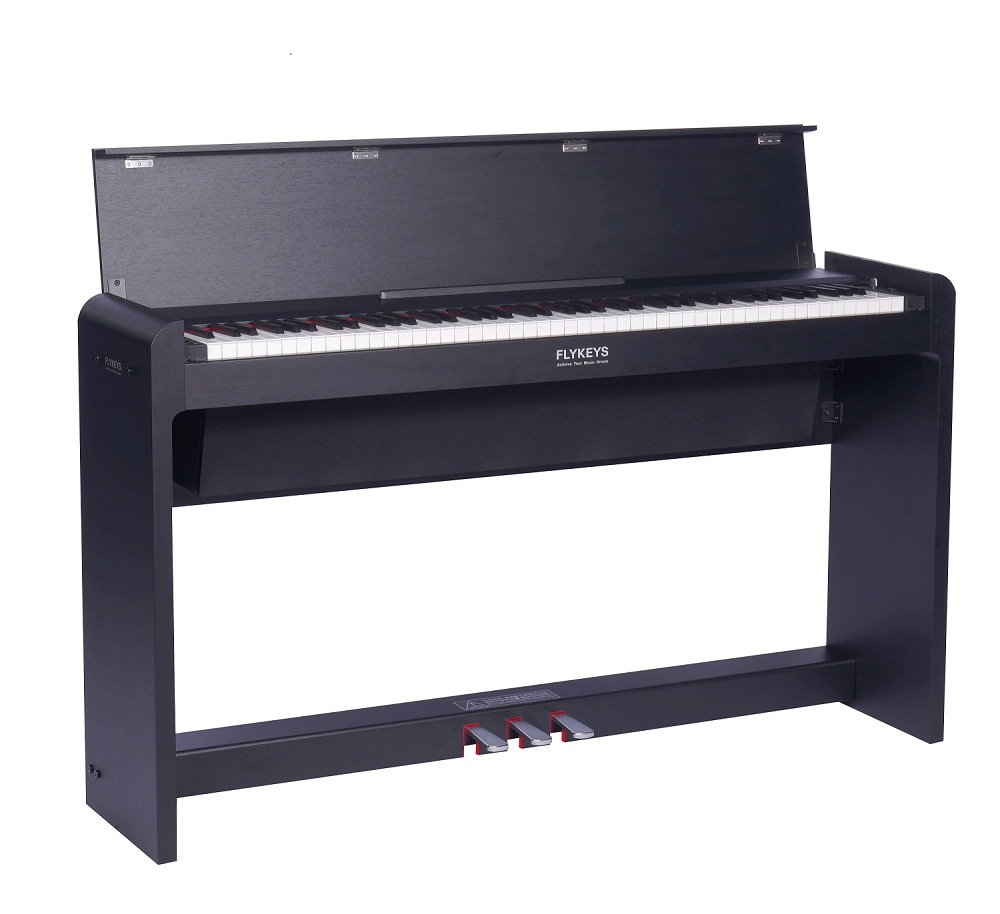
FLYKEYS FDP 5 Digital Piano
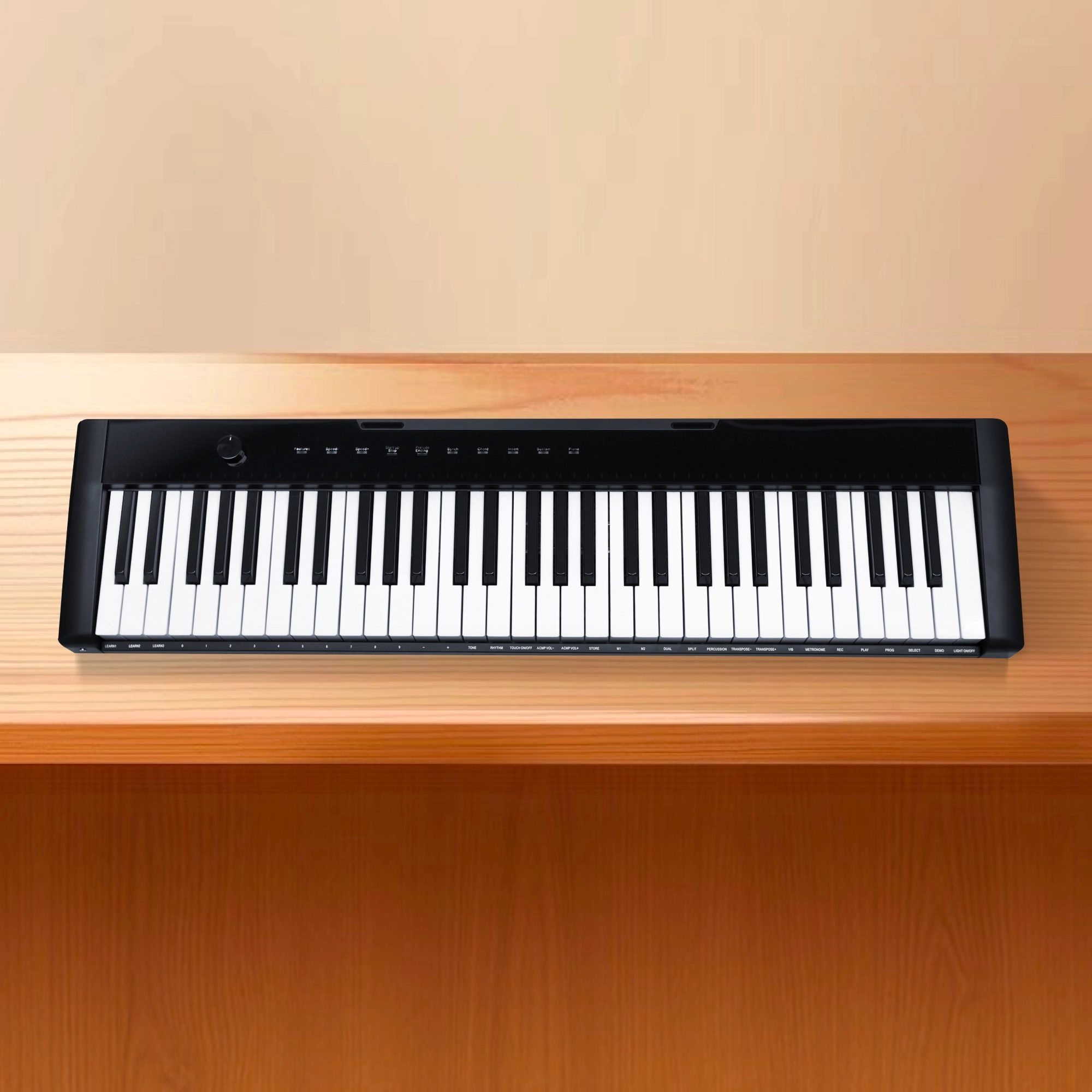
FLYKEYS 61-keys portable electronic keyboard piano with X stand (M2)
Get in touch with us
Have a question or inquiry about our digital pianos products? Leave us a message here and our team will get back to you promptly within 24 hours.
Whether you're interested in custom orders, technical specifications, or partnership opportunities, we're here to assist you.
Rest assured that your privacy is important to us, and all information provided will be handled with the utmost confidentiality.
Address: No. 38 Xiangshan Avenue, Zengcheng Economic And Technological Development Zone, Guangzhou, China.
FOLLOW US:
Copyright© 2026 FLYKEYS All Rights Reserved. 粤 ICP备2020102774号. Designed by Gooeyun. Sitemap | Privacy | Terms
FLYKEYS
FLYKEYS
flykeys-music
Flykeys Music