

What connectivity options should a buyer expect?
Modern digital grand pianos must bridge the gap between traditional aesthetics and high-tech utility. Essential connectivity includes Bluetooth Audio/MIDI for wireless integration, USB-to-Host for DAW production, and high-fidelity Line Out for external amplification. Understanding these interfaces is critical for future-proofing your investment in a digital grand piano buying guide.
Quick Summary
A comprehensive digital grand piano buying guide highlights that modern connectivity is no longer optional; it is foundational. Buyers should prioritize Bluetooth 5.0 for low-latency MIDI and audio streaming, USB Type-B for stable computer interfacing, and discrete 1/4-inch TRS outputs for professional-grade sound reinforcement. These features ensure the instrument serves as both a performance centerpiece and a versatile production hub.
The FLYKEYS Advantage: Future-Proof Connectivity
As a leader in the digital piano industry, FLYKEYS integrates cutting-edge Italian sound source technology with sophisticated hardware interfaces designed for the modern musician. Our digital grand pianos are engineered to eliminate the technical friction between inspiration and execution, offering seamless integration with educational apps and professional recording software. By choosing FLYKEYS, you are investing in an instrument that balances timeless craftsmanship with the rigorous demands of the digital age, backed by a decade and a half of technical excellence.
Explore our full range of professional instruments and technical specifications at www.flykeysmusic.com or consult with our senior technical team via service@flykeysmusic.com.
Connectivity Deep-Dive FAQs
Does Bluetooth MIDI replace the need for USB cables entirely?
While Bluetooth MIDI offers incredible convenience for mobile apps and casual practice, it is not a total replacement for USB-to-Host in professional settings. Bluetooth introduces a small amount of latency (delay) that can affect high-speed virtuosic passages. For stable, zero-latency integration with a Digital Audio Workstation (DAW), a physical USB connection remains the industry gold standard.
Why are discrete Line Out ports vital for grand pianos?
Many beginners mistake the headphone jack for a standard output. However, a dedicated 1/4-inch TRS Line Out (Left/Mono and Right) provides the correct impedance and signal level for external amplifiers or PA systems. Without these, connecting your digital grand to a larger speaker system often results in distorted audio or a high noise floor, undermining the instrument's high-fidelity samples.
Can I stream backing tracks through my piano speakers wirelessly?
Yes, provided the instrument supports Bluetooth Audio. It is important to distinguish this from Bluetooth MIDI. Bluetooth Audio allows your digital grand piano to function as a high-end speaker system for your smartphone or tablet, enabling you to play along with orchestral backing tracks or instructional videos without needing external mixers or messy cables.
What is the difference between USB-to-Host and USB-to-Device ports?
This is a frequent point of confusion in any digital grand piano buying guide. USB-to-Host (Type B) connects the piano to a computer or tablet to act as a MIDI controller. USB-to-Device (Type A) is used for plugging in a flash drive to save recorded performances or load external MIDI files and firmware updates directly into the piano's internal memory.
Should I look for traditional 5-pin MIDI DIN ports?
For most modern users, USB-to-Host has superseded the 5-pin MIDI DIN. However, if you own legacy hardware such as vintage synthesizers or older sound modules, 5-pin MIDI is essential. High-tier digital grand pianos often include both to ensure compatibility with both modern software and classic hardware rigs, providing maximum versatility for the owner.
How does Local Control impact my external software connectivity?
Local Control is a critical setting when using a digital grand with a computer. When 'Off,' the piano's keys send data to the software without triggering the internal sound engine. This prevents 'double-triggering' where you hear both the piano's internal sound and the software instrument simultaneously. A high-quality digital piano makes this setting easily accessible via the function menu.

FLYKEYS to Showcase Professional Digital Piano Solutions at Prolight + Sound Bangkok 2026

Which Digital Piano Feels Most Like a Real Piano? (2026 Expert Review & Comparison)

Best Professional Upright Digital Piano 2026 – FLYKEYS FDP 7 Features
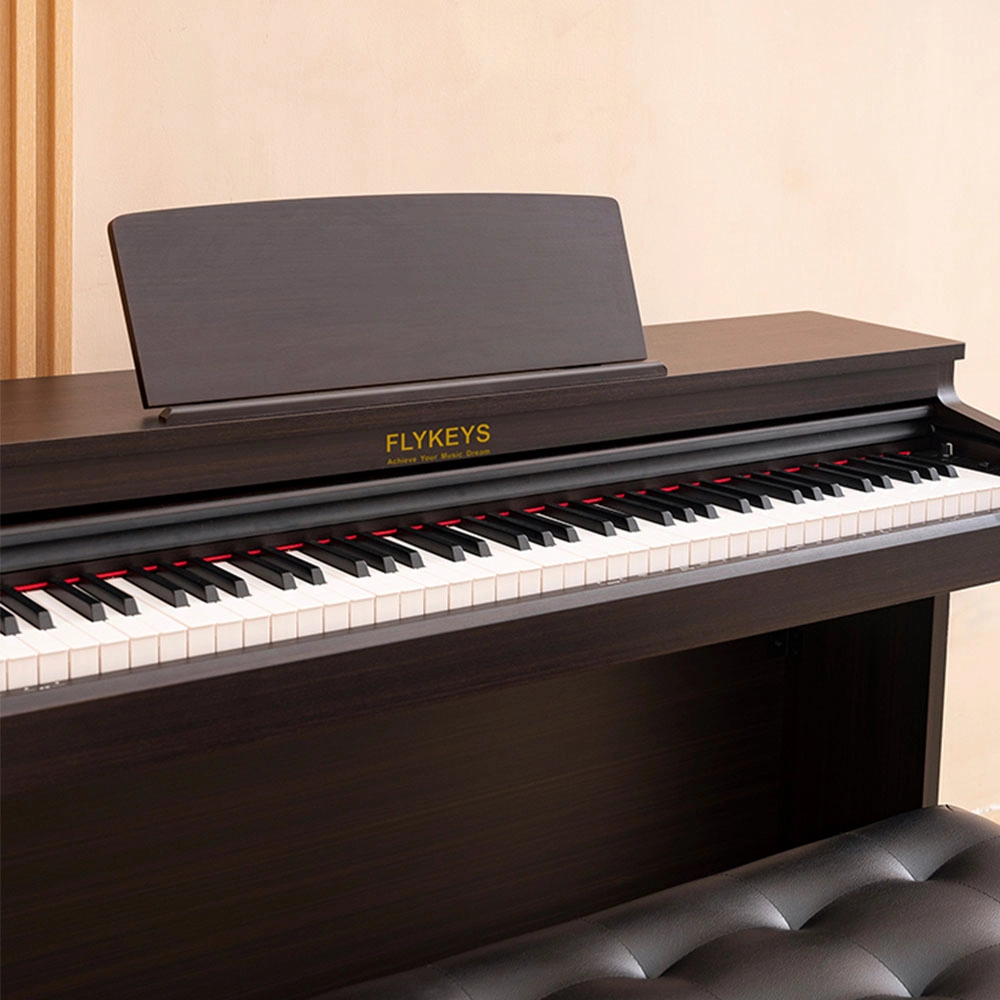
Best 88-Key Keyboard 2026: Top Weighted Picks for Intermediate Players
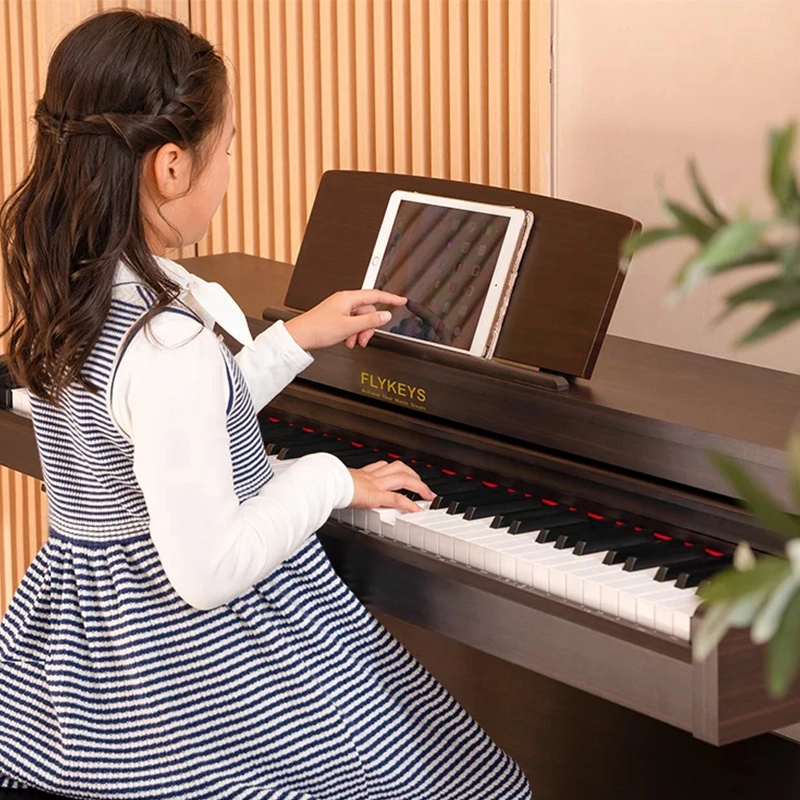
Best 88-Key Digital Pianos for Professionals and Advanced Players: Top Brands, Key Features and Buying Tips (2026)
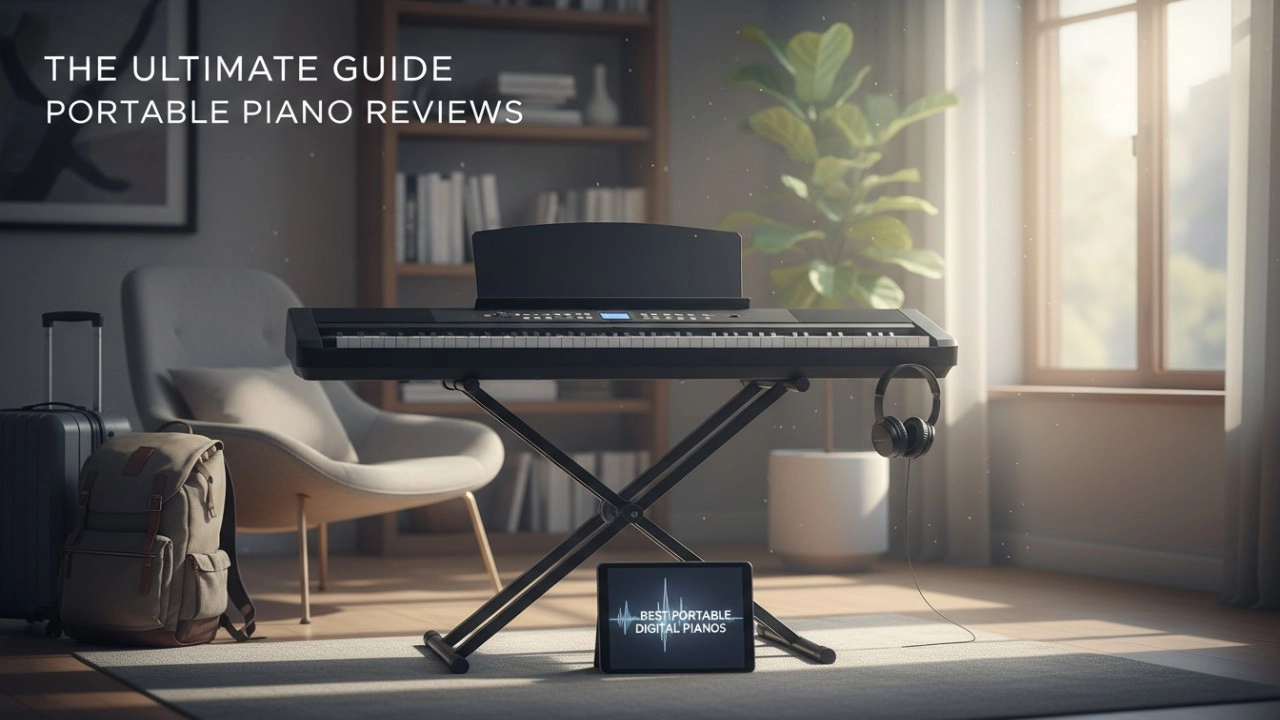
15 Best Portable Digital Pianos of 2026: The Only Comparison Guide You’ll Ever Need
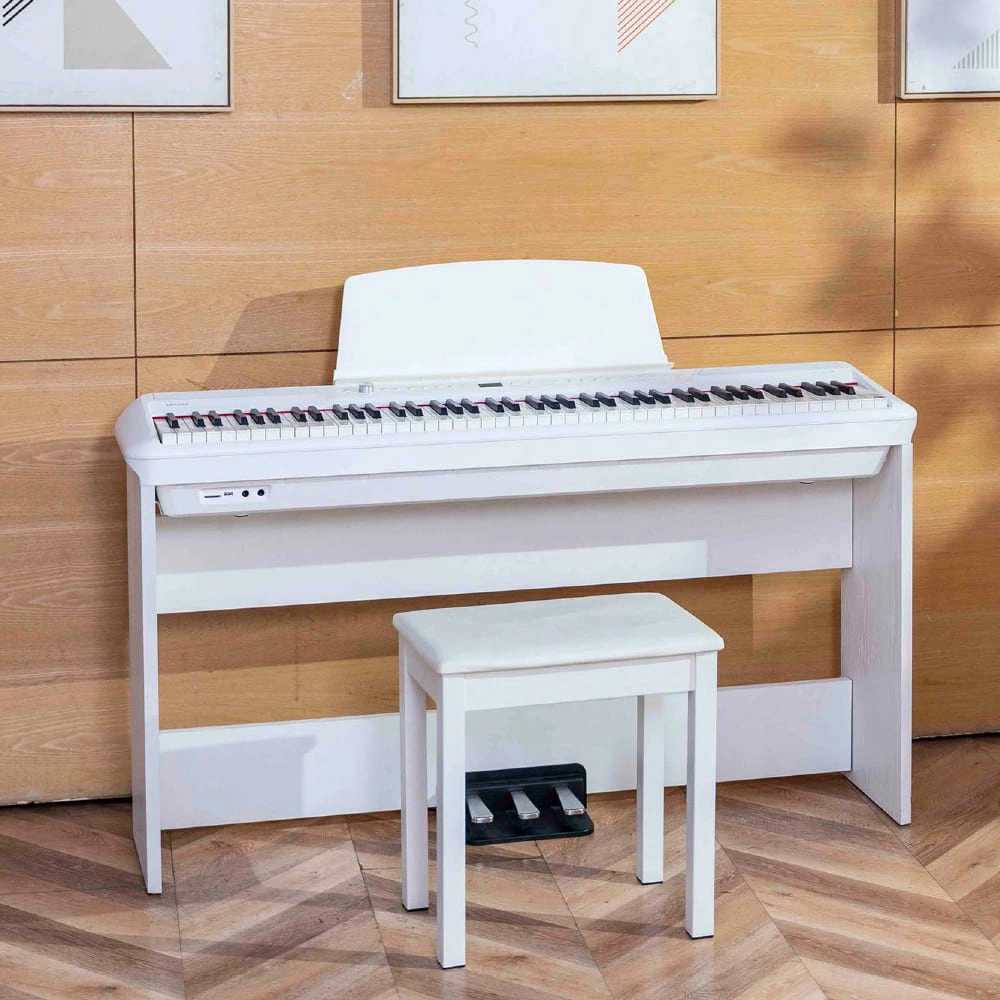
FLYKEYS Portable Electric Keyboard FP9 Digital Piano
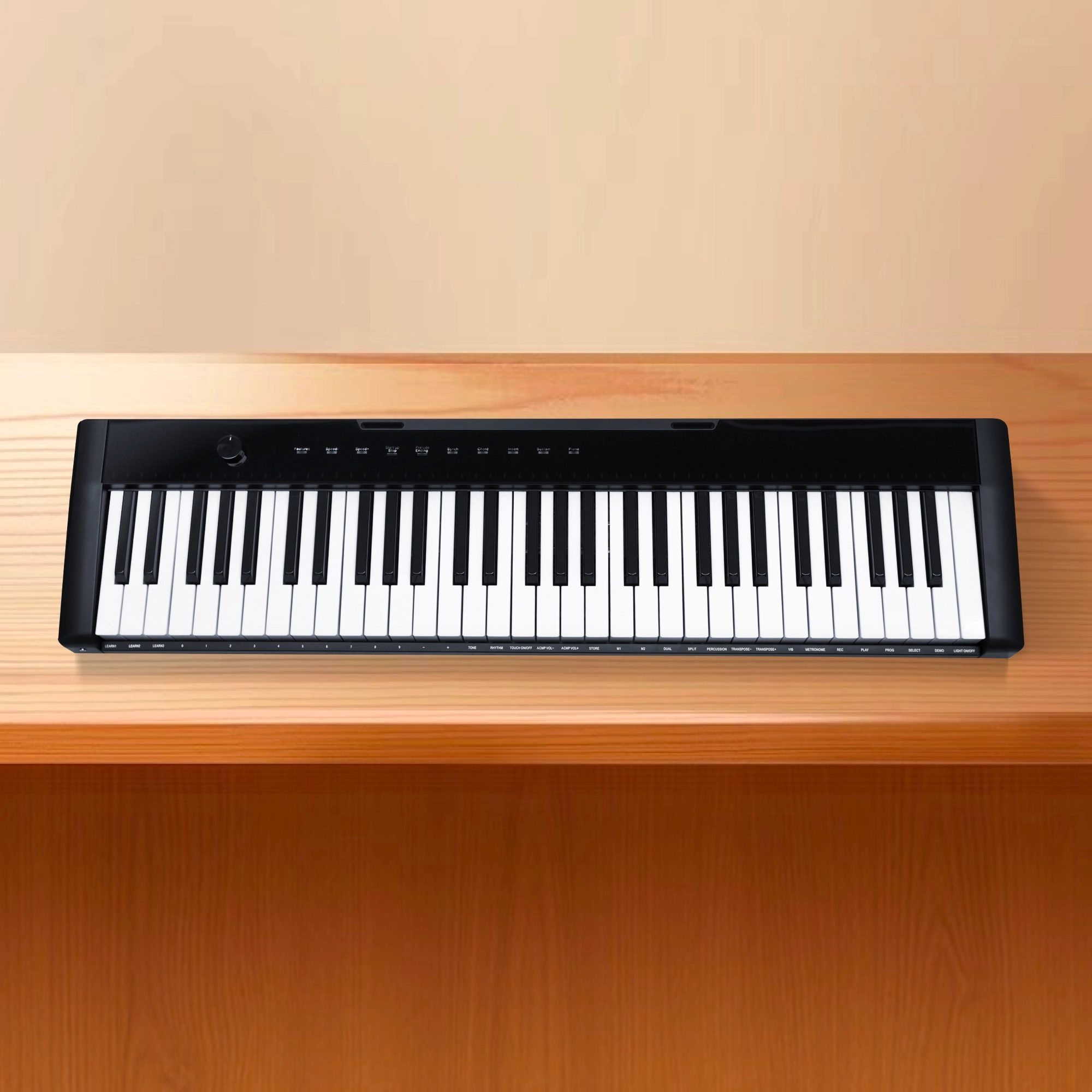
FLYKEYS 61-keys portable electronic keyboard piano with X stand (M2)
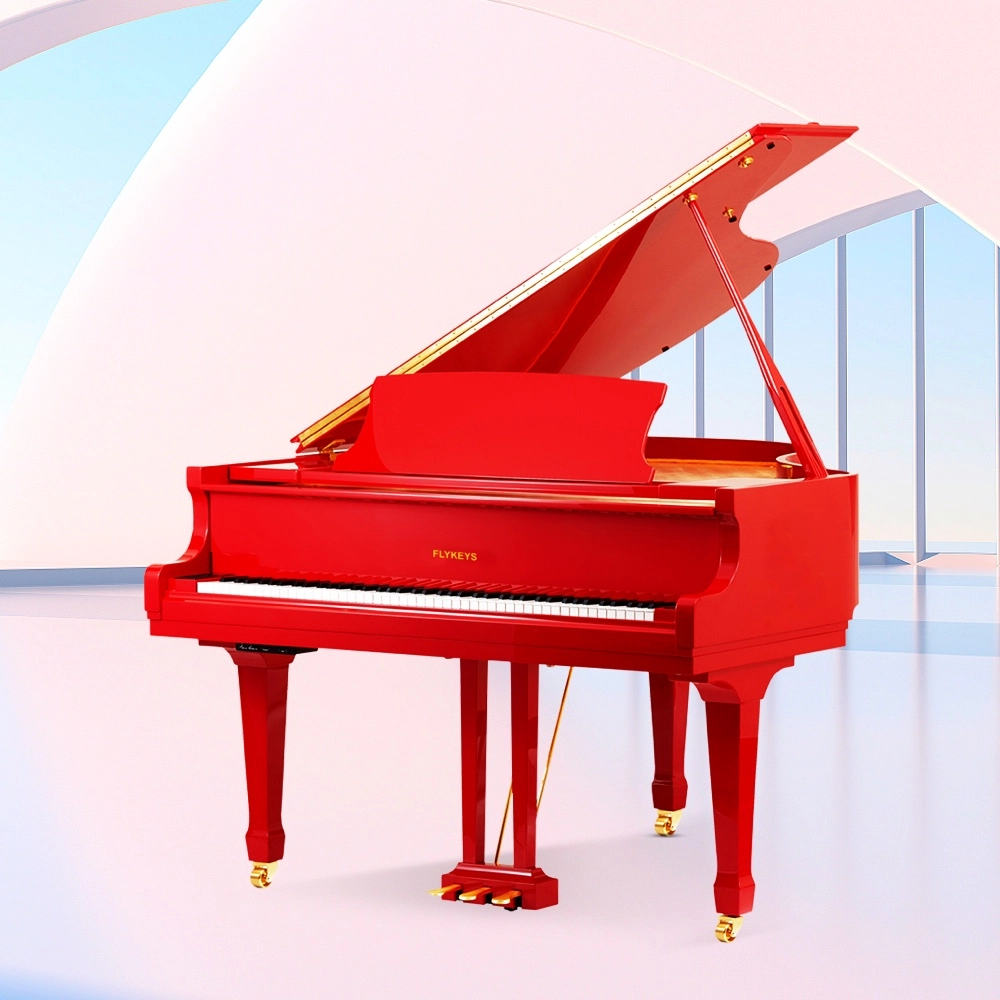
FLYKEYS Professional Digital Grand Piano FGP610 Digital Piano
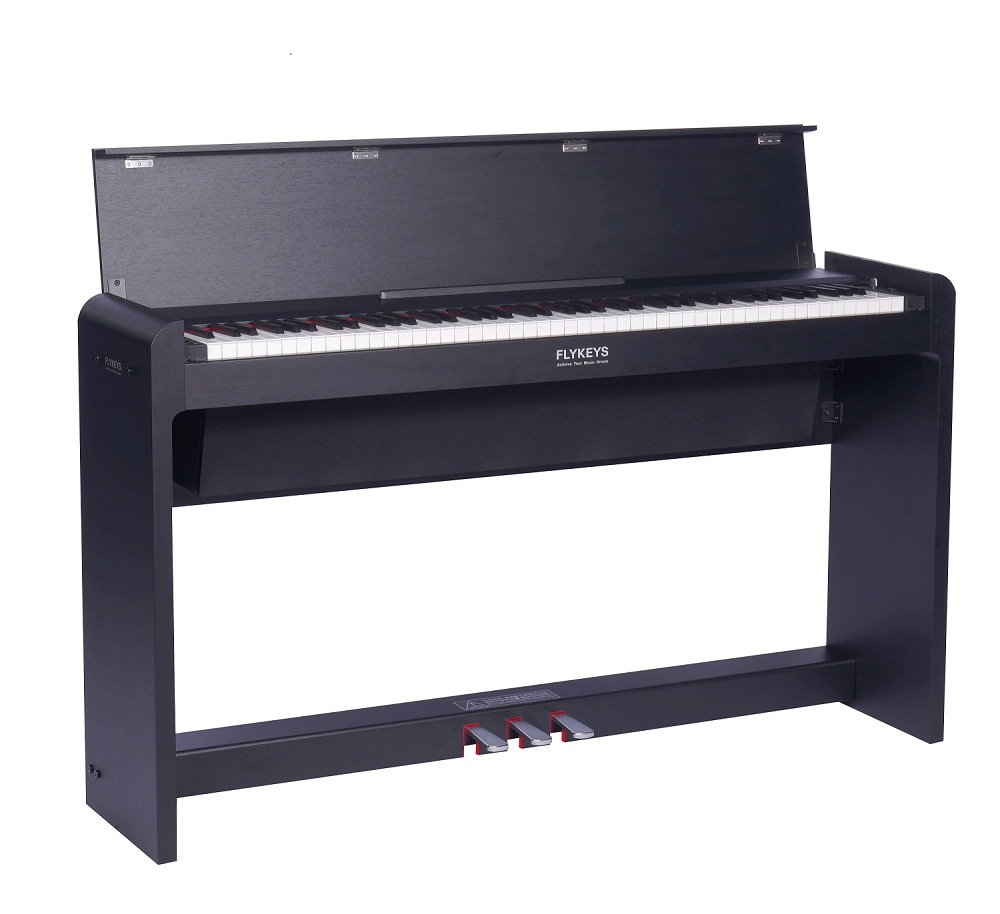
FLYKEYS FDP 5 Digital Piano
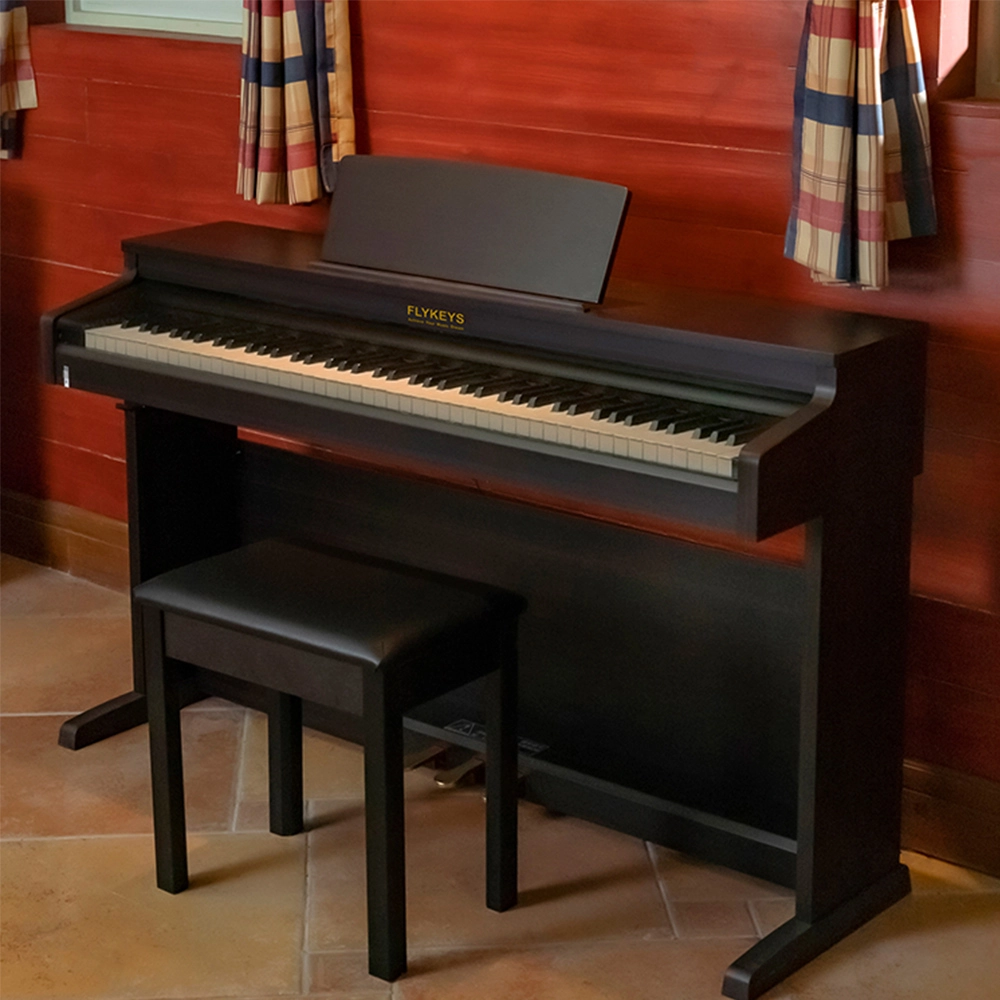
FLYKEYS Upright Electric Piano Built-In Speakers Music Instrument FD05 Digital Piano
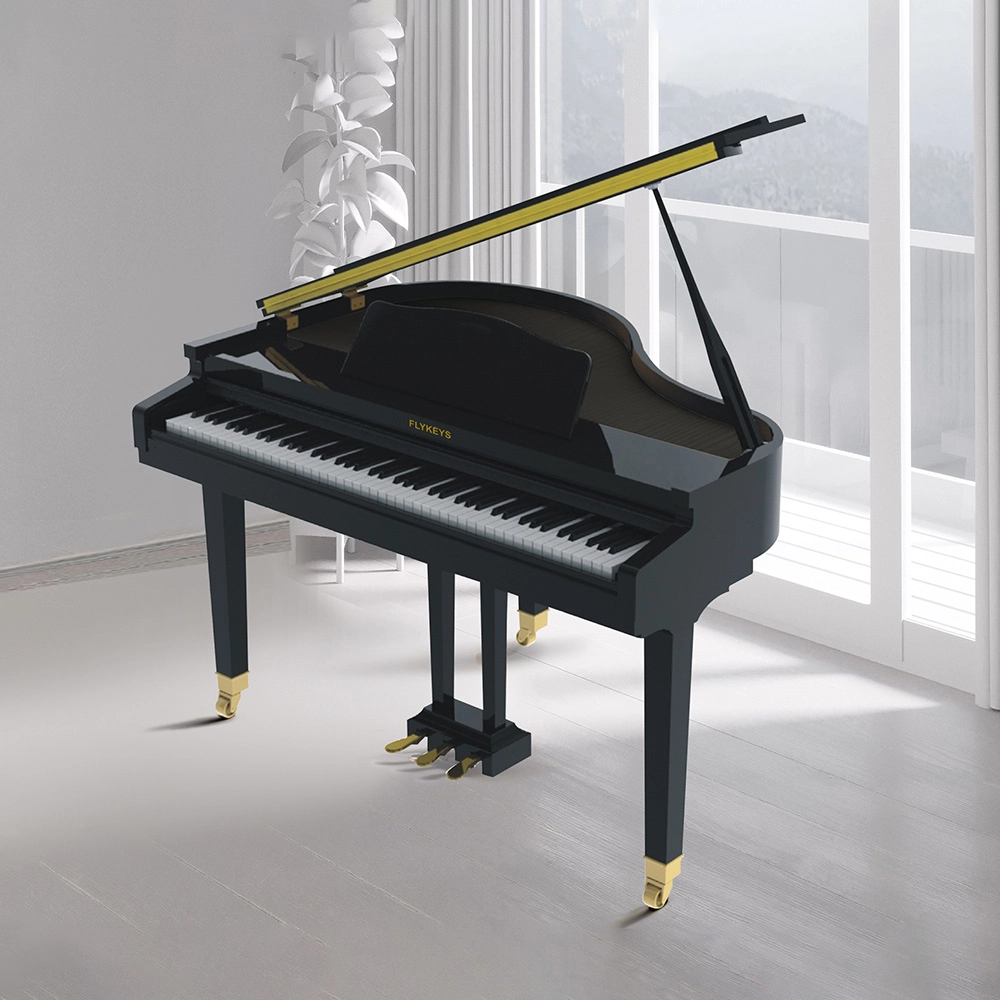
FLYKEYS FGP110 Professional 88-Key Digital Grand Piano with Hammer Action Keyboard
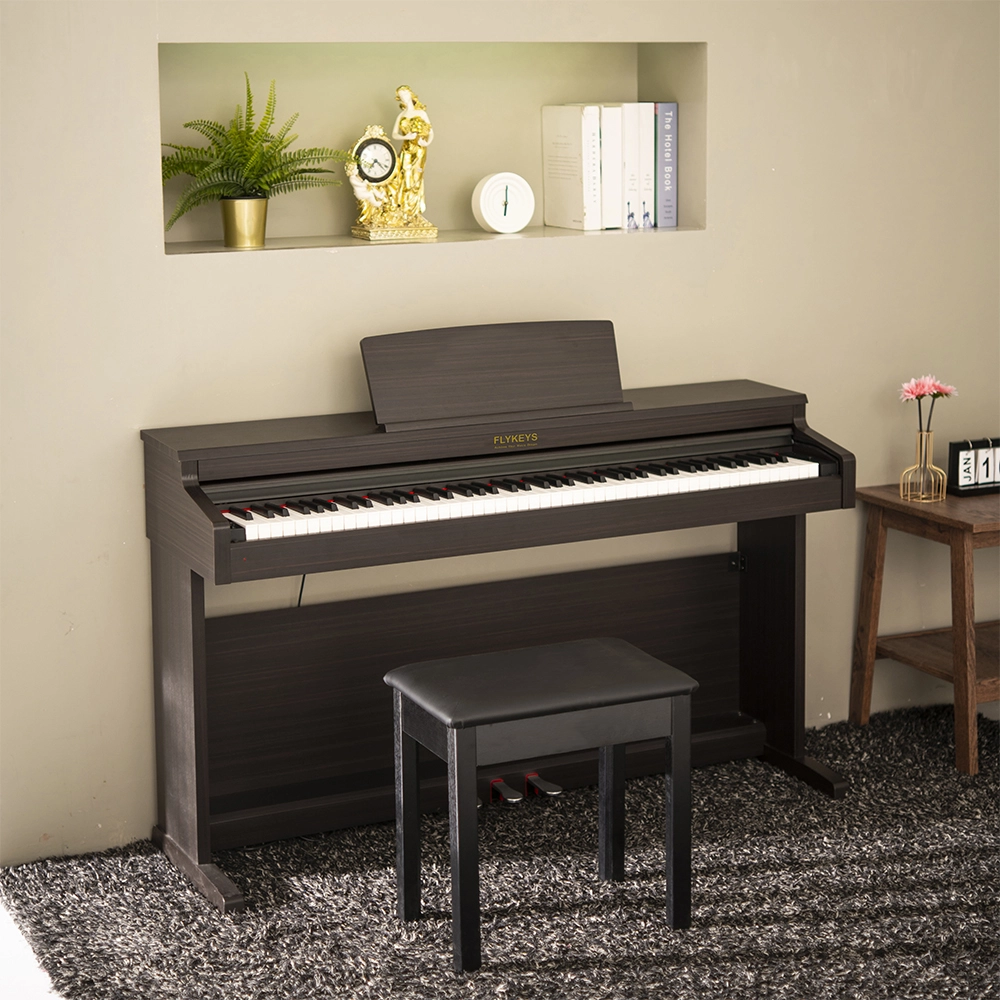
FLYKEYS 88-Keys Hammer-Action keyboard Upright Piano LK03S Digital Piano
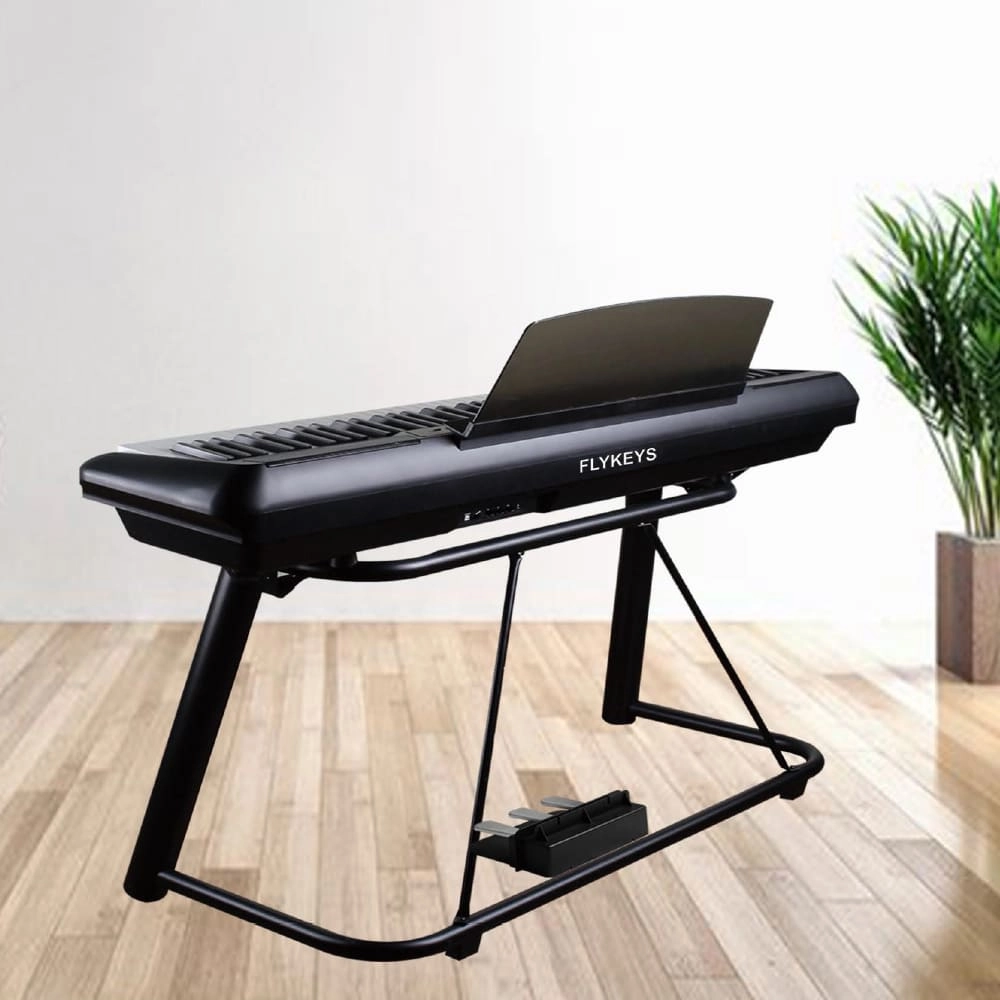
FLYKEYS 88-Keys Portable Piano With Wooden Stand FP6 Digital Piano
Get in touch with us
Have a question or inquiry about our digital pianos products? Leave us a message here and our team will get back to you promptly within 24 hours.
Whether you're interested in custom orders, technical specifications, or partnership opportunities, we're here to assist you.
Rest assured that your privacy is important to us, and all information provided will be handled with the utmost confidentiality.
Address: No. 38 Xiangshan Avenue, Zengcheng Economic And Technological Development Zone, Guangzhou, China.
FOLLOW US:
Copyright© 2026 FLYKEYS All Rights Reserved. 粤 ICP备2020102774号. Designed by Gooeyun. Sitemap | Privacy | Terms
FLYKEYS
FLYKEYS
flykeys-music
Flykeys Music