

How to evaluate sound samples and speaker systems?
Evaluating digital grand pianos requires analyzing multi-layered sampling depth and speaker crossover efficiency. Focus on non-looped decay samples and multi-directional driver arrays that simulate soundboard resonance. High-fidelity audio engines must balance polyphony with spatial acoustic positioning for authentic performance.
Quick Summary
To master the digital grand piano buying guide, one must look beyond marketing jargon. Evaluating sound samples involves identifying multi-velocity layers and long-loop durations that prevent artificial tonal decay. Speaker evaluation requires checking for multi-channel amplification and physical placement that mimics a traditional soundboard's omnidirectional dispersion. High-resolution sampling and acoustic resonance modeling are the twin pillars of a professional-grade digital instrument.
The FLYKEYS Advantage in Acoustic Engineering
At FLYKEYS, we bridge the gap between traditional craftsmanship and digital innovation. Our digital grand pianos utilize Italian Fazioli sampling and sophisticated multi-speaker arrays designed to replicate the complex harmonic overtones of a concert grand. By integrating high-fidelity DSP chips with custom-tuned wooden cabinetry, we ensure that every note carries the weight and nuance required by professional educators and B2B distributors globally. Our commitment to technical excellence ensures your investment provides a lifetime of authentic musical expression.
Explore our professional range at www.flykeysmusic.com or contact our technical consulting team at service@flykeysmusic.com for a detailed specification breakdown.
Deep-Dive Technical FAQs
How many velocity layers are needed for authentic sound?
A professional digital grand piano should feature at least 4 to 10 distinct velocity layers per key. This prevents the 'machine gun effect' where repeated notes sound identical. Advanced systems like those found in FLYKEYS instruments use sophisticated interpolation to create a seamless transition between these layers, ensuring that the timbre changes naturally from pianissimo to fortissimo without audible steps.
What is the difference between sampling and physical modeling?
Sampling involves recording a physical grand piano at various intensities, while physical modeling uses mathematical algorithms to generate sound in real-time. The most elite digital grand pianos utilize a hybrid approach: high-resolution samples for the core tone and physical modeling for complex interactions like sympathetic string resonance and damper noise, providing a more organic response than sampling alone.
Why does speaker wattage not always indicate better sound?
Wattage measures power consumption, not acoustic quality. For a digital grand piano, the efficiency of the drivers and the configuration of the speaker array are more critical. A 40W system with four strategically placed speakers (woofers for depth and tweeters for clarity) will often outperform a 100W stereo pair by creating a spatial sound field that mimics how sound radiates from a real piano's soundboard.
How can I identify artificial looping in sound samples?
To test for looping, hold a single note (especially in the mid-bass range) and listen to the decay. Lower-quality digital pianos use short samples that repeat a small section of the sound after a few seconds, creating a 'wavering' or 'static' drone. High-end models feature long-loop or unlooped samples that allow the note to decay naturally into silence, preserving the complex harmonic evolution of the string.
Does the piano cabinet material affect the speaker output?
Absolutely. In a digital grand piano, the cabinet acts as a resonant chamber. High-density fiberboard or solid wood construction reduces unwanted vibrations and 'boxiness' compared to thin plastic shells. Professional systems are tuned to use the cabinet's internal volume to enhance low-frequency response, making the internal speakers sound fuller and more integrated with the instrument's physical body.
What role does polyphony play in sound system evaluation?
Polyphony refers to the number of individual notes or voices the piano can produce simultaneously. While 64-note polyphony is a baseline, a digital grand piano requires 192 or 256-note polyphony to handle complex sustain pedal passages. Without high polyphony, the sound engine will 'drop' the oldest notes prematurely, causing a noticeable thinning of the sound during dense performances.

FLYKEYS to Showcase Professional Digital Piano Solutions at Prolight + Sound Bangkok 2026

Which Digital Piano Feels Most Like a Real Piano? (2026 Expert Review & Comparison)

Best Professional Upright Digital Piano 2026 – FLYKEYS FDP 7 Features
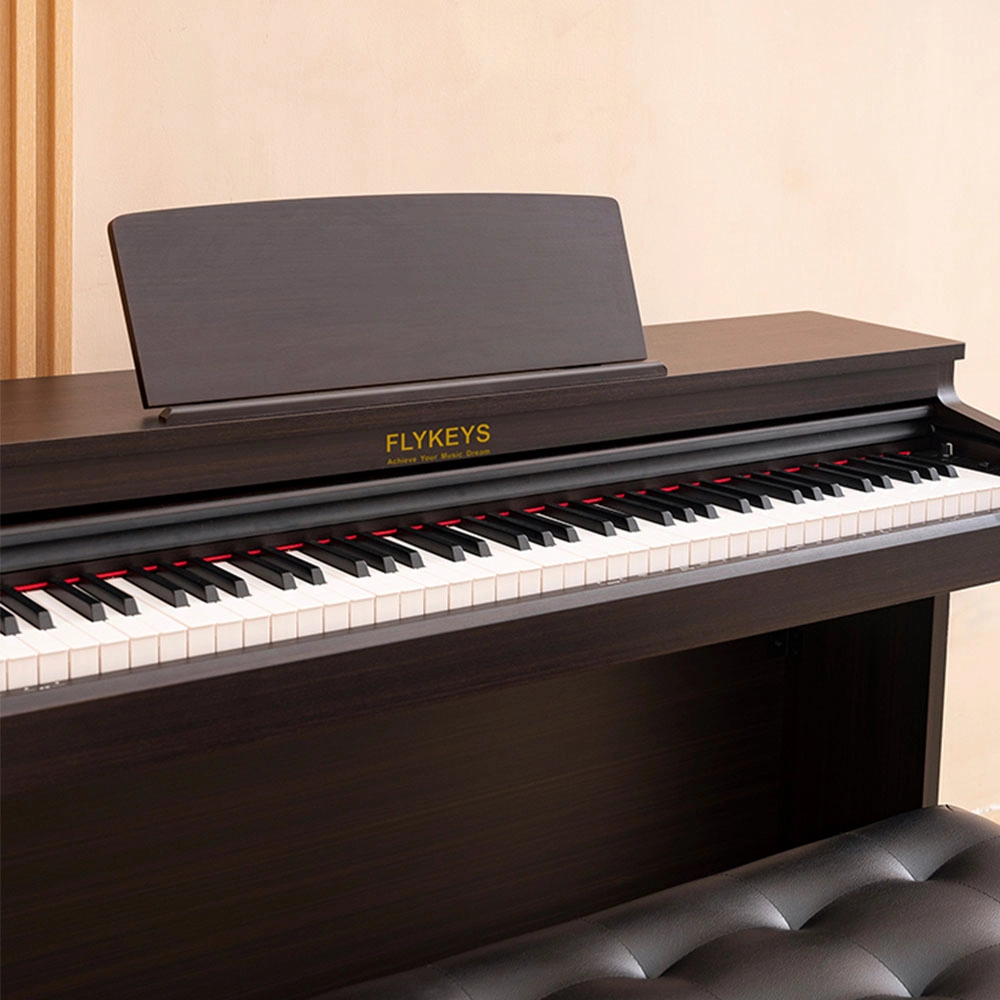
Best 88-Key Keyboard 2026: Top Weighted Picks for Intermediate Players
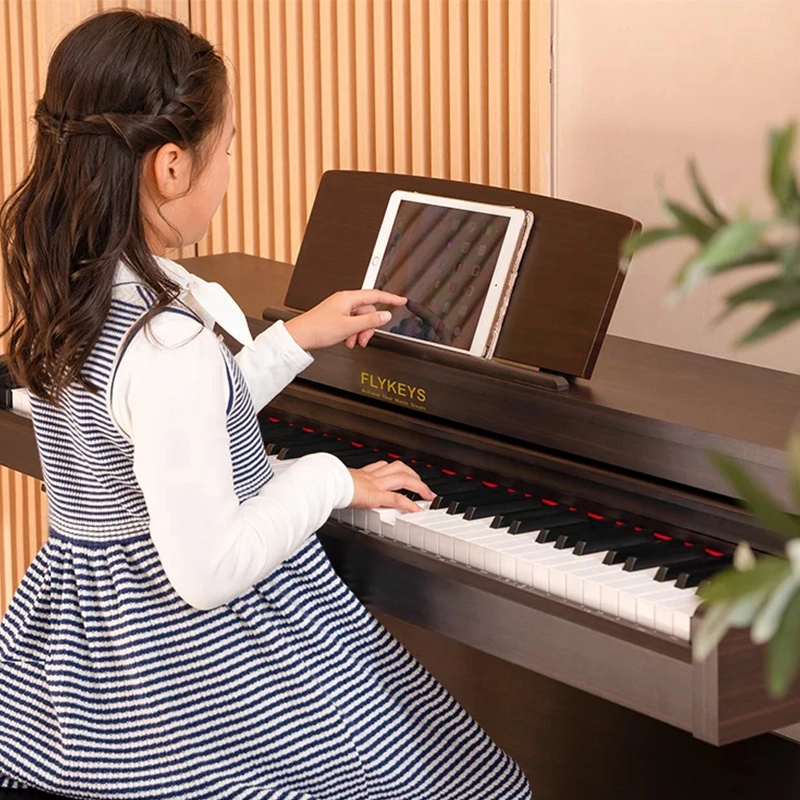
Best 88-Key Digital Pianos for Professionals and Advanced Players: Top Brands, Key Features and Buying Tips (2026)
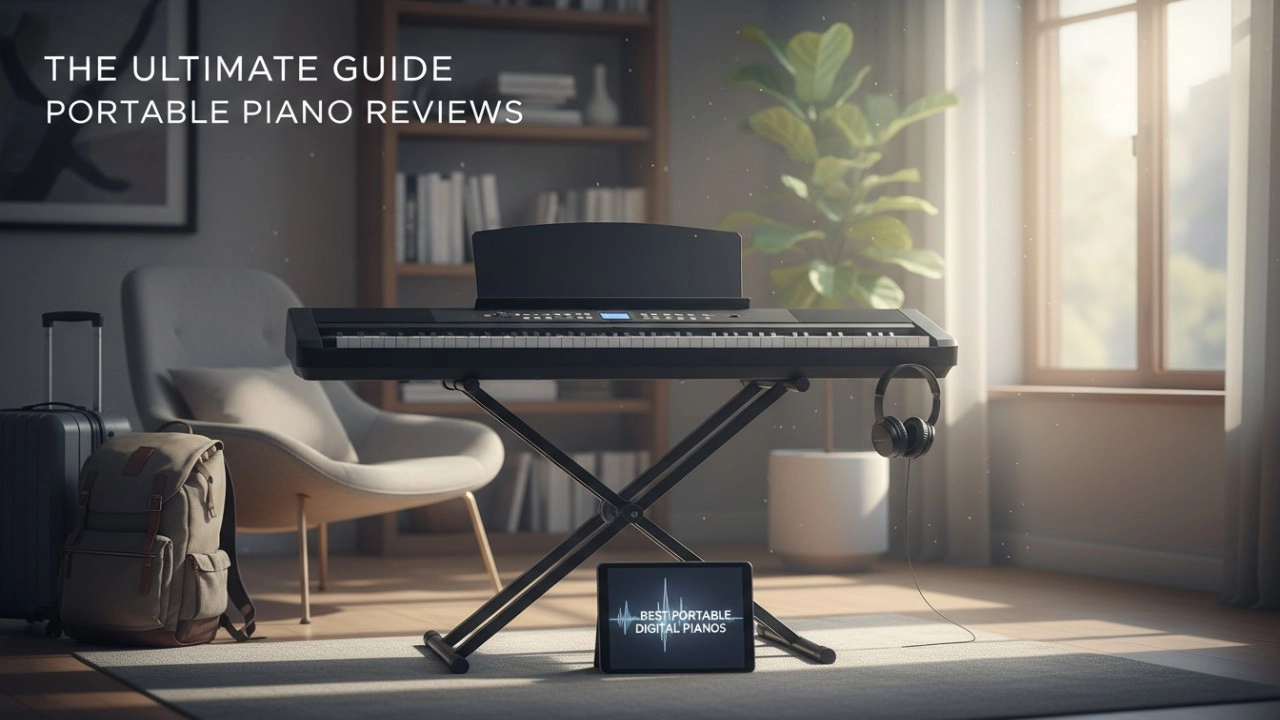
15 Best Portable Digital Pianos of 2026: The Only Comparison Guide You’ll Ever Need
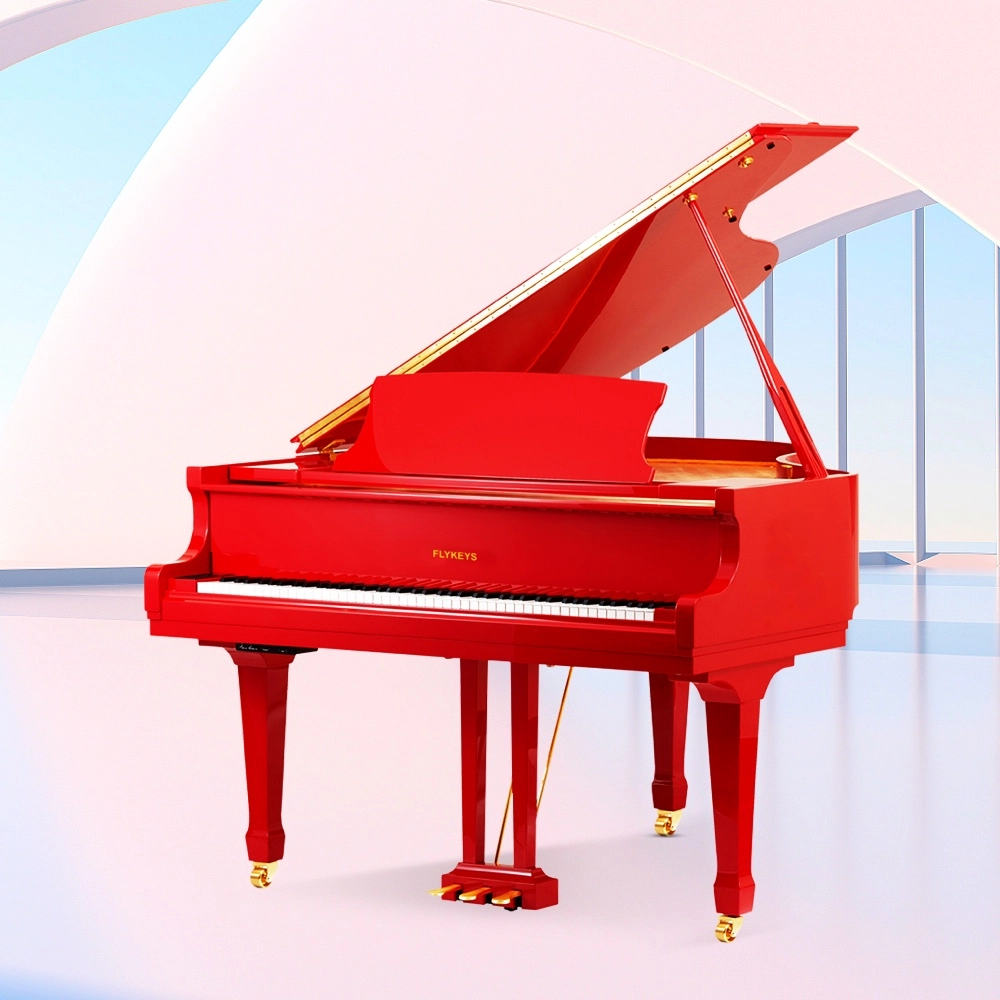
FLYKEYS Professional Digital Grand Piano FGP610 Digital Piano
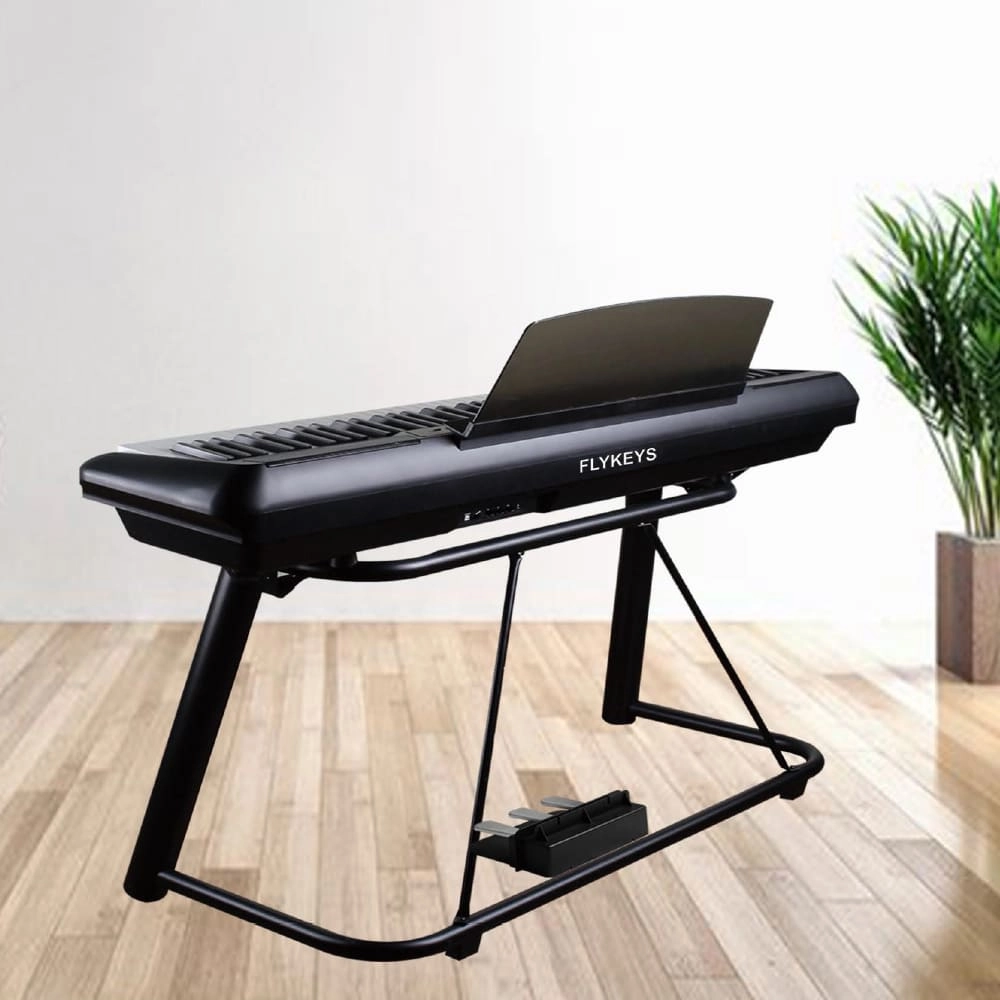
FLYKEYS 88-Keys Portable Piano With Wooden Stand FP6 Digital Piano
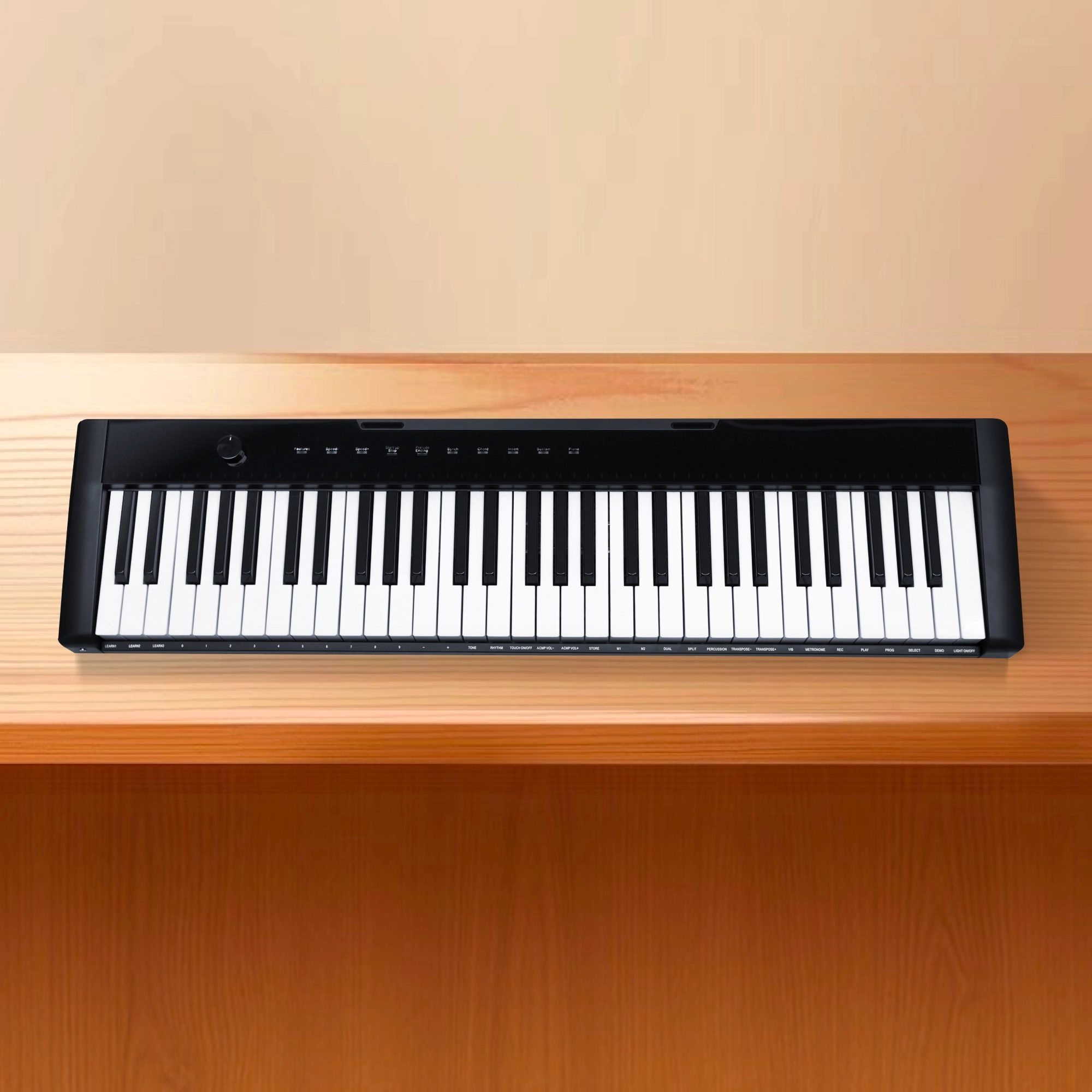
FLYKEYS 61-keys portable electronic keyboard piano with X stand (M2)
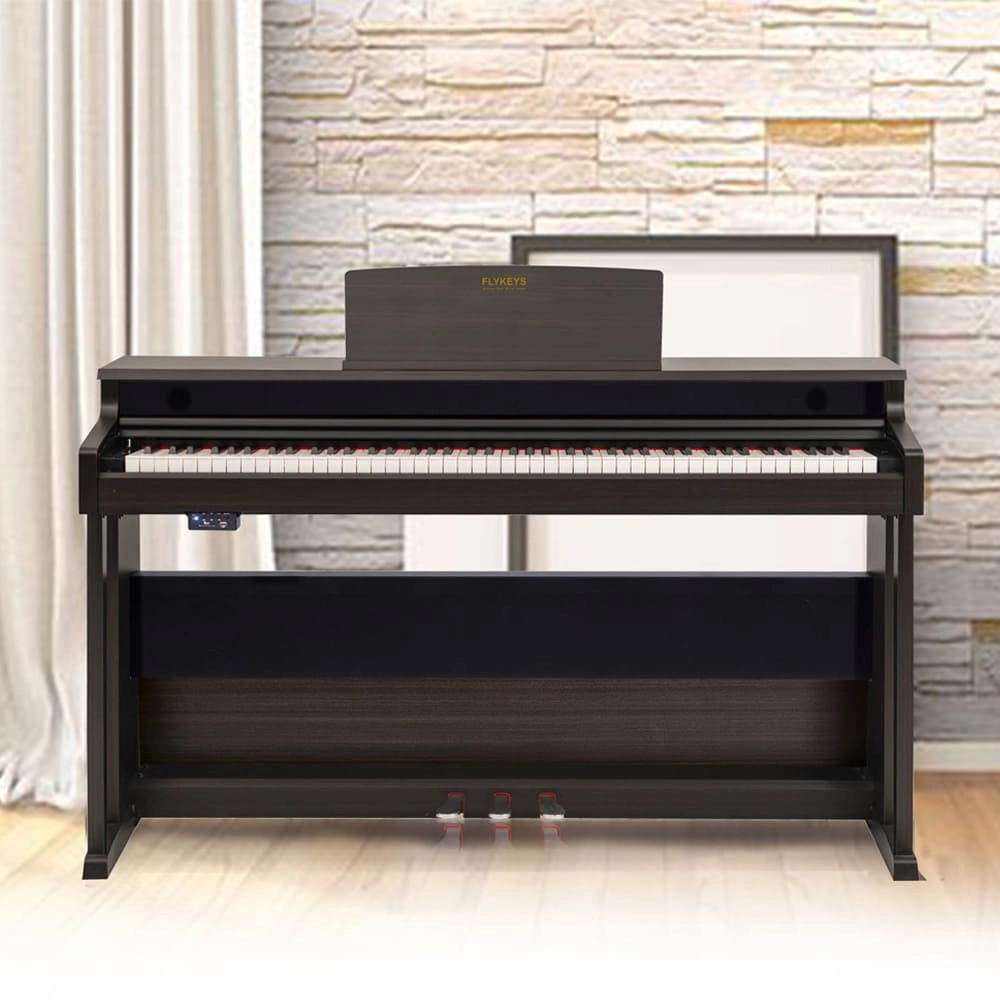
FLYKEYS Upright Piano Wooden Panel 88-KEYS Piano FK130 Digital Piano

FLYKEYS FDP 7 Professional Upright Digital Piano | 88-Key Hammer-Action | Concert Grade Performance
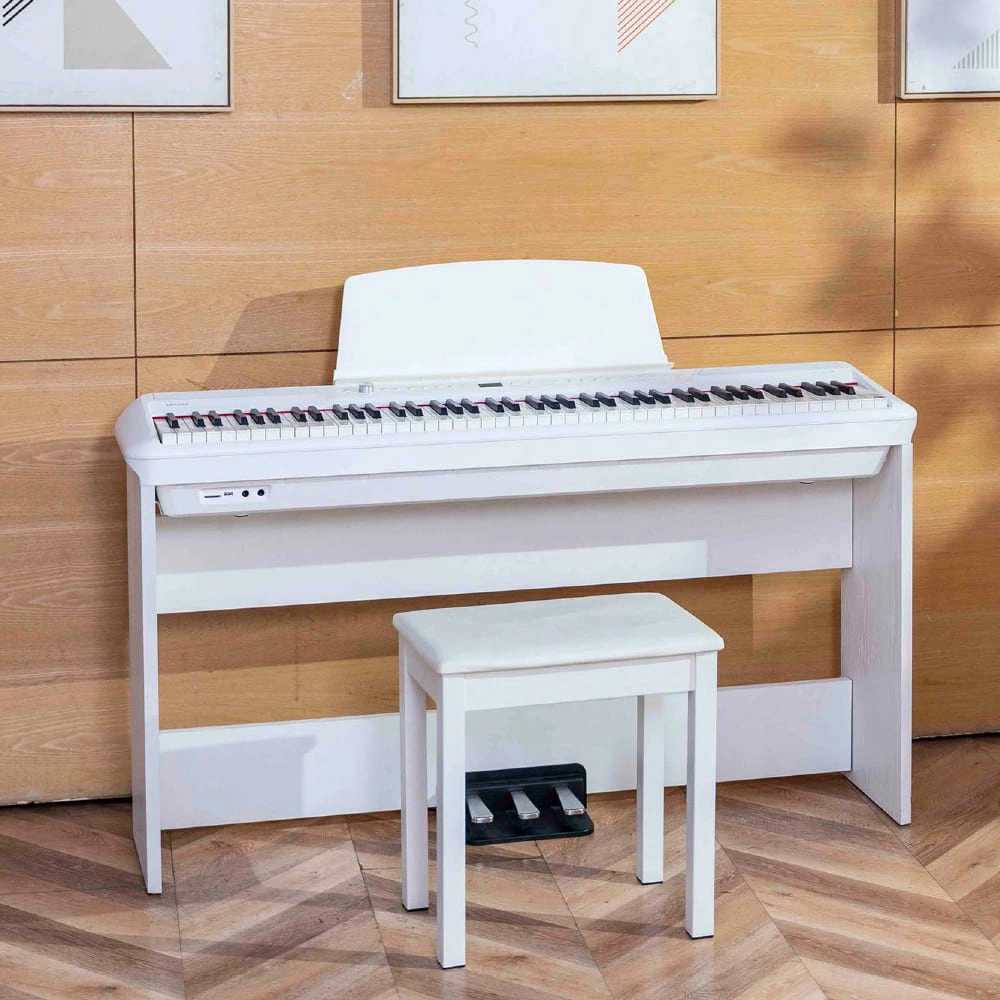
FLYKEYS Portable Electric Keyboard FP9 Digital Piano
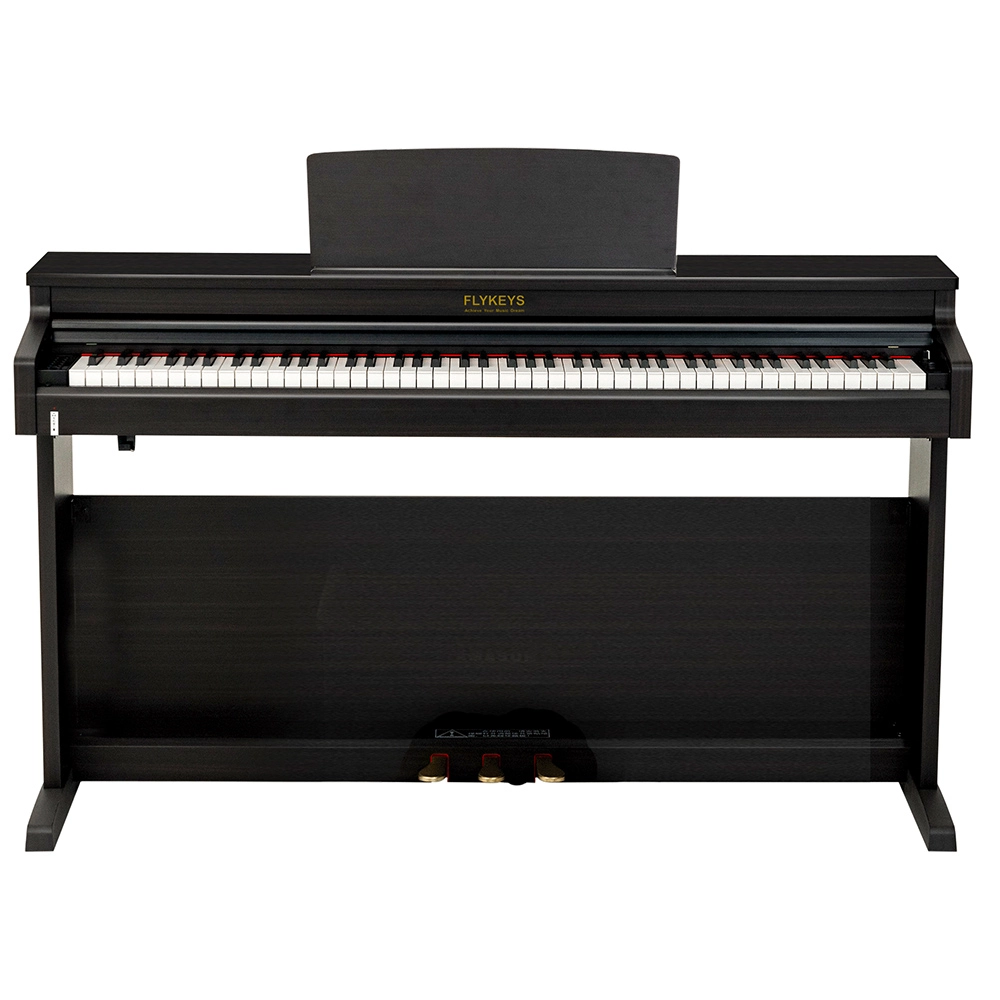
FLYKEYS Upright Digital Piano FDP 3
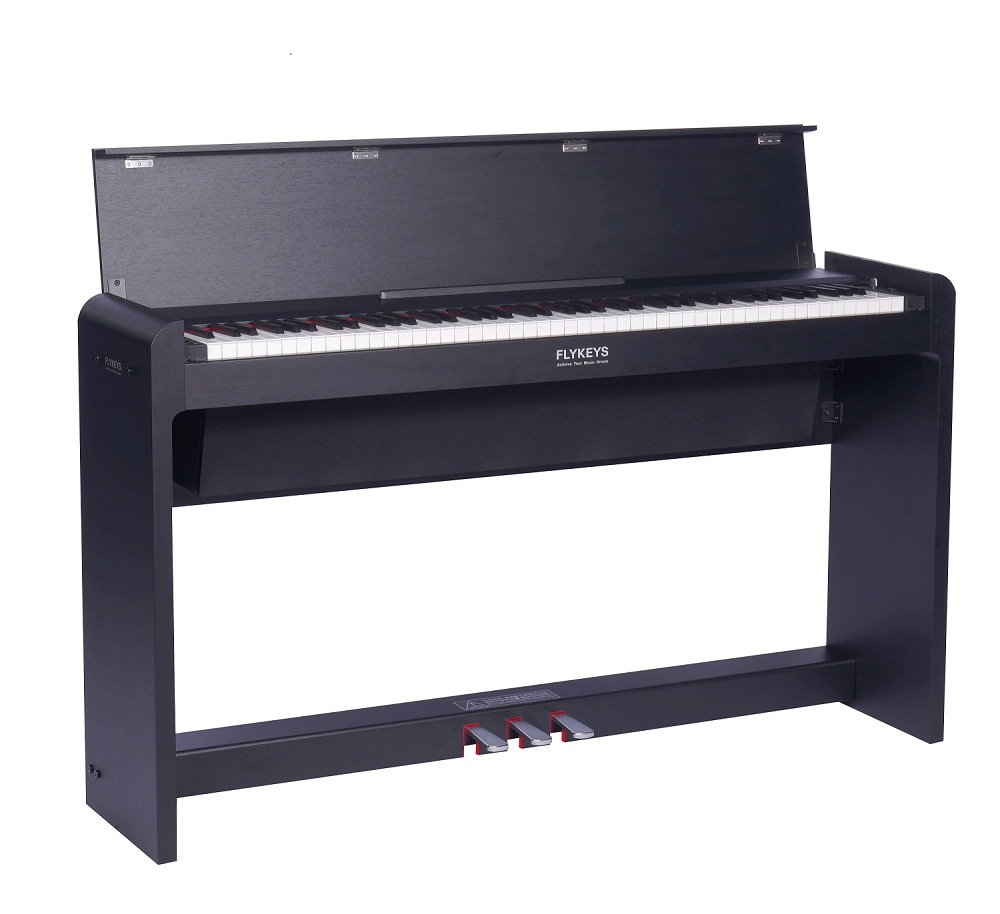
FLYKEYS FDP 5 Digital Piano
Get in touch with us
Have a question or inquiry about our digital pianos products? Leave us a message here and our team will get back to you promptly within 24 hours.
Whether you're interested in custom orders, technical specifications, or partnership opportunities, we're here to assist you.
Rest assured that your privacy is important to us, and all information provided will be handled with the utmost confidentiality.
Address: No. 38 Xiangshan Avenue, Zengcheng Economic And Technological Development Zone, Guangzhou, China.
FOLLOW US:
Copyright© 2026 FLYKEYS All Rights Reserved. 粤 ICP备2020102774号. Designed by Gooeyun. Sitemap | Privacy | Terms
FLYKEYS
FLYKEYS
flykeys-music
Flykeys Music