

Which piano offers better expression controls: digital vs acoustic?
The debate over expression controls between a digital grand piano vs acoustic grand hinges on mechanical feedback versus sensor precision. While acoustic instruments offer organic string resonance, high-end digital pianos now provide superior consistency, customizable velocity curves, and MIDI-based articulation that traditional pianos cannot replicate.
The debate surrounding expression controls in the digital grand piano vs acoustic grand landscape has shifted significantly. Historically, the acoustic piano was the undisputed king of nuance due to its complex mechanical linkage. However, modern engineering has introduced a level of precision in digital instruments that challenges this hierarchy. Expression is no longer just about the physical strike; it is about the translation of intent into sound. In high-performance digital models, the integration of multi-sensor keybeds and high-resolution velocity mapping allows for a level of control that is often more consistent than an unmaintained acoustic counterpart. This article explores the technical nuances that define expressive capabilities in today's market.
Does hammer weight impact repetition speed in digital pianos?
In a traditional acoustic grand, the double escapement mechanism allows for rapid note repetition without the key returning to its rest position. Many beginners assume digital pianos lack this. However, High Quality digital grand piano vs acoustic grand comparisons reveal that high-end digitals utilize triple-sensor actions. These sensors detect the hammer's position independently of the key, allowing for faster repetition and more granular control over soft (pianissimo) passages. Unlike acoustic pianos, which require frequent regulation to maintain this response, a digital action remains perfectly calibrated indefinitely.
How does escapement simulation affect the player's tactile feedback?
The 'let-off' or escapement feel is the slight resistance felt when pressing an acoustic key slowly. While purely mechanical in an acoustic, in a digital grand piano vs acoustic grand context, this is simulated to provide the pianist with a familiar tactile reference point. This feedback is crucial for controlling delicate trills and soft entries. Without it, a digital piano can feel 'linear' and lifeless. FLYKEYS incorporates weighted actions that replicate this specific physical 'notch,' ensuring that the transition from digital to acoustic is seamless for professional performers.
Can digital pianos replicate the sympathetic string resonance effect?
One of the deepest pain points for purists is sympathetic resonance—the way unplayed strings vibrate when other notes are struck. In the digital grand piano vs acoustic grand debate, this was once a weakness for digital. Today, sophisticated Physical Modeling technology calculates these harmonic interactions in real-time. Unlike simple sampling, which is static, modeling allows the digital piano to behave like a living organism, responding to pedal depth and chord clusters with the same harmonic complexity found in a 9-foot concert grand.
Is MIDI velocity resolution sufficient for professional expressive playing?
Standard MIDI has 128 levels of velocity, which some argue is insufficient compared to the infinite gradients of an acoustic string. However, the industry has moved toward High-Resolution MIDI and proprietary internal processing that exceeds 16,000 levels of detection. When comparing a digital grand piano vs acoustic grand, the human ear cannot distinguish between these micro-steps. This digital precision actually allows for 'velocity curve' customization, enabling a player to tailor the instrument's dynamic range to their specific finger strength—a feat impossible on an acoustic piano without a technician.
Do digital pedals offer the same half-pedaling nuance?
Beginners often struggle with the 'on/off' nature of entry-level sustain pedals. Professional digital grand piano vs acoustic grand comparisons highlight the necessity of continuous detection pedals. These sensors allow for 'half-pedaling,' where the dampers just graze the strings. This creates a wash of sound without blurring the harmony. Modern digital systems accurately track the exact millimeter of pedal travel, providing a level of atmospheric control that rivals the most sensitive lyre assemblies on acoustic grands.
How does sound projection influence the perception of expression?
Expression is not just felt; it is heard. The way sound radiates from a soundboard is spherical, whereas many digital pianos use directional speakers. To bridge this gap, High Quality digital grand piano vs acoustic grand designs now incorporate multi-channel spatial speaker systems and even real wooden soundboards. This ensures that the expressive energy the player puts into the keys is reflected back to them with the same three-dimensional presence as an acoustic instrument, eliminating the 'boxed-in' feel of traditional digital audio.
As a leader in the digital musical instrument industry, FLYKEYS leverages decades of research and development to bridge the gap between mechanical tradition and digital innovation. Our instruments are engineered to provide the most demanding pianists with the expressive tools necessary for world-class performance, combining the reliability of modern technology with the soul of a concert grand. We pride ourselves on delivering E-E-A-T compliant solutions that serve both educational institutions and professional stages globally.
Frequently Asked Questions
Does hammer weight impact repetition speed in digital pianos?
Premium digital pianos utilize triple-sensor actions that detect hammer position independently of the key. This allows for rapid note repetition and granular control over pianissimo passages, remaining more consistent over time than an acoustic action that requires regular regulation.
How does escapement simulation affect the player's tactile feedback?
Escapement simulation replicates the 'let-off' resistance felt in acoustic pianos. This tactile 'notch' is essential for controlling delicate trills and soft entries, providing a familiar reference point for professional pianists transitioning between instruments.
Can digital pianos replicate the sympathetic string resonance effect?
Yes, through Physical Modeling technology. Modern digital pianos calculate harmonic interactions in real-time based on pedal depth and chord clusters, mimicking the organic harmonic complexity of an acoustic soundboard.
Is MIDI velocity resolution sufficient for professional expressive playing?
While standard MIDI uses 128 levels, professional digital pianos use High-Resolution processing with over 16,000 levels. This exceeds human perception and allows for customizable velocity curves to match a player's specific touch.
Do digital pedals offer the same half-pedaling nuance?
High-end digital pianos feature continuous detection pedals that track the exact millimeter of travel. This allows for 'half-pedaling' techniques, providing the same atmospheric and sustain control found on acoustic grand pianos.
How does sound projection influence the perception of expression?
To match the spherical radiation of an acoustic soundboard, premium digital pianos use multi-channel spatial speaker systems. This creates a three-dimensional sound field that ensures the player's expressive input is heard with natural depth and presence.
- Does hammer weight impact repetition speed in digital pianos?
- How does escapement simulation affect the player's tactile feedback?
- Can digital pianos replicate the sympathetic string resonance effect?
- Is MIDI velocity resolution sufficient for professional expressive playing?
- Do digital pedals offer the same half-pedaling nuance?
- How does sound projection influence the perception of expression?
- Frequently Asked Questions

FLYKEYS to Showcase Professional Digital Piano Solutions at Prolight + Sound Bangkok 2026

Which Digital Piano Feels Most Like a Real Piano? (2026 Expert Review & Comparison)

Best Professional Upright Digital Piano 2026 – FLYKEYS FDP 7 Features
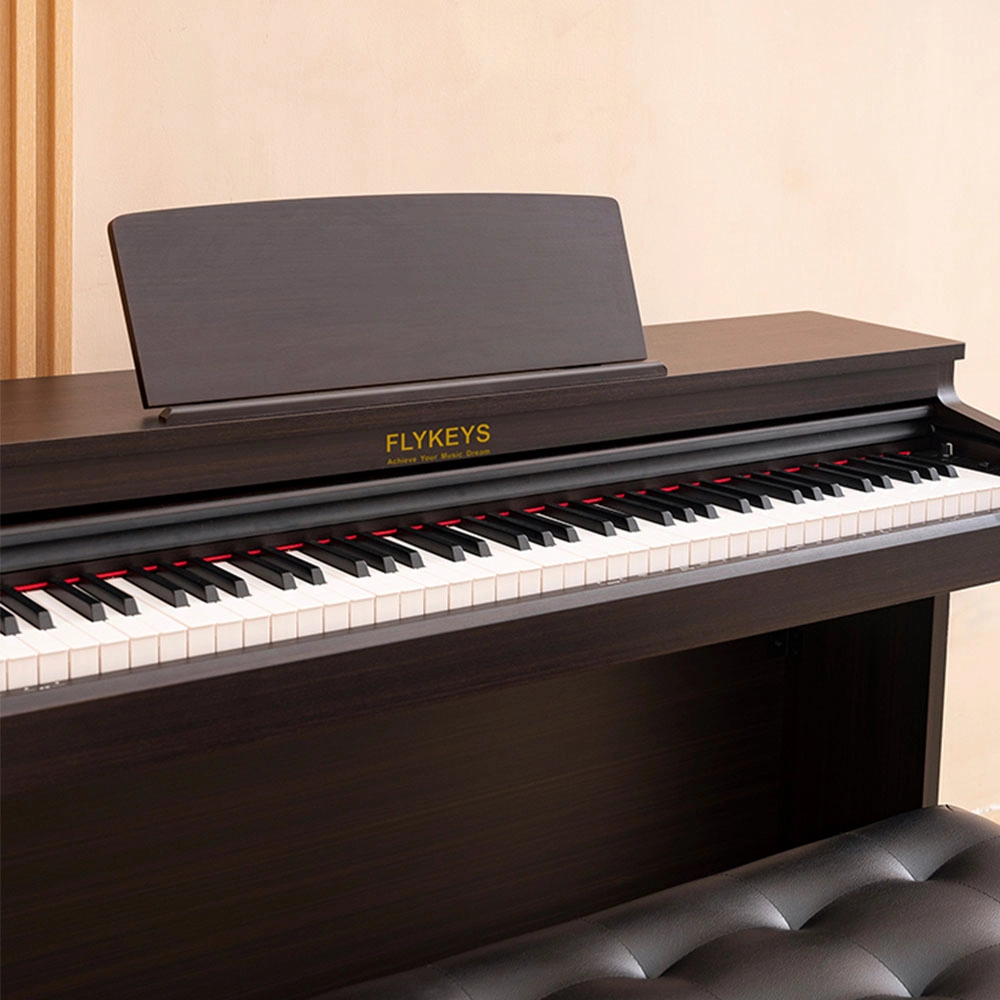
Best 88-Key Keyboard 2026: Top Weighted Picks for Intermediate Players
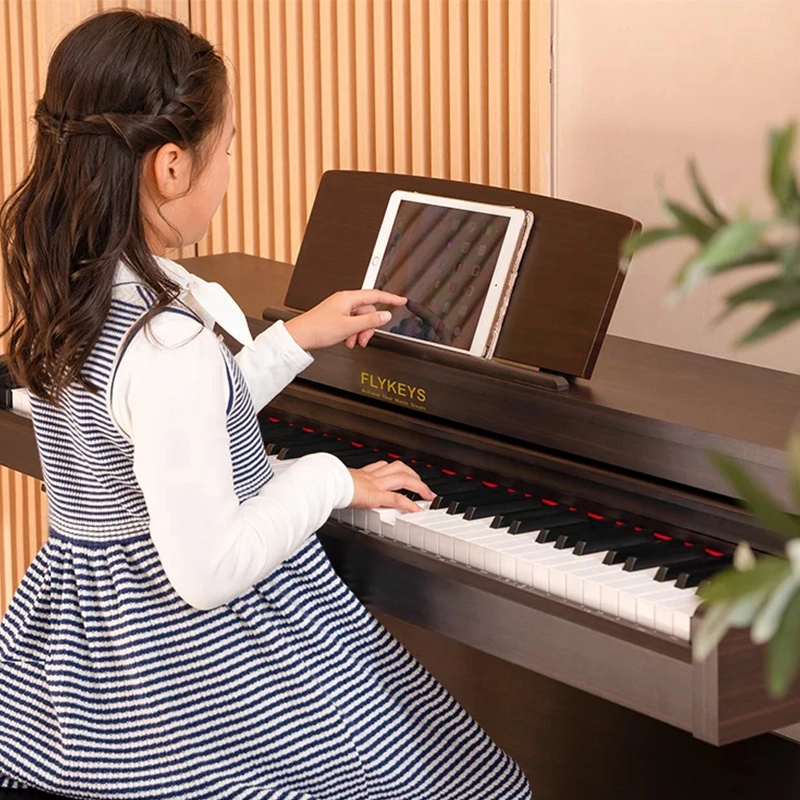
Best 88-Key Digital Pianos for Professionals and Advanced Players: Top Brands, Key Features and Buying Tips (2026)
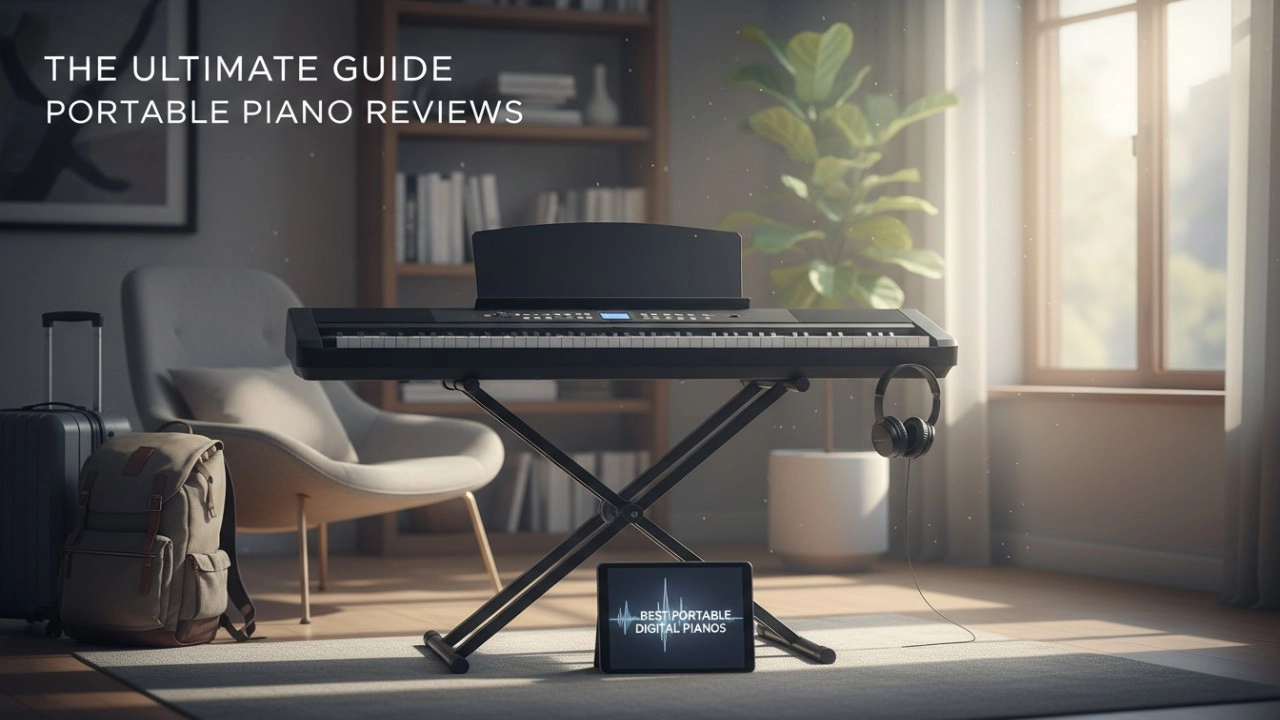
15 Best Portable Digital Pianos of 2026: The Only Comparison Guide You’ll Ever Need
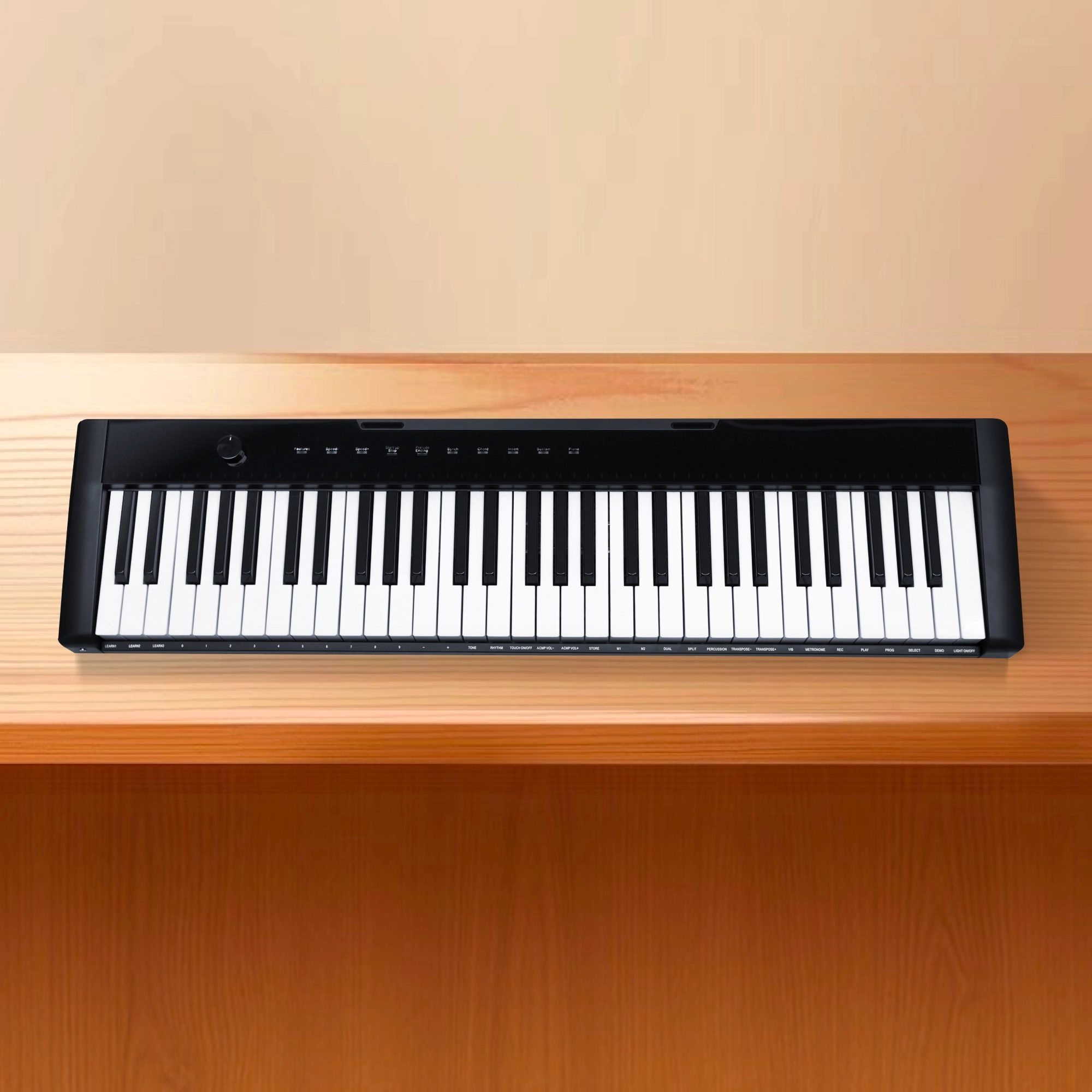
FLYKEYS 61-keys portable electronic keyboard piano with X stand (M2)
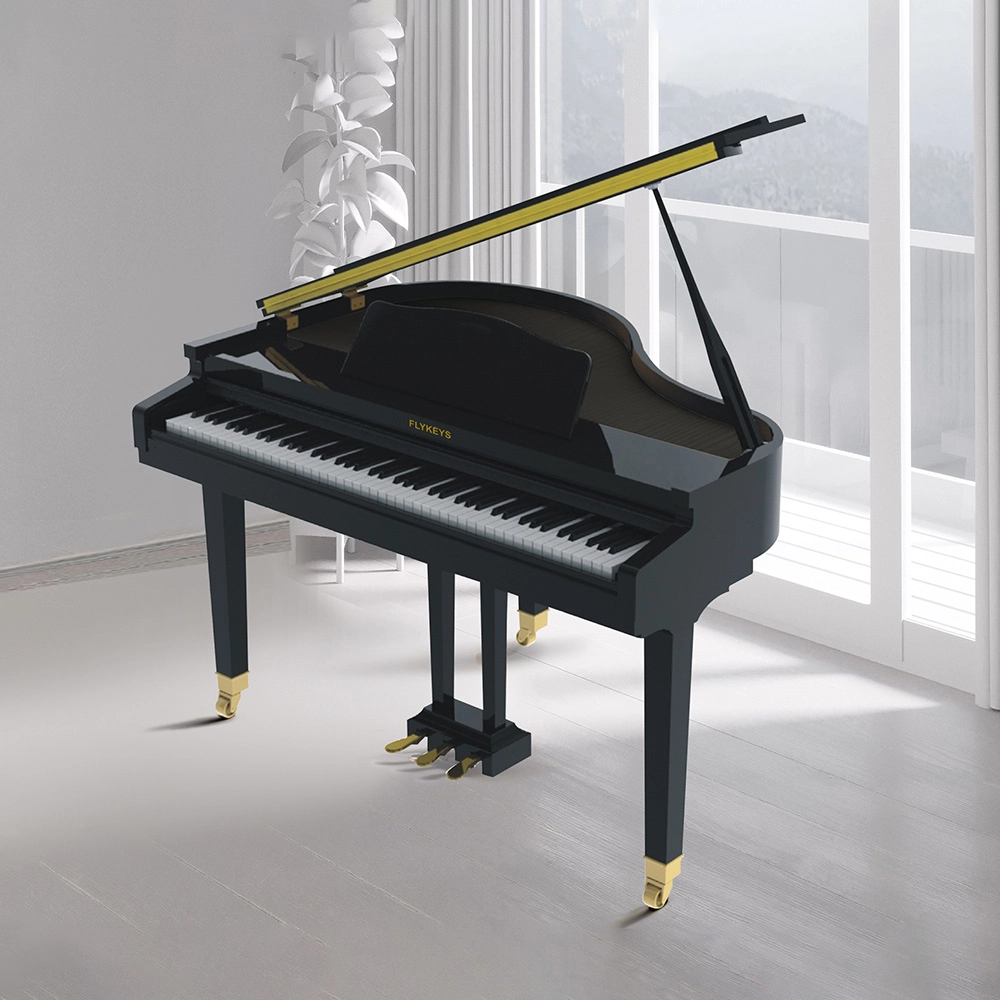
FLYKEYS FGP110 Professional 88-Key Digital Grand Piano with Hammer Action Keyboard
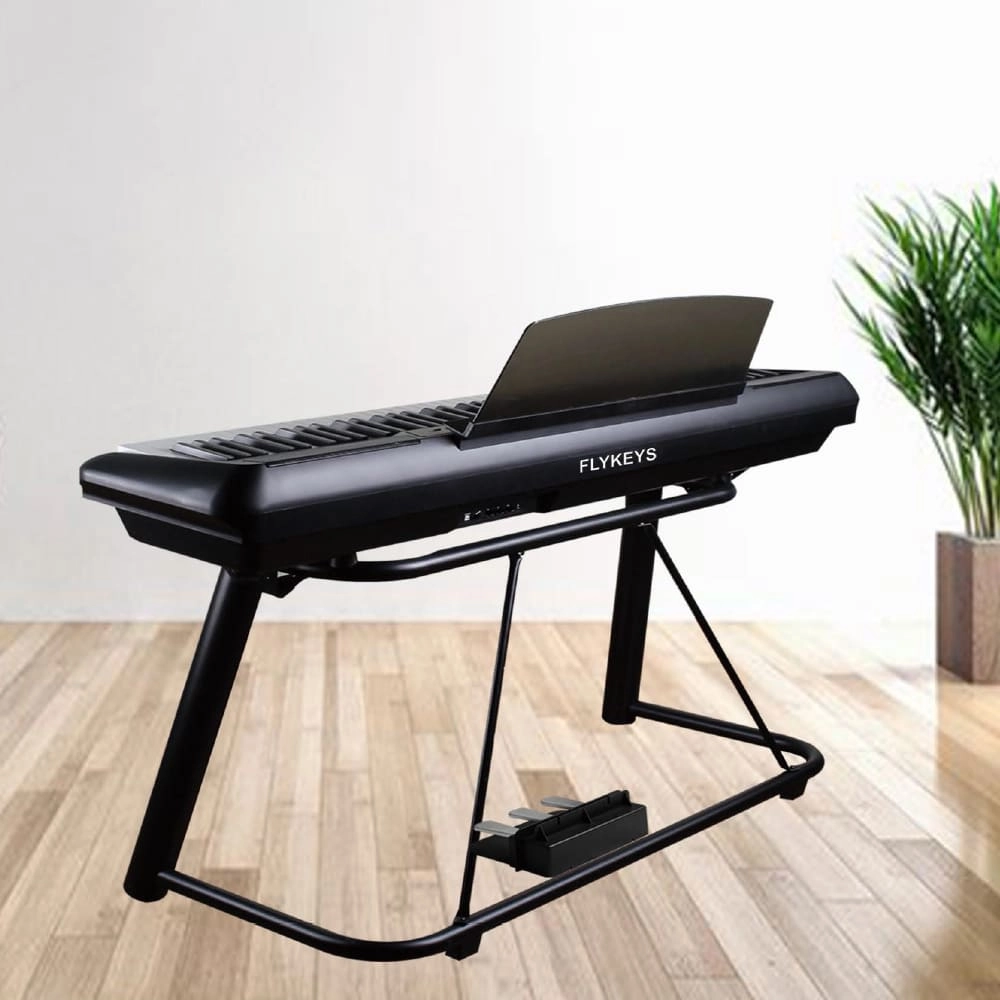
FLYKEYS 88-Keys Portable Piano With Wooden Stand FP6 Digital Piano
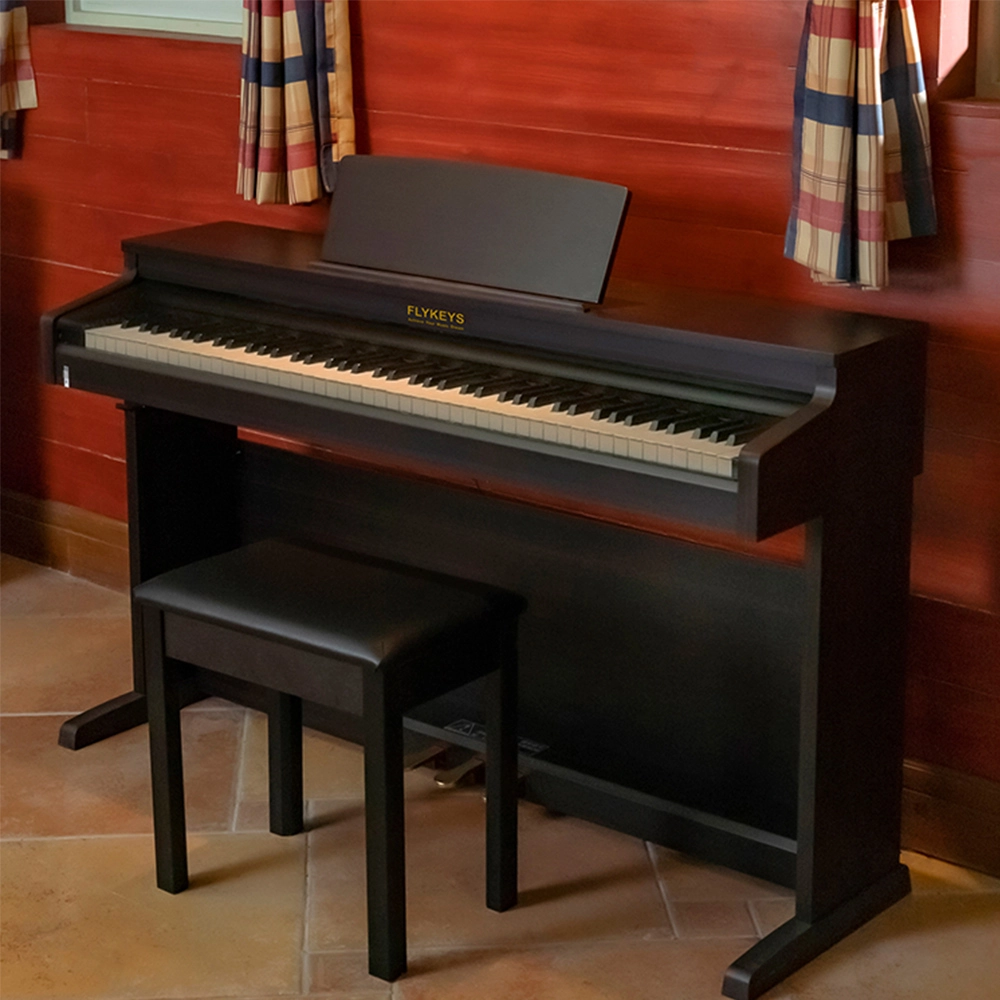
FLYKEYS Upright Electric Piano Built-In Speakers Music Instrument FD05 Digital Piano

FLYKEYS FDP 7 Professional Upright Digital Piano | 88-Key Hammer-Action | Concert Grade Performance
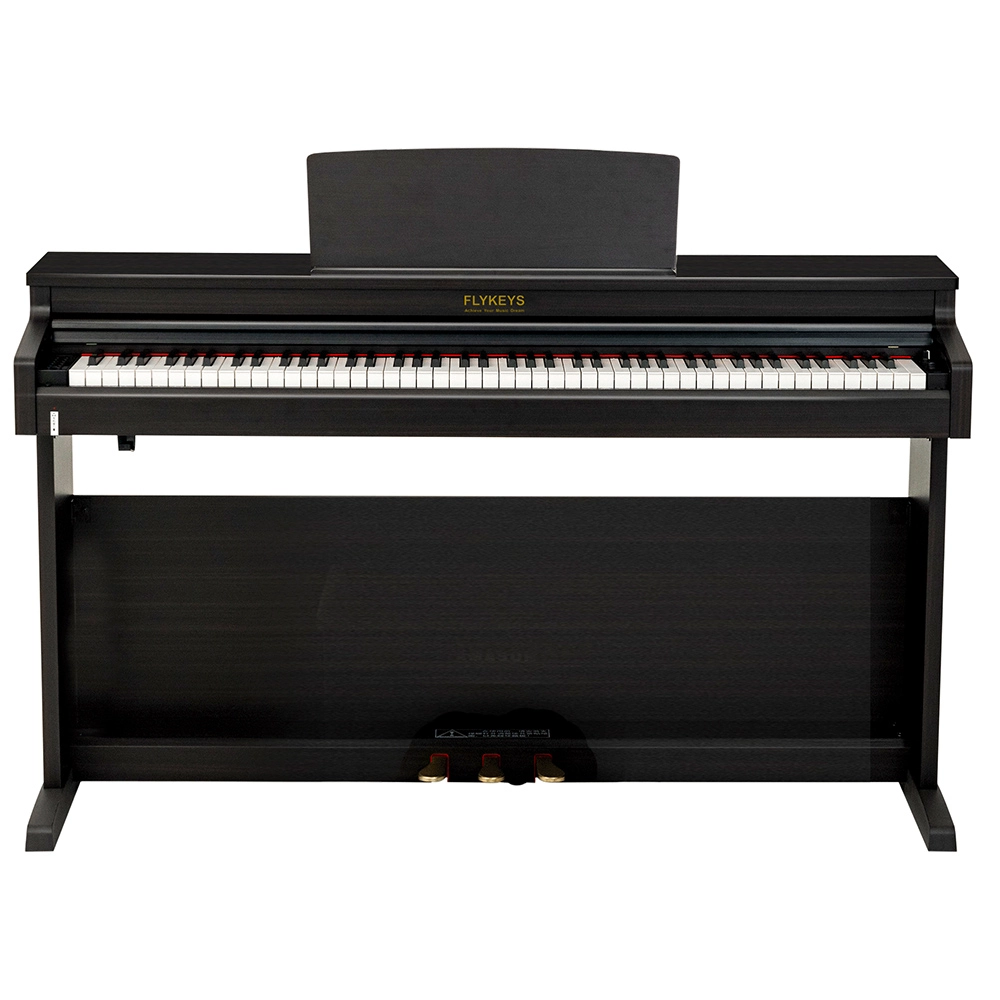
FLYKEYS Upright Digital Piano FDP 3
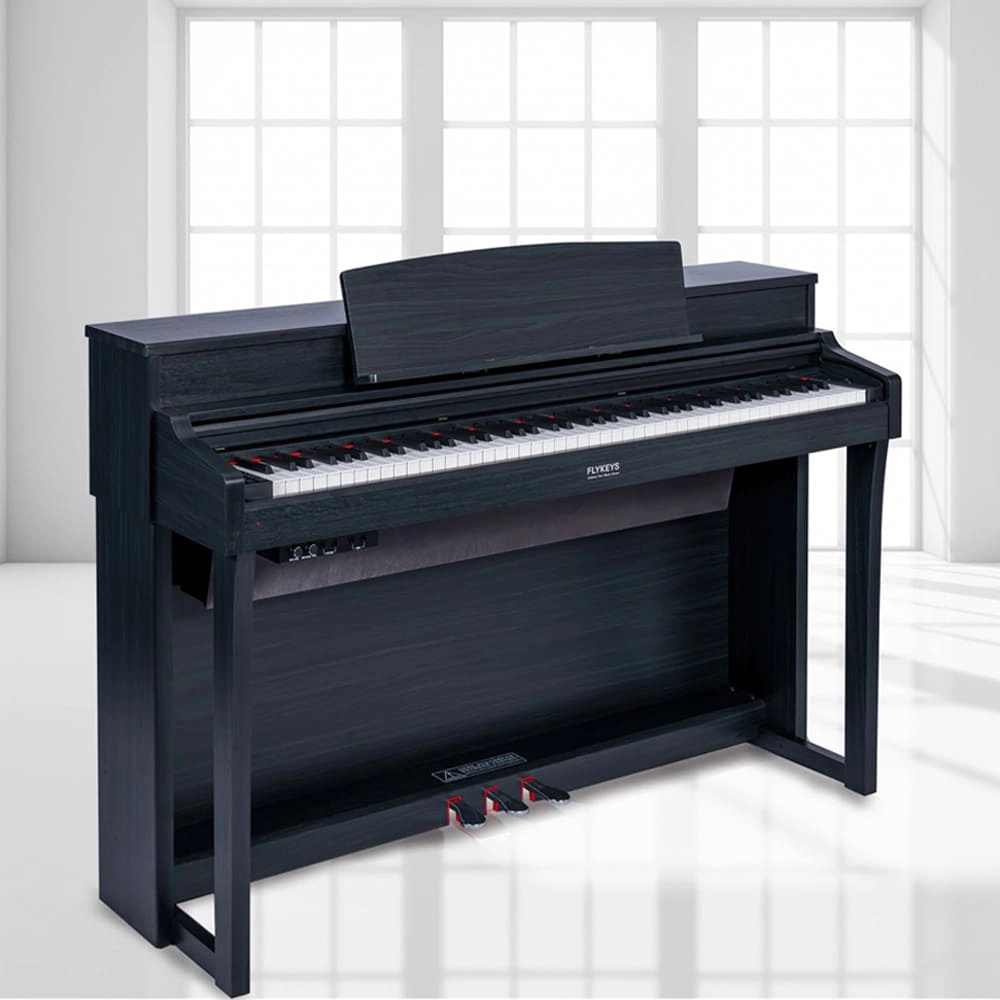
FLYKEYS Upright Digital Piano 88-Keys Hammer-Action Keyboard FK330 Digital Piano
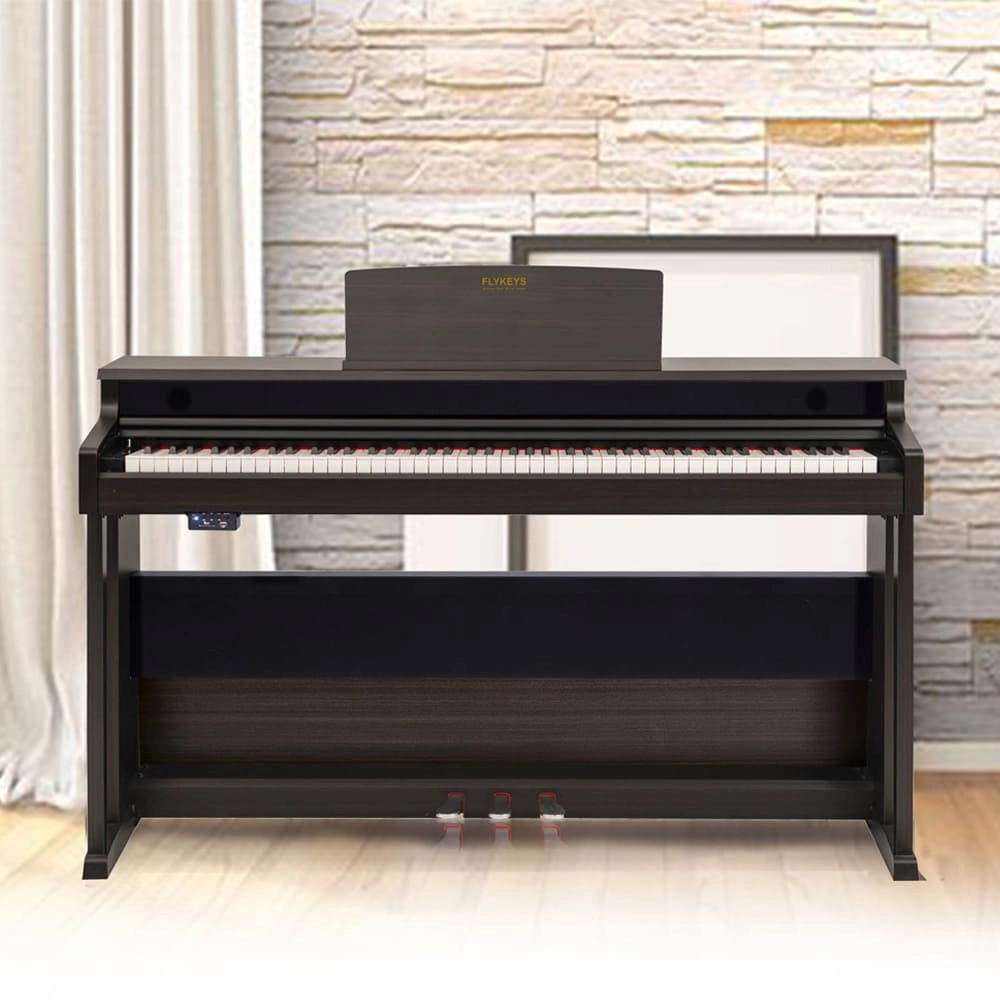
FLYKEYS Upright Piano Wooden Panel 88-KEYS Piano FK130 Digital Piano
Get in touch with us
Have a question or inquiry about our digital pianos products? Leave us a message here and our team will get back to you promptly within 24 hours.
Whether you're interested in custom orders, technical specifications, or partnership opportunities, we're here to assist you.
Rest assured that your privacy is important to us, and all information provided will be handled with the utmost confidentiality.
Address: No. 38 Xiangshan Avenue, Zengcheng Economic And Technological Development Zone, Guangzhou, China.
FOLLOW US:
Copyright© 2026 FLYKEYS All Rights Reserved. 粤 ICP备2020102774号. Designed by Gooeyun. Sitemap | Privacy | Terms
FLYKEYS
FLYKEYS
flykeys-music
Flykeys Music