

Which piano offers more customizable sounds: digital or acoustic?
When comparing a digital grand piano vs acoustic grand, the digital medium offers unparalleled sound customization through DSP, MIDI, and multi-layer sampling. While acoustic pianos provide organic resonance, digital instruments allow for limitless tonal shaping, environmental modeling, and diverse instrument libraries.
Quick Summary
The debate between a digital grand piano vs acoustic grand regarding sound customization is definitively won by digital technology. While an acoustic grand is limited to its physical build and mechanical regulation, a digital grand piano leverages Digital Signal Processing (DSP) to offer thousands of voices, adjustable string resonance, and virtual room acoustics. Modern digital grand pianos provide beginners and professionals alike with the ability to toggle between a 9-foot concert grand and a vintage electric piano at the touch of a button, a feat impossible for traditional instruments.
The FLYKEYS Advantage in Digital Innovation
At FLYKEYS, we bridge the gap between traditional craftsmanship and cutting-edge digital engineering. Our instruments utilize high-fidelity Italian sampling and advanced weighted hammer-action keyboards to ensure that while you enjoy the infinite customization of a digital interface, you never lose the tactile soul of a grand piano. We specialize in providing B2B solutions and high-end home instruments that prioritize E-E-A-T principles—Experience, Expertise, Authoritativeness, and Trustworthiness—ensuring every note played is a testament to our 15 years of industry leadership.
Discover how our professional-grade digital grand pianos can transform your musical journey by visiting www.flykeysmusic.com or contacting our technical consultants at service@flykeysmusic.com for a personalized consultation.
Deep-Dive Piano Customization FAQs
Can a digital grand piano replicate acoustic string resonance?
Yes, high-end digital grand pianos use physical modeling synthesis to replicate sympathetic string resonance. When you hold the damper pedal down on a digital grand, the software calculates the harmonic vibrations of 'virtual strings,' creating a complex, lush soundscape that mimics the organic behavior of an acoustic grand piano's soundboard.
How does MIDI connectivity expand digital piano sound libraries?
MIDI (Musical Instrument Digital Interface) allows a digital grand piano to act as a controller for external Virtual Instrument (VST) software. This means a player is not limited to the onboard sounds; they can access world-class samples of historical pianos, synthesizers, and even orchestral layers, providing infinite customization that an acoustic grand cannot match.
Do acoustic pianos offer any form of sound customization?
Acoustic piano customization is purely mechanical and destructive. A technician can 'voice' the piano by pricking the hammers with needles to soften the tone or applying lacquer to harden it. However, these changes are semi-permanent and require professional labor, whereas a digital piano allows for instant, reversible tonal adjustments via a menu.
Is the touch sensitivity adjustable on digital grand pianos?
Absolutely. One of the primary advantages of a digital grand piano vs acoustic grand is the ability to adjust the 'Touch Curve.' Beginners can set the keyboard to a light response to produce sound easily, while advanced players can set it to a heavy response to mirror the resistance of a concert grand, enhancing expressive control.
Can digital pianos simulate different acoustic environments and rooms?
Modern digital pianos feature integrated Reverb and Ambience engines. These DSP effects simulate the acoustics of a cathedral, a small jazz club, or a dry studio. On an acoustic grand, the sound is dictated by the physical room it occupies; on a digital grand, you can change your 'virtual room' instantly without moving the instrument.
Why is polyphony important for digital piano sound customization?
Polyphony refers to the number of individual notes or tones a digital piano can produce simultaneously. High polyphony (256 notes or more) is crucial when layering sounds—such as piano and strings—or using heavy sustain. It ensures that complex, customized performances do not suffer from 'note dropout,' maintaining the sonic integrity of the performance.

FLYKEYS to Showcase Professional Digital Piano Solutions at Prolight + Sound Bangkok 2026

Which Digital Piano Feels Most Like a Real Piano? (2026 Expert Review & Comparison)

Best Professional Upright Digital Piano 2026 – FLYKEYS FDP 7 Features
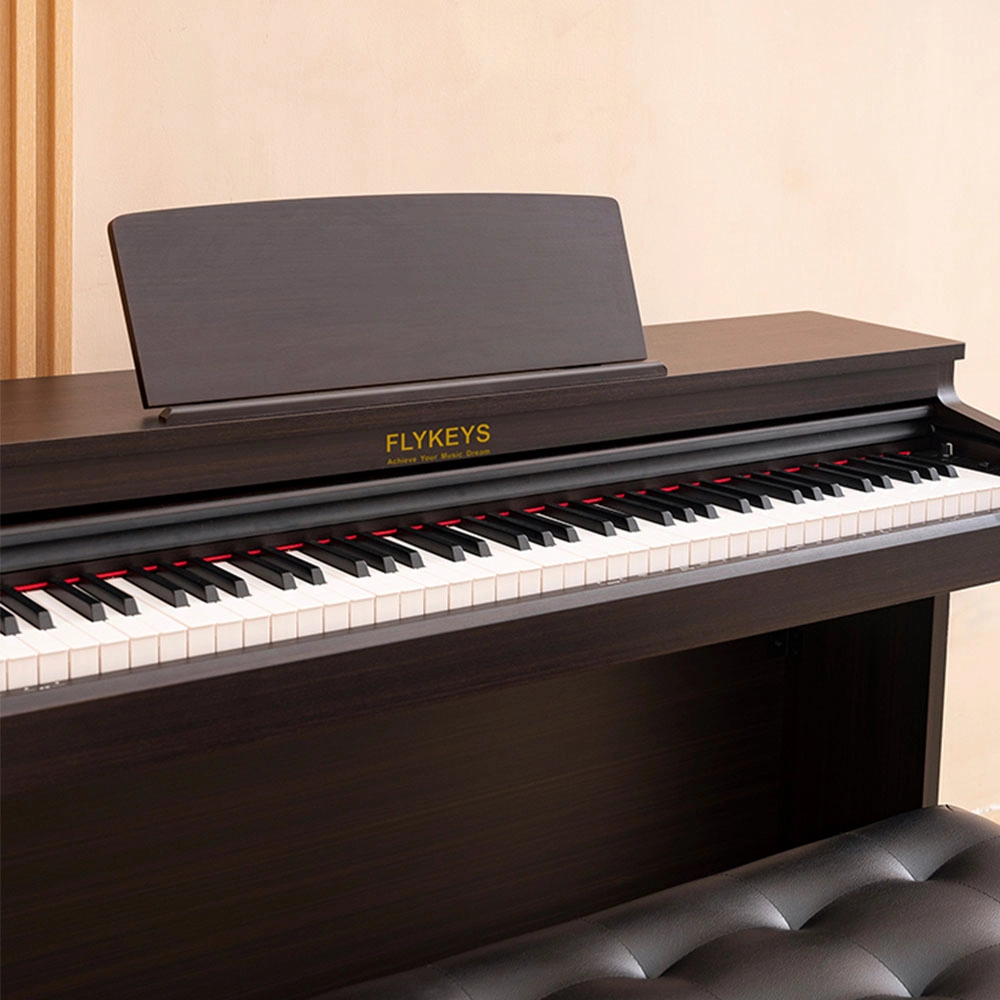
Best 88-Key Keyboard 2026: Top Weighted Picks for Intermediate Players
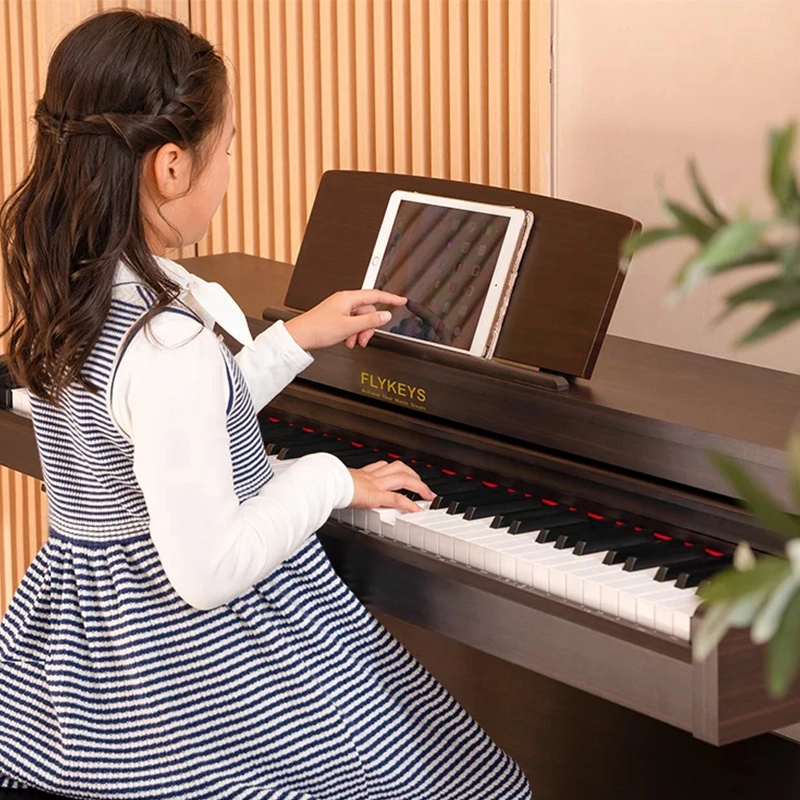
Best 88-Key Digital Pianos for Professionals and Advanced Players: Top Brands, Key Features and Buying Tips (2026)
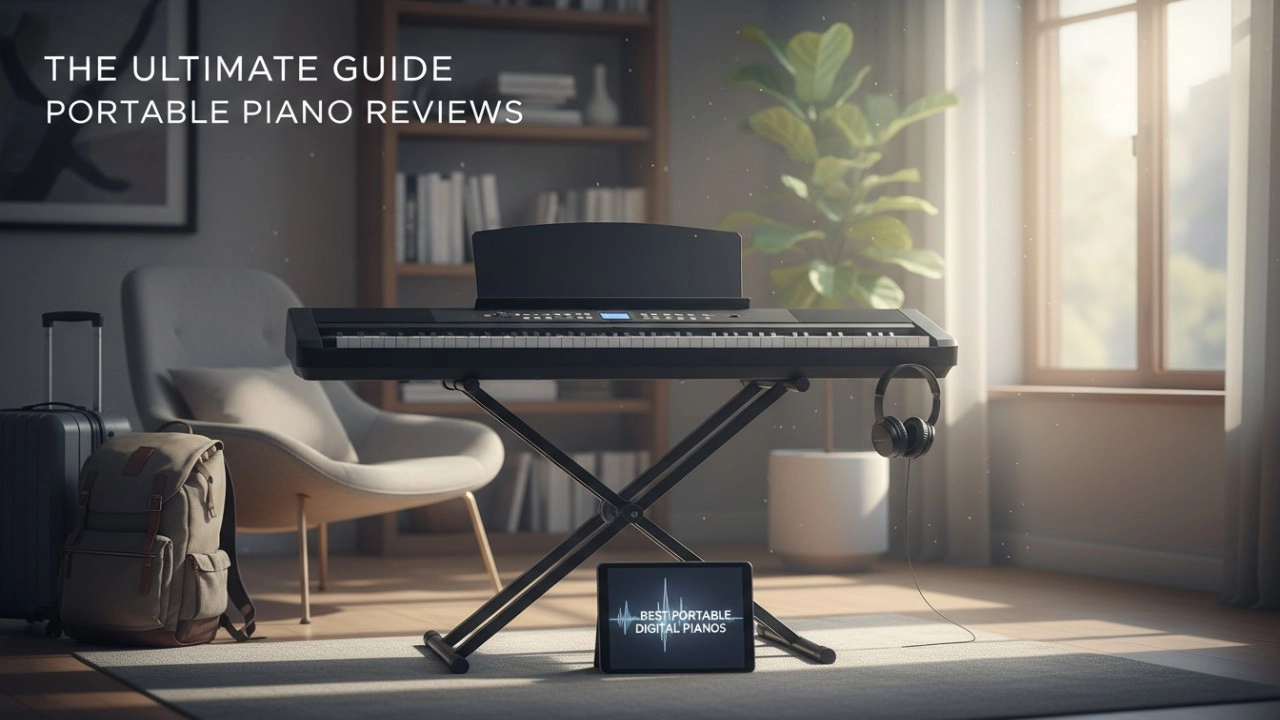
15 Best Portable Digital Pianos of 2026: The Only Comparison Guide You’ll Ever Need
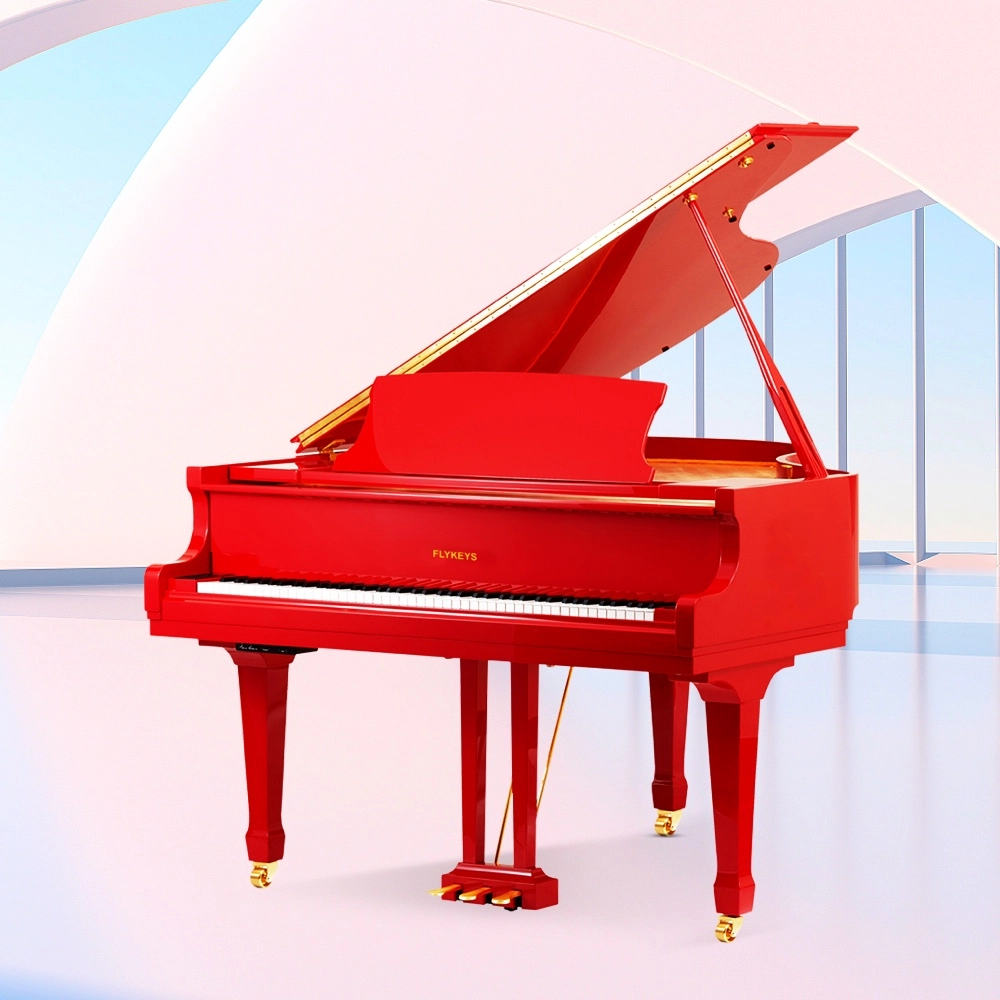
FLYKEYS Professional Digital Grand Piano FGP610 Digital Piano
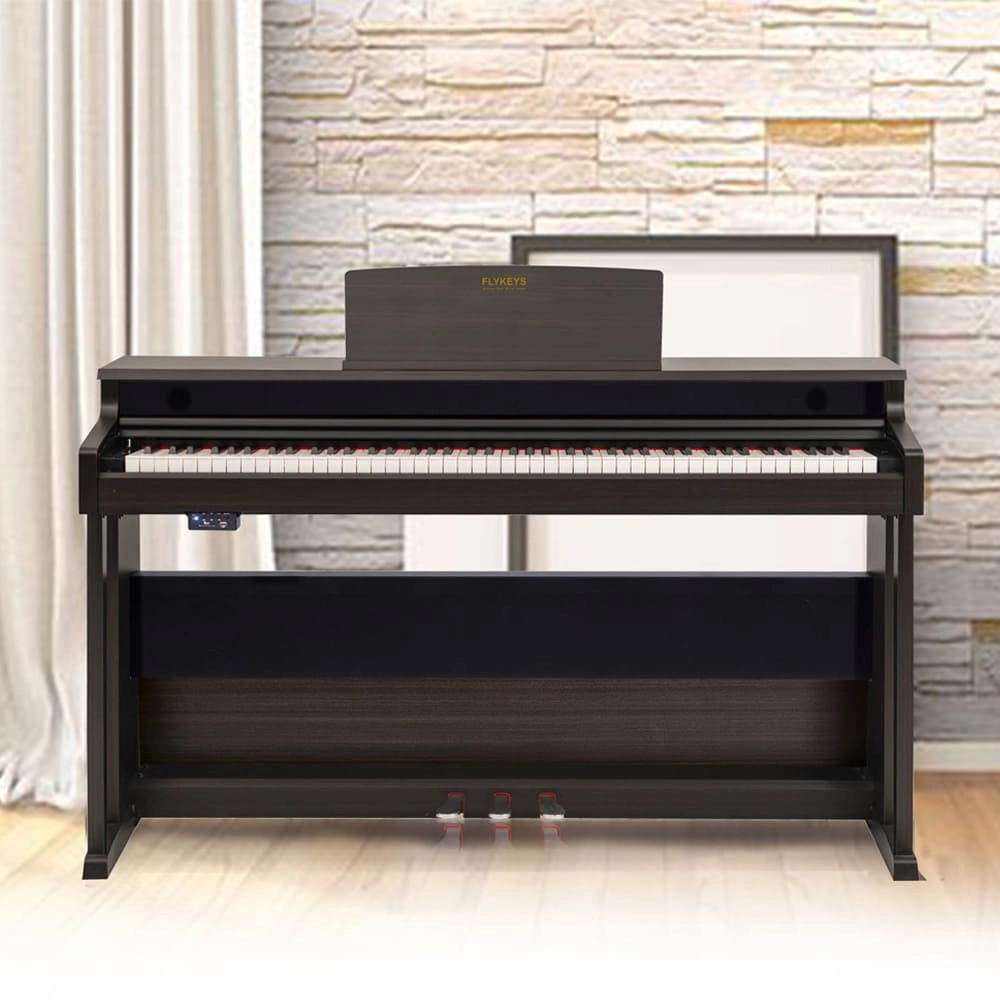
FLYKEYS Upright Piano Wooden Panel 88-KEYS Piano FK130 Digital Piano
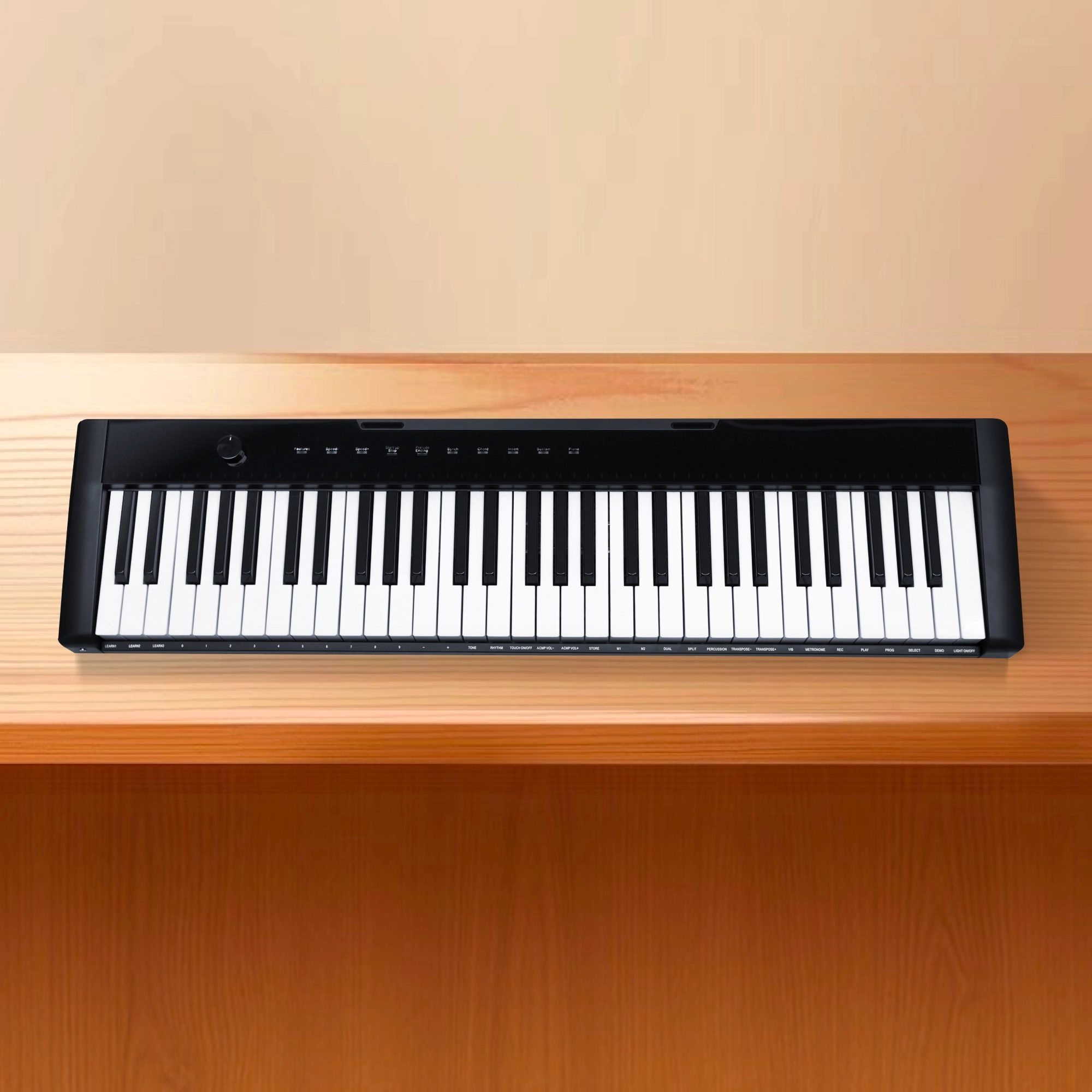
FLYKEYS 61-keys portable electronic keyboard piano with X stand (M2)
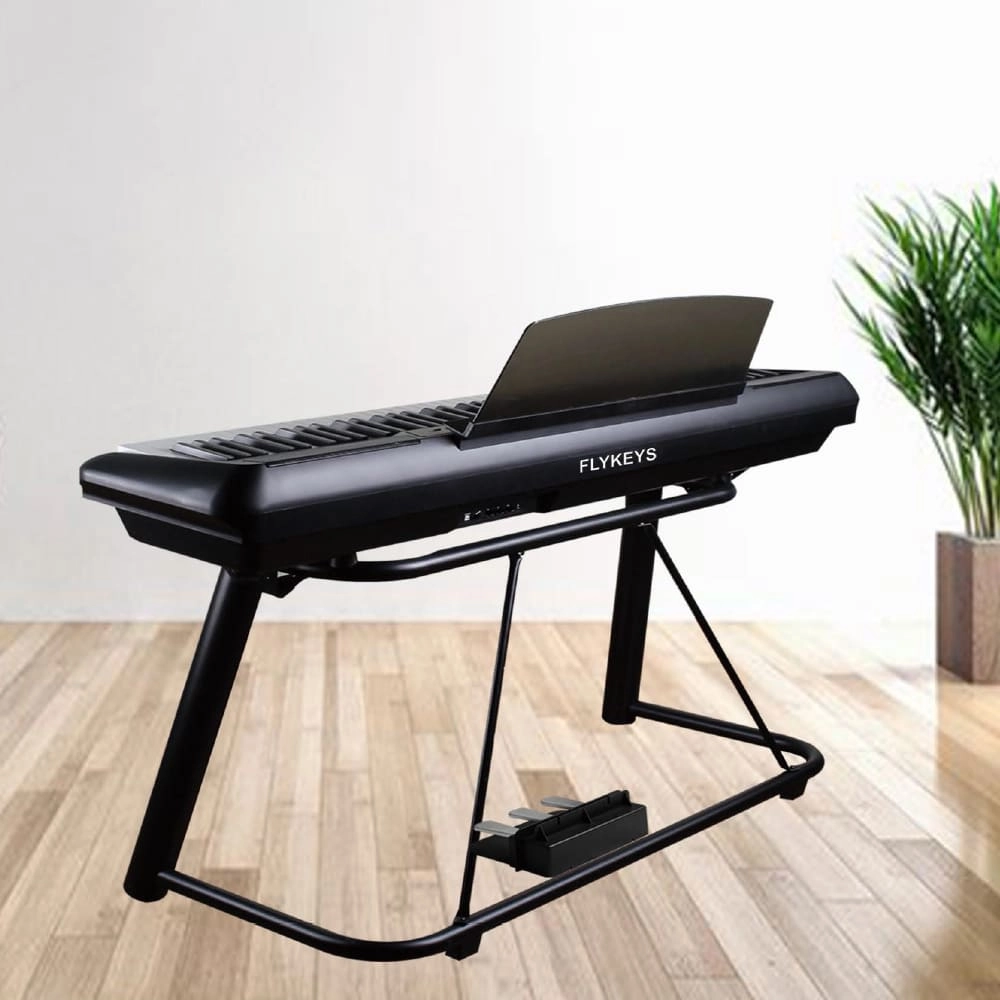
FLYKEYS 88-Keys Portable Piano With Wooden Stand FP6 Digital Piano
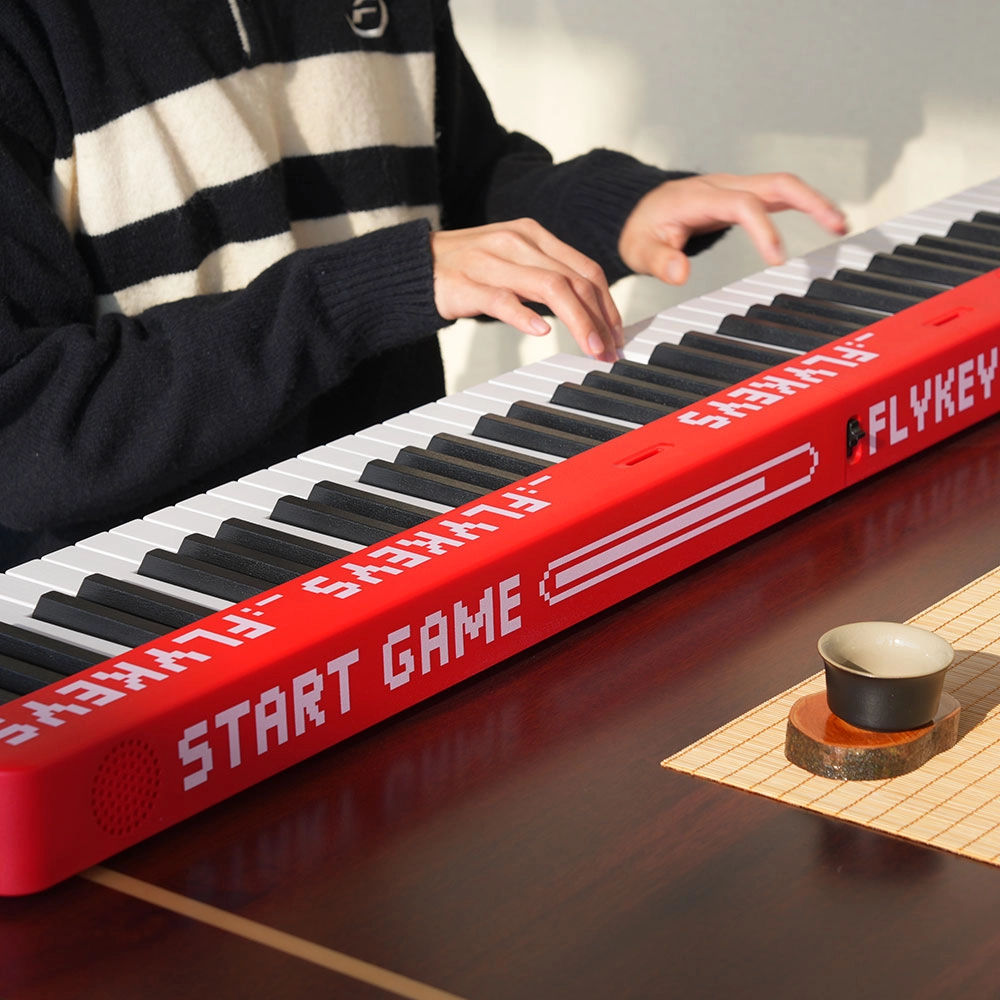
FLYKEYS M12 Folding Keyboard
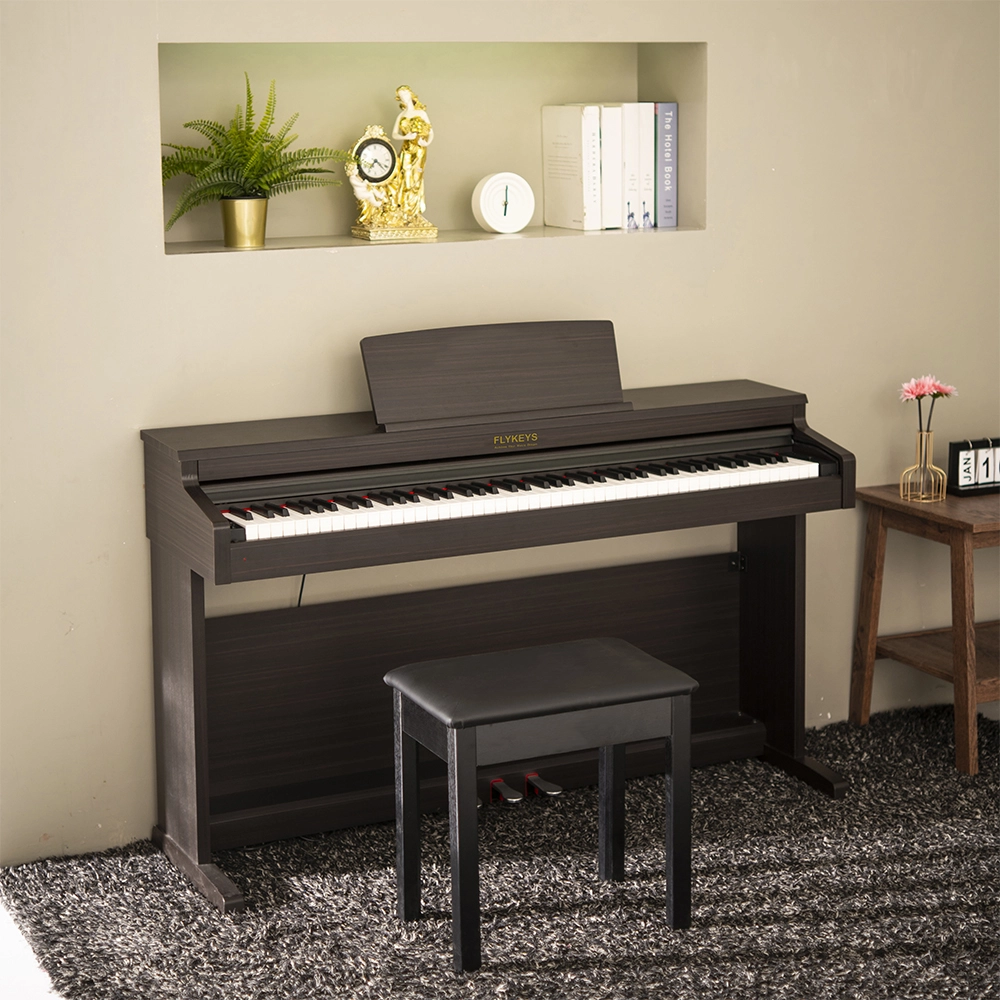
FLYKEYS 88-Keys Hammer-Action keyboard Upright Piano LK03S Digital Piano
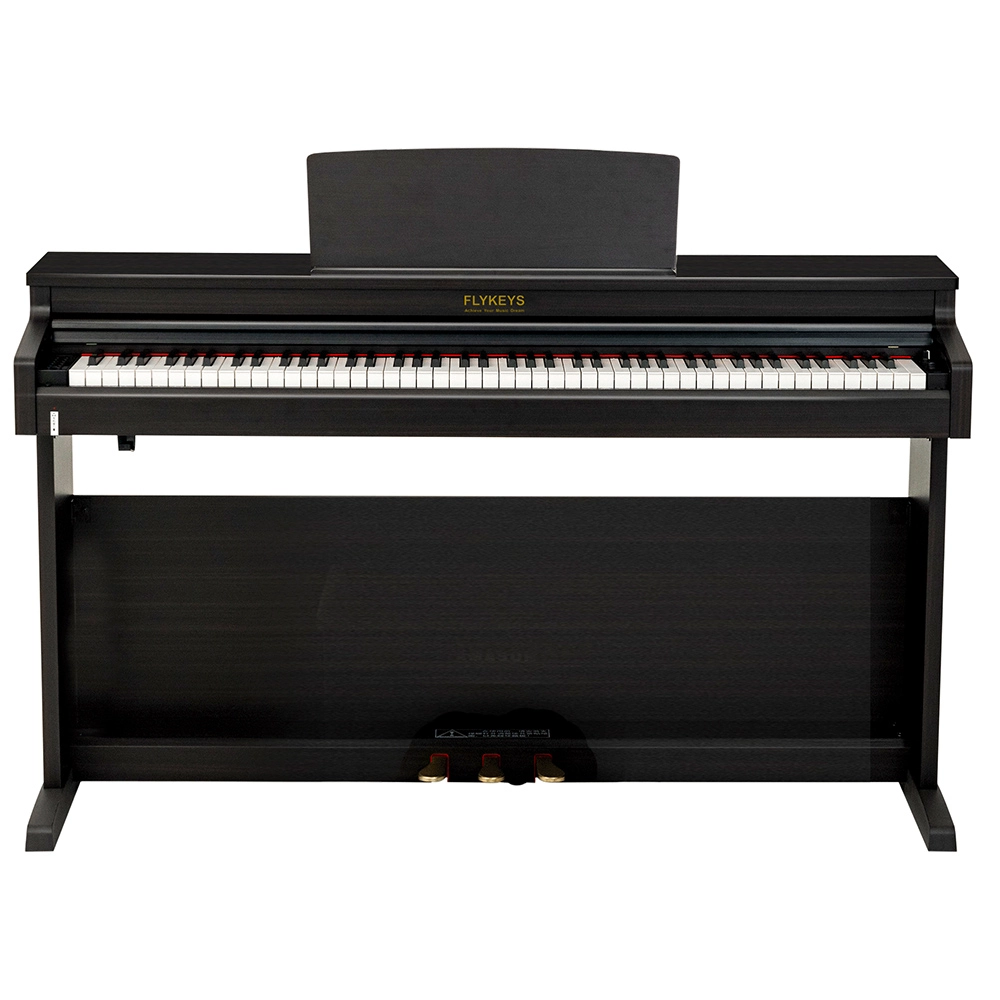
FLYKEYS Upright Digital Piano FDP 3
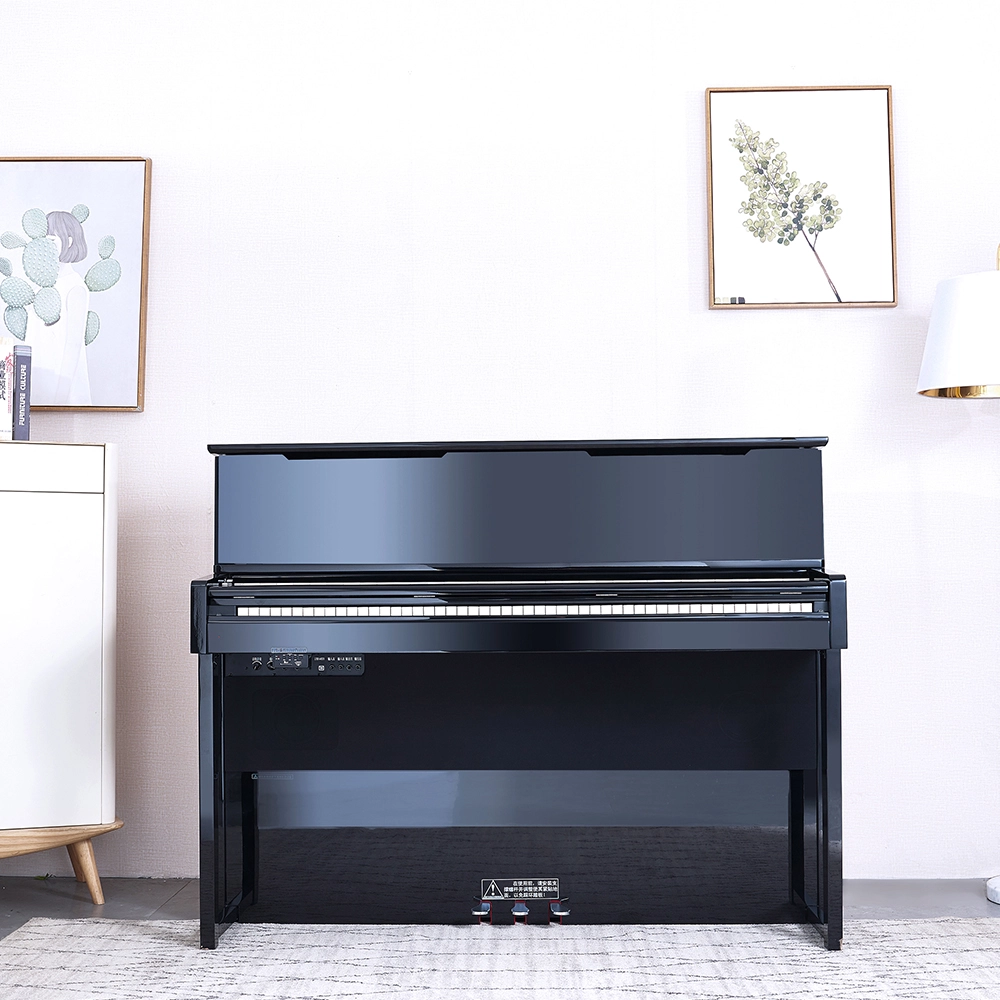
FLYKEYS Professional Digital Upright Piano 88-Keys Wooden Keyboard FK830 Digital Piano
Get in touch with us
Have a question or inquiry about our digital pianos products? Leave us a message here and our team will get back to you promptly within 24 hours.
Whether you're interested in custom orders, technical specifications, or partnership opportunities, we're here to assist you.
Rest assured that your privacy is important to us, and all information provided will be handled with the utmost confidentiality.
Address: No. 38 Xiangshan Avenue, Zengcheng Economic And Technological Development Zone, Guangzhou, China.
FOLLOW US:
Copyright© 2026 FLYKEYS All Rights Reserved. 粤 ICP备2020102774号. Designed by Gooeyun. Sitemap | Privacy | Terms
FLYKEYS
FLYKEYS
flykeys-music
Flykeys Music