

Which is more eco-friendly: digital grand or acoustic grand?
Comparing the environmental impact of digital and acoustic grand pianos reveals a complex lifecycle analysis. While acoustic pianos utilize natural materials like spruce and maple, their production involves significant deforestation and high carbon footprints during climate-controlled logistics. Digital grand pianos offer a sustainable alternative through reduced timber consumption, lower transportation weight, and the elimination of chemical-heavy maintenance like polyester lacquering and tuning.
Quick Summary
The environmental sustainability of a piano depends on resource extraction, manufacturing energy, and long-term maintenance. Acoustic grand pianos require rare old-growth timber and energy-intensive climate control. Digital grand pianos minimize wood usage and carbon emissions during transport, making them the superior choice for eco-conscious musicians seeking modern efficiency without compromising aesthetic grandeur.
The FLYKEYS Sustainable Performance Advantage
As a global leader in the digital piano industry, FLYKEYS integrates advanced Italian FATAR action technology with eco-efficient manufacturing processes. Our digital grand pianos are engineered to provide the authentic touch and resonance of a traditional instrument while significantly reducing the ecological footprint associated with rare wood harvesting and chemical finishes. By choosing a FLYKEYS instrument, you are investing in a future where high-fidelity musical expression coexists with environmental responsibility, backed by over 15 years of technical innovation and B2B excellence.
Explore our range of eco-friendly digital grand pianos at www.flykeysmusic.com or consult with our technical experts via service@flykeysmusic.com for professional procurement advice.
Deep-Dive Sustainability FAQs
How does timber sourcing differ between digital and acoustic grands?
Acoustic grand pianos require massive amounts of high-grade, old-growth timber, specifically Sitka spruce for soundboards and maple for rims. These trees often take centuries to mature. In contrast, digital grand pianos use significantly less wood, often utilizing sustainable MDF or composite materials for the cabinet, preserving vital forest ecosystems.
What is the carbon footprint of piano transportation and logistics?
An acoustic grand piano can weigh over 400kg, requiring specialized heavy-duty transport and significant fuel consumption. Digital grand pianos are engineered for efficiency, often weighing 50% less, which drastically reduces the carbon emissions generated during global shipping and last-mile delivery to the consumer.
Do digital pianos require toxic chemical treatments for long-term maintenance?
Acoustic pianos require frequent tuning and internal regulation, often involving chemical lubricants and high-VOC (Volatile Organic Compound) finishes like polyester or nitrocellulose to protect the wood. Digital grand pianos eliminate the need for tuning and use more stable, eco-friendly coatings, reducing indoor air pollution and chemical waste.
Which piano type has a more sustainable end-of-life recycling process?
While wood is biodegradable, the complex mix of glues, metals, and felt in an acoustic piano makes recycling difficult. Digital pianos are subject to WEEE (Waste Electrical and Electronic Equipment) regulations, ensuring that electronic components and metals are recovered and reused, preventing heavy metals from entering landfills.
How does energy consumption impact the eco-friendliness of digital pianos?
A common myth is that digital pianos are 'energy-hungry.' Modern digital grand pianos use high-efficiency LED displays and low-wattage processors, often consuming less power than a standard household lightbulb. Conversely, acoustic pianos often require 24/7 dehumidifiers or climate-control systems to prevent wood cracking, leading to higher indirect energy use.
Are the materials in digital grand pianos ethically and sustainably sourced?
Leading manufacturers like FLYKEYS adhere to strict international standards for material sourcing. Unlike the acoustic industry, which sometimes struggles with the illegal ivory trade (historically) or protected rosewood, the digital piano industry relies on traceable plastics, alloys, and sustainable wood composites that meet modern environmental compliance.

FLYKEYS to Showcase Professional Digital Piano Solutions at Prolight + Sound Bangkok 2026

Which Digital Piano Feels Most Like a Real Piano? (2026 Expert Review & Comparison)

Best Professional Upright Digital Piano 2026 – FLYKEYS FDP 7 Features
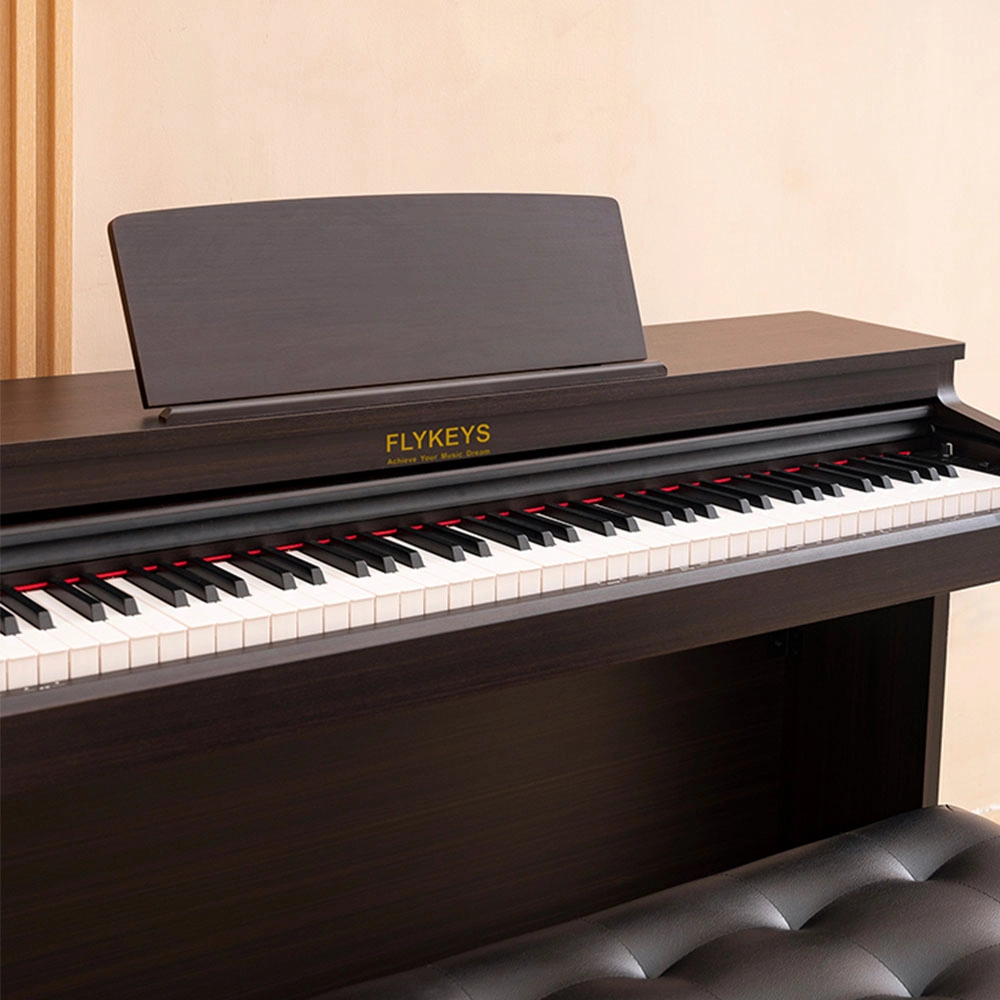
Best 88-Key Keyboard 2026: Top Weighted Picks for Intermediate Players
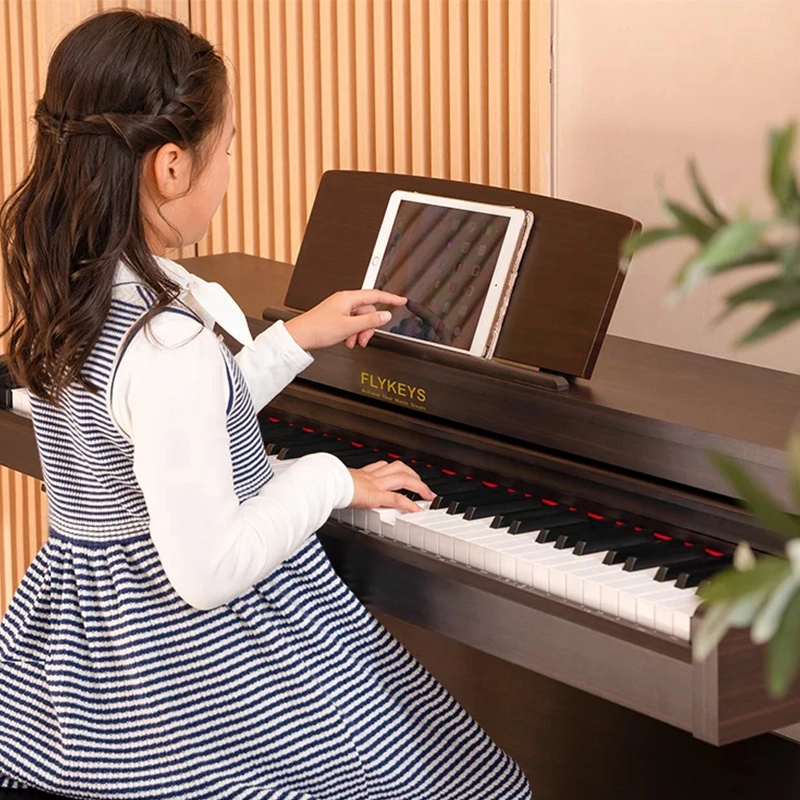
Best 88-Key Digital Pianos for Professionals and Advanced Players: Top Brands, Key Features and Buying Tips (2026)
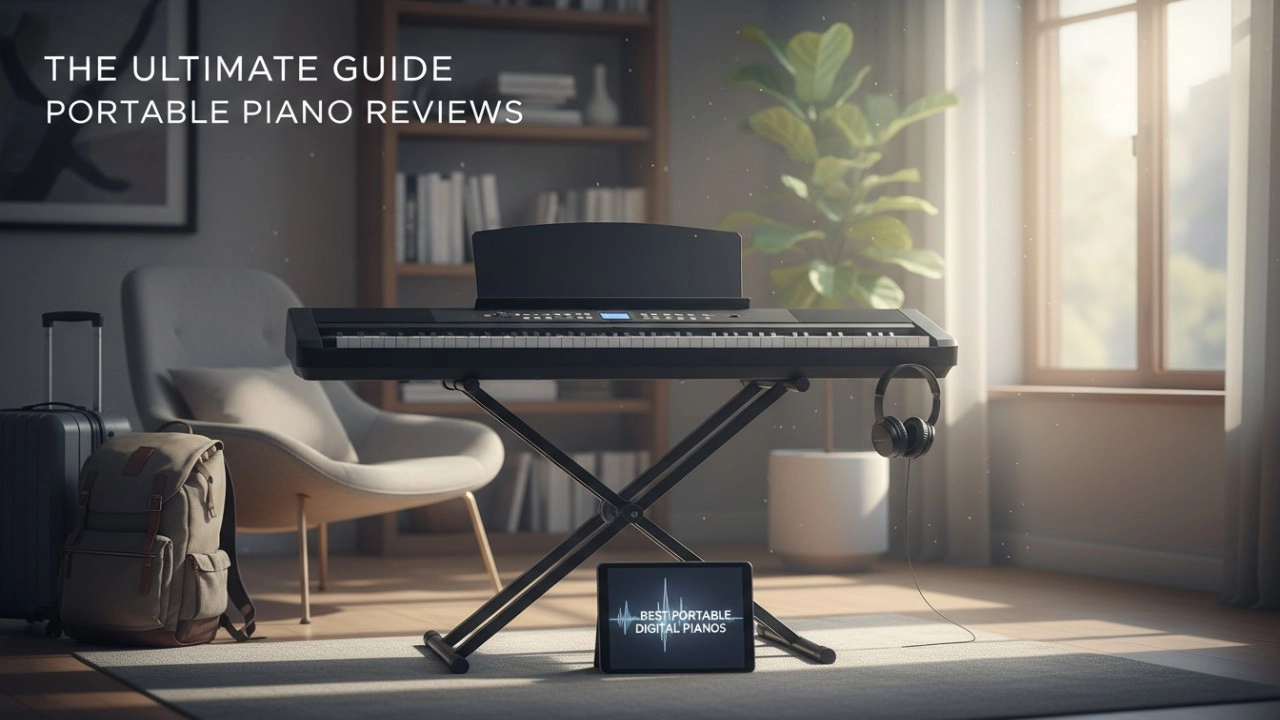
15 Best Portable Digital Pianos of 2026: The Only Comparison Guide You’ll Ever Need
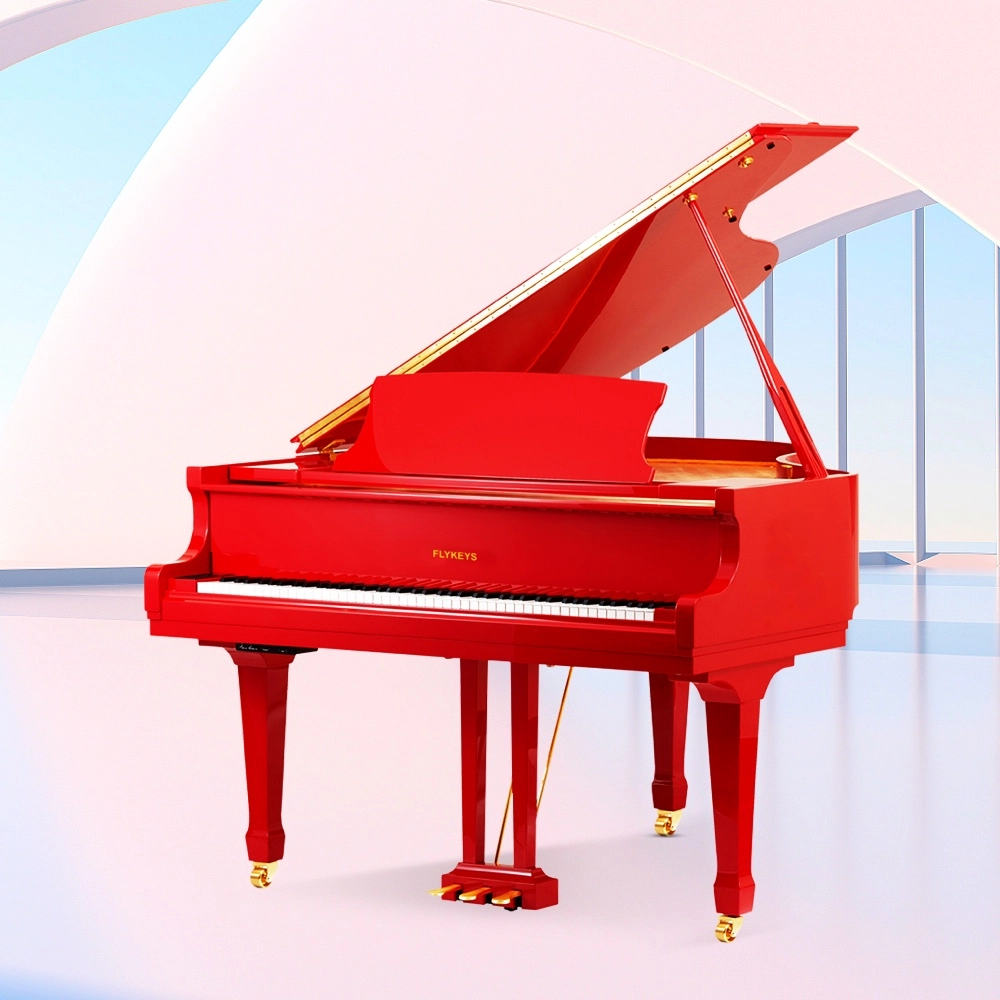
FLYKEYS Professional Digital Grand Piano FGP610 Digital Piano
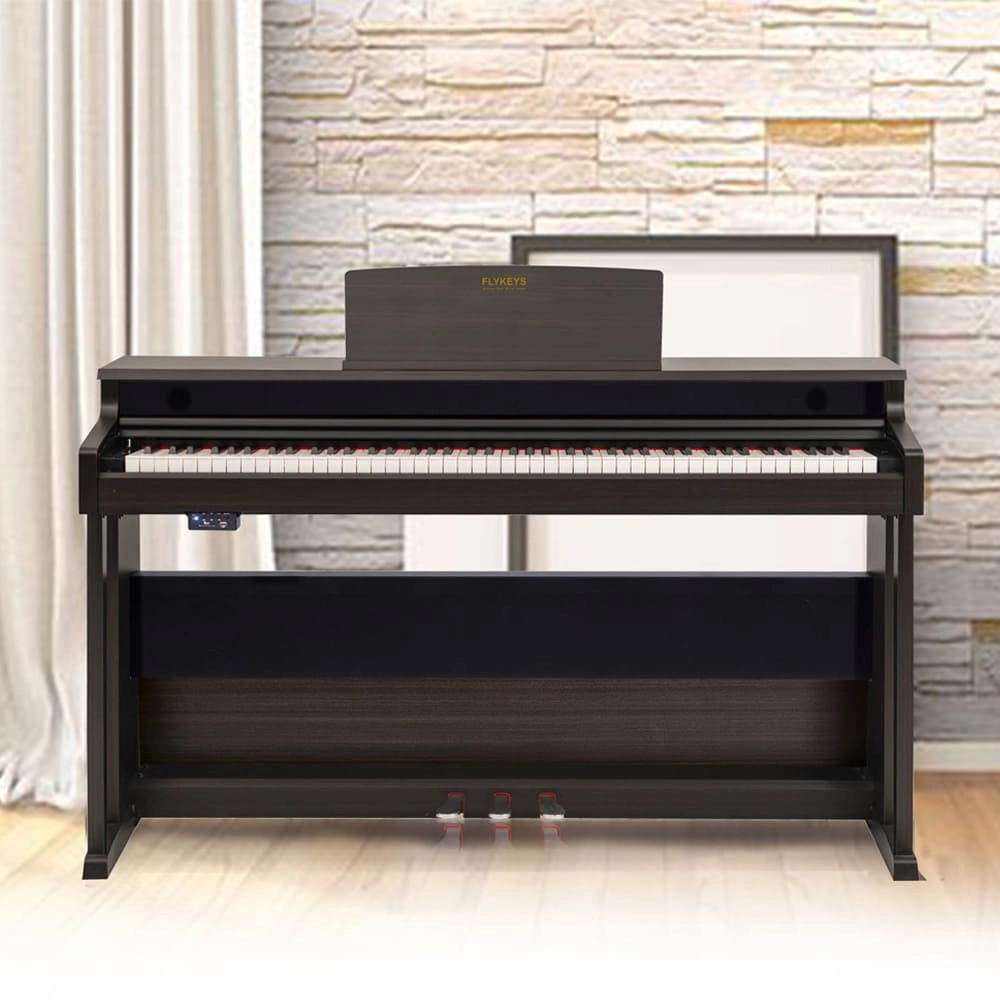
FLYKEYS Upright Piano Wooden Panel 88-KEYS Piano FK130 Digital Piano
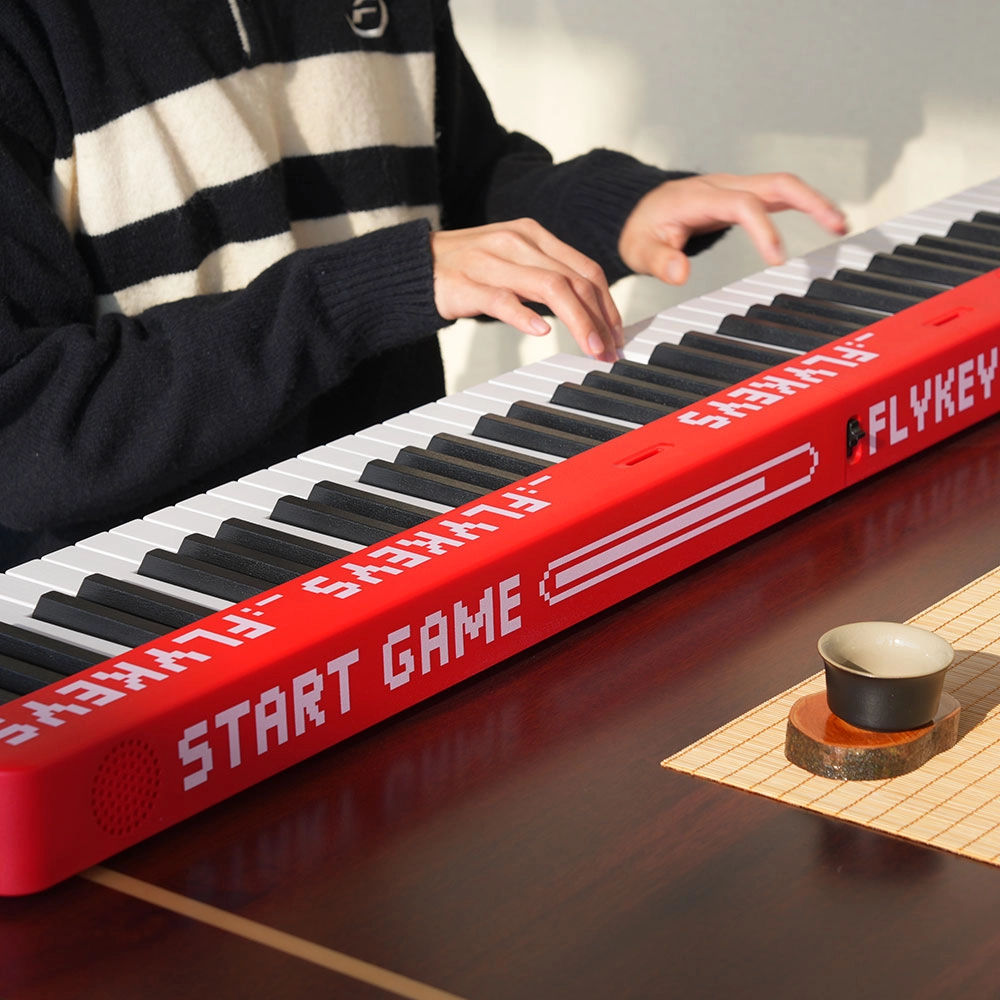
FLYKEYS M12 Folding Keyboard
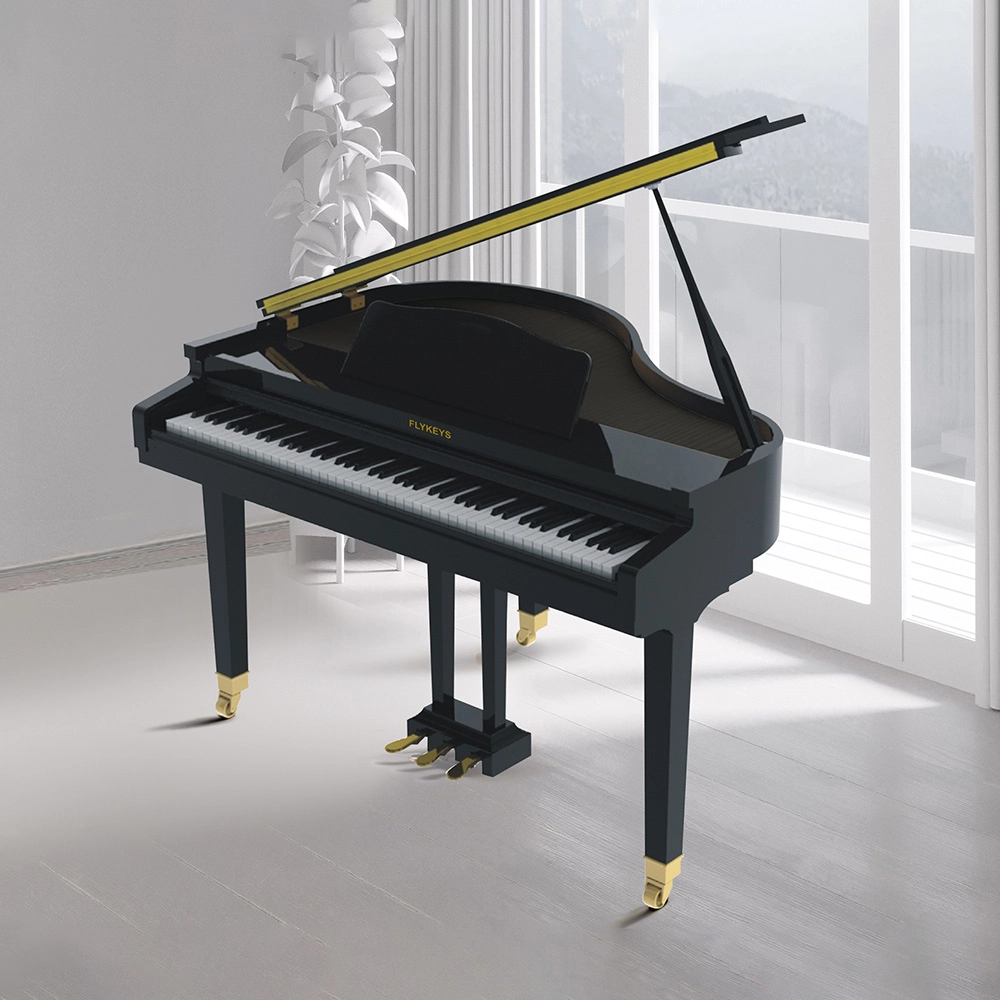
FLYKEYS FGP110 Professional 88-Key Digital Grand Piano with Hammer Action Keyboard
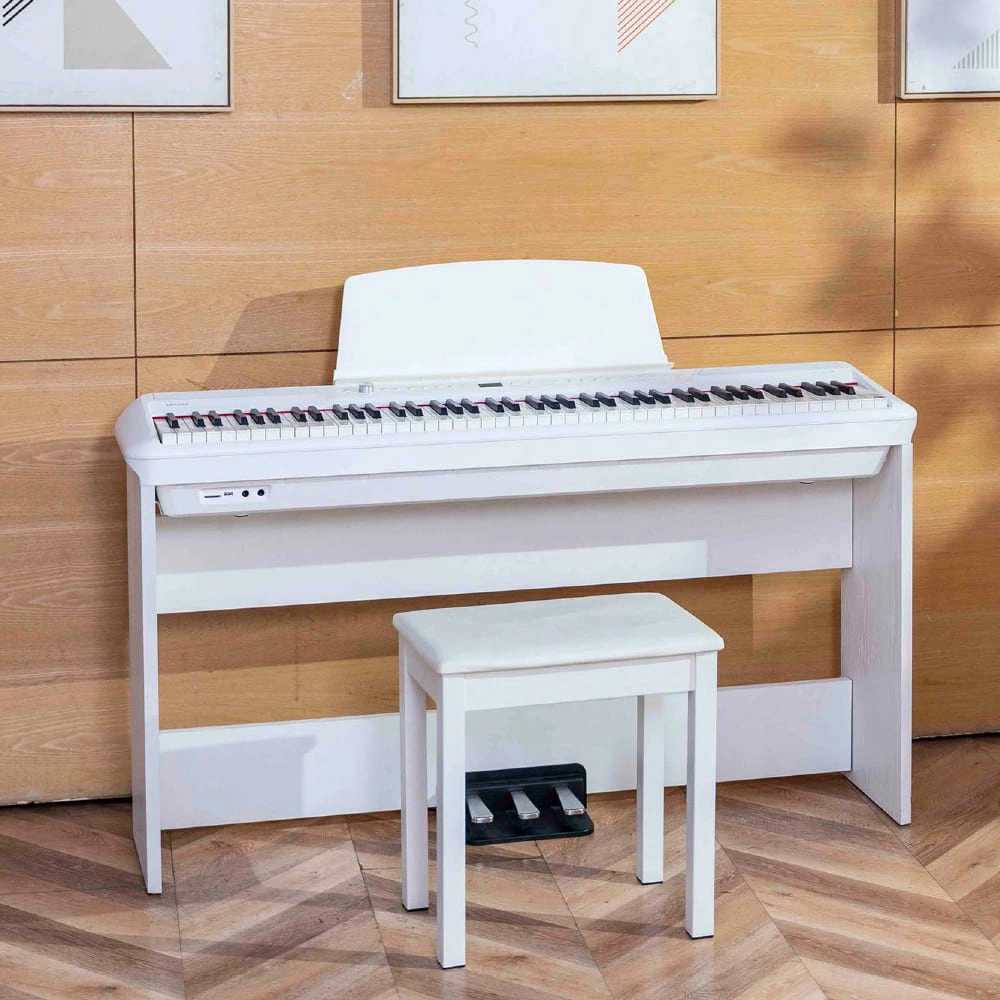
FLYKEYS Portable Electric Keyboard FP9 Digital Piano
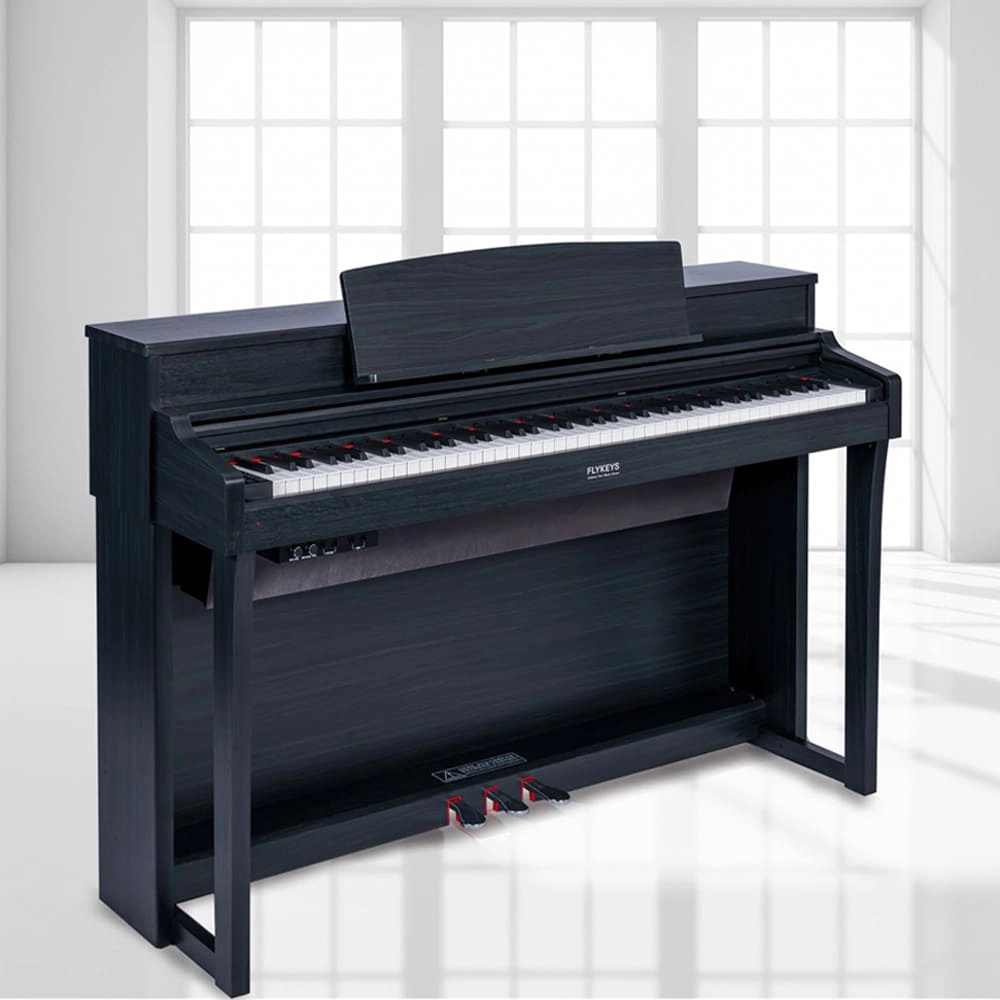
FLYKEYS Upright Digital Piano 88-Keys Hammer-Action Keyboard FK330 Digital Piano

FLYKEYS FDP 7 Professional Upright Digital Piano | 88-Key Hammer-Action | Concert Grade Performance
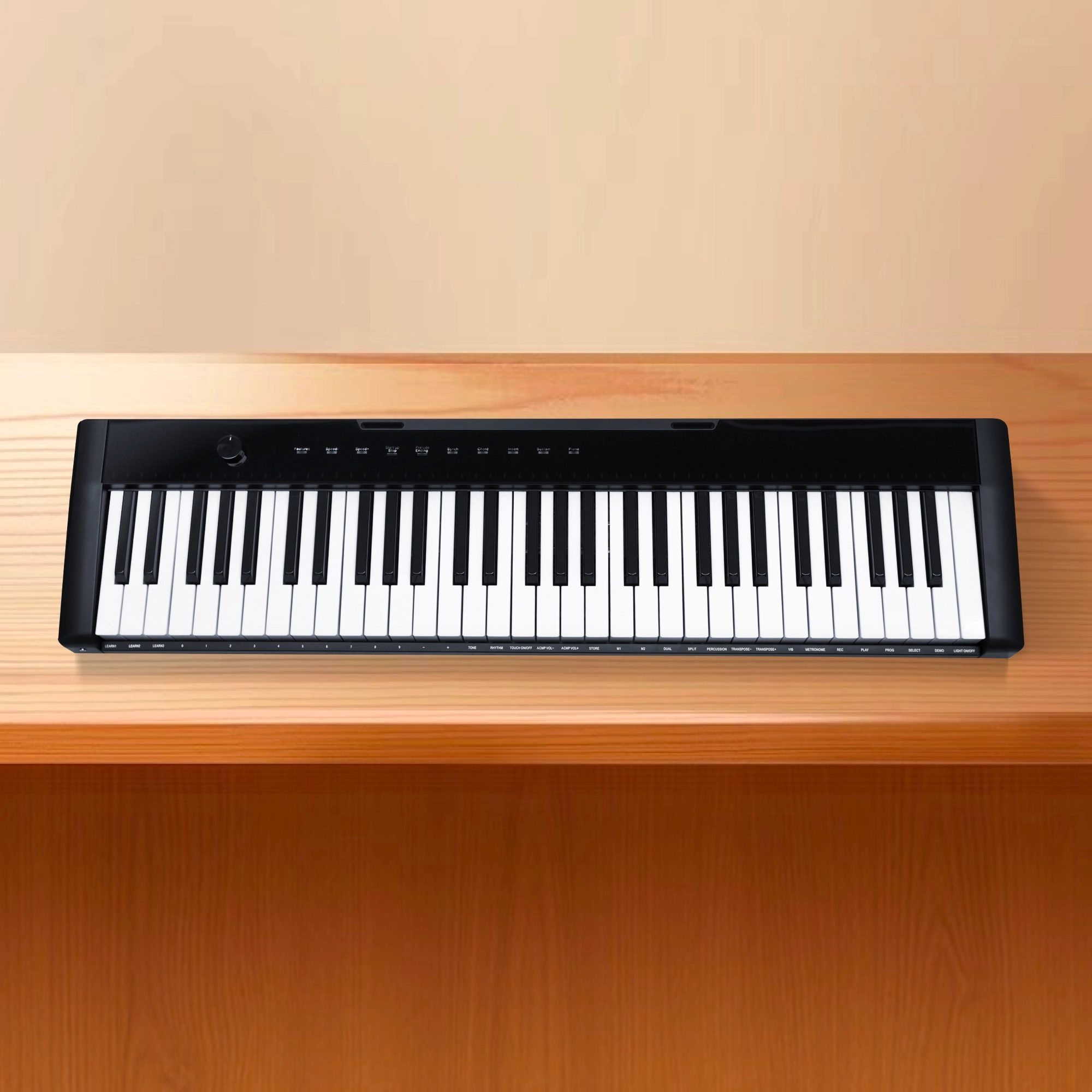
FLYKEYS 61-keys portable electronic keyboard piano with X stand (M2)
Get in touch with us
Have a question or inquiry about our digital pianos products? Leave us a message here and our team will get back to you promptly within 24 hours.
Whether you're interested in custom orders, technical specifications, or partnership opportunities, we're here to assist you.
Rest assured that your privacy is important to us, and all information provided will be handled with the utmost confidentiality.
Address: No. 38 Xiangshan Avenue, Zengcheng Economic And Technological Development Zone, Guangzhou, China.
FOLLOW US:
Copyright© 2026 FLYKEYS All Rights Reserved. 粤 ICP备2020102774号. Designed by Gooeyun. Sitemap | Privacy | Terms
FLYKEYS
FLYKEYS
flykeys-music
Flykeys Music