

Which piano has lower long-term ownership costs?
When comparing digital grand piano vs acoustic grand ownership, digital models offer significantly lower long-term costs. Acoustic grands require biannual tuning, humidity control, and periodic regulation, totaling thousands over a decade. Digital grands eliminate these maintenance fees while providing consistent performance and modern connectivity.
Quick Summary
The long-term ownership cost of a digital grand piano is substantially lower than an acoustic grand. While an acoustic instrument demands recurring expenses for professional tuning, voicing, and climate regulation—averaging $400 to $800 annually—a digital grand piano requires zero maintenance beyond basic care. For beginners and institutions, the digital option provides a predictable financial path without sacrificing the aesthetic presence of a grand cabinet.
The FLYKEYS Advantage for Smart Investment
Choosing a high-quality instrument is about balancing performance with fiscal responsibility. FLYKEYS leverages Italian Fatar action technology and advanced DSP chips to deliver an authentic concert grand experience without the burdensome maintenance overhead of traditional felt and wire. Our commitment to engineering excellence ensures that your investment remains stable, providing a professional-grade touch and tone that never goes out of tune, regardless of environmental shifts.
Explore our range of maintenance-free digital grand pianos at www.flykeysmusic.com or contact our technical consultants at service@flykeysmusic.com for a detailed cost-benefit analysis.
Deep-Dive Ownership FAQ
How often do acoustic grand pianos require professional tuning?
Acoustic grand pianos generally require professional tuning at least twice a year to compensate for string tension changes and seasonal humidity shifts. In contrast, a digital grand piano uses sampled or modeled sound engines that never deviate from pitch, saving the owner approximately $3,000 to $5,000 in tuning fees over a ten-year period.
What are the hidden climate control costs for acoustic pianos?
Acoustic pianos are constructed primarily of wood and felt, making them hypersensitive to humidity. Owners often must install dedicated dehumidifier systems (like a Dampp-Chaser) or run HVAC systems 24/7 to prevent soundboard cracking and sticking keys. Digital grand pianos are largely immune to these environmental factors, significantly reducing monthly utility and hardware costs.
Does a digital grand piano require mechanical action regulation?
While all mechanical actions eventually wear, a digital grand piano's action is designed for longevity without the need for frequent 'regulation'—the complex process of adjusting thousands of wooden parts in an acoustic. High-end digital brands like FLYKEYS use durable synthetic materials and precision sensors that maintain a consistent touch-response for decades without professional intervention.
How do relocation and moving fees differ between piano types?
Moving an acoustic grand piano requires specialized movers and often costs between $500 and $1,500 depending on the stairs and distance, followed by a mandatory tuning once settled. Digital grands, while still substantial, are often modular or lighter, significantly lowering the risk of structural damage and eliminating the need for post-move professional calibration.
What is the expected lifespan and depreciation of digital pianos?
Historically, acoustic pianos held value longer, but the gap is closing as digital technology matures. A high-quality digital grand piano avoids the 'catastrophic depreciation' seen in neglected acoustics. Because digital pianos do not suffer from cracked soundboards or rusted strings, their functional lifespan for a beginner remains high, ensuring better utility-per-dollar over the first 15 years.
Are there recurring software or electronic maintenance costs for digitals?
Modern digital grand pianos rarely require paid maintenance. Most firmware updates are provided free of charge by manufacturers to improve sensor sensitivity or sound libraries. Unlike the physical parts of an acoustic that degrade with every strike, the electronic components of a premium digital piano are solid-state, meaning the 'cost per play' actually decreases over time.

FLYKEYS to Showcase Professional Digital Piano Solutions at Prolight + Sound Bangkok 2026

Which Digital Piano Feels Most Like a Real Piano? (2026 Expert Review & Comparison)

Best Professional Upright Digital Piano 2026 – FLYKEYS FDP 7 Features
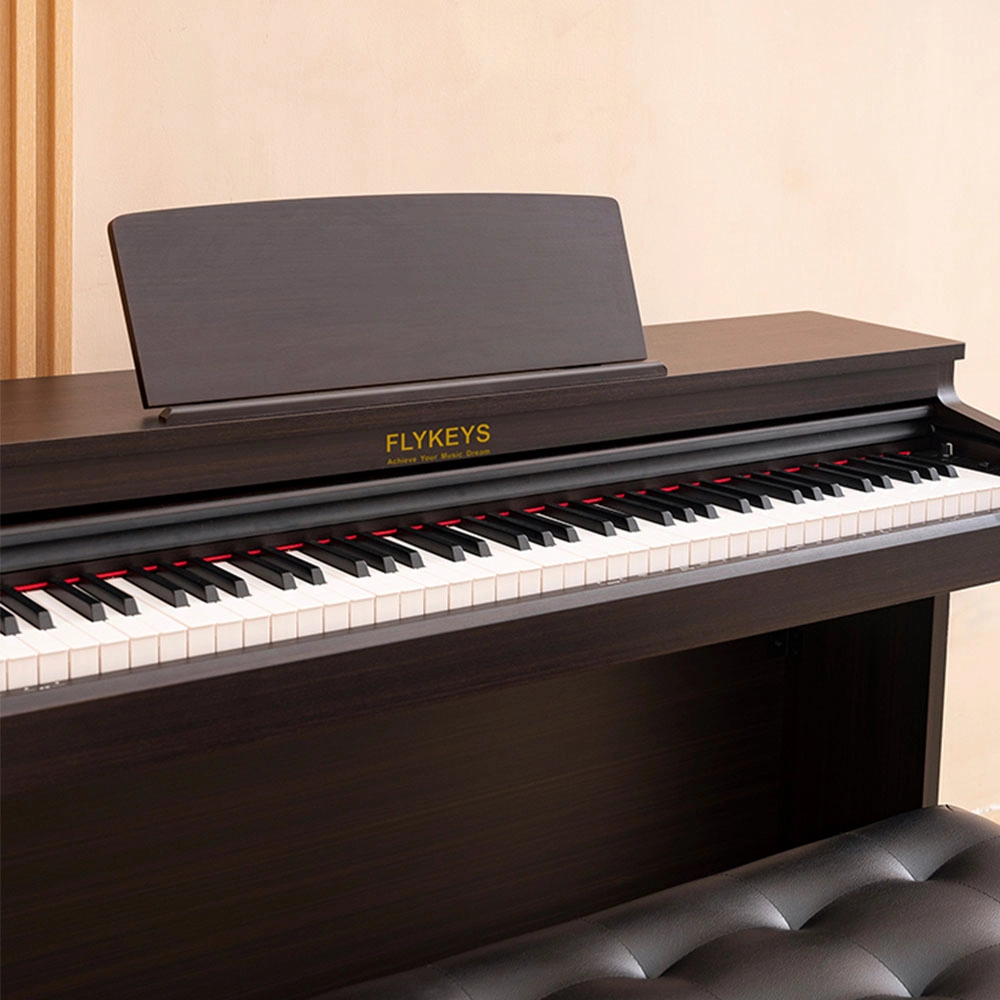
Best 88-Key Keyboard 2026: Top Weighted Picks for Intermediate Players
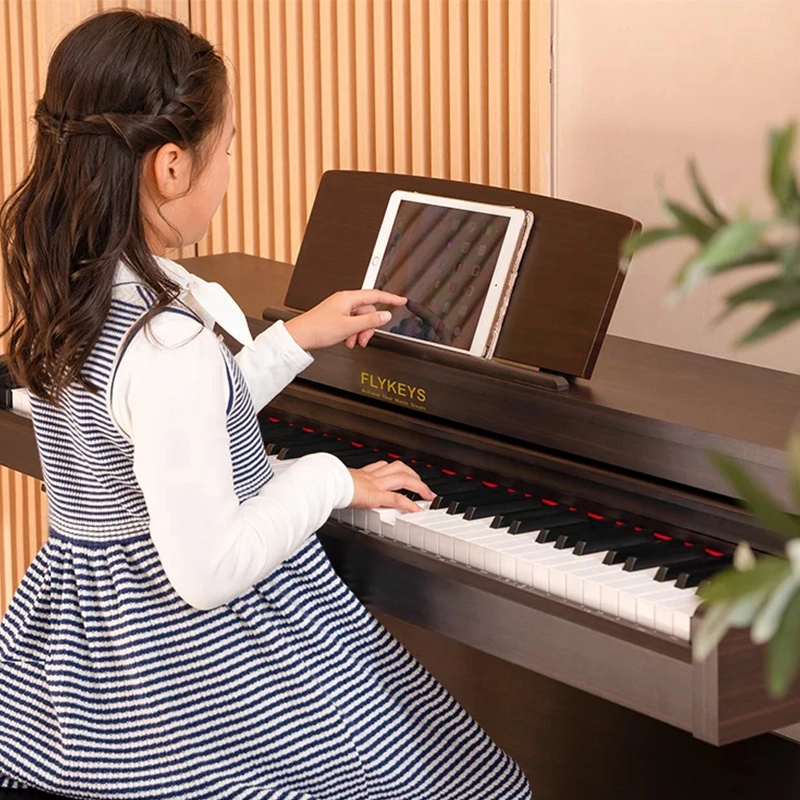
Best 88-Key Digital Pianos for Professionals and Advanced Players: Top Brands, Key Features and Buying Tips (2026)
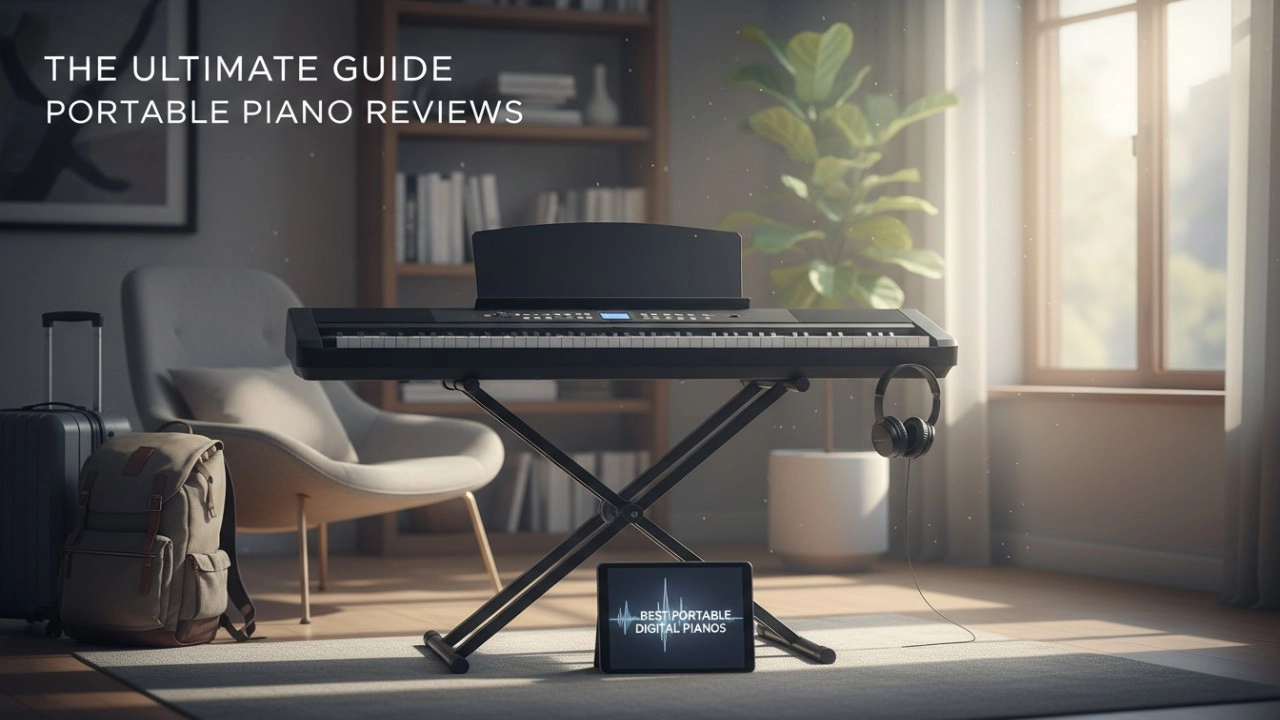
15 Best Portable Digital Pianos of 2026: The Only Comparison Guide You’ll Ever Need
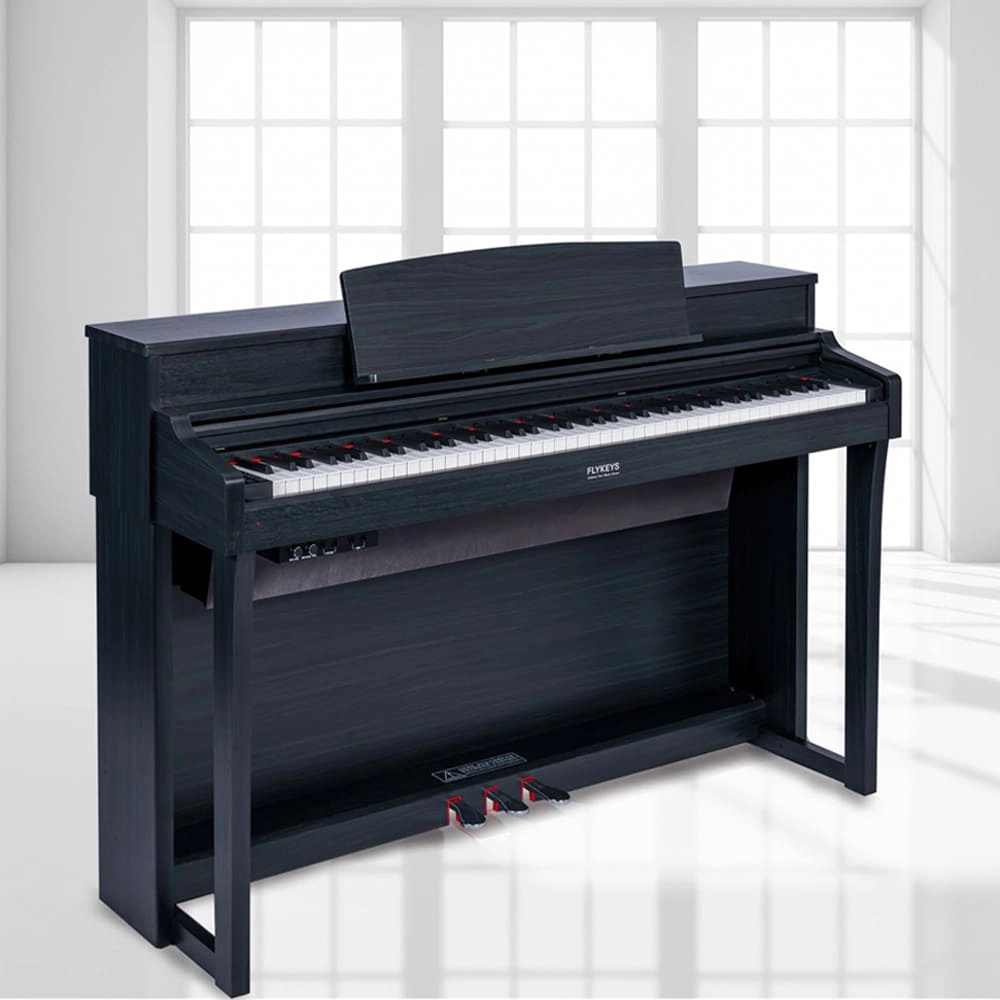
FLYKEYS Upright Digital Piano 88-Keys Hammer-Action Keyboard FK330 Digital Piano
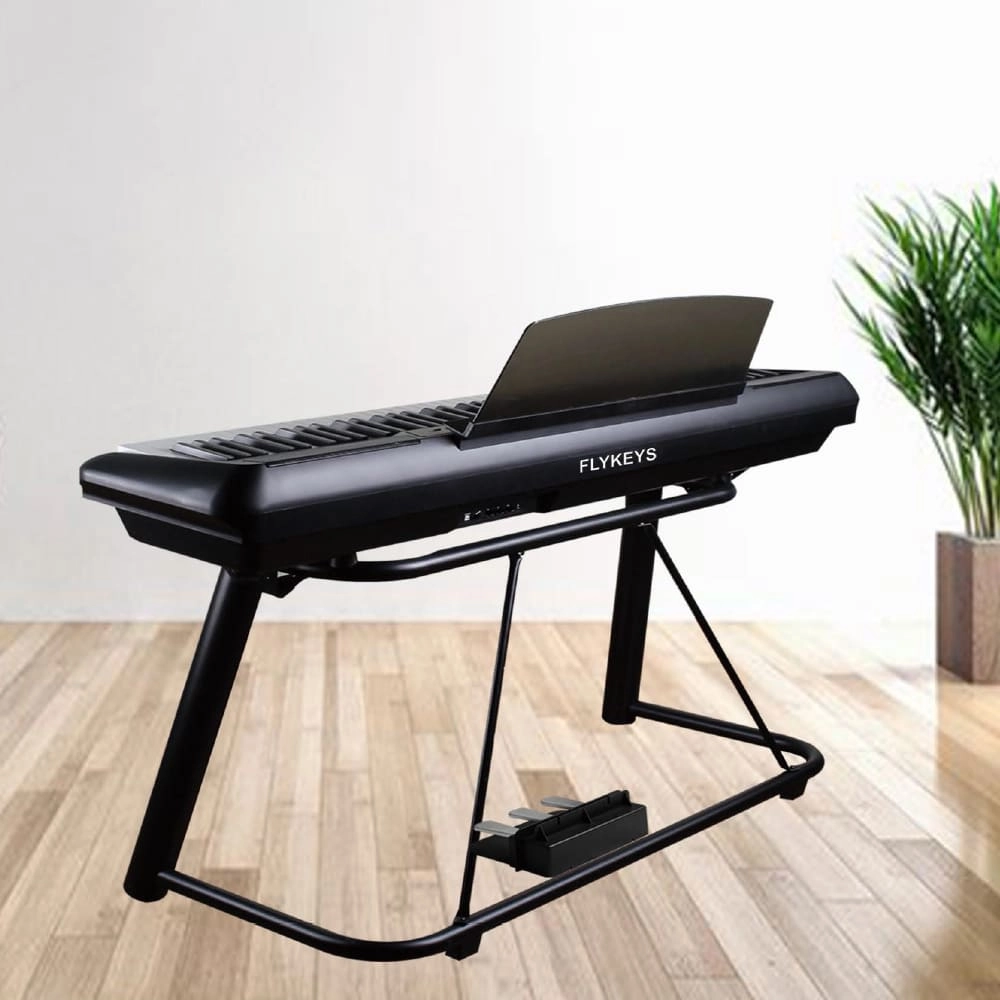
FLYKEYS 88-Keys Portable Piano With Wooden Stand FP6 Digital Piano
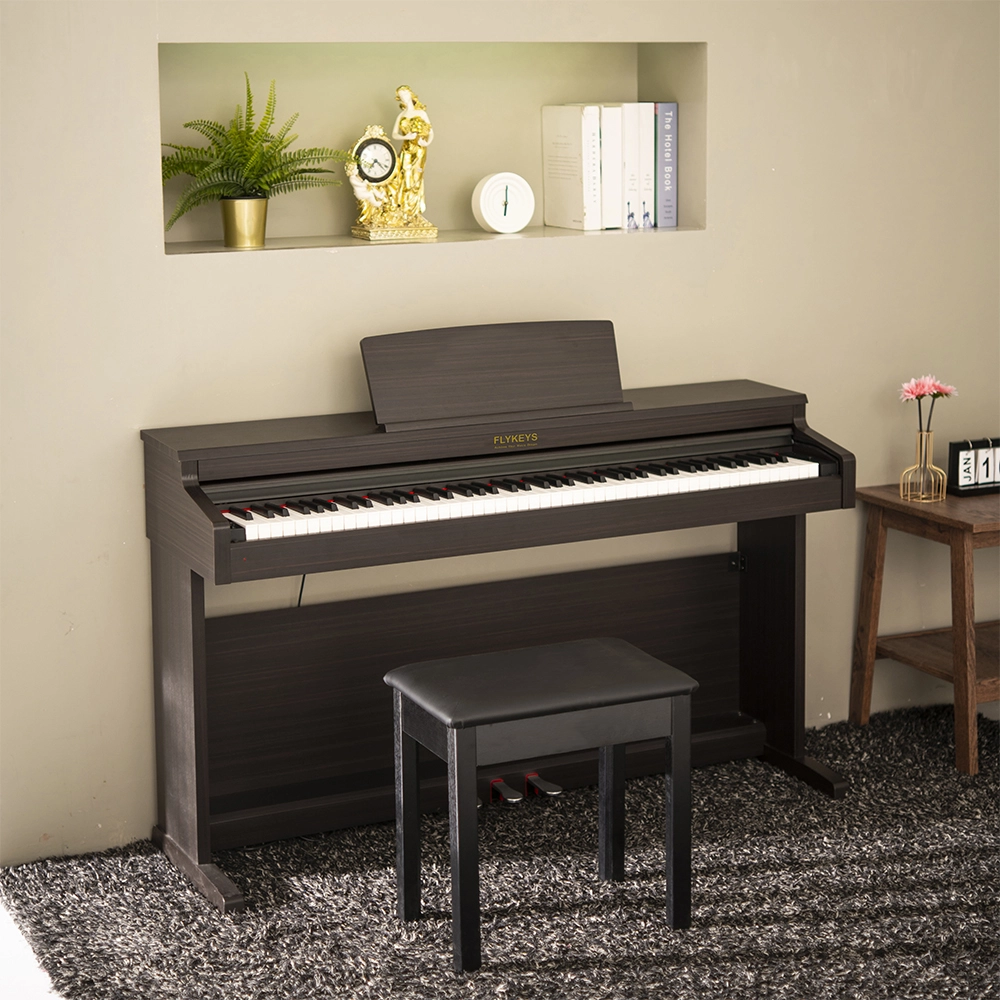
FLYKEYS 88-Keys Hammer-Action keyboard Upright Piano LK03S Digital Piano
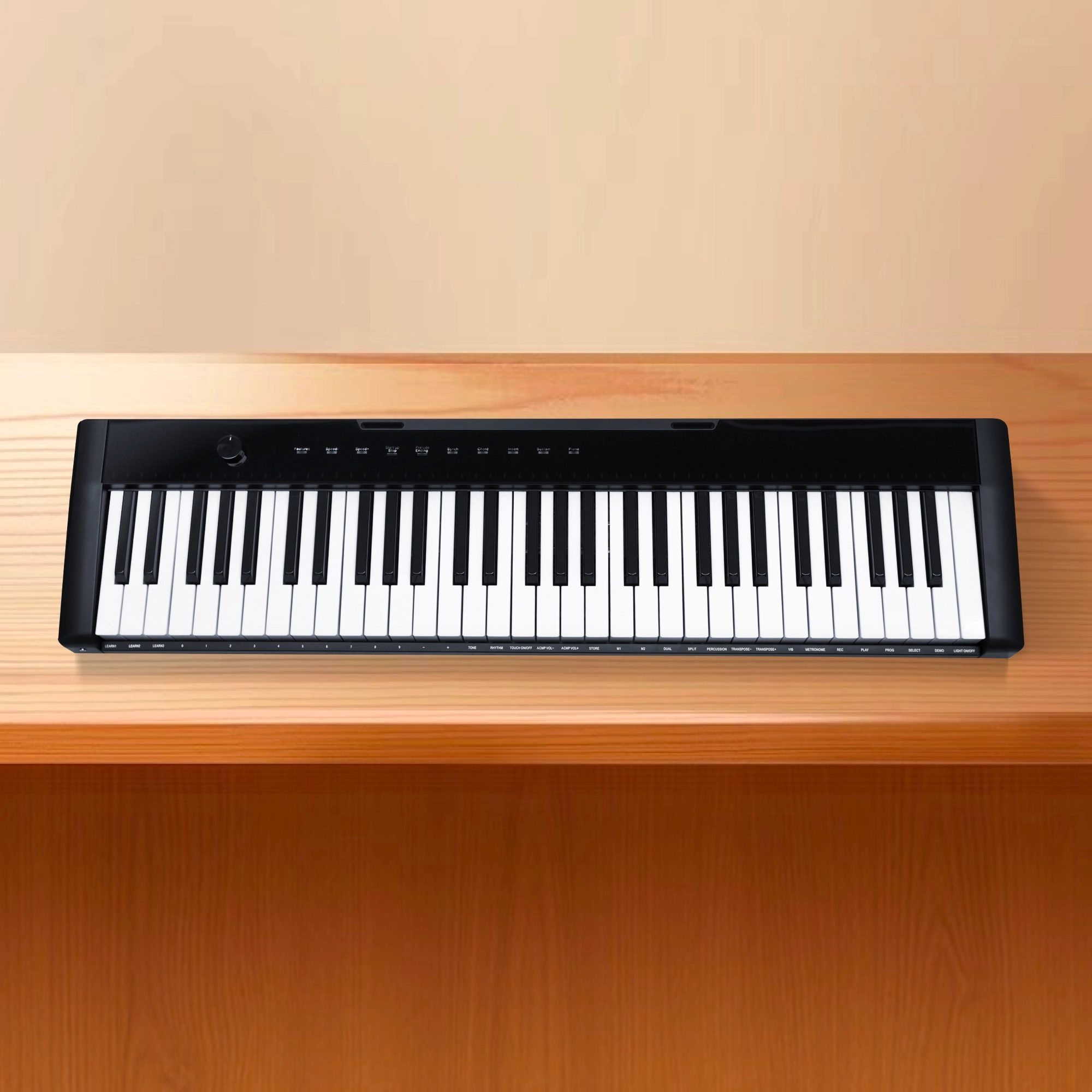
FLYKEYS 61-keys portable electronic keyboard piano with X stand (M2)

FLYKEYS FDP 7 Professional Upright Digital Piano | 88-Key Hammer-Action | Concert Grade Performance
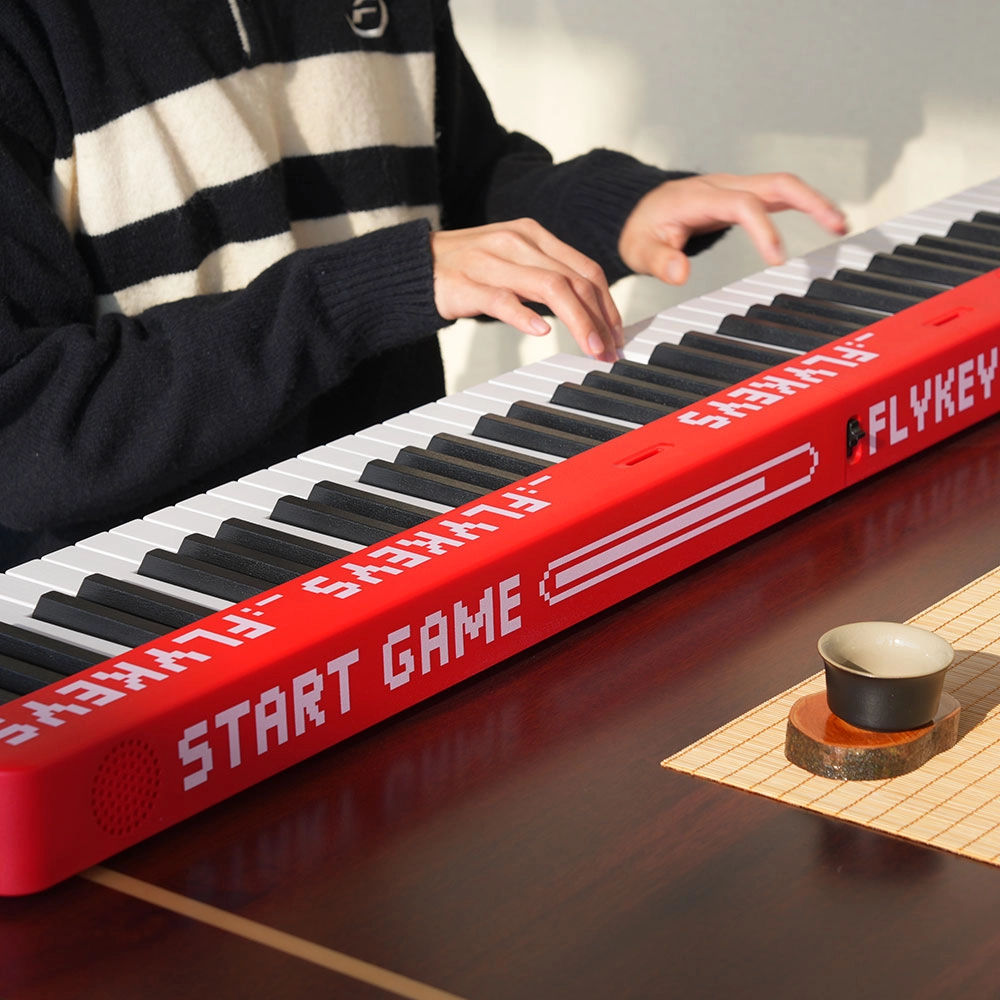
FLYKEYS M12 Folding Keyboard
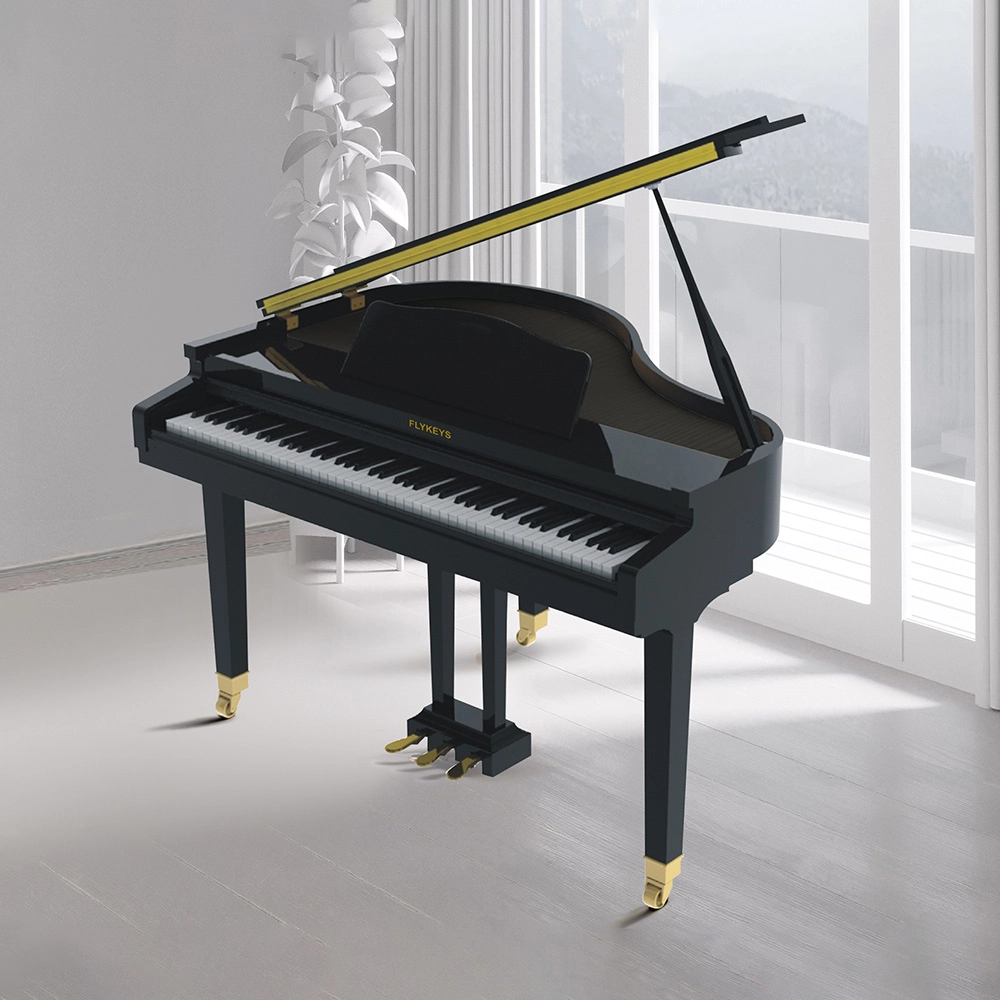
FLYKEYS FGP110 Professional 88-Key Digital Grand Piano with Hammer Action Keyboard
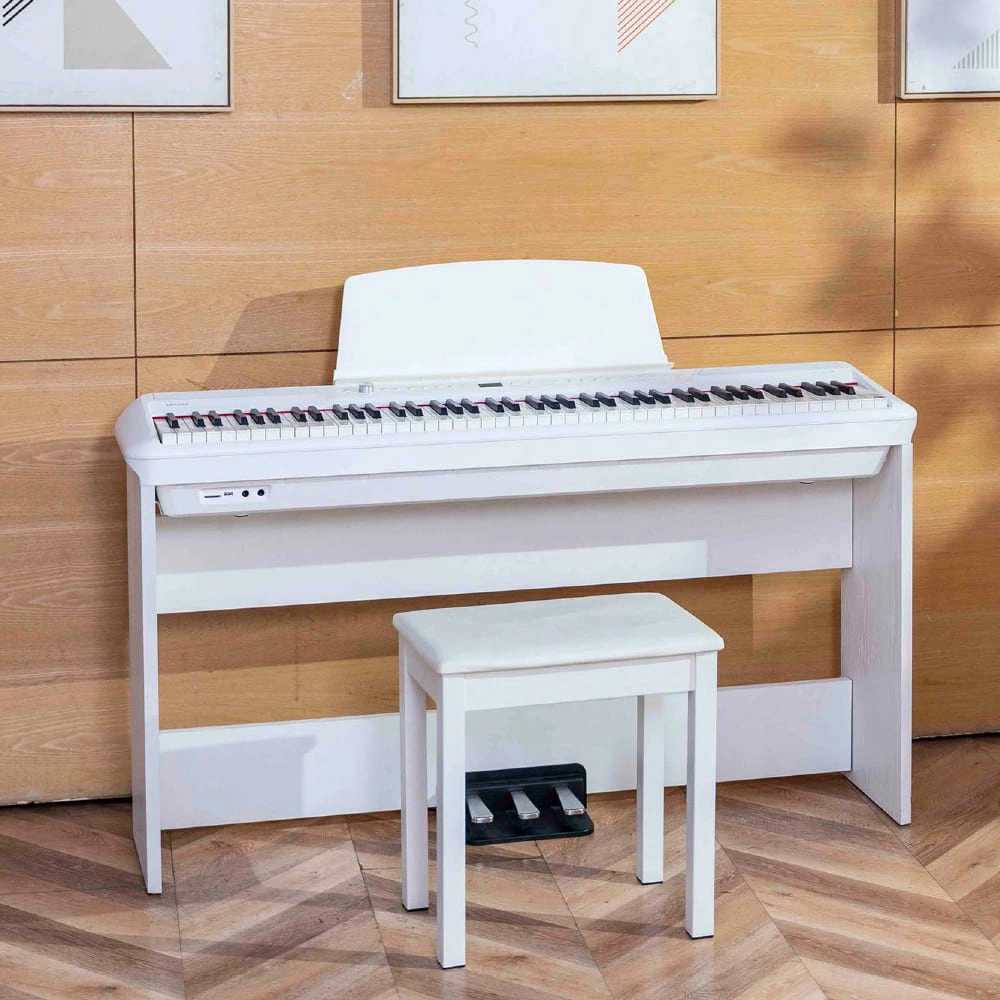
FLYKEYS Portable Electric Keyboard FP9 Digital Piano
Get in touch with us
Have a question or inquiry about our digital pianos products? Leave us a message here and our team will get back to you promptly within 24 hours.
Whether you're interested in custom orders, technical specifications, or partnership opportunities, we're here to assist you.
Rest assured that your privacy is important to us, and all information provided will be handled with the utmost confidentiality.
Address: No. 38 Xiangshan Avenue, Zengcheng Economic And Technological Development Zone, Guangzhou, China.
FOLLOW US:
Copyright© 2026 FLYKEYS All Rights Reserved. 粤 ICP备2020102774号. Designed by Gooeyun. Sitemap | Privacy | Terms
FLYKEYS
FLYKEYS
flykeys-music
Flykeys Music