

Does digital grand technology improve practice efficiency?
Modern digital grand technology significantly accelerates piano proficiency by integrating high-resolution sensory feedback and data-driven practice tools. Unlike traditional instruments, these systems provide precise haptic simulation and silent practice modes, ensuring consistent technical development and faster muscle memory acquisition for professional-grade performance.
The debate surrounding digital grand piano vs acoustic grand instruments has shifted from sound quality to pedagogical utility. Modern digital grand technology fundamentally alters the learning curve by providing immediate, objective feedback that traditional instruments cannot offer. By leveraging high-resolution optical sensors and advanced physical modeling, players can analyze their touch and velocity with mathematical precision. This technological integration allows for a more focused approach to technical hurdles, effectively reducing the time required to master complex passages through targeted repetition and silent, distraction-free environments.
How does high-resolution sensor sampling accelerate muscle memory development?
In a digital grand piano vs acoustic grand comparison, the precision of the action is paramount. Modern digital grands utilize triple-sensor key actions that capture the exact escapement point and repetition speed of a concert grand. This allows students to practice rapid-fire notes and delicate pianissimo passages with the same physical engagement required on an acoustic. Because the digital system provides consistent tonal response regardless of humidity or tuning, the brain develops a more reliable link between physical force and auditory outcome, which is the cornerstone of efficient muscle memory.
Can digital grand connectivity reduce errors in sight-reading practice?
One of the most significant advantages of digital technology is the ability to interface with MIDI-based pedagogical software. By connecting a digital grand to an iPad or computer, students receive real-time visual feedback on pitch and rhythmic accuracy. This eliminates the habitual error phase where a student practices a mistake for a week before their next lesson. The ability to record and instantly playback performances at different speeds allows for self-critique that is far more objective than memory-based reflection, making the transition between a digital grand piano vs acoustic grand seamless for performers.
Does silent practice mode improve the quality of technical drills?
Psychological studies in music education suggest that performance anxiety can begin in the practice room. The silent practice feature of a digital grand allows for uninhibited experimentation with difficult techniques without the fear of being overheard. This leads to more courageous practice sessions where the student is willing to push their boundaries. Furthermore, the ability to practice at any hour ensures that the flow state is never interrupted by external noise constraints, directly increasing the total number of high-quality practice hours accumulated over time.
How does physical modeling technology enhance tonal control for beginners?
Unlike basic sampling, advanced physical modeling in high-end digital grands simulates the sympathetic resonance of strings and the behavior of the soundboard. For a beginner, this provides a sophisticated laboratory to understand how the sustain pedal and finger legato affect the overall harmonic envelope. While an acoustic grand is subject to environmental fluctuations that can dull its response, a digital grand offers a perfectly regulated environment, allowing the student to master the nuances of tonal shading and pedaling with absolute clarity before applying them to a traditional instrument.
Can integrated metronomes and recording tools replace traditional teaching methods?
While technology cannot replace a master teacher, the integrated tools in a digital grand serve as a 24/7 assistant. The ability to practice with a variable-beat metronome that doesn't just click, but provides orchestral backing, helps develop a superior sense of pulse and ensemble playing. Recording features allow students to layer tracks, practicing the left hand while listening to a recorded right hand. This isolation of parts is a high-level practice technique that is significantly easier to execute on a digital platform than on an acoustic one, leading to faster polyphonic mastery.
Does the lack of mechanical maintenance impact long-term practice consistency?
A hidden factor in practice efficiency is the reliability of the instrument. Acoustic grands require frequent tuning and regulation to remain in peak playing condition; a piano that is out of tune or has an uneven action can actually damage a student's ear and technique. A digital grand provides a stable, 440Hz environment with a perfectly regulated action every single day. This consistency ensures that every minute spent practicing is productive, as the student is not subconsciously compensating for mechanical deficiencies or tuning instabilities common in neglected acoustic instruments.
At FLYKEYS, we combine decades of industry expertise with cutting-edge technological innovation to bridge the gap between tradition and the future of music education. Our digital grand pianos are engineered to provide the authentic touch and sophisticated feedback necessary for serious artistic growth. By prioritizing technical reliability and pedagogical integration, FLYKEYS ensures that every musician has the tools required to achieve professional excellence with maximum efficiency.
For a professional consultation or a tailored quote on our latest models, please visit www.flykeysmusic.com or contact our specialist team at service@flykeysmusic.com.
Frequently Asked Questions
How does high-resolution sensor sampling accelerate muscle memory development?
Modern digital grands utilize triple-sensor key actions that capture the exact escapement point and repetition speed of a concert grand, allowing the brain to develop a reliable link between physical force and auditory outcome.
Can digital grand connectivity reduce errors in sight-reading practice?
By connecting to MIDI-based software, students receive real-time feedback on accuracy, preventing the reinforcement of mistakes and allowing for objective self-critique through instant playback.
Does silent practice mode improve the quality of technical drills?
Yes, it allows for uninhibited experimentation and removes noise constraints, enabling more frequent and focused practice sessions without performance anxiety.
How does physical modeling technology enhance tonal control for beginners?
It simulates sympathetic resonance and soundboard behavior in a perfectly regulated environment, helping students master the nuances of pedaling and legato without environmental interference.
Can integrated metronomes and recording tools replace traditional teaching methods?
They act as a 24/7 assistant, allowing for part isolation and ensemble simulation, which helps develop a superior sense of pulse and faster polyphonic mastery.
Does the lack of mechanical maintenance impact long-term practice consistency?
Digital grands provide a stable 440Hz environment and perfectly regulated action daily, ensuring students don't subconsciously compensate for the tuning or mechanical issues common in acoustic pianos.
- How does high-resolution sensor sampling accelerate muscle memory development?
- Can digital grand connectivity reduce errors in sight-reading practice?
- Does silent practice mode improve the quality of technical drills?
- How does physical modeling technology enhance tonal control for beginners?
- Can integrated metronomes and recording tools replace traditional teaching methods?
- Does the lack of mechanical maintenance impact long-term practice consistency?
- Frequently Asked Questions

FLYKEYS to Showcase Professional Digital Piano Solutions at Prolight + Sound Bangkok 2026

Which Digital Piano Feels Most Like a Real Piano? (2026 Expert Review & Comparison)

Best Professional Upright Digital Piano 2026 – FLYKEYS FDP 7 Features
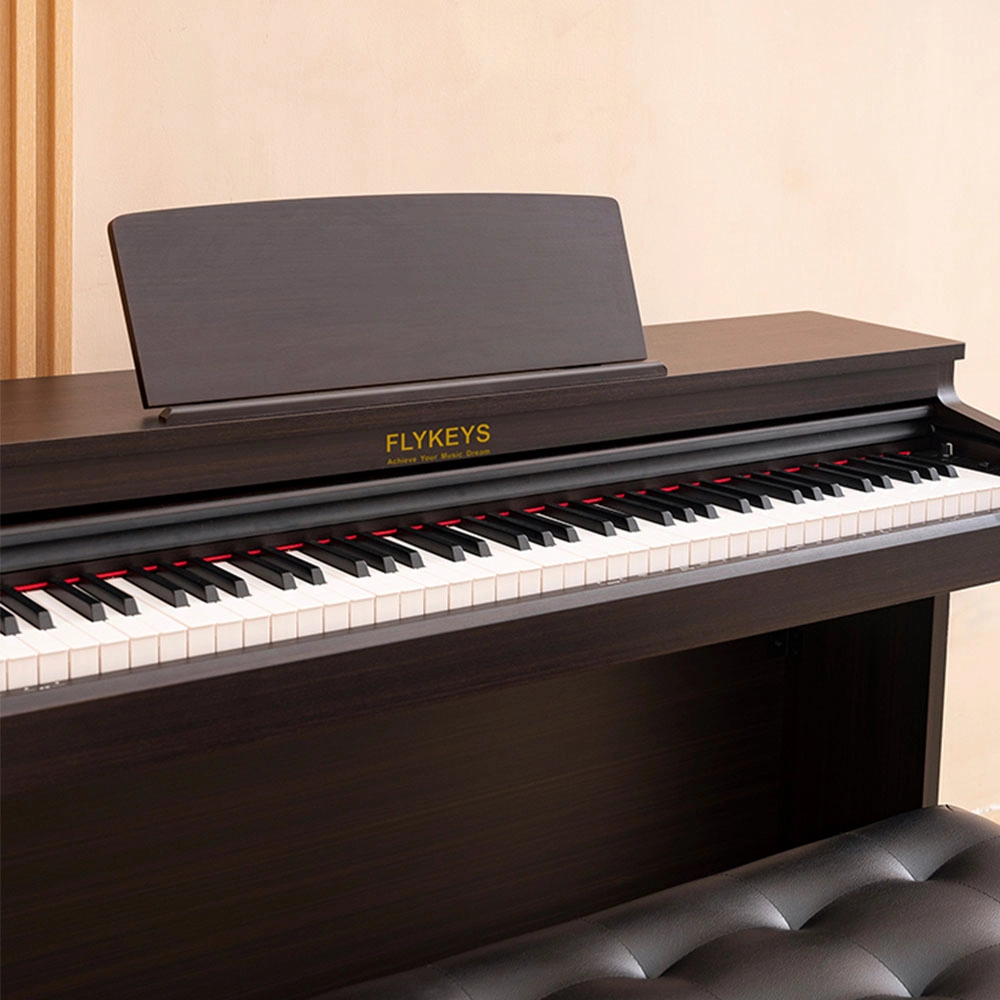
Best 88-Key Keyboard 2026: Top Weighted Picks for Intermediate Players
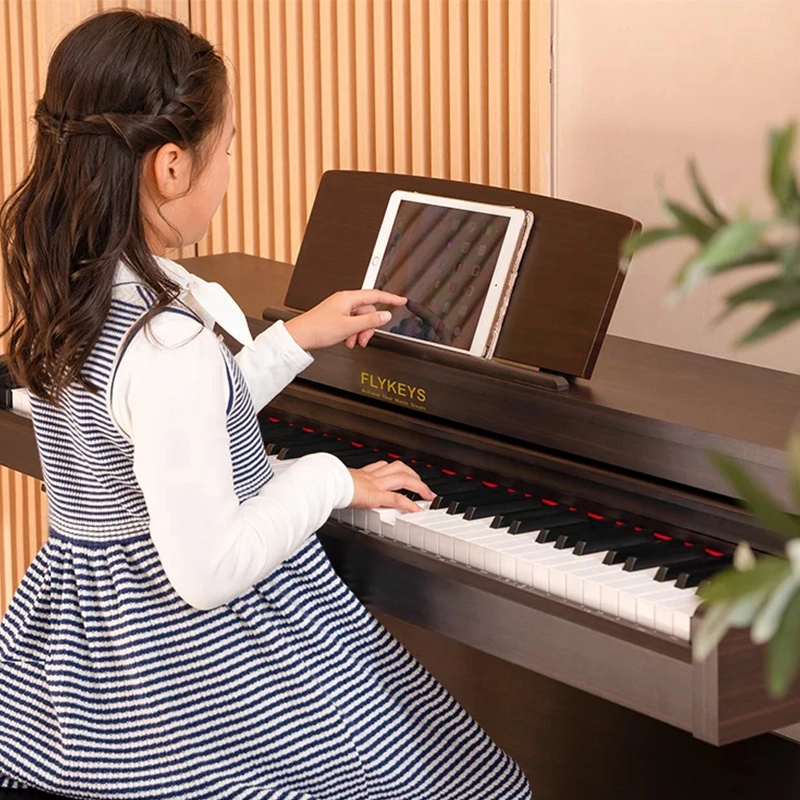
Best 88-Key Digital Pianos for Professionals and Advanced Players: Top Brands, Key Features and Buying Tips (2026)
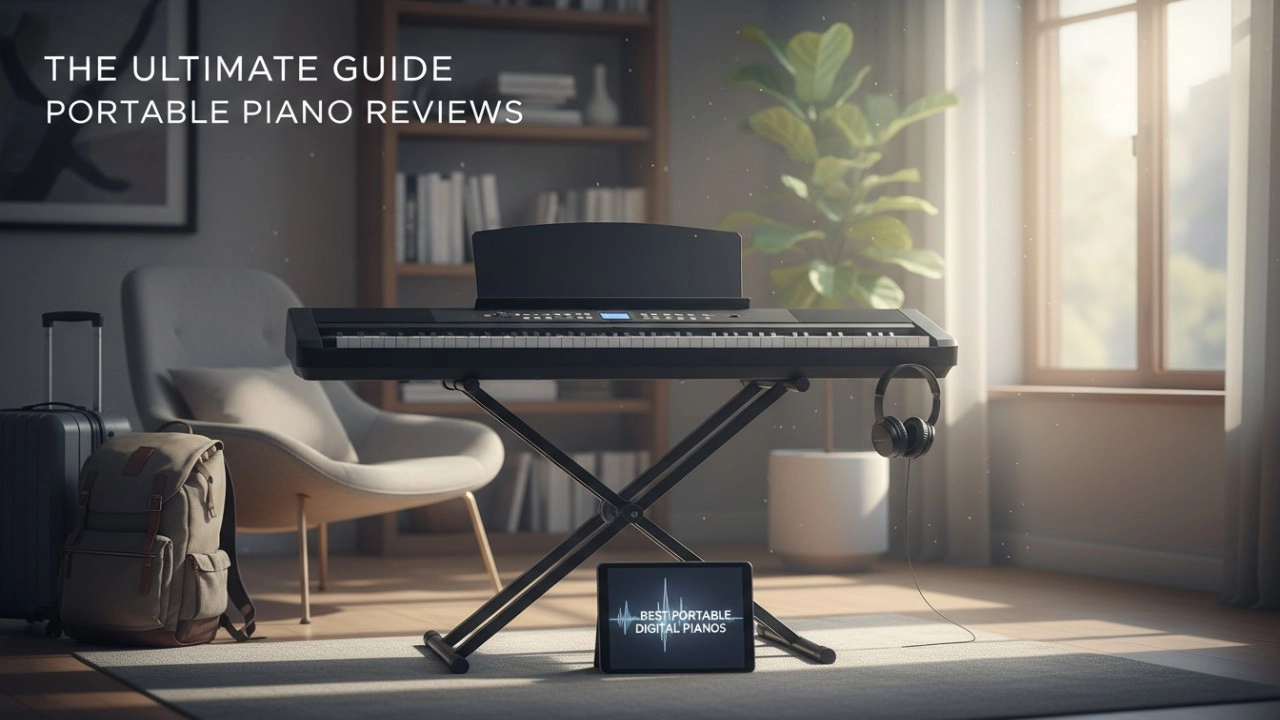
15 Best Portable Digital Pianos of 2026: The Only Comparison Guide You’ll Ever Need
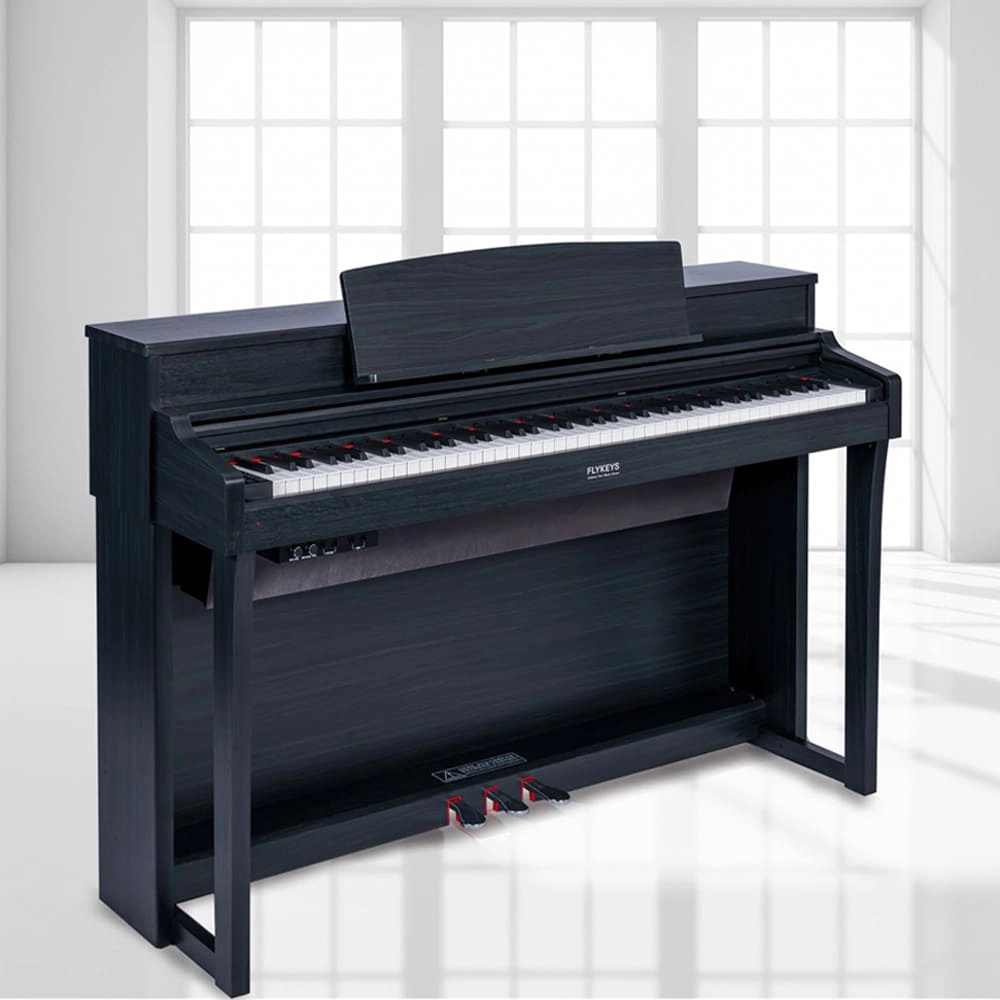
FLYKEYS Upright Digital Piano 88-Keys Hammer-Action Keyboard FK330 Digital Piano
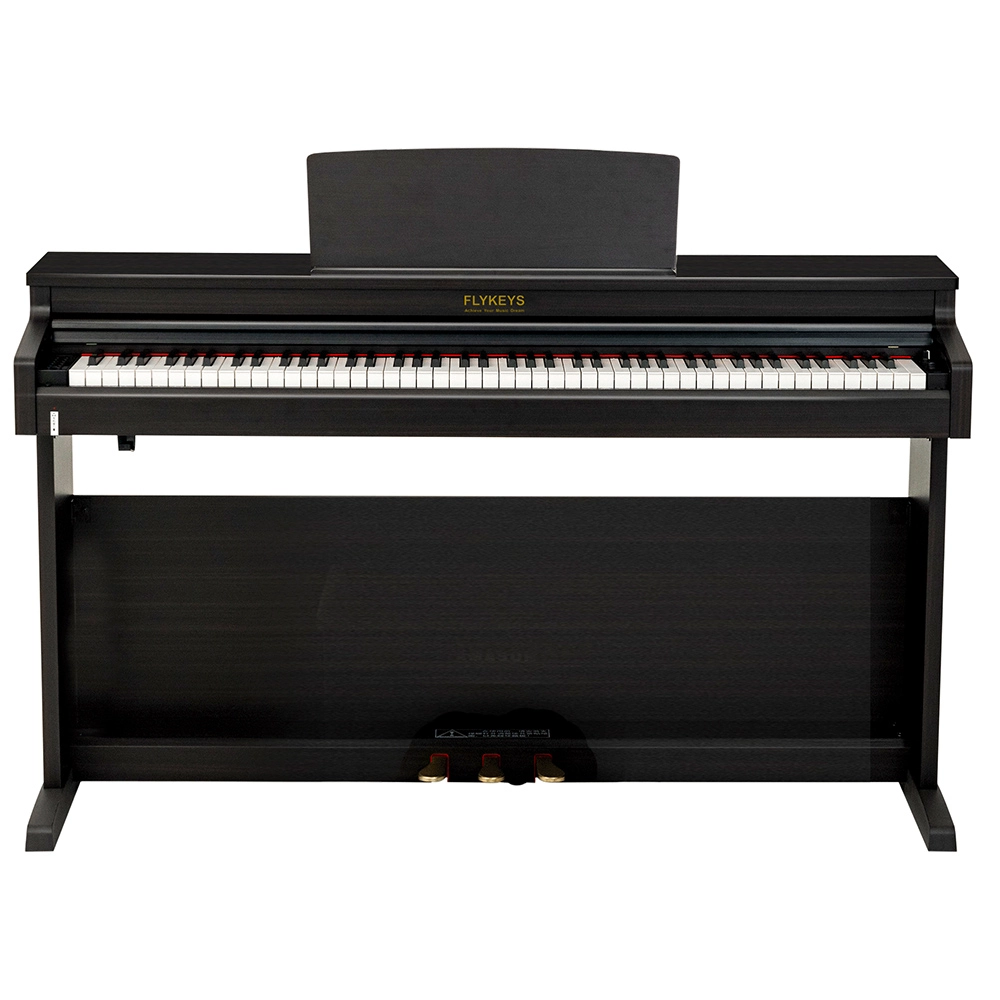
FLYKEYS Upright Digital Piano FDP 3
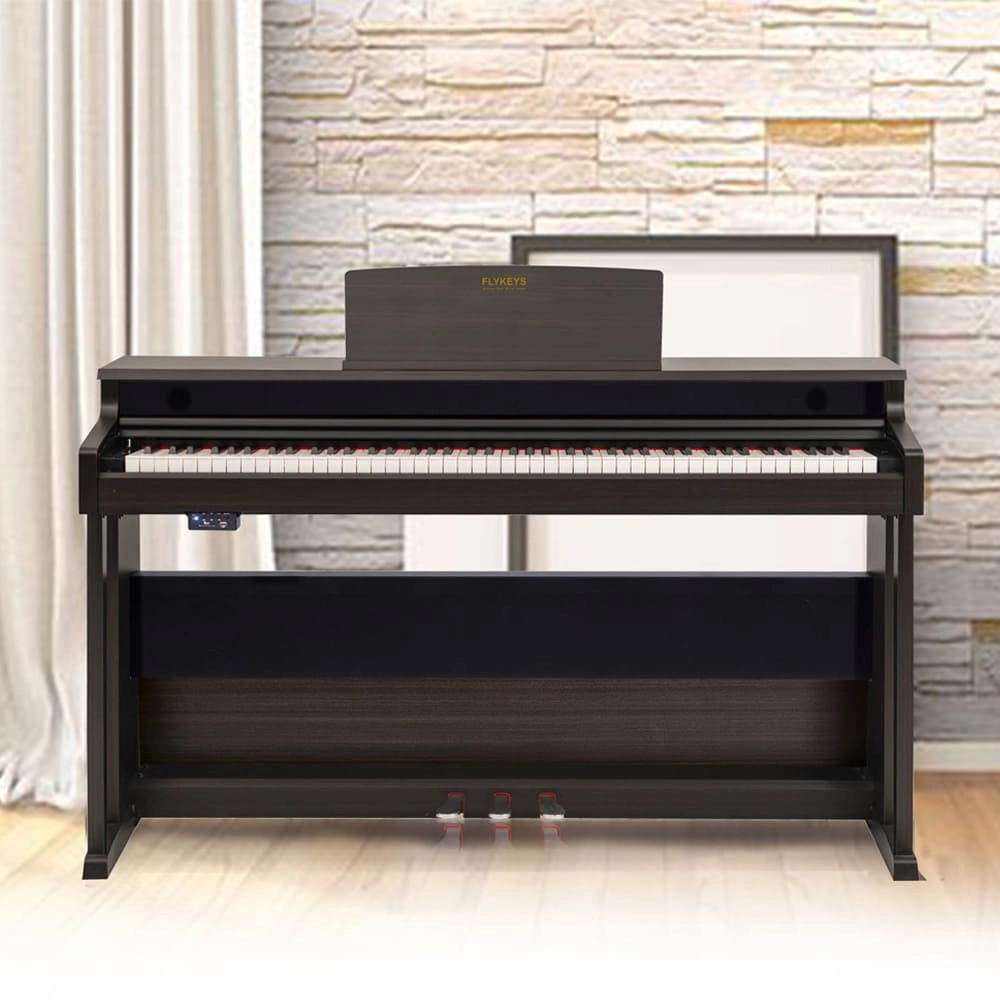
FLYKEYS Upright Piano Wooden Panel 88-KEYS Piano FK130 Digital Piano
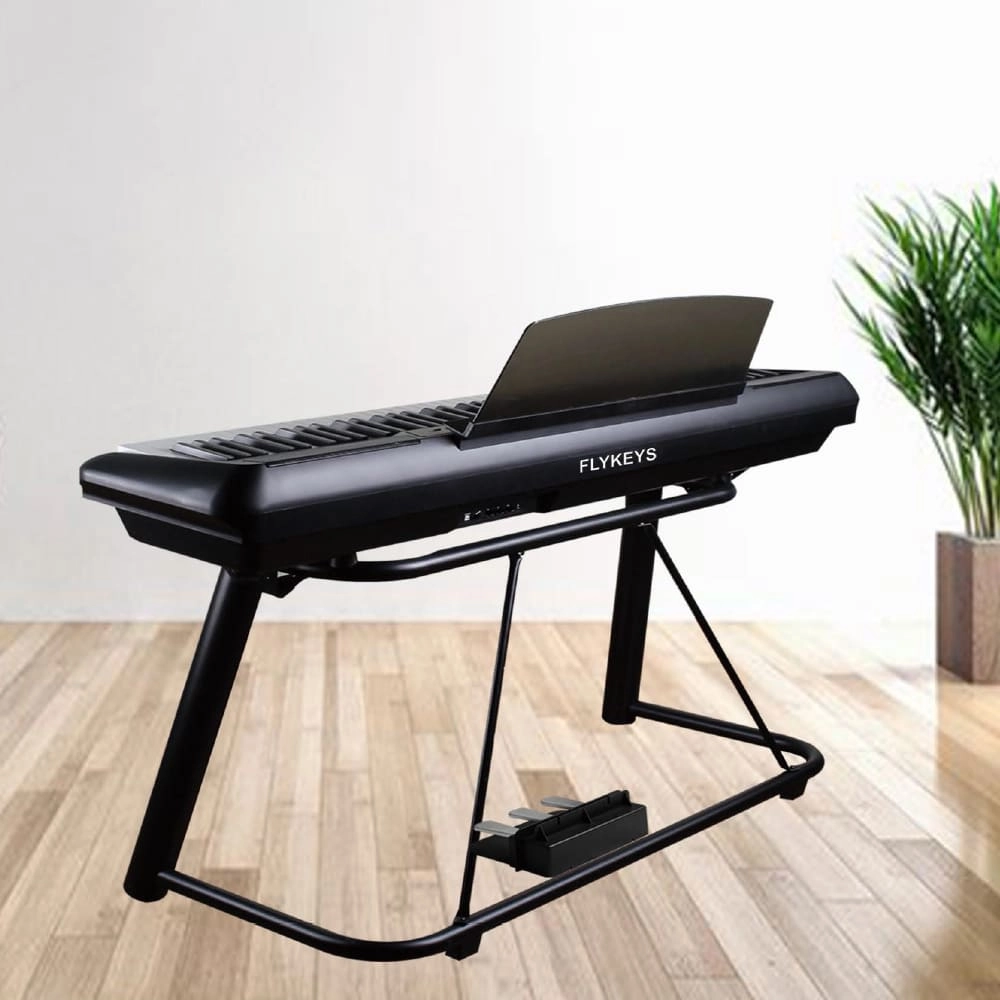
FLYKEYS 88-Keys Portable Piano With Wooden Stand FP6 Digital Piano
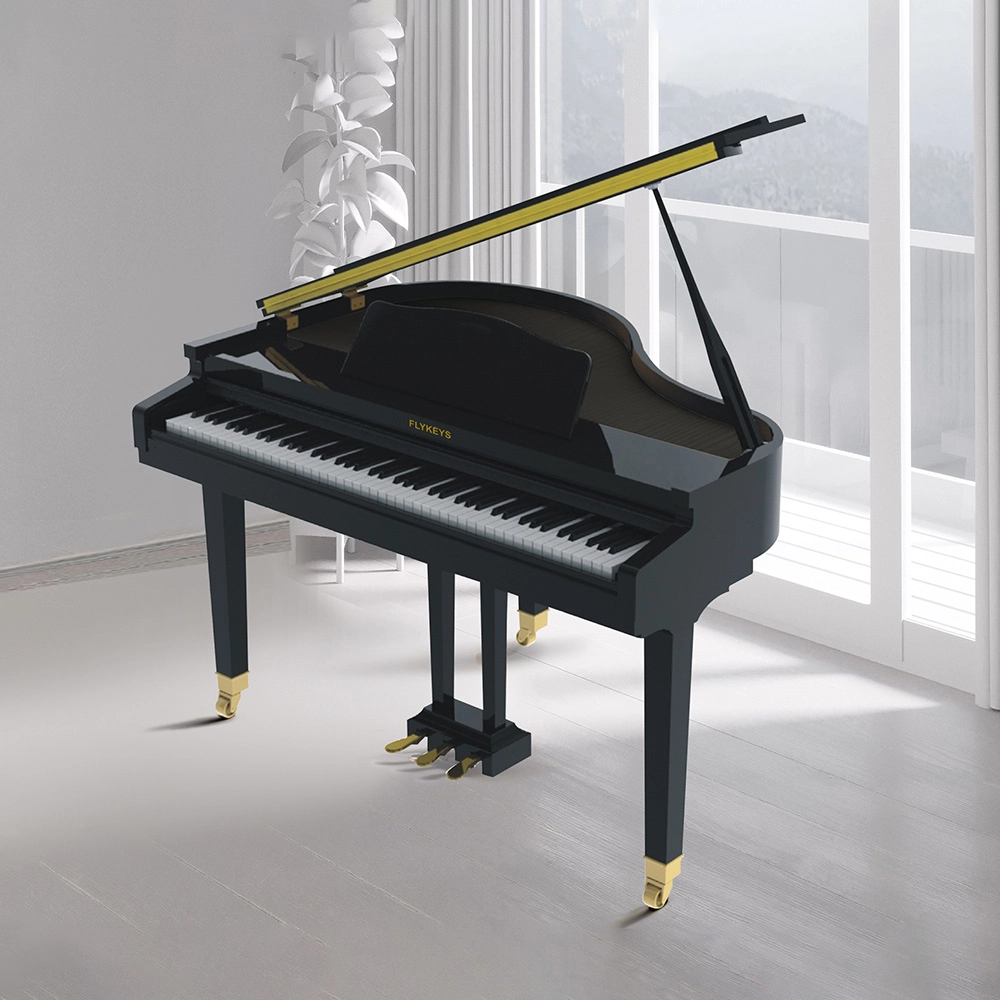
FLYKEYS FGP110 Professional 88-Key Digital Grand Piano with Hammer Action Keyboard
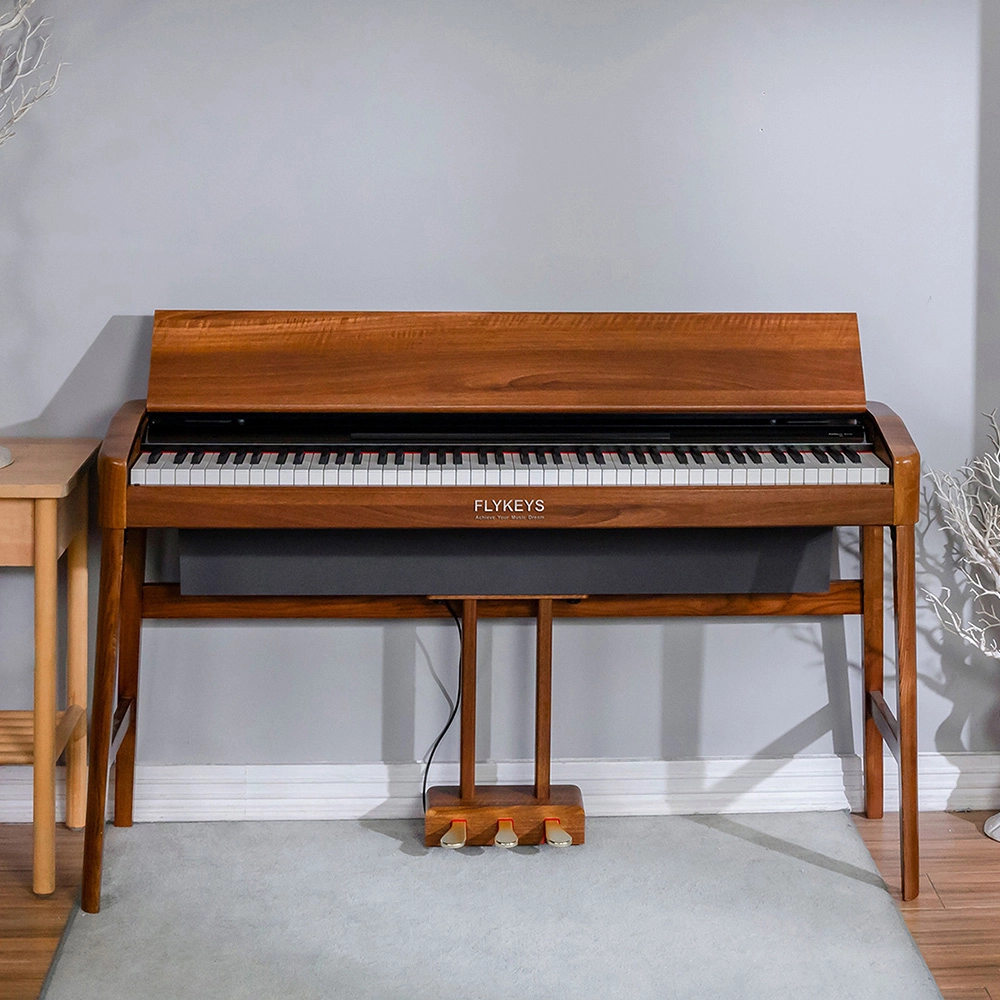
FLYKEYS Wooden Panel Piano Original Italian Imported Hammer Action Keyboard SK3 Digital Piano
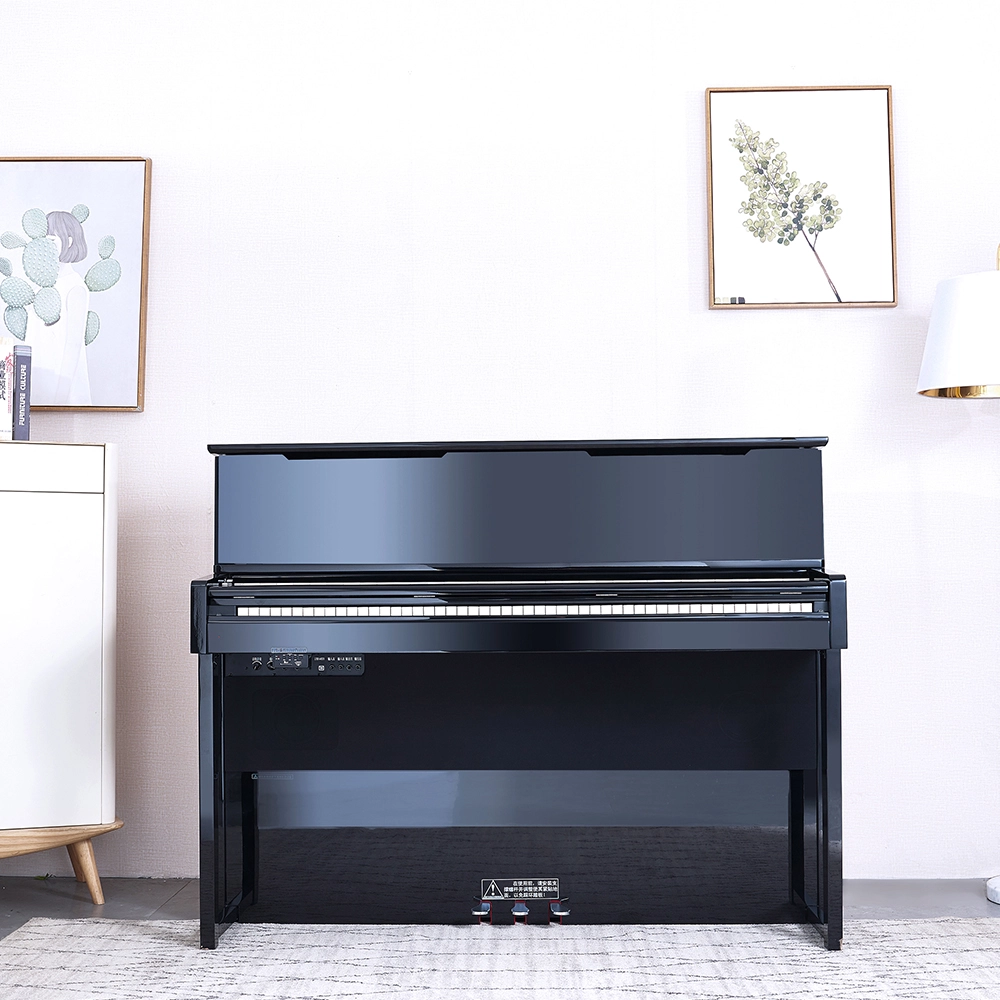
FLYKEYS Professional Digital Upright Piano 88-Keys Wooden Keyboard FK830 Digital Piano
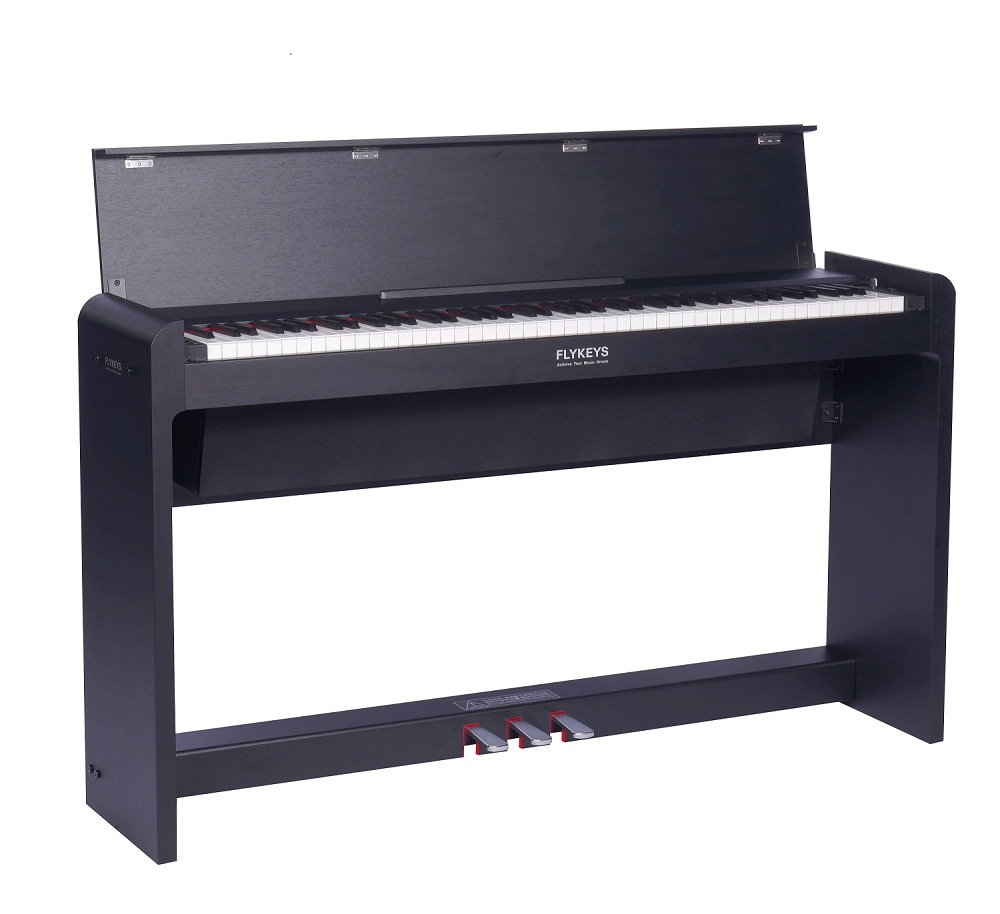
FLYKEYS FDP 5 Digital Piano
Get in touch with us
Have a question or inquiry about our digital pianos products? Leave us a message here and our team will get back to you promptly within 24 hours.
Whether you're interested in custom orders, technical specifications, or partnership opportunities, we're here to assist you.
Rest assured that your privacy is important to us, and all information provided will be handled with the utmost confidentiality.
Address: No. 38 Xiangshan Avenue, Zengcheng Economic And Technological Development Zone, Guangzhou, China.
FOLLOW US:
Copyright© 2026 FLYKEYS All Rights Reserved. 粤 ICP备2020102774号. Designed by Gooeyun. Sitemap | Privacy | Terms
FLYKEYS
FLYKEYS
flykeys-music
Flykeys Music