

How do digital piano connectivity features affect buyers?
A technical deep-dive into how modern digital piano connectivity—including MIDI, Bluetooth, and USB—influences purchasing decisions, workflow efficiency, and long-term instrument utility for beginners and professionals alike.
Quick Answer
Connectivity features determine the long-term utility of the best digital pianos by enabling external sound expansion, educational app integration, and seamless DAW recording. Modern buyers prioritize Bluetooth MIDI/Audio and USB-to-Host functionality to bridge the gap between traditional tactile play and digital production. Critical factors include latency benchmarks, driver compatibility, and physical port durability, with specific requirements varying by performance or studio application.
How FLYKEYS Supports Digital Piano Projects
FLYKEYS leverages the manufacturing heritage of Pearl River Piano Group to provide robust connectivity solutions within our portable and upright digital piano lineups. Our instruments utilize self-developed reduction technology to ensure that digital outputs accurately reflect the nuanced tone and feel of an acoustic grand. We support global distributors through OEM and ODM services, ensuring all hardware meets FCC, CE, and RoHS standards for international market entry.
Technical partners must confirm specific parameters such as MIDI I/O requirements, local control settings, and target hardware compatibility before production. FLYKEYS manages bulk orders with strict quality control protocols, though specific MOQ and lead times are determined by project scale and customization needs. Our engineering team assists in aligning digital interface specifications with the evolving demands of the modern educational and professional keyboard markets.
Consult on Your Digital Piano Distribution Requirements
To receive a tailored quotation for your market, please provide your target order volume, preferred cabinet style, specific connectivity requirements (e.g., Bluetooth 5.0, USB-B), and regional voltage standards. We can discuss custom branding and technical specifications to ensure the product aligns with your local consumer base. Contact our technical sales department at www.flykeysmusic.com or via email at service@flykeysmusic.com.
Connectivity Deep-Dive FAQs
Does Bluetooth MIDI latency disrupt professional recording workflows?
While Bluetooth MIDI is highly efficient for educational apps and wireless control, it can introduce 10-30ms of latency depending on the environment. For professional studio recording where micro-timing is critical, a wired USB-to-Host or 5-pin MIDI connection remains the industry standard to ensure zero-latency data transmission.
Why are 5-pin MIDI ports becoming rare on beginner pianos?
The industry is shifting toward USB-MIDI because it handles both data and power through a single cable, simplifying the setup for home users. However, the absence of 5-pin ports can be a deal-breaker for buyers using legacy hardware synths or external sound modules that do not support USB hosting.
How does Bluetooth Audio differ from Bluetooth MIDI functionality?
Bluetooth Audio allows the piano to act as a wireless speaker for external playback, which is excellent for playing along with backing tracks. Bluetooth MIDI, conversely, transmits note and velocity data to software. Buyers must verify if a piano supports both, as many entry-level models only offer one or the other.
Can USB-to-Device ports replace a computer for recording?
A USB-to-Device port allows for direct WAV or MIDI recording onto a flash drive, bypassing the need for a computer. This is a vital feature for performers who need to capture song ideas instantly without the distraction of a DAW or external interface.
Is a dedicated Audio In/Out port necessary for home use?
For beginners, built-in speakers are often sufficient, but dedicated 1/4-inch Line Out ports are essential for buyers planning to use external amplifiers or PA systems. Without these, users are forced to use the headphone jack, which often results in impedance mismatch and degraded signal quality.
Does connectivity impact the resale value of digital pianos?
Instruments with standardized, high-speed connectivity (like USB-C or Bluetooth 5.0) retain value better because they remain compatible with evolving software ecosystems. Proprietary or outdated connection types can lead to early obsolescence as mobile devices and computers phase out older port standards.

FLYKEYS to Showcase Professional Digital Piano Solutions at Prolight + Sound Bangkok 2026

Which Digital Piano Feels Most Like a Real Piano? (2026 Expert Review & Comparison)

Best Professional Upright Digital Piano 2026 – FLYKEYS FDP 7 Features
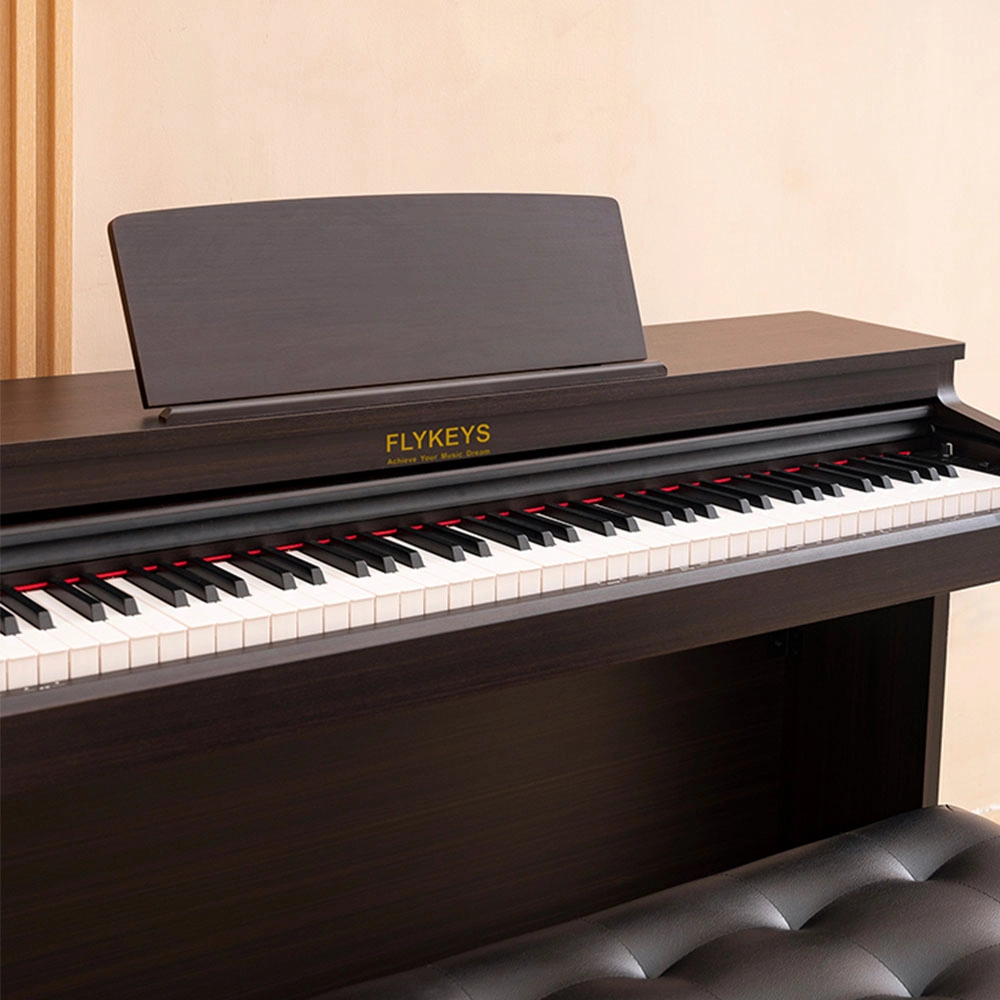
Best 88-Key Keyboard 2026: Top Weighted Picks for Intermediate Players
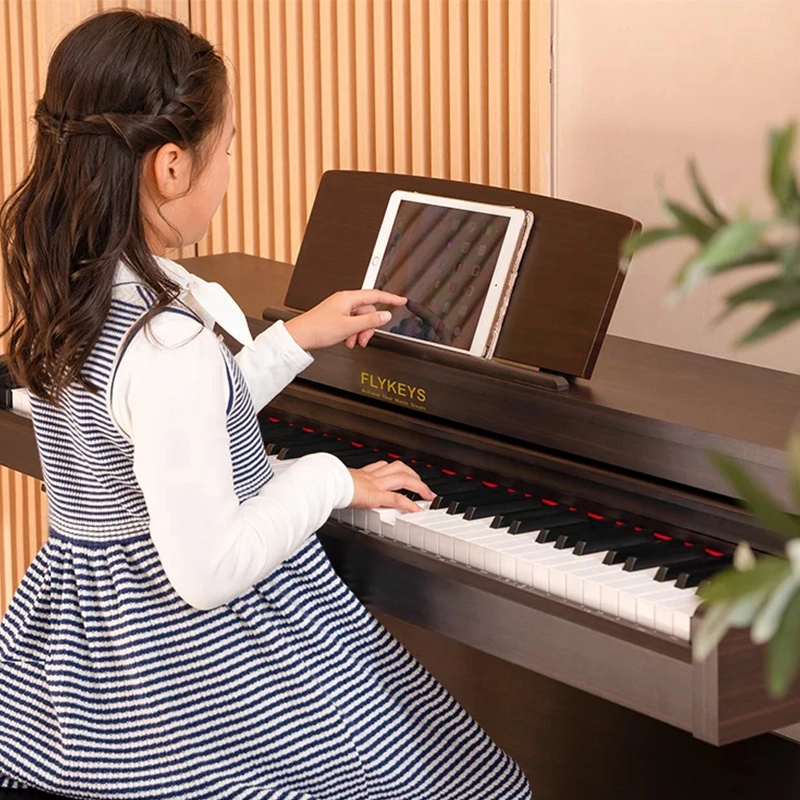
Best 88-Key Digital Pianos for Professionals and Advanced Players: Top Brands, Key Features and Buying Tips (2026)
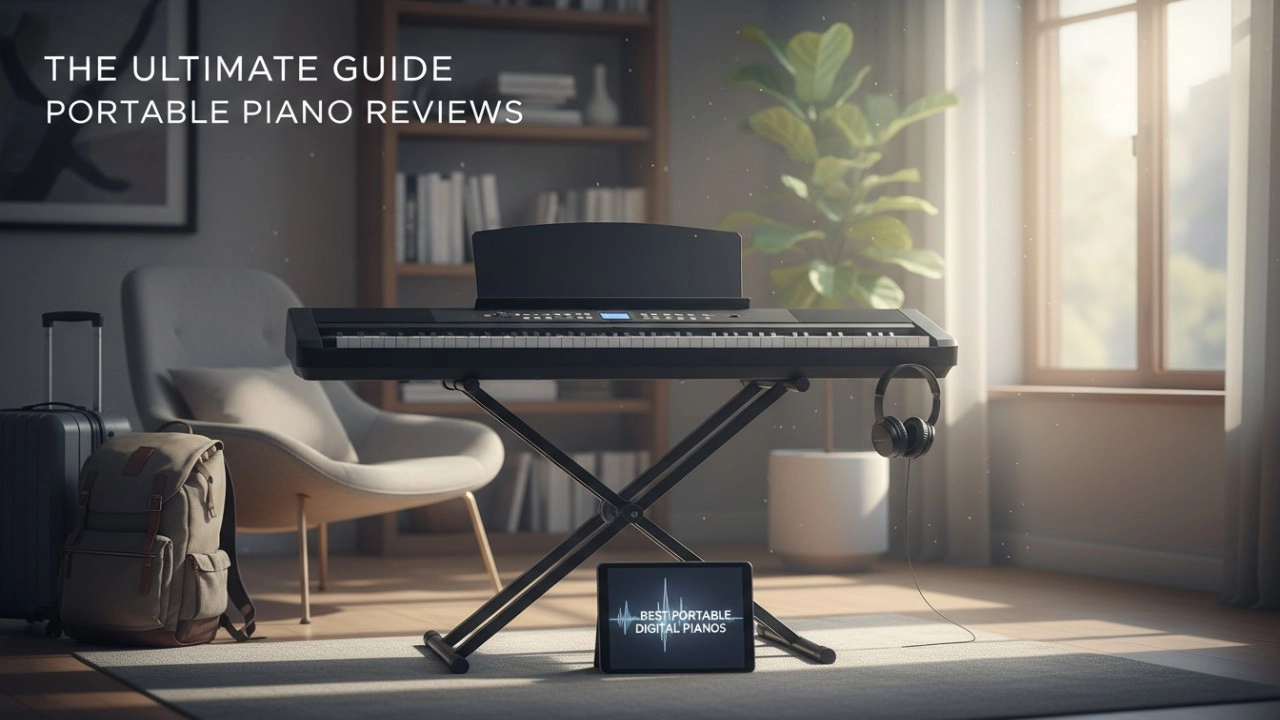
15 Best Portable Digital Pianos of 2026: The Only Comparison Guide You’ll Ever Need
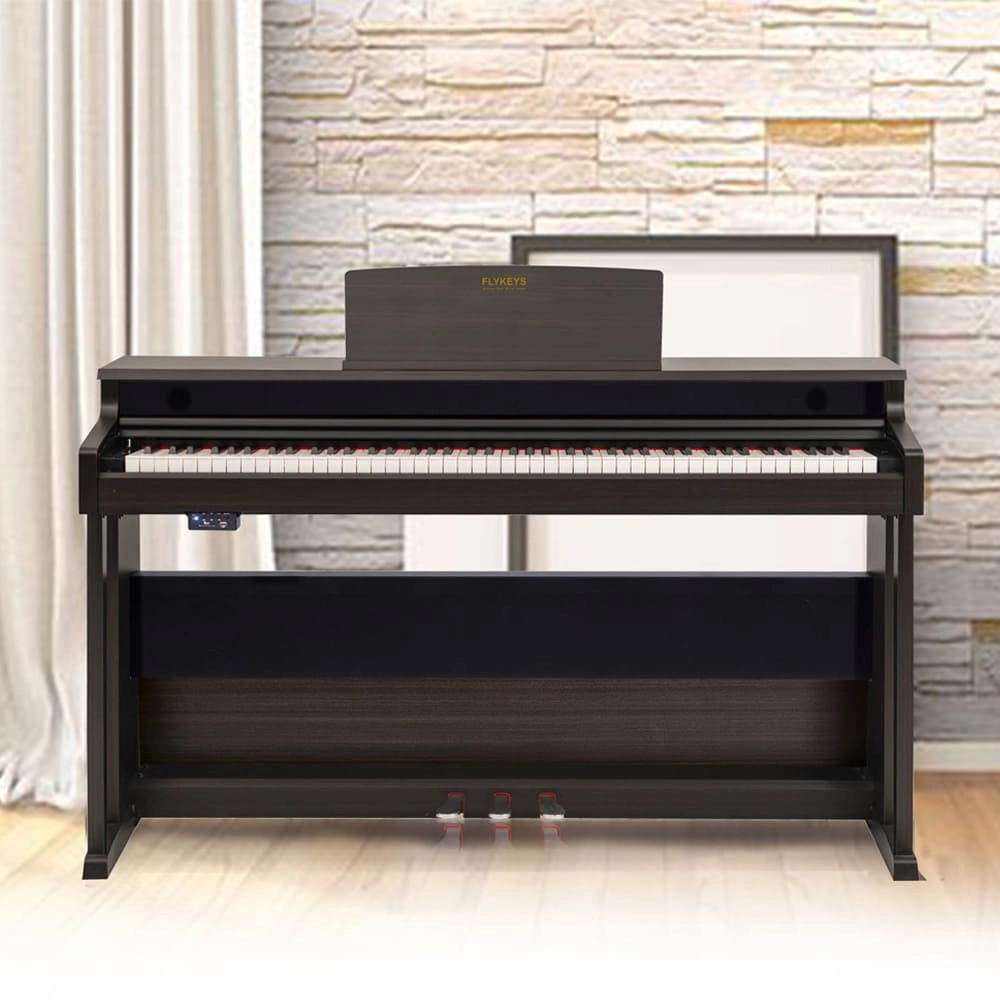
FLYKEYS Upright Piano Wooden Panel 88-KEYS Piano FK130 Digital Piano
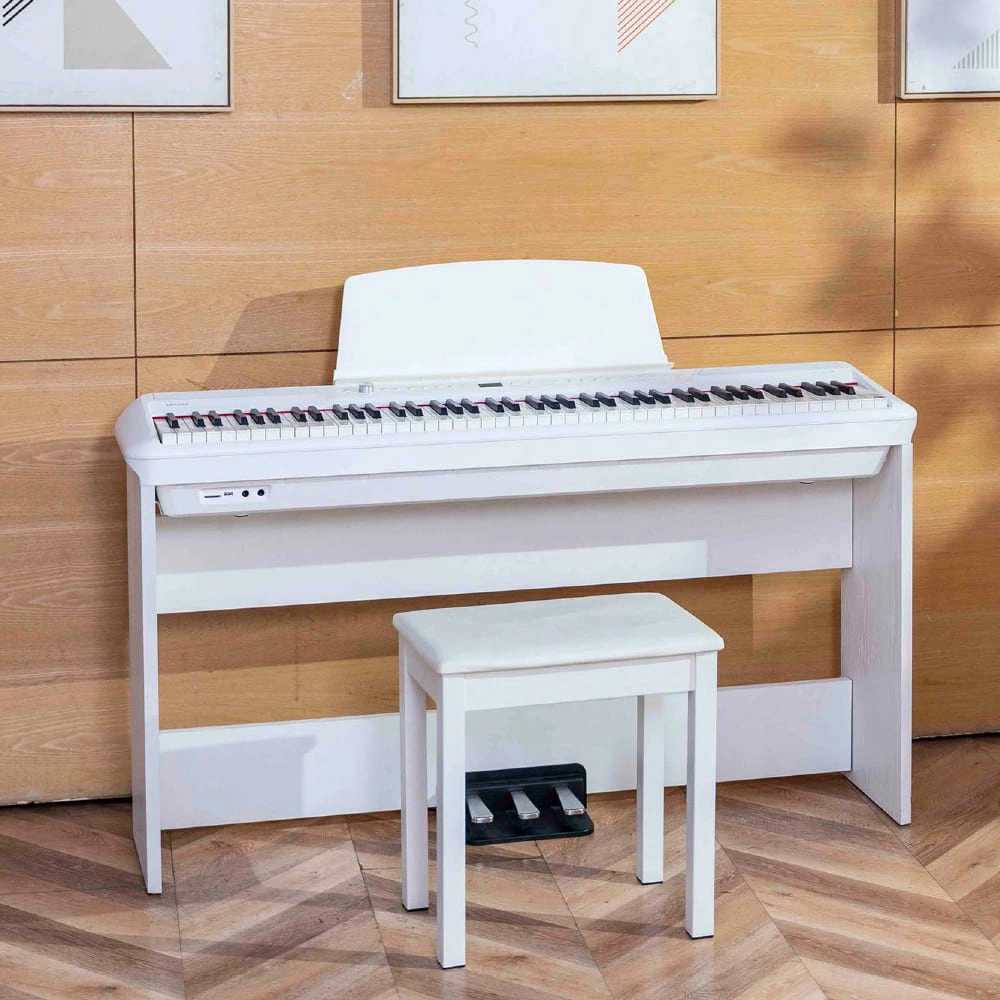
FLYKEYS Portable Electric Keyboard FP9 Digital Piano
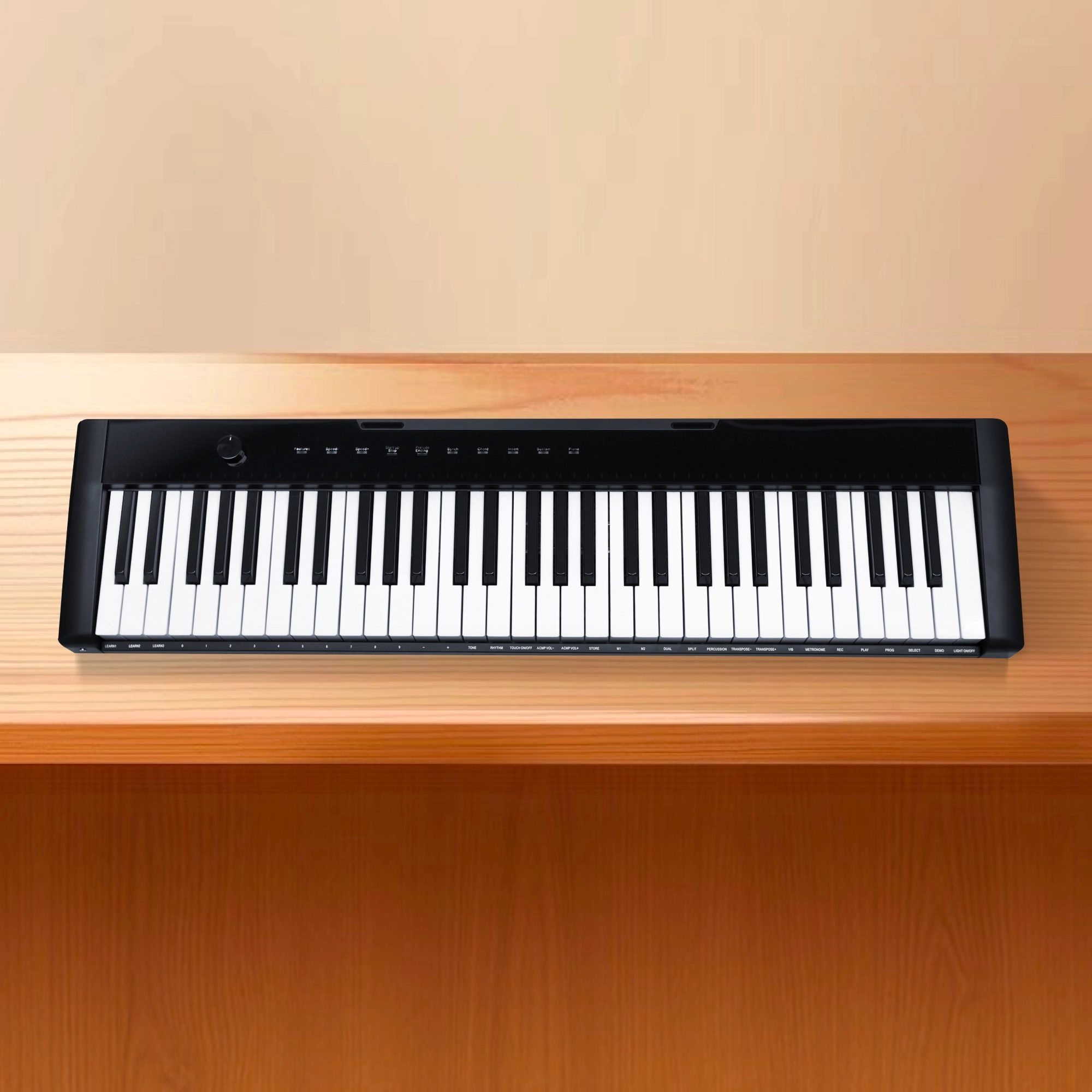
FLYKEYS 61-keys portable electronic keyboard piano with X stand (M2)
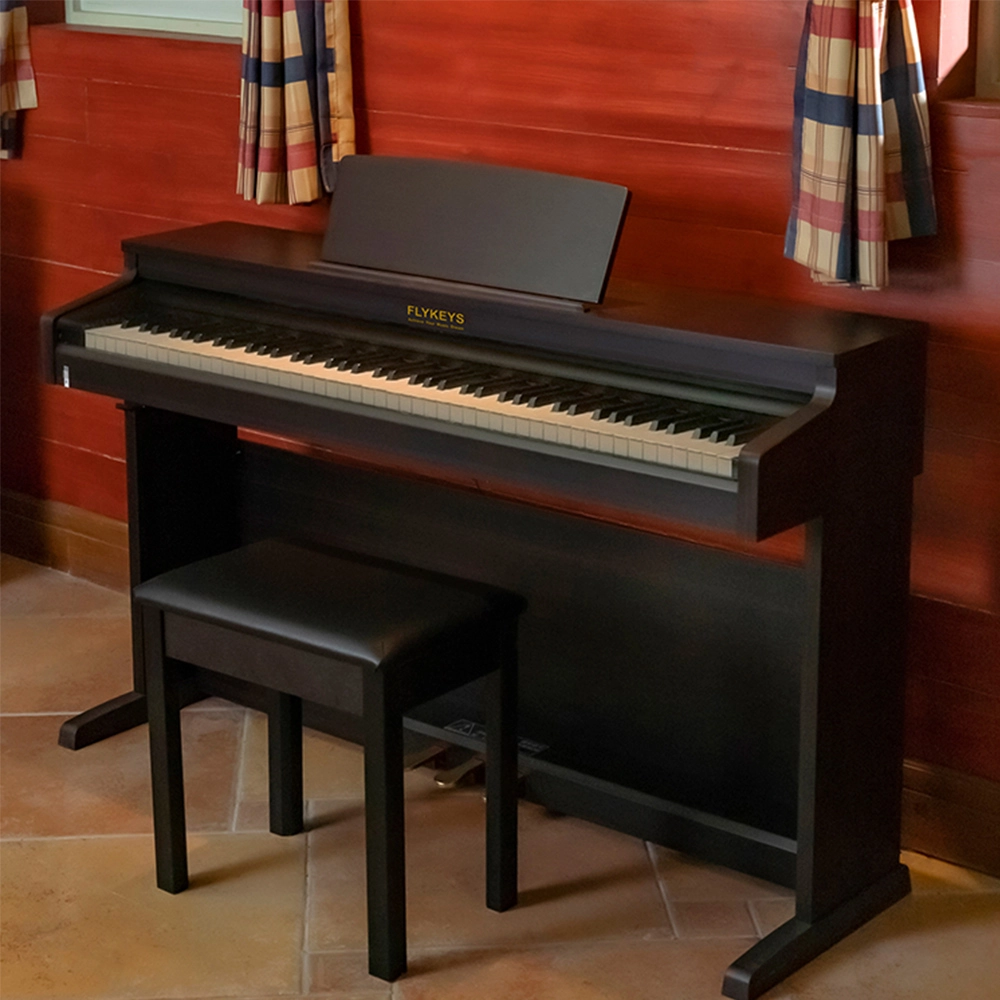
FLYKEYS Upright Electric Piano Built-In Speakers Music Instrument FD05 Digital Piano
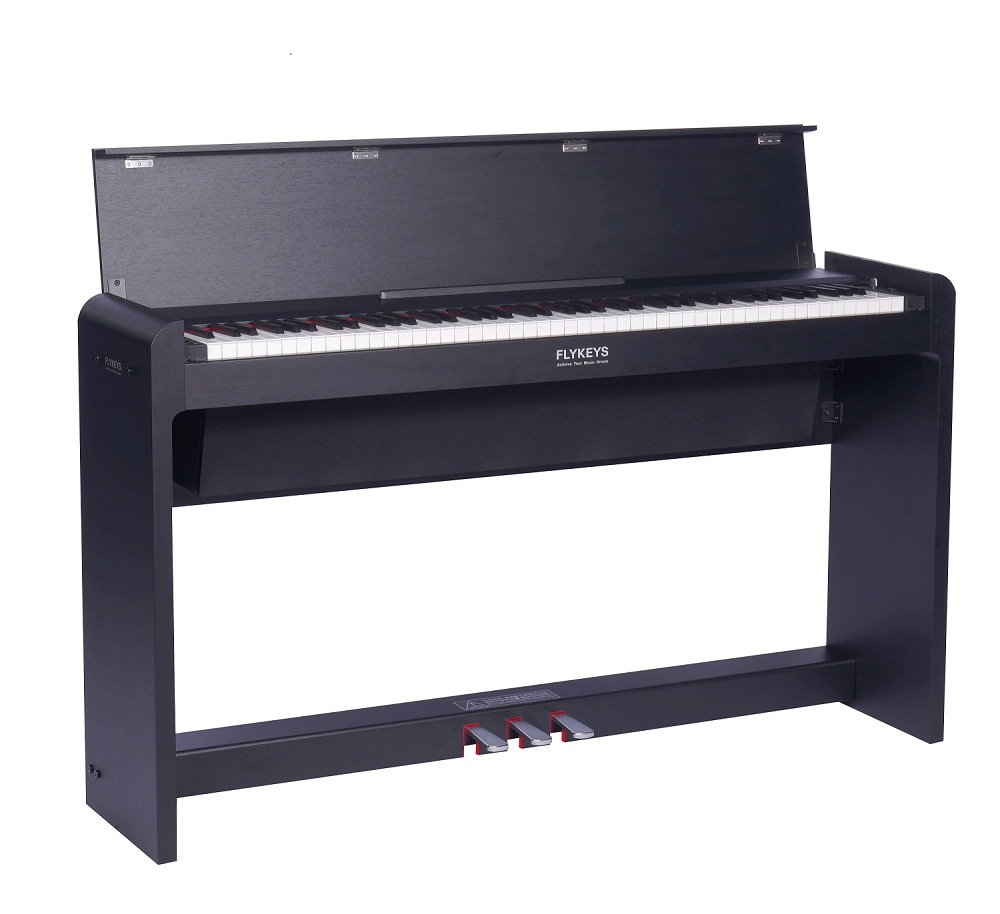
FLYKEYS FDP 5 Digital Piano
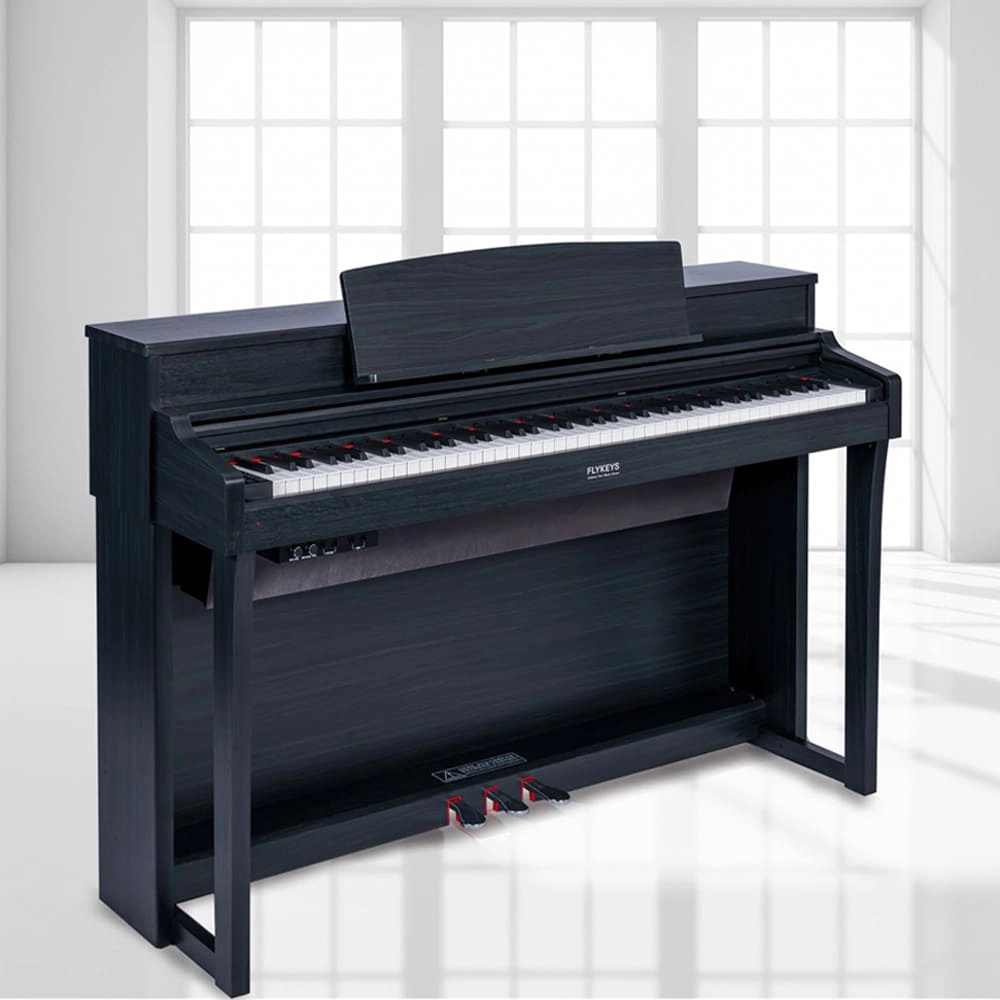
FLYKEYS Upright Digital Piano 88-Keys Hammer-Action Keyboard FK330 Digital Piano

FLYKEYS Professional Digital Grand Piano FGP610 Digital Piano
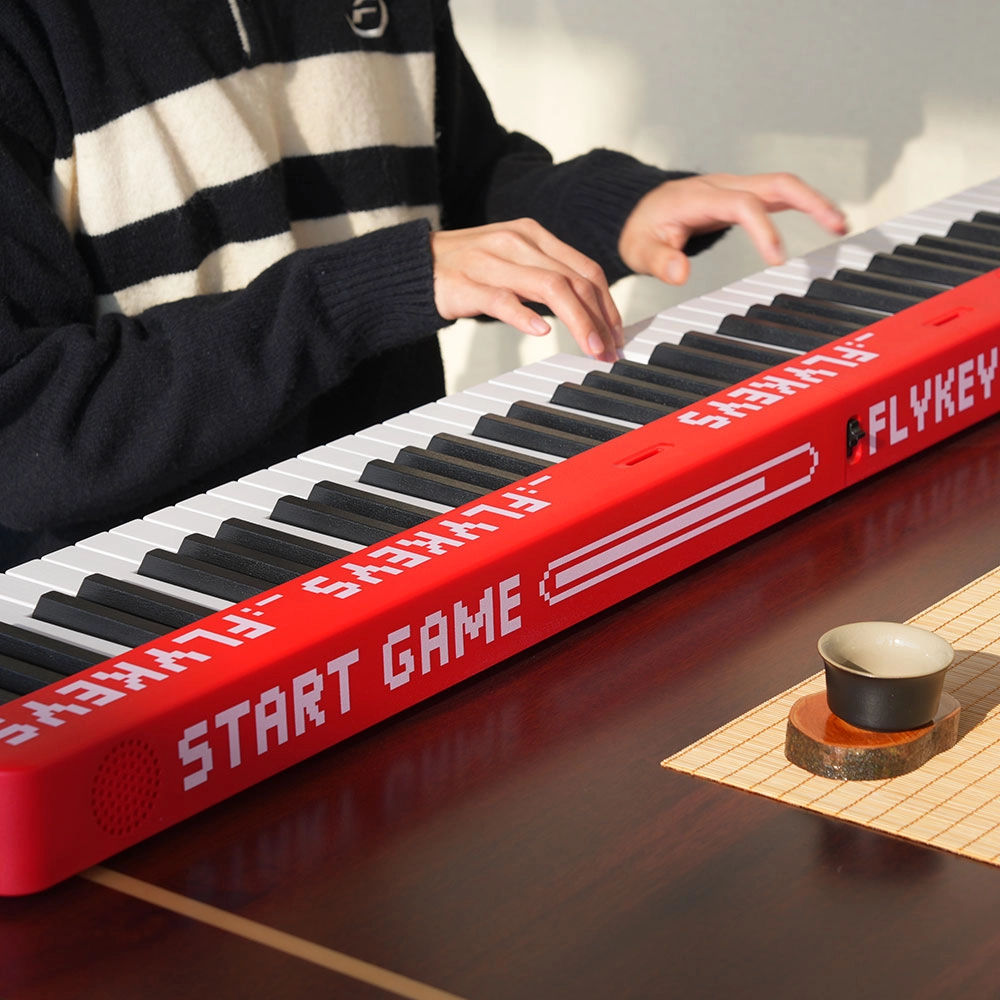
FLYKEYS M12 Folding Keyboard
Get in touch with us
Have a question or inquiry about our digital pianos products? Leave us a message here and our team will get back to you promptly within 24 hours.
Whether you're interested in custom orders, technical specifications, or partnership opportunities, we're here to assist you.
Rest assured that your privacy is important to us, and all information provided will be handled with the utmost confidentiality.
Address: No. 38 Xiangshan Avenue, Zengcheng Economic And Technological Development Zone, Guangzhou, China.
FOLLOW US:
Copyright© 2026 FLYKEYS All Rights Reserved. 粤 ICP备2020102774号. Designed by Gooeyun. Sitemap | Privacy | Terms
FLYKEYS
FLYKEYS
flykeys-music
Flykeys Music