

What accessories save space when buying a digital piano?
Optimizing a digital piano for small spaces requires a strategic focus on integrated furniture stands, retractable drawer systems, and high-impedance headphones. By prioritizing vertical storage and slim-profile components, users can maintain professional performance standards without compromising on square footage.
When selecting the best digital piano for small spaces, the technical footprint is often dictated more by the peripheral ecosystem than the instrument itself. Traditional X-stands and bulky benches create significant visual and physical clutter. Modern spatial optimization relies on integrated cabinetry, recessed component housing, and wireless connectivity to reduce the 'dead zone' typically found around acoustic alternatives. Professional-grade accessories now allow for a seamless transition between a high-performance musical instrument and a functional piece of home furniture.
Do integrated furniture stands save more space than portable stands?
Contrary to popular belief, integrated furniture stands are significantly more space-efficient than portable X-stands or Z-stands. While portable stands appear lighter, their tripod or splayed leg designs create a larger floor footprint and prevent the instrument from sitting flush against a wall. A dedicated furniture stand, engineered specifically for the chassis of a digital piano, aligns the center of gravity vertically. This allows the instrument to occupy only the depth of the keyboard itself, often saving up to 6 inches of clearance behind the unit. Furthermore, integrated stands provide cable management channels, eliminating the 'cable nest' that often forces users to pull the piano further away from power outlets.
Are retractable keyboard drawers viable for professional weighted key actions?
The use of under-desk retractable drawers is a sophisticated space-saving solution, but it requires specific technical considerations regarding the 'stack height' of the digital piano. Many beginners overlook the fact that a true 88-key weighted action requires a chassis height of at least 5 to 6 inches. To successfully save space using this method, one must select a 'slab' style digital piano with a low-profile top surface. This allows the drawer to clear the user's knees while maintaining an ergonomic playing height of 28.5 inches. Using high-tension ball-bearing slides is critical to prevent the lateral wobble that plagues cheaper desk conversions, ensuring the touch sensitivity of the sensors remains accurate during fortissimo passages.
How do high-impedance headphones replace large external monitor speakers?
In small environments, acoustic reflections off nearby walls can muddy the sound of external speakers, leading to a poor practice experience. High-impedance open-back headphones serve as a superior space-saving accessory by providing a massive soundstage without the need for bulky floor monitors or desktop speakers. By utilizing a high-quality internal headphone amplifier, players can experience the full binaural sampling of a concert grand. This eliminates the need for speaker stands and acoustic treatment, reclaiming several square feet of room space while providing a more detailed frequency response than small-diameter bookshelf speakers could ever achieve in a cramped corner.
Can wall-mounted music rests improve the footprint of the piano?
Standard music rests often tilt backward, requiring the digital piano to be positioned 3 to 4 inches away from the wall to accommodate large scorebooks or tablets. A technical workaround for the best digital piano for small spaces is the installation of a wall-mounted, ultra-slim tablet holder or a recessed ledge. By removing the physical rest from the piano chassis, the instrument can be pushed completely flush against the vertical surface. This minor adjustment can be the difference between a piano obstructing a walkway and one that integrates perfectly into a narrow corridor or studio apartment.
Does using Bluetooth MIDI pedals reduce necessary floor equipment?
Traditional triple-pedal units are often heavy and require fixed positioning, which can be cumbersome in tight quarters. Transitioning to wireless Bluetooth MIDI pedals or low-profile expression controllers allows for a modular floor setup. These accessories can be easily tucked under the piano when not in use, unlike fixed pedal boards. For beginners, this reduces the 'trip hazard' profile of the instrument. Modern low-latency Bluetooth 5.0 technology ensures that the damper and soft pedal response times are indistinguishable from wired connections, providing a professional-grade interface without the permanent floor-space commitment.
Are foldable piano benches stable enough for daily practice sessions?
While foldable benches are the ultimate space-savers, industry experts warn against cheap 'X-style' folding stools which lack the structural integrity for proper posture. The professional solution is a hydraulic 'micro-bench' or a storage-capable compact stool. These accessories provide the necessary height adjustment to ensure the player's elbows are at the correct angle relative to the keys, which is vital for preventing repetitive strain. A high-quality compact bench can be tucked entirely underneath the keyboard when the instrument is not in use, effectively reducing the footprint of the entire piano setup to zero when the session is over.
FLYKEYS has spent years refining the intersection of high-fidelity sound and compact industrial design. Our instruments are engineered to solve the spatial constraints of modern living without sacrificing the authentic touch of a mechanical grand piano. By choosing FLYKEYS, you are investing in a legacy of technical excellence and a commitment to helping musicians maximize their creative potential in any environment.
For professional guidance on selecting the ideal model for your specific spatial requirements, please contact us for a quote at www.flykeysmusic.com or via email at service@flykeysmusic.com.
Frequently Asked Questions
Do integrated furniture stands save more space than portable stands?
Yes, integrated furniture stands allow the piano to sit flush against a wall, whereas portable X-stands have a splayed leg design that creates a larger footprint and requires more rear clearance.
Are retractable keyboard drawers viable for professional weighted key actions?
They are viable if the chassis height is low enough and you use high-tension ball-bearing slides to support the weight of the action without wobbling during play.
How do high-impedance headphones replace large external monitor speakers?
They provide a full binaural soundstage and superior frequency response without the need for bulky speakers or stands, reclaiming floor space and avoiding poor room acoustics.
Can wall-mounted music rests improve the footprint of the piano?
Yes, by removing the built-in rest, you can push the piano completely flush against the wall, saving 3 to 4 inches of depth that a tilted rest would otherwise require.
Does using Bluetooth MIDI pedals reduce necessary floor equipment?
Wireless pedals allow for a modular setup that can be tucked away when not in use, reducing clutter and trip hazards compared to fixed, wired pedal units.
Are foldable piano benches stable enough for daily practice sessions?
Only if they are high-quality hydraulic or micro-benches; cheap folding stools lack stability. A compact bench that fits under the piano is the best space-saving solution.
- Do integrated furniture stands save more space than portable stands?
- Are retractable keyboard drawers viable for professional weighted key actions?
- How do high-impedance headphones replace large external monitor speakers?
- Can wall-mounted music rests improve the footprint of the piano?
- Does using Bluetooth MIDI pedals reduce necessary floor equipment?
- Are foldable piano benches stable enough for daily practice sessions?
- Frequently Asked Questions

FLYKEYS to Showcase Professional Digital Piano Solutions at Prolight + Sound Bangkok 2026

Which Digital Piano Feels Most Like a Real Piano? (2026 Expert Review & Comparison)

Best Professional Upright Digital Piano 2026 – FLYKEYS FDP 7 Features
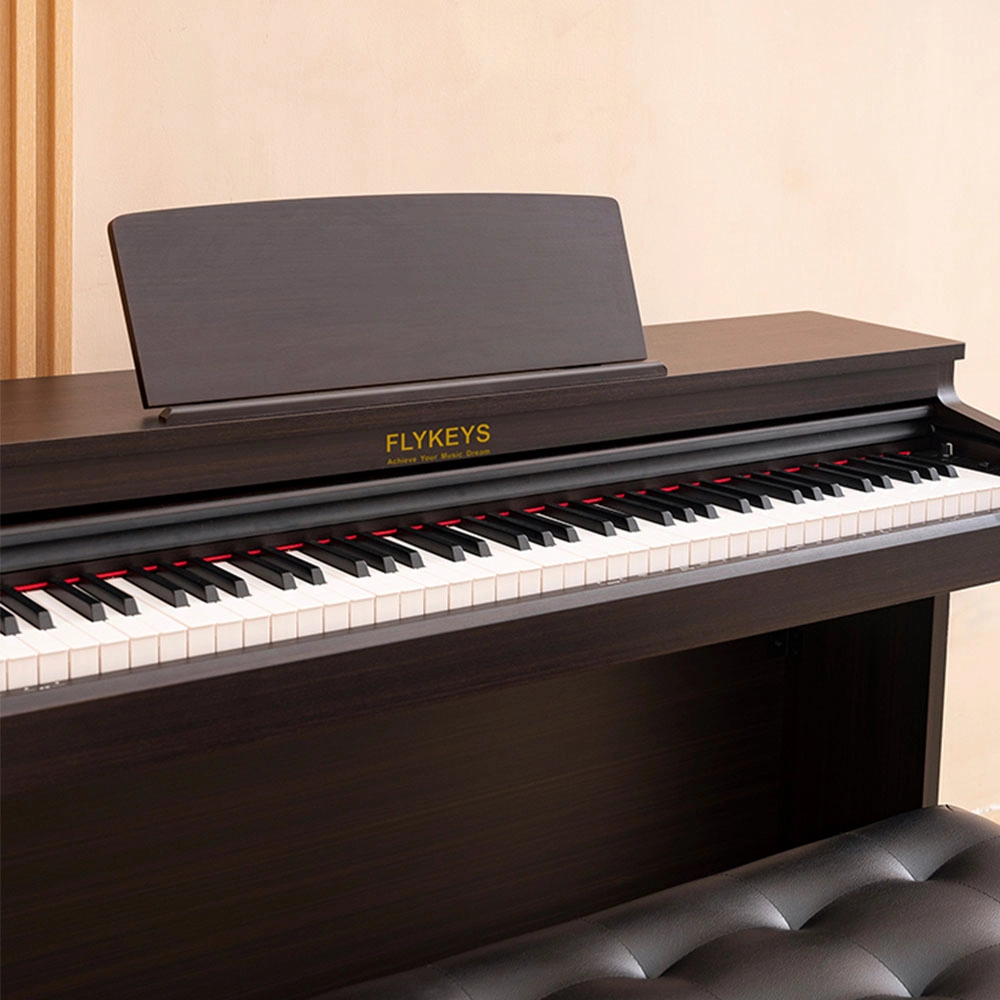
Best 88-Key Keyboard 2026: Top Weighted Picks for Intermediate Players
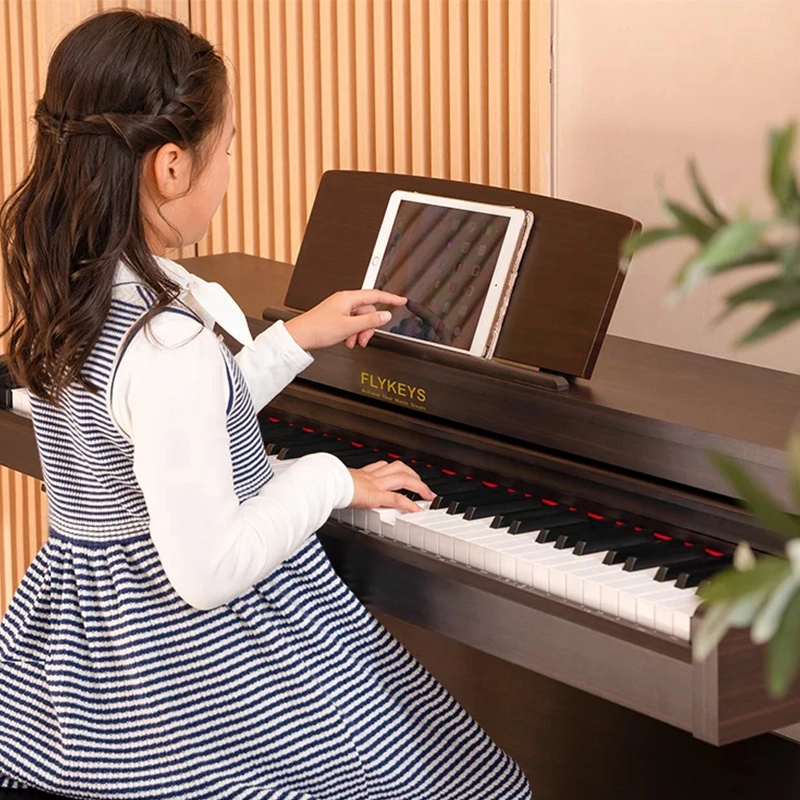
Best 88-Key Digital Pianos for Professionals and Advanced Players: Top Brands, Key Features and Buying Tips (2026)
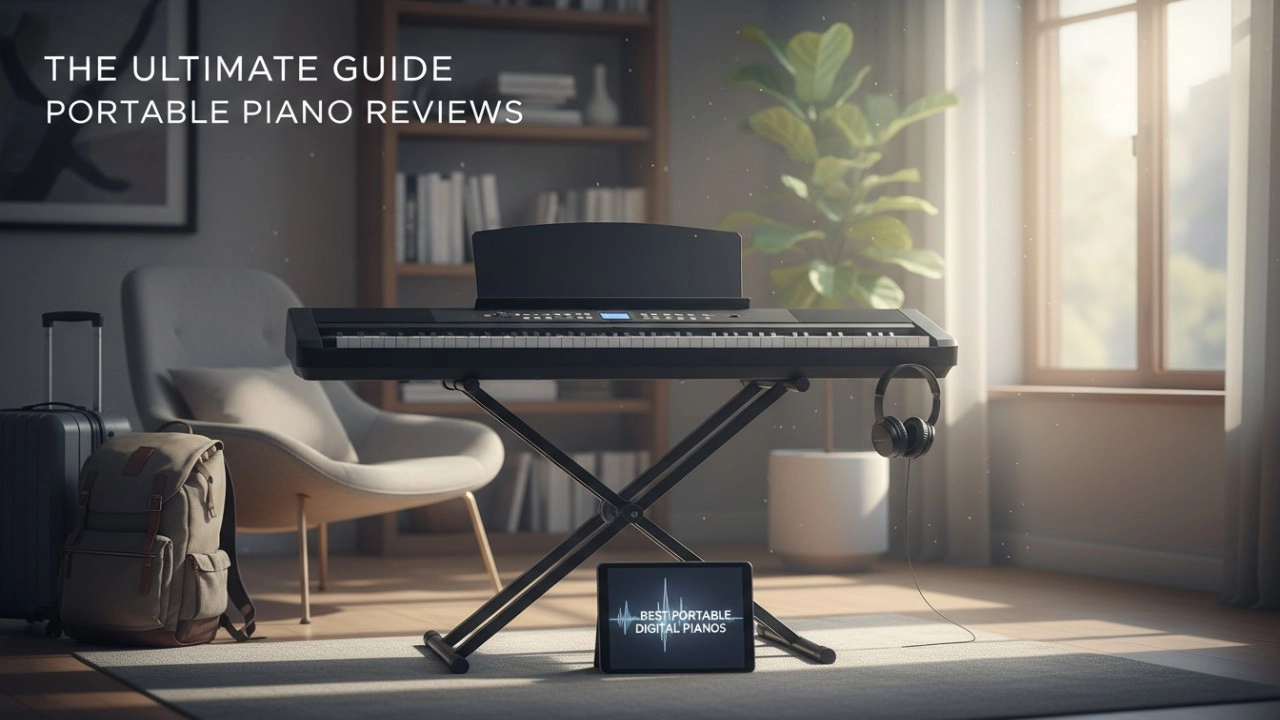
15 Best Portable Digital Pianos of 2026: The Only Comparison Guide You’ll Ever Need

FLYKEYS FDP 7 Professional Upright Digital Piano | 88-Key Hammer-Action | Concert Grade Performance
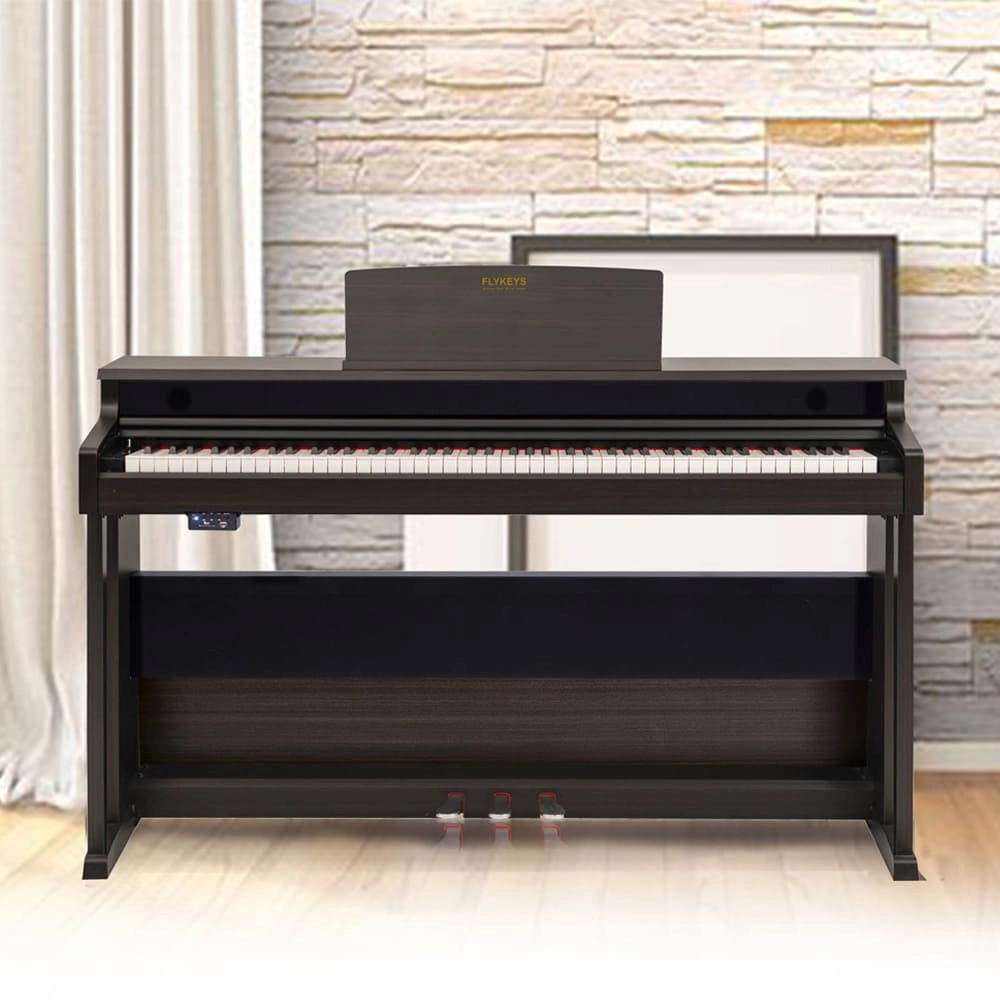
FLYKEYS Upright Piano Wooden Panel 88-KEYS Piano FK130 Digital Piano
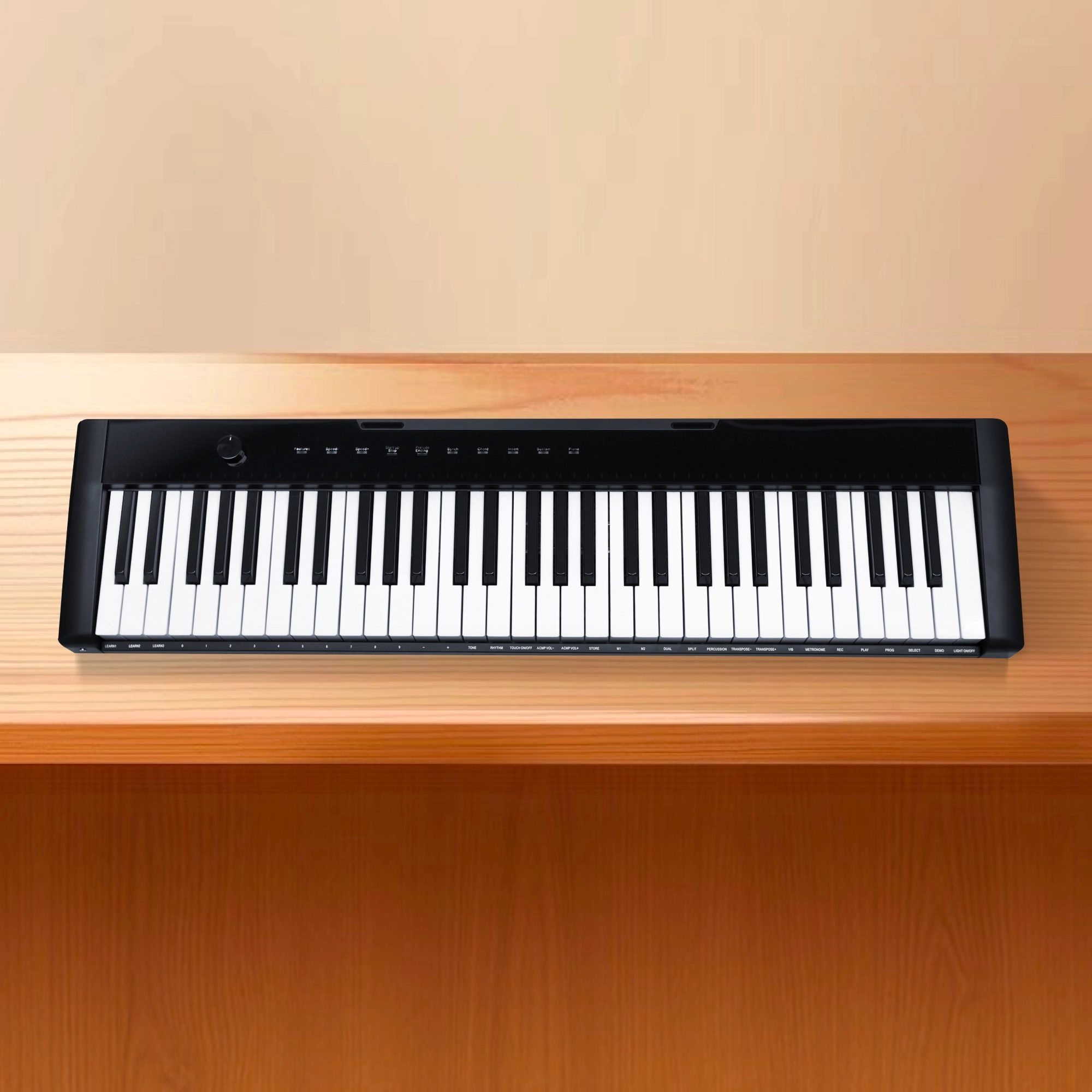
FLYKEYS 61-keys portable electronic keyboard piano with X stand (M2)
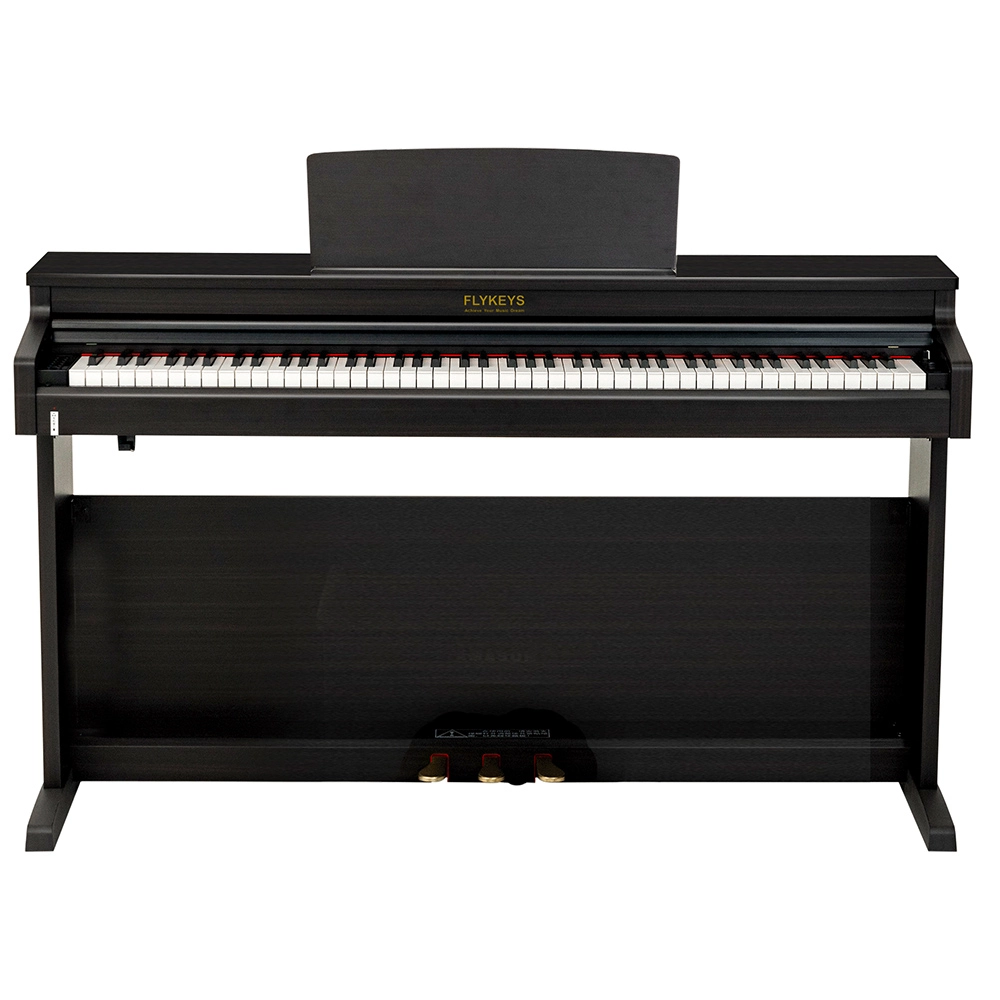
FLYKEYS Upright Digital Piano FDP 3
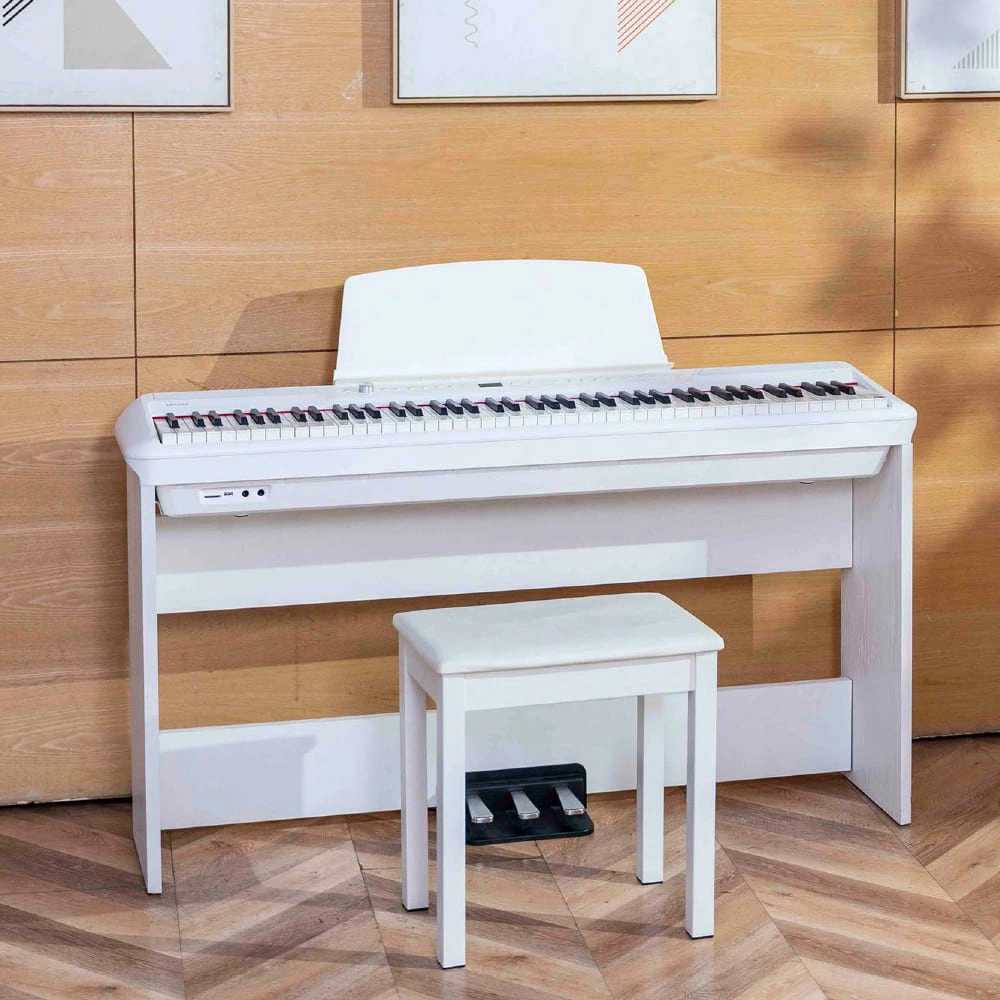
FLYKEYS Portable Electric Keyboard FP9 Digital Piano
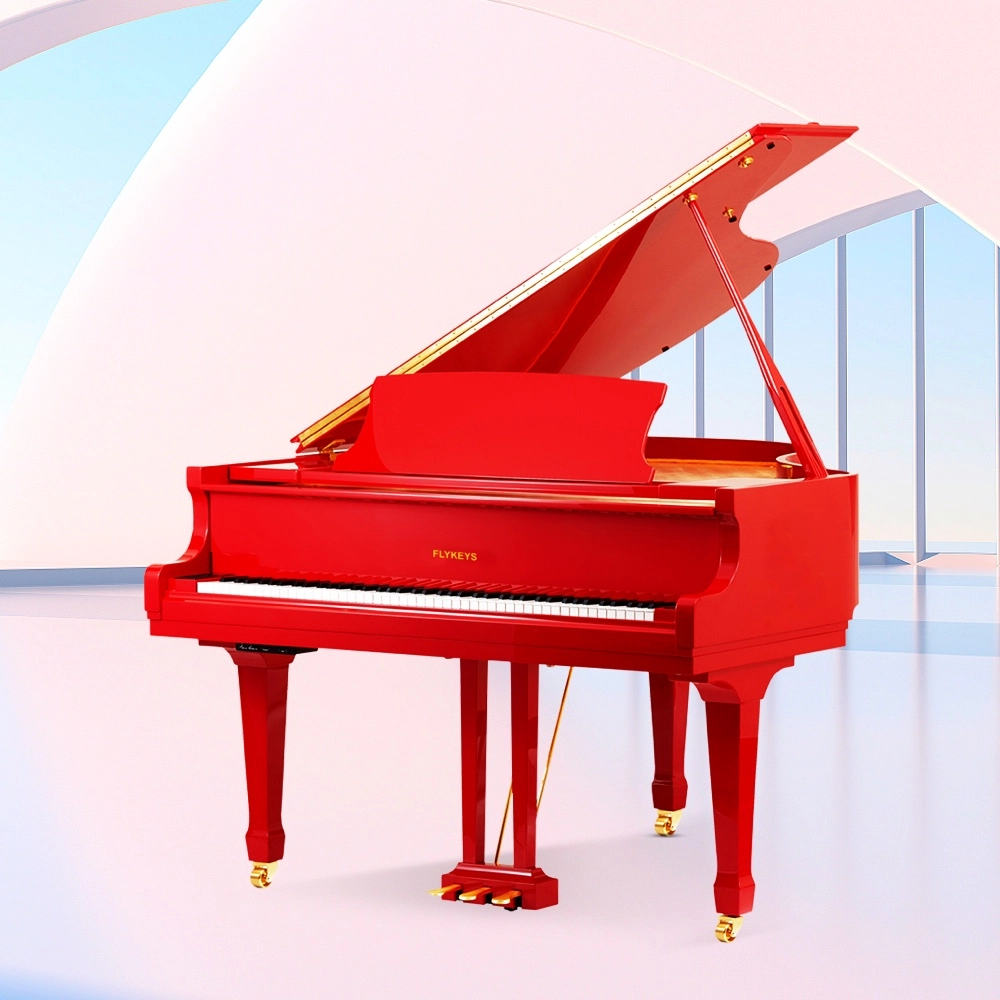
FLYKEYS Professional Digital Grand Piano FGP610 Digital Piano
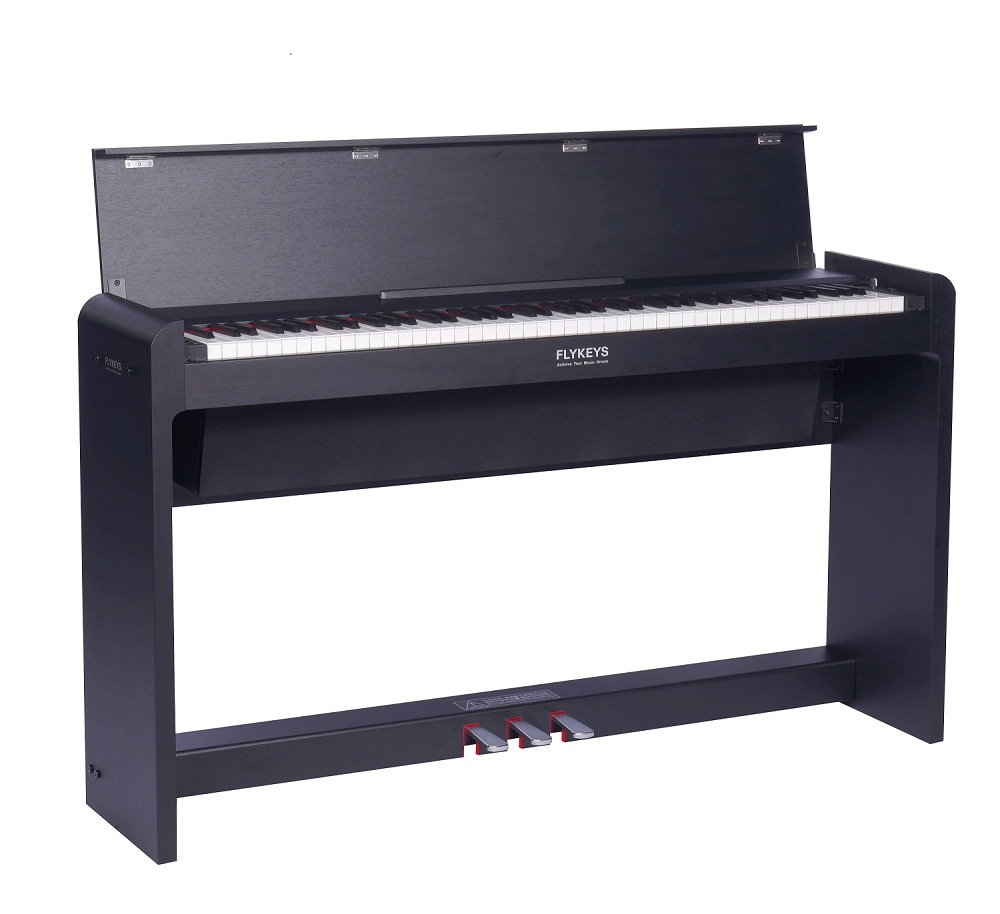
FLYKEYS FDP 5 Digital Piano
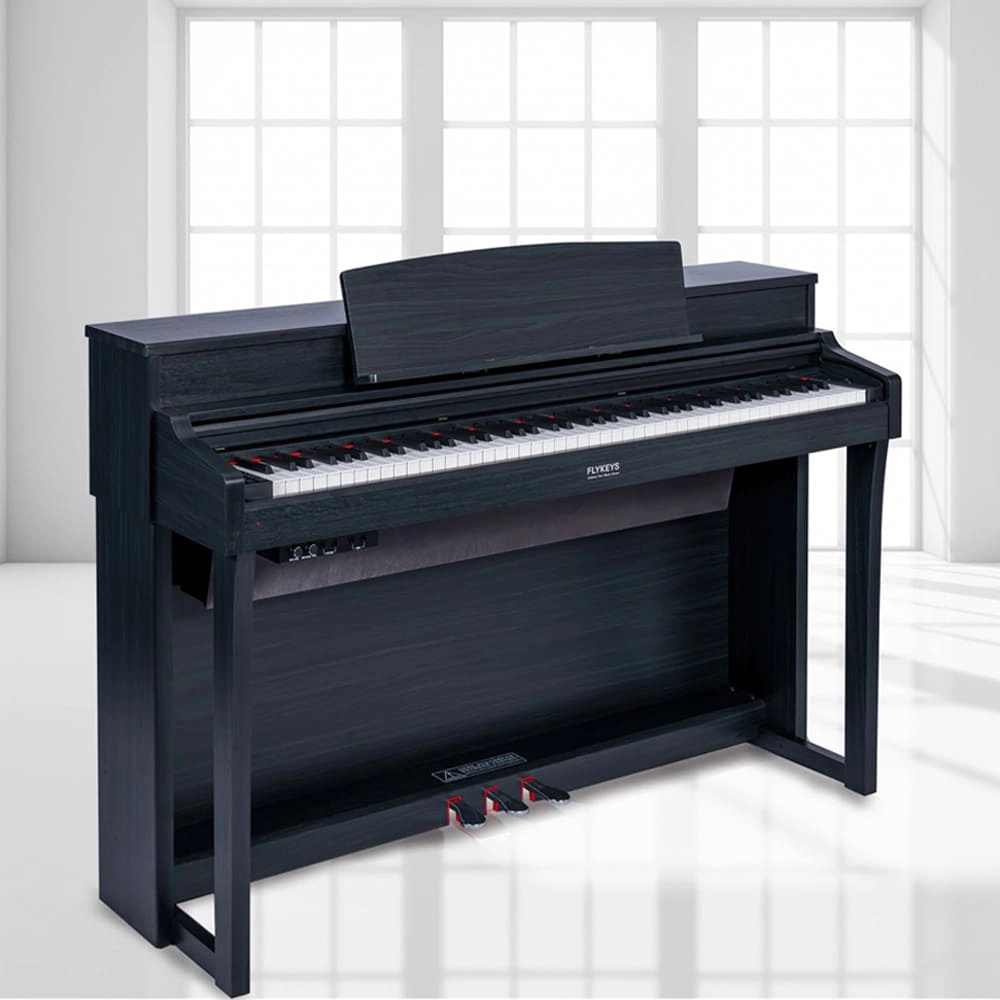
FLYKEYS Upright Digital Piano 88-Keys Hammer-Action Keyboard FK330 Digital Piano
Get in touch with us
Have a question or inquiry about our digital pianos products? Leave us a message here and our team will get back to you promptly within 24 hours.
Whether you're interested in custom orders, technical specifications, or partnership opportunities, we're here to assist you.
Rest assured that your privacy is important to us, and all information provided will be handled with the utmost confidentiality.
Address: No. 38 Xiangshan Avenue, Zengcheng Economic And Technological Development Zone, Guangzhou, China.
FOLLOW US:
Copyright© 2026 FLYKEYS All Rights Reserved. 粤 ICP备2020102774号. Designed by Gooeyun. Sitemap | Privacy | Terms
FLYKEYS
FLYKEYS
flykeys-music
Flykeys Music