

Which is better for music schools: digital or acoustic grand?
Music institutions face a critical choice between digital grand piano vs acoustic grand options. While acoustics offer traditional prestige, advanced digital grands provide superior tuning stability, multi-track recording, and silent practice capabilities essential for modern pedagogy and high-density learning environments.
The debate between integrating a digital grand piano vs acoustic grand in a professional music school setting has shifted from purely tonal aesthetics to operational efficiency and pedagogical versatility. While traditionalists argue for the mechanical soul of an acoustic instrument, modern music education demands consistency, technological integration, and fiscal responsibility. High-end digital grands now bridge the tactile gap with weighted hammer actions and multi-layered sampling, offering a reliable alternative that eliminates the recurring costs of climate control and professional tuning services required by acoustic fleets.
How do maintenance costs impact long term music school budgets?
For music schools, the financial burden of an acoustic grand extends far beyond the initial purchase. Acoustic instruments require professional tuning at least four times a year to maintain pitch stability under heavy use, alongside periodic regulation and voicing. In contrast, a digital grand piano vs acoustic grand comparison reveals that digital units have zero tuning requirements and significantly lower mechanical wear. Over a ten-year cycle, the savings on maintenance alone can often fund an additional instrument, making digital solutions a more sustainable choice for growing institutions.
Can digital grand pianos accurately replicate professional concert grand touch?
Modern digital grand technology has evolved beyond simple spring-loaded keys. High Quality models utilize graded hammer action and wooden key structures that simulate the escapement and inertia of a nine-foot concert grand. While an acoustic grand offers an infinite palette of mechanical feedback, top-tier digital grands provide a consistent tactile experience that allows students to develop the necessary finger strength and technique required for high-level performance without the inconsistencies found in poorly maintained acoustic practice rooms.
Why is silent practice capability vital for modern music conservatories?
Space optimization is a primary concern for urban music schools. A digital grand piano vs acoustic grand analysis highlights the advantage of headphone integration. Digital instruments allow multiple students to practice in the same hall or adjacent rooms without acoustic interference. This increases the billable hours of a practice space and allows for late-night study sessions that would otherwise be impossible with acoustic instruments, directly enhancing the student's learning opportunities and the school's facility utility.
How does MIDI integration enhance contemporary piano pedagogy and composition?
Today's music industry requires proficiency in digital notation and production. Digital grands feature MIDI and USB connectivity, allowing students to record their performances directly into Digital Audio Workstations (DAWs) with 100% accuracy. Unlike miking an acoustic grand, which requires expensive studio environments and equipment, a digital grand provides a clean data stream for analysis, score printing, and remote learning, giving students a competitive edge in the modern professional landscape.
Does environmental humidity affect digital grands like traditional acoustic pianos?
Acoustic pianos are essentially living organisms made of wood and felt, highly susceptible to humidity fluctuations that cause soundboards to crack and tuning pins to slip. Music schools often spend thousands on specialized HVAC systems to protect their acoustic assets. Digital instruments are far more resilient to environmental shifts. Choosing a digital grand piano vs acoustic grand ensures that the instrument remains in perfect pitch regardless of seasonal changes, providing a reliable reference point for students developing their aural skills.
What role does internal recording play in student performance evaluation?
Instant feedback is a cornerstone of effective teaching. Most professional digital grands include built-in multi-track recording and playback features. This allows instructors to record a student's performance and play it back immediately, often at a slower tempo without changing the pitch, to highlight technical flaws. While acoustic grands require external recording setups, the integrated nature of digital technology simplifies the pedagogical process, making every practice session a data-rich learning experience.
At FLYKEYS, we understand the rigorous demands of the global music education sector. With years of technical expertise and a commitment to acoustic-grade tactile precision, we provide instruments that solve the logistical and financial challenges faced by modern institutions. Our digital grands are engineered to deliver the authoritative tone and reliable performance that professional educators expect, ensuring that your school remains at the forefront of musical excellence.
Contact us today to receive a professional consultation and a customized quote for your institution by visiting www.flykeysmusic.com or emailing our team at service@flykeysmusic.com.
Frequently Asked Questions
How do maintenance costs impact long term music school budgets?
For music schools, the financial burden of an acoustic grand extends far beyond the initial purchase. Acoustic instruments require professional tuning at least four times a year to maintain pitch stability under heavy use, alongside periodic regulation and voicing. In contrast, a digital grand piano vs acoustic grand comparison reveals that digital units have zero tuning requirements and significantly lower mechanical wear.
Can digital grand pianos accurately replicate professional concert grand touch?
Modern digital grand technology has evolved beyond simple spring-loaded keys. Premium models utilize graded hammer action and wooden key structures that simulate the escapement and inertia of a nine-foot concert grand. While an acoustic grand offers an infinite palette of mechanical feedback, top-tier digital grands provide a consistent tactile experience.
Why is silent practice capability vital for modern music conservatories?
Space optimization is a primary concern for urban music schools. A digital grand piano vs acoustic grand analysis highlights the advantage of headphone integration. Digital instruments allow multiple students to practice in the same hall or adjacent rooms without acoustic interference, increasing the utility of the facility.
How does MIDI integration enhance contemporary piano pedagogy and composition?
Today's music industry requires proficiency in digital notation and production. Digital grands feature MIDI and USB connectivity, allowing students to record their performances directly into Digital Audio Workstations (DAWs) with 100% accuracy, which is essential for modern professional development.
Does environmental humidity affect digital grands like traditional acoustic pianos?
Acoustic pianos are highly susceptible to humidity fluctuations that cause soundboards to crack and tuning pins to slip. Digital instruments are far more resilient to environmental shifts, ensuring the instrument remains in perfect pitch regardless of seasonal changes.
What role does internal recording play in student performance evaluation?
Most professional digital grands include built-in multi-track recording and playback features. This allows instructors to record a student's performance and play it back immediately to highlight technical flaws, simplifying the pedagogical process compared to acoustic setups.
- How do maintenance costs impact long term music school budgets?
- Can digital grand pianos accurately replicate professional concert grand touch?
- Why is silent practice capability vital for modern music conservatories?
- How does MIDI integration enhance contemporary piano pedagogy and composition?
- Does environmental humidity affect digital grands like traditional acoustic pianos?
- What role does internal recording play in student performance evaluation?
- Frequently Asked Questions

FLYKEYS to Showcase Professional Digital Piano Solutions at Prolight + Sound Bangkok 2026

Which Digital Piano Feels Most Like a Real Piano? (2026 Expert Review & Comparison)

Best Professional Upright Digital Piano 2026 – FLYKEYS FDP 7 Features
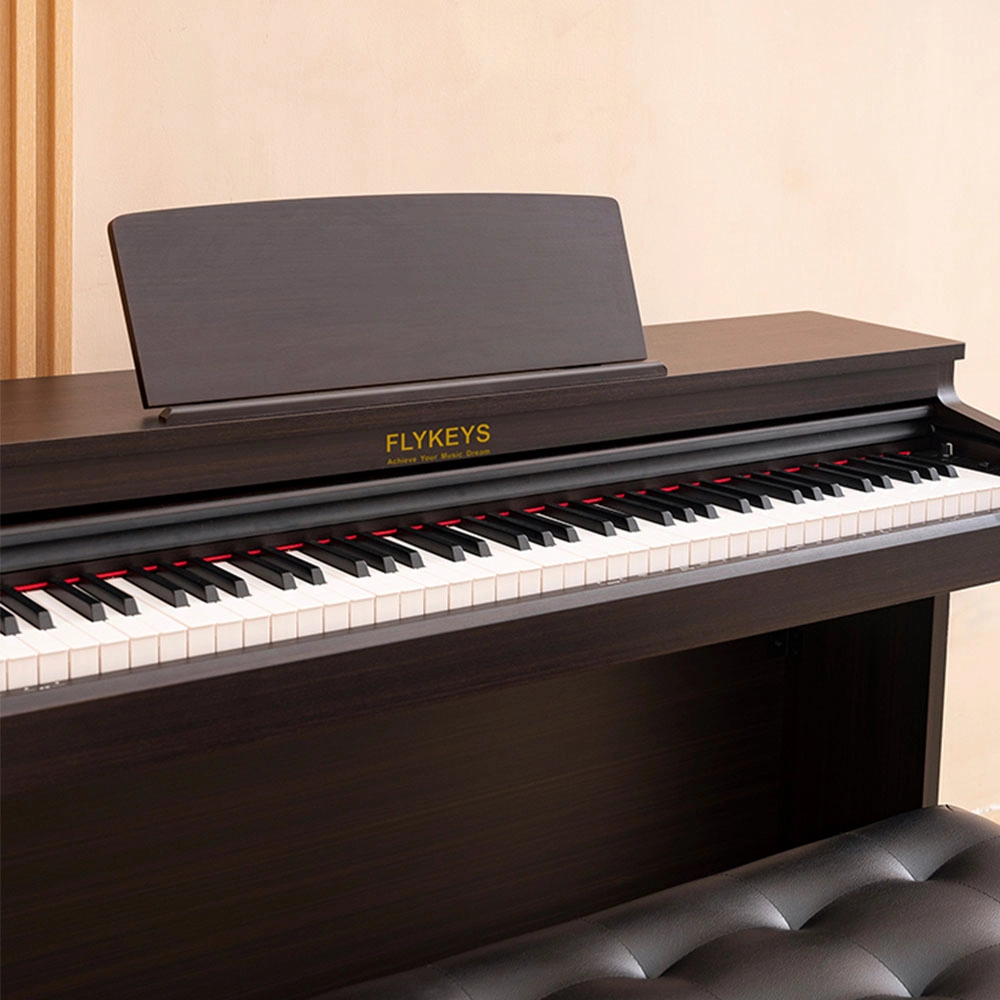
Best 88-Key Keyboard 2026: Top Weighted Picks for Intermediate Players
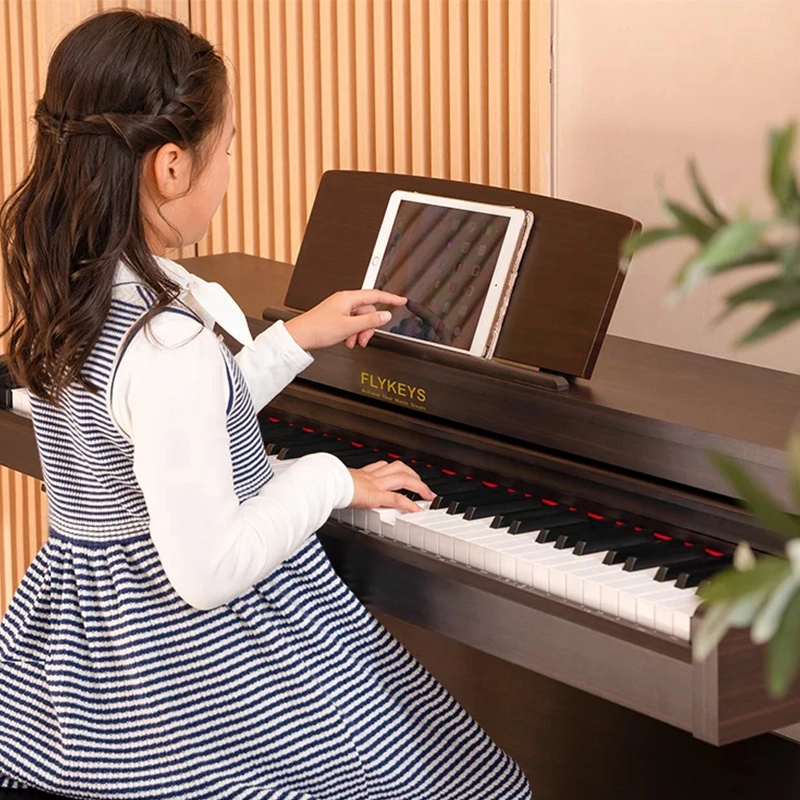
Best 88-Key Digital Pianos for Professionals and Advanced Players: Top Brands, Key Features and Buying Tips (2026)
15 Best Portable Digital Pianos of 2026: The Only Comparison Guide You’ll Ever Need
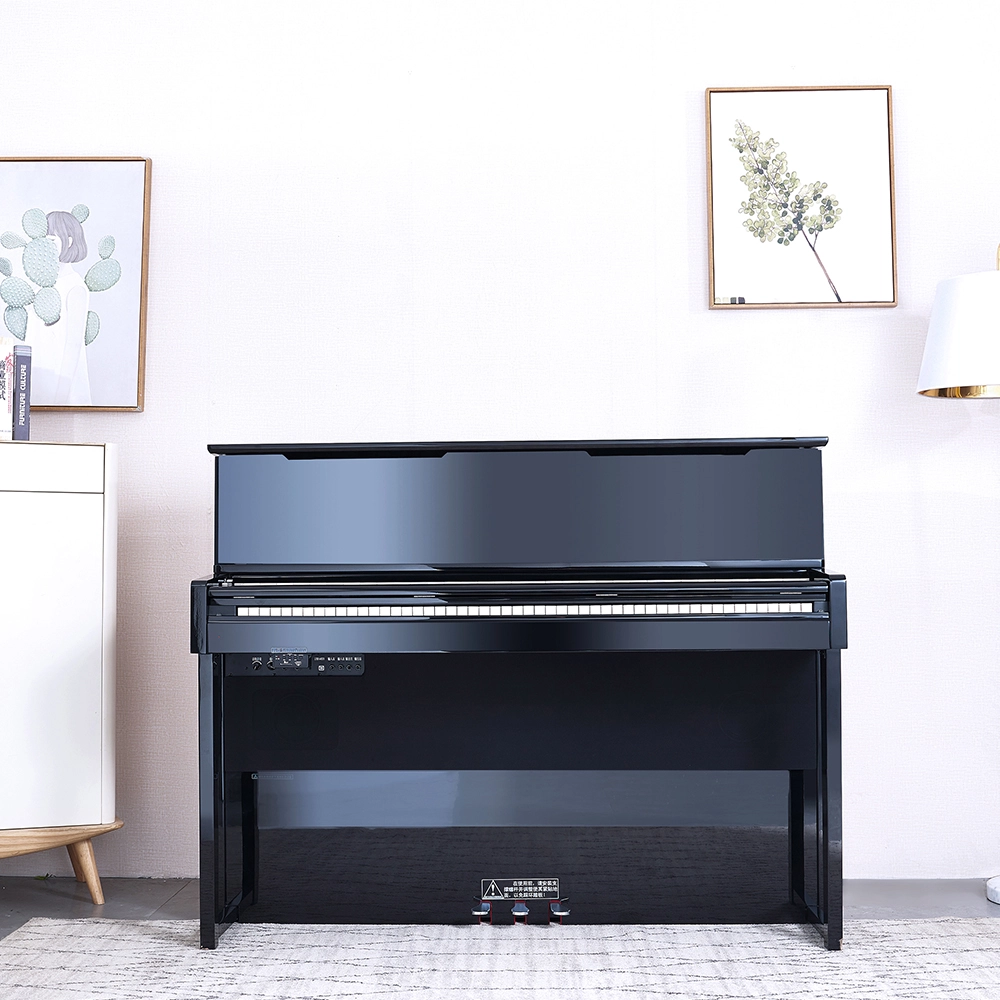
FLYKEYS Professional Digital Upright Piano 88-Keys Wooden Keyboard FK830 Digital Piano
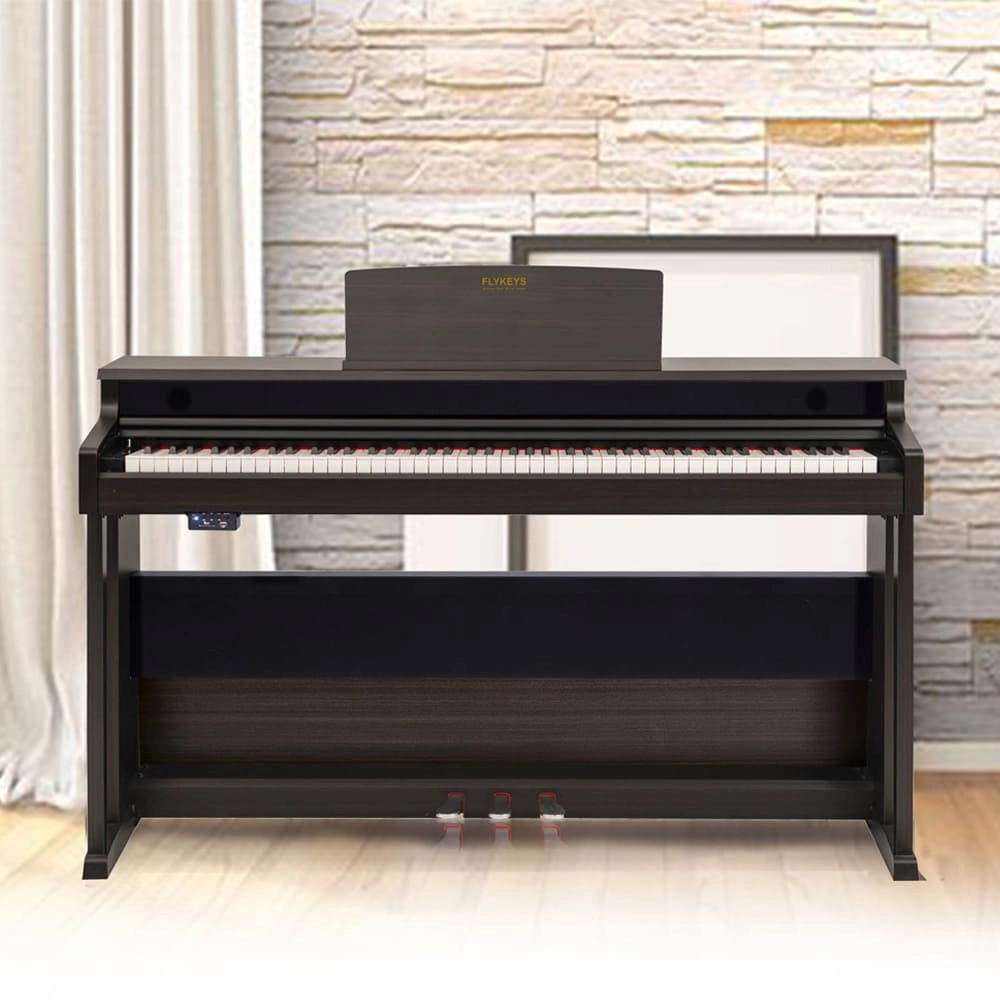
FLYKEYS Upright Piano Wooden Panel 88-KEYS Piano FK130 Digital Piano
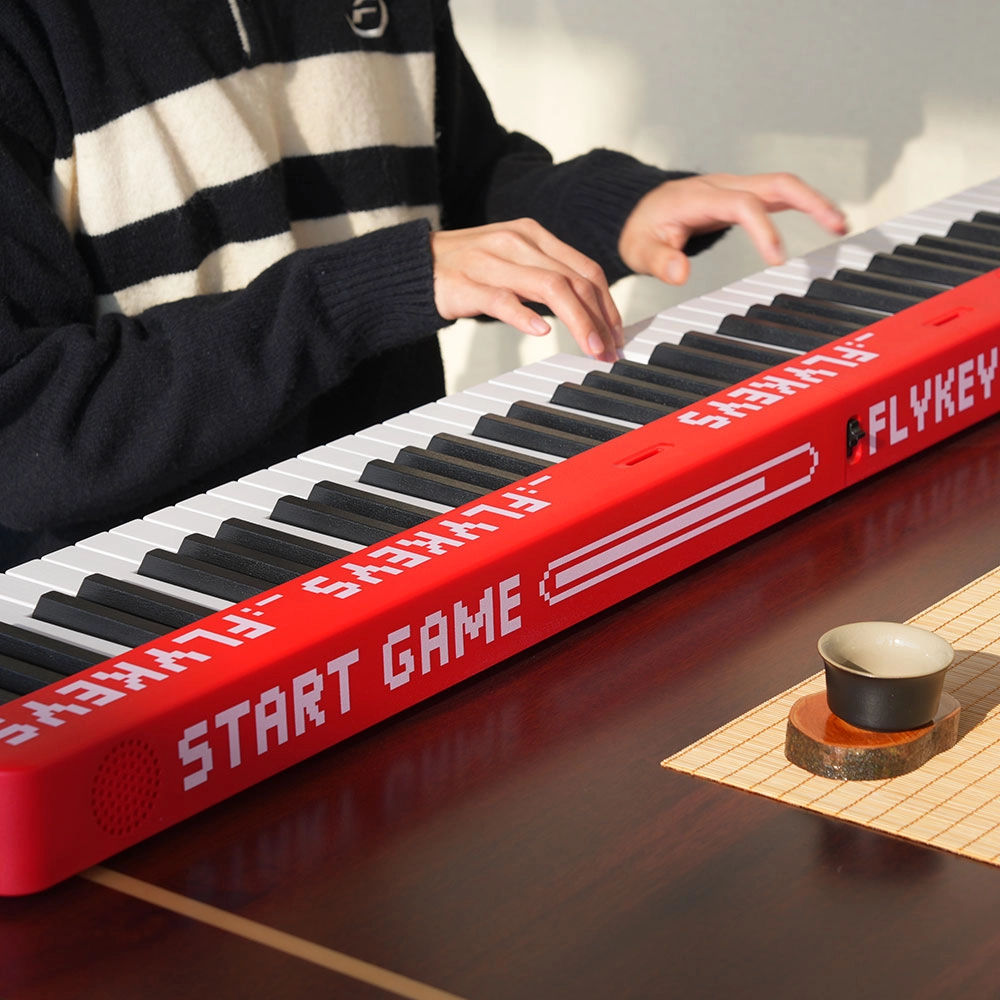
FLYKEYS M12 Folding Keyboard
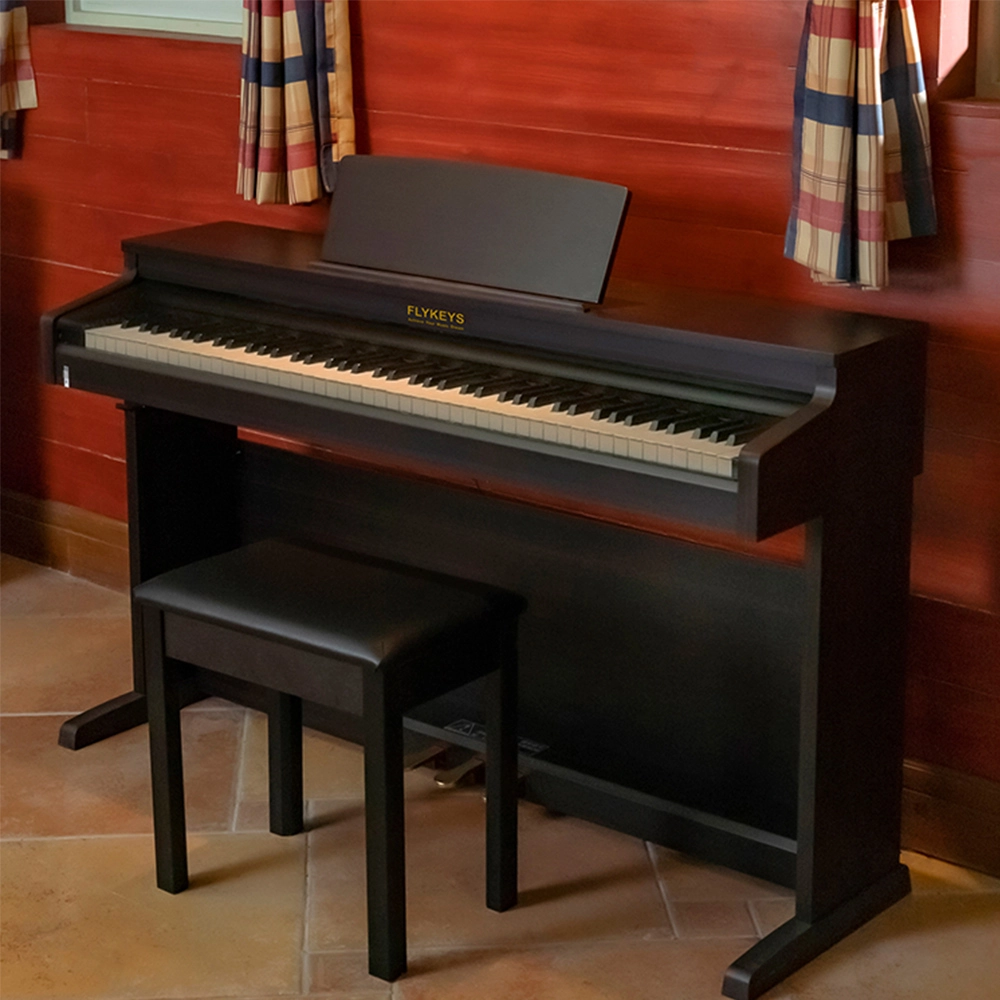
FLYKEYS Upright Electric Piano Built-In Speakers Music Instrument FD05 Digital Piano
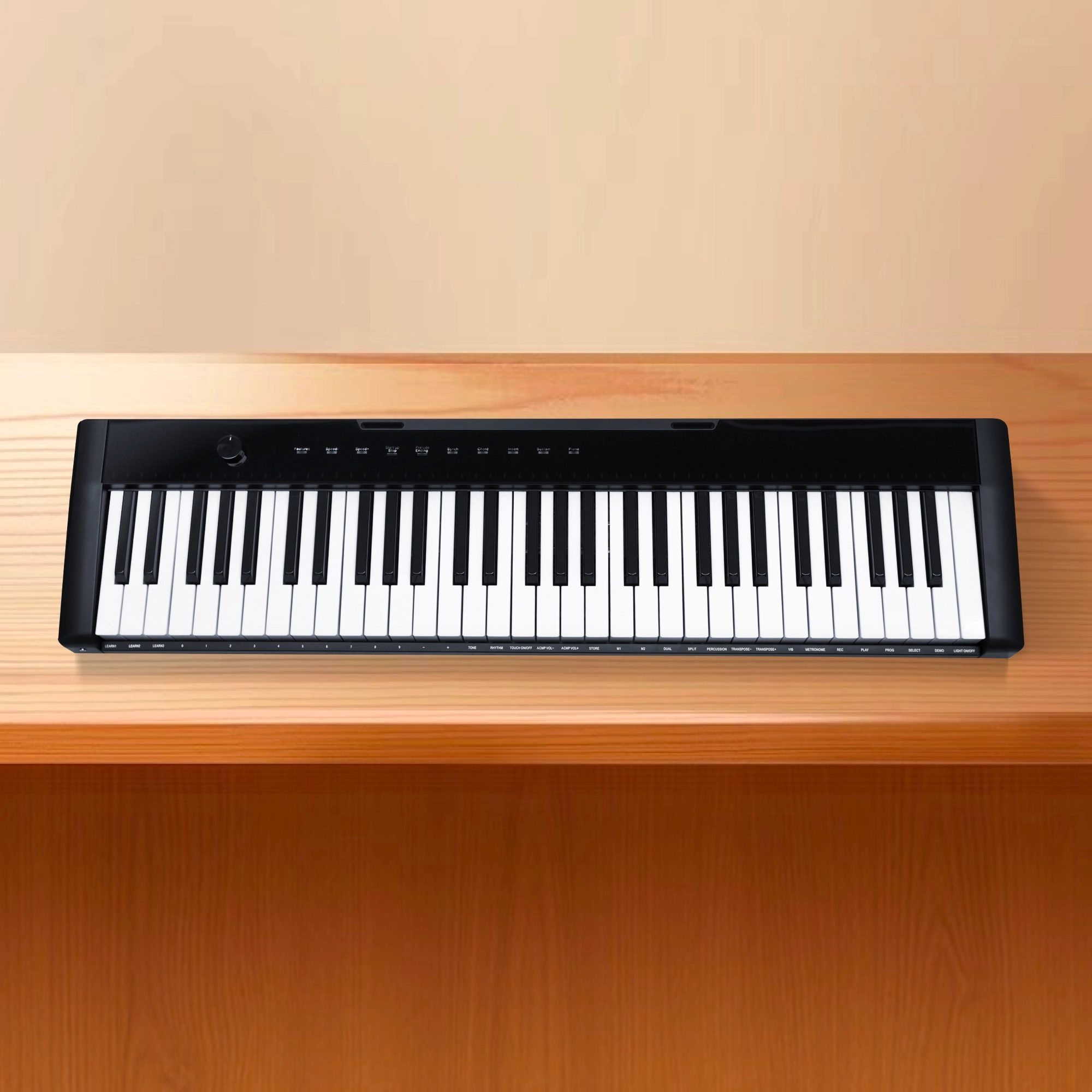
FLYKEYS 61-keys portable electronic keyboard piano with X stand (M2)
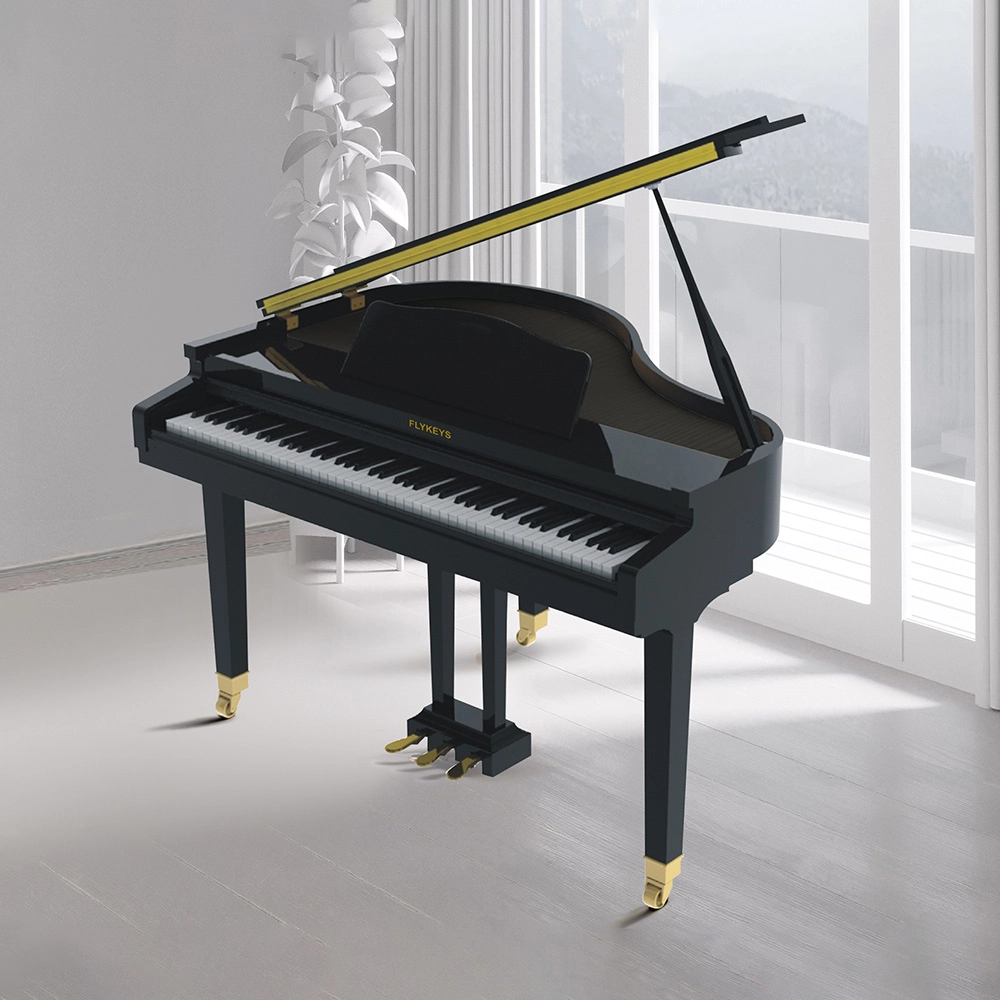
FLYKEYS FGP110 Professional 88-Key Digital Grand Piano with Hammer Action Keyboard
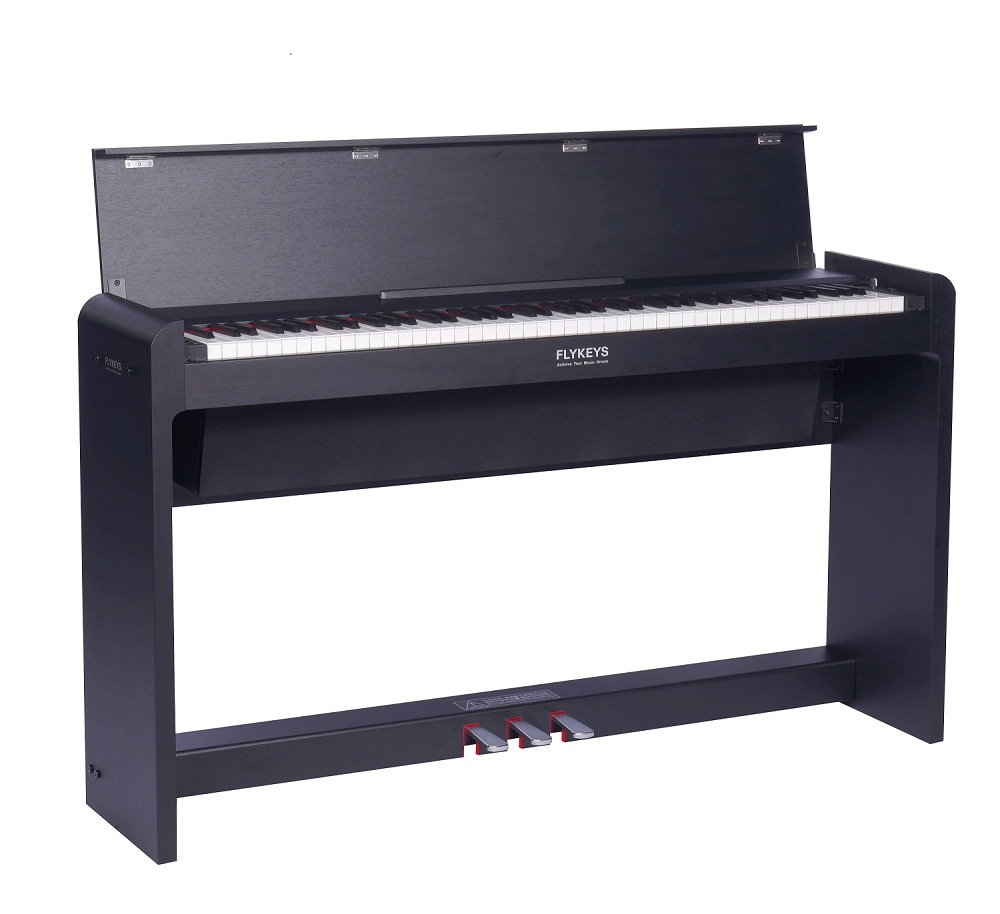
FLYKEYS FDP 5 Digital Piano
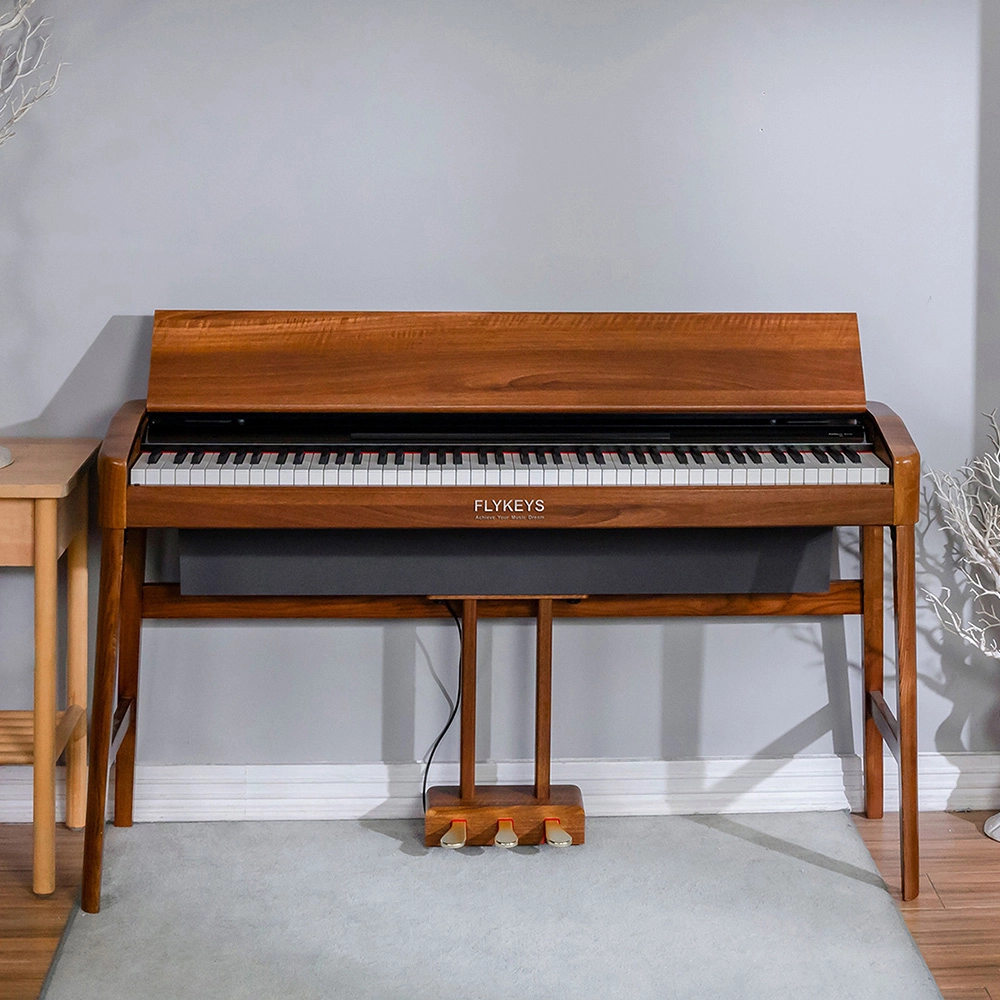
FLYKEYS Wooden Panel Piano Original Italian Imported Hammer Action Keyboard SK3 Digital Piano
Get in touch with us
Have a question or inquiry about our digital pianos products? Leave us a message here and our team will get back to you promptly within 24 hours.
Whether you're interested in custom orders, technical specifications, or partnership opportunities, we're here to assist you.
Rest assured that your privacy is important to us, and all information provided will be handled with the utmost confidentiality.
Address: No. 38 Xiangshan Avenue, Zengcheng Economic And Technological Development Zone, Guangzhou, China.
FOLLOW US:
Copyright© 2026 FLYKEYS All Rights Reserved. 粤 ICP备2020102774号. Designed by Gooeyun. Sitemap | Privacy | Terms
FLYKEYS
FLYKEYS
flykeys-music
Flykeys Music