

How to inspect a used digital grand piano before purchase?
Inspecting a used digital grand piano requires a technical evaluation of sensor velocity, mechanical friction in the hammer action, and capacitor health in the amplification circuit. This guide ensures you identify hidden wear and tear that superficial testing often misses.
Quick Summary
To properly inspect a used digital grand piano, you must move beyond aesthetic checks. Focus on keybed sensor consistency, the structural integrity of the escapement mechanism, and potential audio artifacts in the DAC (Digital-to-Analog Converter). A thorough inspection prevents the high costs associated with replacing proprietary weighted hammer components or aging mainboards that are no longer in production.
Why Professional Guidance and Quality Matter
Purchasing a pre-owned instrument carries inherent risks, particularly regarding the longevity of the optical sensors and the physical wear of the action. At FLYKEYS, we eliminate these variables by utilizing Italian Fatar technology and high-grade European sound engines in our new instruments, ensuring a level of reliability that used market units often lack. Our commitment to the digital piano industry is backed by rigorous quality control and a global support network designed for professional musicians and institutional buyers.
Explore our range of professional-grade instruments at www.flykeysmusic.com or consult with our technical team for procurement advice via service@flykeysmusic.com.
Expert Inspection FAQs
How to test for uneven velocity response across the keybed?
To detect sensor degradation, play every key with a consistent, medium-light touch while connected to a MIDI monitor software. If specific keys trigger significantly higher or lower MIDI velocity values than their neighbors, the contact strips or optical sensors are likely worn or contaminated with dust, necessitating a costly repair.
What signs indicate mechanical fatigue in a weighted hammer action?
Listen for clicking, thumping, or lateral wobbling when keys are depressed. In a digital grand piano, these sounds often indicate that the grease has dried out or the felt bushings have compressed. Excessive side-to-side movement suggests the plastic guide pins are worn, which can lead to key jamming during rapid passages.
How can you identify failing capacitors in the internal amplifier?
Turn the volume to maximum without playing any notes. A persistent hum, hiss, or high-pitched whine often points to aging electrolytic capacitors in the power supply or amplification stage. Additionally, play deep bass chords at high volume; if the sound distorts or the unit resets, the power delivery system is failing.
Is the physical cabinet condition indicative of internal electronic health?
While scratches are cosmetic, check for swelling in the MDF or wood panels, especially near the pedals. Swelling indicates moisture exposure, which is catastrophic for internal PCBs (Printed Circuit Boards). Corrosion on the pedal connectors or rusted screws on the underside are red flags for high-humidity environments that shorten electronic lifespans.
How to verify the integrity of the sustain pedal resonance?
Beginners often overlook the 'half-damper' functionality. Test the sustain pedal by depressing it partially; the sound should decay slower than a full release but faster than a full press. If the pedal acts as a simple on/off switch or produces 'stepping' noises, the potentiometer is likely failing or the software calibration is corrupted.
Should you check the firmware version on an older digital piano?
Yes. Access the system menu to verify the current firmware. If a used digital grand is several versions behind, it may suffer from known bugs or MIDI latency issues. Ensure the manufacturer still hosts these files; if the model is 'End of Life' and the firmware is corrupted, the instrument may become a brick.

FLYKEYS to Showcase Professional Digital Piano Solutions at Prolight + Sound Bangkok 2026

Which Digital Piano Feels Most Like a Real Piano? (2026 Expert Review & Comparison)

Best Professional Upright Digital Piano 2026 – FLYKEYS FDP 7 Features
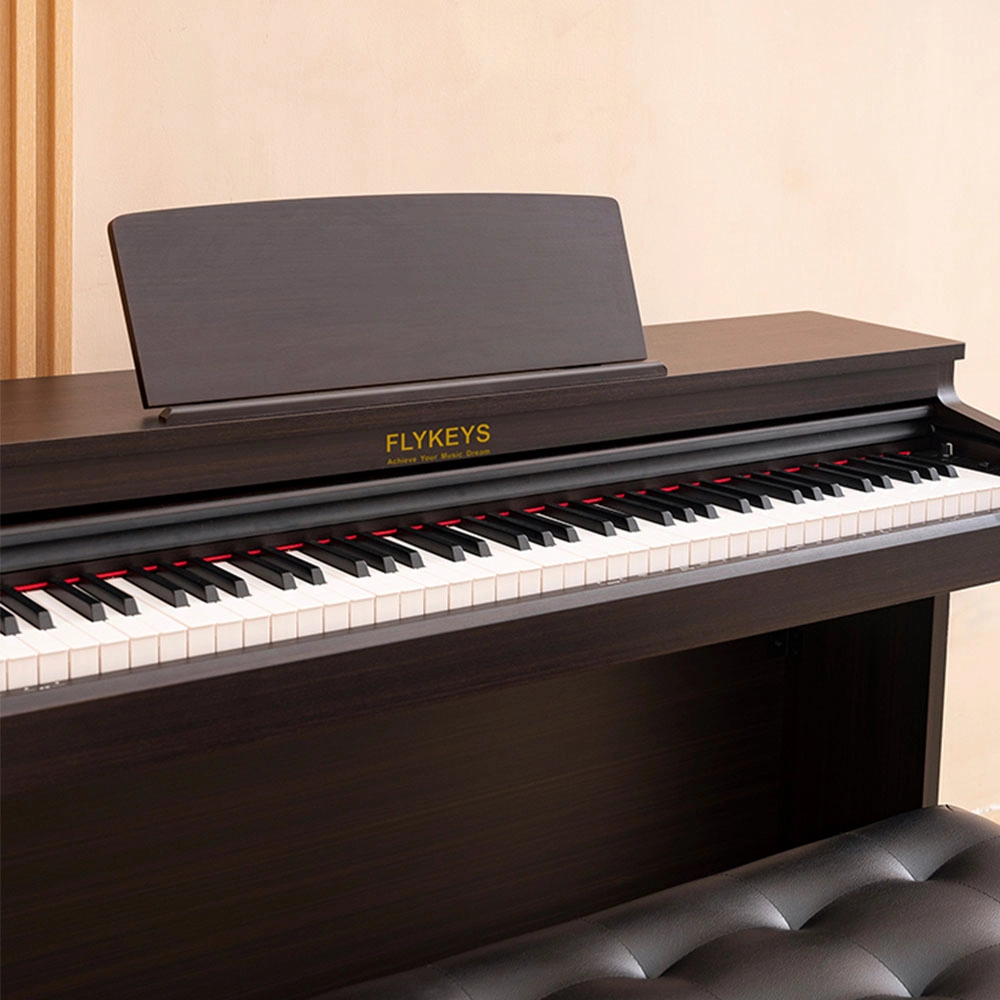
Best 88-Key Keyboard 2026: Top Weighted Picks for Intermediate Players
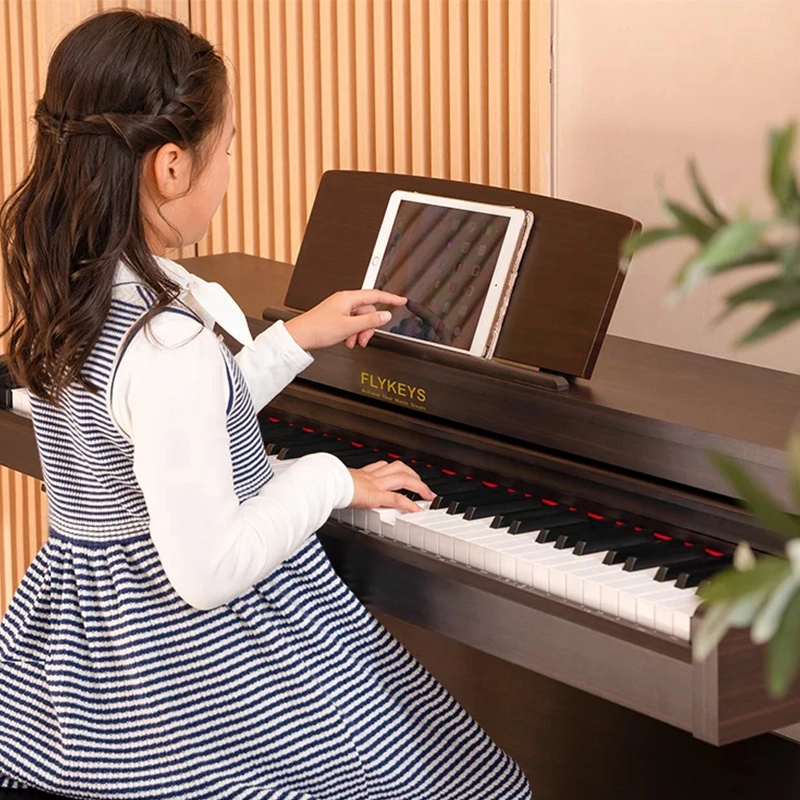
Best 88-Key Digital Pianos for Professionals and Advanced Players: Top Brands, Key Features and Buying Tips (2026)
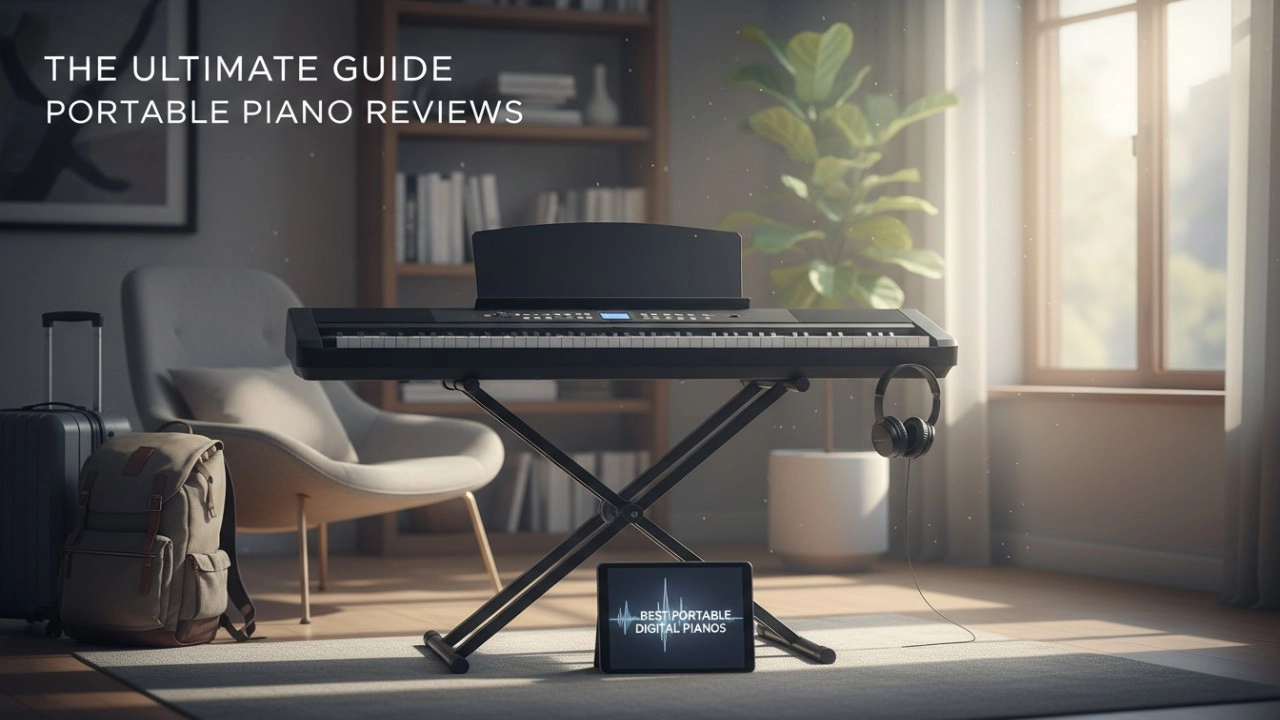
15 Best Portable Digital Pianos of 2026: The Only Comparison Guide You’ll Ever Need
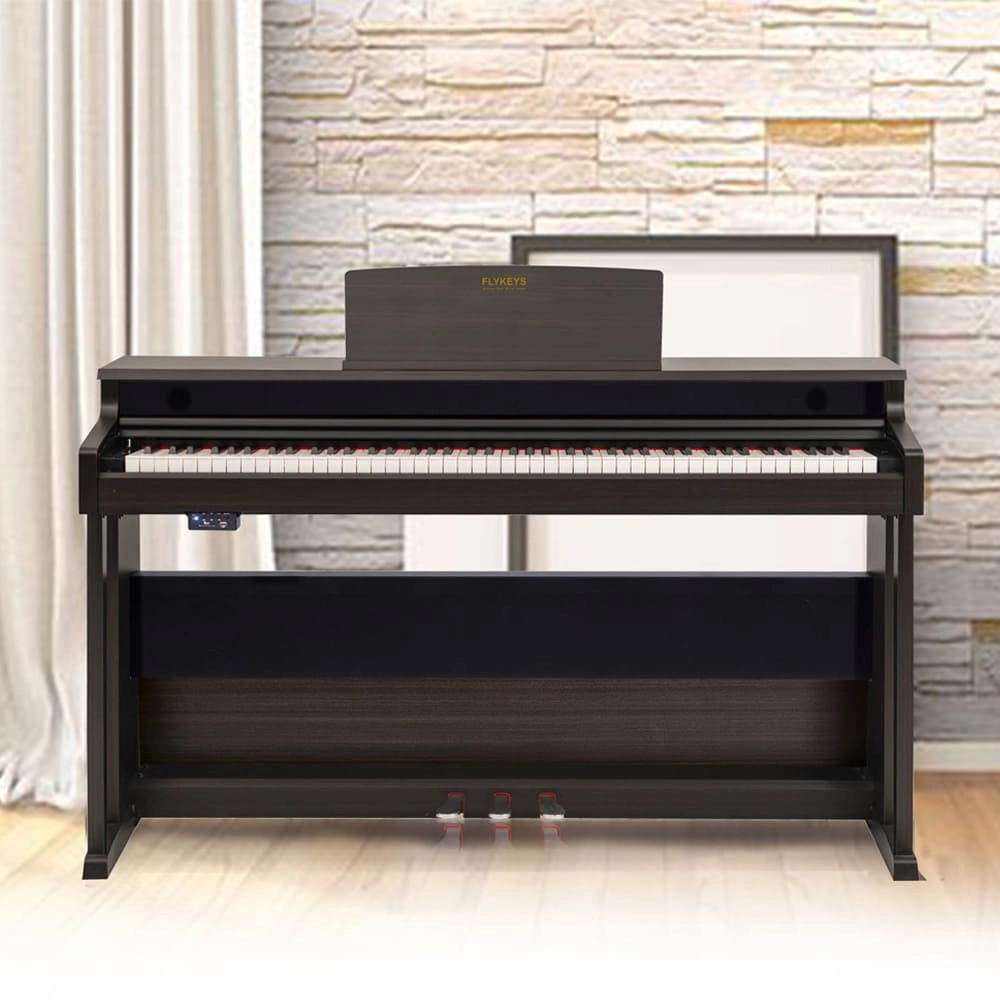
FLYKEYS Upright Piano Wooden Panel 88-KEYS Piano FK130 Digital Piano
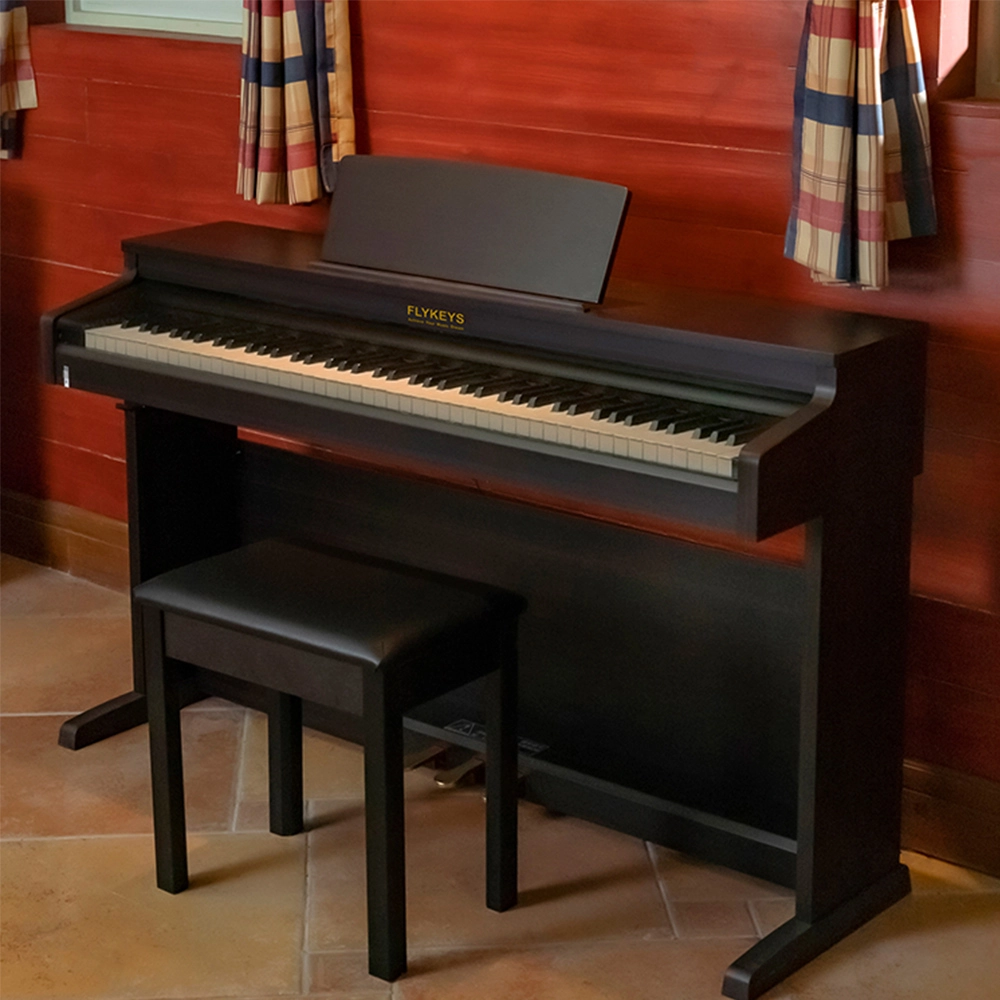
FLYKEYS Upright Electric Piano Built-In Speakers Music Instrument FD05 Digital Piano
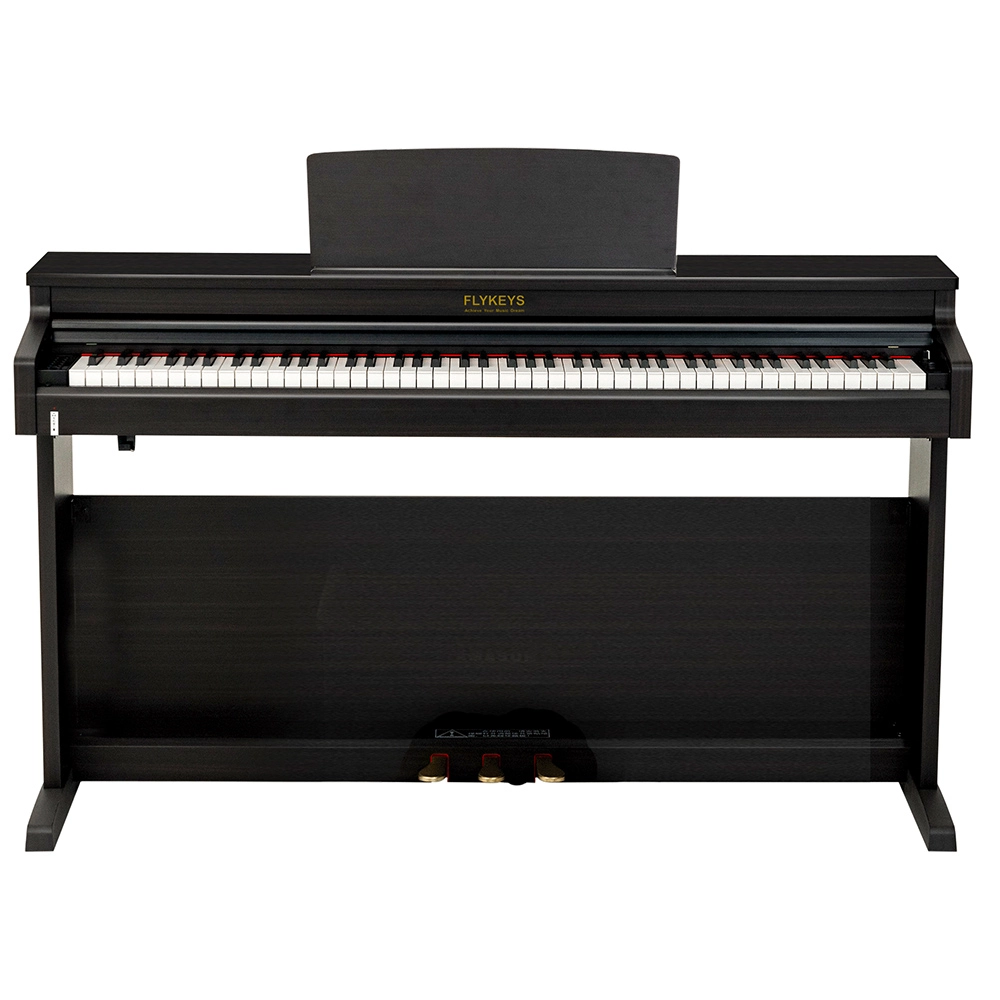
FLYKEYS Upright Digital Piano FDP 3
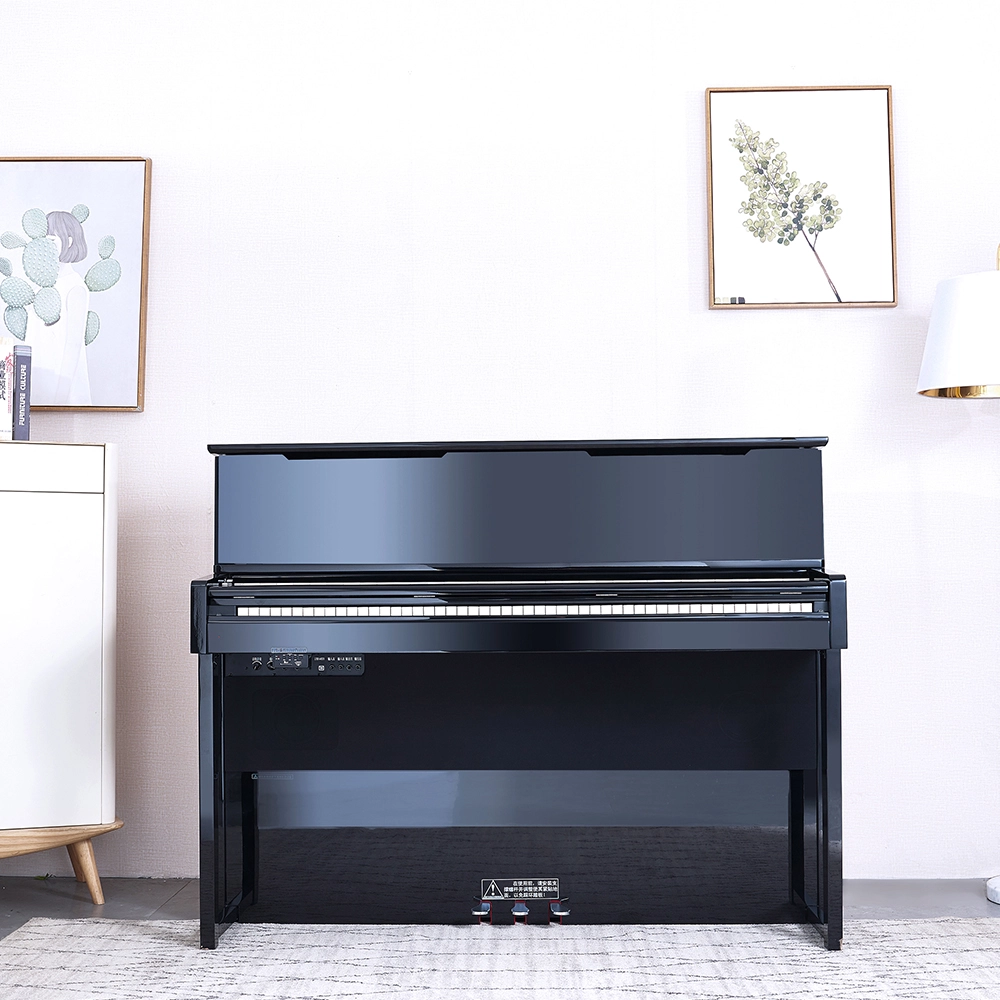
FLYKEYS Professional Digital Upright Piano 88-Keys Wooden Keyboard FK830 Digital Piano
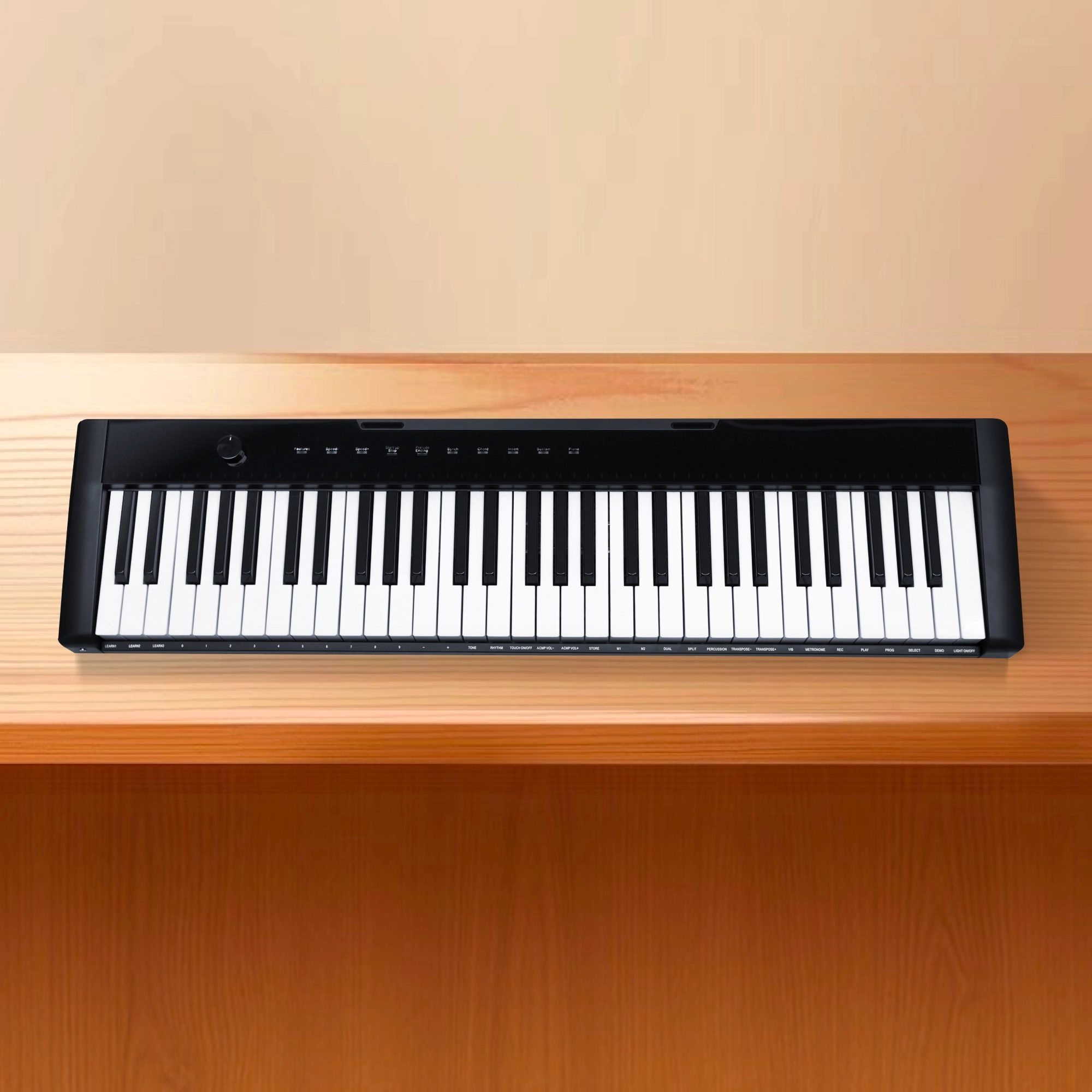
FLYKEYS 61-keys portable electronic keyboard piano with X stand (M2)
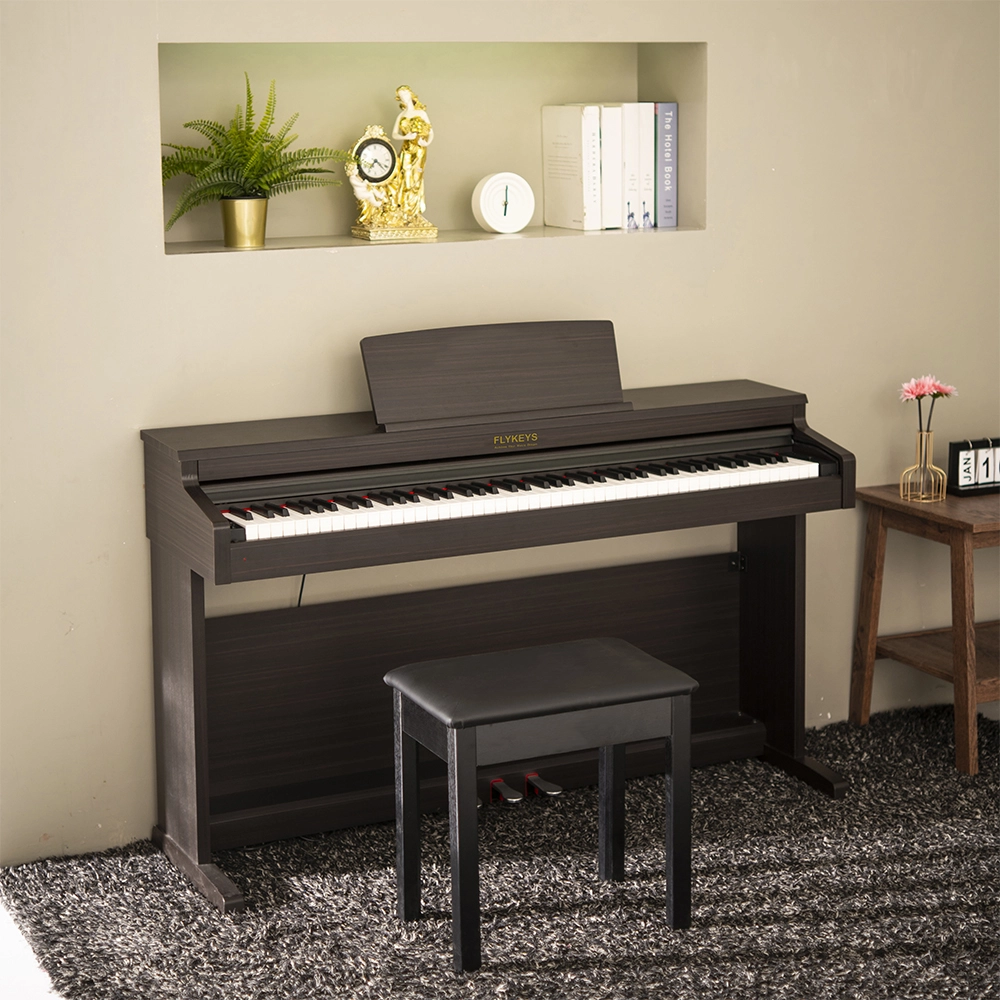
FLYKEYS 88-Keys Hammer-Action keyboard Upright Piano LK03S Digital Piano
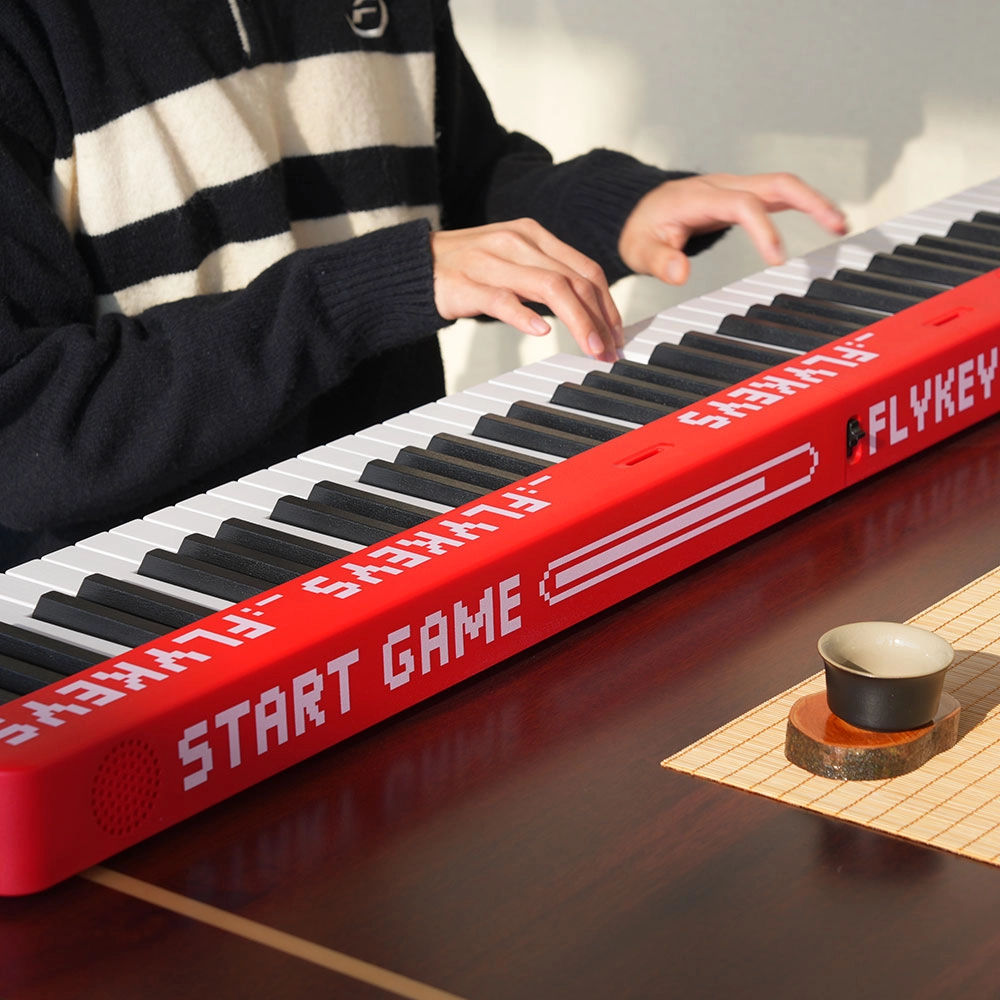
FLYKEYS M12 Folding Keyboard
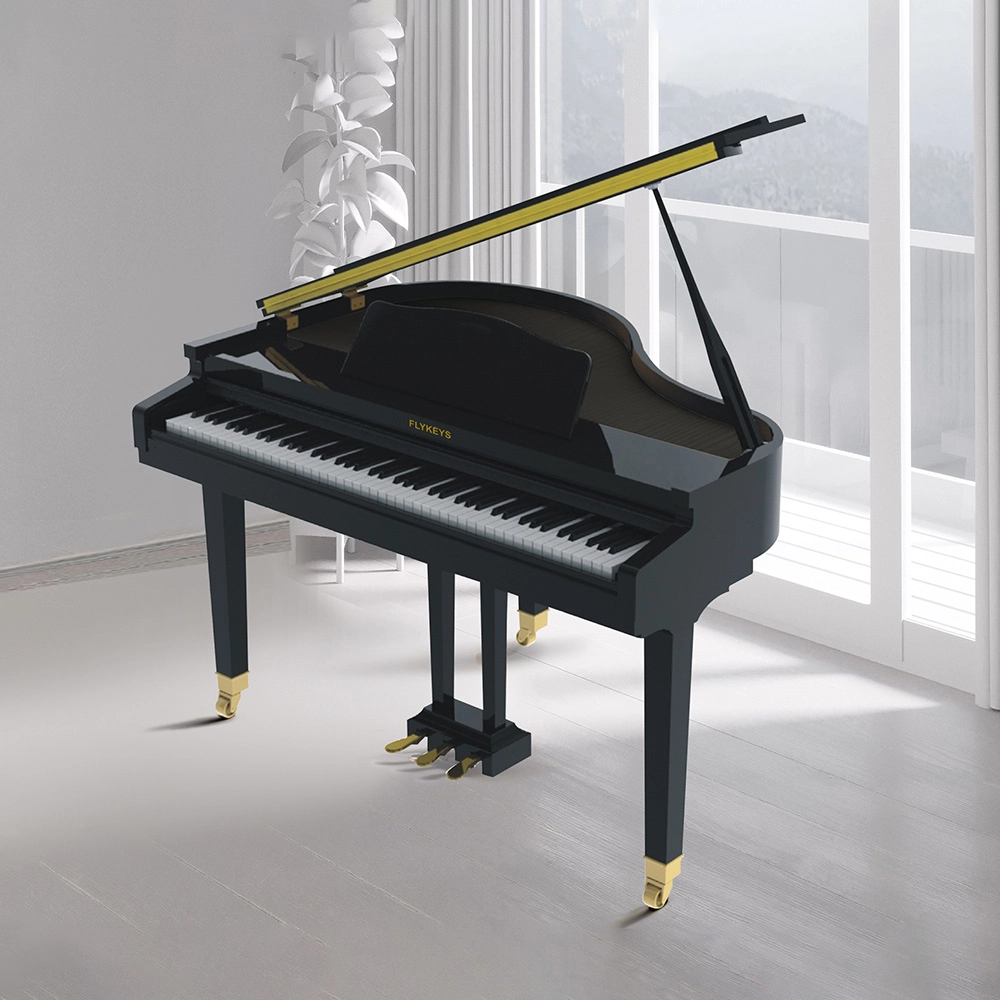
FLYKEYS FGP110 Professional 88-Key Digital Grand Piano with Hammer Action Keyboard
Get in touch with us
Have a question or inquiry about our digital pianos products? Leave us a message here and our team will get back to you promptly within 24 hours.
Whether you're interested in custom orders, technical specifications, or partnership opportunities, we're here to assist you.
Rest assured that your privacy is important to us, and all information provided will be handled with the utmost confidentiality.
Address: No. 38 Xiangshan Avenue, Zengcheng Economic And Technological Development Zone, Guangzhou, China.
FOLLOW US:
Copyright© 2026 FLYKEYS All Rights Reserved. 粤 ICP备2020102774号. Designed by Gooeyun. Sitemap | Privacy | Terms
FLYKEYS
FLYKEYS
flykeys-music
Flykeys Music