

How to measure and choose a digital piano for tight spaces?
Mastering spatial constraints for a digital piano requires analyzing chassis depth, pedal board clearance, and acoustic projection. This guide debunking clearance myths and provides technical metrics for selecting high-performance, compact instruments without sacrificing 88-key weighted action.
Selecting the best digital piano for small spaces involves more than a simple tape measure calculation. Professional spatial integration requires understanding the relationship between the instrument's physical footprint, the player's ergonomic requirements, and the acoustic environment of a confined room. While many beginners focus solely on the length of the 88-key keyboard, the depth and the vertical clearance for the pedal lyre are often the true bottlenecks in tight urban apartments or studio setups. This guide addresses the technical nuances of spatial acoustics and mechanical dimensions to ensure your investment fits both your room and your musical needs.
Does the depth of the cabinet include the cable protrusion?
One of the most common mistakes in measuring for a digital piano is failing to account for rear-facing inputs. A cabinet listed at 30cm depth may actually require 35cm of clearance once the power supply and 1/4-inch TRS output cables are plugged in. To optimize space, look for instruments with bottom-facing or recessed side-facing ports. If you must place the piano flush against a wall, ensure the model utilizes a front-facing headphone jack and a recessed power inlet to avoid unnecessary structural gaps that collect dust and waste valuable floor real estate.
How much clearance is needed for the piano bench movement?
The footprint of the piano is only half the equation; the 'playing zone' is the critical metric. A standard digital piano depth is approximately 30-45cm, but a pianist requires an additional 50-60cm of rear clearance for the bench and body movement. In tight spaces, we recommend using a hydraulic stool with a smaller radius or a fold-away bench. Always measure the total 'active depth'—the distance from the wall to the back of the pianist's chair—to ensure you aren't blocking walkways or door swings during practice sessions.
Can compact digital pianos maintain full 88-key weighted hammer action?
There is a persistent myth that a smaller footprint necessitates a compromise in key action. Modern engineering allows for folded-action mechanisms that provide authentic grand piano weighting within slimline chassis. When searching for the best digital piano for small spaces, verify that the manufacturer uses a graduated hammer system. High-end compact models from specialized manufacturers maintain the standard 1.2-meter keyboard width while reducing the front-to-back bulk, ensuring that your technical development is not hindered by 'short' keys or inferior spring-based actions.
Do upward-firing speakers perform poorly when placed under low shelves?
Acoustic projection is frequently overlooked in small space planning. Many slim digital pianos utilize upward-firing speakers to create an immersive soundstage. However, if the piano is placed under a desk or a low bookshelf, the high-frequency waves will reflect prematurely, resulting in a muddy, boxy tone. For tight vertical clearances, prioritize models with downward-firing or front-facing speaker arrays. Alternatively, ensure there is at least 20cm of open air above the speaker grilles to allow for proper sound wave dispersion and harmonic resonance.
What is the minimum width required for an 88-key instrument?
The width of an 88-key digital piano is mathematically bound by the size of the keys themselves, which is standardized. Most instruments fall between 130cm and 140cm. If your space is narrower than 130cm, you cannot fit a standard 88-key piano. In these extreme cases, beginners often look at 73 or 76-key variants, but this limits repertoire. The most efficient design for tight spaces is a 'slab' style piano on a slim metal stand, which eliminates the extra 2-5cm of decorative wooden end-blocks found on traditional console-style cabinets.
How does floor surface affect the stability of slim pianos?
In small rooms, pianos are often tucked into corners or placed on area rugs. Slim, top-heavy digital pianos are susceptible to 'wobble' during fortissimo playing if the base is not perfectly level. When measuring your space, check for floor evenness and baseboard thickness. A gap caused by a thick baseboard can prevent a slim piano from sitting securely against the wall. Choosing a model with adjustable leveling feet or a dedicated, integrated stand ensures the instrument remains stable, protecting both the internal electronics and the safety of the user.
At FLYKEYS, we specialize in bridging the gap between professional-grade acoustic realism and the practical constraints of modern living. With years of R&D focused on high-density hammer action and slimline cabinet aesthetics, our instruments provide the authoritative touch and tone required by serious musicians, even in the most compact environments. Our commitment to technical excellence and durable construction makes us the preferred choice for educators and urban professionals worldwide.
Frequently Asked Questions
Does the depth of the cabinet include the cable protrusion?
No, manufacturer specs usually exclude cable depth. You should account for an additional 5cm of clearance for rear-facing power and audio cables, or choose a model with recessed ports to save space.
How much clearance is needed for the piano bench movement?
Beyond the piano's depth, you need 50-60cm of space for the bench and the player's body. Total 'active depth' should be approximately 90-110cm from the wall.
Can compact digital pianos maintain full 88-key weighted hammer action?
Yes. Modern folded-action engineering allows for authentic, graduated hammer-weighting within slim cabinets, ensuring no compromise in touch despite a smaller footprint.
Do upward-firing speakers perform poorly when placed under low shelves?
Yes, placing upward-firing speakers under low obstructions causes sound reflections that muffle the tone. Ensure at least 20cm of vertical clearance or choose front-firing speaker models.
What is the minimum width required for an 88-key instrument?
Standard 88-key digital pianos require between 130cm and 140cm of width. Slab-style pianos are typically narrower than console-style models due to thinner side panels.
How does floor surface affect the stability of slim pianos?
Uneven floors or thick baseboards can cause slim pianos to wobble. Use adjustable leveling feet and account for baseboard thickness when measuring the piano's distance from the wall.
- Does the depth of the cabinet include the cable protrusion?
- How much clearance is needed for the piano bench movement?
- Can compact digital pianos maintain full 88-key weighted hammer action?
- Do upward-firing speakers perform poorly when placed under low shelves?
- What is the minimum width required for an 88-key instrument?
- How does floor surface affect the stability of slim pianos?
- Frequently Asked Questions

FLYKEYS to Showcase Professional Digital Piano Solutions at Prolight + Sound Bangkok 2026

Which Digital Piano Feels Most Like a Real Piano? (2026 Expert Review & Comparison)

Best Professional Upright Digital Piano 2026 – FLYKEYS FDP 7 Features
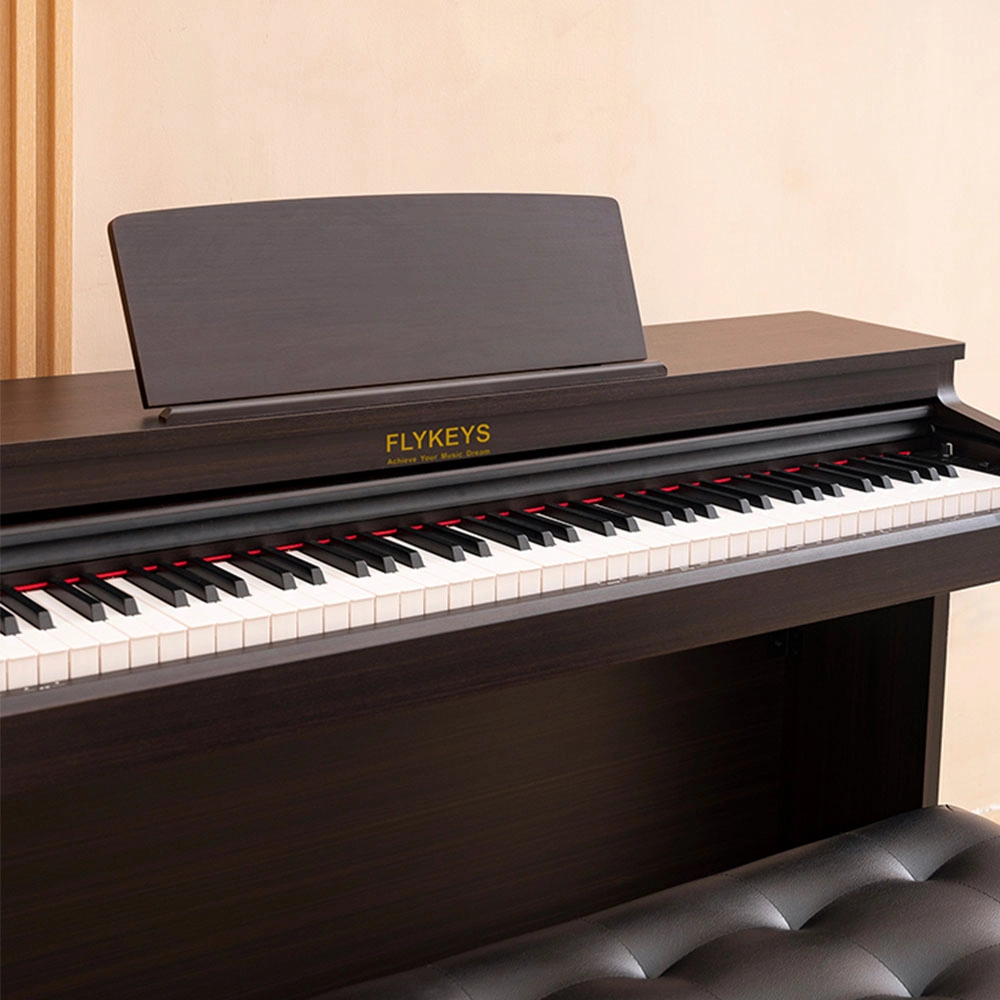
Best 88-Key Keyboard 2026: Top Weighted Picks for Intermediate Players
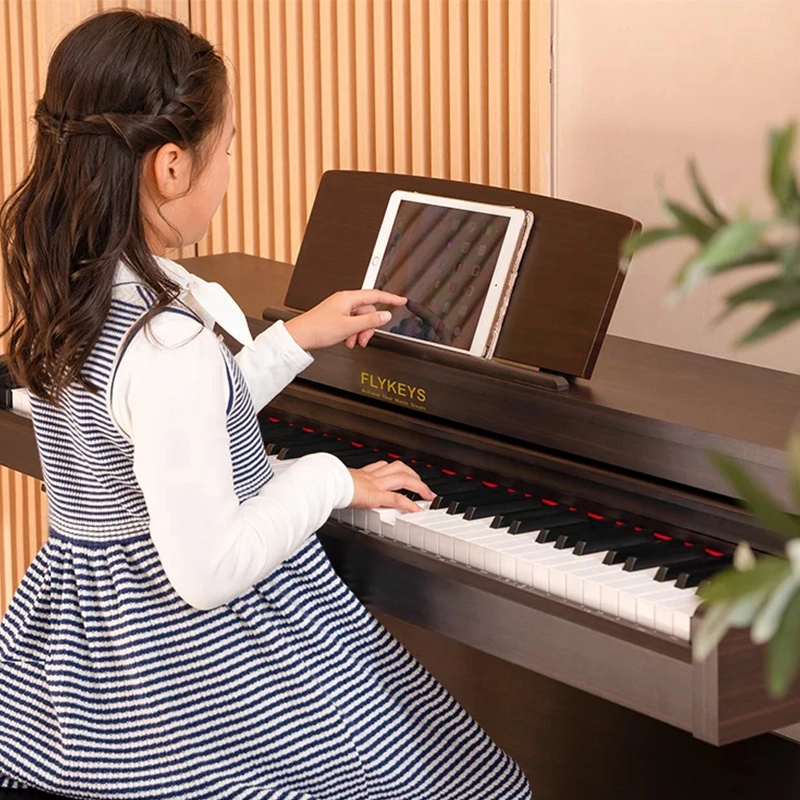
Best 88-Key Digital Pianos for Professionals and Advanced Players: Top Brands, Key Features and Buying Tips (2026)
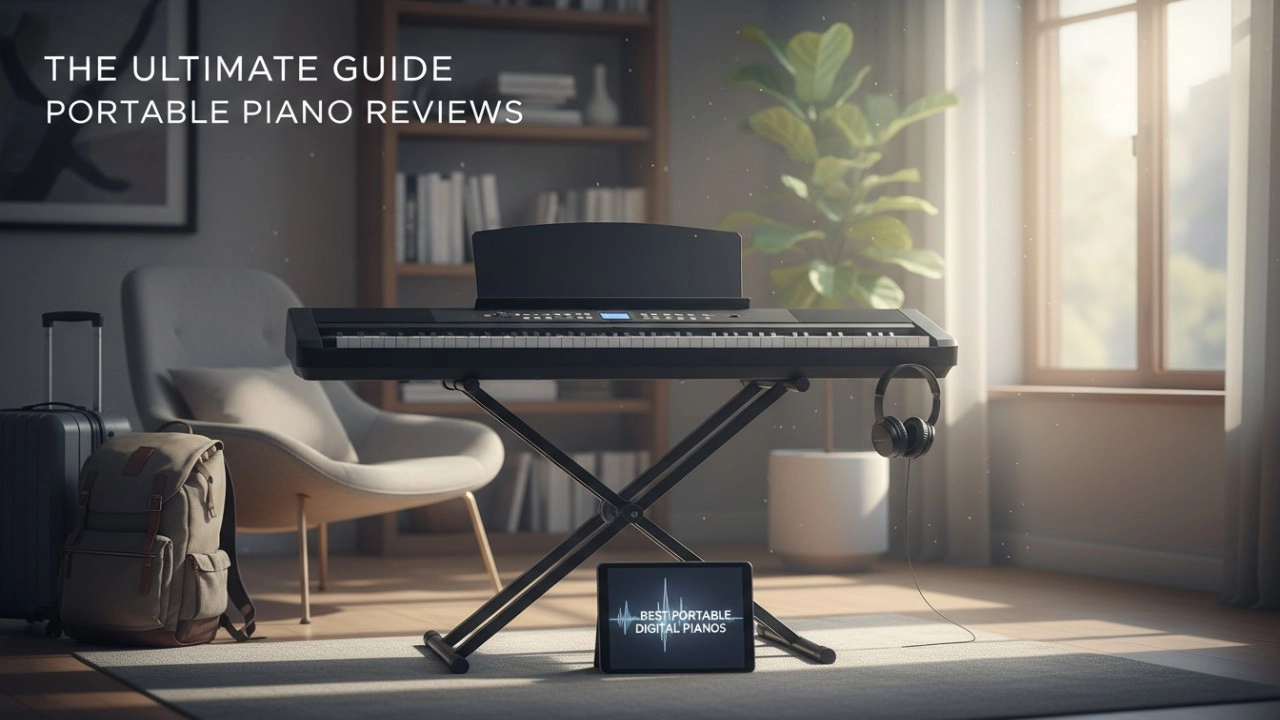
15 Best Portable Digital Pianos of 2026: The Only Comparison Guide You’ll Ever Need
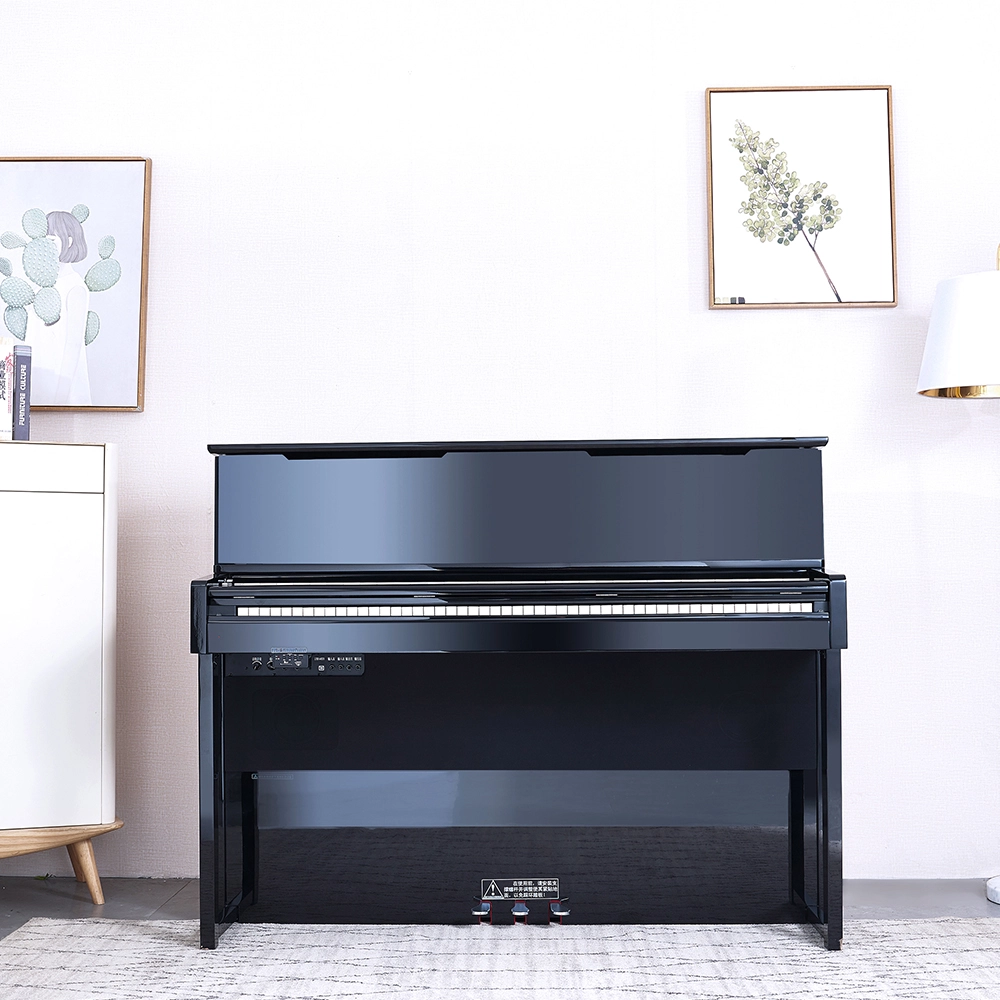
FLYKEYS Professional Digital Upright Piano 88-Keys Wooden Keyboard FK830 Digital Piano
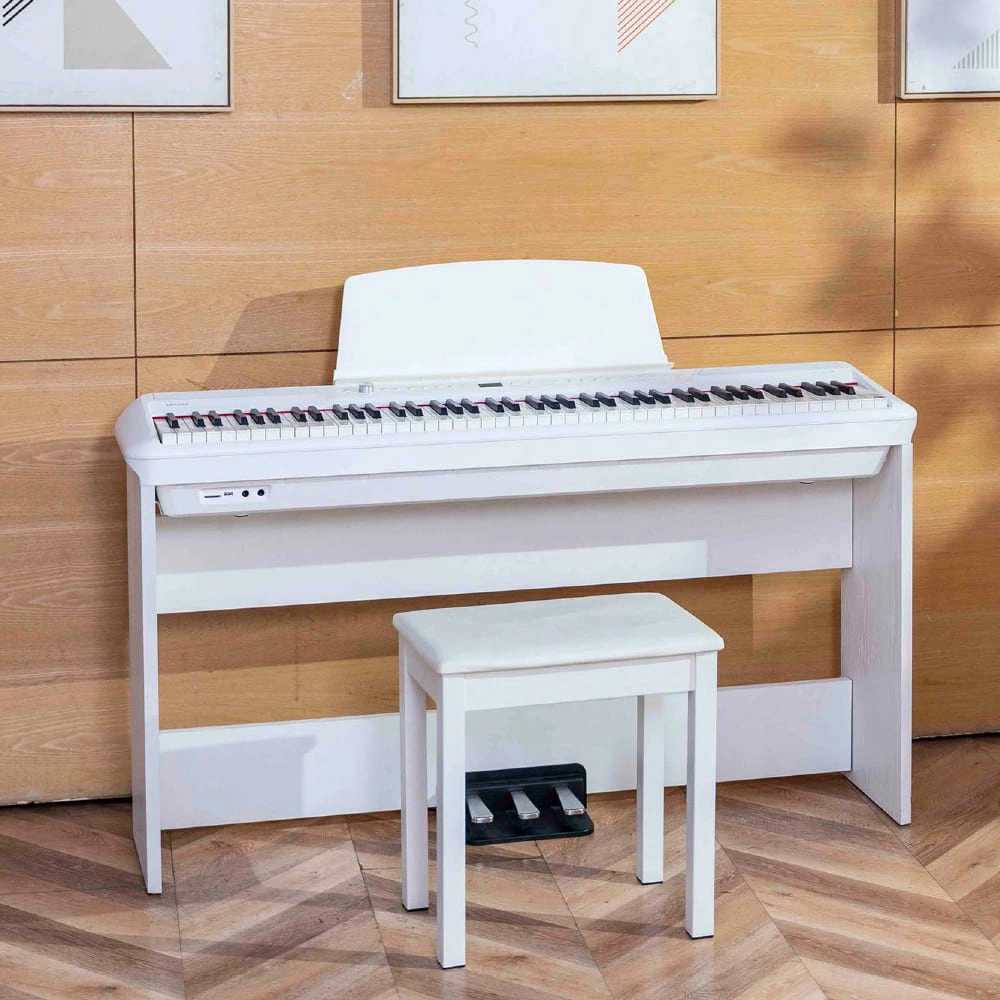
FLYKEYS Portable Electric Keyboard FP9 Digital Piano

FLYKEYS FDP 7 Professional Upright Digital Piano | 88-Key Hammer-Action | Concert Grade Performance
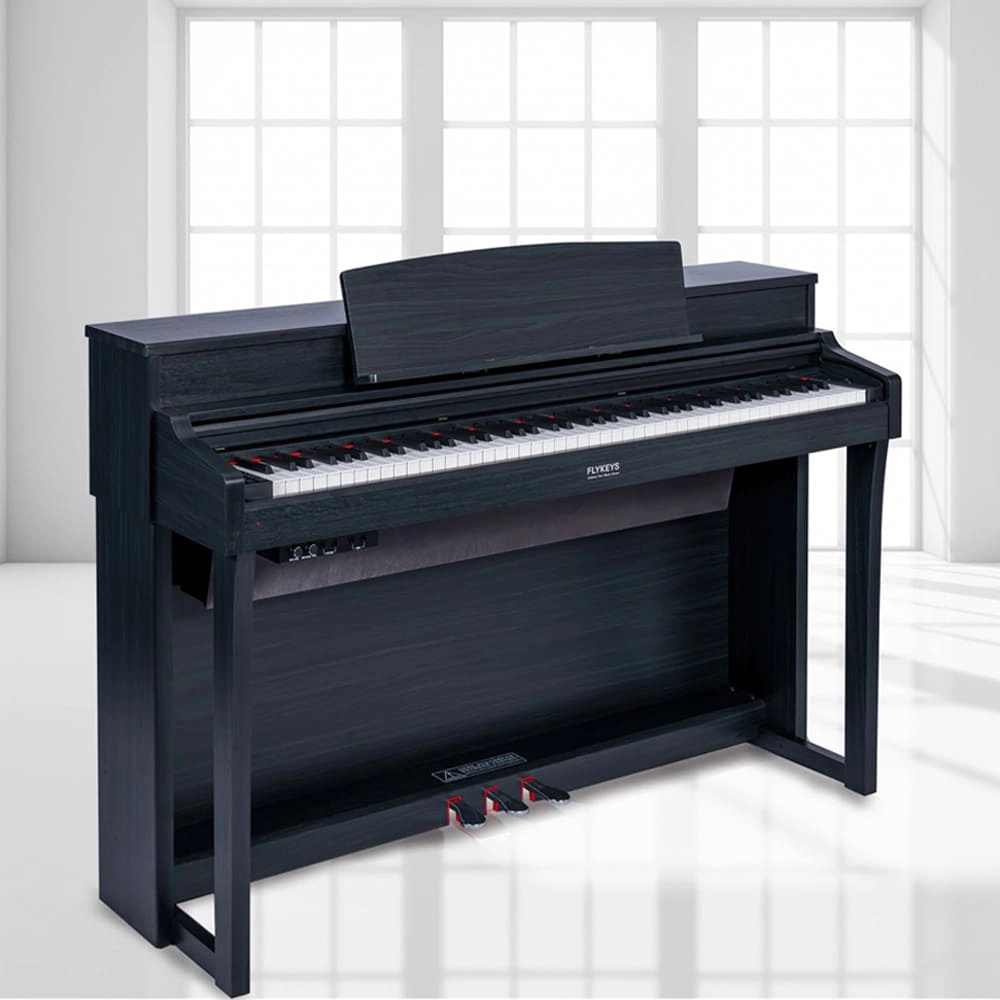
FLYKEYS Upright Digital Piano 88-Keys Hammer-Action Keyboard FK330 Digital Piano
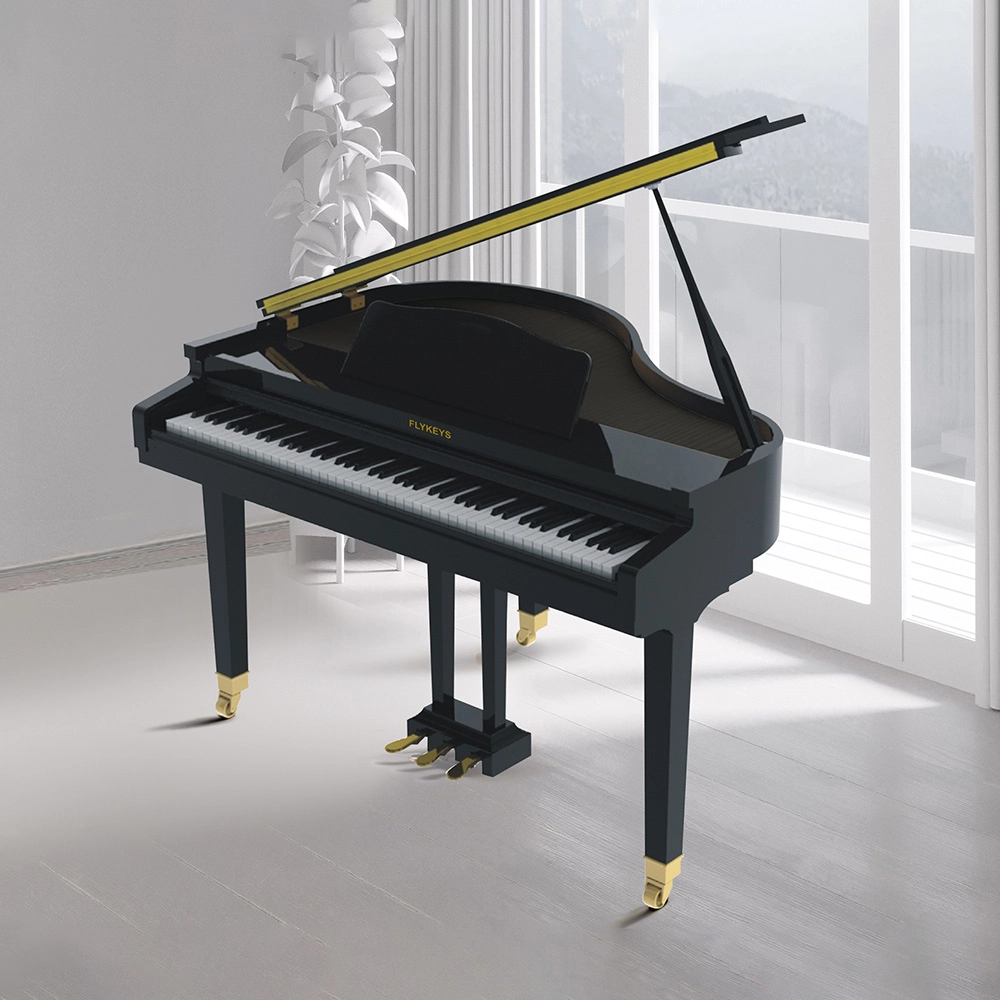
FLYKEYS FGP110 Professional 88-Key Digital Grand Piano with Hammer Action Keyboard
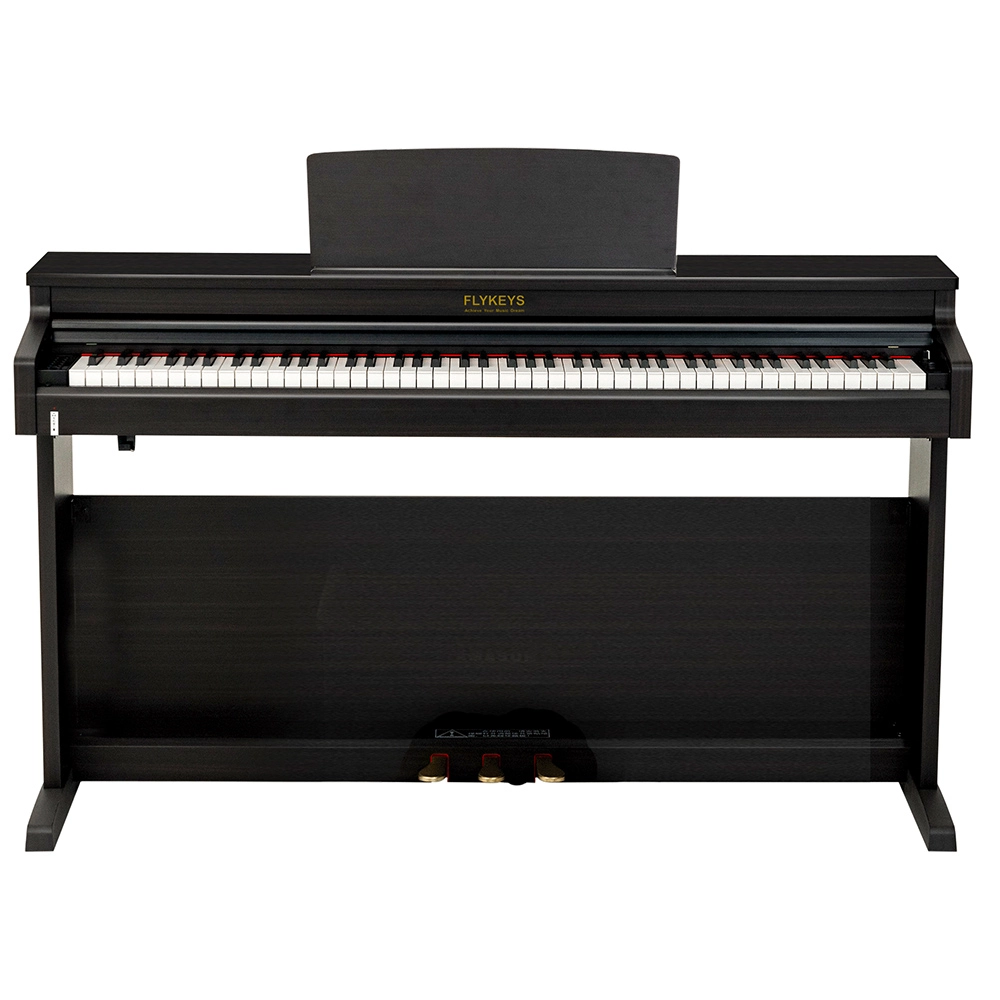
FLYKEYS Upright Digital Piano FDP 3
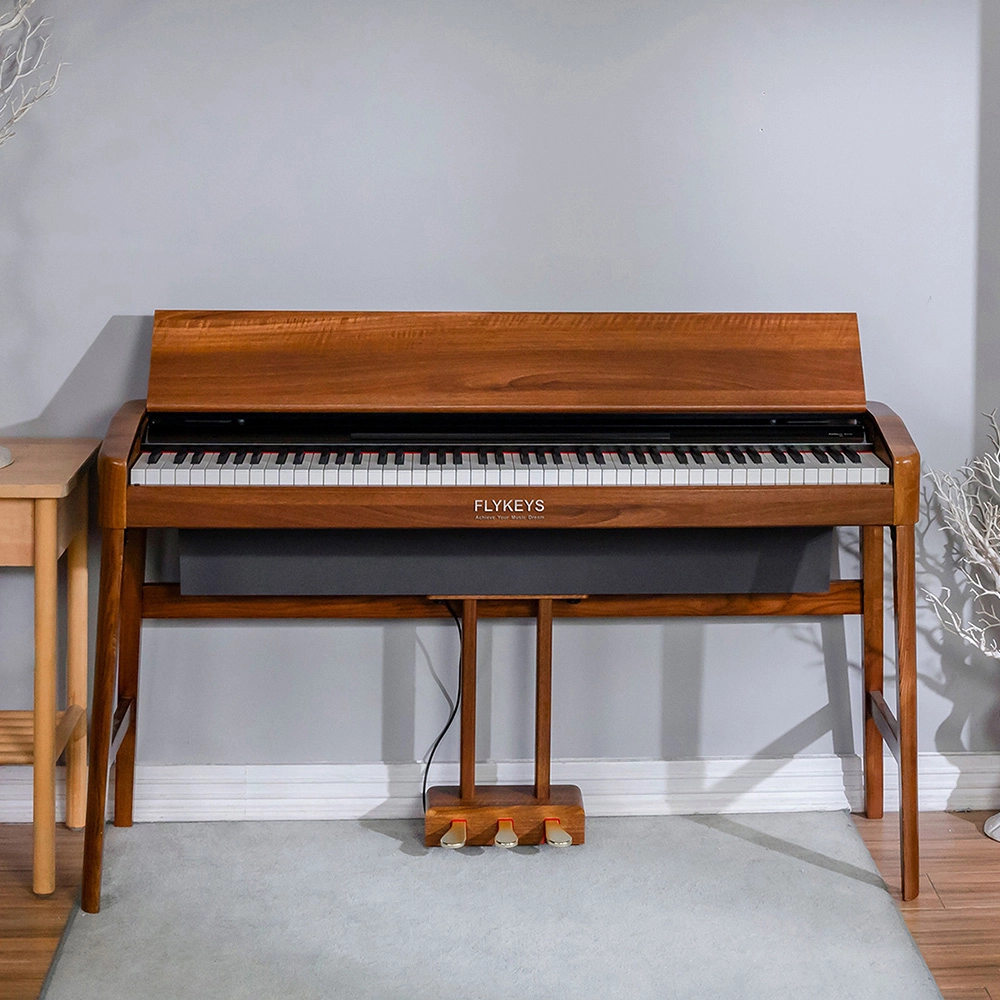
FLYKEYS Wooden Panel Piano Original Italian Imported Hammer Action Keyboard SK3 Digital Piano
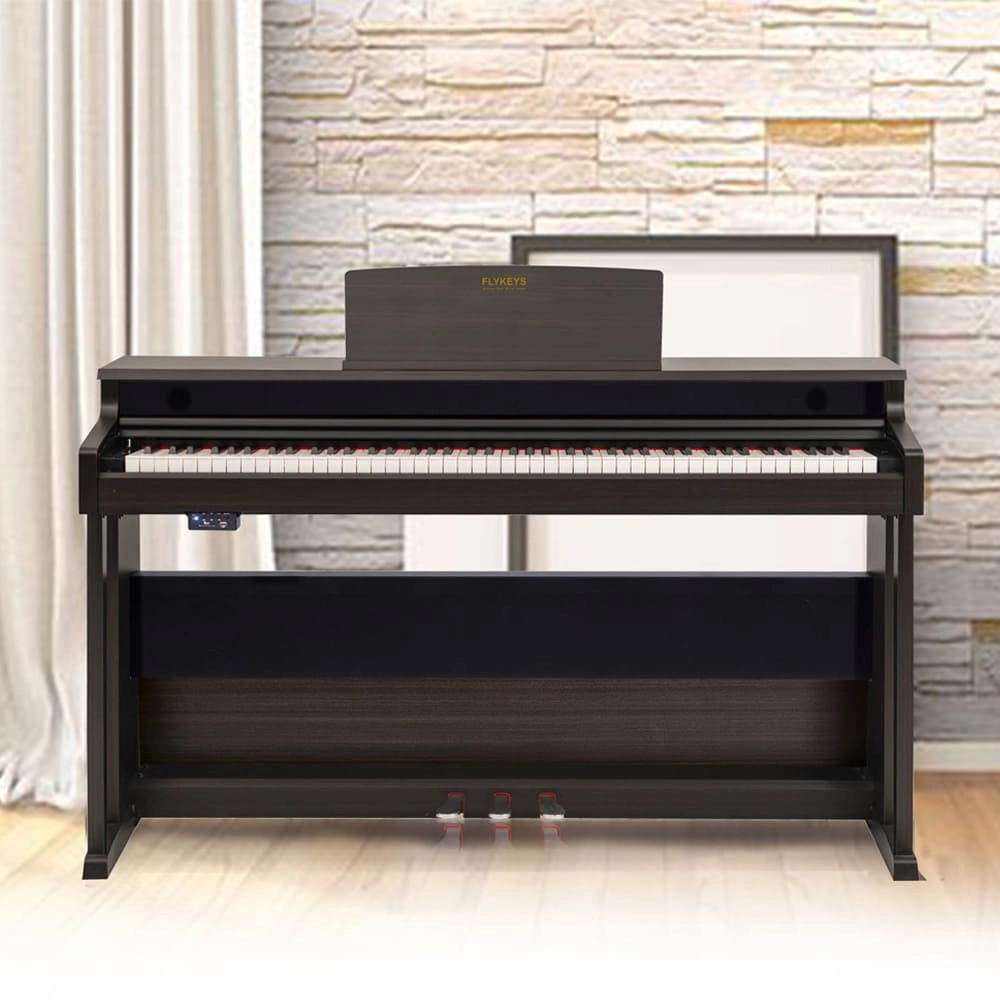
FLYKEYS Upright Piano Wooden Panel 88-KEYS Piano FK130 Digital Piano
Get in touch with us
Have a question or inquiry about our digital pianos products? Leave us a message here and our team will get back to you promptly within 24 hours.
Whether you're interested in custom orders, technical specifications, or partnership opportunities, we're here to assist you.
Rest assured that your privacy is important to us, and all information provided will be handled with the utmost confidentiality.
Address: No. 38 Xiangshan Avenue, Zengcheng Economic And Technological Development Zone, Guangzhou, China.
FOLLOW US:
Copyright© 2026 FLYKEYS All Rights Reserved. 粤 ICP备2020102774号. Designed by Gooeyun. Sitemap | Privacy | Terms
FLYKEYS
FLYKEYS
flykeys-music
Flykeys Music