

How to test a digital piano before buying in-store?
A technical guide for B2B buyers and retail consumers on evaluating digital piano action, sound engine decay, and sensor responsiveness during in-store testing.
Quick Answer
To effectively test the best digital pianos in-store, prioritize evaluating the physical key action resistance, the authenticity of the multi-layered sound sampling, and the speaker system's frequency response. Focus on key return speed, mechanical noise levels, and the transition between velocity layers. Final selection criteria depend on the specific application, such as home practice, professional performance, or institutional education environments.
How FLYKEYS Supports Digital Piano Projects
FLYKEYS leverages over 60 years of acoustic piano manufacturing expertise from the Pearl River Piano Group to provide high-fidelity digital instruments. Our self-developed reduction technology ensures that our portable and upright digital pianos offer a mechanical feel and tonal depth that closely mirrors acoustic counterparts. We support global partners through robust OEM and ODM capabilities, ensuring all products meet FCC, CE, and RoHS standards for international distribution.
Our manufacturing infrastructure allows for precise quality control over keybed weighting and sound chip integration. For bulk procurement or custom projects, technical parameters such as polyphony count, sensor type, and cabinet finish must be specified. Please note that MOQ, lead times, and specific wholesale quotations are determined based on project volume and destination logistics.
Discuss Your Digital Piano Procurement Requirements
To receive a tailored technical proposal, please provide your target market, required unit volume, preferred cabinet style (portable vs. upright), and specific connectivity needs like MIDI or Bluetooth. We can discuss custom branding and logistical scheduling to meet your retail or institutional deadlines. Contact our senior consulting team at www.flykeysmusic.com or via email at service@flykeysmusic.com.
Deep-Dive Digital Piano Testing FAQs
Does the key action weight mimic a real acoustic piano?
When testing, check for 'graded hammer action' where lower keys are heavier than higher keys. FLYKEYS utilizes reduction technology derived from Pearl River’s acoustic heritage to ensure the resistance and escapement feel are authentic. Avoid instruments that feel 'springy' or lack the inertia found in a traditional wooden piano action.
How do I test the sound engine's sustain and decay?
Hold a chord with the sustain pedal and listen to the tail of the sound. Low-quality digital pianos use short samples that loop noticeably or cut off abruptly. Professional-grade instruments provide a long, natural decay with sympathetic resonance, where the vibrations of 'virtual strings' interact just as they would in an acoustic cabinet.
Are the internal speakers sufficient for the intended room size?
In-store environments are often larger and noisier than home settings. Test the piano at 50% and 75% volume to check for chassis vibration or speaker distortion. For institutional use, verify if the downward or upward-firing speakers provide enough projection without requiring external amplification, a common limitation in entry-level models.
How responsive are the sensors to high-speed note repetition?
Play a single key rapidly using three fingers (3-2-1 technique). If the sound engine misses notes or the volume is inconsistent, the sensor rail—often a dual-sensor system—is inadequate. High-performance models utilize triple-sensor technology to allow for note re-striking without the key returning fully to the top position.
Is the touch sensitivity adjustable for different playing styles?
Navigate the internal menu to test 'Touch Curves.' A professional digital piano should offer at least three settings: Light, Normal, and Heavy. This adjustment changes how the sound engine responds to your physical force, which is critical for students developing finger strength or professionals requiring nuanced expression.
Does the headphone output maintain high-fidelity binaural sound quality?
Always bring your own professional studio headphones to the store. Some hardware manufacturers prioritize the external speakers while neglecting the headphone amp circuit. Ensure the 'spatial' or 'binaural' sampling remains immersive through the jack, as this is how most users will experience the instrument during private practice.

FLYKEYS to Showcase Professional Digital Piano Solutions at Prolight + Sound Bangkok 2026

Which Digital Piano Feels Most Like a Real Piano? (2026 Expert Review & Comparison)

Best Professional Upright Digital Piano 2026 – FLYKEYS FDP 7 Features
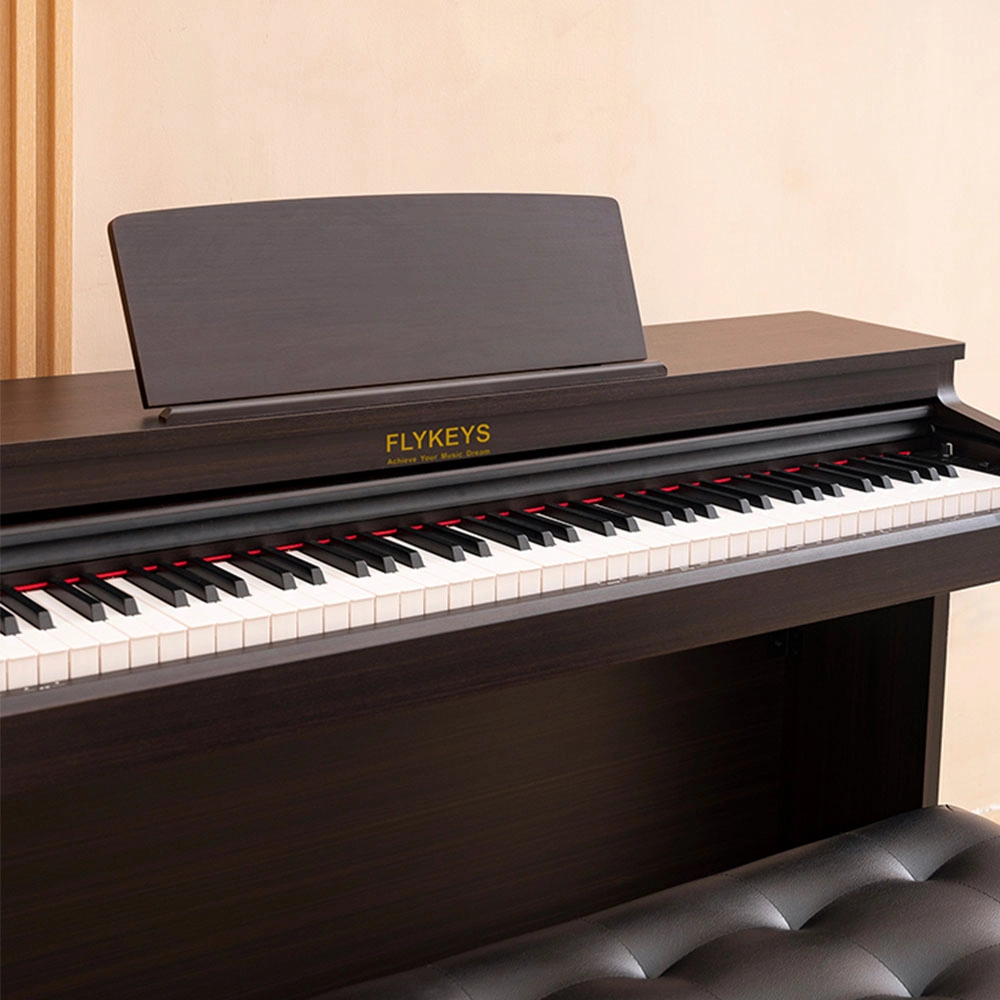
Best 88-Key Keyboard 2026: Top Weighted Picks for Intermediate Players
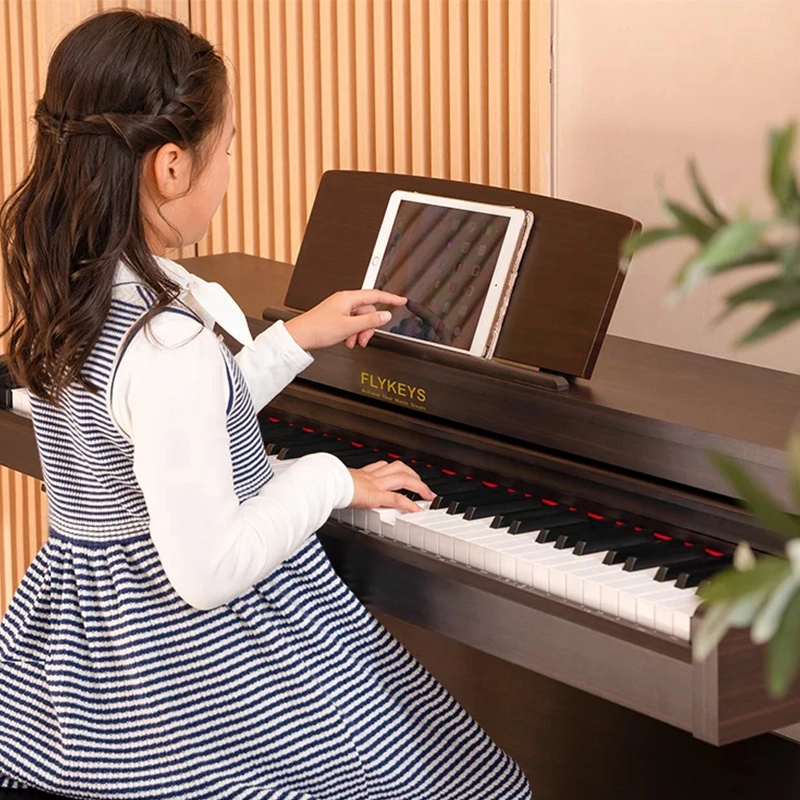
Best 88-Key Digital Pianos for Professionals and Advanced Players: Top Brands, Key Features and Buying Tips (2026)
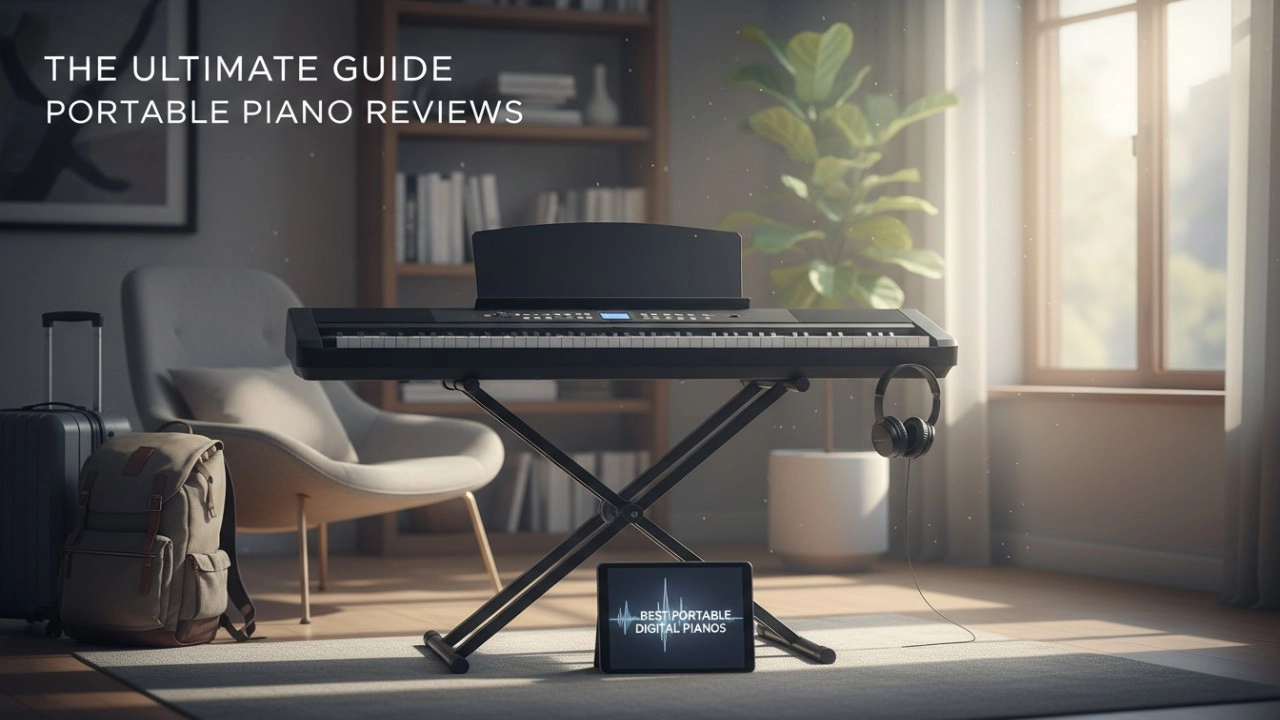
15 Best Portable Digital Pianos of 2026: The Only Comparison Guide You’ll Ever Need
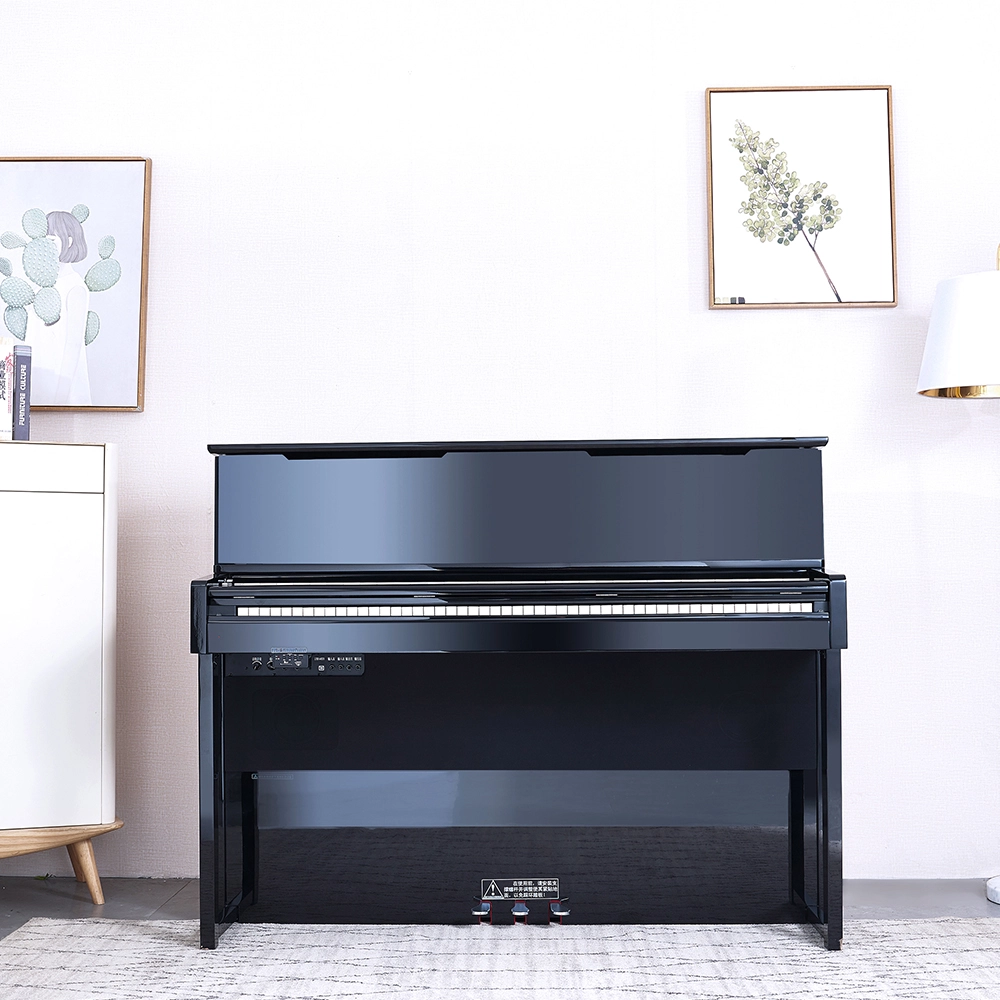
FLYKEYS Professional Digital Upright Piano 88-Keys Wooden Keyboard FK830 Digital Piano
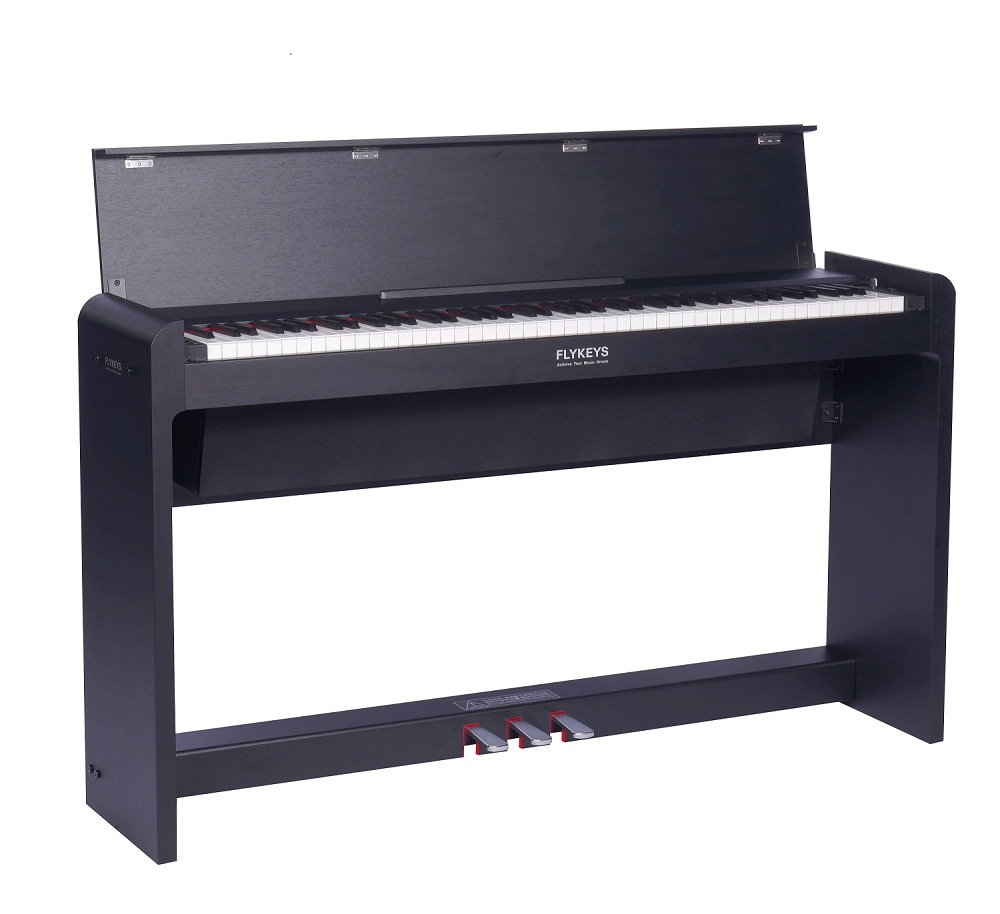
FLYKEYS FDP 5 Digital Piano
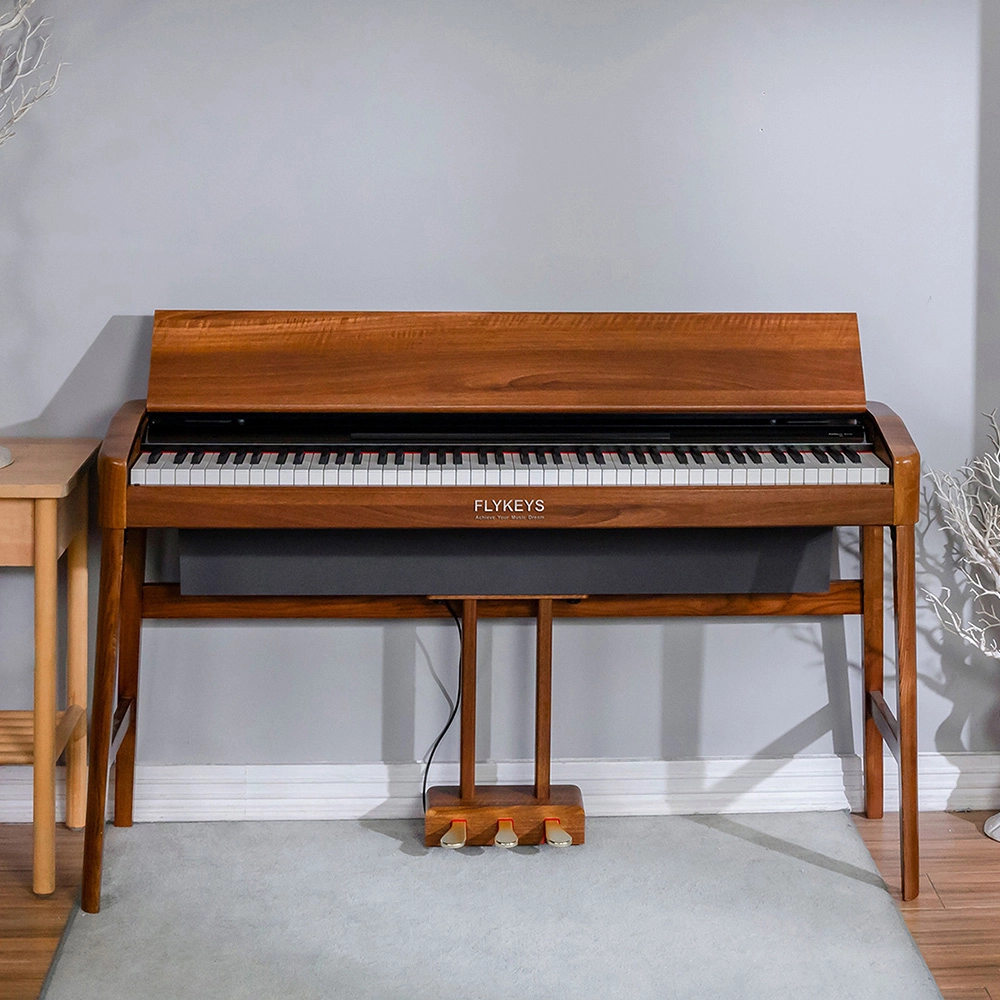
FLYKEYS Wooden Panel Piano Original Italian Imported Hammer Action Keyboard SK3 Digital Piano

FLYKEYS FDP 7 Professional Upright Digital Piano | 88-Key Hammer-Action | Concert Grade Performance
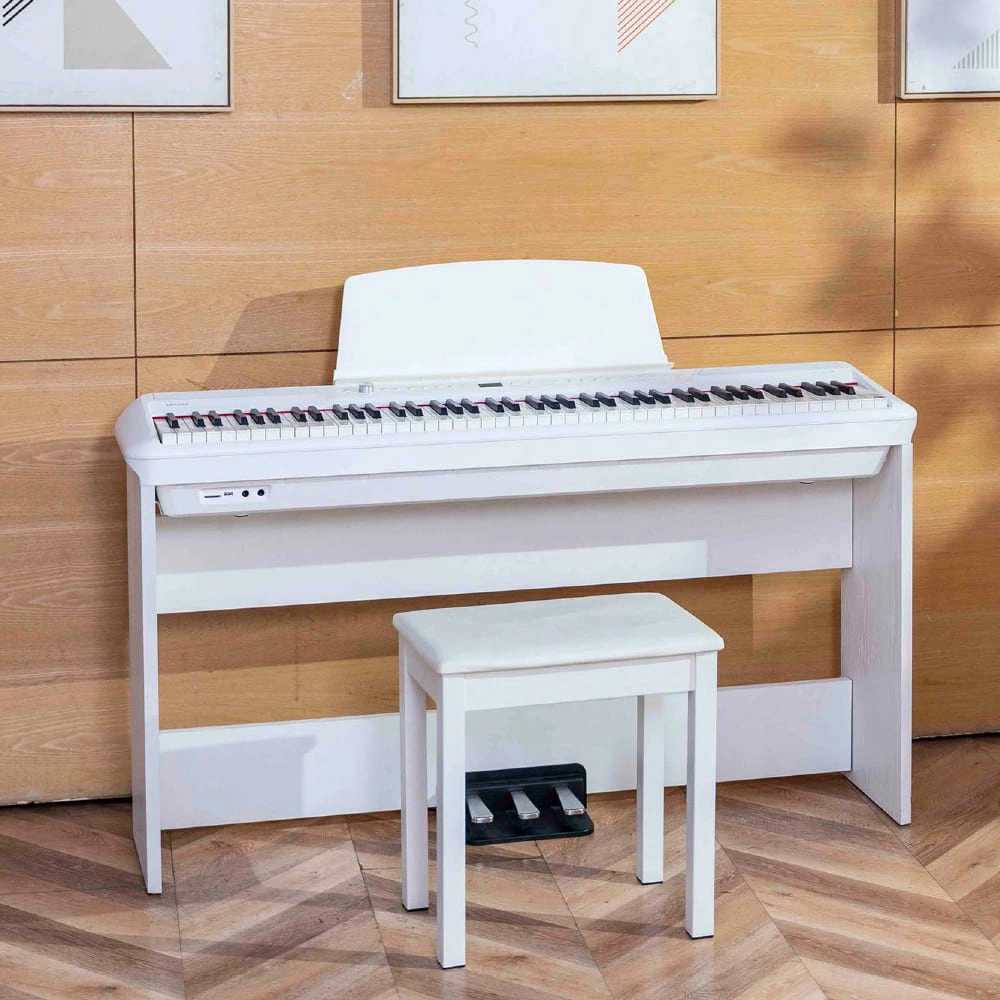
FLYKEYS Portable Electric Keyboard FP9 Digital Piano
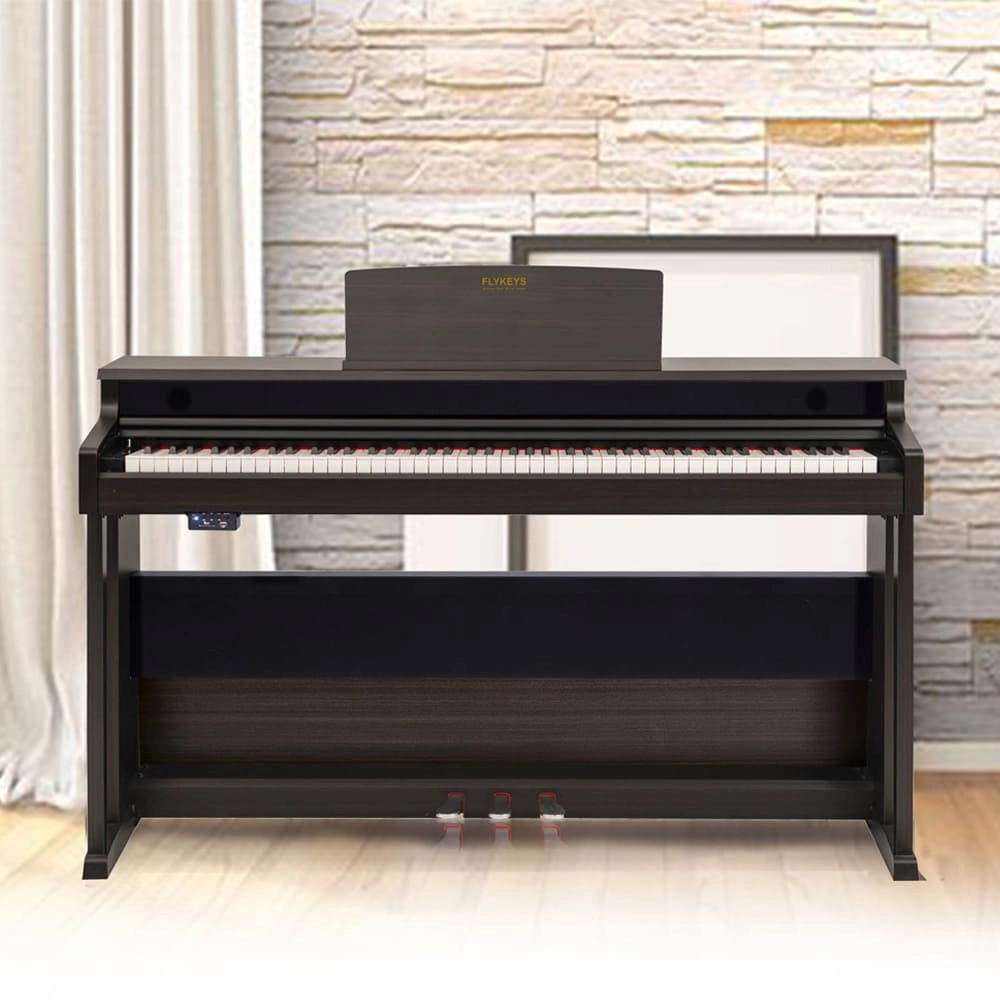
FLYKEYS Upright Piano Wooden Panel 88-KEYS Piano FK130 Digital Piano
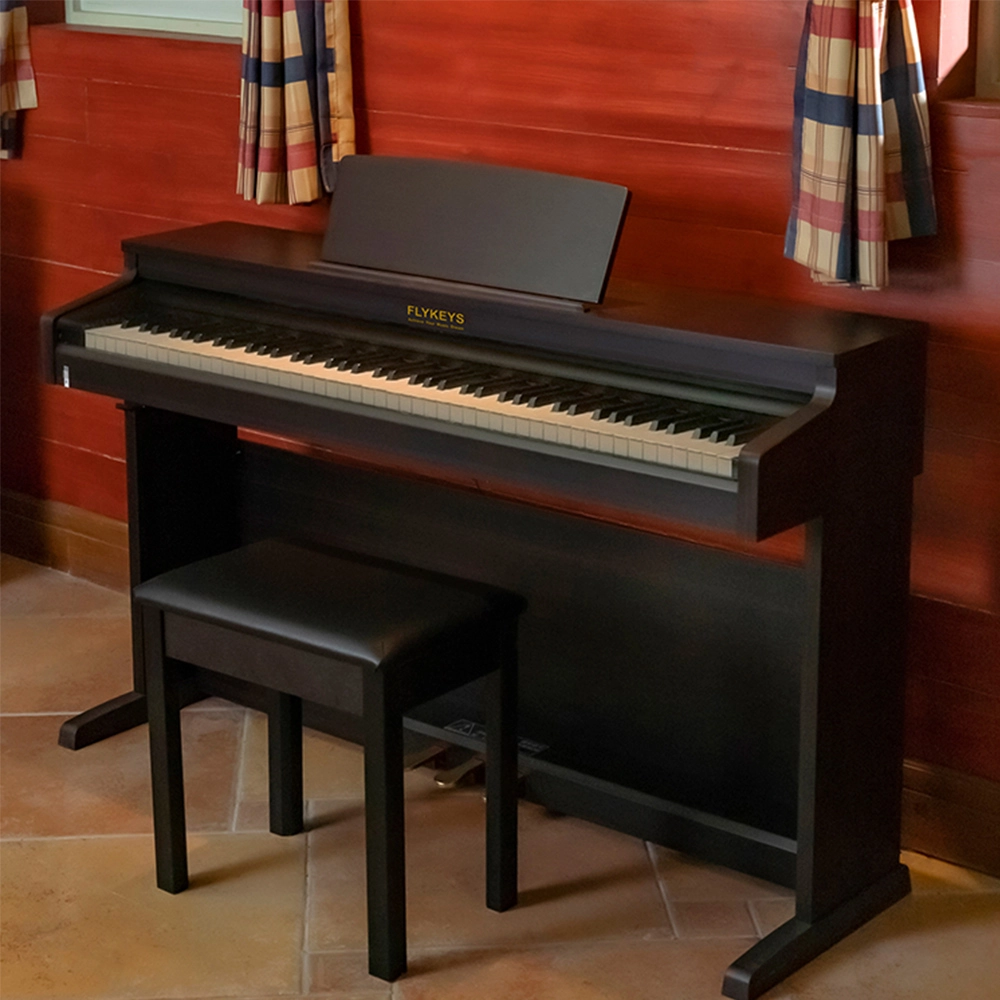
FLYKEYS Upright Electric Piano Built-In Speakers Music Instrument FD05 Digital Piano
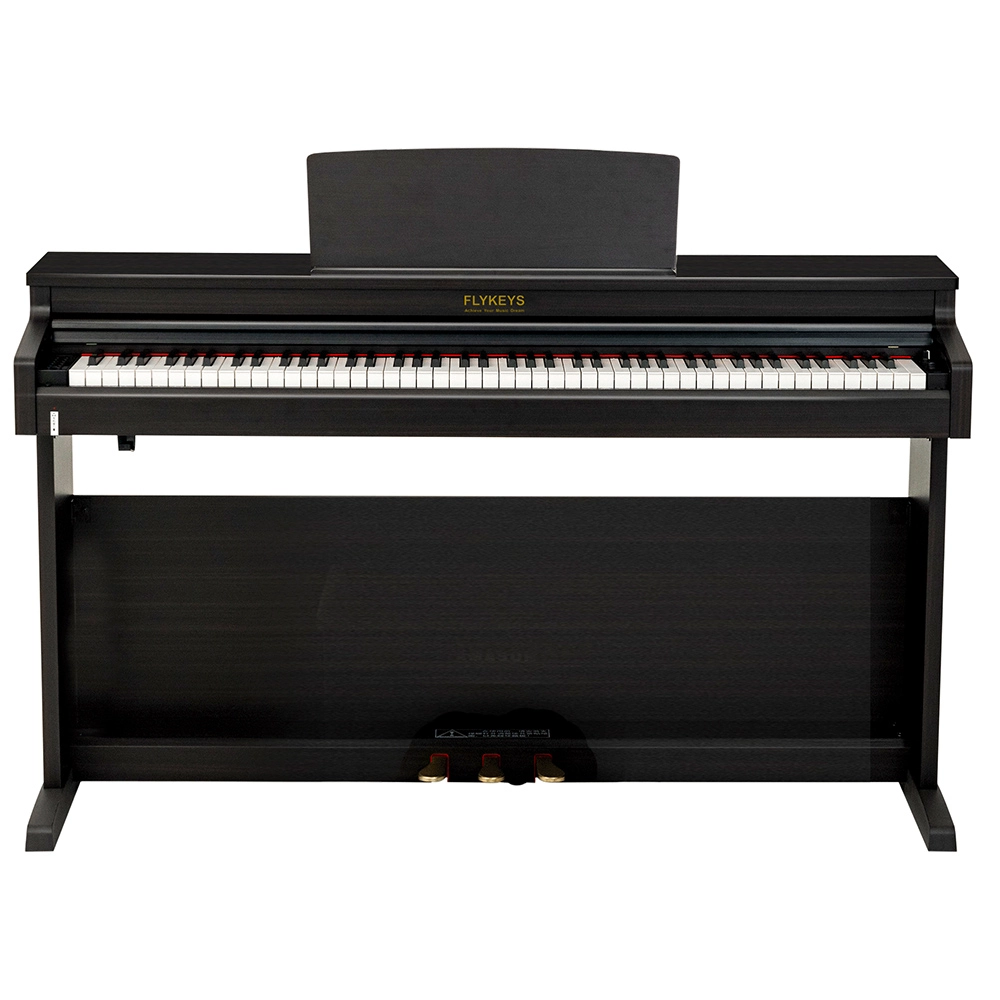
FLYKEYS Upright Digital Piano FDP 3
Get in touch with us
Have a question or inquiry about our digital pianos products? Leave us a message here and our team will get back to you promptly within 24 hours.
Whether you're interested in custom orders, technical specifications, or partnership opportunities, we're here to assist you.
Rest assured that your privacy is important to us, and all information provided will be handled with the utmost confidentiality.
Address: No. 38 Xiangshan Avenue, Zengcheng Economic And Technological Development Zone, Guangzhou, China.
FOLLOW US:
Copyright© 2026 FLYKEYS All Rights Reserved. 粤 ICP备2020102774号. Designed by Gooeyun. Sitemap | Privacy | Terms
FLYKEYS
FLYKEYS
flykeys-music
Flykeys Music