

How to test key action in a beginner digital piano keyboard?
A technical guide on how to test key action in a beginner digital piano keyboard, evaluating hammer weight resistance, sensor latency, pivot leverage, and mechanical noise.
Quick Answer
Testing key action for digital piano keyboard beginners requires evaluating static resistance, mechanical rebound speed, and sensor trigger consistency across all 88 keys. Key technical parameters include graded hammer weight distribution, pivot length, triple-sensor responsiveness, and keybed chassis stability. Final tactile performance varies across entry-level assemblies and specific chassis designs.
How Flykeys Supports Digital Piano Projects
Flykeys supports global distributors, OEM brands, and institutional music education providers through precision-engineered hammer-action keybed manufacturing. Our production lines integrate automated sensor calibration, dynamic velocity testing, and strict mechanical tolerance inspections across entry-level and advanced digital piano assemblies.
To initiate development or procurement, partners confirm key specifications, including hammer weighting profiles, sensor configurations, enclosure dimensions, and target acoustic soundboard integration. Final minimum order quantities (MOQ), production lead times, and unit pricing are determined per project scope and regional compliance standards.
Discuss Your Digital Piano Sourcing Requirements
To evaluate keybed samples or customize hammer-action digital pianos, provide your target market profile, required keybed mechanics, sensor type, exterior enclosure dimensions, target production volumes, and compliance certifications. Our engineering team reviews technical specifications to supply sample units, testing data, and comprehensive B2B quotations. Review product specifications at www.flykeysmusic.com or submit your inquiry directly to service@flykeysmusic.com.
Frequently Asked Questions
Does key weight resistance feel uniform across the entire keyboard?
Key resistance on authentic instruments should not be strictly uniform; it must follow a graded hammer design where lower octaves feel heavier than treble registers. When testing, depress keys individually from the lowest A to the highest C without sound to measure static downweight. In entry-level digital pianos, budget actions often utilize uniform spring resistance rather than graduated mechanical counterweights, which fails to prepare developing muscle memory for traditional acoustic piano playing.
How do you identify sensor latency during rapid note repetition?
Sensor latency is identified by repeatedly striking a single key at high frequency without allowing it to fully return to resting height. Dual-sensor mechanisms struggle with rapid articulation, failing to register subsequent strikes or causing dropped notes. A triple-sensor action incorporates an intermediate trigger reset point, allowing the middle sensor to register re-strikes before key release. Test staccato trills and tremolos across central octaves to evaluate whether the digital sensor system maintains continuous note registration.
What causes excessive mechanical noise when testing digital key action?
Excessive thumping, clicking, or rattling during key depression and return stems from inadequate dampening felt, poor chassis reinforcement, or loose pivot bushings. In inexpensive assemblies, plastic key levers strike unbuffered stoppers directly, generating audible mechanical vibrations that distract players at lower volume levels. Gently tap keys both when depressed and upon release; quality keybeds absorb kinetic energy through multi-layered industrial felt strips and rigid internal metal frames without extraneous chassis rattle.
How does pivot length affect playing leverage near the fallboard?
Pivot length determines how far the internal fulcrum sits behind the visible portion of the key. When testing, press keys both at the edge and high up between the black keys near the fallboard. Short pivot lengths create excessive resistance near the back, requiring significantly more finger force to actuate the switch. A longer pivot arm ensures balanced mechanical leverage across the entire playable surface, preventing finger fatigue and uneven velocity response during complex hand positioning.
Can dynamic velocity curves simulate genuine acoustic piano hammer response?
Velocity curves dictate how software interprets key strike speed into acoustic volume and harmonic timbre, but they cannot compensate for poor mechanical resistance. Testing involves playing very soft pianissimo strikes and powerful fortissimo chords to observe dynamic gradient linearity. If the action jumps erratically from quiet to loud without intermediate timbre shifts, the sensor mapping is defective. Accurate digital pianos synchronize mechanical hammer inertia with multi-layer acoustic velocity mapping across multiple sensitivity presets.
How do you check for lateral key wobble and spacing?
Lateral stability is tested by gently wiggling adjacent white and black keys from side to side while in resting and fully depressed states. Irregular inter-key spacing or excessive side-to-side play indicates substandard guide pins, weak key guide bushings, or flexible plastic levers. High-tolerance assemblies maintain strict 1mm to 1.5mm key gaps with minimal lateral deflection, preventing adjacent keys from rubbing against each other or misaligning internal contact sensors over extended practice cycles.

FLYKEYS to Showcase Professional Digital Piano Solutions at Prolight + Sound Bangkok 2026

Which Digital Piano Feels Most Like a Real Piano? (2026 Expert Review & Comparison)

Best Professional Upright Digital Piano 2026 – FLYKEYS FDP 7 Features
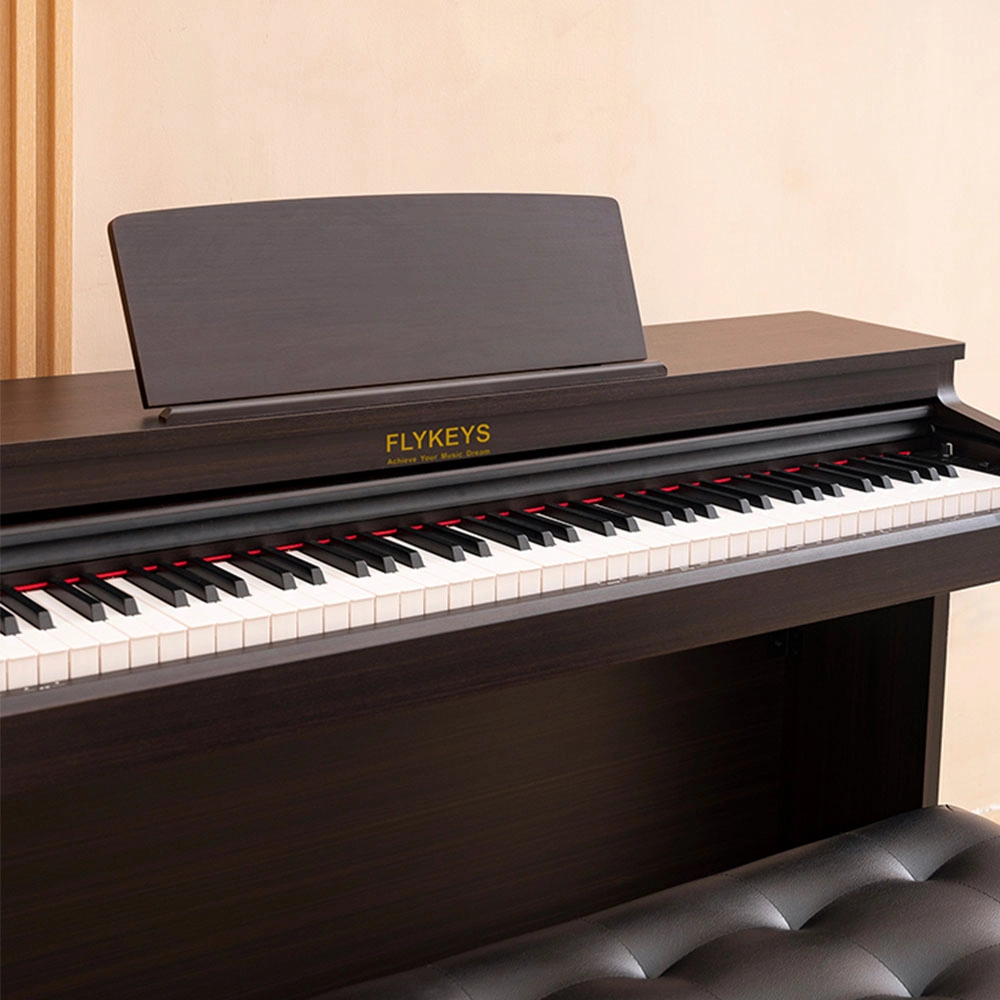
Best 88-Key Keyboard 2026: Top Weighted Picks for Intermediate Players
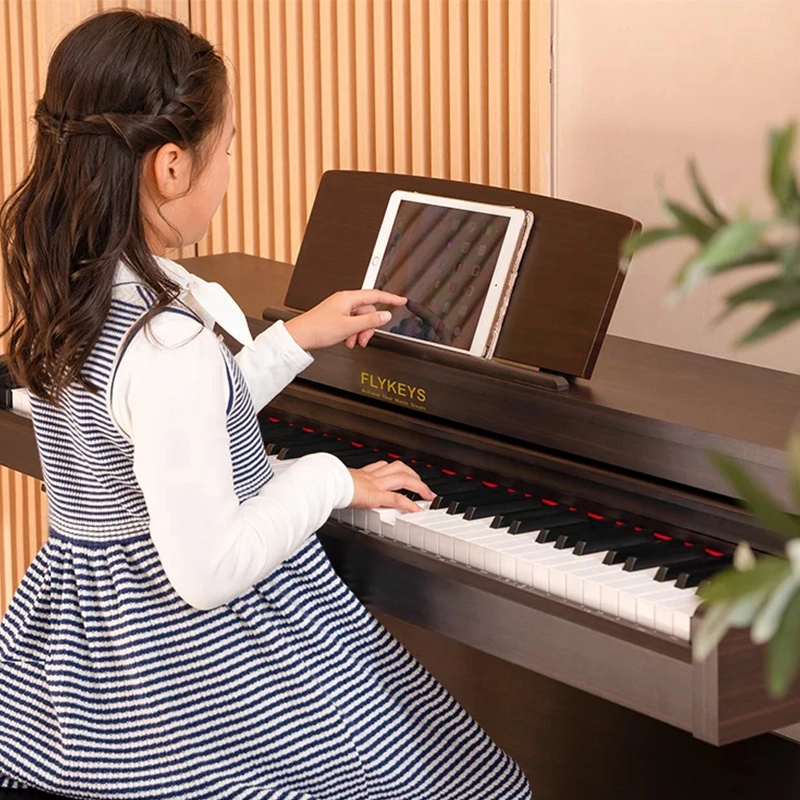
Best 88-Key Digital Pianos for Professionals and Advanced Players: Top Brands, Key Features and Buying Tips (2026)
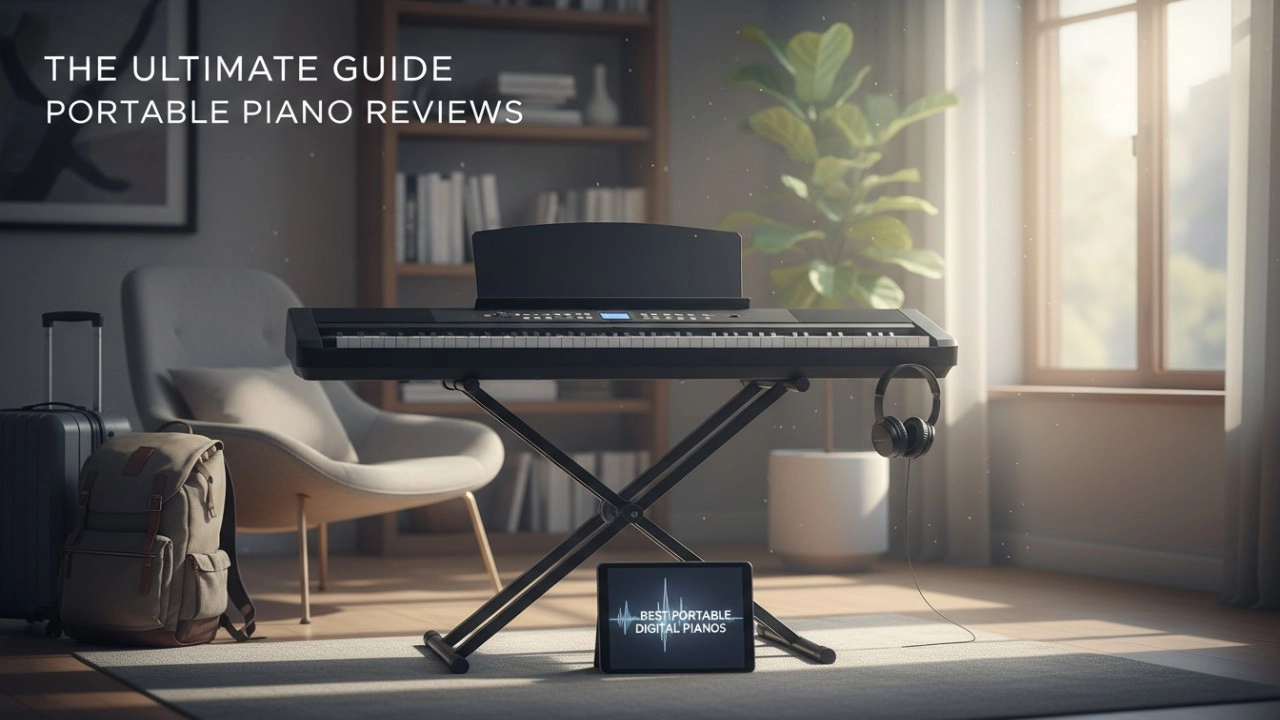
15 Best Portable Digital Pianos of 2026: The Only Comparison Guide You’ll Ever Need
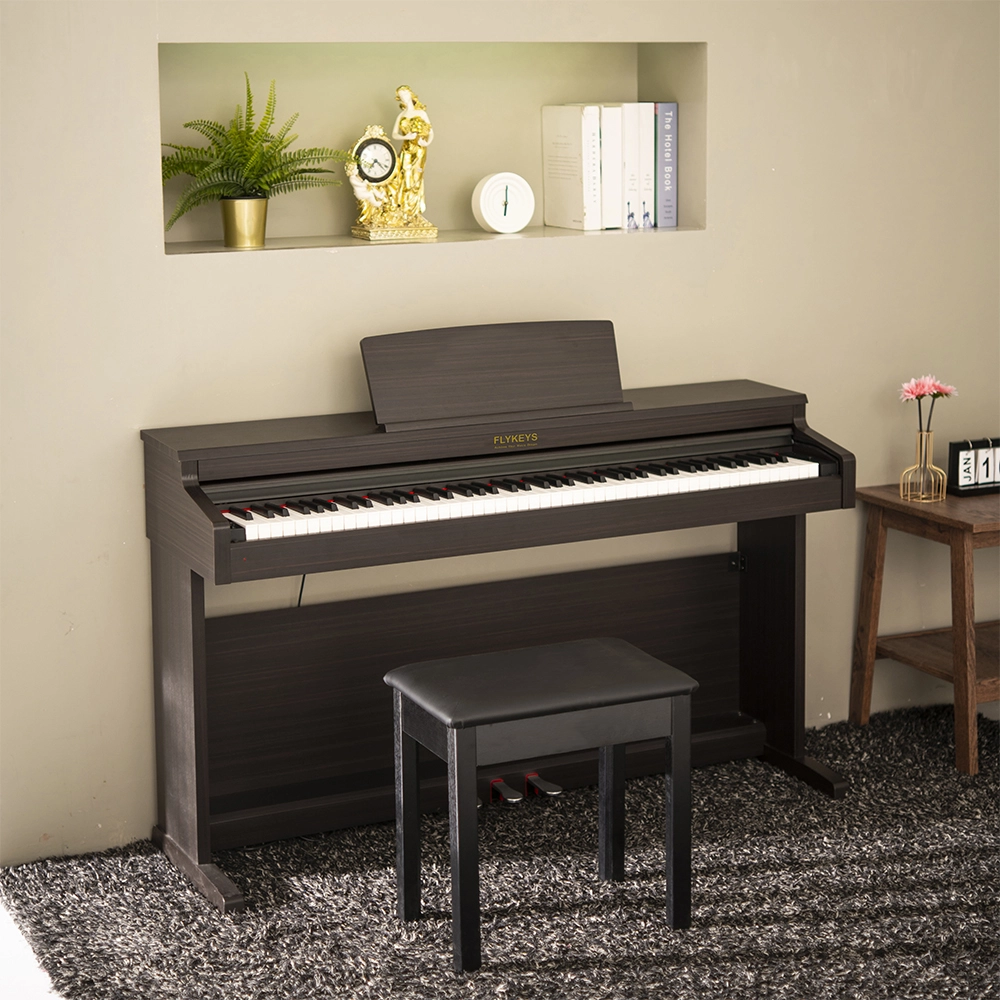
FLYKEYS 88-Keys Hammer-Action keyboard Upright Piano LK03S Digital Piano
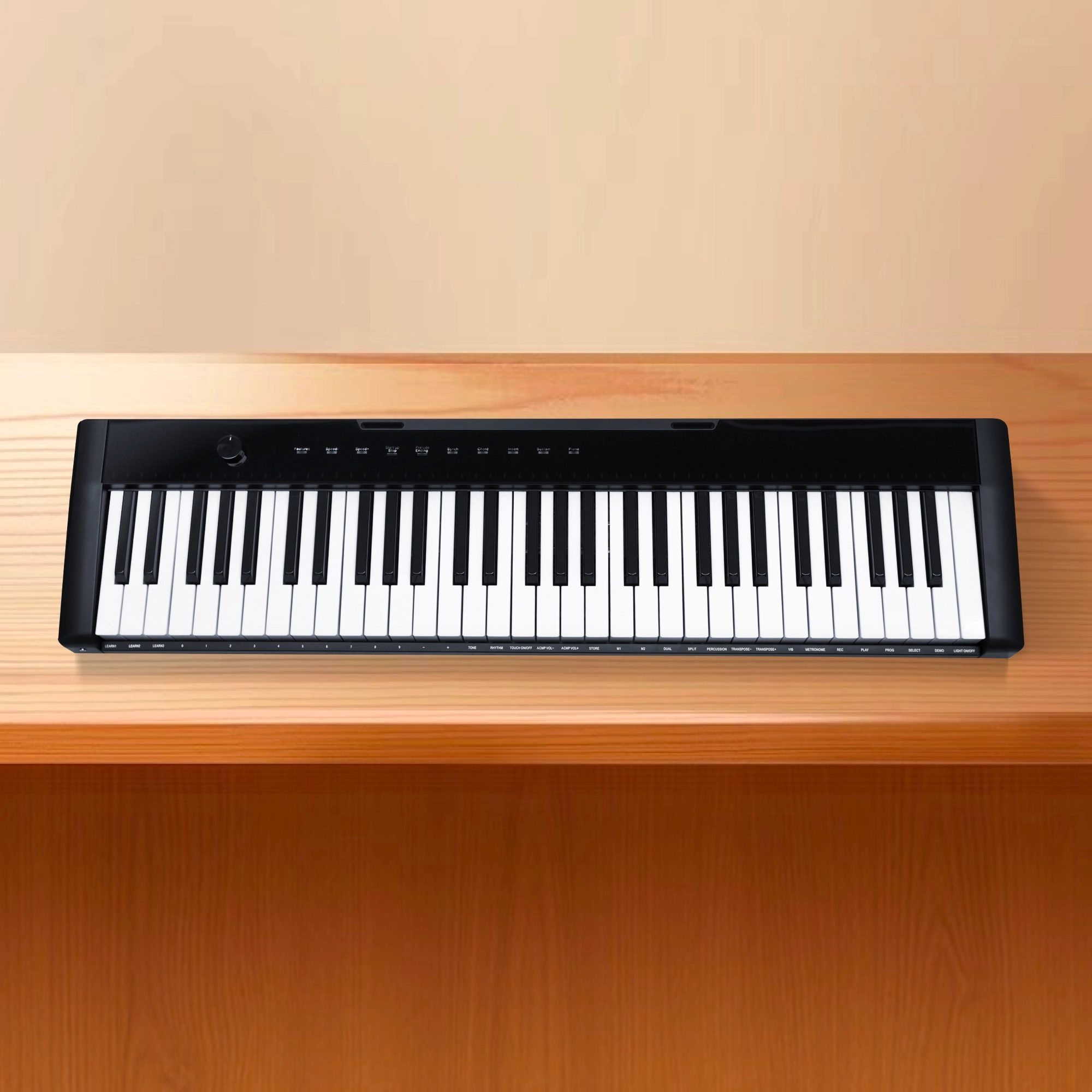
FLYKEYS 61-keys portable electronic keyboard piano with X stand (M2)
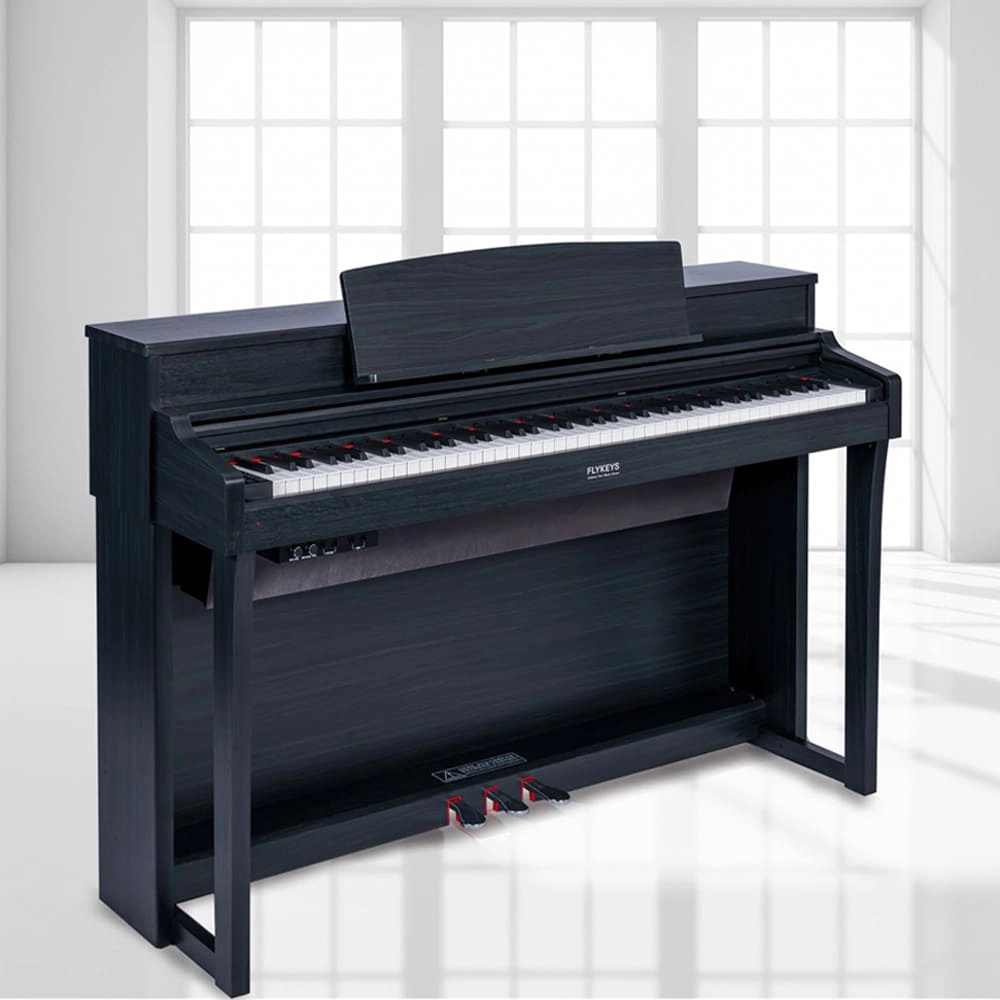
FLYKEYS Upright Digital Piano 88-Keys Hammer-Action Keyboard FK330 Digital Piano
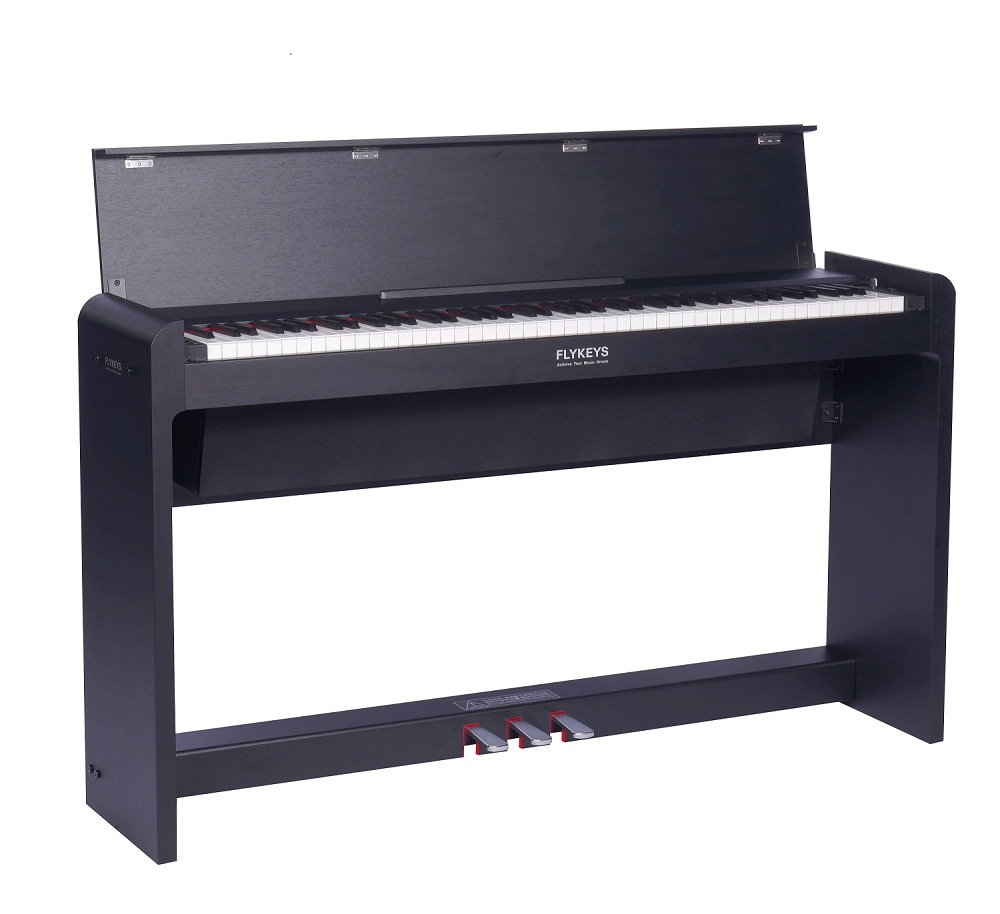
FLYKEYS FDP 5 Digital Piano
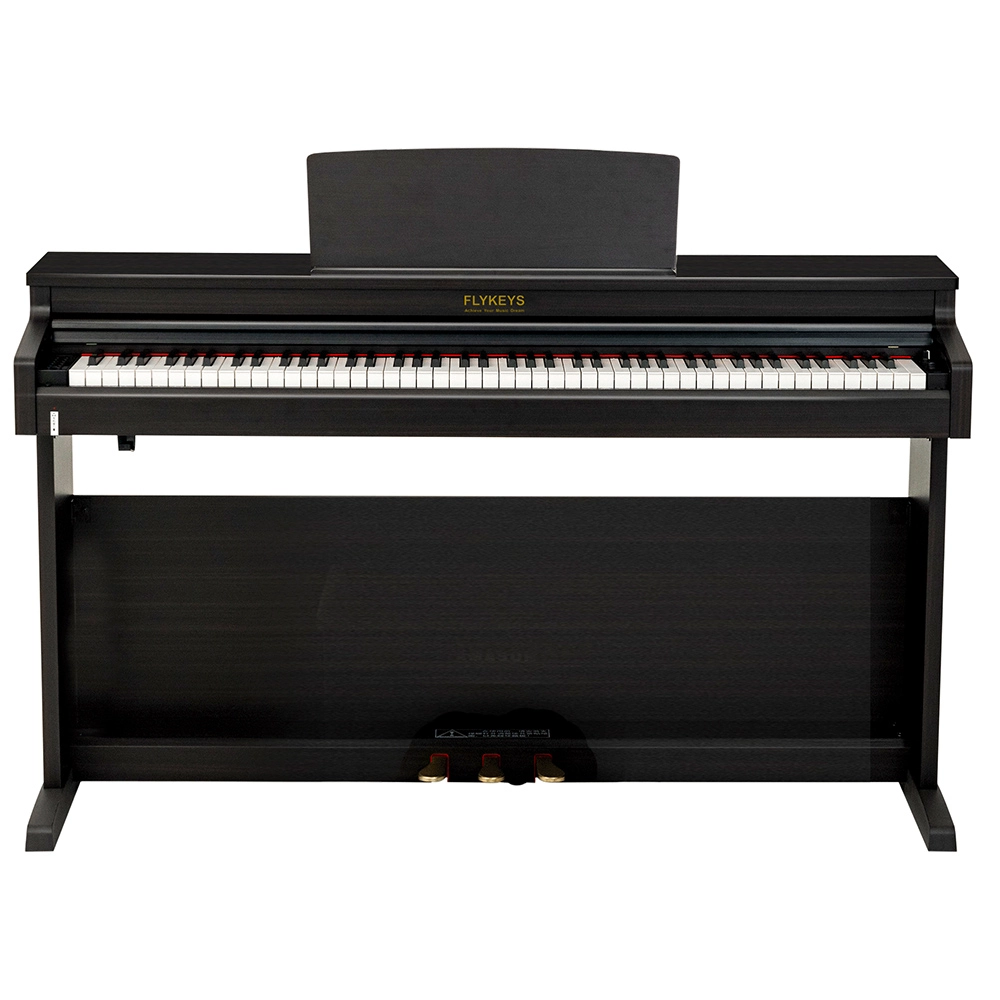
FLYKEYS Upright Digital Piano FDP 3
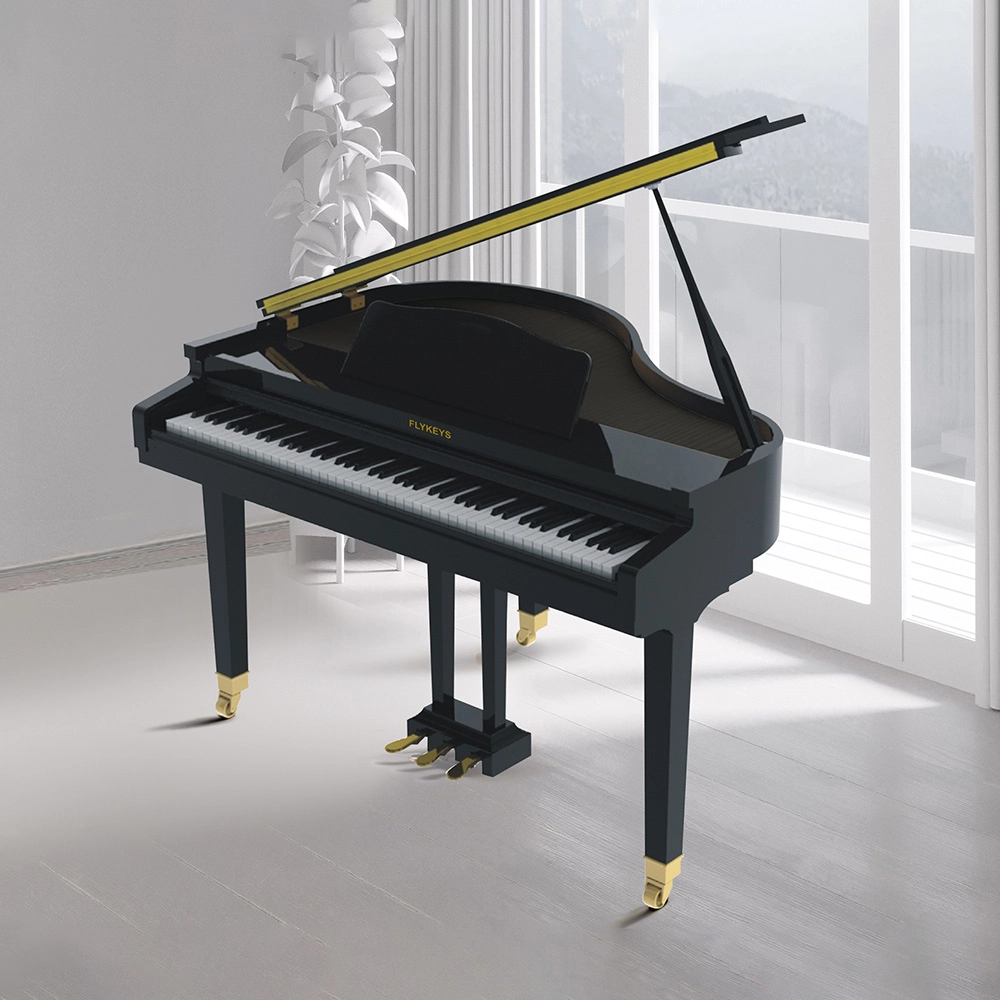
FLYKEYS FGP110 Professional 88-Key Digital Grand Piano with Hammer Action Keyboard
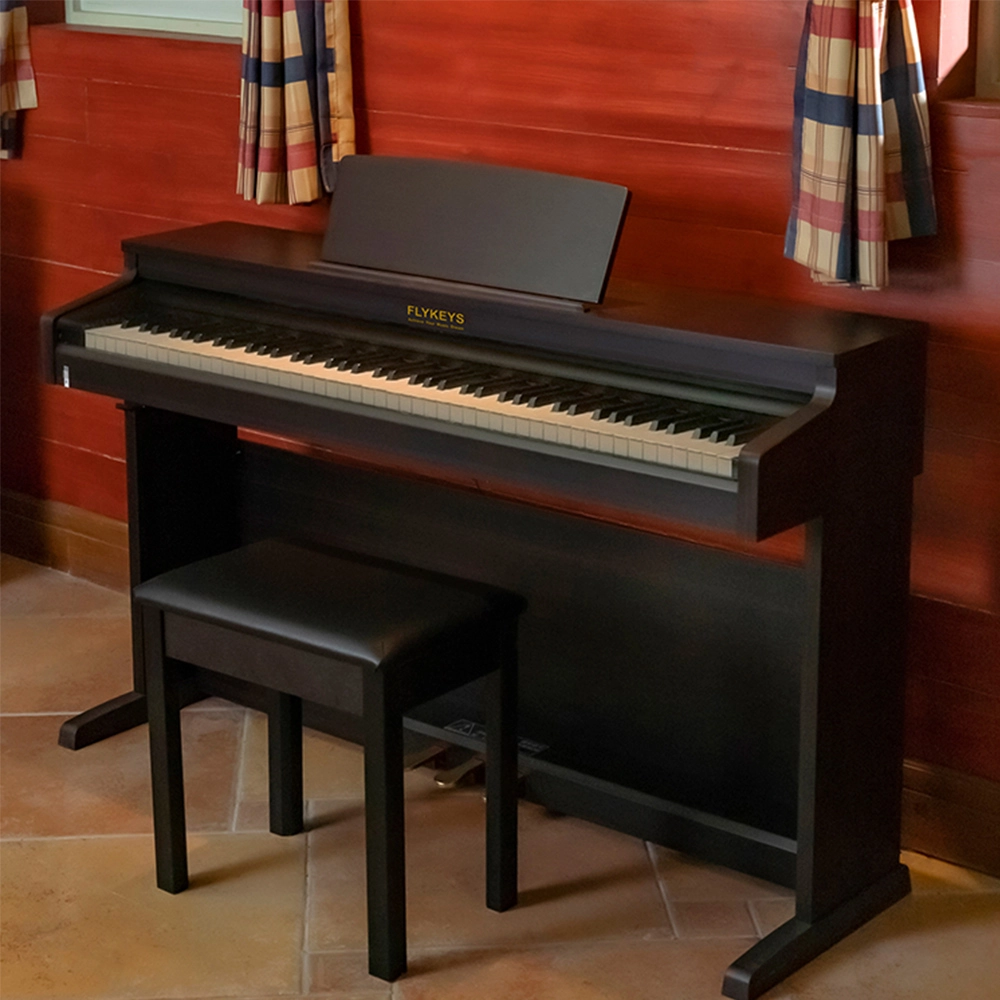
FLYKEYS Upright Electric Piano Built-In Speakers Music Instrument FD05 Digital Piano

FLYKEYS FDP 7 Professional Upright Digital Piano | 88-Key Hammer-Action | Concert Grade Performance
Get in touch with us
Have a question or inquiry about our digital pianos products? Leave us a message here and our team will get back to you promptly within 24 hours.
Whether you're interested in custom orders, technical specifications, or partnership opportunities, we're here to assist you.
Rest assured that your privacy is important to us, and all information provided will be handled with the utmost confidentiality.
Address: No. 38 Xiangshan Avenue, Zengcheng Economic And Technological Development Zone, Guangzhou, China.
FOLLOW US:
Copyright© 2026 FLYKEYS All Rights Reserved. 粤 ICP备2020102774号. Designed by Gooeyun. Sitemap | Privacy | Terms
FLYKEYS
FLYKEYS
flykeys-music
Flykeys Music