

Which keyboards are best for beginners learning pop songs?
Explore the technical specifications, keybed actions, polyphony parameters, and digital connectivity required when selecting beginner keyboards for learning modern pop repertoire.
Quick Answer
Selecting an ideal digital piano keyboard beginners instrument for pop songs requires balanced key response, versatile voices, and interactive connectivity. Primary technical parameters include touch-sensitive or semi-weighted keys, a minimum of 64-note polyphony, and USB-MIDI compatibility for companion learning software. Final procurement configurations depend on target end-user skill levels and educational deployment environments.
How Flykeys Supports Keyboard Sourcing Projects
Flykeys supports international distributors and educational institutions through dedicated OEM and ODM digital piano manufacturing. Production processes incorporate acoustic sample voicing, key action calibration, and comprehensive functional testing across assembly lines. Clients specify chassis dimensions, key weighting preferences, onboard digital signal processing features, and targeted regional connectivity standards.
Core mechanical parameters and custom firmware specifications must be confirmed prior to production tooling. Commercial purchase terms, including minimum order quantities (MOQ), production lead times, and unit pricing, are evaluated and confirmed per project requirement.
Discuss Your Institutional Keyboard Supply Requirements
To configure digital instruments for your distribution pipeline or retail catalog, please provide your intended target market, keybed action requirements, polyphony specifications, projected delivery schedule, packaging preferences, and estimated procurement volume. Our technical team is available to review tooling feasibility, firmware mapping, and supply timelines. Review product architectures at www.flykeysmusic.com or forward project specifications directly to service@flykeysmusic.com.
FAQ
Are semi-weighted keys acceptable for learning modern pop chord progressions?
Semi-weighted keybeds offer spring-loaded tension with minimal added mass, providing sufficient resistance for beginners learning triad inversions, root-note bass octaves, and syncopated rhythmic comping. While classical performance demands graded hammer action to execute nuanced acoustic escapement, contemporary pop repertoire prioritizes chord memorization, lead-sheet navigation, and rapid tempo tracking. Semi-weighted actions lessen initial finger fatigue during extended rehearsal sessions, allowing novices to build muscle memory without tendon strain. However, players intending to transition to acoustic pianos eventually require weighted hammer actions to master subtle dynamic control.
Does polyphony matter for beginners layering pop synth pads and piano?
Polyphony designates the number of individual audio notes or voices an electronic keyboard generates concurrently. When learning pop accompaniment, students frequently hold the sustain pedal while transitioning between four-note chords, which allows prior acoustic tones to decay naturally. If layering dual timbres—such as acoustic grand piano combined with an ambient analog synth pad—each key strike uses two voices. On instruments with 32-note polyphony, rapid chord changes with sustain cause audible note dropouts, truncating resonant bass frequencies. A threshold of 64 to 128 notes ensures uninterrupted sustain tails during modern layered pop arrangements.
How many keys do beginner pop players need for modern charts?
Modern pop arrangements are predominantly arranged around central registers, focusing on vocal accompaniment, syncopated chord vamps, and mid-range melodic riffs. A 61-key layout (five octaves, C2 through C7) covers roughly 95% of standard pop sheet music and commercial lead sheets, enabling two-handed split playing with left-hand roots and right-hand triads. However, an 88-key instrument mirrors conventional acoustic architecture, preventing spatial disorientation when advancing to extended contemporary ballads. For learners constrained by desktop space or initial budgets, 61 touch-responsive keys serve introductory requirements, while 88 keys provide future-proof technical viability.
Are built-in USB MIDI connections necessary for learning pop songs online?
Digital connectivity through class-compliant USB-MIDI forms the operational backbone of modern pop pedagogy. Pop learners frequently utilize interactive applications to decode MIDI arrangements, evaluate rhythm accuracy, and read visual scrolling rolls. Without bi-directional USB-MIDI data transfer, students cannot receive instant algorithmic scoring or trigger software instrument libraries on host computers or mobile tablets. Integrating standard USB Type-B or Type-C interfaces eliminates the latency common to analog audio converters, making modern app-driven learning efficient and responsive.
Can dynamic velocity sensitivity improve pop piano accompaniment for novice players?
Velocity sensitivity measures the physical speed and downward force applied during keystrokes, translating that input into proportional volume and harmonic timbre changes. In pop genres, expressiveness relies heavily on accentuating specific beats—such as stressing beat two and beat four backbeats or keeping left-hand rhythmic ostinatos softer than the right-hand vocal line. Unweighted keyboards without velocity sensors produce uniform, robotic volume levels regardless of impact, hindering musicality. Velocity-sensitive sensors enable players to modulate dynamics naturally, ensuring chorus sections feel energetic while verses remain balanced and supportive.
Do onboard song presets accelerate chord recognition for new pop pianists?
Standard factory presets featuring recorded chord banks or backing tracks can support fundamental tempo adherence, but relying on automatic chord features can delay harmonic comprehension. Beginner pop pianists benefit more from onboard metronomes, dual-split modes, and standard chord dictionary functions that display notes visually. Pre-programmed auto-accompaniment styles sometimes mask timing discrepancies and incorrect finger placement. For effective pop progression mastery, keyboards should feature pure acoustic piano samples, fundamental electric pianos, and metronomic click routing rather than complex pre-arranged entertainment styles that distract from authentic hand independence.
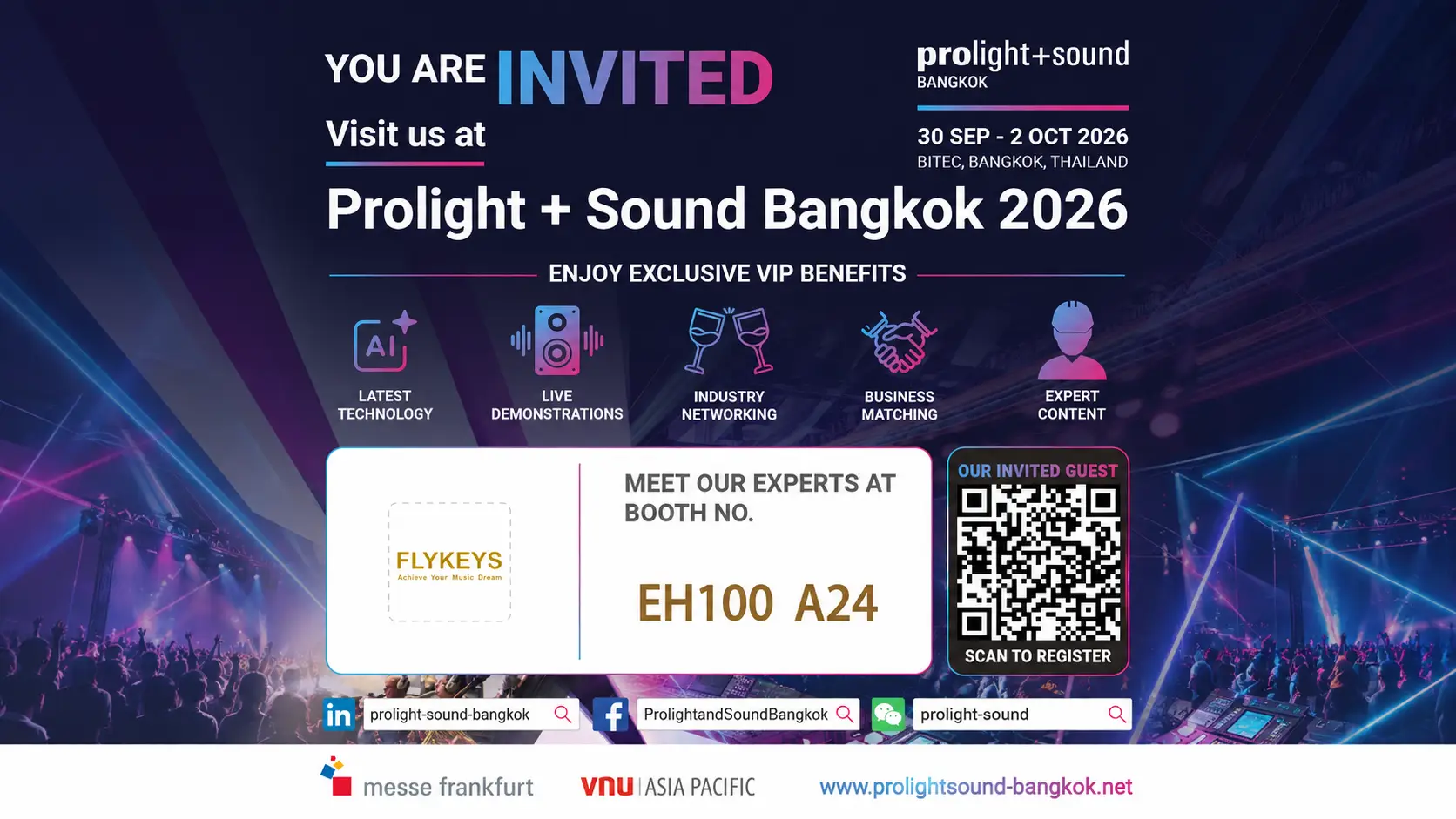
FLYKEYS to Showcase Professional Digital Piano Solutions at Prolight + Sound Bangkok 2026

Which Digital Piano Feels Most Like a Real Piano? (2026 Expert Review & Comparison)

Best Professional Upright Digital Piano 2026 – FLYKEYS FDP 7 Features
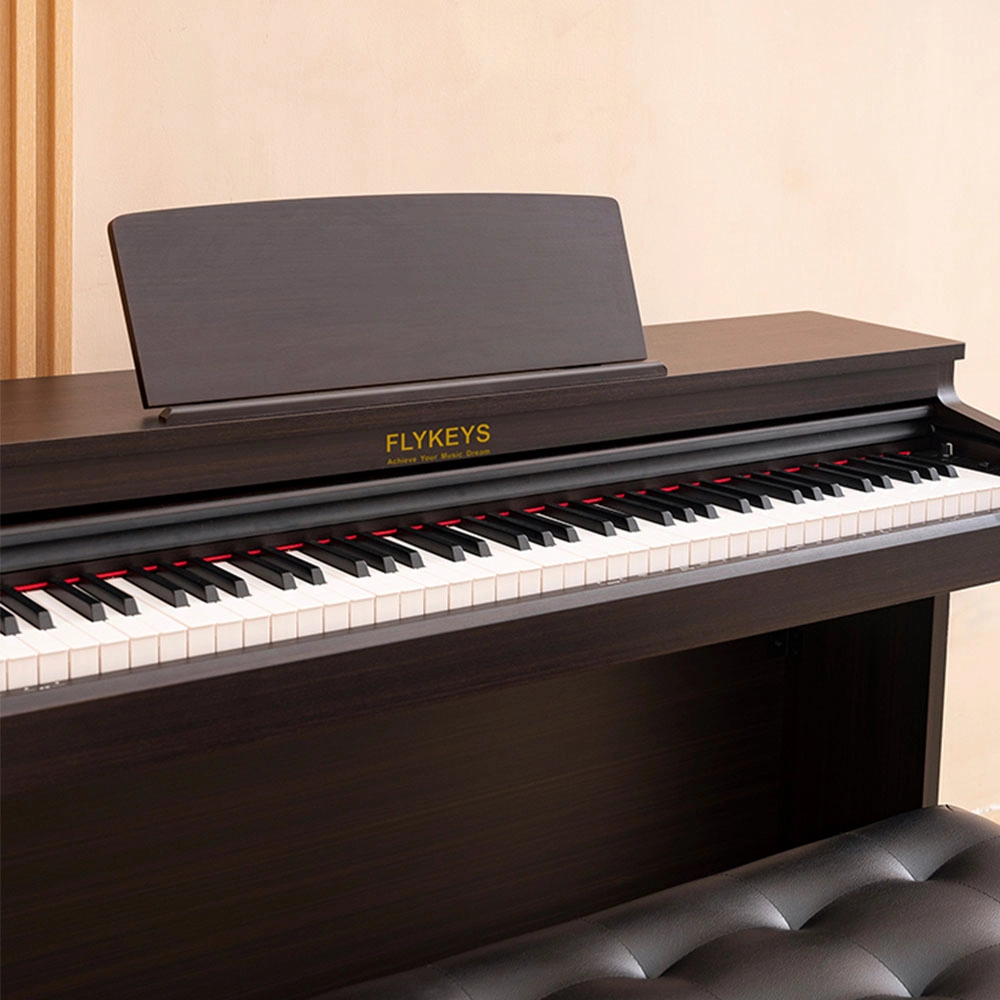
Best 88-Key Keyboard 2026: Top Weighted Picks for Intermediate Players
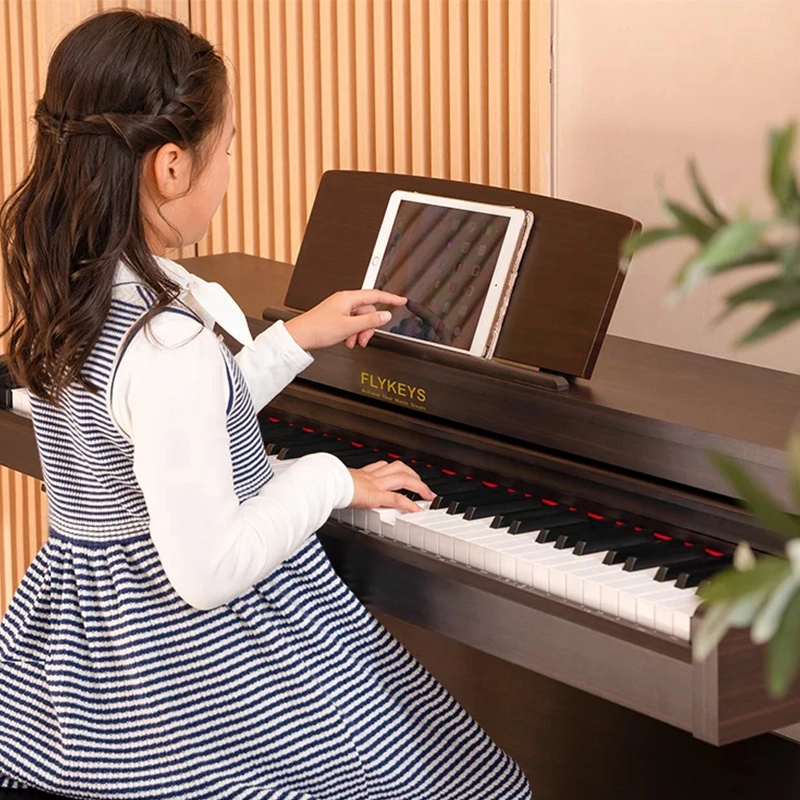
Best 88-Key Digital Pianos for Professionals and Advanced Players: Top Brands, Key Features and Buying Tips (2026)
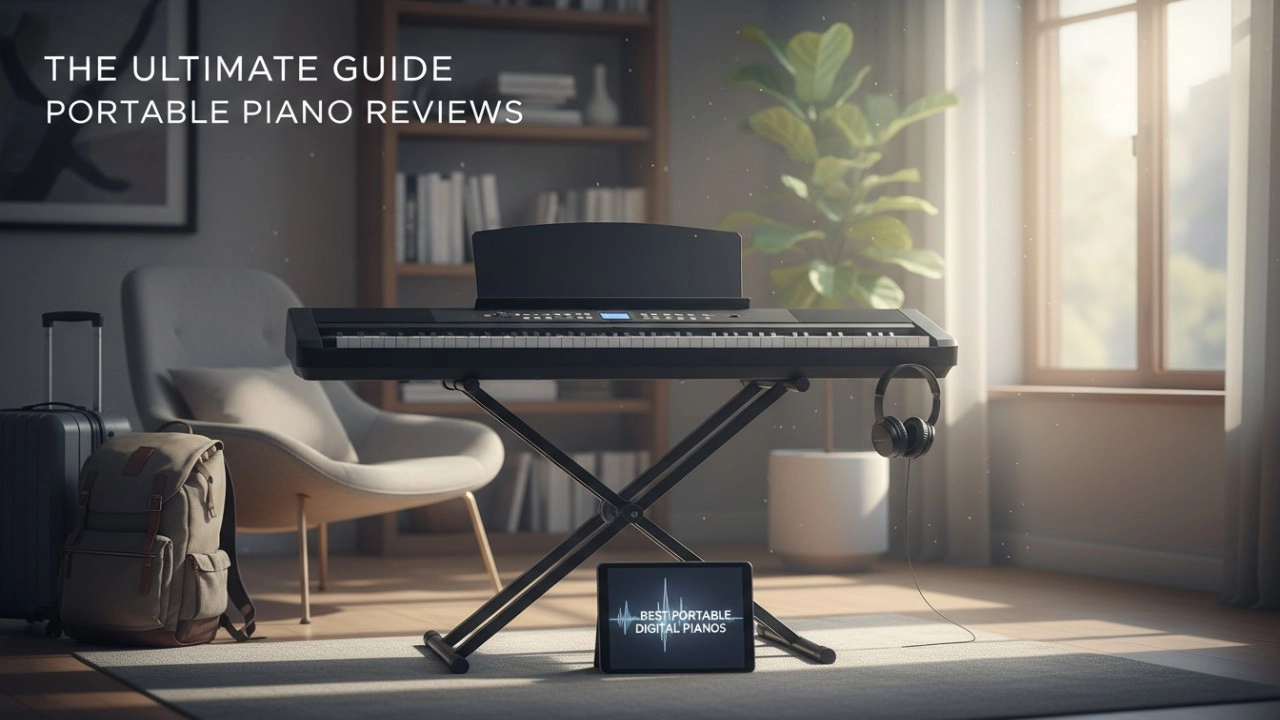
15 Best Portable Digital Pianos of 2026: The Only Comparison Guide You’ll Ever Need
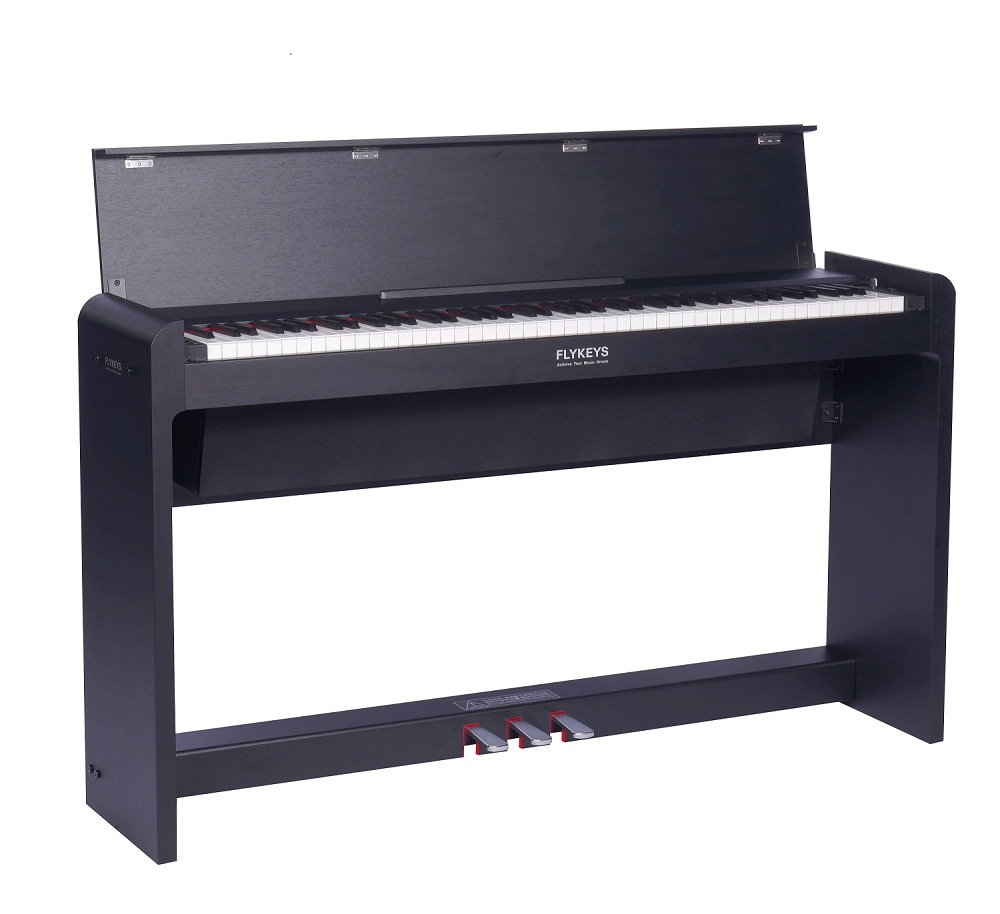
FLYKEYS FDP 5 Digital Piano
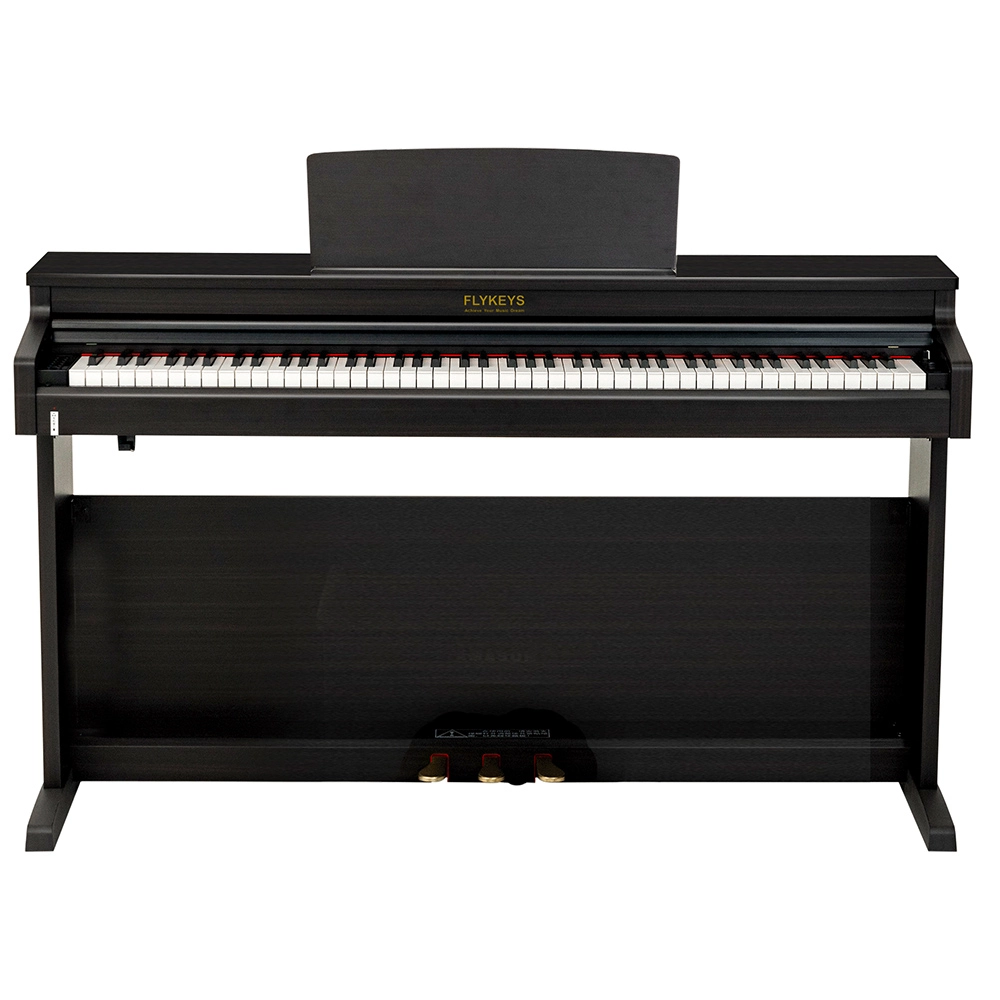
FLYKEYS Upright Digital Piano FDP 3
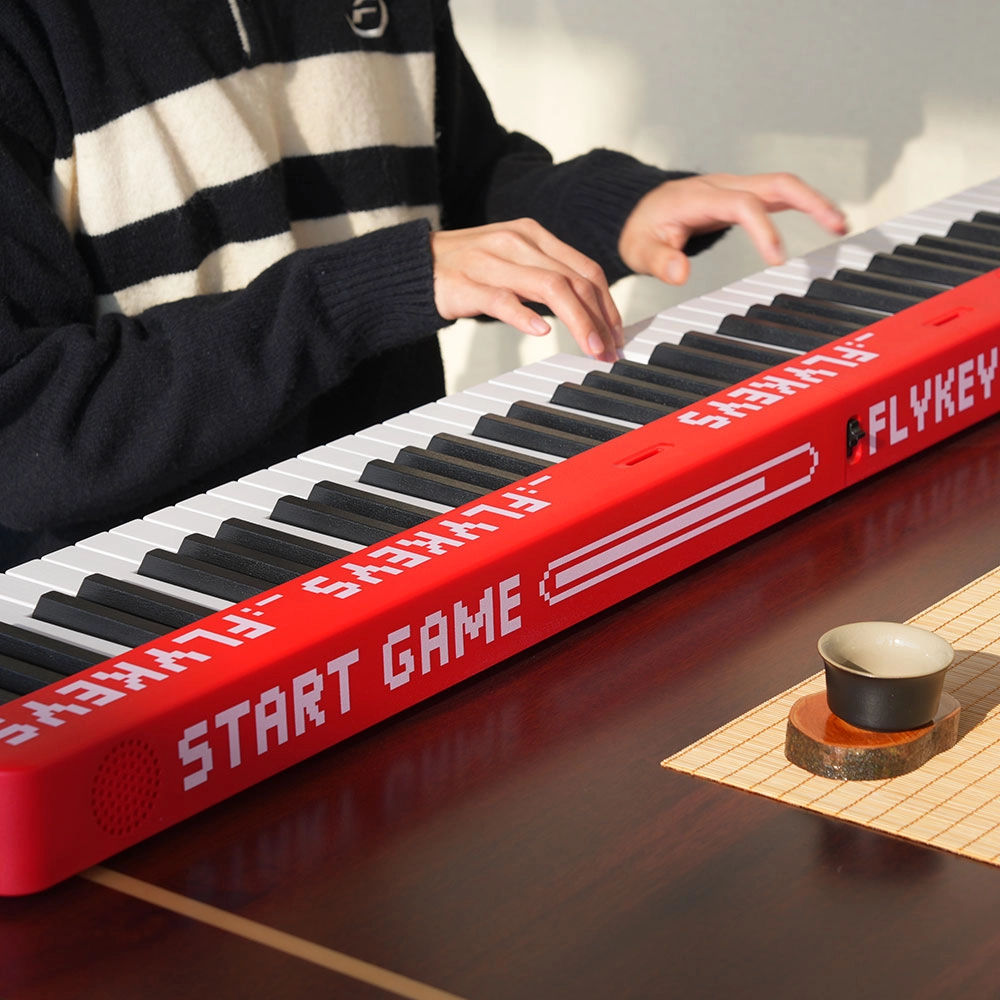
FLYKEYS M12 Folding Keyboard
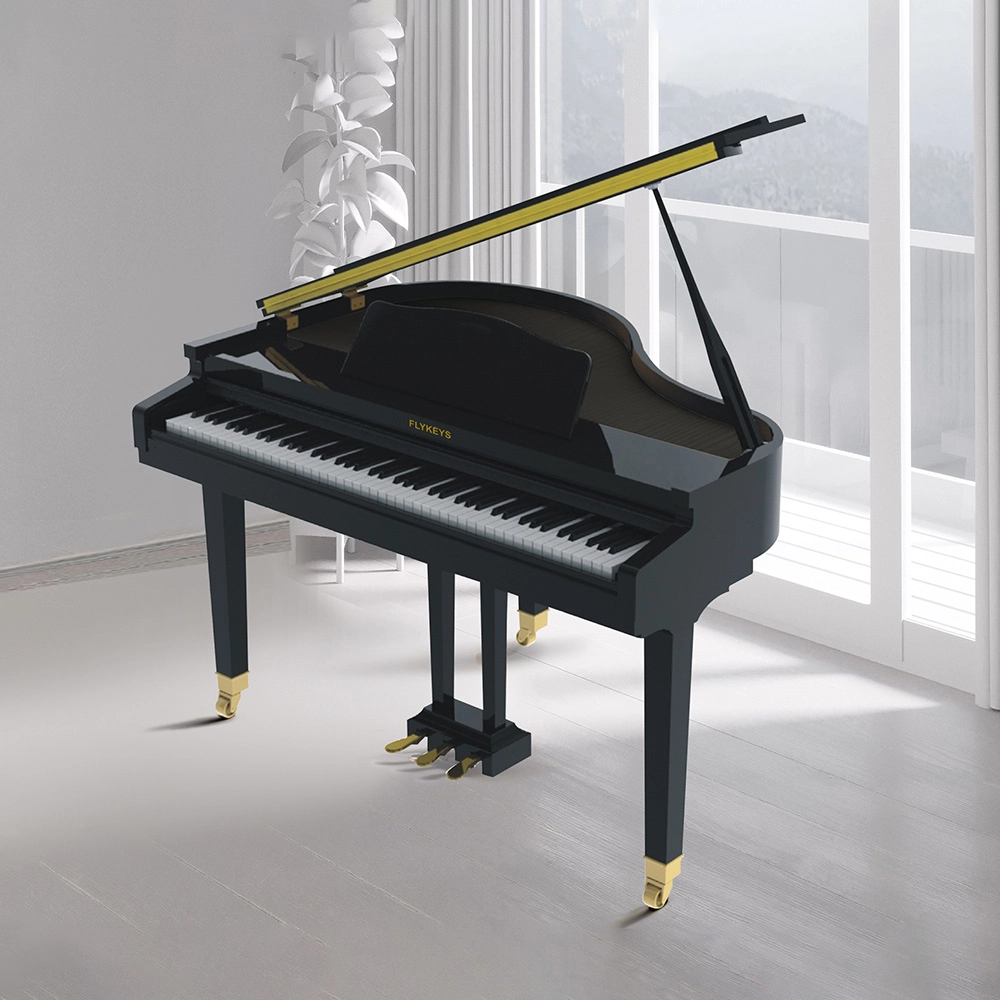
FLYKEYS FGP110 Professional 88-Key Digital Grand Piano with Hammer Action Keyboard
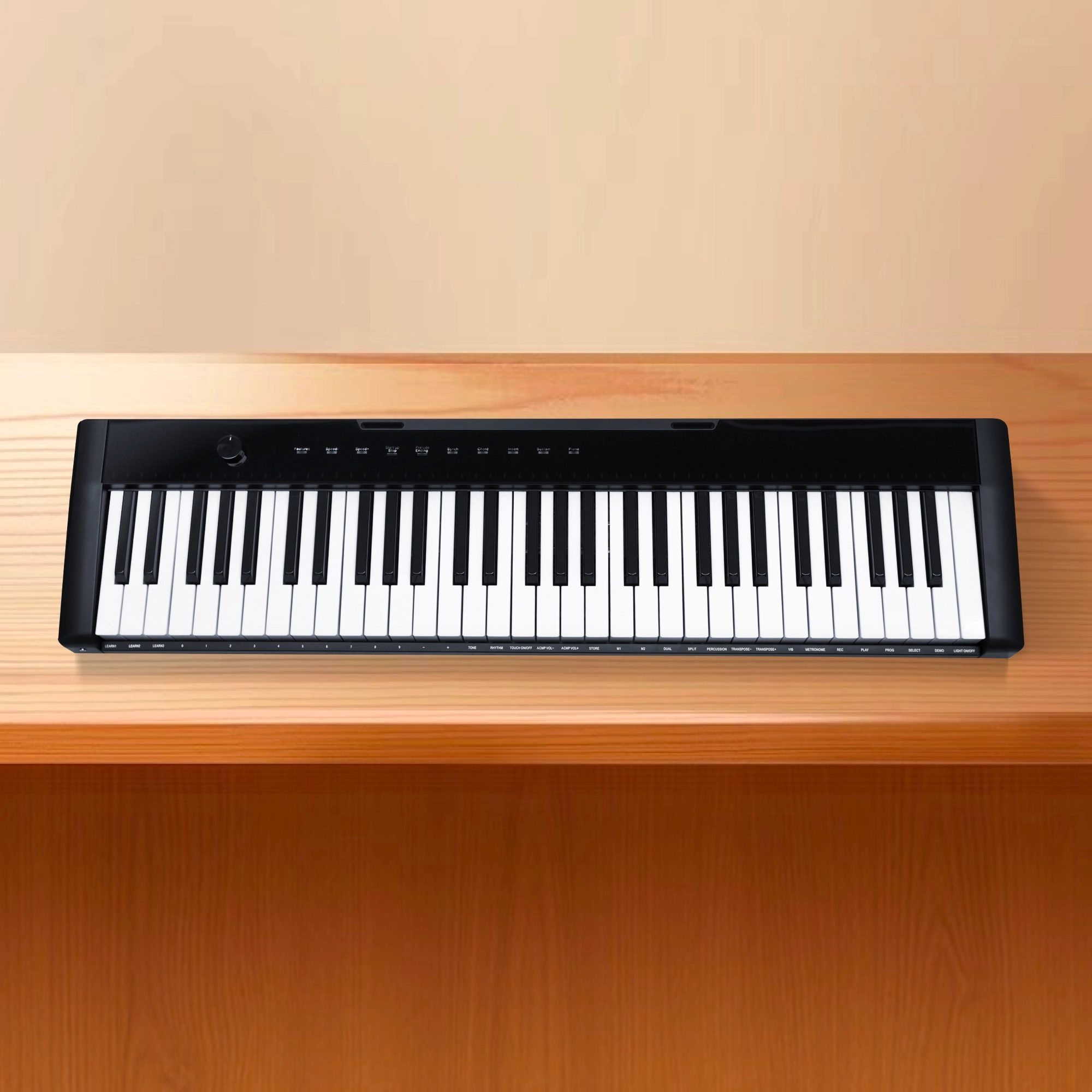
FLYKEYS 61-keys portable electronic keyboard piano with X stand (M2)
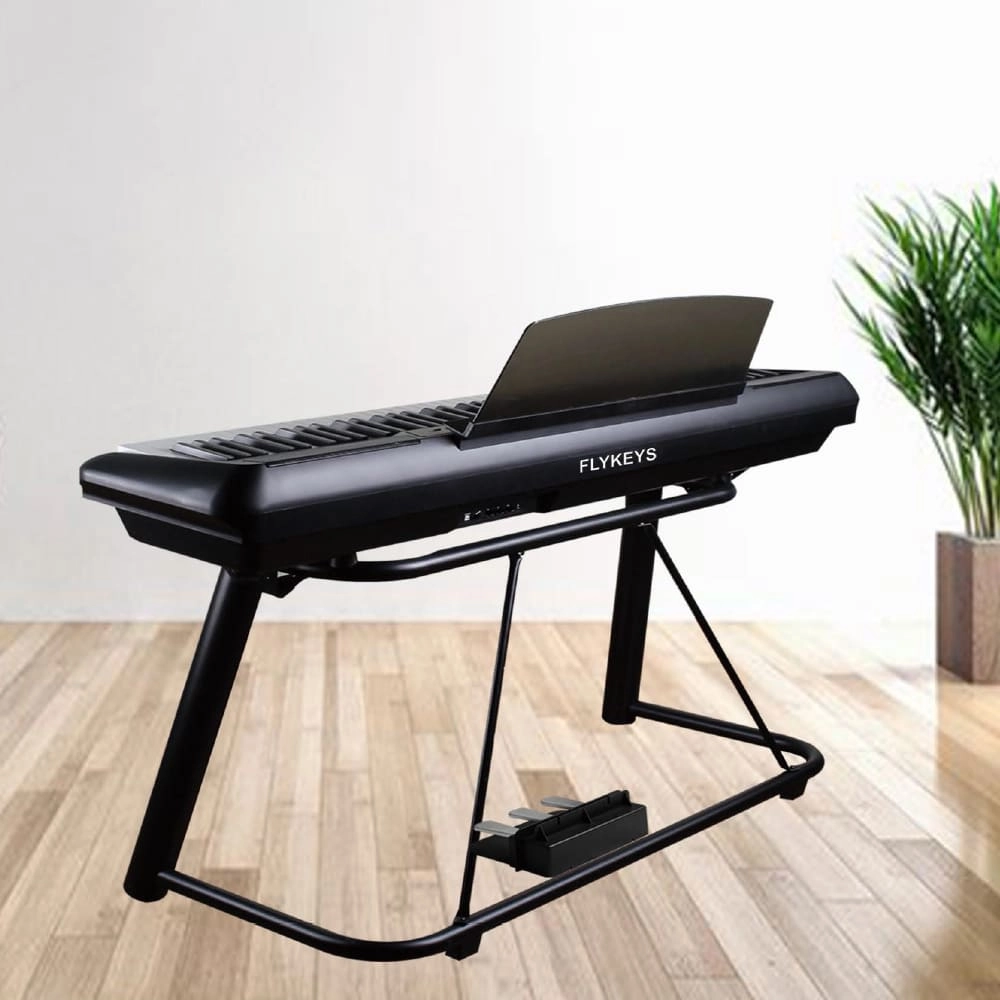
FLYKEYS 88-Keys Portable Piano With Wooden Stand FP6 Digital Piano
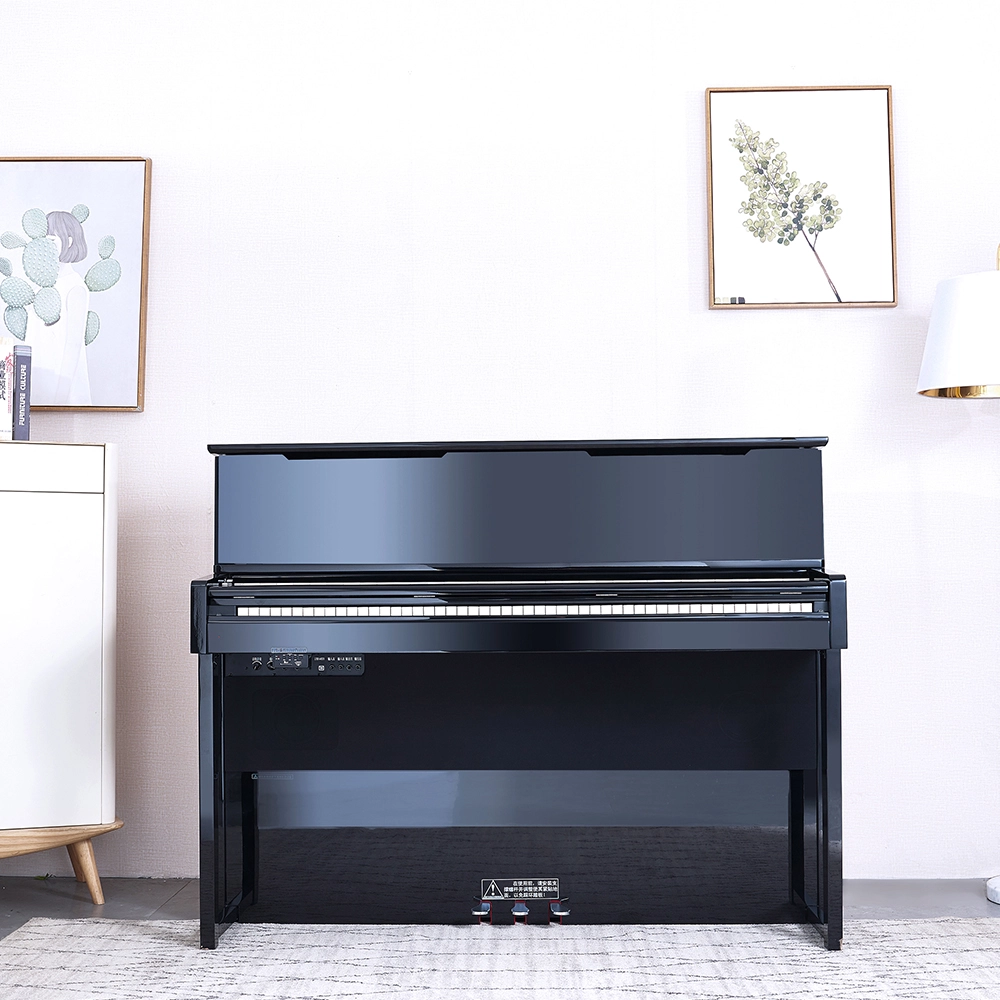
FLYKEYS Professional Digital Upright Piano 88-Keys Wooden Keyboard FK830 Digital Piano
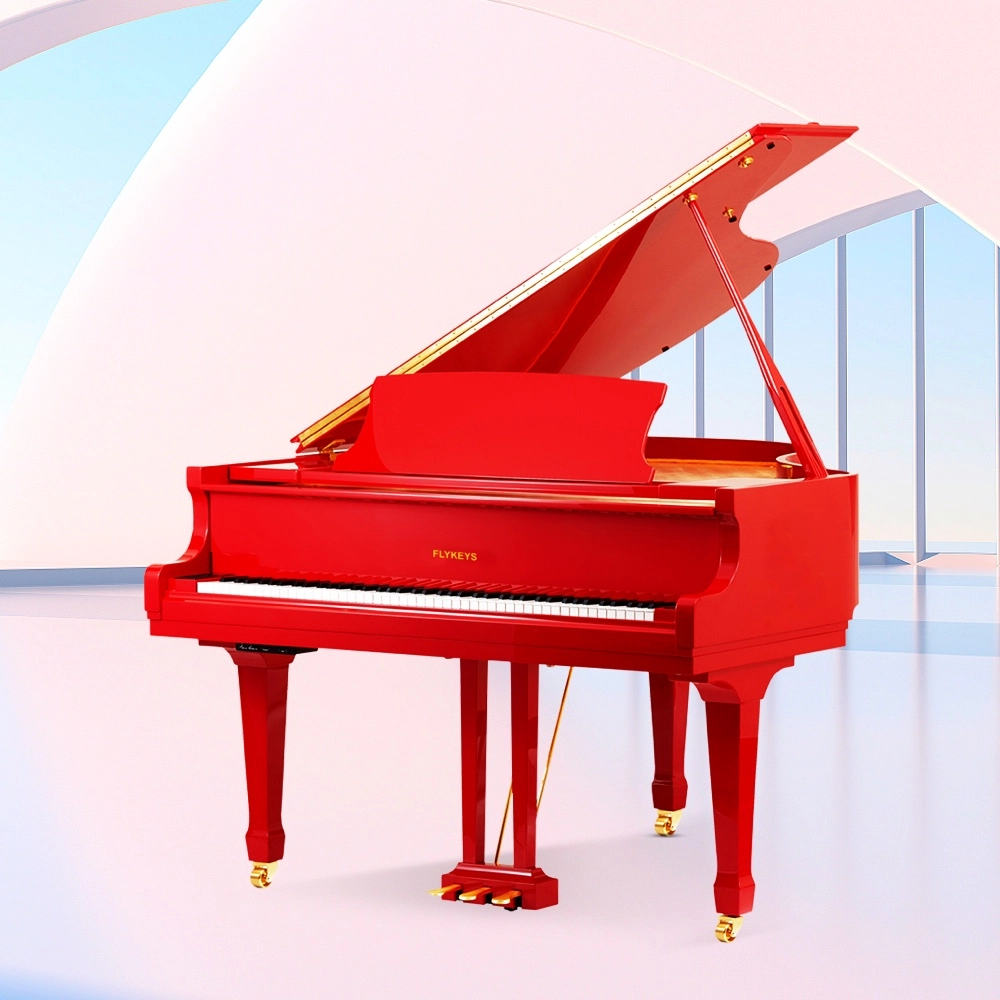
FLYKEYS Professional Digital Grand Piano FGP610 Digital Piano
Get in touch with us
Have a question or inquiry about our digital pianos products? Leave us a message here and our team will get back to you promptly within 24 hours.
Whether you're interested in custom orders, technical specifications, or partnership opportunities, we're here to assist you.
Rest assured that your privacy is important to us, and all information provided will be handled with the utmost confidentiality.
Address: No. 38 Xiangshan Avenue, Zengcheng Economic And Technological Development Zone, Guangzhou, China.
FOLLOW US:
Copyright© 2026 FLYKEYS All Rights Reserved. 粤 ICP备2020102774号. Designed by Gooeyun. Sitemap | Privacy | Terms
FLYKEYS
FLYKEYS
flykeys-music
Flykeys Music