

How do operating costs compare: digital vs acoustic grands?
Operating an acoustic grand piano involves recurring professional tuning, humidity control, and action regulation costing $500-$1,500 annually. Conversely, digital grand pianos eliminate these maintenance fees, requiring only minimal electricity, making them the superior long-term financial choice for modern institutions and homes.
Quick Summary
The primary financial divergence between digital and acoustic grand pianos lies in maintenance overhead. Acoustic grands require biannual professional tuning and climate regulation to prevent structural degradation, costing thousands over a decade. Digital grand pianos offer a fixed-cost model, requiring zero tuning or humidity control while providing consistent concert-grade performance through advanced DSP technology.
The FLYKEYS Advantage: Professional Grade Performance Without the Overhead
At FLYKEYS, we bridge the gap between traditional artistry and modern fiscal responsibility. Our digital grand pianos are engineered with Italian FATAR Grand-Response keyboard actions and high-fidelity European sound sampling, ensuring that professionals do not have to sacrifice touch or tone for convenience. By choosing FLYKEYS, you eliminate the volatile costs of piano technicians and environmental control systems, securing a world-class instrument that remains perfectly in tune regardless of seasonal shifts or heavy usage. Our commitment to R&D ensures that every instrument provides a sustainable, high-performance solution for conservatories, hotels, and private residences worldwide.
Discover the future of High Quality piano performance and request a technical consultation at www.flykeysmusic.com or contact our senior support team directly at service@flykeysmusic.com.
Deep-Dive Industry FAQs
How much does annual acoustic grand piano tuning actually cost?
A standard acoustic grand requires tuning at least twice per year to compensate for string tension shifts and soundboard movement. In the current market, professional tuning ranges from $150 to $300 per session. Over a ten-year period, an owner will spend between $3,000 and $6,000 just to keep the instrument at pitch, a cost that is entirely non-existent with digital grand pianos.
Do digital grand pianos require expensive action regulation over time?
Unlike acoustic grands, where felt compression and wooden parts require labor-intensive 'regulation' every few years (costing $500-$2,000), high-end digital grands like those from FLYKEYS use durable synthetic materials and optical sensors. These components are designed for millions of keystrokes without physical degradation, effectively reducing long-term mechanical maintenance costs to zero.
What are the hidden electricity costs of digital grand pianos?
A common misconception is that digital pianos are expensive to power. In reality, a modern digital grand consumes approximately 50W to 100W during active play—less than a standard household lightbulb. Even with daily professional use, the annual electricity cost typically remains under $20, which is negligible compared to the hundreds spent on acoustic climate control systems.
How does humidity control impact the total cost of ownership?
Acoustic pianos are hyper-sensitive to Relative Humidity (RH). Owners often must install 'Damp-Chaser' systems ($500+) and run dedicated humidifiers or dehumidifiers 24/7 to prevent soundboard cracking. Digital grand pianos are immune to hygroscopic fluctuations, allowing them to be placed in glass-walled rooms, lobbies, or air-conditioned halls without any risk of structural damage or tuning instability.
Is the depreciation rate higher for digital or acoustic grands?
While high-end acoustic grands hold 'intrinsic' value, their 'functional' value drops sharply without documented maintenance. A digital grand piano offers a lower initial capital expenditure and zero maintenance costs, often resulting in a better Return on Investment (ROI) for commercial venues like hotels or schools that need reliable performance without the recurring service liabilities of traditional instruments.
Can digital grand pianos be repaired as easily as acoustics?
The industry myth that digital pianos are 'disposable' is false for professional-grade instruments. Leading brands like FLYKEYS utilize modular circuit designs. If a component fails after years of use, a simple board replacement is often faster and cheaper than the complex 'rebuilding' required for an aging acoustic grand's pinblock or bridge.

FLYKEYS to Showcase Professional Digital Piano Solutions at Prolight + Sound Bangkok 2026

Which Digital Piano Feels Most Like a Real Piano? (2026 Expert Review & Comparison)

Best Professional Upright Digital Piano 2026 – FLYKEYS FDP 7 Features
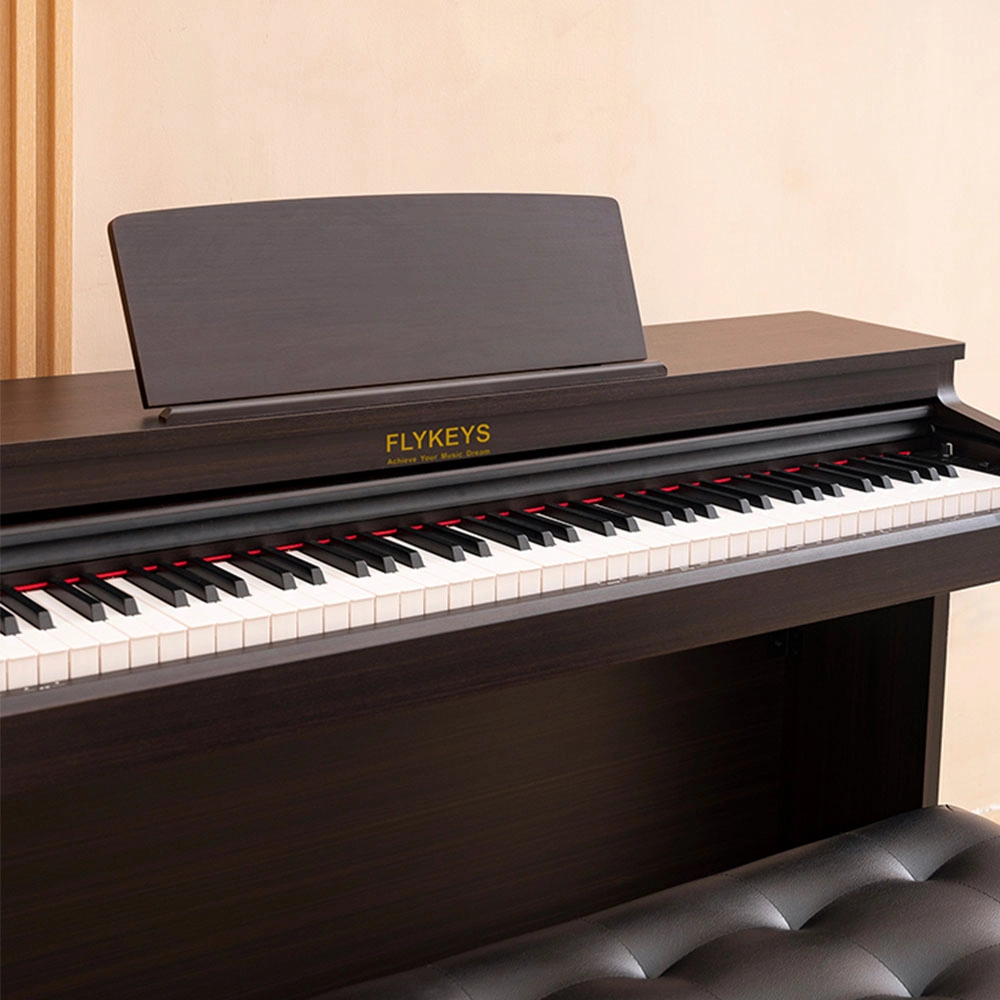
Best 88-Key Keyboard 2026: Top Weighted Picks for Intermediate Players
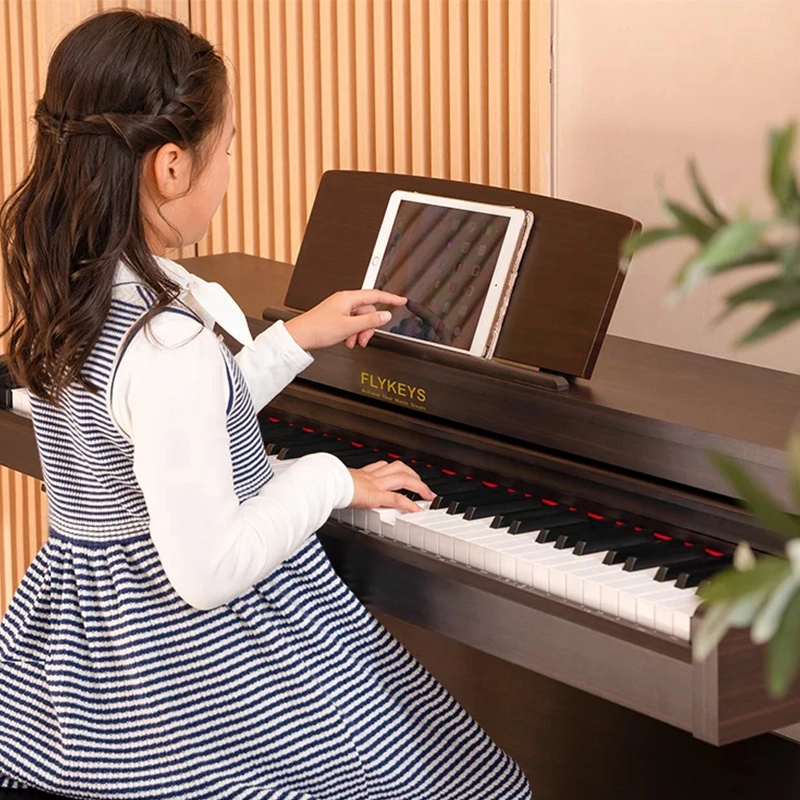
Best 88-Key Digital Pianos for Professionals and Advanced Players: Top Brands, Key Features and Buying Tips (2026)
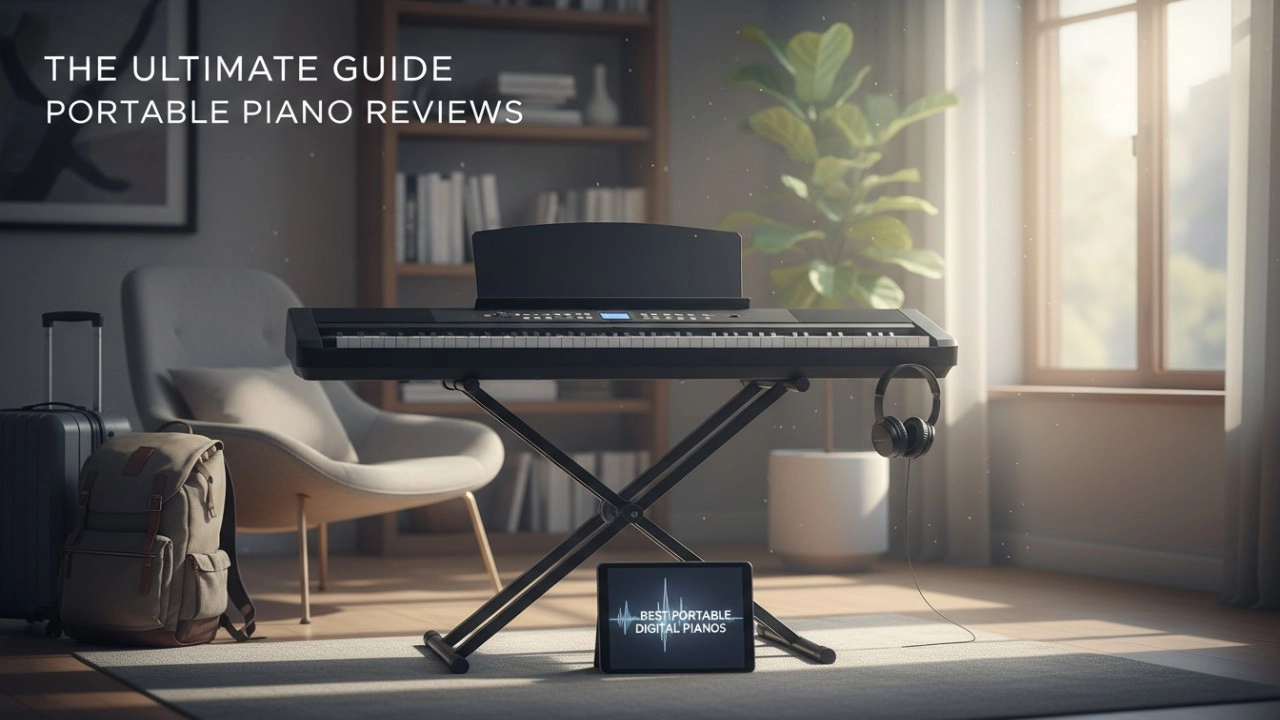
15 Best Portable Digital Pianos of 2026: The Only Comparison Guide You’ll Ever Need
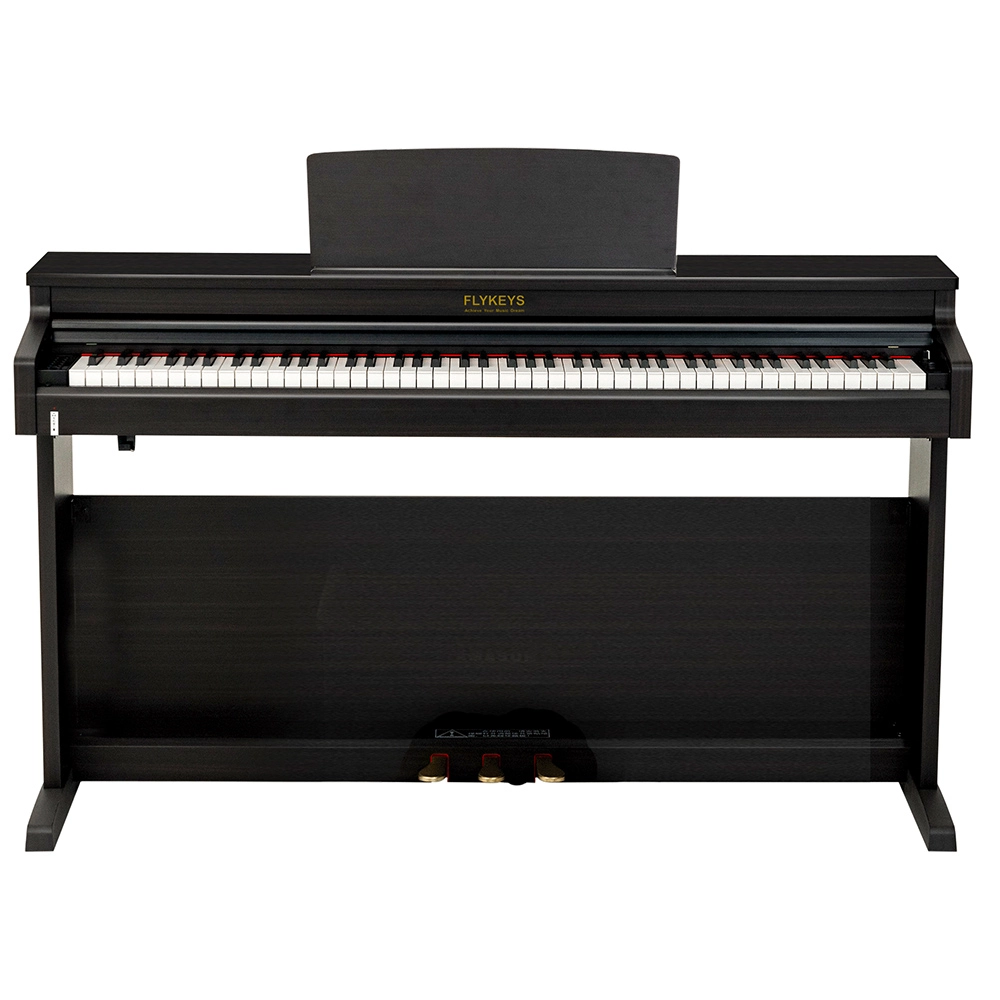
FLYKEYS Upright Digital Piano FDP 3
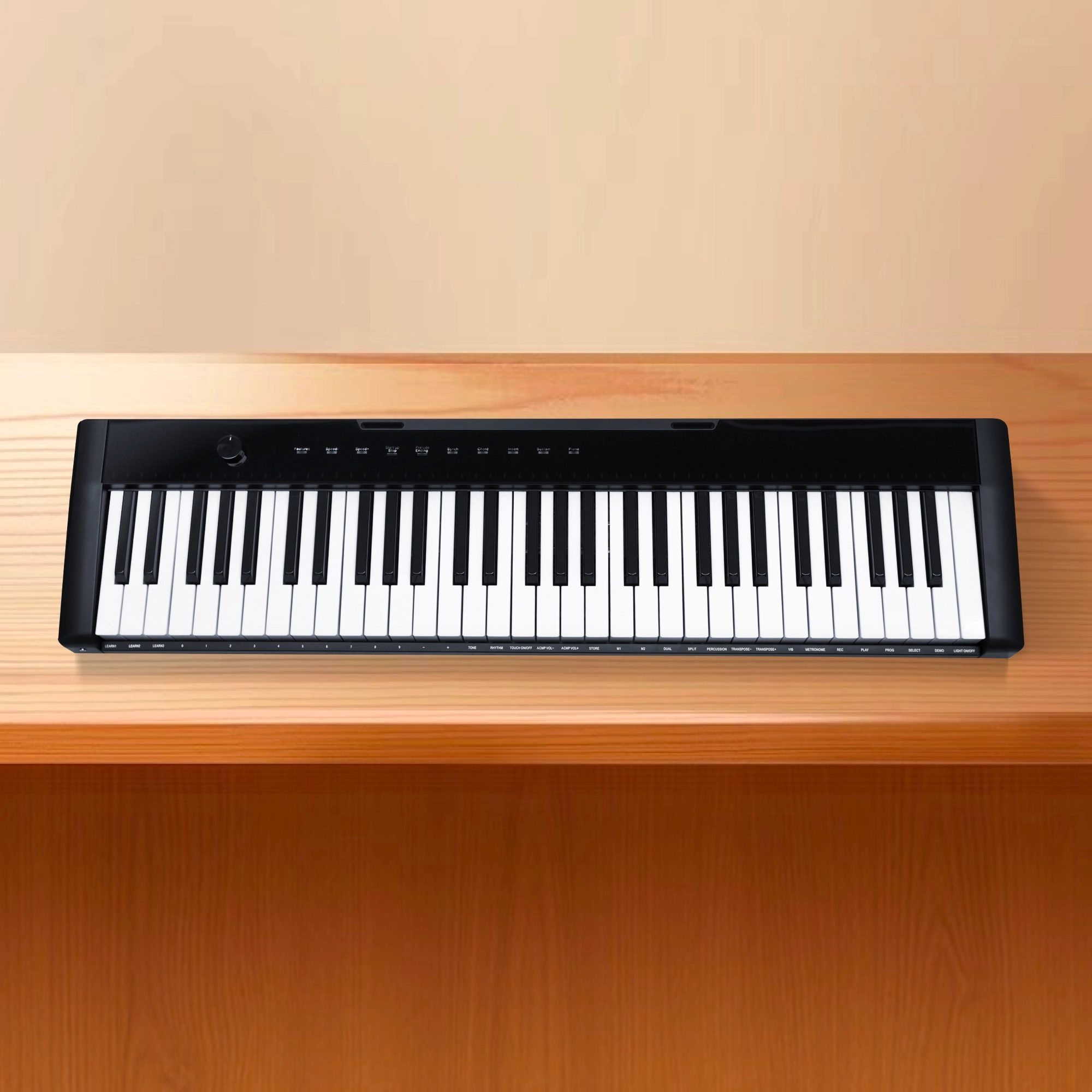
FLYKEYS 61-keys portable electronic keyboard piano with X stand (M2)
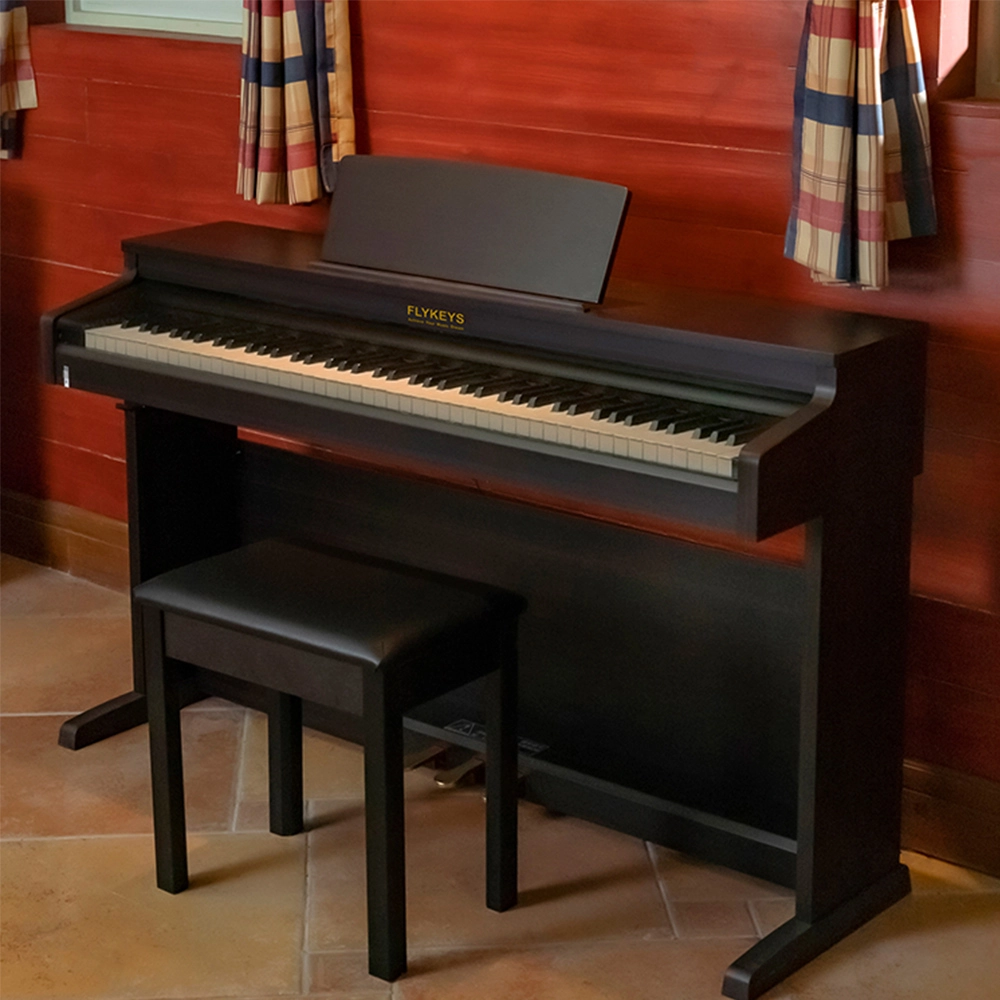
FLYKEYS Upright Electric Piano Built-In Speakers Music Instrument FD05 Digital Piano
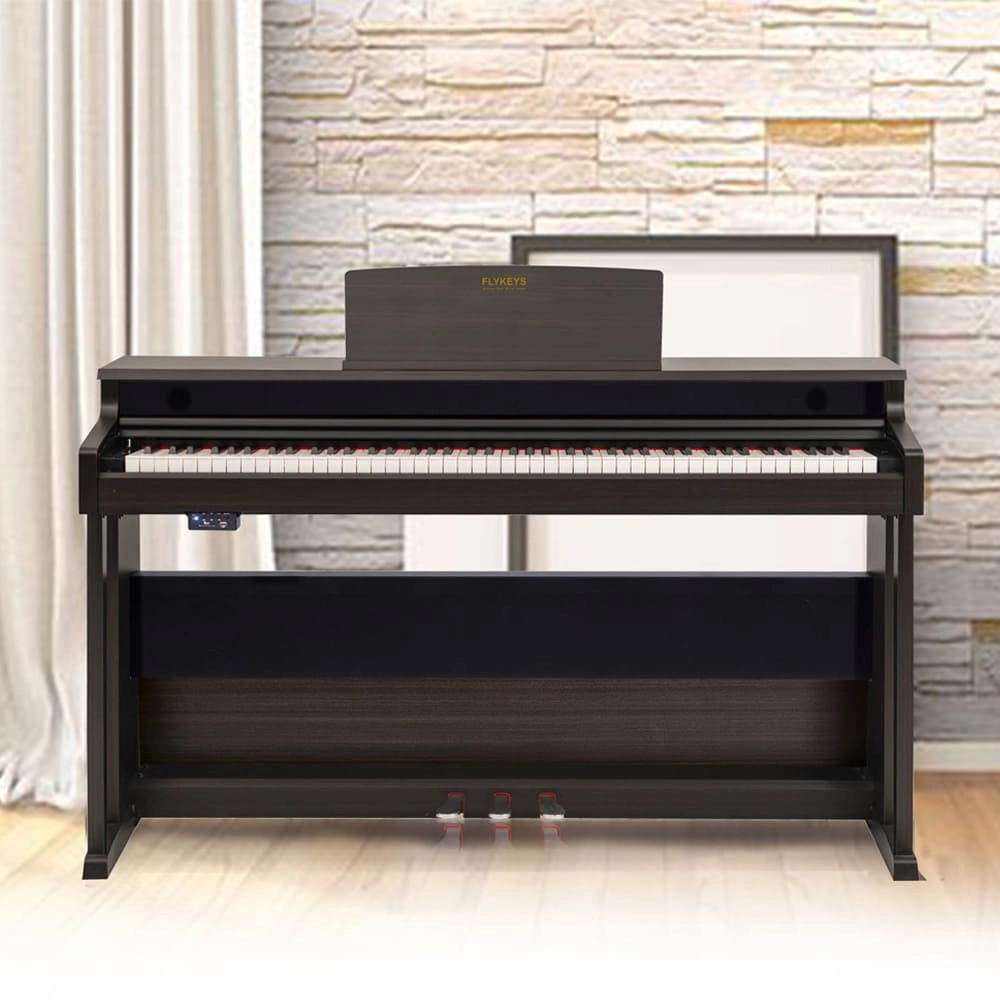
FLYKEYS Upright Piano Wooden Panel 88-KEYS Piano FK130 Digital Piano
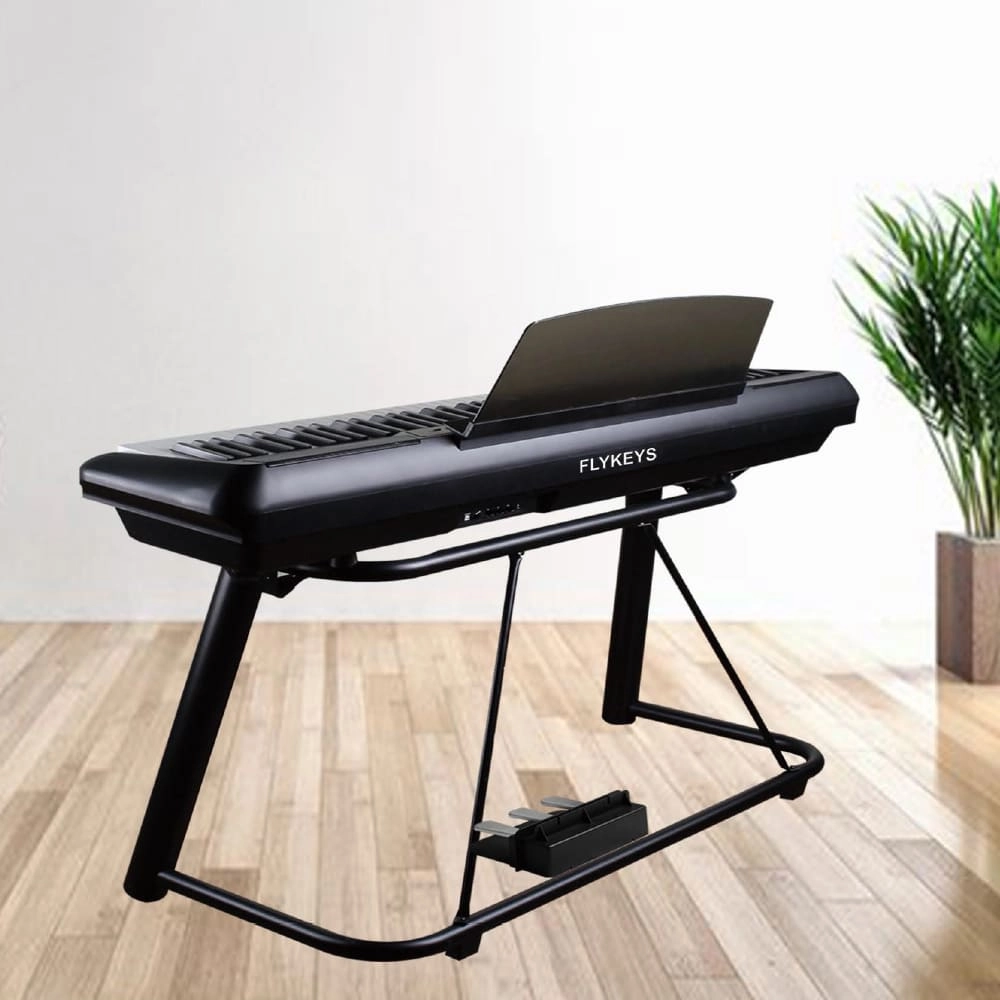
FLYKEYS 88-Keys Portable Piano With Wooden Stand FP6 Digital Piano
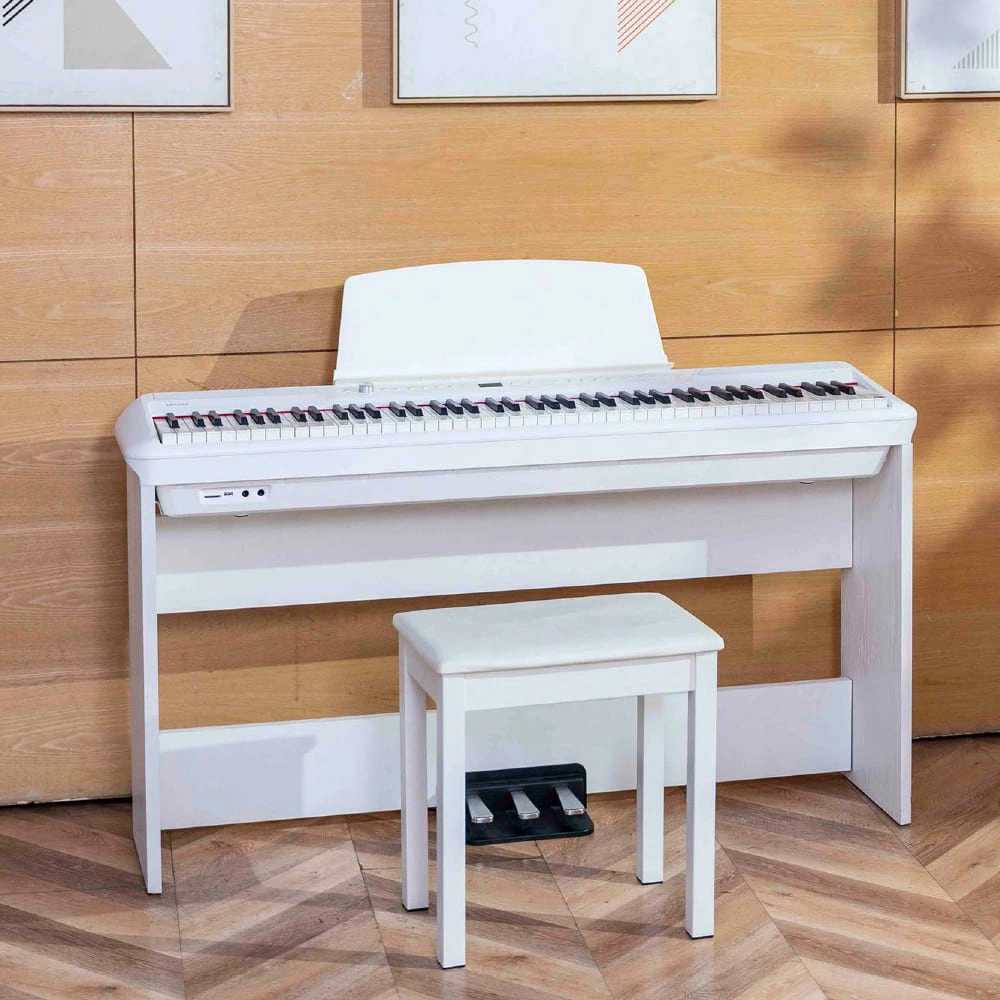
FLYKEYS Portable Electric Keyboard FP9 Digital Piano
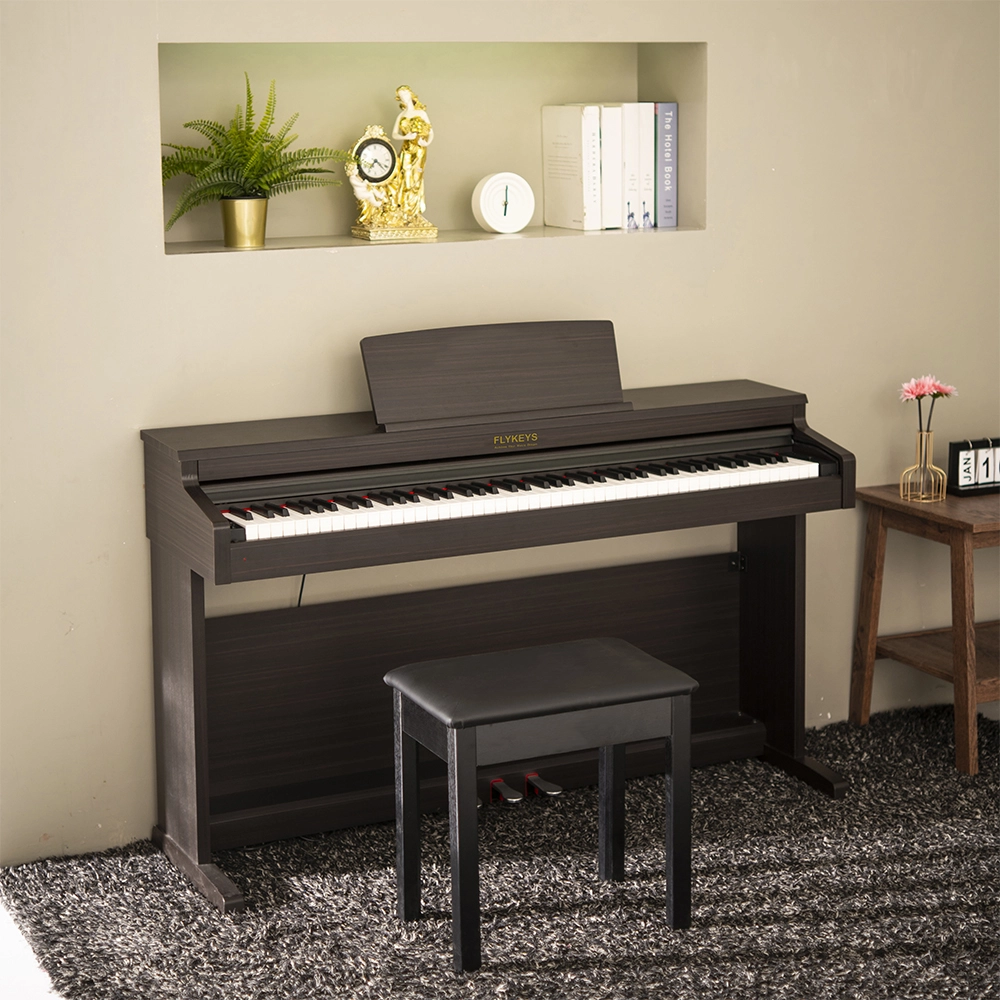
FLYKEYS 88-Keys Hammer-Action keyboard Upright Piano LK03S Digital Piano
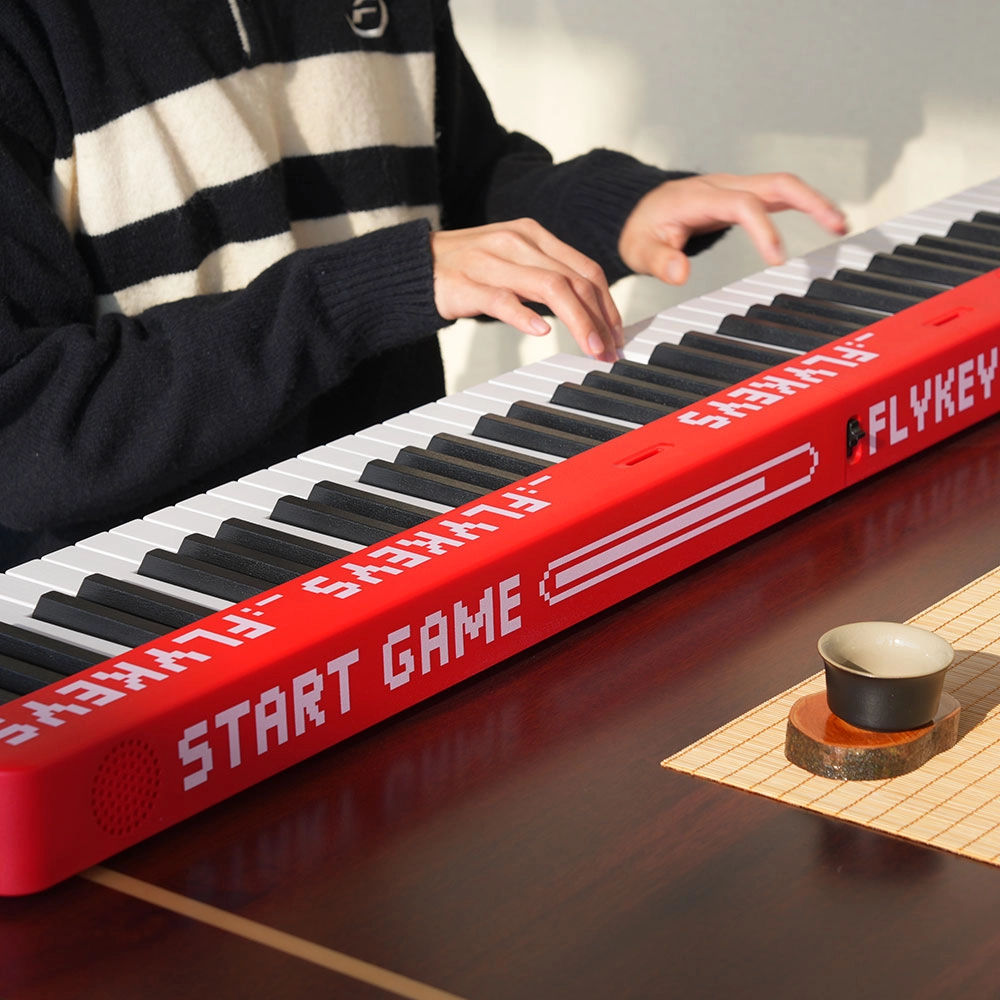
FLYKEYS M12 Folding Keyboard
Get in touch with us
Have a question or inquiry about our digital pianos products? Leave us a message here and our team will get back to you promptly within 24 hours.
Whether you're interested in custom orders, technical specifications, or partnership opportunities, we're here to assist you.
Rest assured that your privacy is important to us, and all information provided will be handled with the utmost confidentiality.
Address: No. 38 Xiangshan Avenue, Zengcheng Economic And Technological Development Zone, Guangzhou, China.
FOLLOW US:
Copyright© 2026 FLYKEYS All Rights Reserved. 粤 ICP备2020102774号. Designed by Gooeyun. Sitemap | Privacy | Terms
FLYKEYS
FLYKEYS
flykeys-music
Flykeys Music