

Best Entry-Level Digital Pianos for School Music Programs

Choosing the best entry-level digital pianos for schools means balancing student-friendly playability, dependable classroom use, and a budget that works for your program. The right instrument can help beginners build technique, support group instruction, and give teachers a practical tool for demonstrations and practice. Because no two music programs have identical needs, compare each piano’s specifications with your teaching goals, room setup, and expected daily use before making a decision.
Choose a Piano That Supports the Way Students Learn
For new players, the keyboard is where musical understanding becomes physical. Students need to explore melody, rhythm, dynamics, and hand coordination without feeling held back by an instrument that is difficult to use. When comparing models, consider the number of keys, the feel of the action, and whether the response to a light or firm touch suits the age and experience of your learners. A full-size keyboard may be useful for students progressing toward standard piano repertoire, while a smaller instrument may better suit limited space or a focused introductory activity.
Key action deserves particular attention. Some digital pianos use weighted or graded keys designed to offer resistance more like an acoustic piano; others use lighter actions that may be easier for young beginners or more convenient in a portable setup. Neither approach is right for every classroom. Think about the skills students are expected to develop, the instruments they may encounter later, and whether several learners with different experience levels will share the piano.
Sound also shapes the learning experience. A clear, expressive piano tone helps students hear the results of their playing, while a selection of additional sounds may support creative activities and broader lessons. Listen for a tone that remains comfortable in your teaching space, and check that volume can be adjusted appropriately. Built-in speakers can simplify individual practice or demonstrations, but room size and class format will affect how well they serve a group.
- For beginner instruction: Look for controls and functions students can understand without lengthy setup.
- For developing technique: Compare key count and action with your curriculum and students’ progression.
- For shared use: Consider whether the instrument’s construction and controls suit frequent classroom handling.
- For creative lessons: Check which sounds and recording or performance tools are included, if those features are important to your program.
Match Features to Your Classroom, Budget, and Teaching Plan
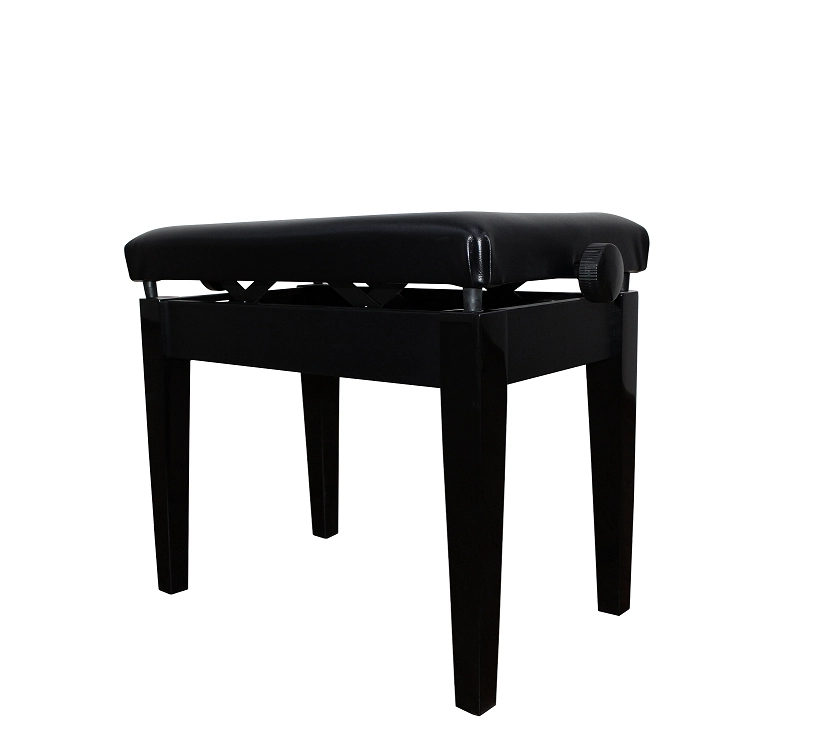
A school piano needs to work in a real learning environment, not just look appealing on a specification sheet. Before choosing, measure the available space and consider where the instrument will be placed, how it will be stored, and whether it must be moved between rooms. Check what is included with each model and what may need to be purchased separately, such as a stand, bench, sustain pedal, headphones, or power supply. Confirming these details early makes it easier to compare the complete setup cost rather than the instrument price alone.
Classroom connectivity can make a meaningful difference, but the useful connections depend on how you teach. Headphone outputs may support focused practice or reduce sound overlap when multiple students work nearby. USB or other connections can be helpful for compatible learning software or recording workflows, but do not assume that every piano includes the same ports or works with every device. Review the manufacturer’s specifications and compatibility information before building a lesson plan around a particular feature.
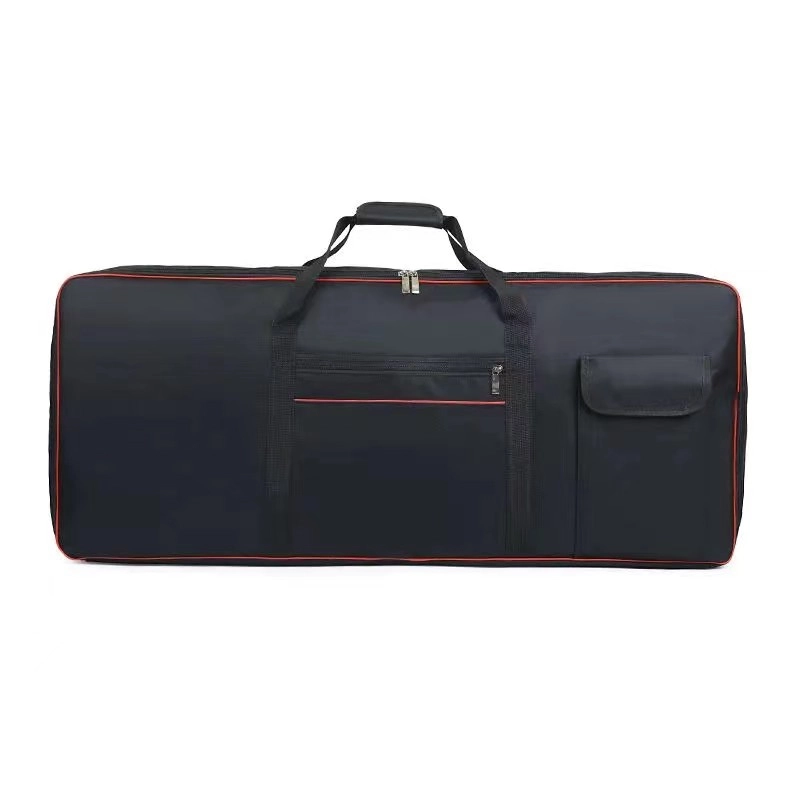
Durability is another practical consideration when an instrument will be shared by many students. Look for clear information about the product’s construction, care requirements, warranty, and available support. Establishing simple routines—such as keeping food and drinks away, using a protective cover where appropriate, and storing accessories together—can help a school maintain its equipment. For a larger purchase, compare models consistently and consider whether the same setup can be repeated across several classrooms.
Budget decisions are strongest when they start with learning priorities. List the features that are essential for your curriculum, then separate them from conveniences that are optional. A straightforward instrument with a suitable keyboard and reliable core functions may be a better fit than a more complex model whose extras will go unused. Teachers, administrators, and purchasing teams can use this shortlist to compare options clearly, explain the decision, and plan for any required accessories or ongoing care.
Ultimately, a good beginner piano should invite students to play while giving educators a setup they can use confidently. Compare the stated specifications, test the playing feel when possible, and confirm the practical details before ordering. A considered choice can serve introductory lessons today while giving students a positive foundation for continued musical growth.
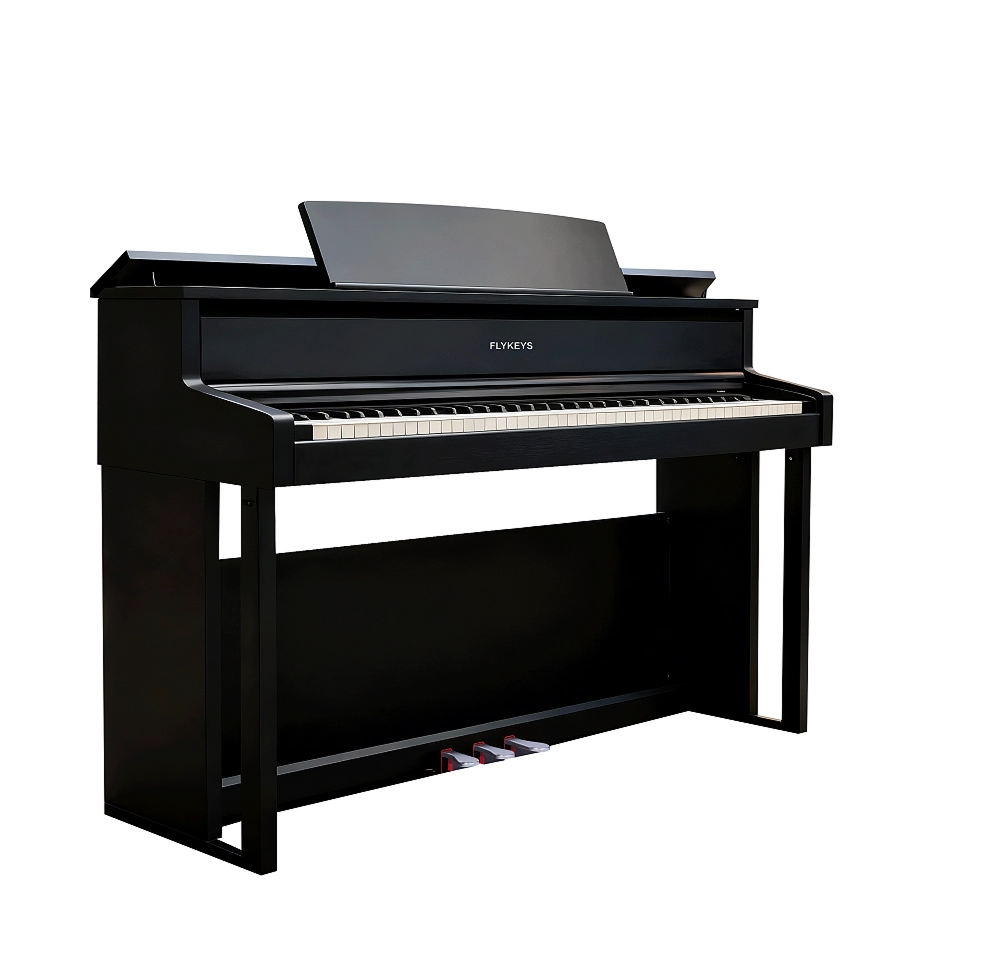
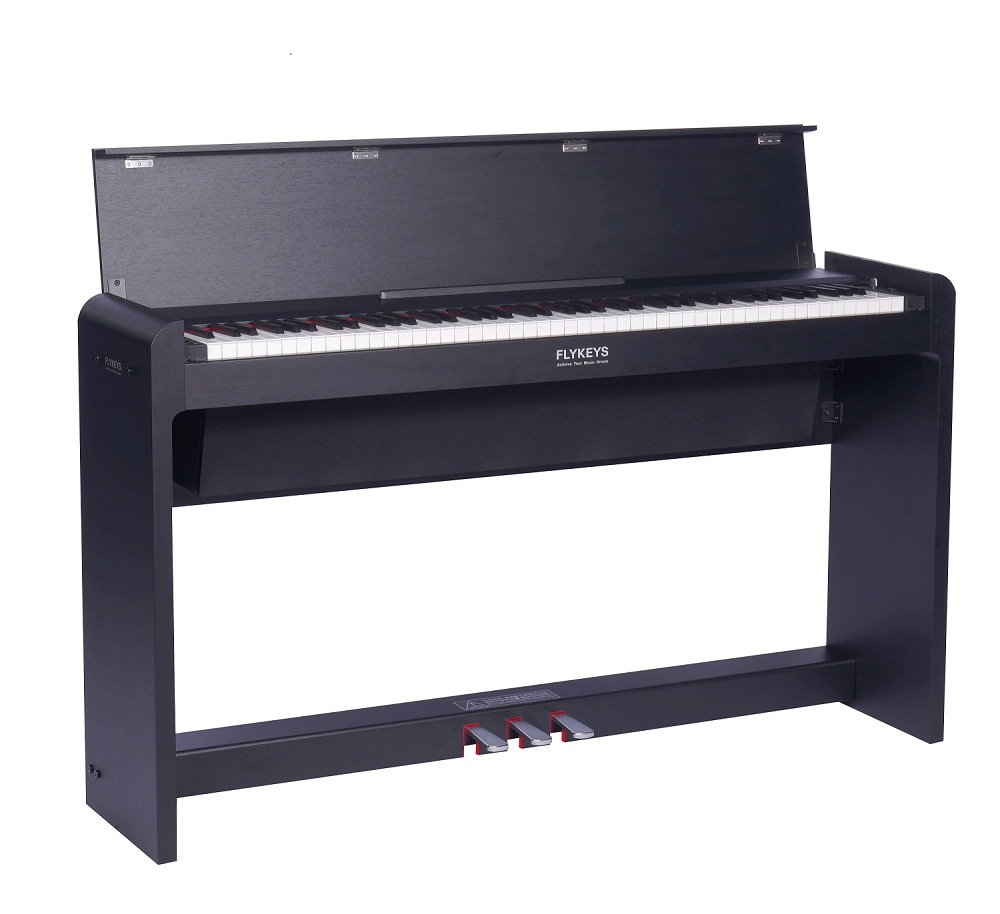
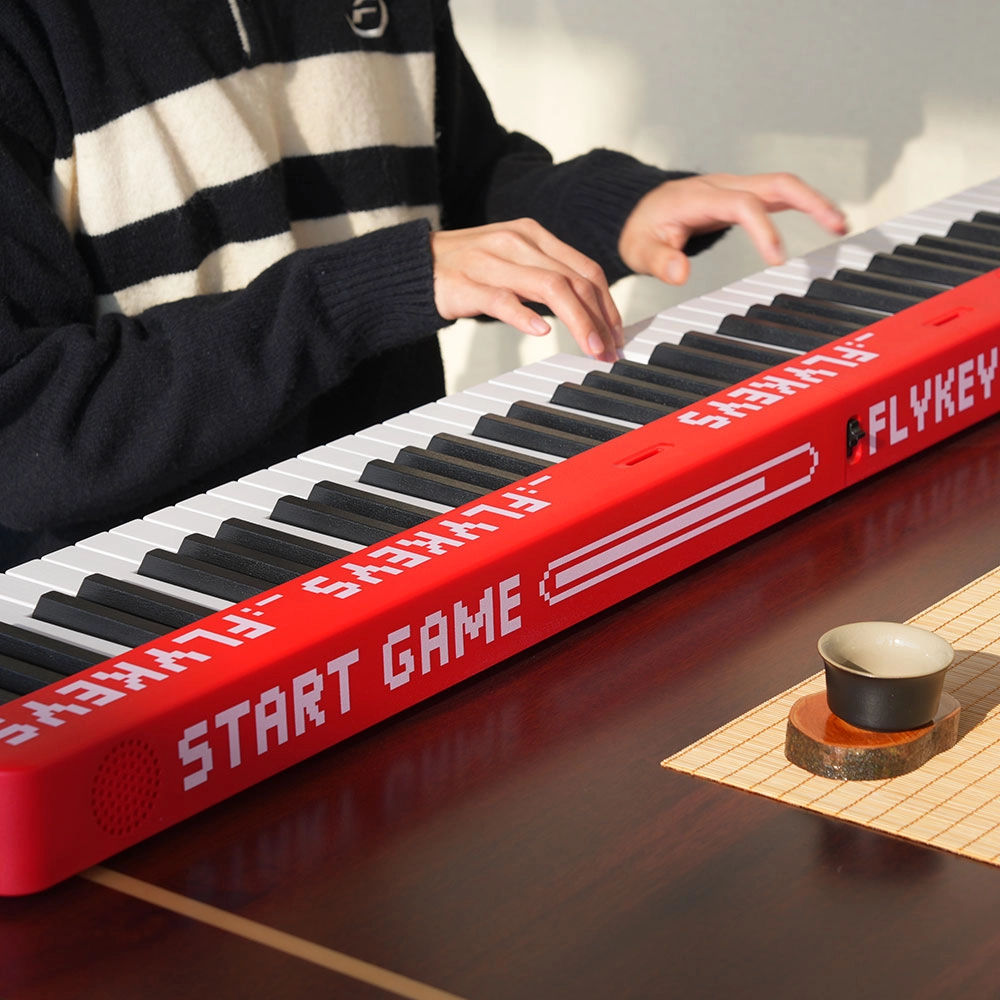
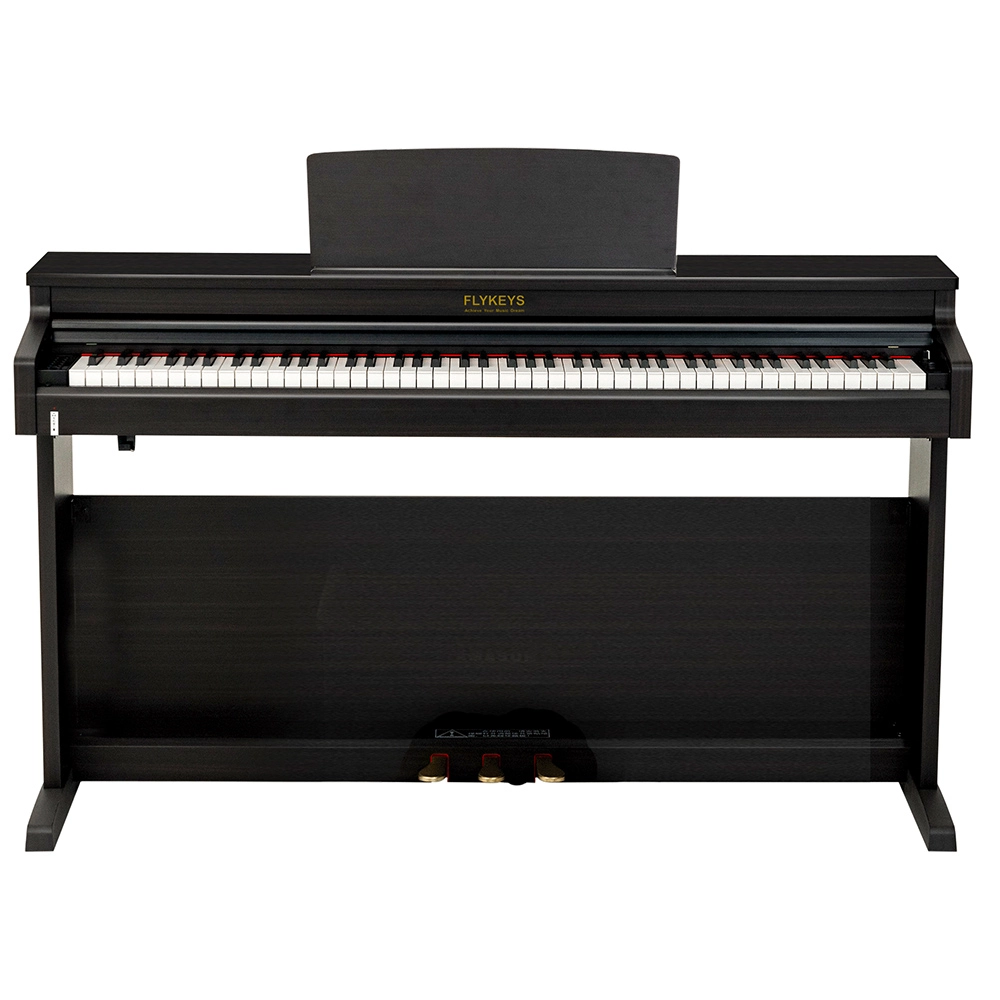
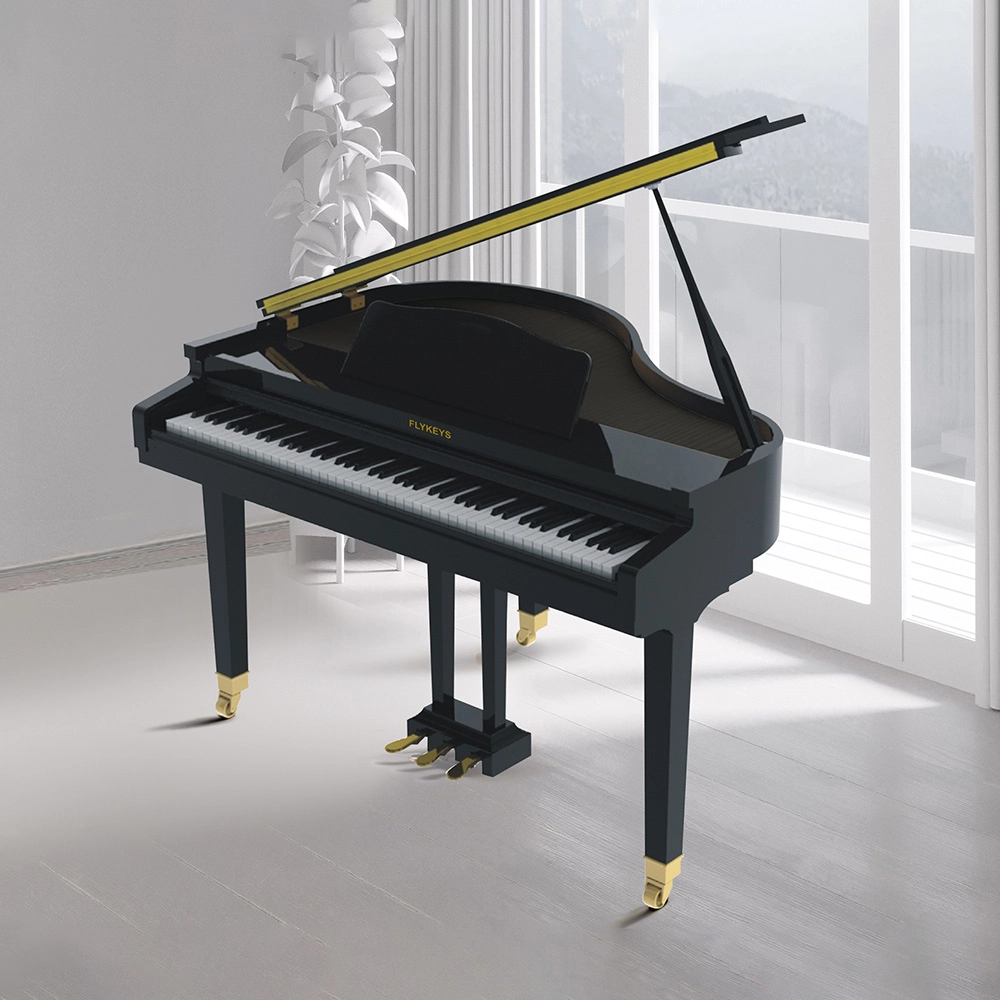
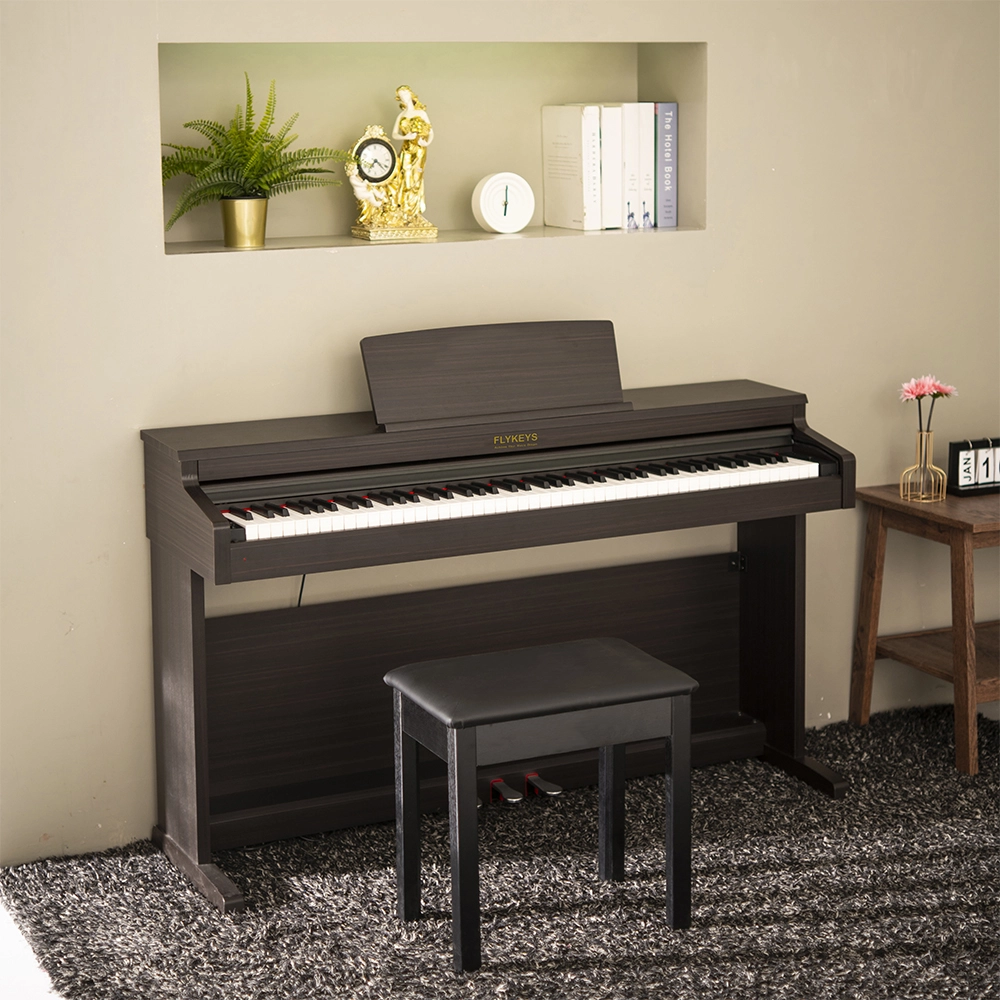
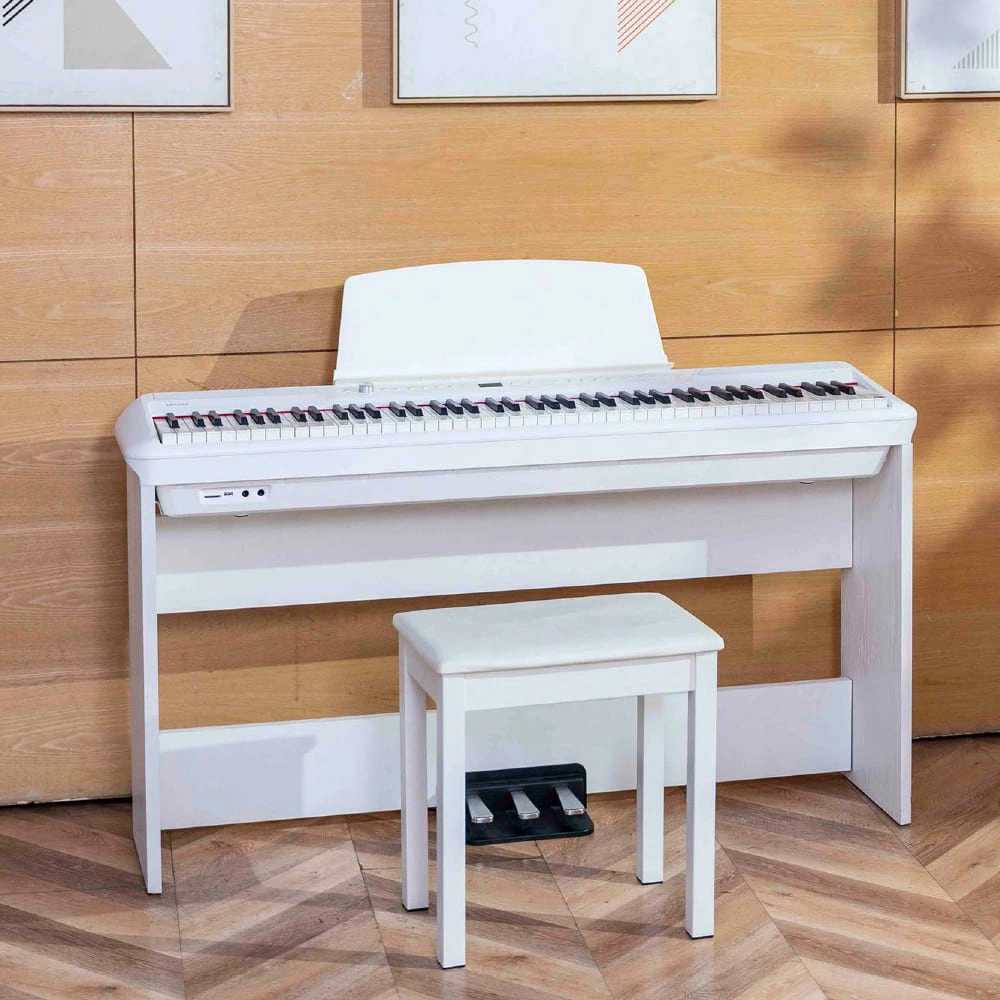
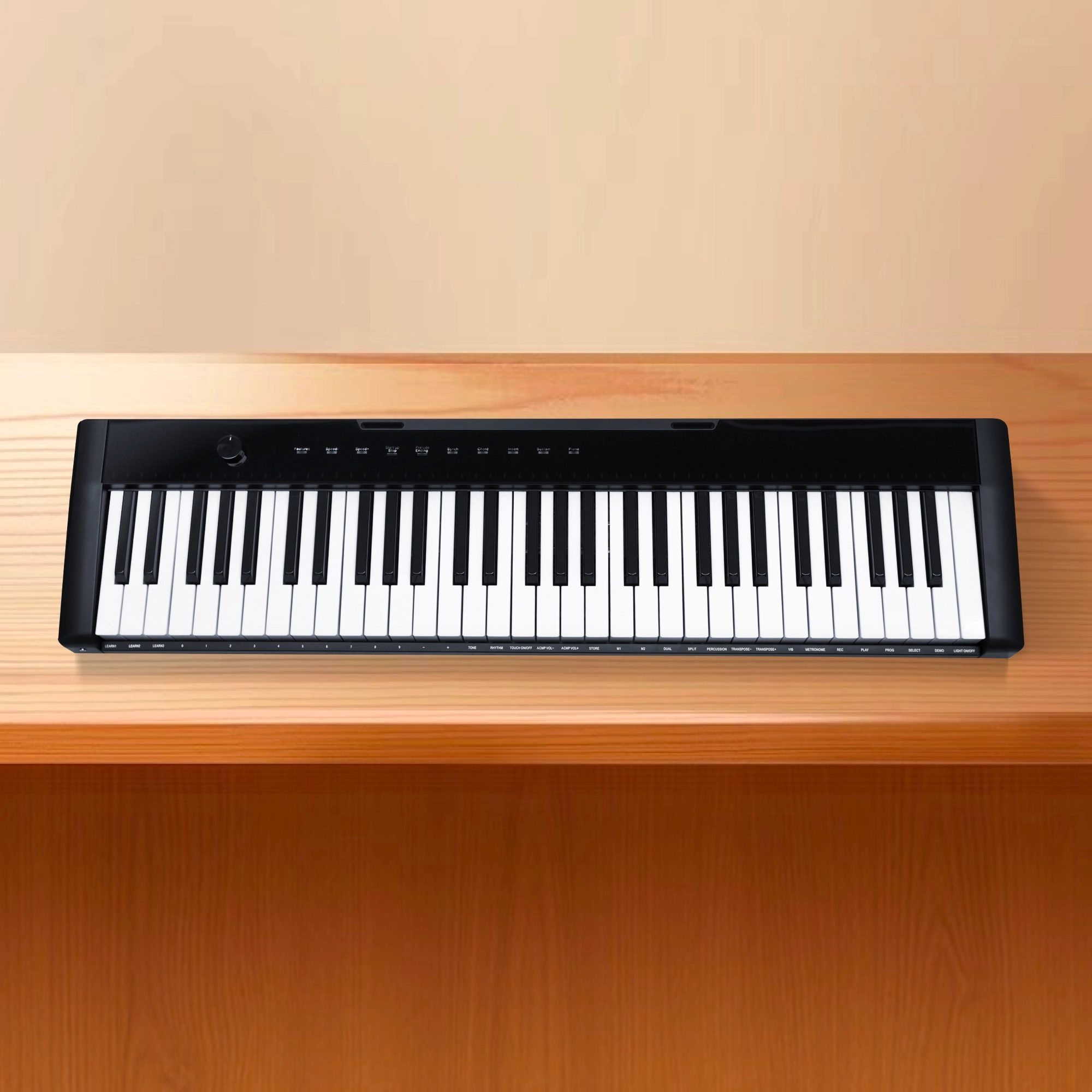
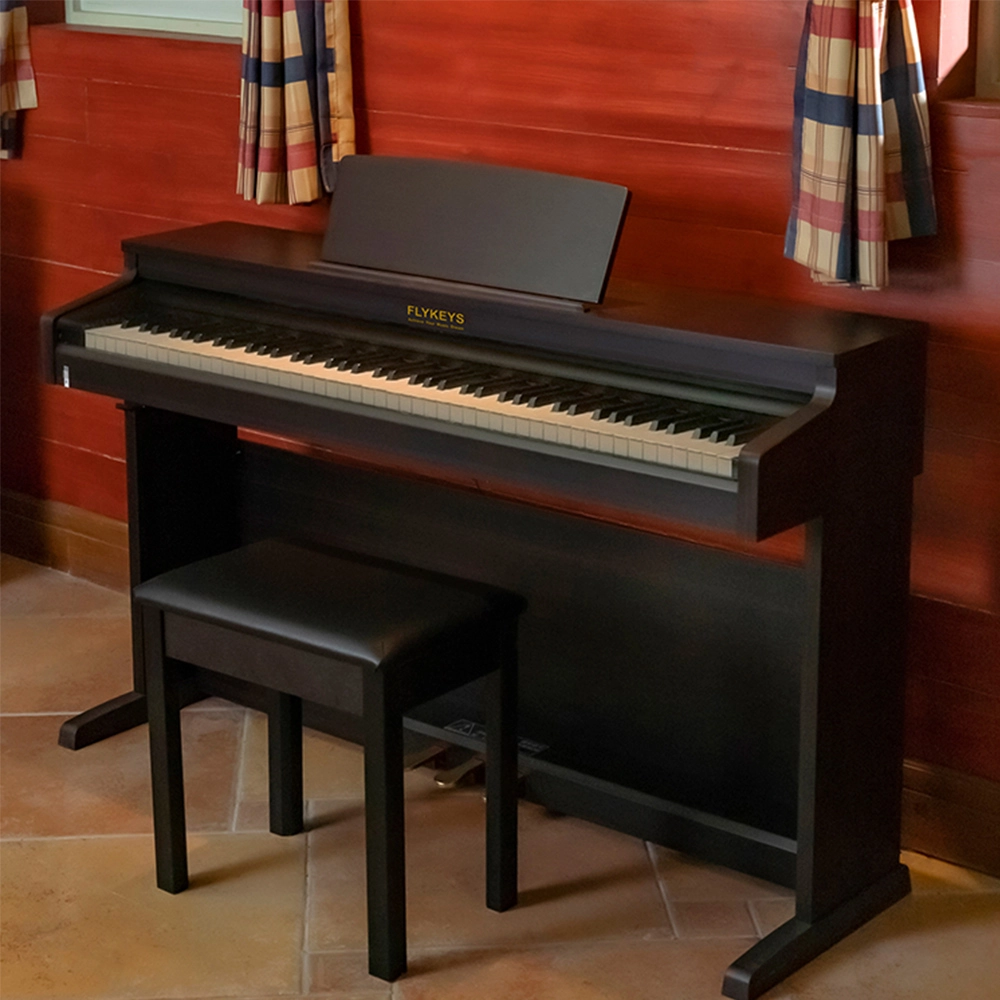
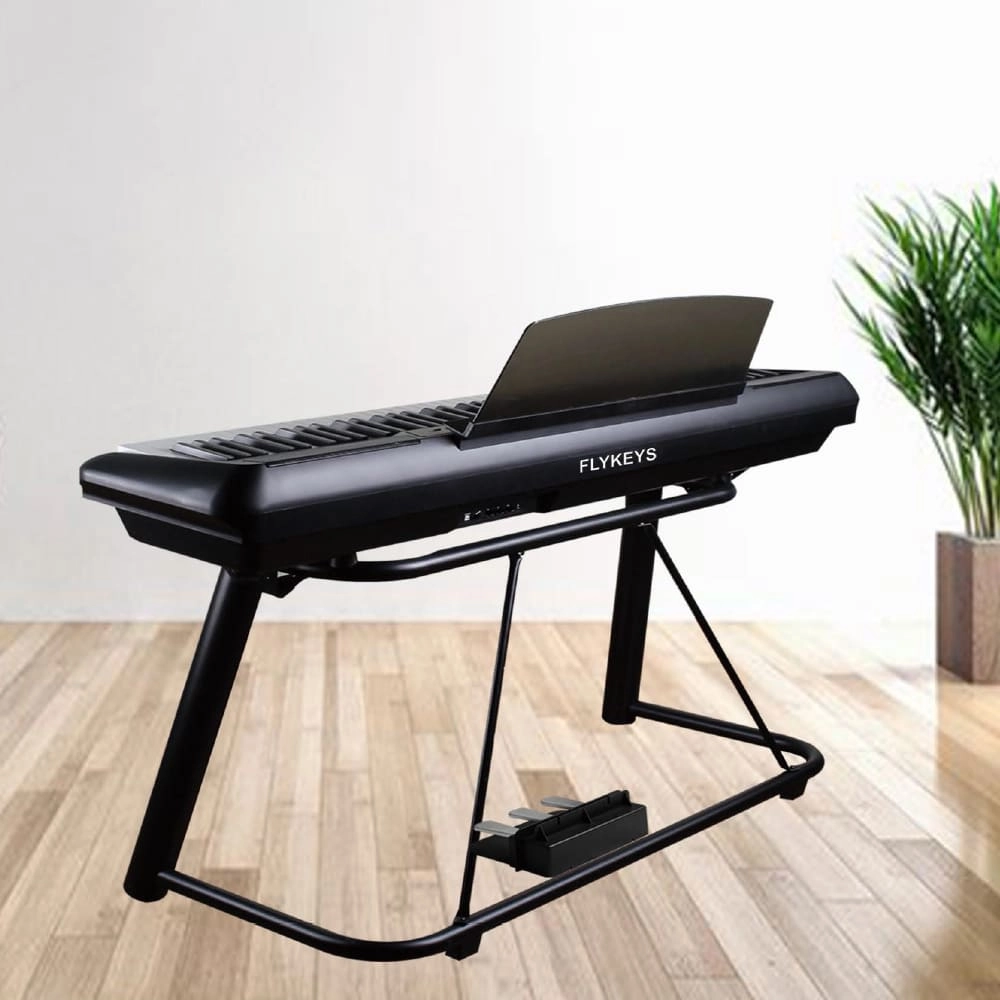
best entry-level digital pianos for schools Display


- Quick Response
Any questions about FLYKEYS, please feel free to contact with us via online chat,email or phone call.We will try out best to meet your requirements and we will reply to you within 24 hours.
- ANNUAL PRODUCTION CAPACITY OF MORE THAN 40,000 UNITS
In 2016, Pearl River Amason's annual sales volume reached 40,000 digital pianos, making it one of the top three Chinese musical instrument brands in the industry.
- 112 PATENT CERTIFICATES AND SOFTWARE COPYRIGHTS
After years of development, we have a wealth of independent research and development achievements, 104 patent certificates and 8 software copyrights.
- PRODUCTS EXPORTED TO MORE THAN 50 COUNTRIES
Through continuous development, FLYKEYS has exported to more than 50 countries in Europe, Poland, Turkey, Russia, the United States, the Middle East, South Africa, etc.
FAQ
What should schools prioritize when choosing an entry-level digital piano?
Start with your curriculum, students’ ages, available space, and expected level of use. Compare key count and action, sound and volume controls, essential connections, construction information, and the full setup cost, including any accessories that are not included.
Are weighted keys necessary for beginner students?
Not for every program. Weighted keys can provide resistance more similar to an acoustic piano and may support students preparing for traditional piano technique. A lighter action may be suitable for young beginners or particular classroom needs. Match the feel to your teaching goals and, when possible, let students and teachers try the instrument.
How many keys does a school digital piano need?
The appropriate key count depends on the repertoire, student progression, and available space. A full-size keyboard can accommodate a broader range of piano music, while a smaller model may suit introductory activities or a restricted setup. Check the curriculum and the instrument’s specifications before deciding.
Which accessories should schools budget for?
Check what comes with the piano and whether your setup also needs a stand, bench, sustain pedal, headphones, or power supply. Requirements vary by model and classroom use, so confirm included items and compatibility before calculating the total purchase cost.
Do school digital pianos need USB or headphone connections?
These connections are useful when they support a specific teaching plan. Headphone outputs can help with individual practice or sound management, while USB or other connections may support compatible software or recording. Verify the exact ports and device compatibility for the model rather than assuming a feature is included.



Address: No. 38 Xiangshan Avenue, Zengcheng Economic And Technological Development Zone, Guangzhou, China.
FOLLOW US:
Copyright© 2026 FLYKEYS All Rights Reserved. 粤 ICP备2020102774号. Designed by Gooeyun. Sitemap | Privacy | Terms
FLYKEYS
FLYKEYS
flykeys-music
Flykeys Music