

Student Digital Pianos: A Practical Guide for New Players

Choosing a first digital piano is about finding an instrument that makes regular practice feel inviting while supporting steady progress. Student digital pianos can offer a practical alternative to an acoustic piano for learners who need a compact setup, adjustable volume, or the option to practise with headphones. Since no specific brand or product details are provided here, use this overview as a guide to the features and questions that matter when comparing available models.
What to Look for in a Student Digital Piano
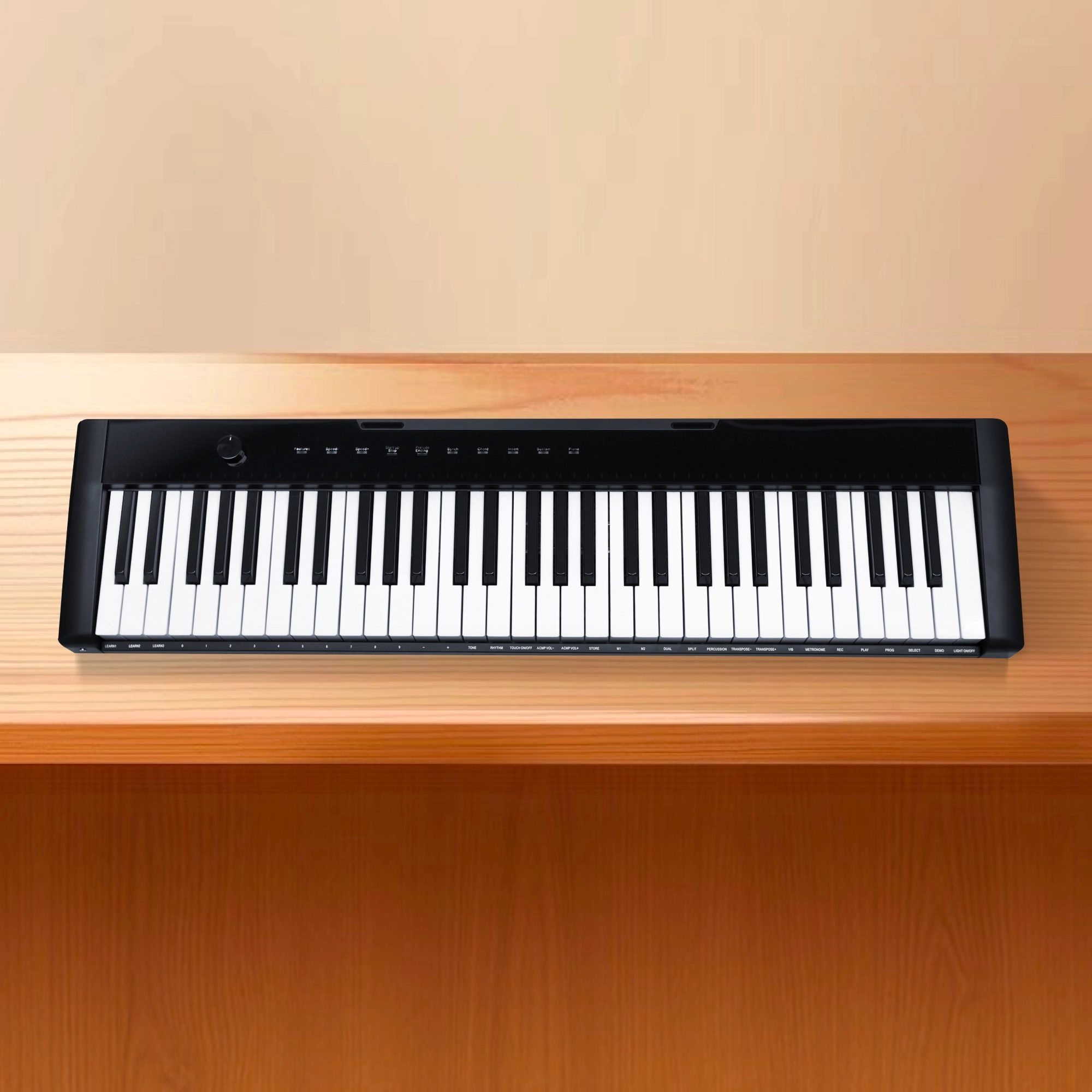
The keyboard is a good place to begin. A full-size 88-key layout gives students room to learn pieces written across a broad range, while a smaller keyboard may suit limited space or a young beginner’s first lessons. Key action also affects the playing experience. Some digital pianos have weighted or hammer-action keys designed to respond more like an acoustic piano; others use lighter actions. Neither choice is right for every learner, so consider the teacher’s recommendations, the student’s goals, and the feel of the instrument before buying.
Sound matters, too. Listen for a piano tone that feels clear and expressive at the volume you expect to use. If possible, try the instrument with headphones as well as its built-in speakers: private practice can be useful in shared homes, but speakers let learners hear the sound in the room. Polyphony, the number of notes an instrument can sustain at once, may be worth comparing for students who plan to use the sustain pedal or play more layered passages. Check the specifications rather than assuming every model offers the same capabilities.
- Compare key count and key action with lesson needs and available space.
- Try the piano sound through both speakers and headphones where possible.
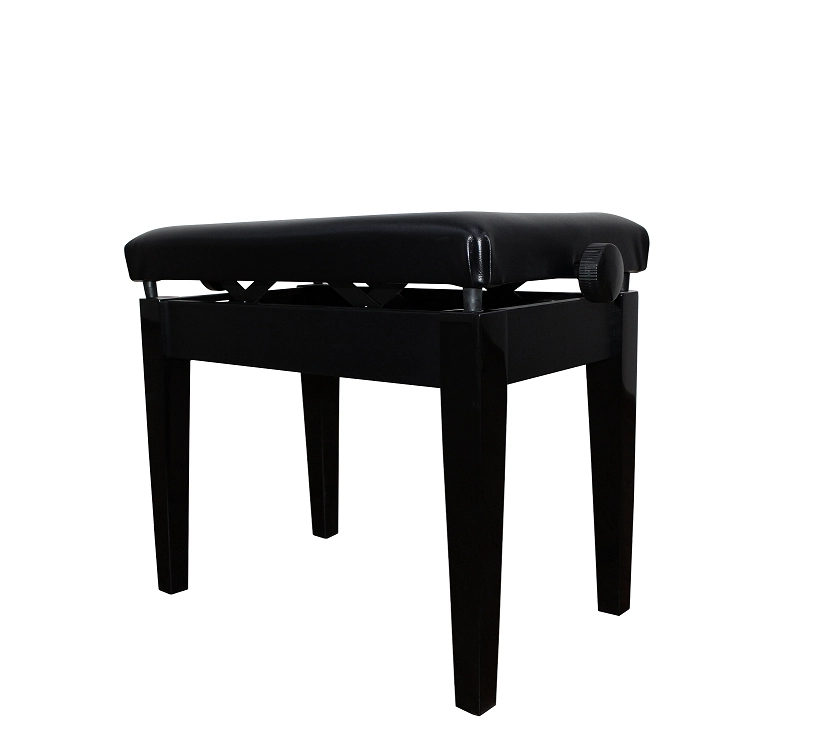
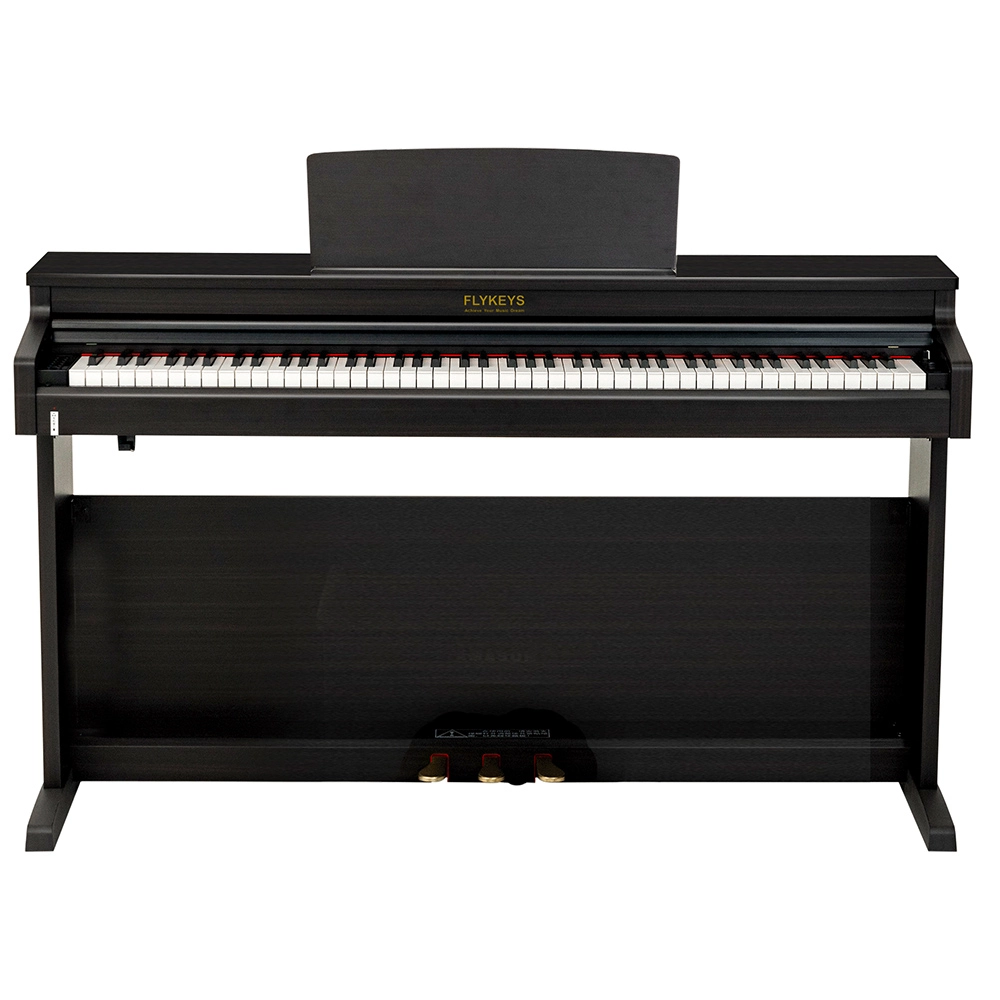
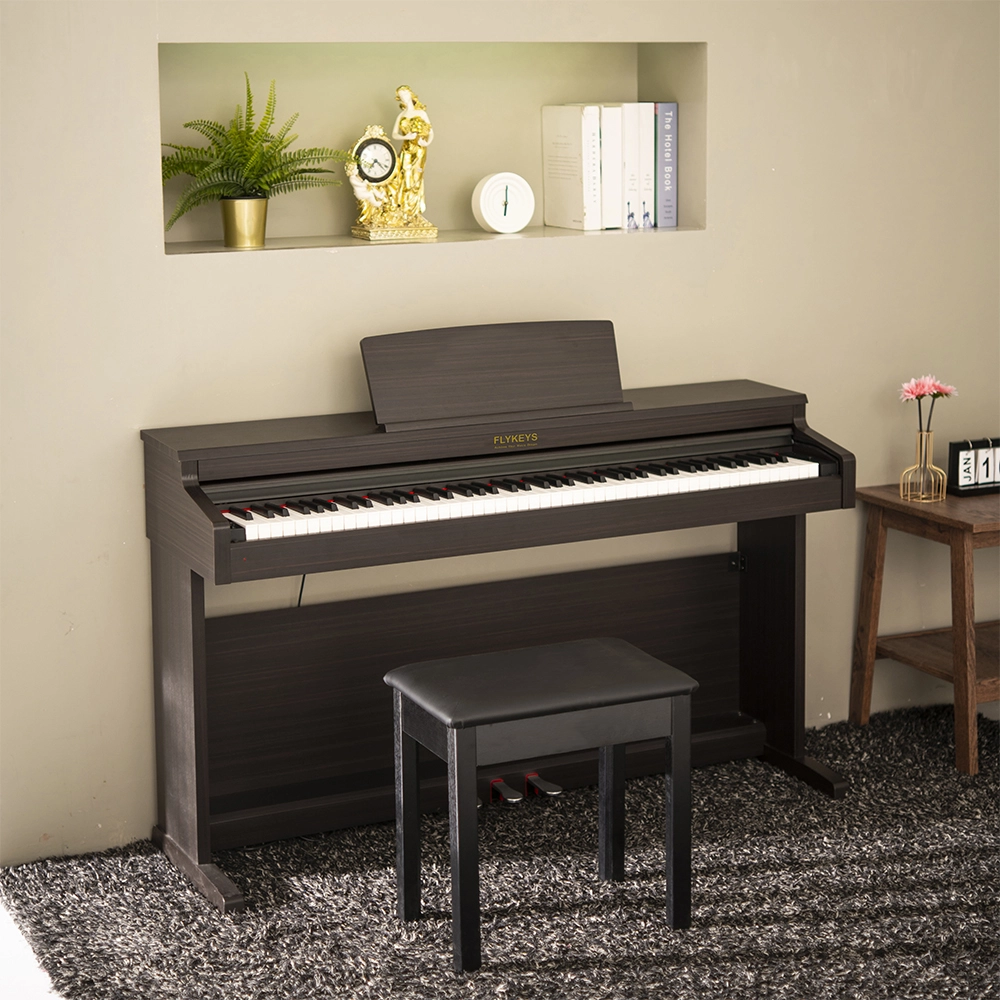
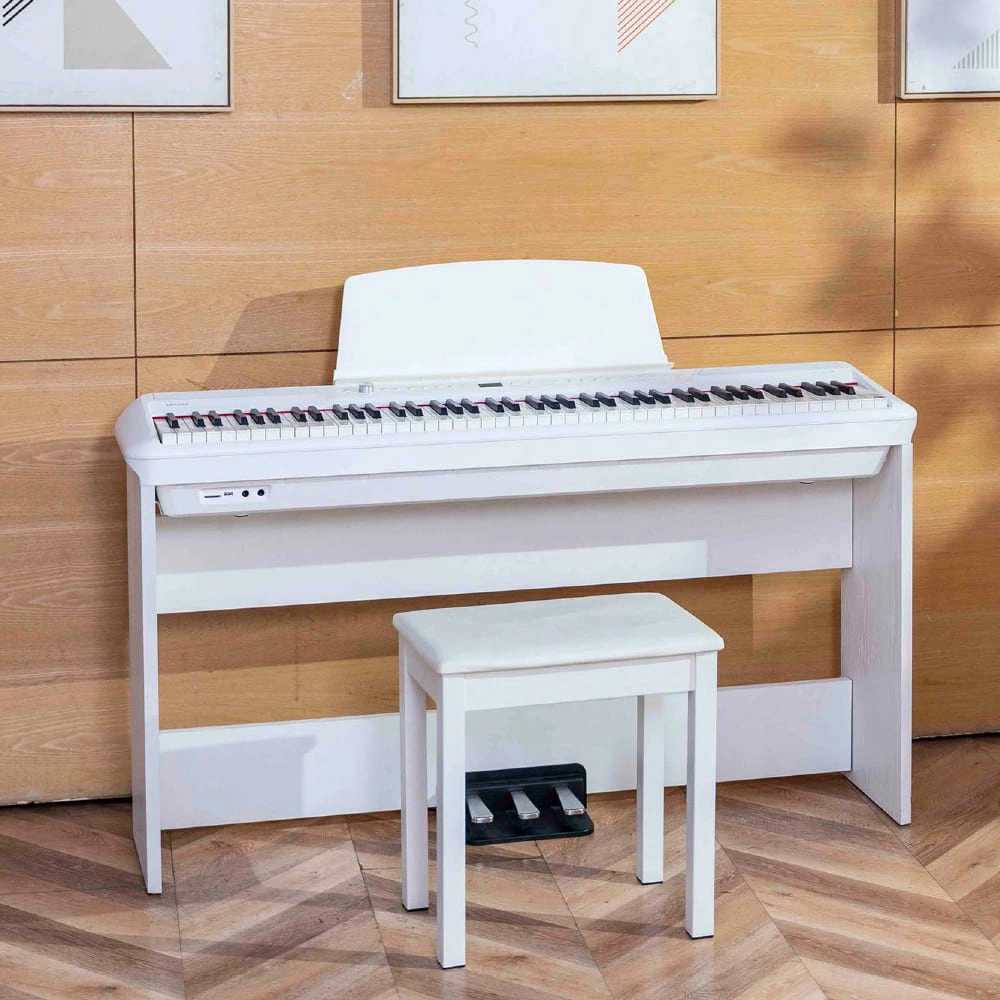
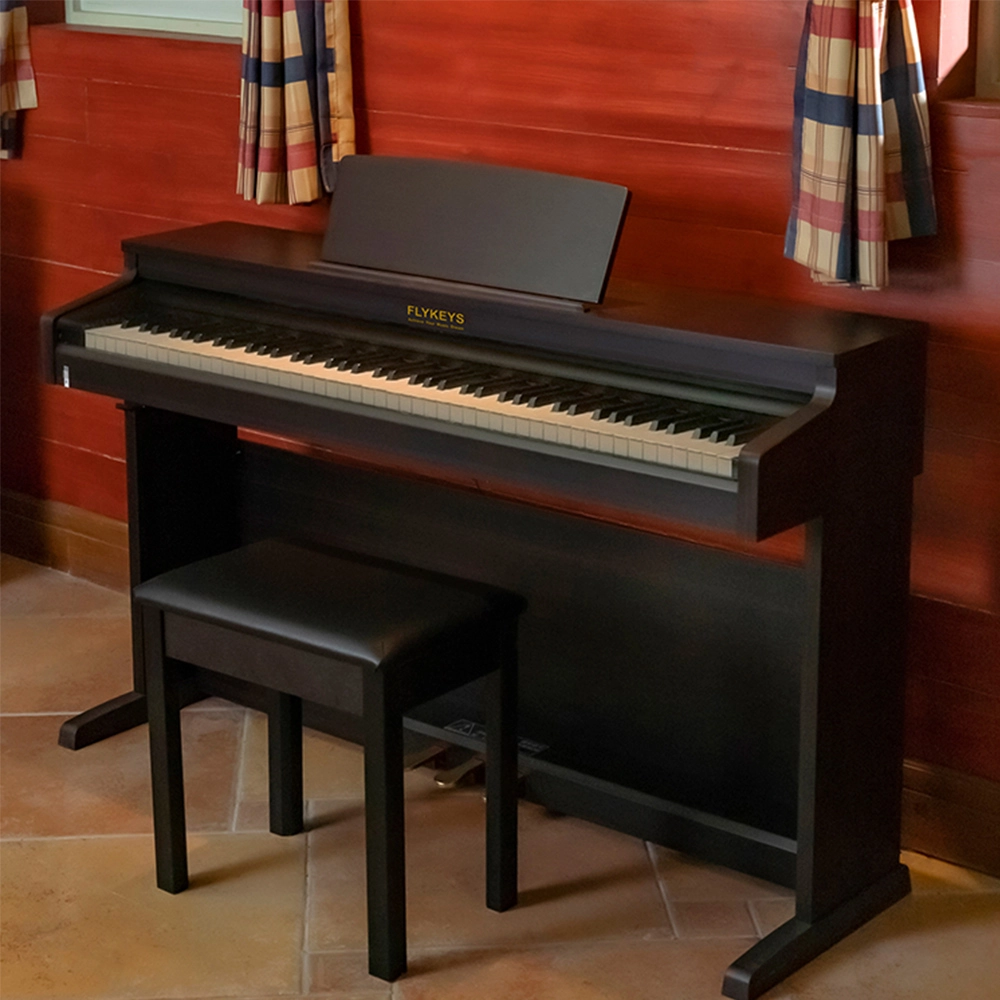
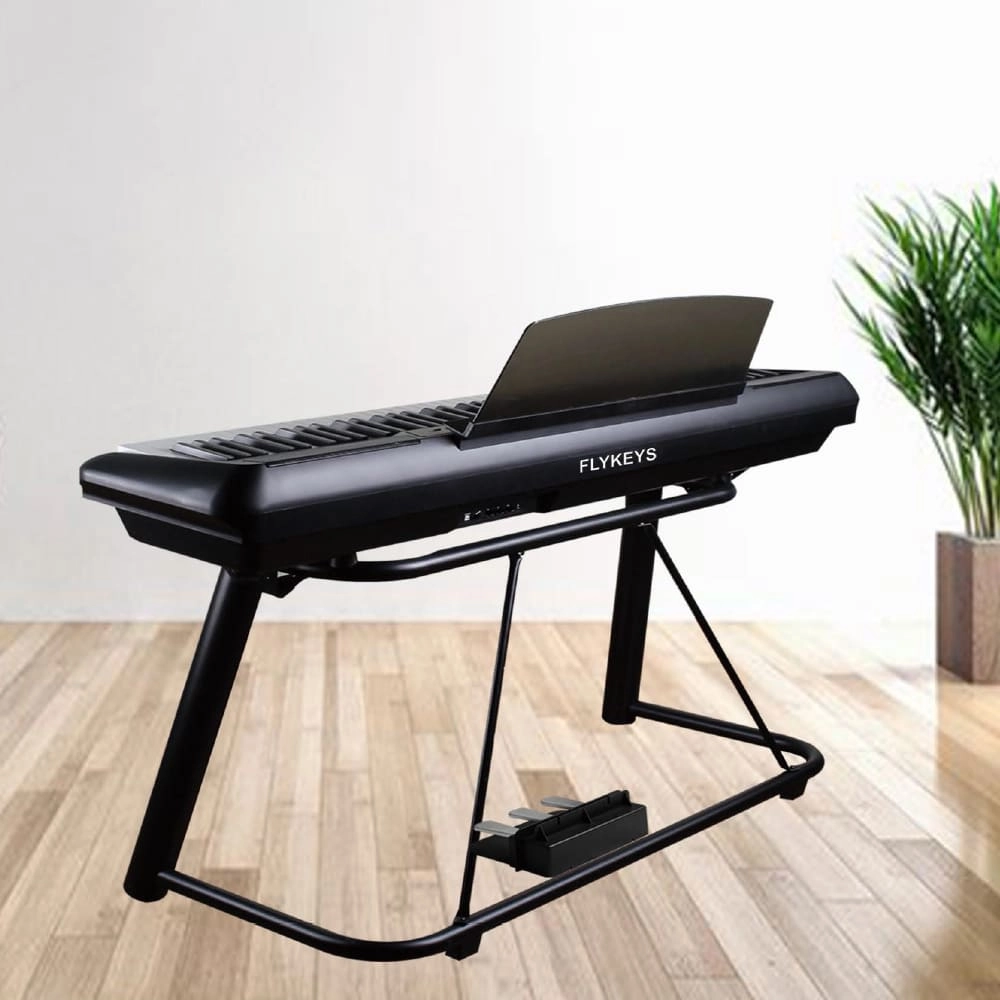
- Check whether a sustain pedal, music rest, stand, or bench is included or sold separately.
- Review connectivity and practice features only if the student expects to use them.
Match the Instrument to Practice, Space, and Budget
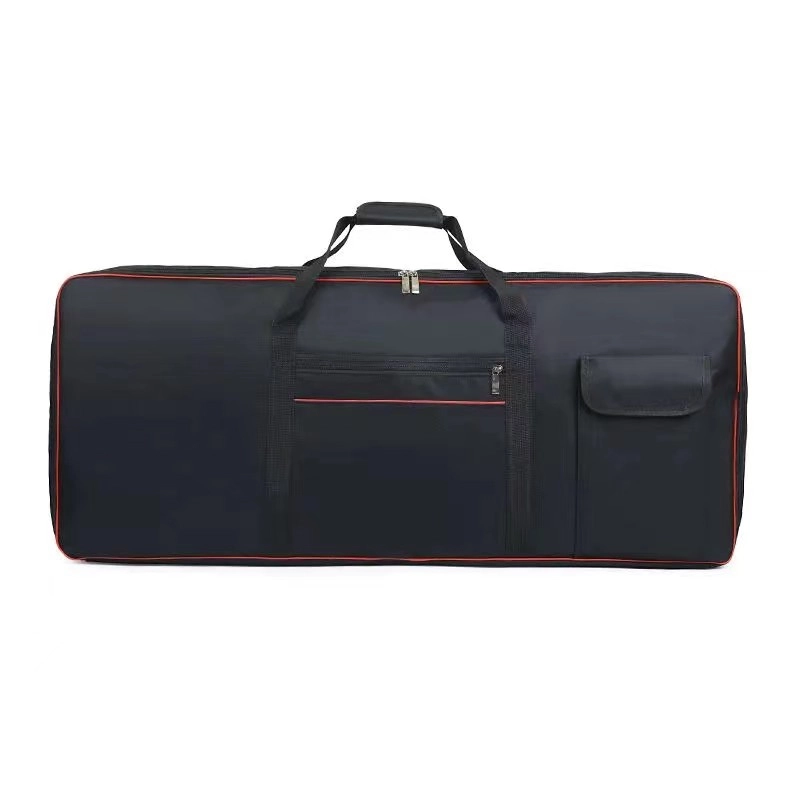
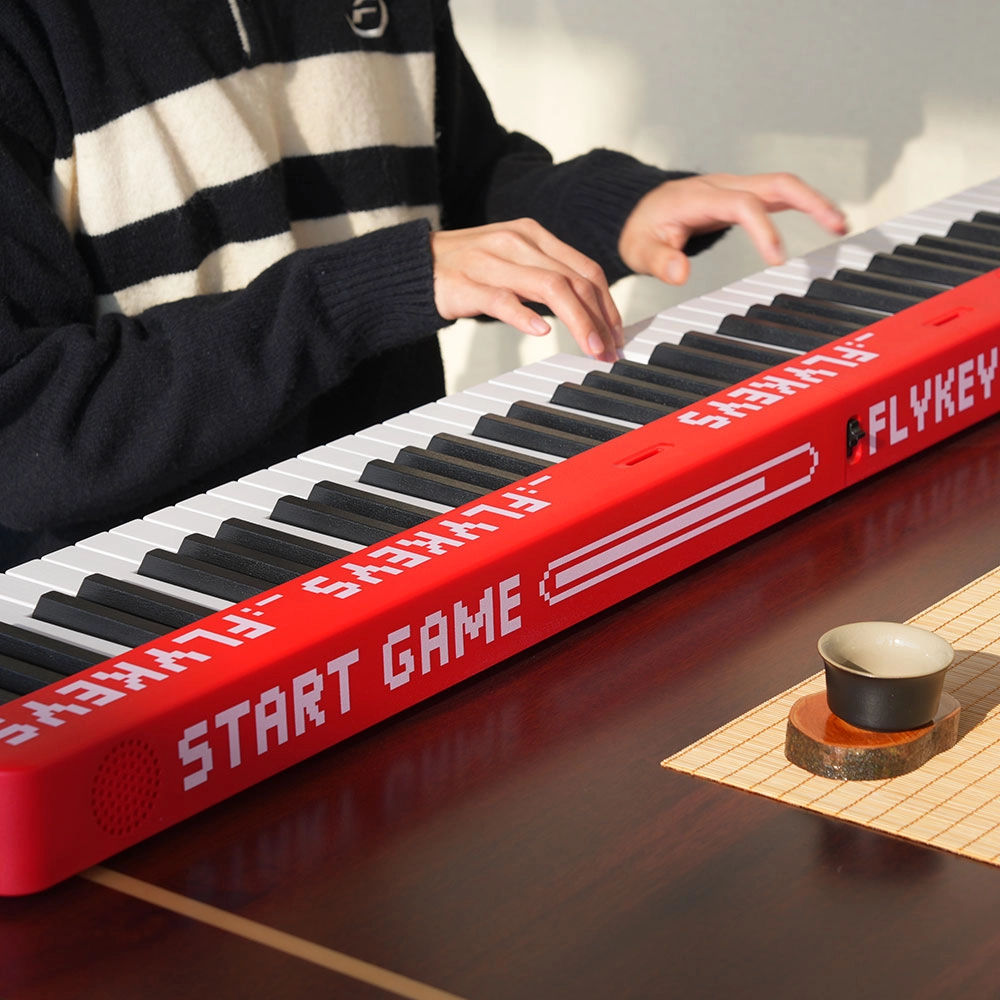
A piano that fits comfortably into a home is more likely to be used consistently. Before choosing a model, measure the intended space and check the instrument’s dimensions, stand requirements, and power needs. A portable design can be convenient for storage or transport, while a furniture-style setup may create a more permanent practice station. Product descriptions should clarify what is included; accessories such as a stand, bench, headphones, or pedal may affect the total cost.
Set a budget around the complete setup rather than the keyboard alone. A stable playing position matters: the bench height and the student’s posture can influence comfort during practice. Families may also want to consider how long the instrument is expected to serve the learner. A simple model can be a sensible starting point, while a student with clear long-term goals may value a more piano-like key action or features recommended by a teacher. Compare warranty terms and support information from the seller or manufacturer, and confirm the return policy before ordering.
Practice aids can help make learning more manageable, but features differ by product. Some instruments may include a metronome, recording functions, lesson tools, or connections for compatible devices; others focus on straightforward piano playing. Treat these as model-specific details, not standard features. The best student digital piano brands are not simply the names with the longest feature lists: a suitable choice balances dependable construction, an enjoyable playing feel, useful support, and a price that fits the household.
Choose for the Student, Not Just the Specification Sheet
For a beginner, ease of use can matter as much as extra sounds or advanced settings. Look for controls the student can understand, a comfortable playing position, and a tone they enjoy hearing during repeated practice. If lessons are already underway, ask the teacher whether a particular key count, action, or pedal setup would support the student’s repertoire. This can help avoid paying for extras that will not be used or choosing a compact instrument that soon feels limiting.
When comparing options, read the exact product specifications and check what is included in the box. Try the keys if an in-person demonstration is available, and compare the sound at a realistic listening volume. There is no single ideal student piano for every learner: age, goals, room size, budget, and personal preference all play a part. A thoughtful match can make home practice more convenient and give a student a rewarding foundation for musical growth.
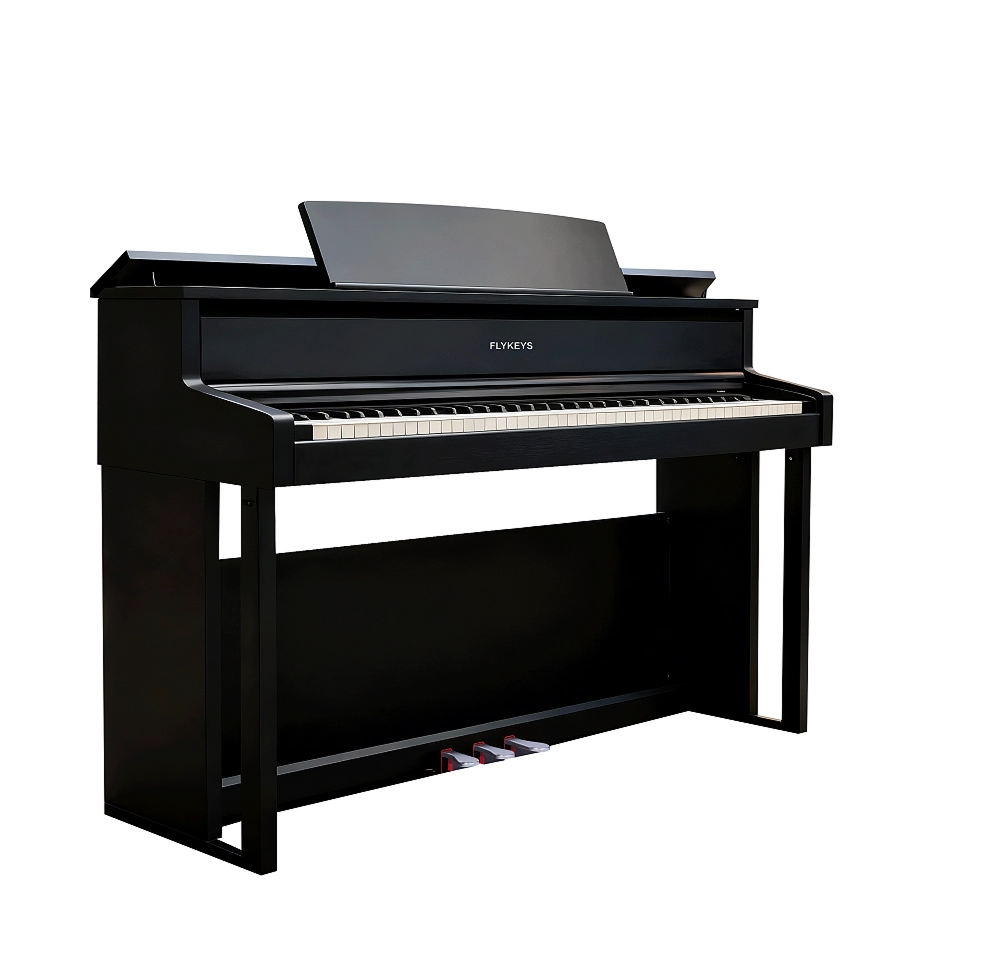
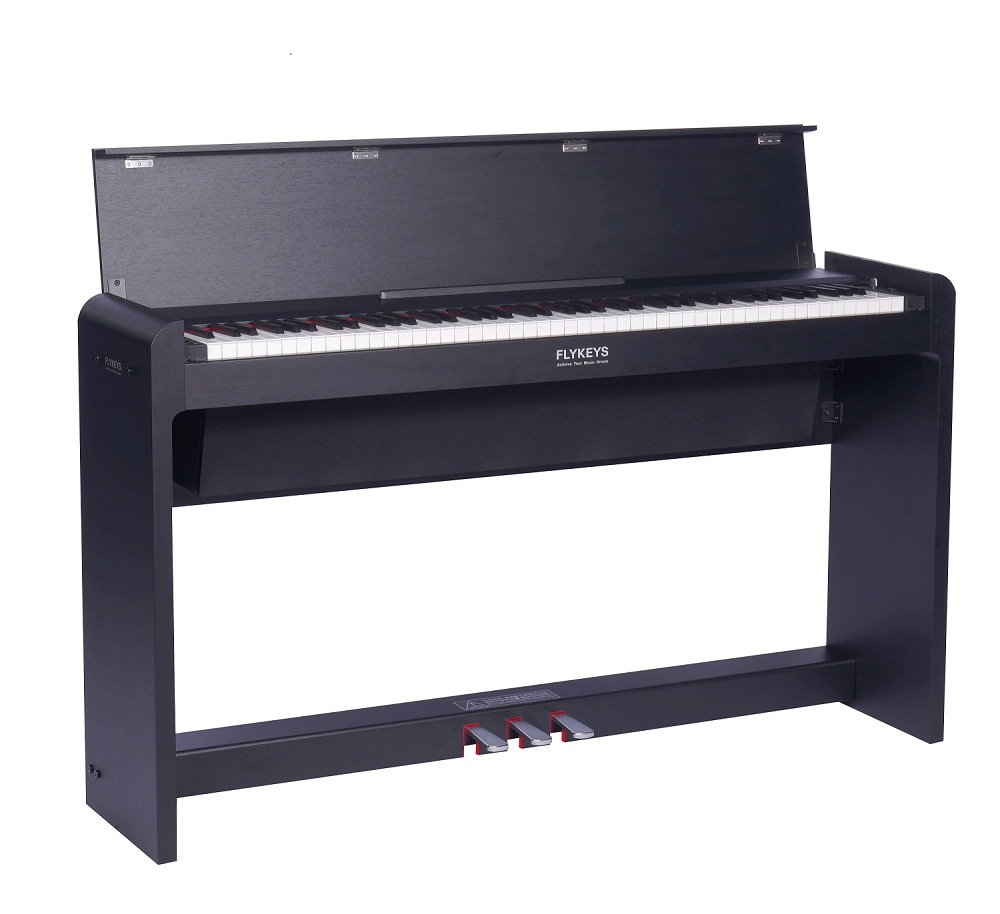
best student digital piano brands Display


- Quick Response
Any questions about FLYKEYS, please feel free to contact with us via online chat,email or phone call.We will try out best to meet your requirements and we will reply to you within 24 hours.
Top 10 Technological Enterprises in China's Musical Instrument Industry.
Pearl River Amason has been deeply engaged in the electronic digital musical instrument industry for 16 years, insisting on independent research and development and technological innovation.
- Productivity
We are a factory with over 15 years of experience in digital instrument development and manufacturing, with a factory of over 15000 square meters and a team of 200 people.
We are dedicated to providing high-quality digital instruments customization services and high-quality digital instruments products to global customers. We can handle any order that meets the needs of our customers, whether it's technical research and development or finished product manufacturing. - MORE THAN 16 YEARS OF INDUSTRY EXPERIENCE
2008 was the year of the establishment of Pearl River Amason, which focuses on developing, manufacturing and marketing digital musical instruments.
FAQ
Is a digital piano suitable for a student learning piano?
Yes. A digital piano can be suitable for lessons and home practice when its keyboard and features meet the student’s needs. Compare key action, sound, key count, and any requirements given by the teacher, because specifications vary by model.
Should a student choose a digital piano with 88 keys?
An 88-key keyboard provides the full range of a standard piano and can accommodate a broad repertoire. A smaller keyboard may suit limited space or an early beginner, but it may restrict pieces as the student progresses. Consider lesson plans and the teacher’s advice.
Do student digital pianos have weighted keys?
Some models have weighted or hammer-action keys, while others use lighter actions. Check the specifications and, if possible, try the keyboard before purchasing. The preferred feel depends on the learner, their goals, and any guidance from their teacher.
What accessories should I budget for with a student digital piano?
Check whether the price includes a stand, bench, sustain pedal, music rest, and headphones. Included accessories differ between models and sellers. A stable stand and suitable bench can help create a comfortable practice setup, so account for any items that must be purchased separately.
Are headphones useful for learning on a digital piano?
Headphones can allow a student to practise without sending sound through the room, which can be useful in a shared home. Check that the chosen model supports the headphone connection you need, and also listen through its speakers when possible to assess the sound for everyday practice.



Address: No. 38 Xiangshan Avenue, Zengcheng Economic And Technological Development Zone, Guangzhou, China.
FOLLOW US:
Copyright© 2026 FLYKEYS All Rights Reserved. 粤 ICP备2020102774号. Designed by Gooeyun. Sitemap | Privacy | Terms
FLYKEYS
FLYKEYS
flykeys-music
Flykeys Music