

Digital Pianos for School Music Programs

Schools need instruments that support meaningful learning every day—not simply products that fit a purchasing list. A well-planned digital piano program gives students a consistent way to develop technique, rhythm, reading, listening, and confidence while helping teachers create organized lessons across different learning levels. For administrators and procurement teams, the right category offers a practical starting point for balancing educational purpose, available space, budget, delivery requirements, and future expansion.
Build a More Effective School Music Environment
Digital pianos can help schools create accessible practice and teaching spaces where acoustic limitations, room size, and maintenance demands need careful consideration. Their value is greatest when the instrument is chosen around the daily realities of education: frequent use, varied student ability, straightforward operation, and dependable availability during lessons and rehearsals.
For music departments, consistency matters. When students work with instruments that offer a familiar playing response and clear sound, teachers can focus more fully on posture, articulation, dynamics, sight-reading, and musical interpretation. A coordinated purchase can also make room planning easier, whether instruments are intended for individual practice stations, group instruction, accompaniment, or a dedicated performance setting.
- Support structured lessons and independent student practice.
- Make efficient use of classrooms, studios, and rehearsal areas.
- Help schools establish a consistent instrument experience across multiple rooms.
- Provide a scalable foundation for growing music programs.
What to Consider When Purchasing for a School
Choosing among bulk digital piano suppliers for schools requires more than comparing the number shown on a quotation. Buyers should define the educational use first, then assess whether each proposed instrument and service plan aligns with that purpose. A piano for beginner instruction may have different priorities from one used for advanced study, ensemble rehearsal, examinations, or public performance.
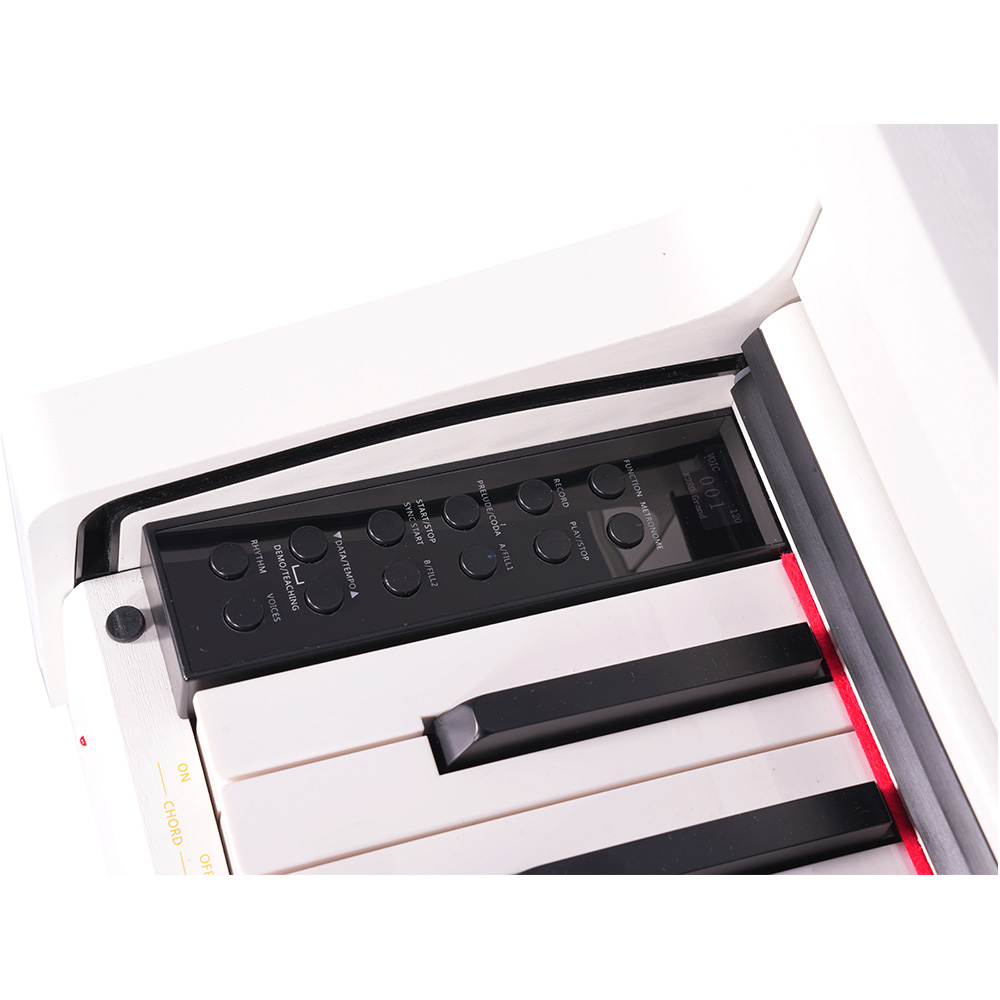
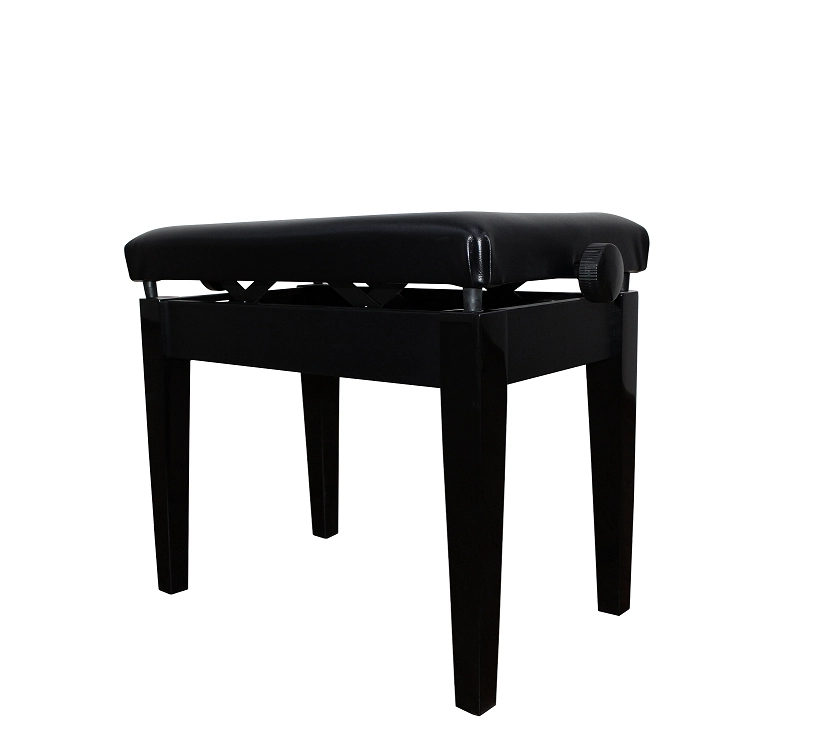
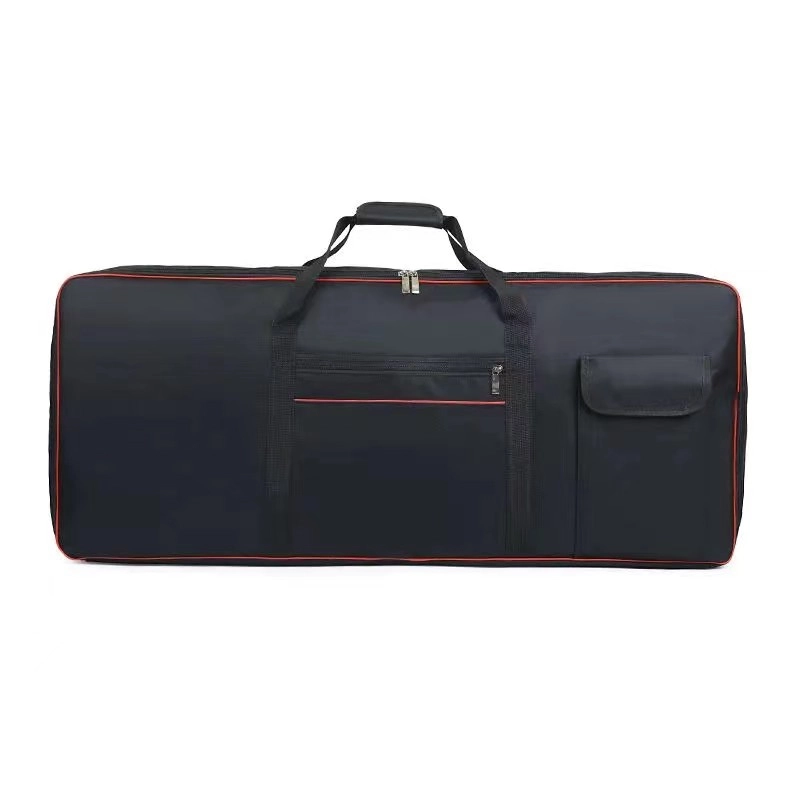
Important evaluation points include the feel and responsiveness of the keyboard, the clarity and suitability of the sound, control accessibility for teachers and students, physical dimensions, seating and stand requirements, and the practical needs of installation. Schools should also clarify what is included in the quotation, such as packaging, delivery, setup, accessories, warranty coverage, replacement procedures, and after-sales assistance. Clear documentation reduces uncertainty for both finance teams and teaching staff.
Procurement teams may also benefit from requesting a consistent specification across the order. Standardization can simplify induction for teachers, reduce operational confusion, and make future maintenance or replacement decisions easier. Where different models are necessary, documenting the role of each model helps ensure that the final purchase remains purposeful rather than fragmented.
Plan a Purchase That Supports Long-Term Value
A school instrument purchase should be evaluated over its working life, not only at the point of delivery. Consider how often each piano will be used, who will operate it, where it will be stored, and how the department may grow over the next several academic years. A thoughtful plan can help protect the budget while ensuring that students receive an appropriate learning experience.
Before placing an order, prepare a simple purchasing brief that records the number of rooms, intended users, preferred delivery schedule, required accessories, installation conditions, and approval responsibilities. Sharing this information with potential education-focused piano vendors encourages more accurate recommendations and helps expose logistical issues early.
Schools should also establish an acceptance process. Check quantities, condition, included components, and placement requirements upon arrival, then keep purchase records and support contacts accessible to staff. This disciplined approach supports accountability and makes it easier to resolve questions quickly, especially when several instruments are delivered at once.
The strongest category choice is one that connects musical ambition with operational reality. By assessing educational fit, usability, space, service, and total ownership considerations together, schools can create a more reliable foundation for teaching and give students the opportunity to practise regularly in a supportive environment.
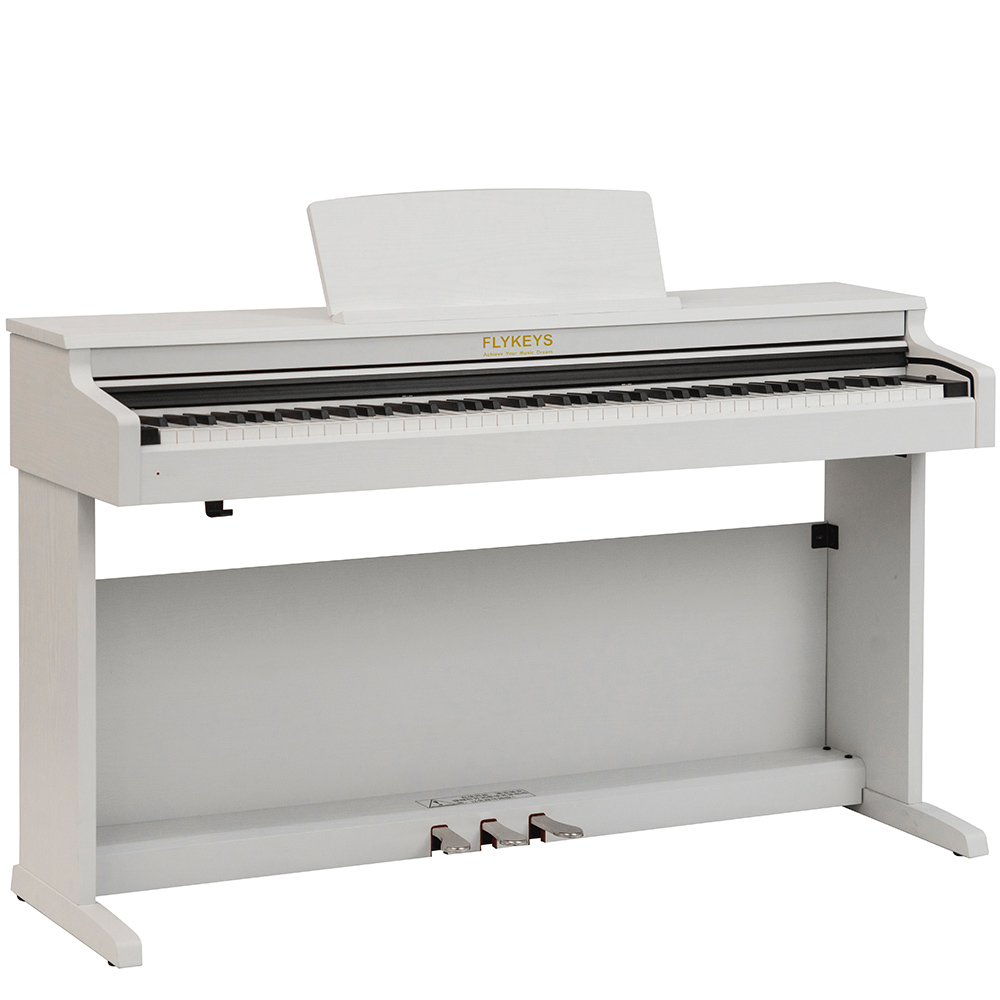
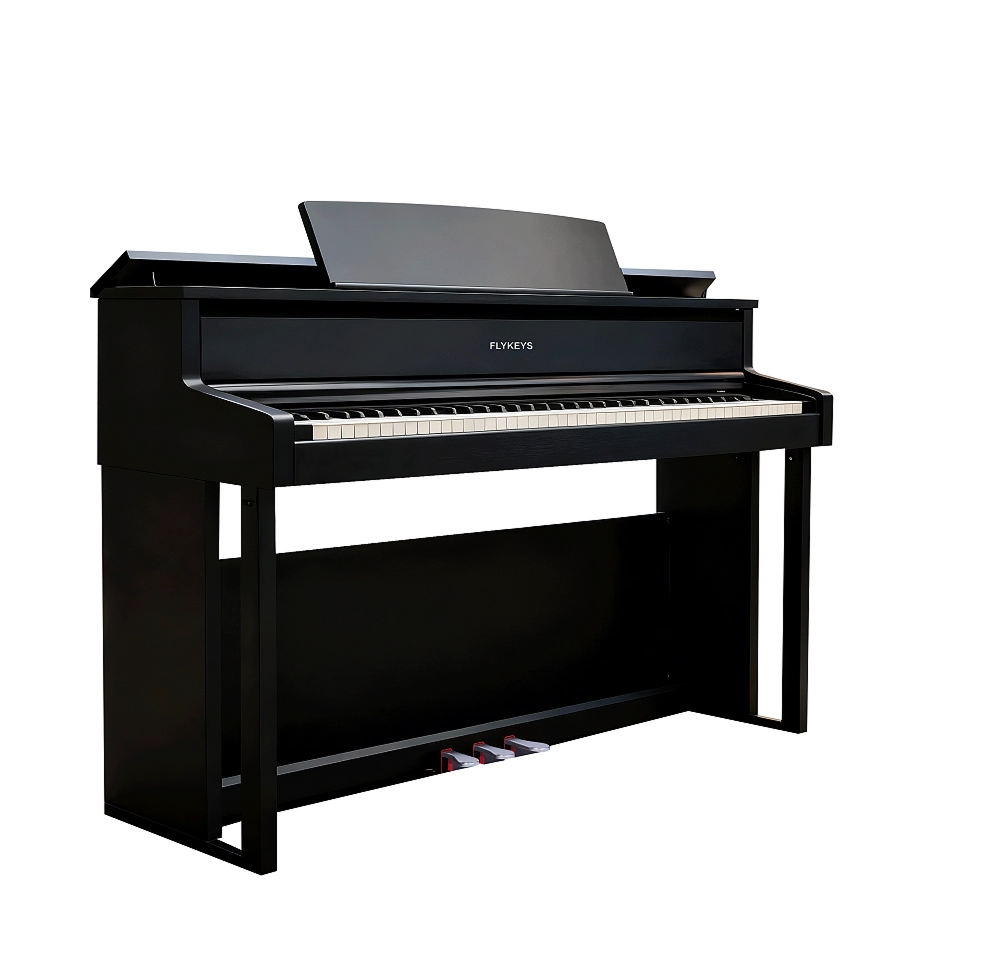
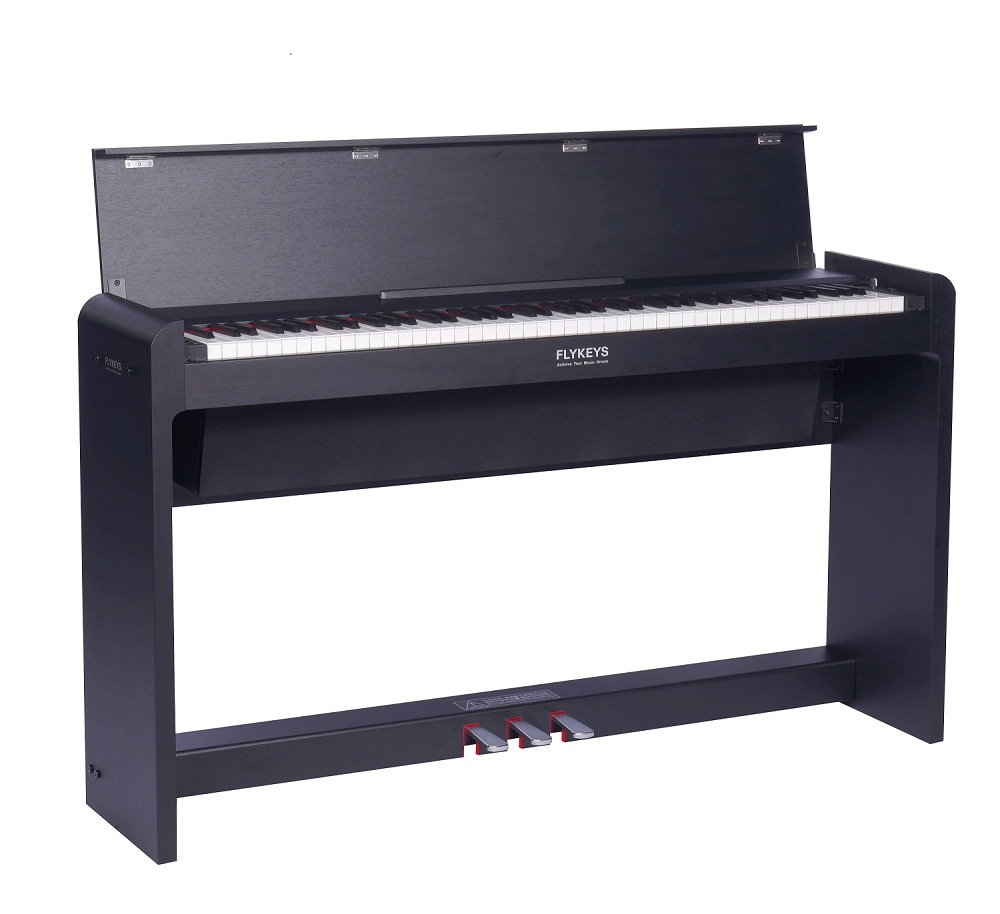
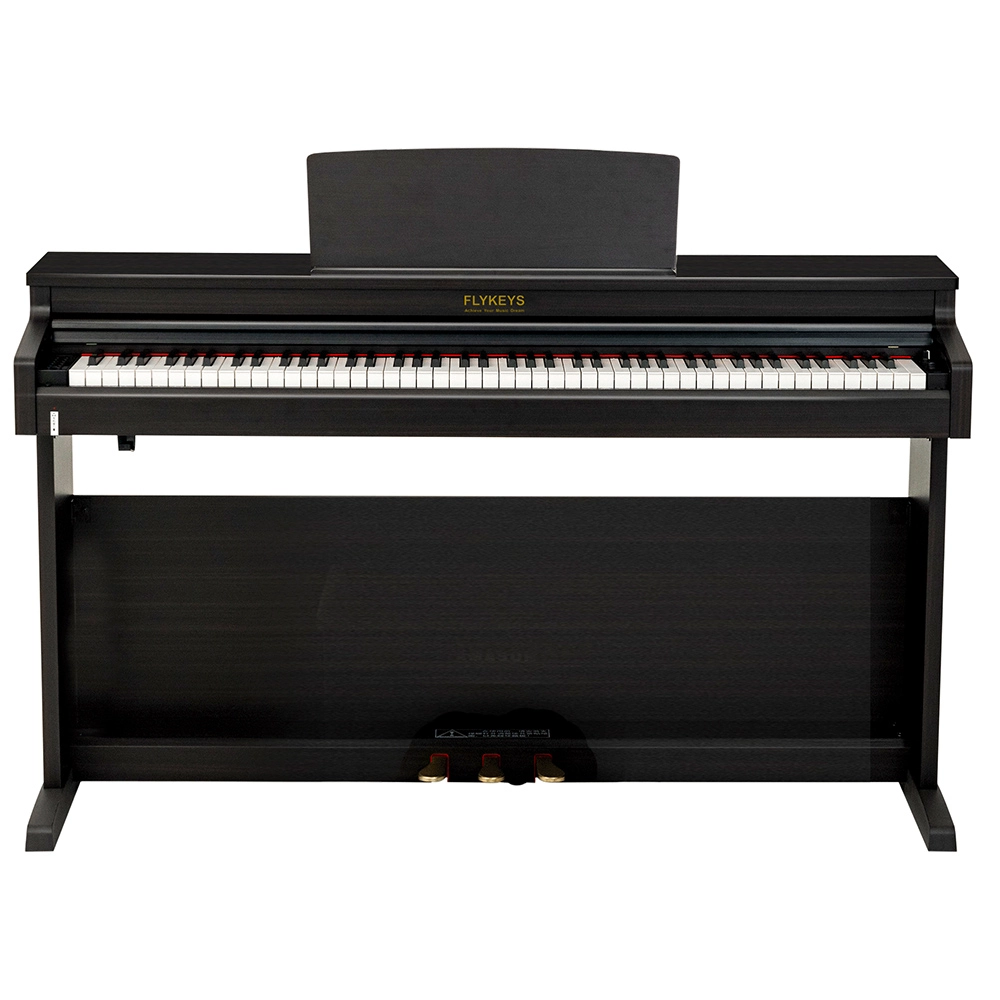
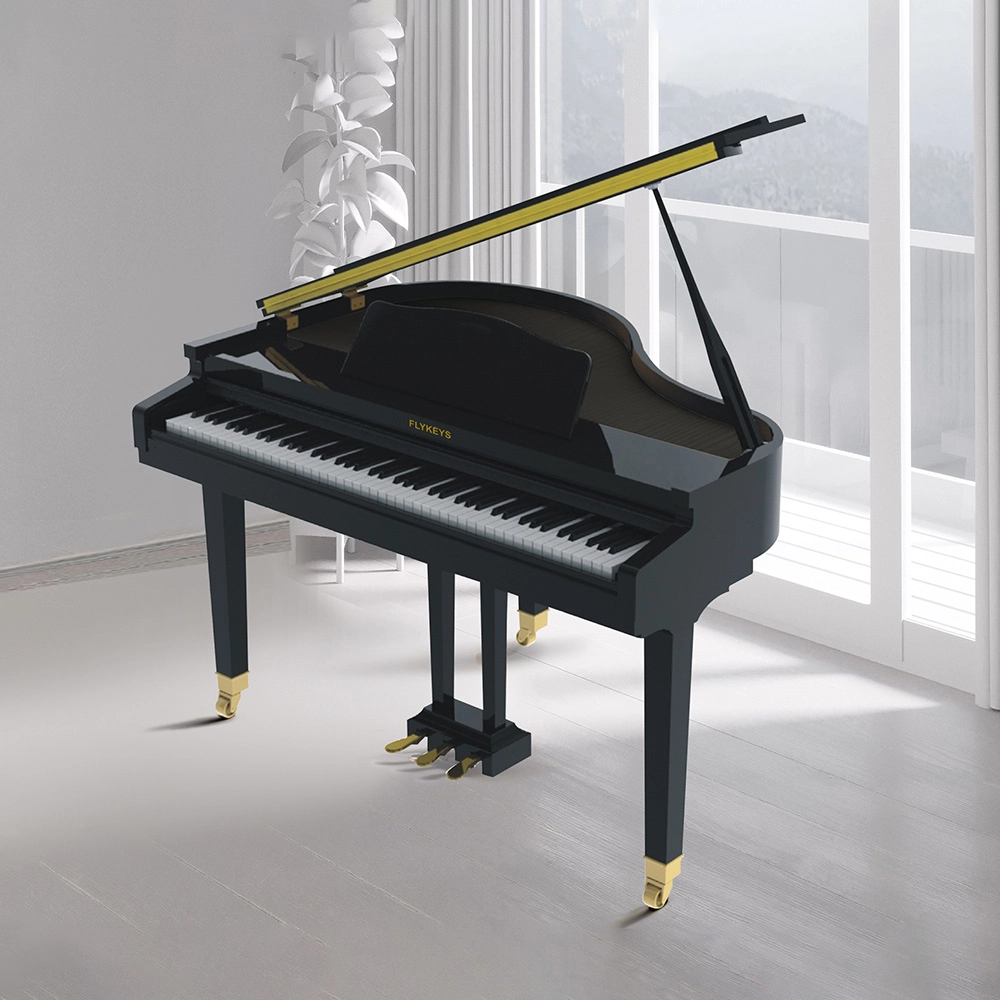
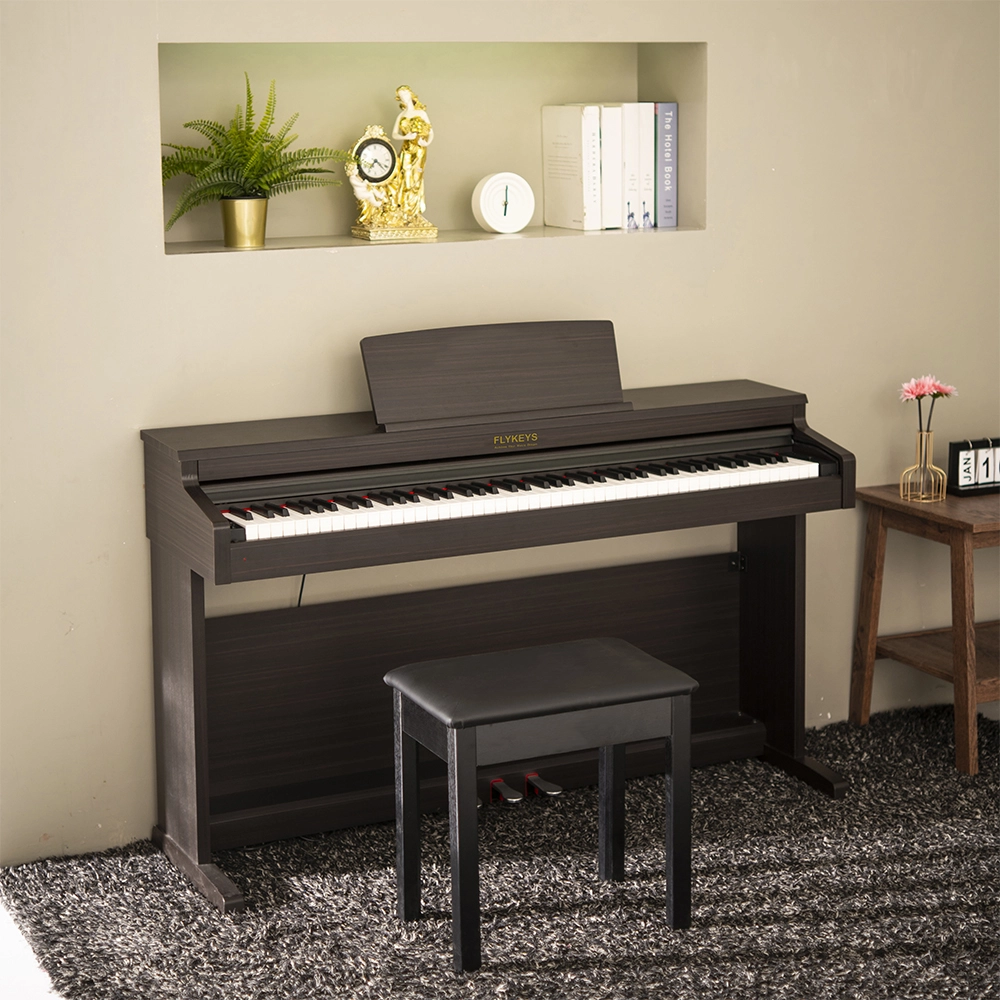
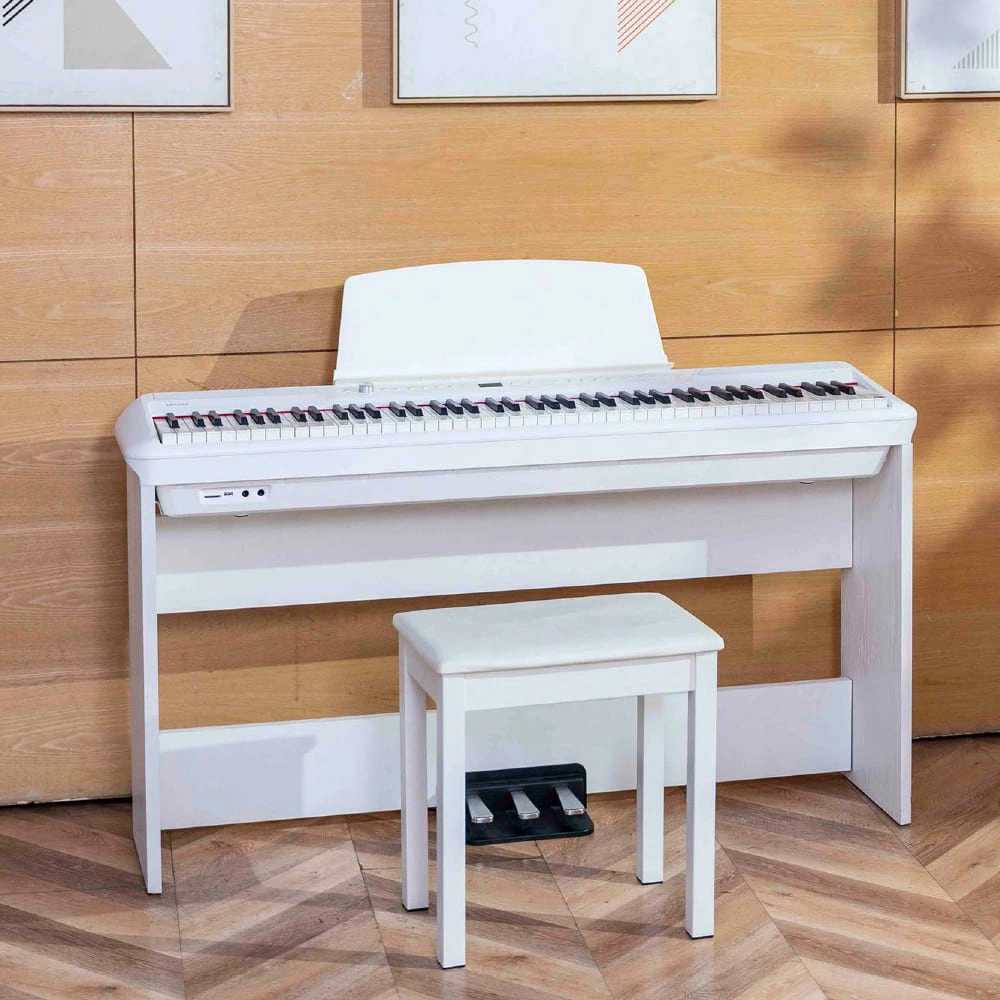
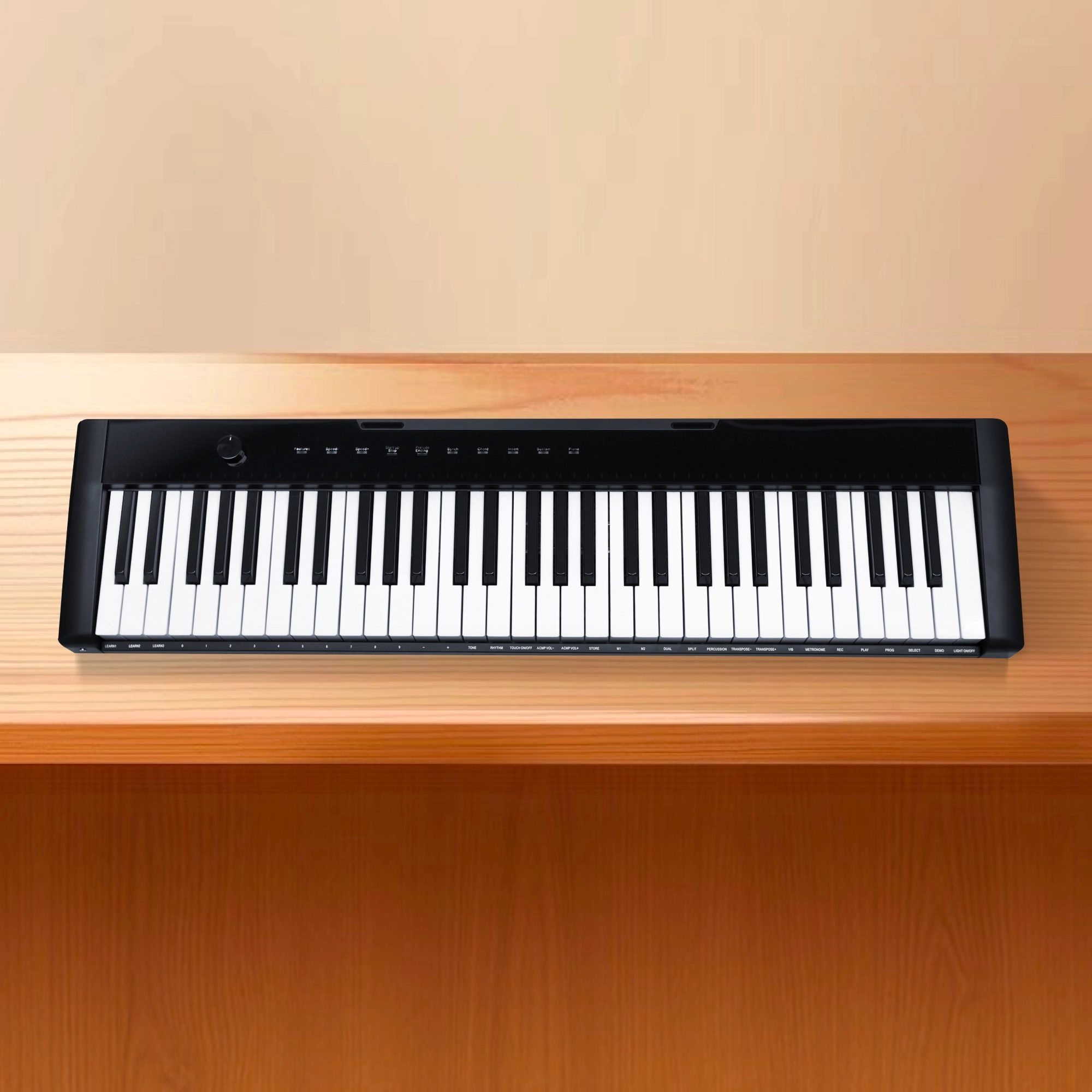
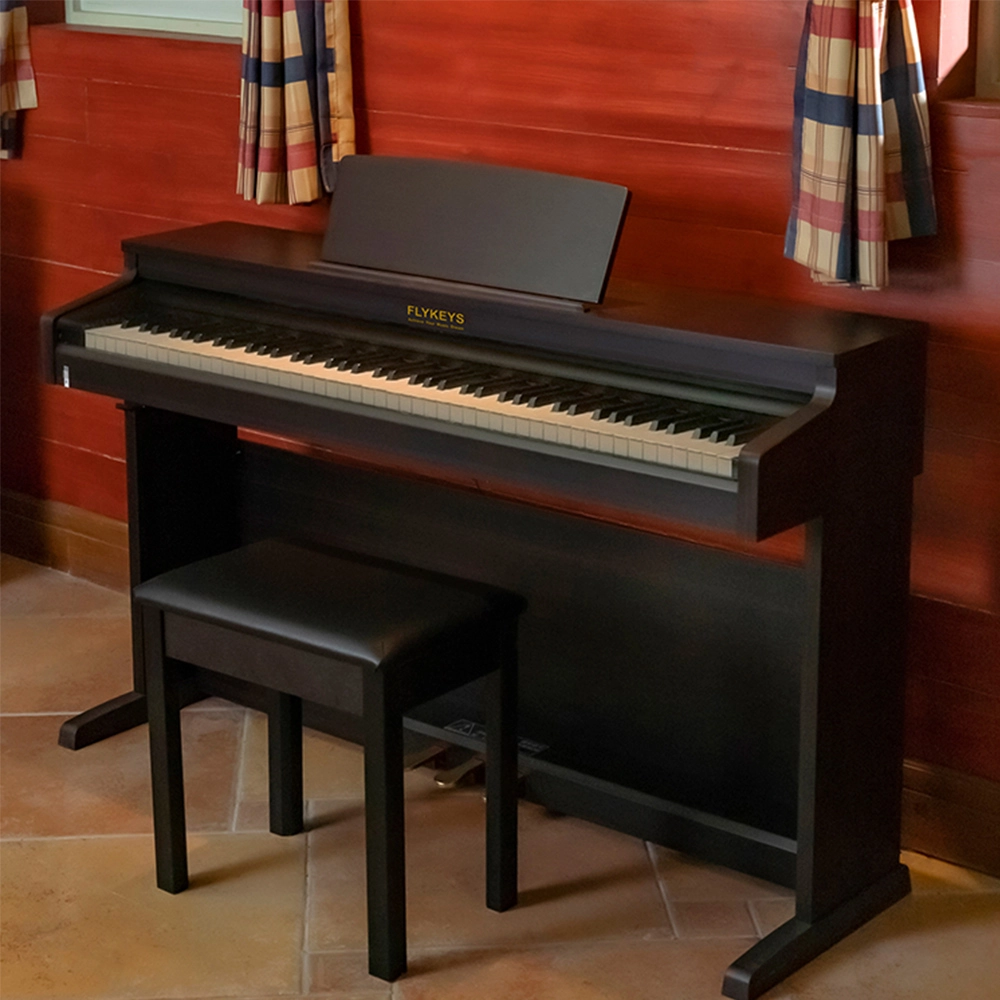
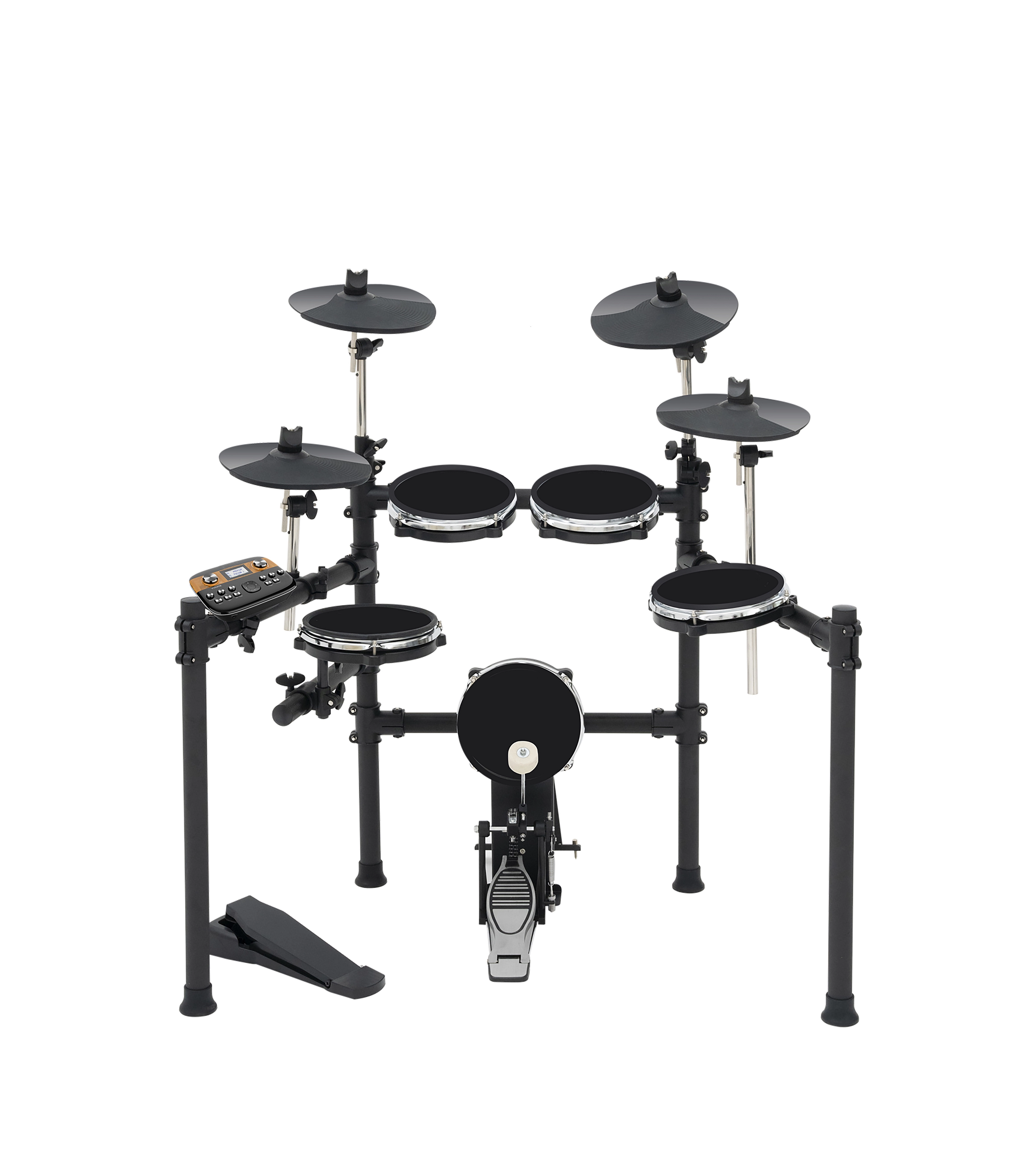
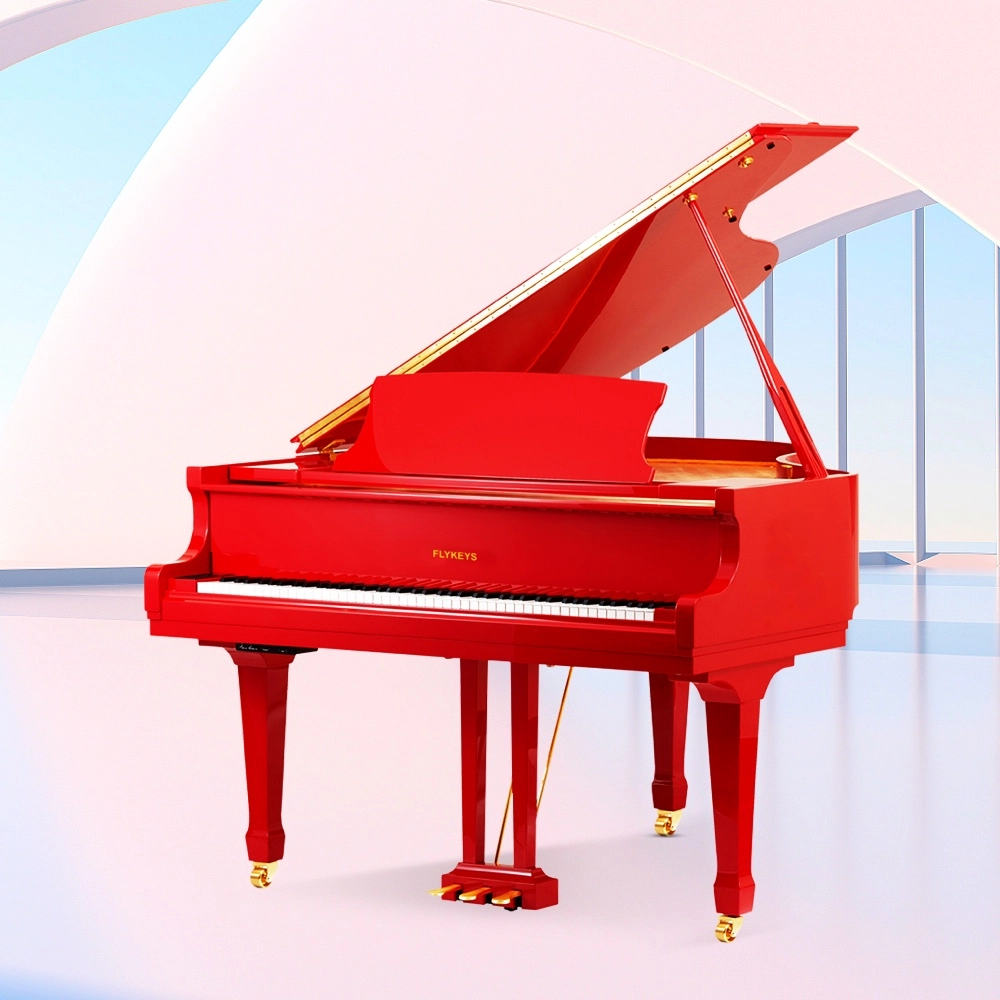
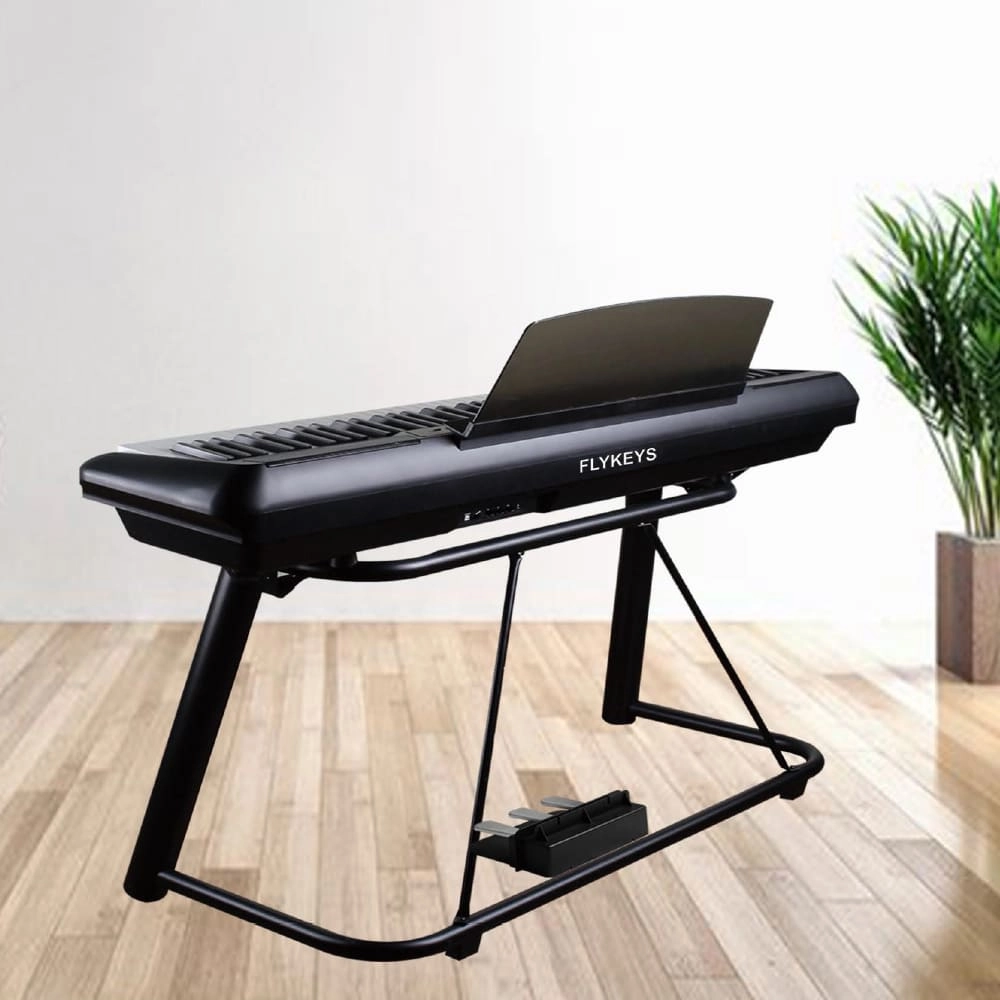
bulk digital piano suppliers for schools Display
Pearl River Amason has been deeply engaged in the electronic digital musical instrument industry for 16 years, insisting on independent research and development and technological innovation.
Top 50 Musical Instrument Manufacturers.
- THE FACTORY COVERS AN AREA OF MORE THAN 15,000 ㎡
Pearl River Amason is located in the Pearl River Piano National Cultural Industry Base. It covers an area of 15000㎡ and has first-class workshops and advanced production and testing equipment.
- Excellent Service
Flykeys is a brand facing to the world market, we have professional R&D team and manufacturing team to handle all your requirements and aim to provide a high standard digital musical instruments product to our customers.
- 112 PATENT CERTIFICATES AND SOFTWARE COPYRIGHTS
After years of development, we have a wealth of independent research and development achievements, 104 patent certificates and 8 software copyrights.
FAQ
How should schools compare digital piano suppliers?
Schools should compare suppliers by looking beyond unit price. Evaluate educational suitability, keyboard feel, sound quality, order consistency, delivery and setup arrangements, warranty terms, replacement procedures, accessories, and the supplier’s ability to support the full scope of the project.
What information should a school provide when requesting a quotation?
A useful quotation brief should state the number of instruments, intended rooms, primary uses, expected delivery timing, installation conditions, required accessories, budget framework, and any procurement or compliance requirements. Detailed information helps suppliers recommend an appropriate package and price it accurately.
Are digital pianos suitable for both lessons and student practice?
They can be suitable for both purposes when their playing experience, sound, controls, physical layout, and operating requirements match the school’s needs. Schools should define whether the instruments will serve beginners, advanced students, accompaniment, group teaching, or independent practice before selecting a model.
What should be checked when a large piano order arrives?
Staff should verify the delivered quantity, packaging condition, model or specification, included accessories, visible physical condition, and placement requirements. Keeping delivery records and reporting discrepancies promptly can make resolution more efficient.
How can schools plan for future expansion?
Schools can plan for growth by documenting a clear instrument specification, identifying rooms and likely usage levels, allowing for appropriate storage and installation, and selecting suppliers that can provide consistent support for future purchases. Standardization may also simplify staff familiarization and ongoing administration.



Address: No. 38 Xiangshan Avenue, Zengcheng Economic And Technological Development Zone, Guangzhou, China.
FOLLOW US:
Copyright© 2026 FLYKEYS All Rights Reserved. 粤 ICP备2020102774号. Designed by Gooeyun. Sitemap | Privacy | Terms
FLYKEYS
FLYKEYS
flykeys-music
Flykeys Music