

Commercial Digital Pianos for Schools

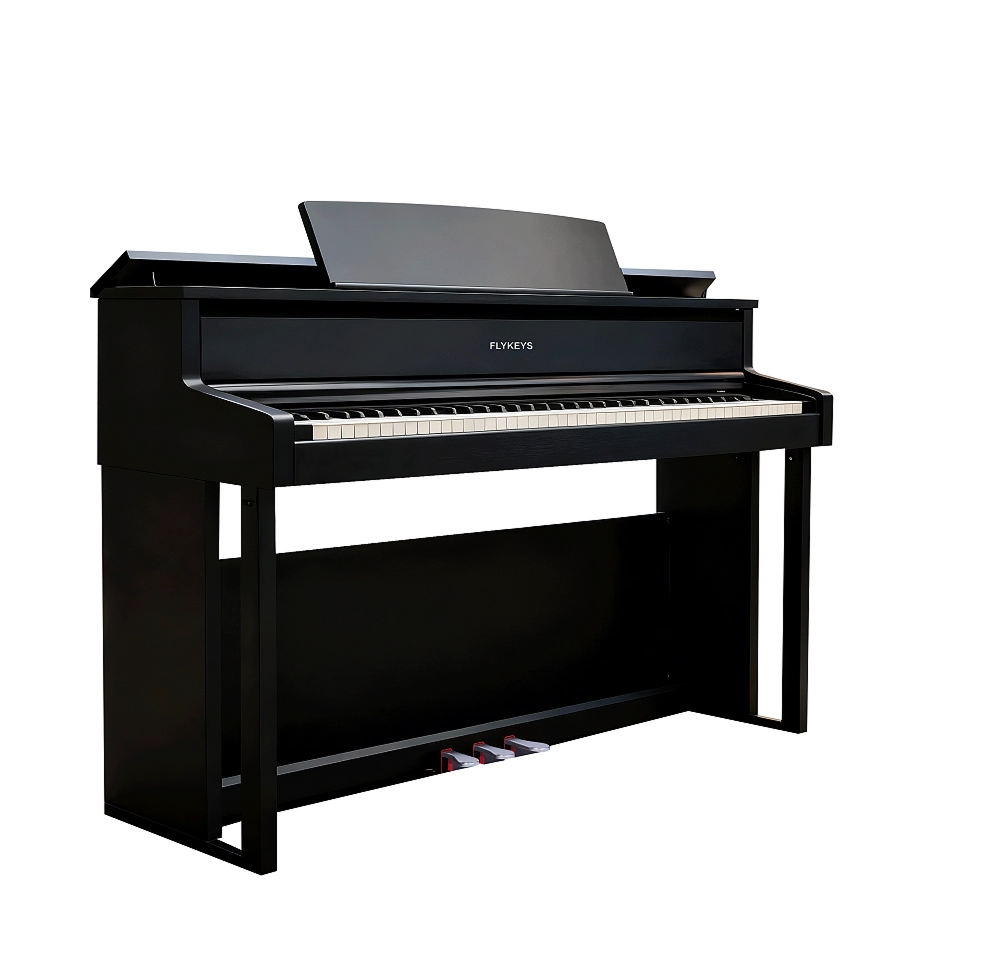
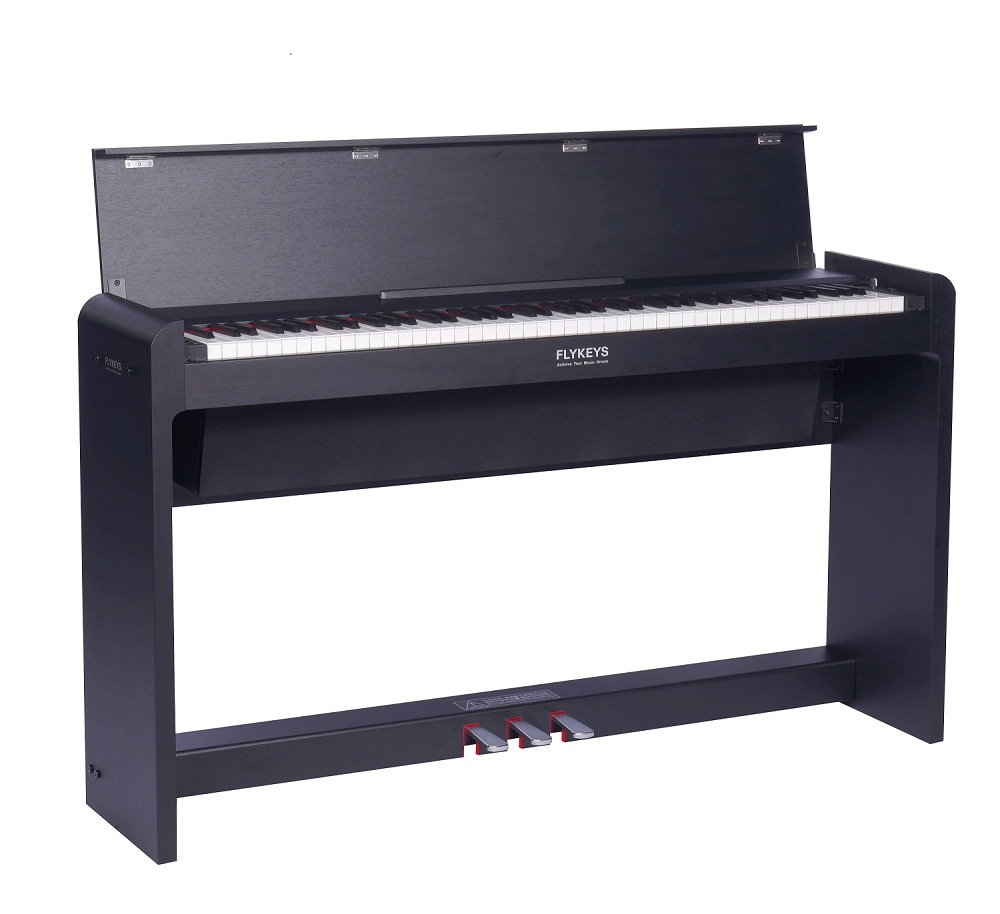
Schools need instruments that do more than reproduce notes. A successful digital piano program must support focused learning, withstand regular use, fit varied teaching spaces, and remain approachable for students at different stages of development. Commercial digital pianos for schools offer a practical way to create consistent access to piano instruction while addressing the everyday demands of education, including limited room, shared equipment, scheduling pressure, and the need for dependable operation.
Build a Stronger Foundation for Music Education
A digital piano can become an important part of a school’s learning environment. In an individual lesson, students need an instrument that responds clearly to changes in touch and dynamics so they can develop control, phrasing, rhythm, and confidence. In group instruction, teachers benefit from a consistent playing experience that allows attention to remain on musical progress rather than unpredictable instrument behavior.
Digital instruments can also help schools expand access to piano learning without requiring a full acoustic piano in every teaching area. Their typically compact format makes them suitable for classrooms, practice rooms, studios, libraries, and multipurpose spaces where floor area is valuable. When several rooms need piano capability, a consistent digital setup may simplify lesson planning and give students a more familiar experience across the campus.
For educators, useful selection priorities may include:
- A responsive, piano-style key action that supports proper technique
- Clear, balanced sound for both individual practice and instruction
- Headphone compatibility for quiet practice and reduced room-to-room disturbance
- Simple controls that students and teachers can understand quickly
- A stable design suited to frequent use in shared environments
Designed for Everyday School Use
Educational instruments face a different routine from those used in a private home. They may be played by many students each day, moved between activities, or positioned in rooms with changing acoustic conditions. A school-focused buying decision should therefore consider not only musical performance, but also workflow, supervision, maintenance, and ease of use.
Digital pianos can provide useful consistency because their sound does not depend on routine acoustic tuning in the same way as a traditional piano. This can help music departments manage multiple instruments and maintain a predictable foundation for lessons, examinations, ensembles, and practice sessions. Volume control and headphone use may also support flexible scheduling, especially when several classes or activities operate nearby.
Connectivity is another practical consideration. Depending on the chosen model, features such as audio connections, MIDI or USB integration, and compatible learning tools may help teachers incorporate recording, composition, notation, or digital music projects into the curriculum. These capabilities should be evaluated according to the school’s actual teaching goals rather than treated as substitutes for sound touch response and reliable core performance.
Choose an Instrument That Supports Long-Term Value
The best school piano purchase balances educational usefulness with responsible budget planning. A lower initial price may be less valuable if the instrument is difficult to operate, unsuitable for regular student use, or unable to support the department’s curriculum. Conversely, an advanced specification may not be necessary for every classroom. The right choice depends on location, student age, playing level, expected hours of use, teaching format, and available technical support.
Before ordering, schools should assess room dimensions, power access, stand or furniture requirements, seating position, storage, and whether the instrument will remain in one place. It is also wise to clarify warranty coverage, delivery arrangements, assembly needs, and service expectations. For music departments purchasing several instruments, consistency across models can simplify instruction, orientation, and future replacement planning.
Whether the goal is to equip a beginner classroom, refresh a practice suite, or create a reliable rehearsal resource, a carefully selected digital piano can make music education more accessible and manageable. Compare the category with the needs of your students and staff, then prioritize the combination of playing feel, sound clarity, practical controls, durability, and support that will serve the school year after year.
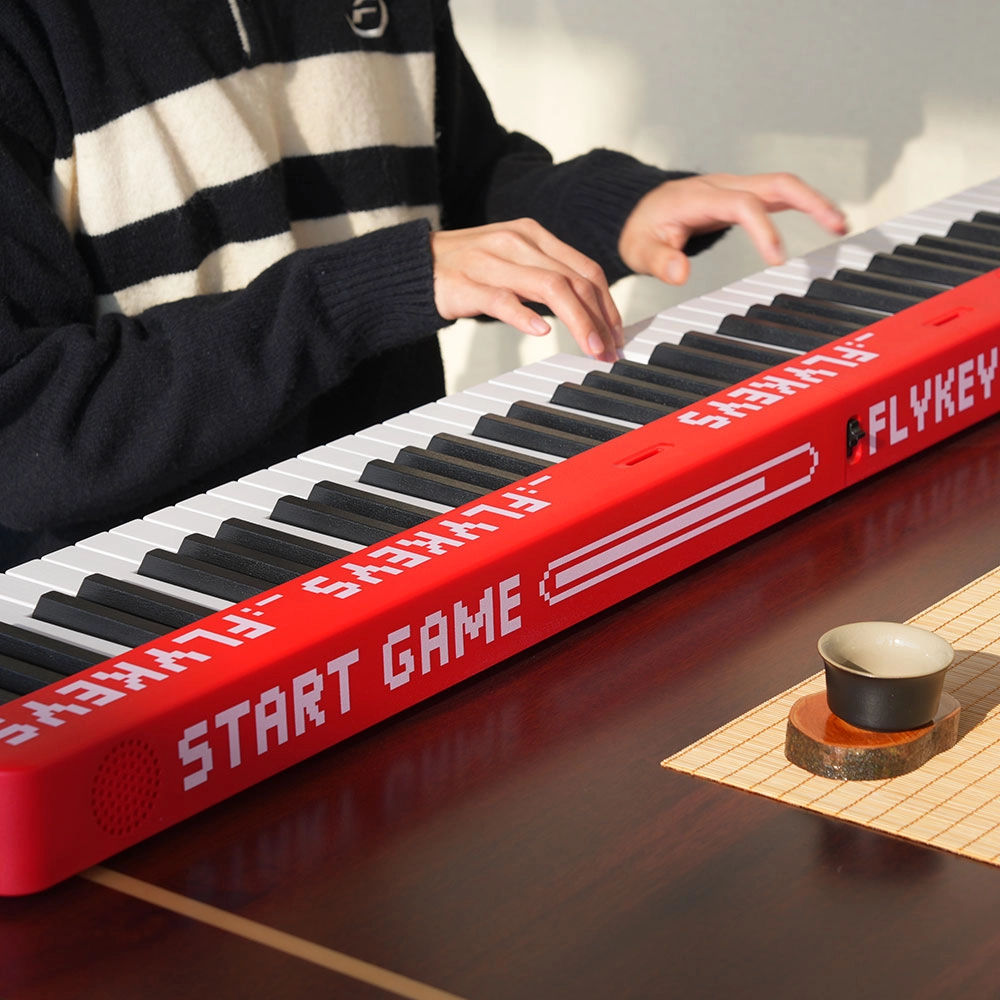
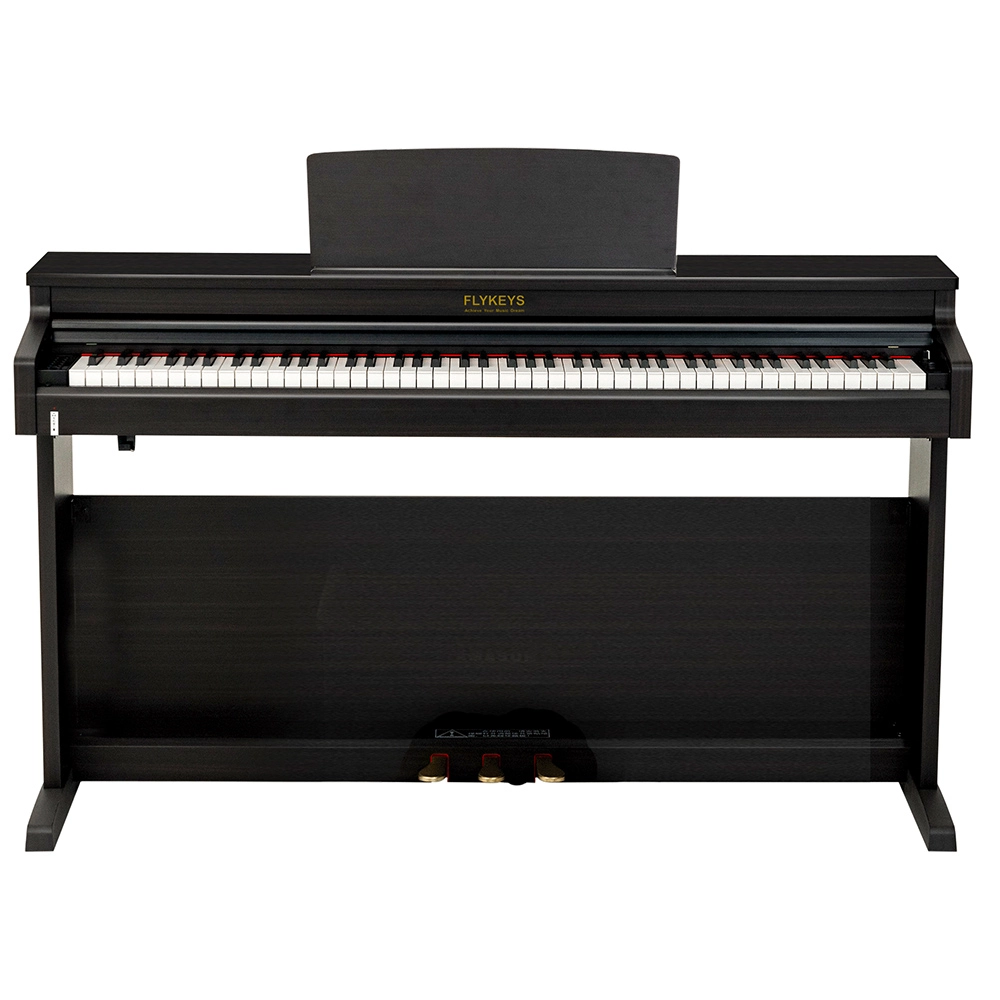
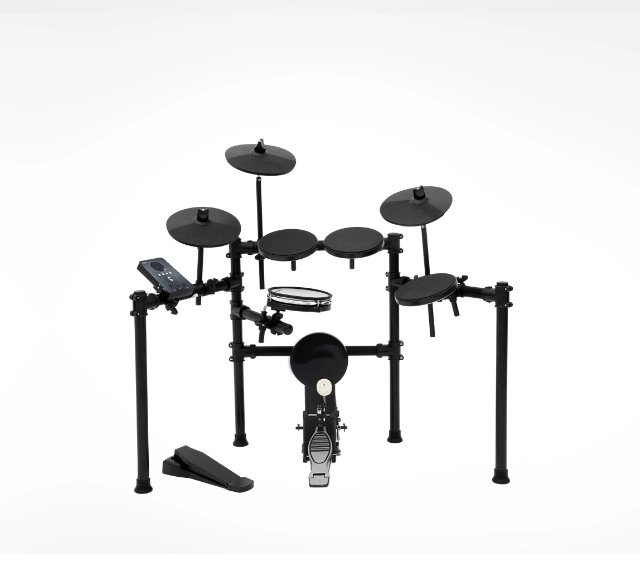
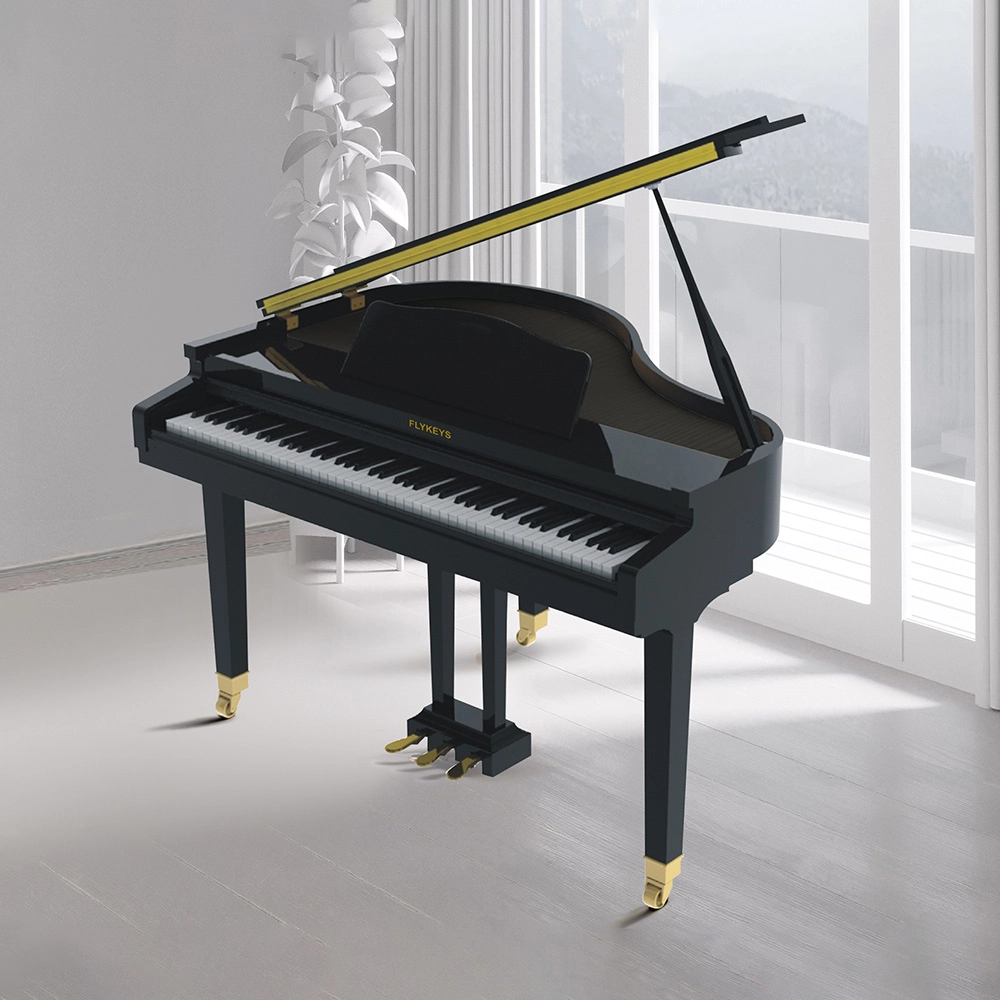
commercial digital pianos for schools Display


- Manufacturing Equipment
We have production lines that meet international standards and are equipped with various high-end laboratories to ensure the excellence and stability of product quality.
Top 10 Technological Enterprises in China's Musical Instrument Industry.
- PRODUCTS EXPORTED TO MORE THAN 50 COUNTRIES
Through continuous development, FLYKEYS has exported to more than 50 countries in Europe, Poland, Turkey, Russia, the United States, the Middle East, South Africa, etc.
- Excellent Service
Flykeys is a brand facing to the world market, we have professional R&D team and manufacturing team to handle all your requirements and aim to provide a high standard digital musical instruments product to our customers.
FAQ
What should schools consider when choosing a digital piano?
Schools should evaluate key action, sound clarity, expected daily use, room size, headphone compatibility, connectivity, ease of operation, stability, warranty coverage, and service arrangements. The best choice depends on whether the instrument will support beginner lessons, advanced study, rehearsal, performance, or several of these uses.
Are digital pianos suitable for classroom and group teaching?
Yes. Digital pianos can support classroom and group teaching when they provide a clear playing response, accessible controls, suitable volume management, and dependable operation. Headphone connectivity can be especially useful when students need to practice without disrupting nearby lessons.
Why might a school choose a digital piano instead of an acoustic piano?
A digital piano may offer advantages where schools need compact placement, adjustable volume, headphone practice, reduced tuning requirements, or consistent access across multiple rooms. Schools should still compare the desired playing experience, curriculum needs, maintenance plans, and budget before deciding.
Do school digital pianos need special maintenance?
Digital pianos generally do not require acoustic piano tuning, but they still benefit from regular cleaning, careful handling, safe cable management, appropriate environmental conditions, and prompt attention to electrical or operational issues. Schools should also follow the manufacturer’s care guidance and review warranty terms.
How many digital pianos does a school need?
There is no universal number. The appropriate quantity depends on enrollment, lesson structure, room availability, practice demand, ensemble requirements, and budget. A school can begin by identifying the rooms and activities that most need piano access, then plan additional instruments around timetable pressure and student usage.



Address: No. 38 Xiangshan Avenue, Zengcheng Economic And Technological Development Zone, Guangzhou, China.
FOLLOW US:
Copyright© 2026 FLYKEYS All Rights Reserved. 粤 ICP备2020102774号. Designed by Gooeyun. Sitemap | Privacy | Terms
FLYKEYS
FLYKEYS
flykeys-music
Flykeys Music