

Cost-Effective Pianos for School Districts

Cost-effective pianos for school districts can help schools support music education while making responsible use of limited budgets. The right choice depends on where the instrument will be used, how often it will be played, who will maintain it, and whether students need an acoustic or digital piano. A clear evaluation of these needs helps district teams compare options on practical value—not purchase price alone—and select an instrument suited to daily learning and performance.
Choose a Piano That Fits the Learning Environment
Start by considering the piano’s primary setting. A music classroom may need an instrument that supports regular lessons and group activities, while an auditorium piano may be expected to serve rehearsals, concerts, and ceremonies. Practice rooms, multipurpose spaces, and shared classrooms can present different priorities, including available floor space, portability, volume control, or straightforward operation.
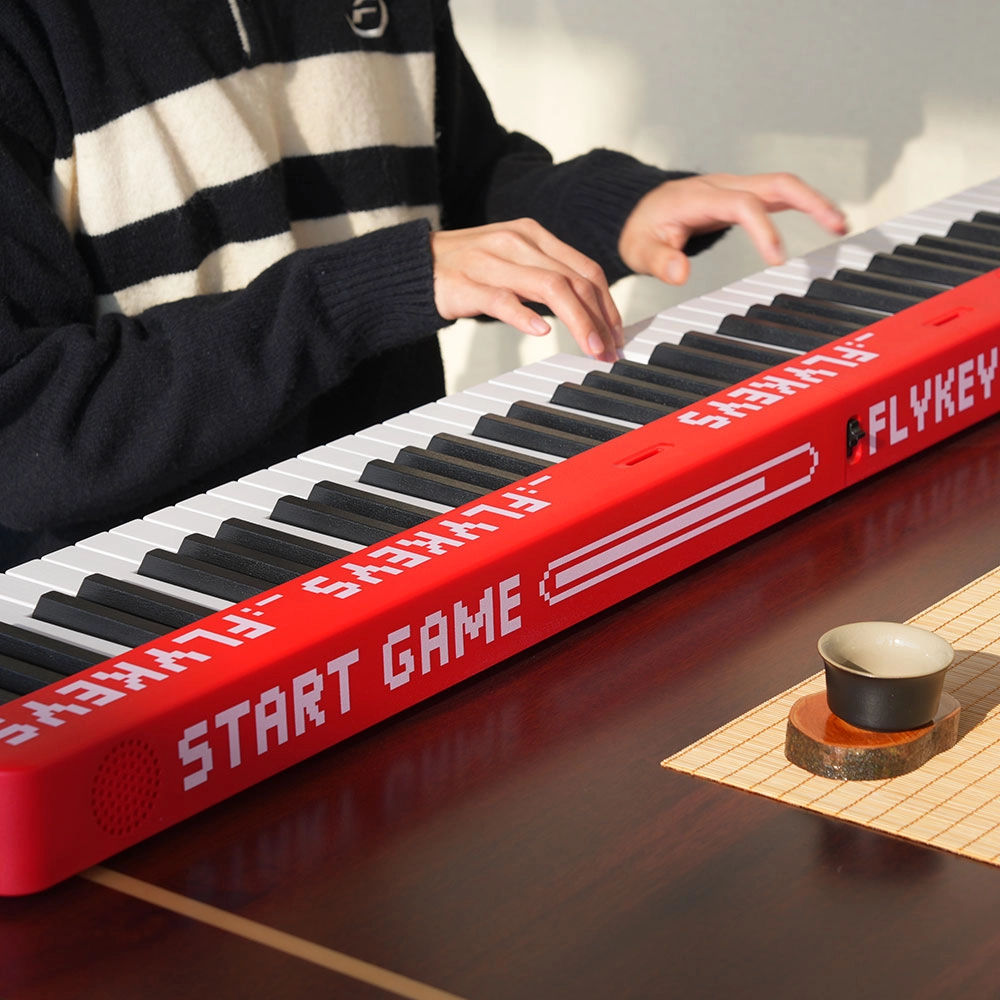
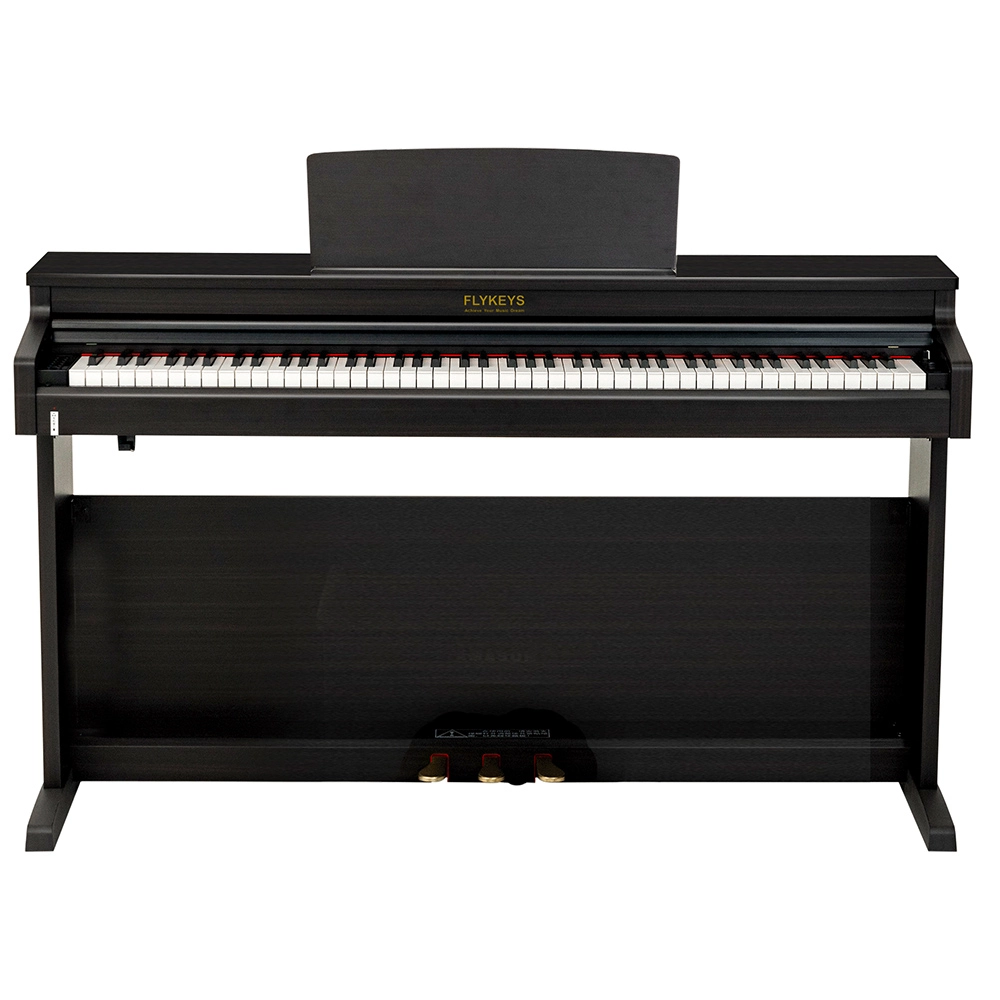
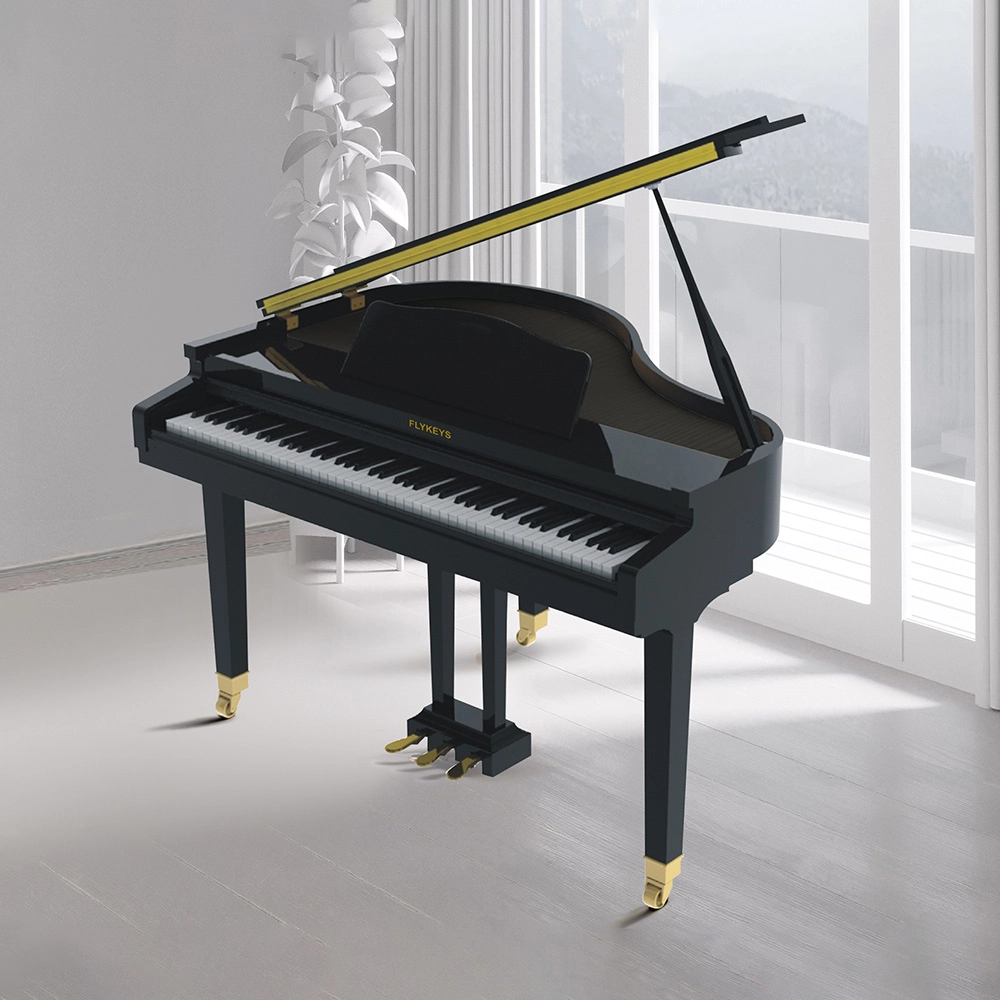
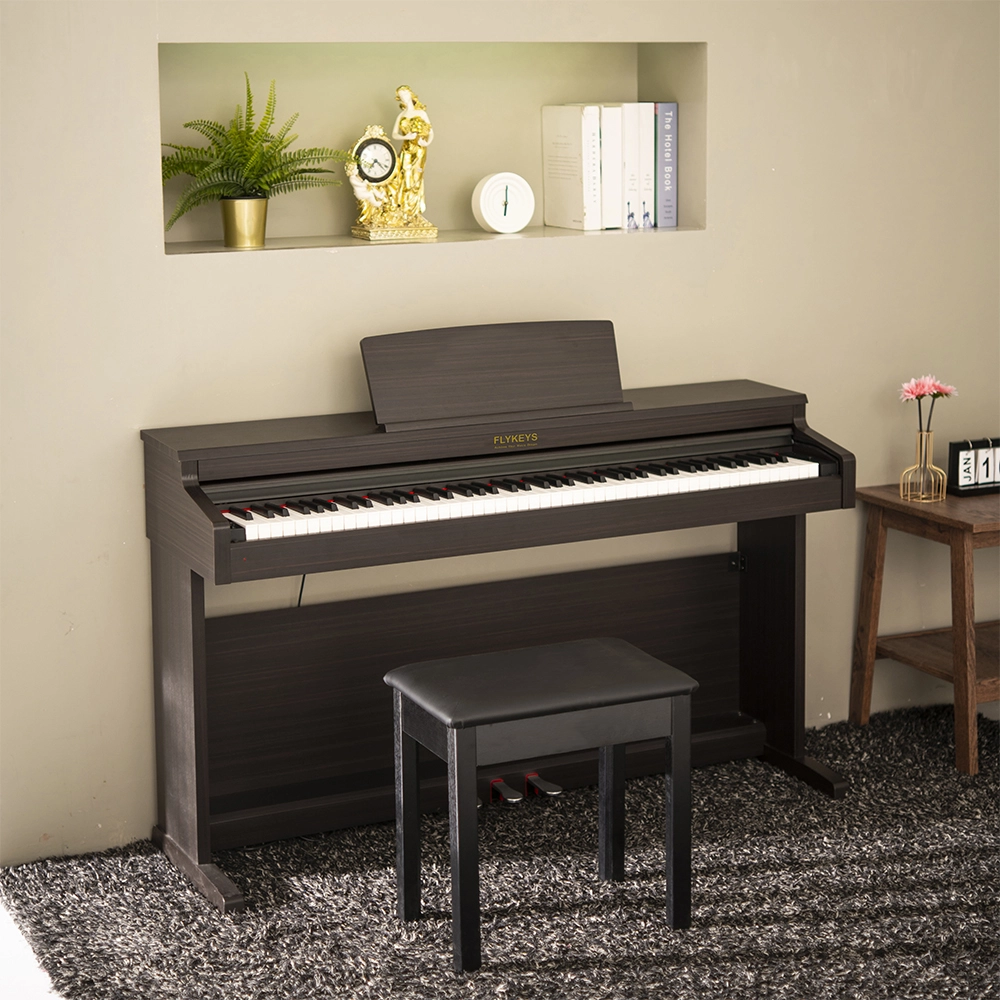
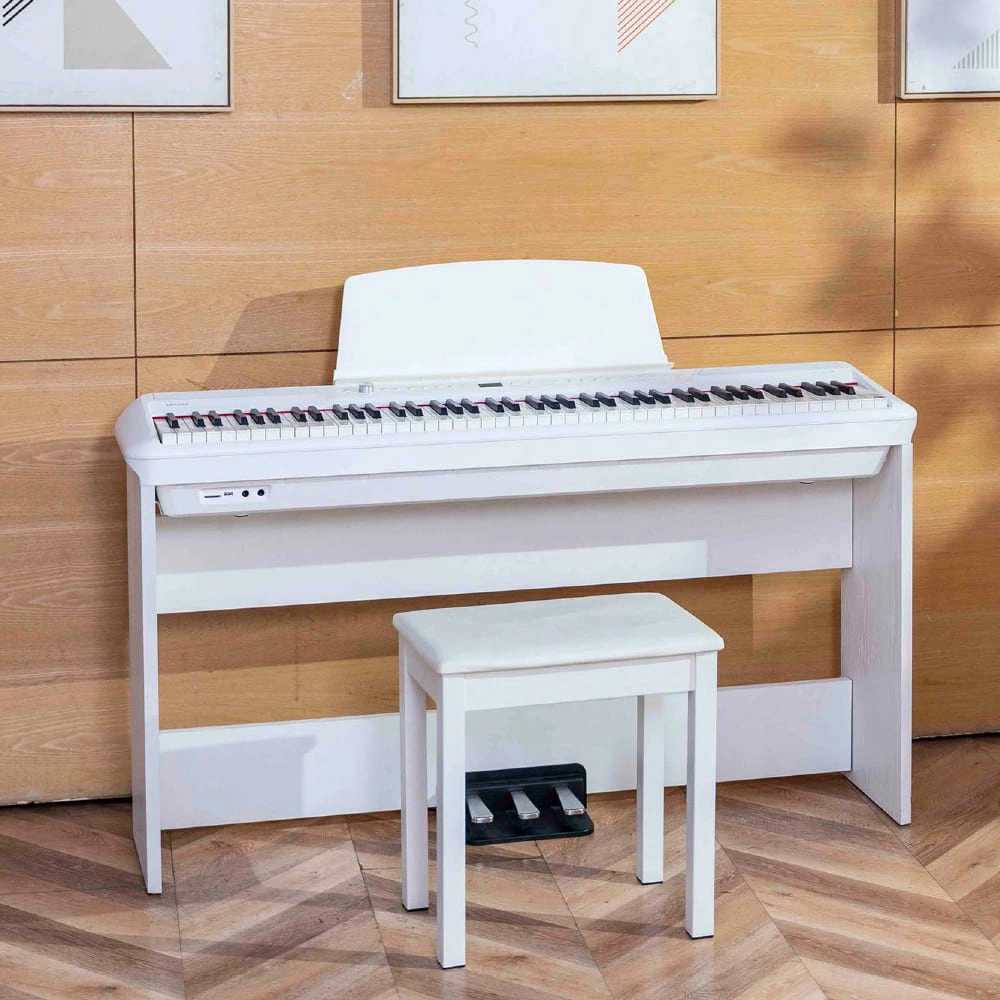
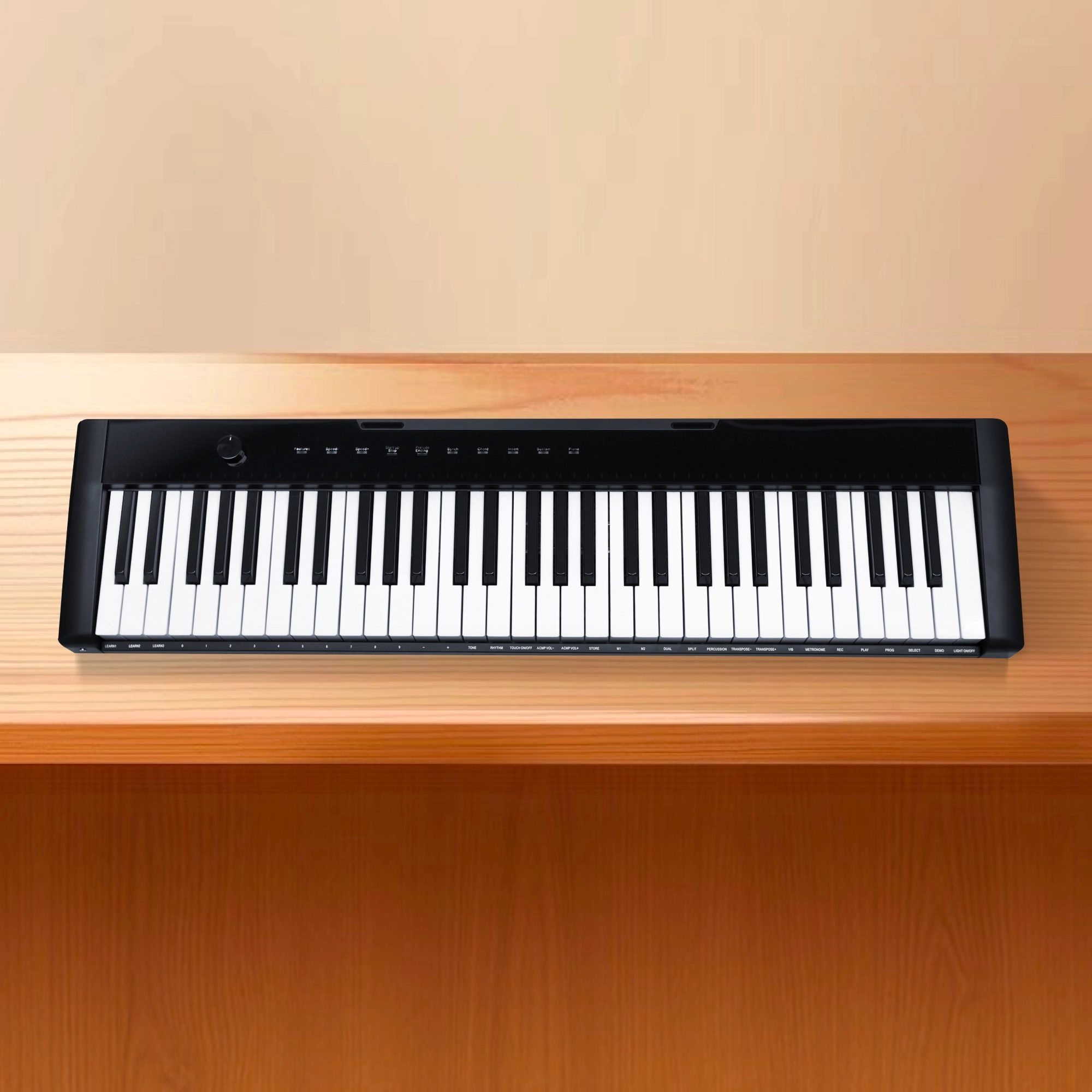
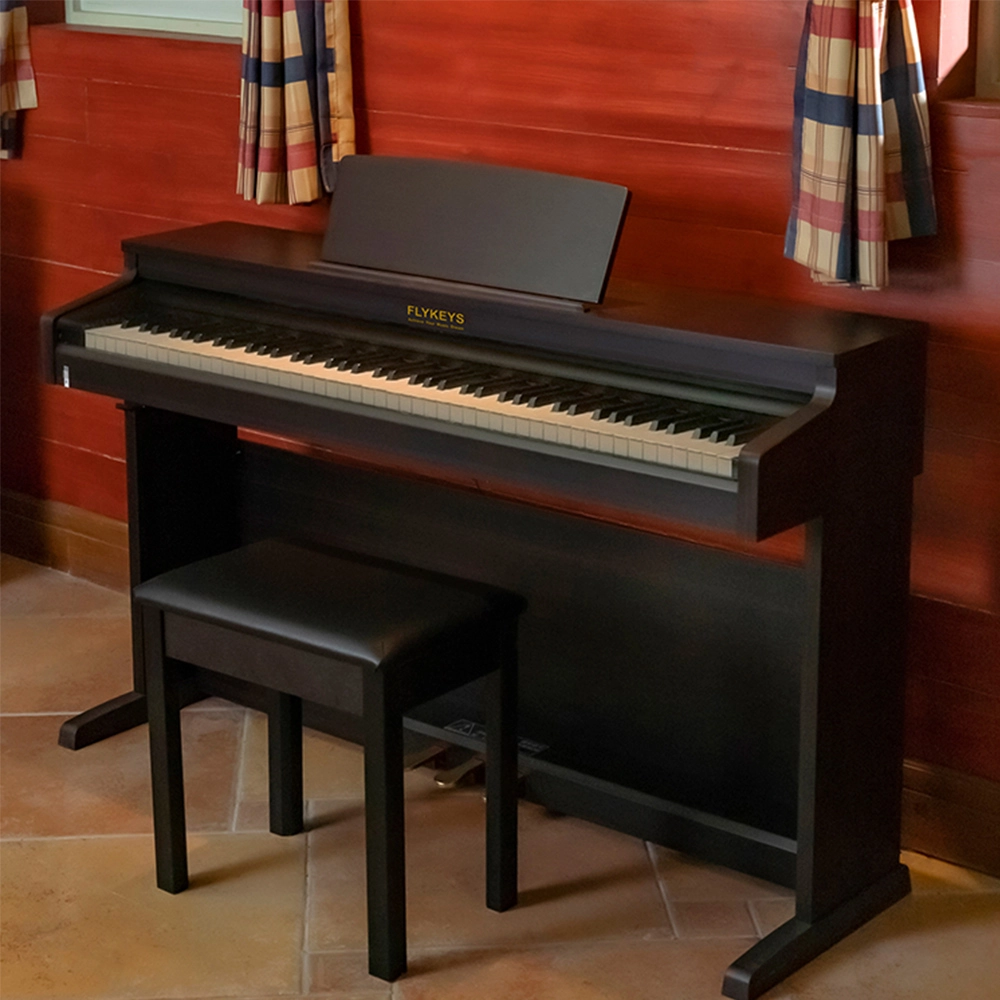
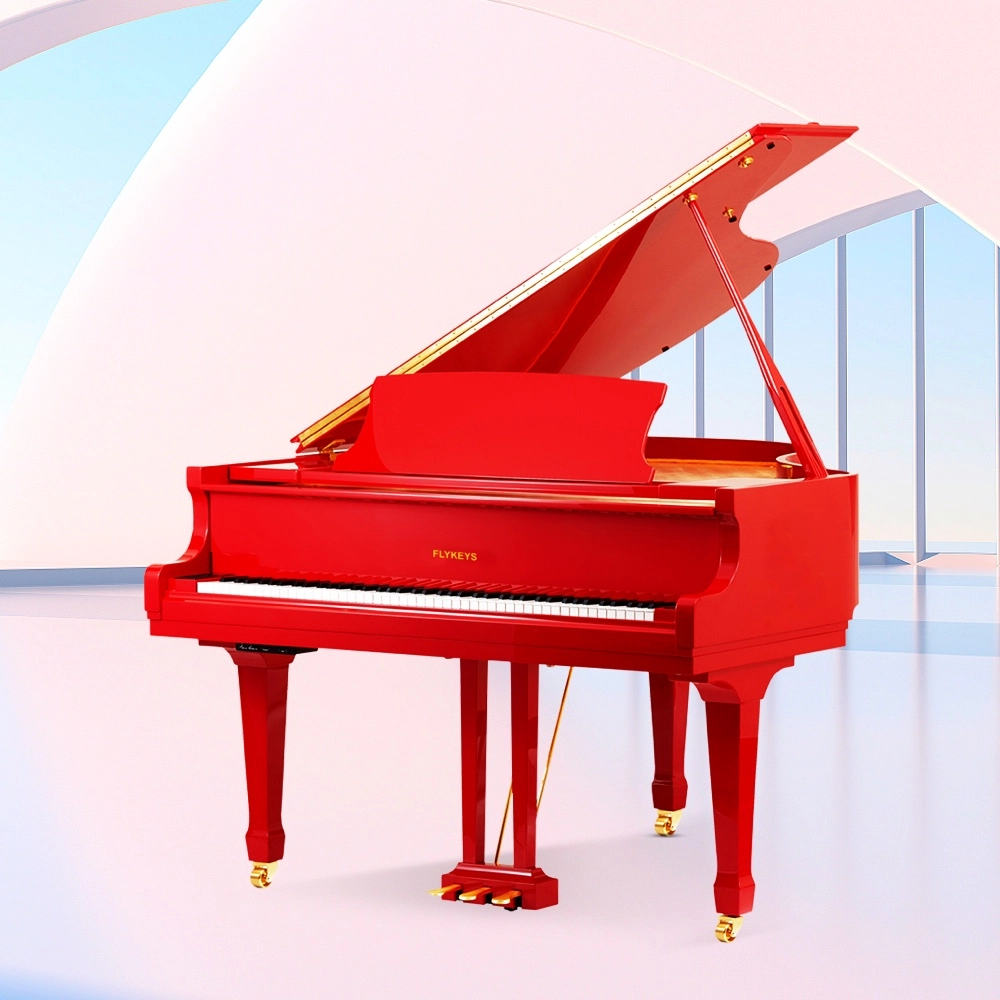
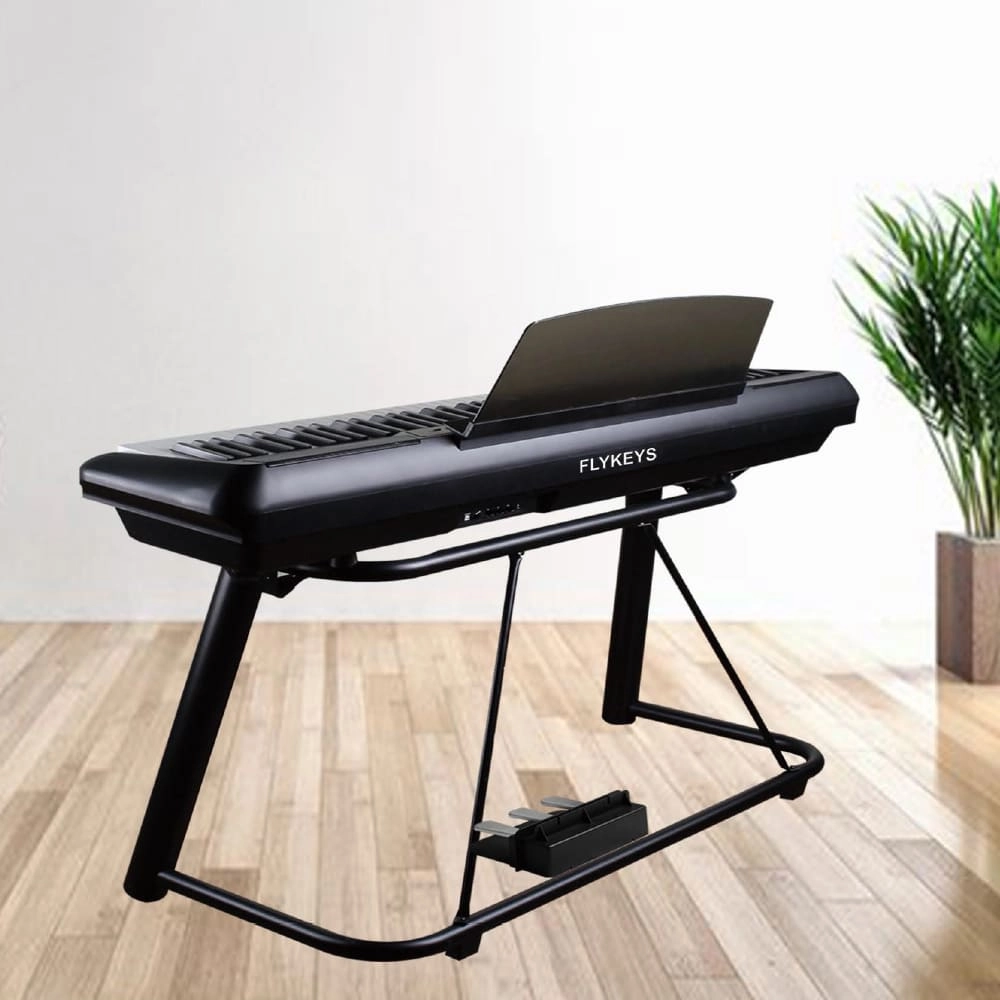
Acoustic and digital pianos serve different purposes. Acoustic instruments create sound mechanically and may suit schools seeking a traditional piano experience, but they also require suitable placement and ongoing tuning and care. Digital pianos produce sound electronically and may offer useful features for shared or flexible learning spaces, depending on the specific model. These can include headphone connections, adjustable volume, and varied sounds, but features differ, so buyers should verify specifications rather than assume they are included.
Involve music educators in the selection process. Teachers can identify whether students need a full-size keyboard, an instrument for accompanying ensembles, or a dependable piano for introductory instruction. A short list based on actual teaching activities makes it easier to compare suitable options and avoids paying for capabilities a school will rarely use.
Evaluate Long-Term Value, Not Just the Initial Price
A lower purchase price does not always mean a lower cost over the instrument’s useful life. Districts can make a more informed comparison by considering delivery, setup, maintenance, accessories, expected usage, and the availability of service. For an acoustic piano, ask about tuning needs, environmental conditions, and local technician access. For a digital instrument, review warranty terms, connectivity, power requirements, and the replacement availability of compatible accessories.
Durability matters when an instrument will be shared by many students. Check construction, warranty coverage, and care guidance, and ask how the instrument should be stored or moved. In busy schools, clear routines for supervision and basic care can help protect equipment, regardless of piano type. If an instrument must move between rooms, confirm its weight and whether a suitable stand, cover, or transport solution is needed.
District procurement teams may also benefit from comparing quotes on a consistent basis. Confirm what each quote includes, such as delivery or setup, and document differences in warranty and service. When purchasing multiple instruments, clarify whether the proposed models meet the needs of each location rather than assuming one configuration will suit every school. A transparent comparison supports budgeting and helps staff understand the trade-offs behind the final decision.
Plan for Inclusive, Reliable Music Education
A well-chosen piano can serve learners at different stages, from first lessons to ensemble practice. Consider how students will access the instrument, whether teachers need to demonstrate while students listen, and how the piano will fit into the school’s wider music program. Digital features may support quiet individual practice in some settings, while an acoustic piano may be preferred for particular performance or teaching contexts. The appropriate choice is the one that aligns with the school’s goals, room, staffing, and budget.
Before ordering, check practical details: available space, electrical access if required, delivery routes, installation needs, and who will be responsible for ongoing care. Ask suppliers for written specifications and warranty information, and arrange a demonstration when possible. These steps help schools make a confident, needs-based decision and set realistic expectations for use.
There is no single piano that is right for every district. By balancing educational purpose, total ownership costs, durability, and serviceability, school teams can prioritize instruments that support dependable learning without stretching limited resources. This thoughtful approach makes it easier to compare budget-friendly piano options and choose equipment that can contribute meaningfully to music education.
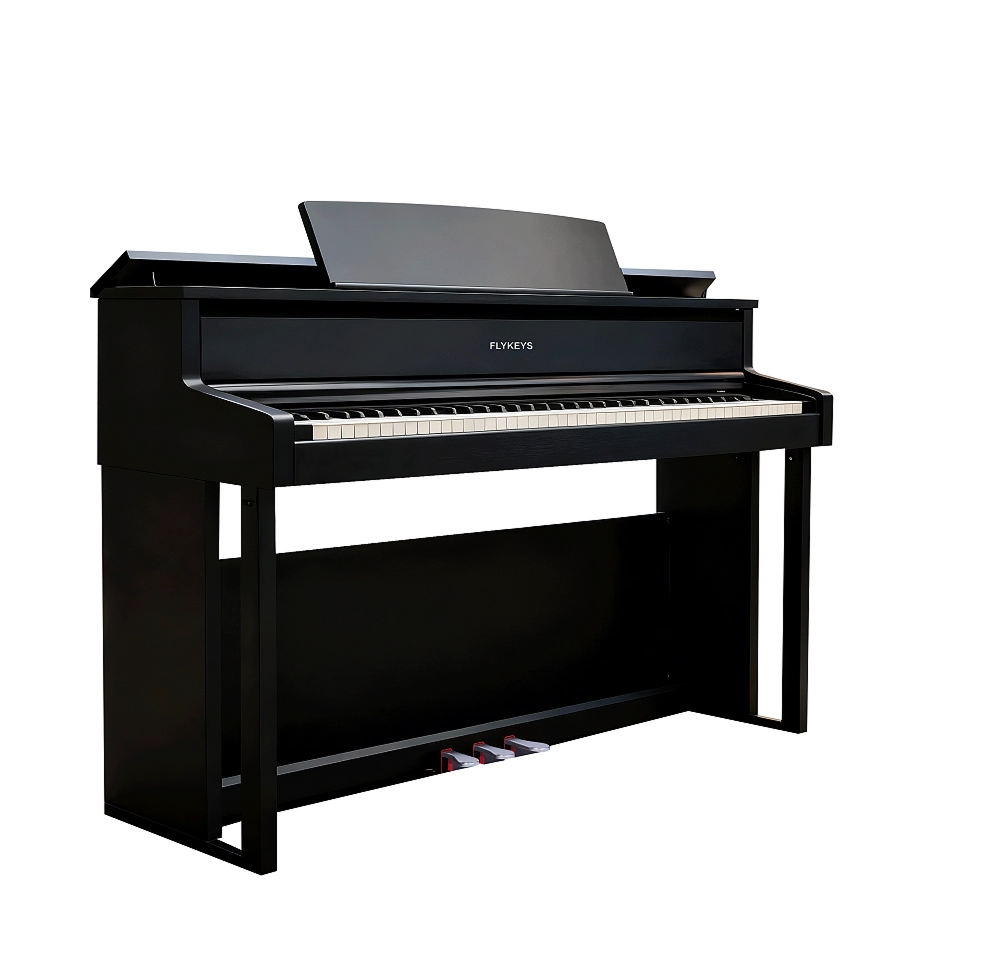
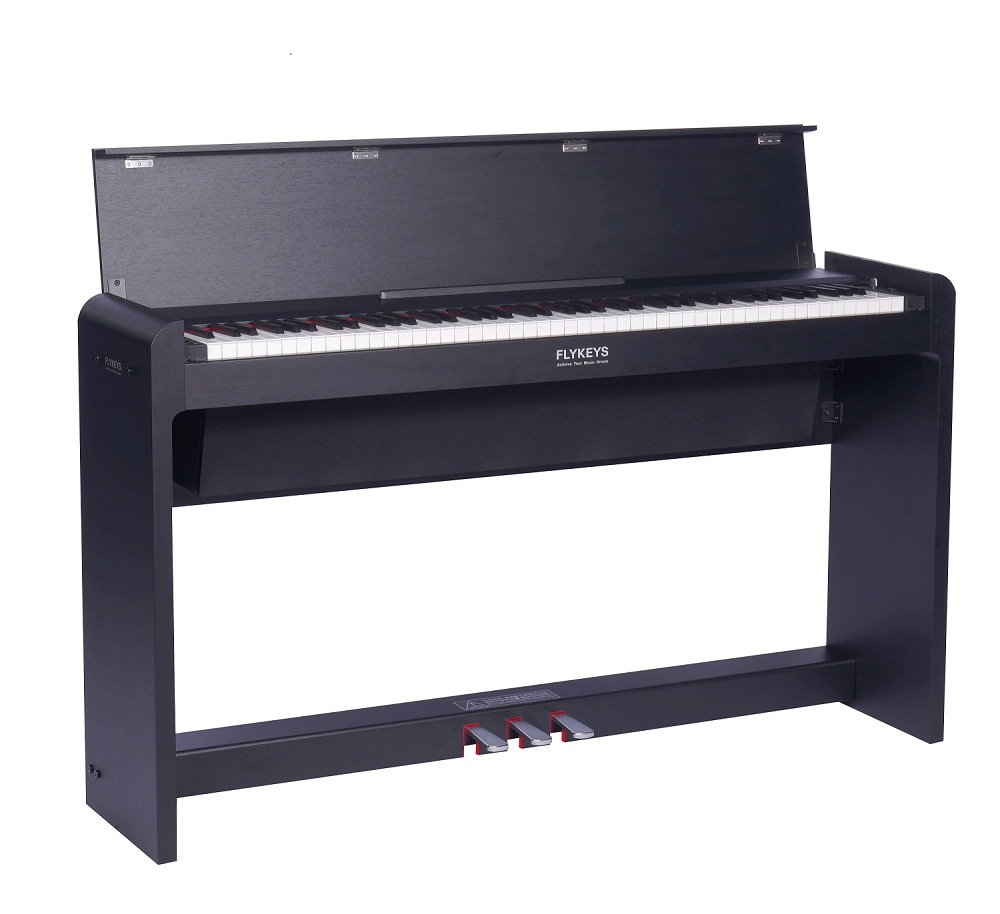
cost-effective pianos for school districts Display


Top 10 Technological Enterprises in China's Musical Instrument Industry.
- THE FIRST LISTED COMPANY IN THE MUSICAL INSTRUMENT INDUSTRY
After 10 years of high-speed development, Pearl River Amason has become a public company on NEEQ in Beijing, China, and has become the first listed company in the Chinese musical instrument industry.
- 112 PATENT CERTIFICATES AND SOFTWARE COPYRIGHTS
After years of development, we have a wealth of independent research and development achievements, 104 patent certificates and 8 software copyrights.
Top 50 Musical Instrument Manufacturers.
- Quick Response
Any questions about FLYKEYS, please feel free to contact with us via online chat,email or phone call.We will try out best to meet your requirements and we will reply to you within 24 hours.
FAQ
How should a school district choose between an acoustic and a digital piano?
Begin with the instrument’s intended use, room, and teaching goals. Acoustic pianos may suit traditional instruction and performance, while digital models may offer features such as adjustable volume or headphone connections, depending on the model. Compare the specific specifications, care needs, and costs before deciding.
What costs should districts consider beyond the purchase price?
Compare delivery, setup, accessories, maintenance, warranty coverage, and likely service needs. Acoustic pianos require tuning and appropriate care; digital models have their own power, accessory, and service considerations. Request itemized quotes so the district can compare total costs consistently.
Are digital pianos suitable for school music programs?
They can be suitable for many learning settings, but suitability depends on the curriculum and model. Check keyboard specifications, sound and connection features, durability, and warranty details, and consider a demonstration to assess whether the instrument meets teachers’ needs.
How can schools assess whether a piano will withstand regular student use?
Review construction information, warranty coverage, care instructions, and service availability. Consider how frequently the instrument will be used and whether it will be moved between rooms. Establishing basic supervision and care routines can also help protect shared equipment.
What should a district confirm before placing an order?
Confirm the piano’s specifications, dimensions, delivery and setup arrangements, warranty terms, required accessories, and any maintenance expectations. Check room space, delivery access, and electrical requirements for digital models, and verify that the selected instrument fits its intended educational use.



Address: No. 38 Xiangshan Avenue, Zengcheng Economic And Technological Development Zone, Guangzhou, China.
FOLLOW US:
Copyright© 2026 FLYKEYS All Rights Reserved. 粤 ICP备2020102774号. Designed by Gooeyun. Sitemap | Privacy | Terms
FLYKEYS
FLYKEYS
flykeys-music
Flykeys Music