

Digital Pianos for School Music Teachers
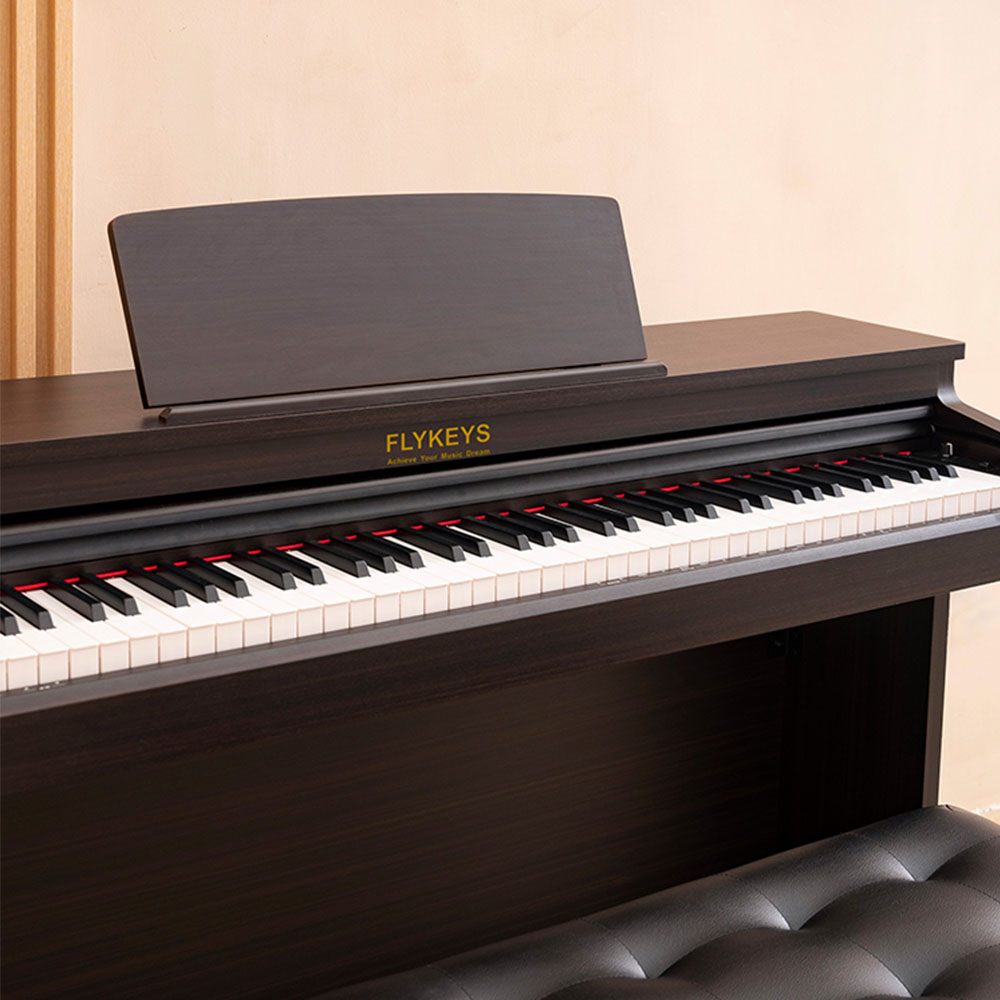
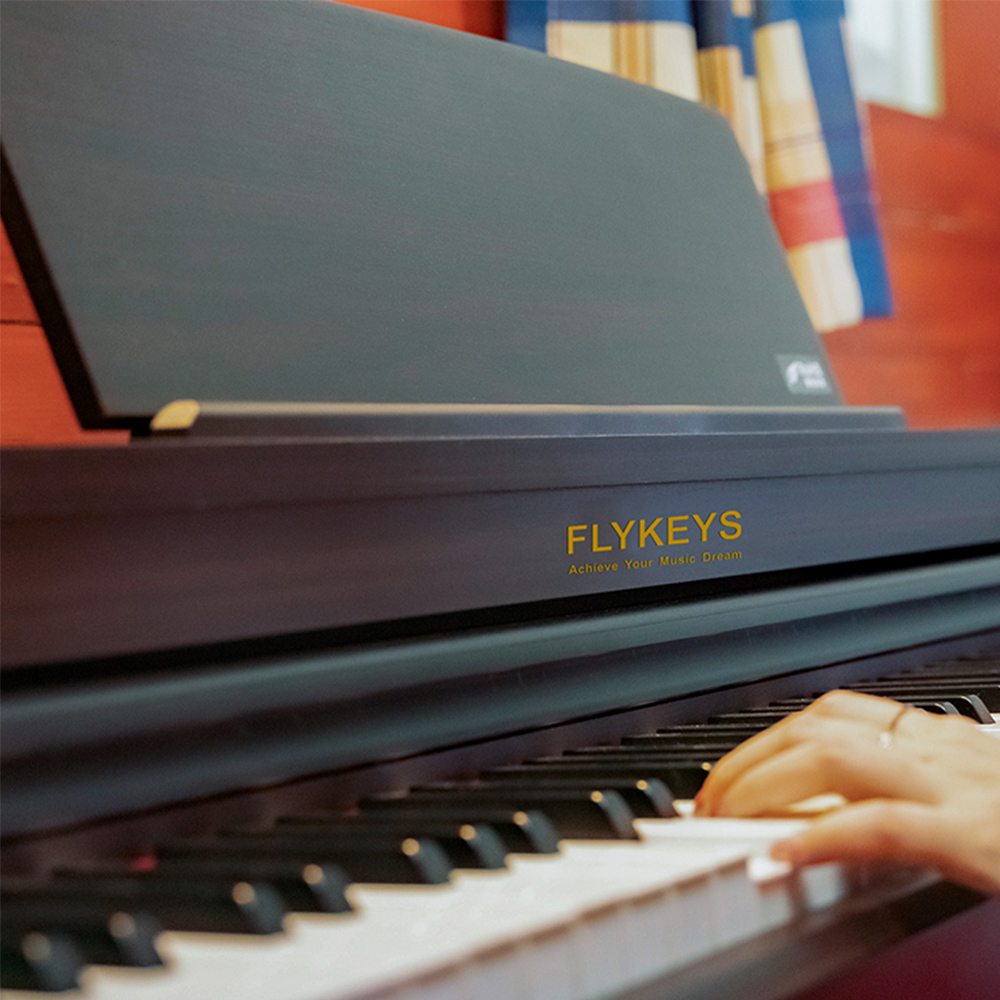
Digital pianos for school music teachers can support everything from a first keyboard lesson to rehearsal and independent practice. The right choice depends on how the instrument will be used, who will play it, and the realities of the teaching space. Consider keyboard feel, sound, useful connections, portability, and the demands of frequent shared use. Since no specific models or product specifications are provided here, treat this guide as a framework for comparing options and confirm features with the seller before buying.
Choose an Instrument That Supports the Way You Teach
A school piano is more than a practice instrument: it is part of the classroom routine. Teachers may use it to demonstrate melodies, accompany singing, introduce technique, or help students explore musical ideas. A clear, responsive playing experience can make demonstrations easier to follow and encourage students to listen closely to pitch, dynamics, and phrasing.
Start by matching the keyboard to your teaching goals. If students are learning piano fundamentals, a layout and playing feel that help them develop consistent technique may be especially important. If the instrument will primarily accompany a class, consider how its sound carries in the room and whether the available tone options suit the repertoire. The best fit is not necessarily the model with the longest feature list; it is the one whose capabilities serve lessons consistently.
Think about the players, too. A single teacher may need different things from a keyboard shared by students across several classes. For group use, straightforward controls and an intuitive setup can reduce lesson interruptions. For individual instruction, a teacher may value a playing response that makes musical details easier to demonstrate. Review the specifications and, where possible, try the instrument before making a decision.
Compare Practical Features for School Environments
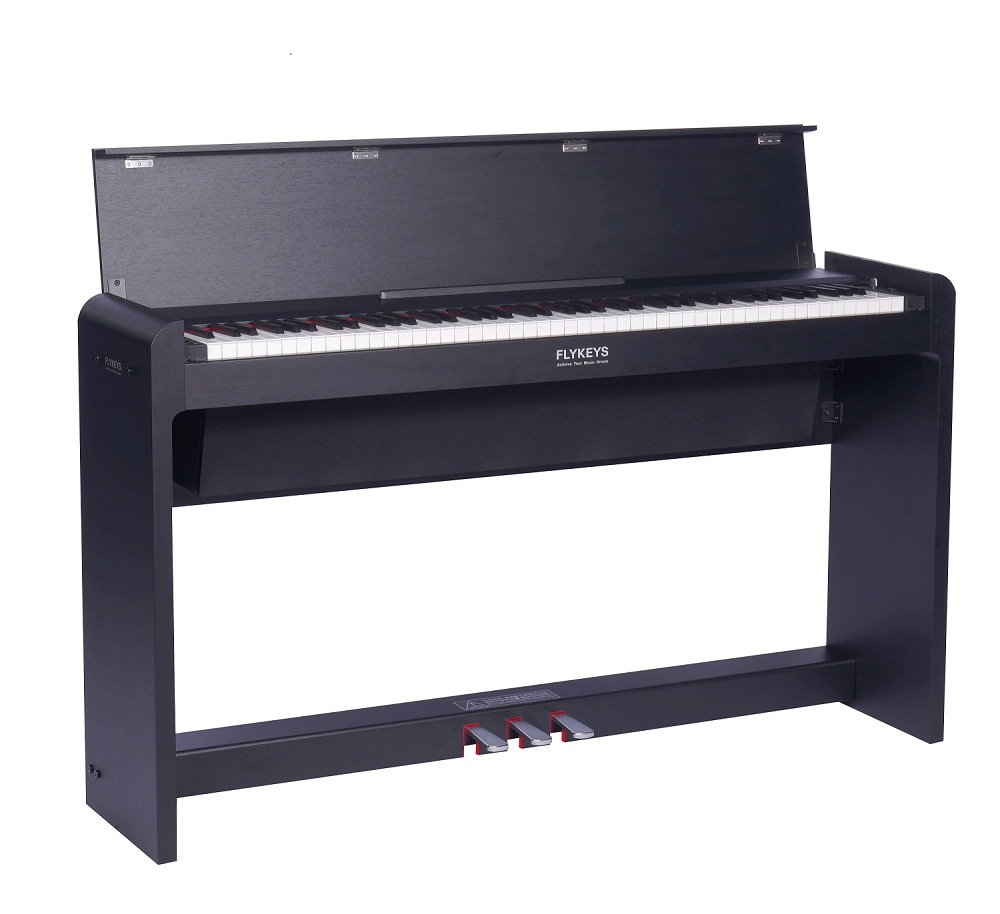
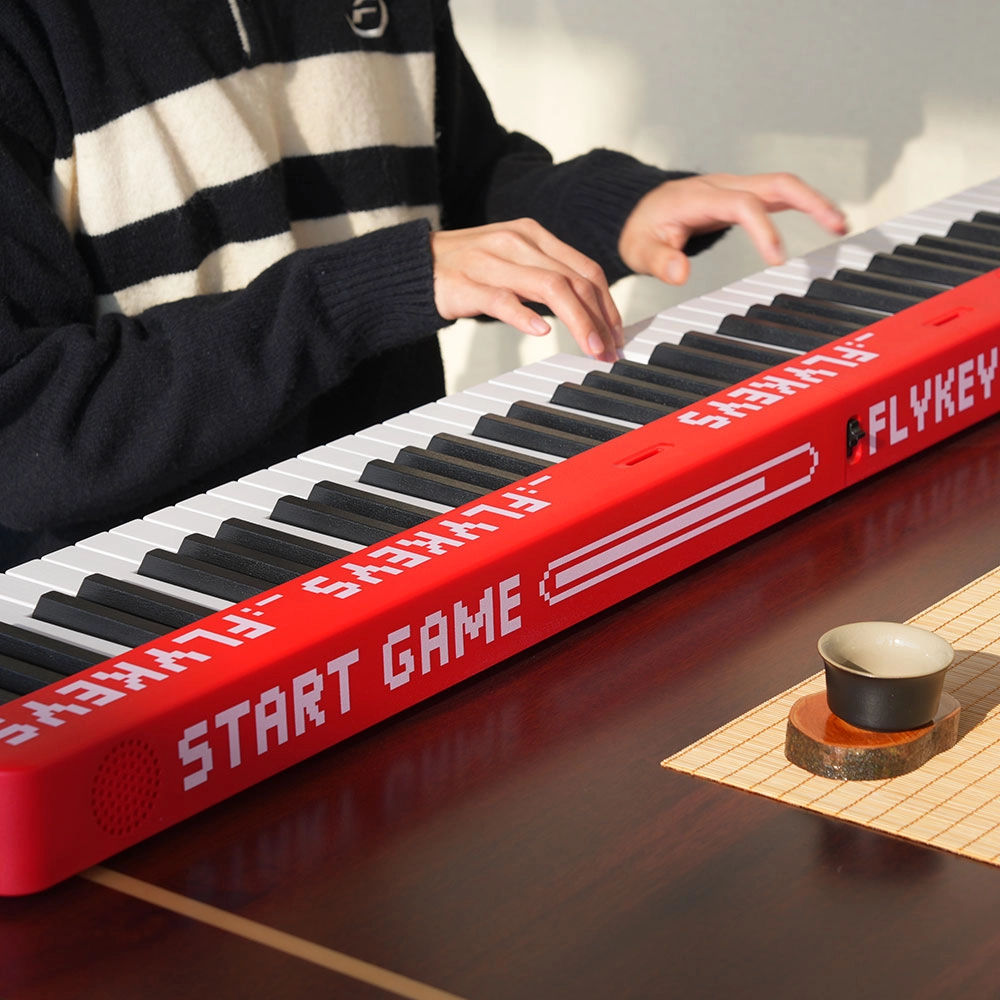
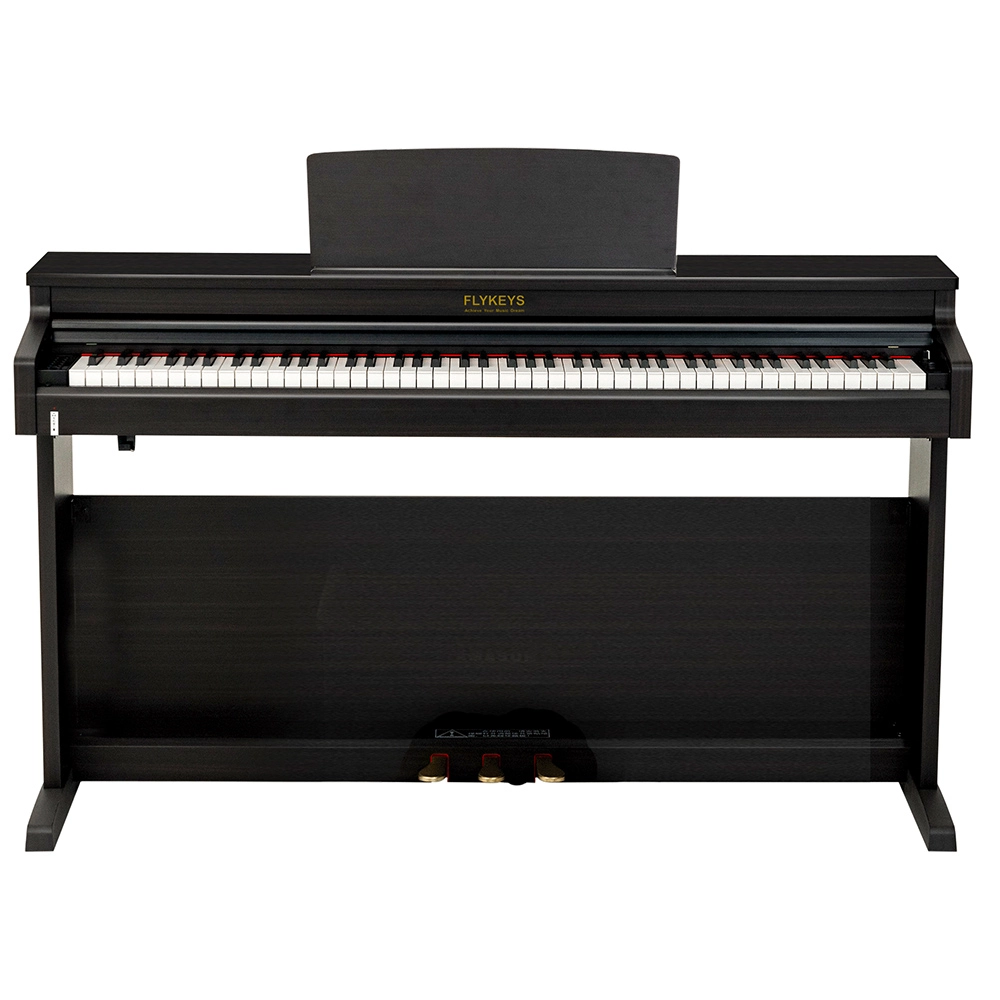
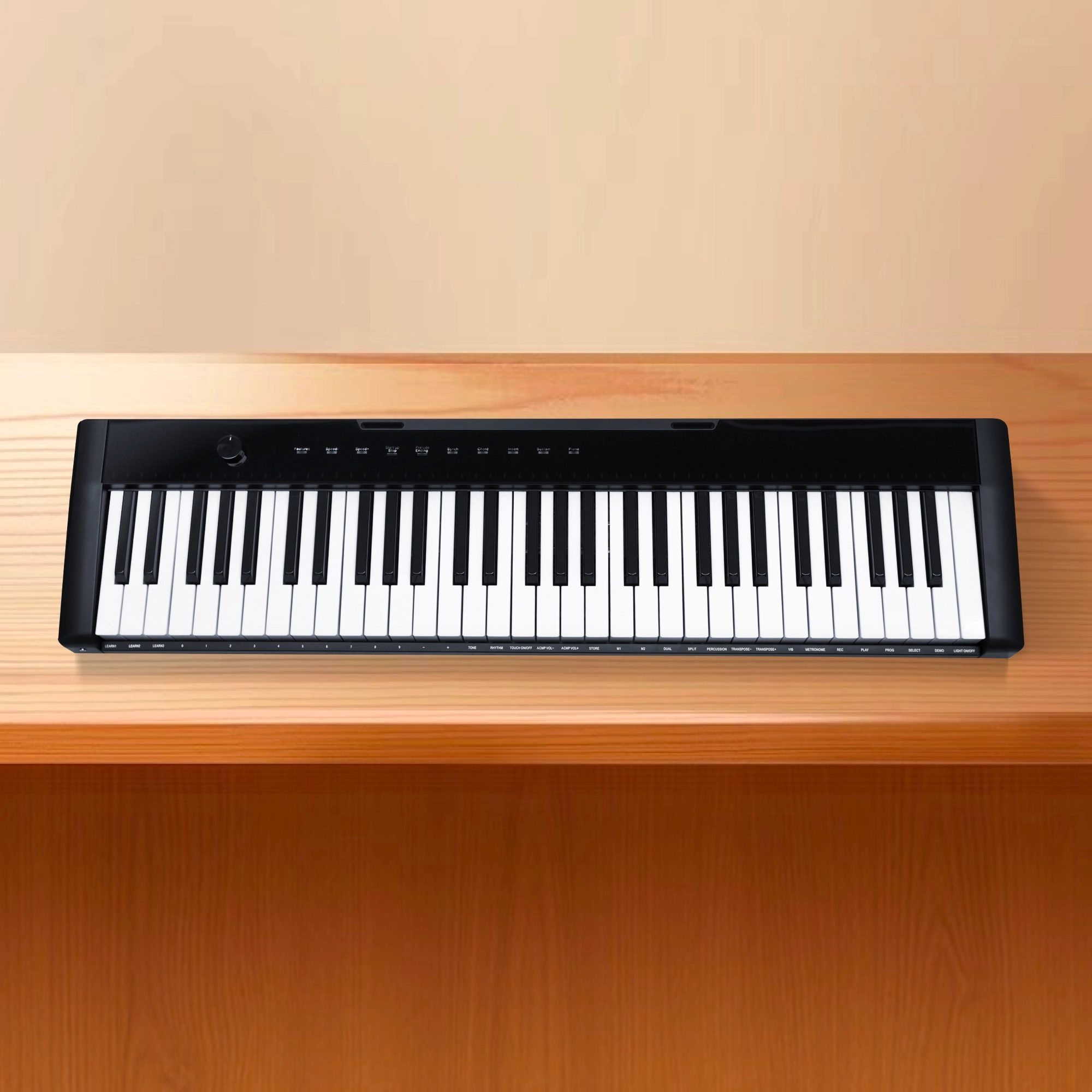
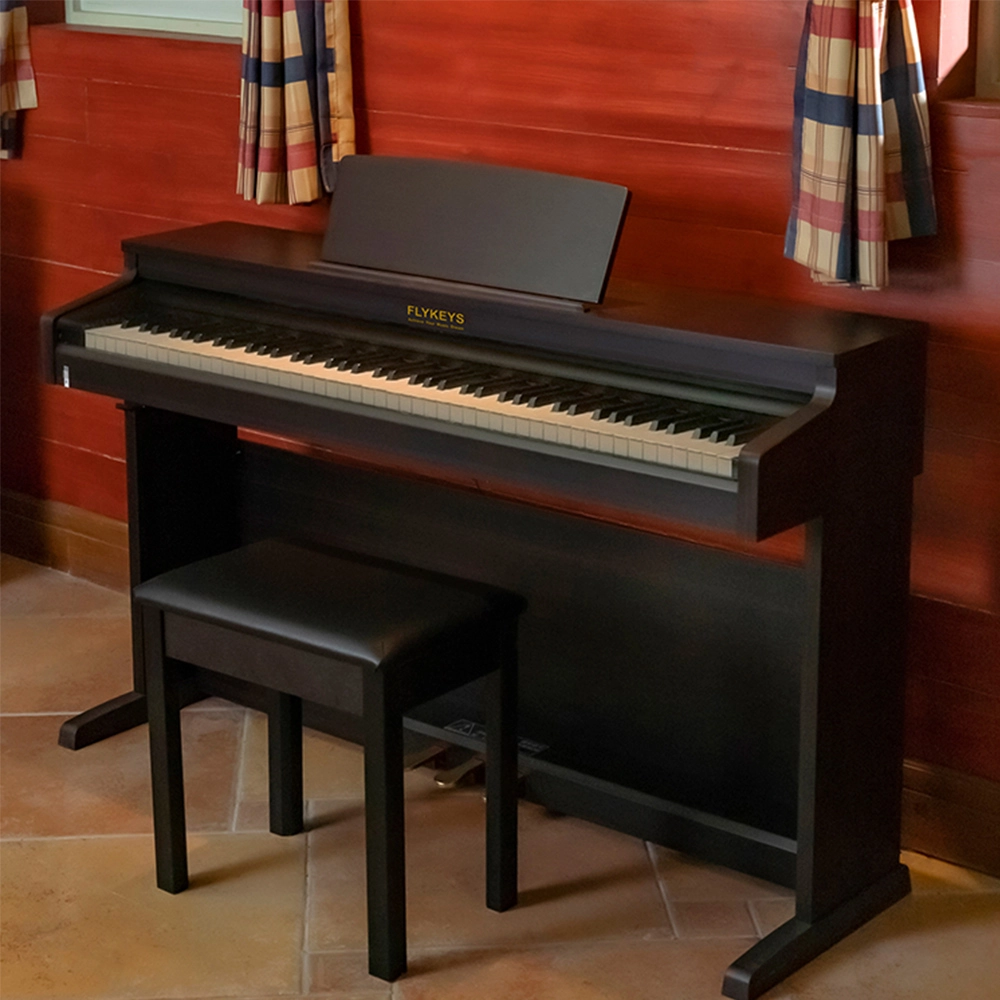
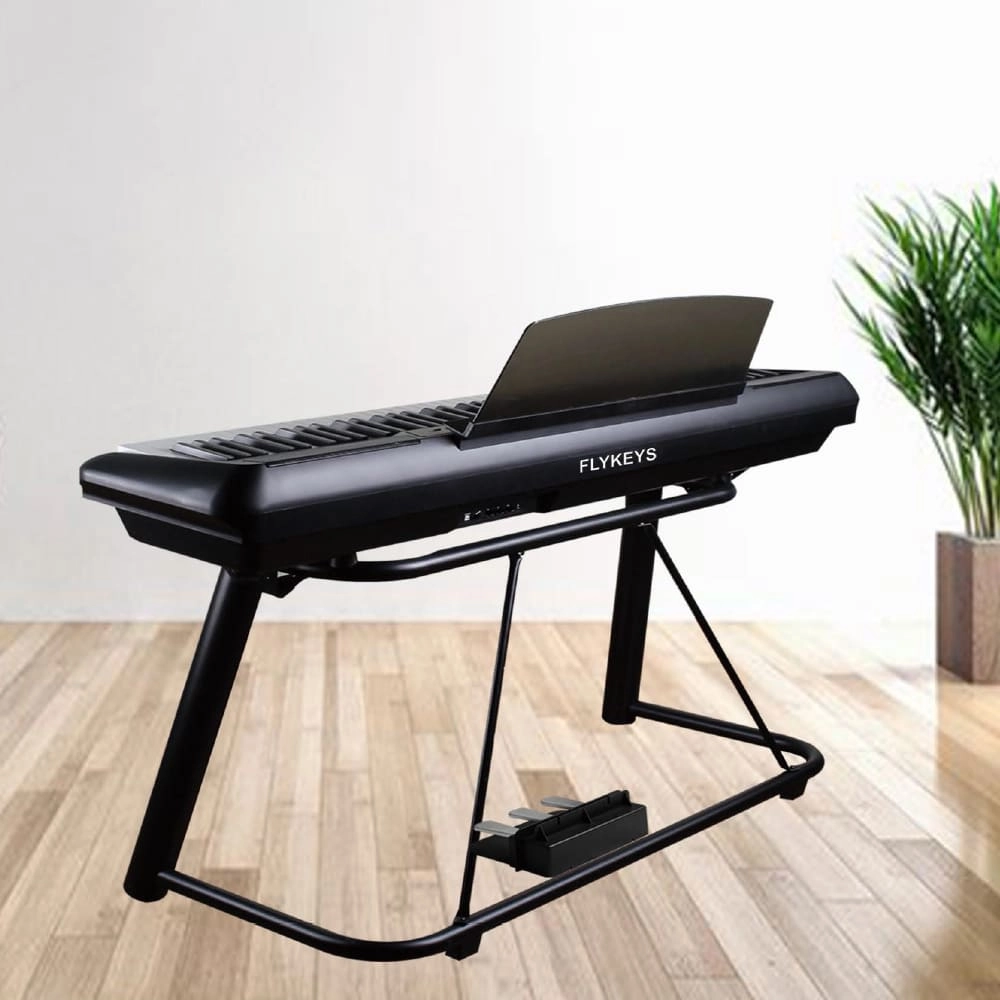
School spaces are busy and changeable. An instrument may be used in a dedicated music room, moved between classrooms, or stored when lessons end. Consider its dimensions, weight, stand and seating requirements, and the time needed to set it up. A portable option can make room changes easier, while a more permanent setup may suit a room where the piano is used throughout the day.
Connections can also shape how smoothly a digital piano fits into teaching. Check the product details for the inputs, outputs, or device compatibility your lessons require rather than assuming every model includes the same options. Headphone support may be useful for quiet practice or focused instruction, while audio connections or compatible digital features may support particular classroom activities. Confirm what is included in the box; stands, pedals, headphones, and cables can be sold separately.
- Playing experience: Compare the keyboard feel and the available information about key response.
- Sound and teaching use: Consider whether the instrument’s documented sounds and volume controls suit your room and repertoire.
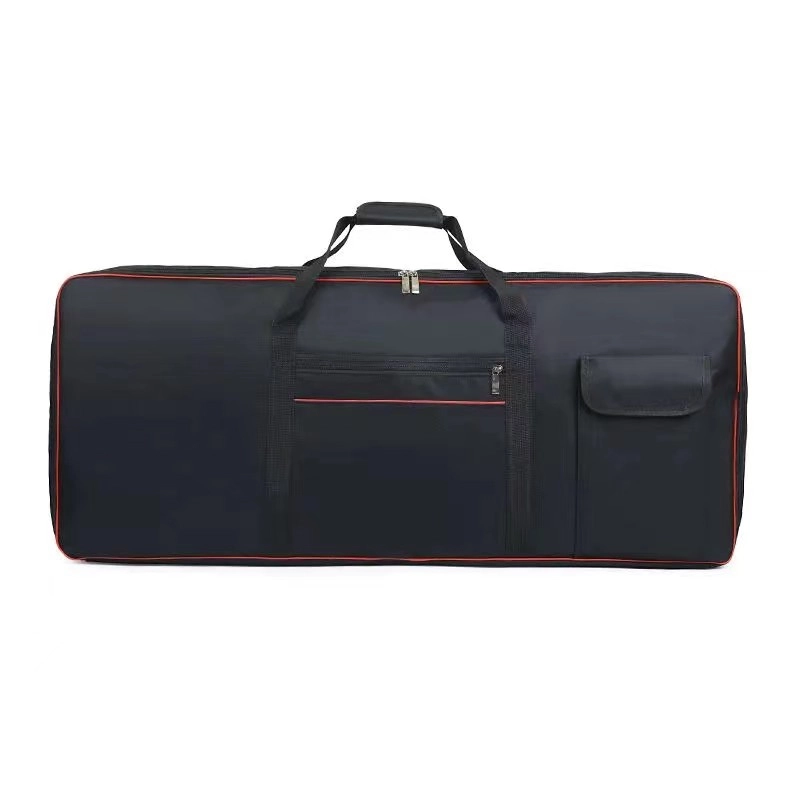
- Setup and movement: Check dimensions, weight, power needs, and whether the required stand or seating is included.
- Classroom compatibility: Verify connections and accessories against your lesson plans and existing equipment.
- Shared use and budget: Assess expected use, maintenance needs, warranty terms, and total purchase cost.
Durability is best evaluated through specific, verifiable details rather than broad assumptions. Look at the manufacturer’s care instructions, warranty coverage, and available support. For a school purchase, also consider who will manage storage, setup, and routine checks. A simple process for handling accessories and keeping the instrument clean can help protect the investment and reduce avoidable disruption.
Make a Confident, Needs-Led Purchase
Before choosing, write down the instrument’s main job, where it will live, how often it will be used, and which accessories are essential. Then compare candidate models using the same checklist. This keeps the decision grounded in classroom needs instead of letting a single headline feature drive the purchase. If several teachers or departments will share the piano, gather their requirements early and agree on priorities.
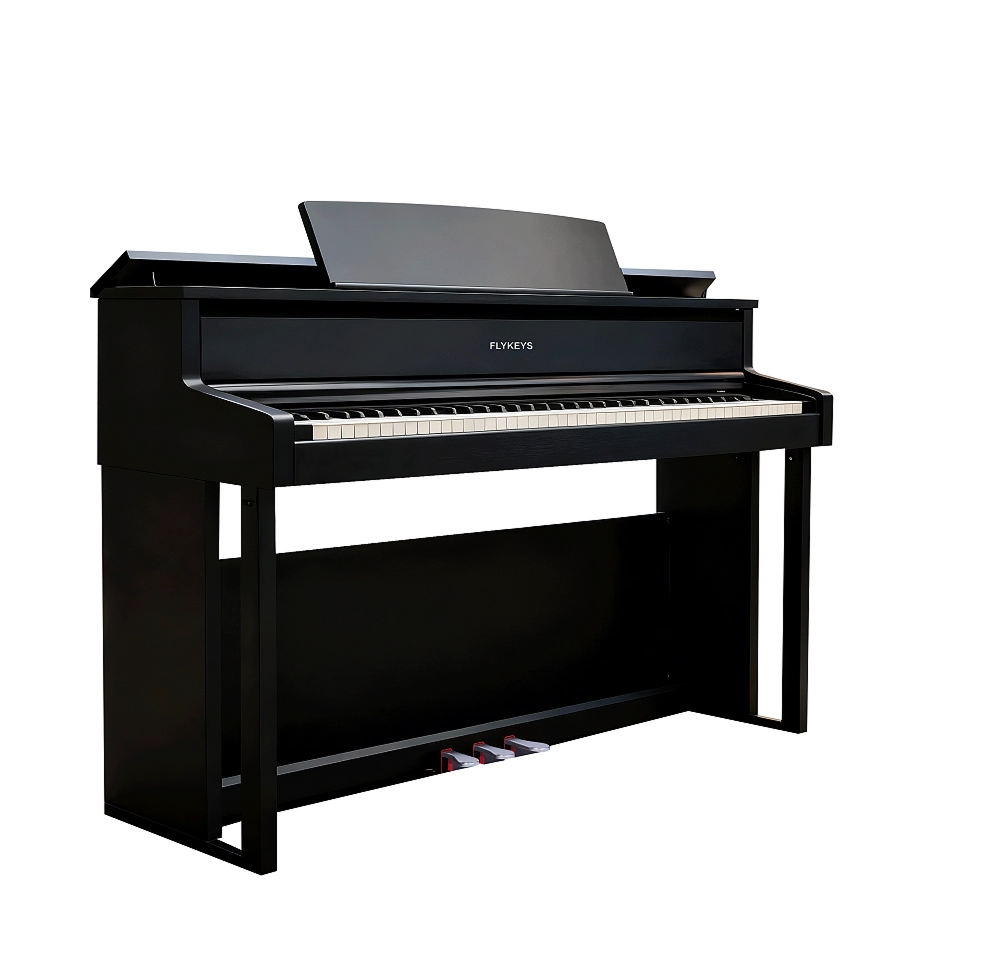
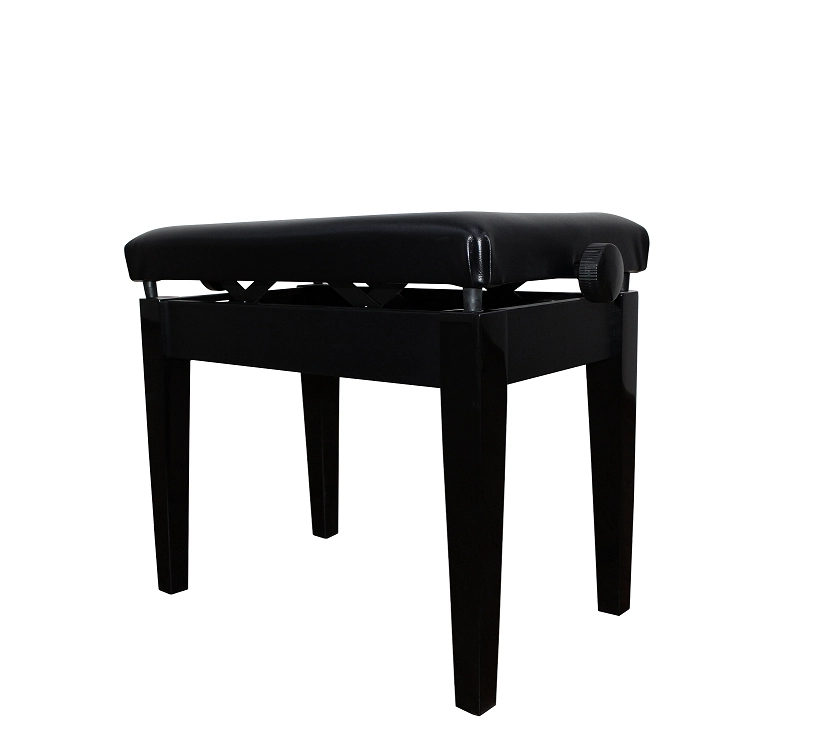
Budget for the complete setup, not only the keyboard. Depending on the model and classroom, the total may include a stand, bench, pedal, headphones, cables, or storage. Check product listings and manufacturer documentation for exact inclusions, compatibility, and warranty details. A careful comparison helps teachers select a digital instrument that supports musical learning while fitting the school’s space, workflow, and available resources.
digital pianos for school music teachers Display


- THE FACTORY COVERS AN AREA OF MORE THAN 15,000 ㎡
Pearl River Amason is located in the Pearl River Piano National Cultural Industry Base. It covers an area of 15000㎡ and has first-class workshops and advanced production and testing equipment.
Top 10 Technological Enterprises in China's Musical Instrument Industry.
- THE FIRST LISTED COMPANY IN THE MUSICAL INSTRUMENT INDUSTRY
After 10 years of high-speed development, Pearl River Amason has become a public company on NEEQ in Beijing, China, and has become the first listed company in the Chinese musical instrument industry.
FAQ
What should school music teachers prioritize when choosing a digital piano?
Begin with the instrument’s main classroom role, then compare keyboard feel, sound, ease of use, setup, and the connections required for your lessons. Check model specifications and try the keyboard if possible, since features and playing response vary by product.
Are digital pianos suitable for both lessons and classroom accompaniment?
They can serve both purposes when their documented playing features, sound, and controls fit the intended use. Consider whether the instrument supports the techniques you teach and whether its sound and volume options suit the room. Confirm those details for each model rather than assuming all digital pianos are alike.
What accessories might a school need to budget for?
Depending on what is included with the selected model, a school may need a stand, bench, pedal, headphones, cables, or storage. Check the product listing and compatibility information before purchasing so the full setup is reflected in the budget.
How can teachers decide between a portable setup and a permanent classroom piano?
Consider where the instrument will be used, how often it must be moved, and the available storage and setup time. Compare dimensions, weight, power requirements, and stand needs. A portable setup may suit changing rooms, while a fixed location may be more practical for a dedicated music space.
How can a school assess value and durability before buying?
Compare the total cost of the complete setup, warranty terms, manufacturer care instructions, and available support. Consider expected frequency of use and how the instrument and accessories will be stored. Rely on specific product documentation rather than general durability claims.



Address: No. 38 Xiangshan Avenue, Zengcheng Economic And Technological Development Zone, Guangzhou, China.
FOLLOW US:
Copyright© 2026 FLYKEYS All Rights Reserved. 粤 ICP备2020102774号. Designed by Gooeyun. Sitemap | Privacy | Terms
FLYKEYS
FLYKEYS
flykeys-music
Flykeys Music