

Digital Pianos for Schools and Music Education

Schools need musical instruments that are inspiring for students, practical for teachers, and dependable enough for repeated daily use. When comparing digital pianos with warranty for schools, buyers should look beyond appearance and introductory price. The right instrument should provide an authentic playing experience, clear sound for lessons and performances, straightforward controls for different skill levels, and a support policy that helps protect the school’s investment.
Choose Instruments That Support Every Stage of Learning
A well-selected digital piano can serve beginners discovering the keyboard, developing musicians preparing examinations, and advanced students rehearsing repertoire. A responsive, weighted keybed helps learners build control, expression, and finger strength in a way that feels closer to an acoustic piano. This matters because students develop technique through repeated interaction with the instrument; an inconsistent or overly light action may make it harder to transfer skills to other pianos.
Sound is equally important. A convincing piano voice encourages students to listen carefully to tone, dynamics, phrasing, and balance. Additional instrument sounds can support composition, arranging, and music technology activities, while headphone compatibility allows focused practice without disrupting nearby classes. For group teaching, clear built-in amplification helps teachers demonstrate passages and enables students to hear musical examples without requiring complex equipment.
- Weighted or graded key action for a more natural playing response
- Distinct, expressive piano sounds for lessons, practice, and performance
- Headphone connections for quiet individual study
- Useful connectivity for composition, recording, and digital learning
- Accessible controls that reduce setup time for teachers and students
Make Music Rooms More Flexible and Manageable
Compared with a traditional acoustic piano, a digital model can offer greater flexibility in rooms where space, volume, and maintenance are important considerations. Many schools use instruments in classrooms, assembly areas, practice rooms, studios, and shared community facilities. A compact footprint can make it easier to reconfigure a room, while volume control and silent practice support more efficient use of busy teaching spaces.
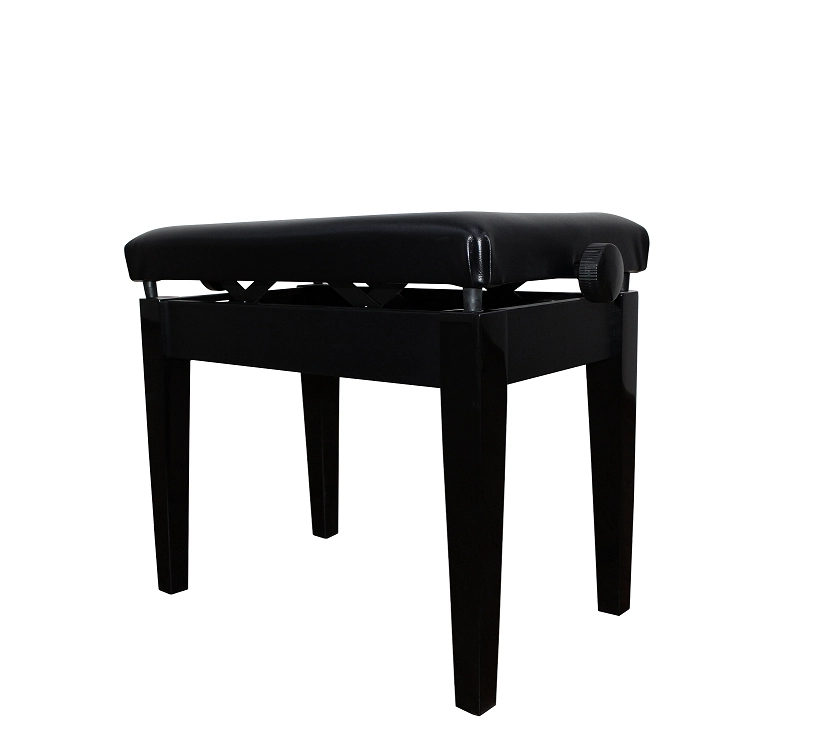
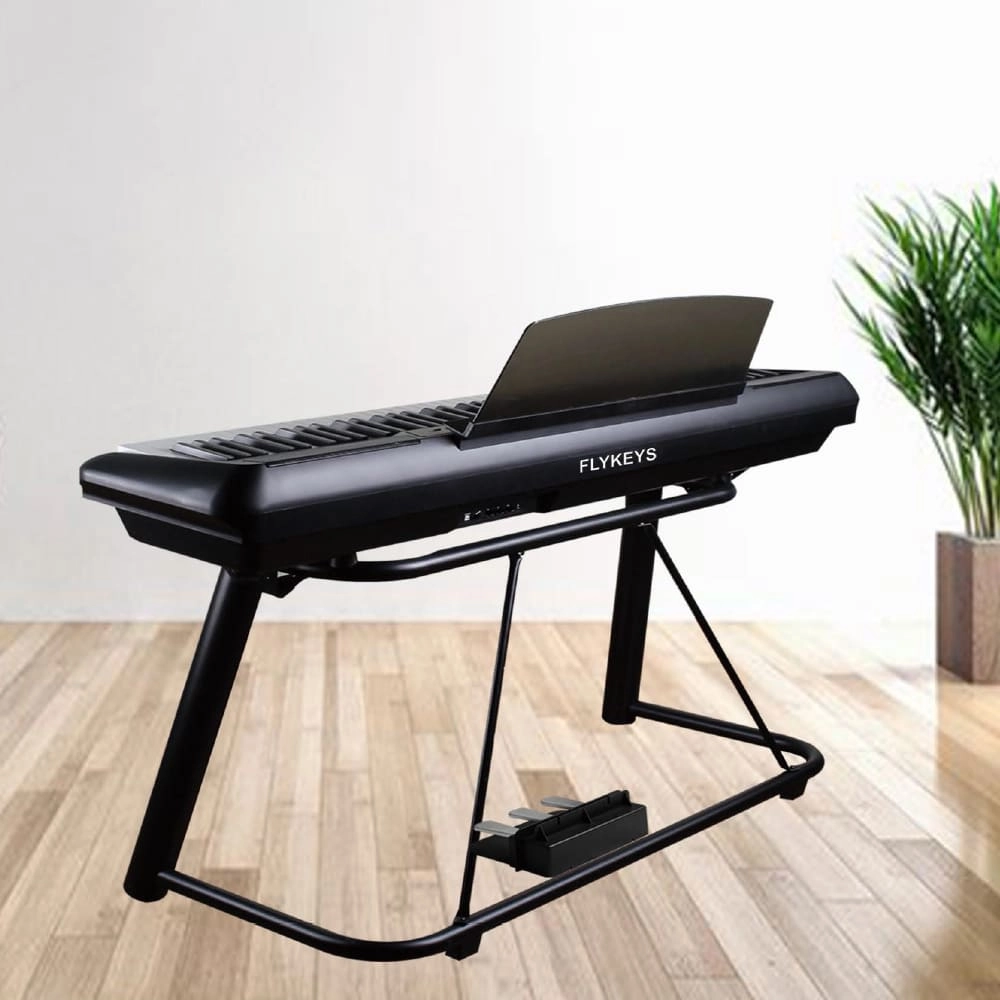
Operational simplicity is central to a successful school purchase. Teachers should be able to switch on the instrument, select an appropriate sound, connect headphones, and begin teaching without a lengthy setup process. Purchasing teams should also consider stand stability, seating, cable management, cleaning routines, and safe storage. These practical details influence how often an instrument is used and how well it remains protected in a busy educational environment.
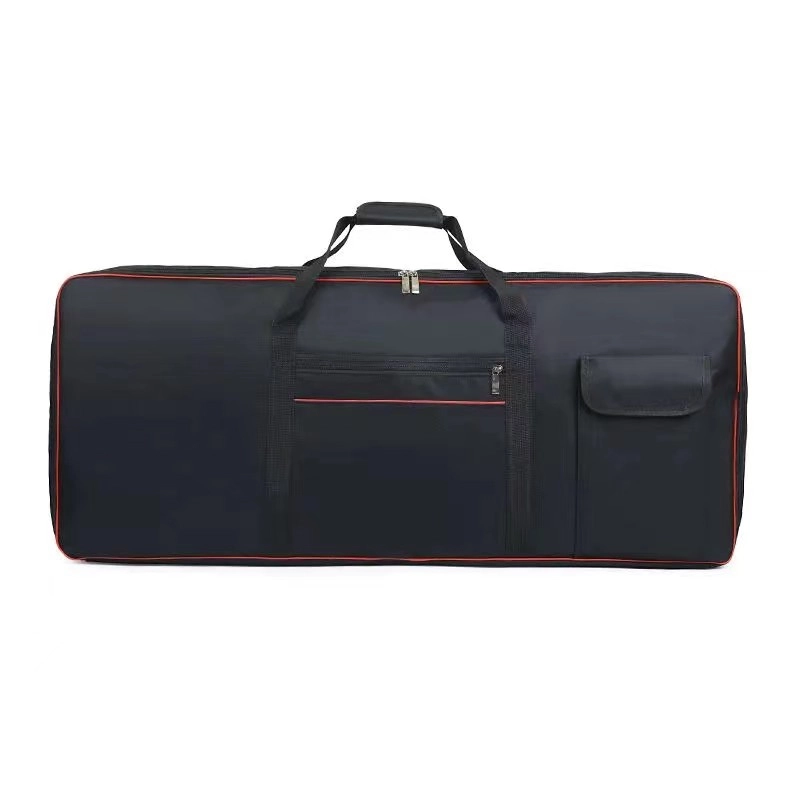
For schools purchasing several instruments, consistency can be especially valuable. A matched group of keyboards can simplify lesson planning, reduce confusion between rooms, and make it easier for students to move between practice stations. Before ordering, confirm dimensions, power requirements, included accessories, delivery arrangements, and whether installation or assembly support is available.
Protect the Investment With Informed Support Planning
Warranty coverage is an important part of responsible procurement, but its value depends on the details. Schools should review the length of cover, what components are included, any registration requirements, geographical limitations, and the process for reporting a fault. It is also sensible to clarify whether the warranty applies to classroom use, as educational environments may involve higher usage than a typical home setting.
A strong purchasing decision combines product suitability with dependable after-sales planning. Keep invoices, serial numbers, warranty documents, and delivery records in an accessible location. Staff should follow the manufacturer’s care guidance, avoid exposing instruments to excessive moisture or temperature changes, and use appropriate cleaning materials. A sensible maintenance routine can reduce avoidable problems and help the piano remain a reliable part of the school’s music provision.
Schools should also match the instrument to its intended role. A classroom piano may prioritize versatility and easy operation, while a performance space may require stronger amplification, pedal flexibility, and a more substantial stand. For examination preparation or advanced tuition, playing response and tonal control may deserve greater emphasis. By defining the use case first, buyers can select equipment that delivers meaningful value rather than paying for features students and teachers will rarely use.
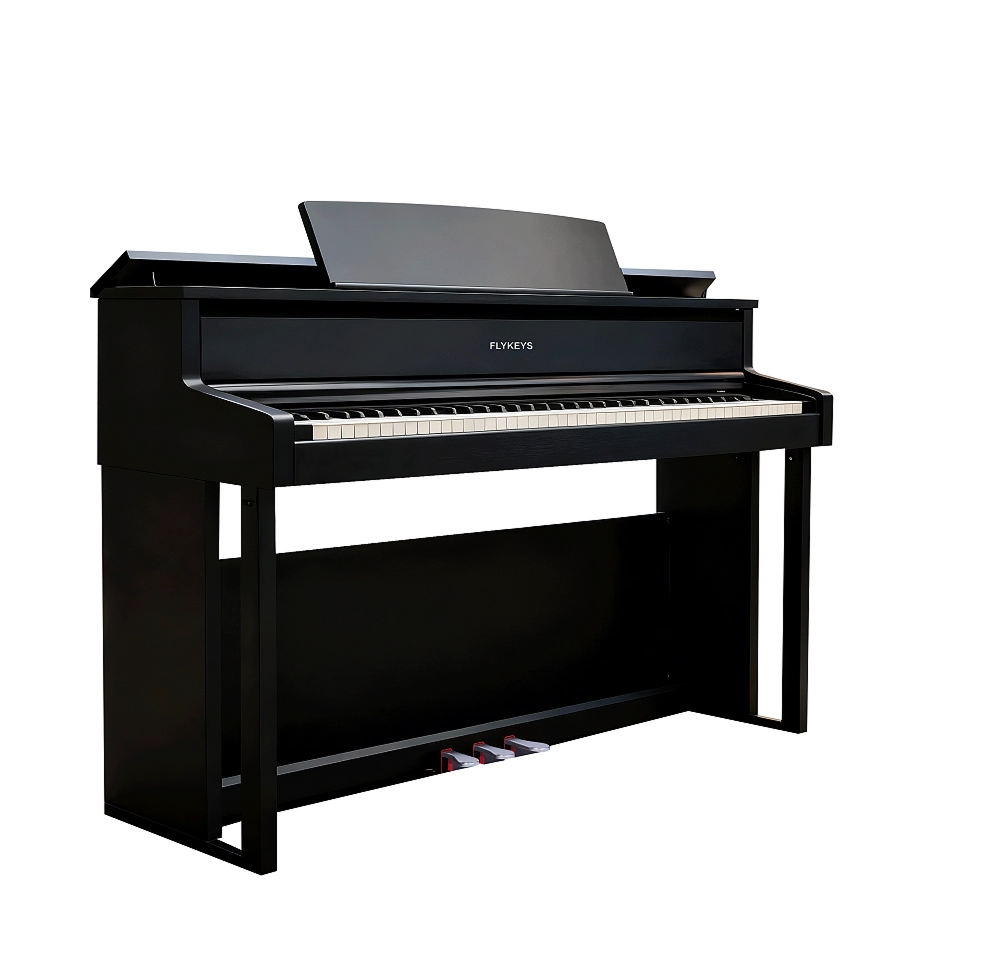
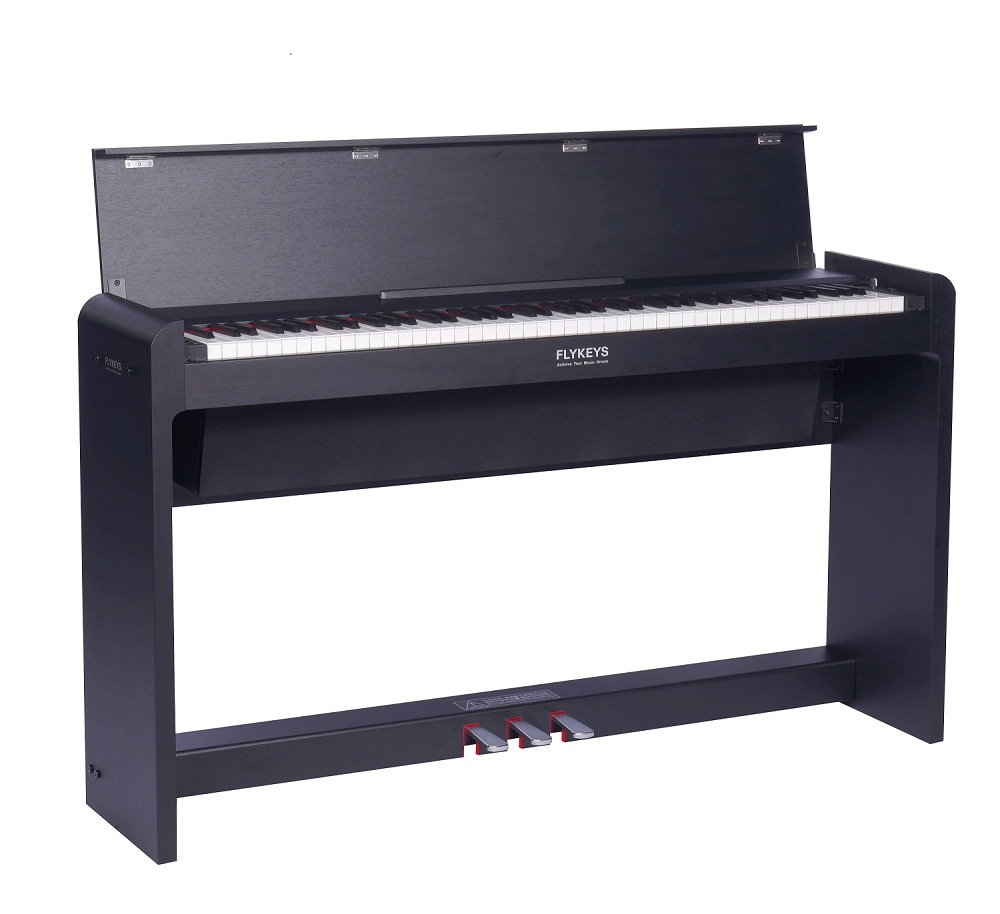
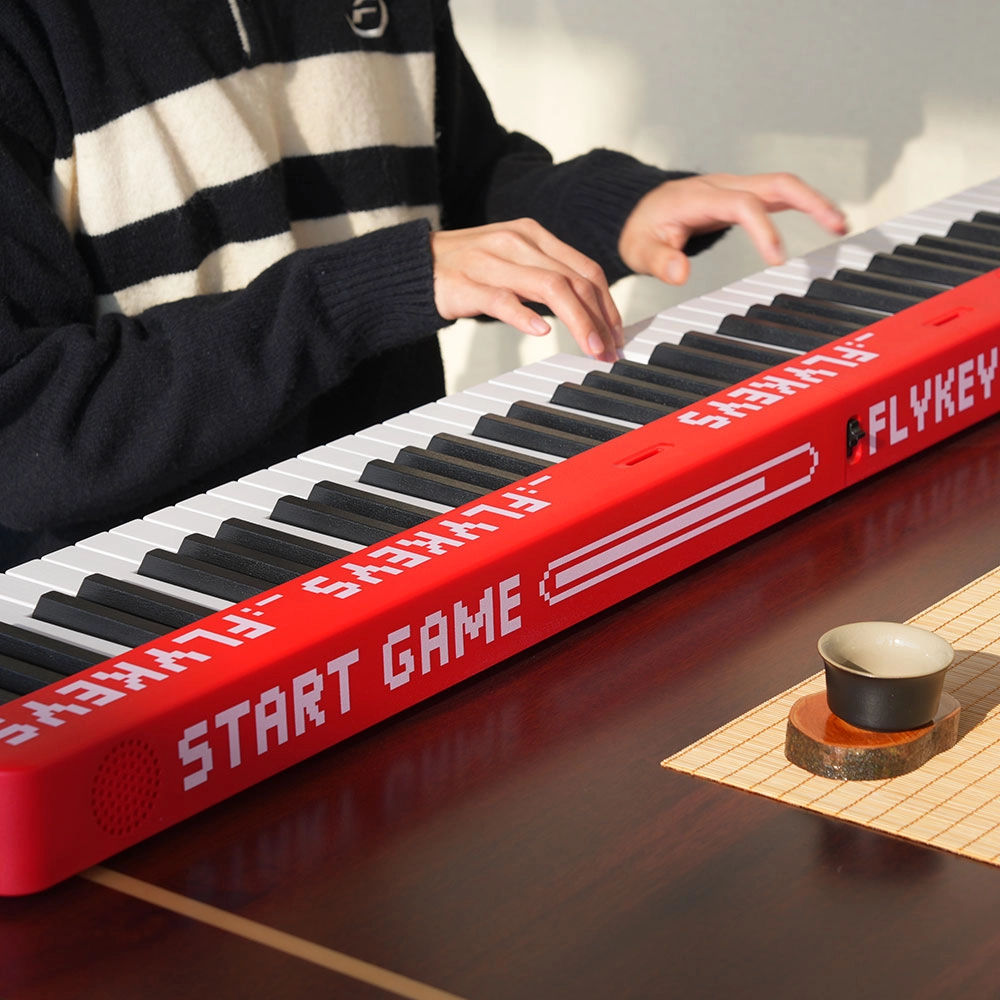
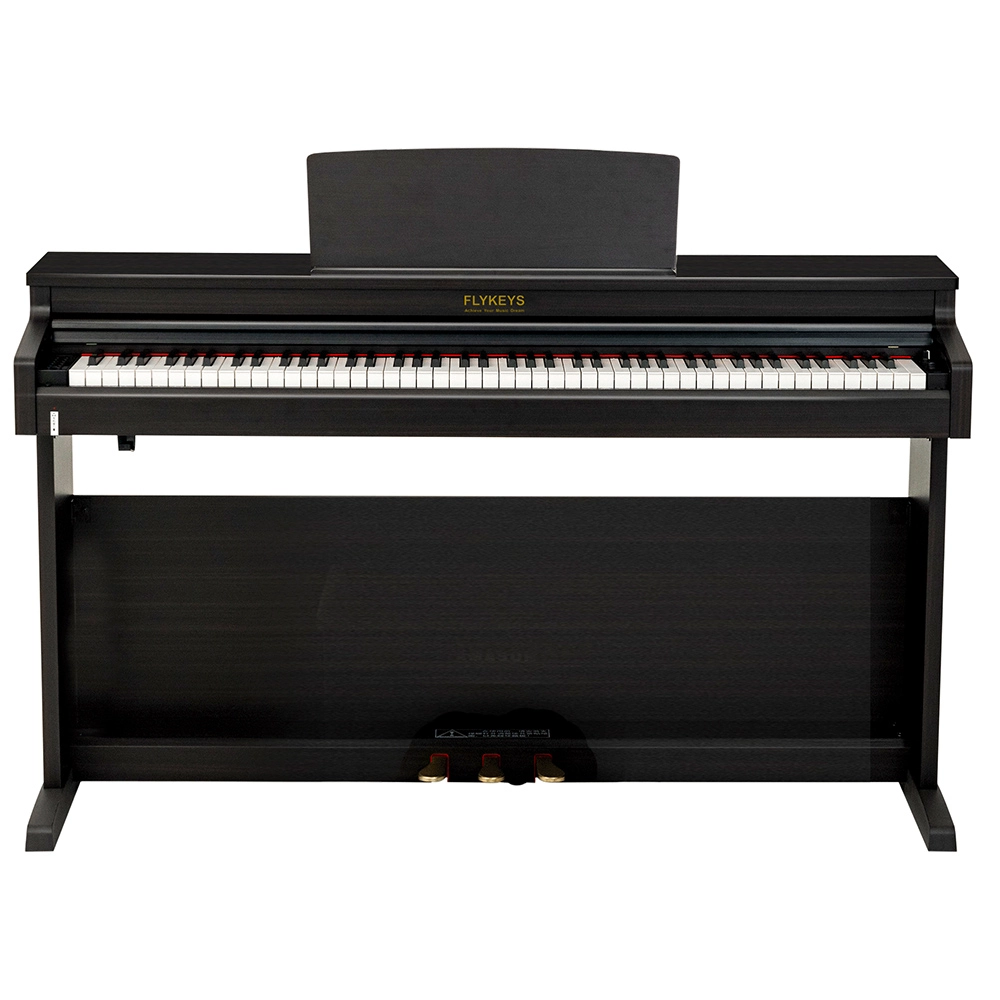
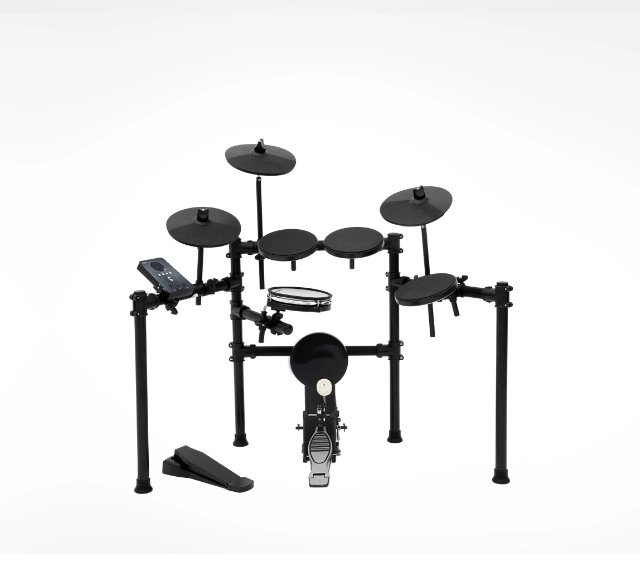
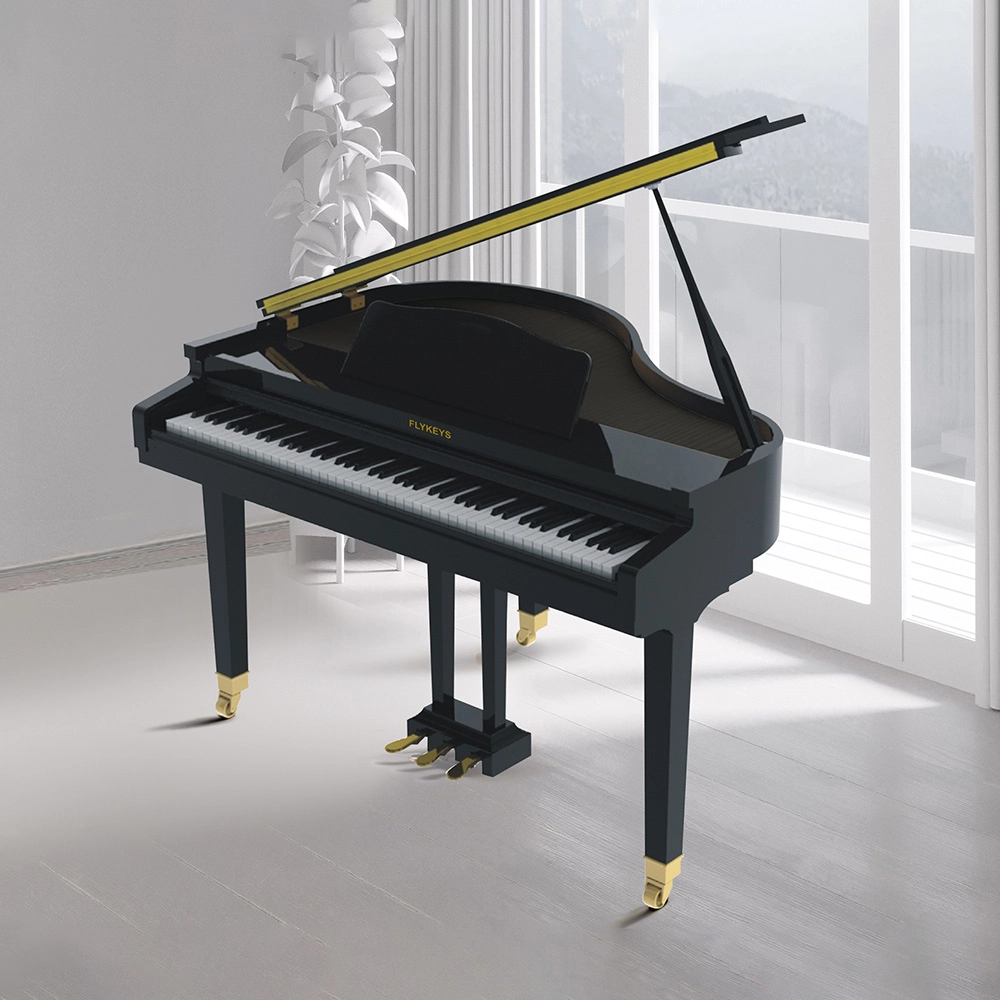
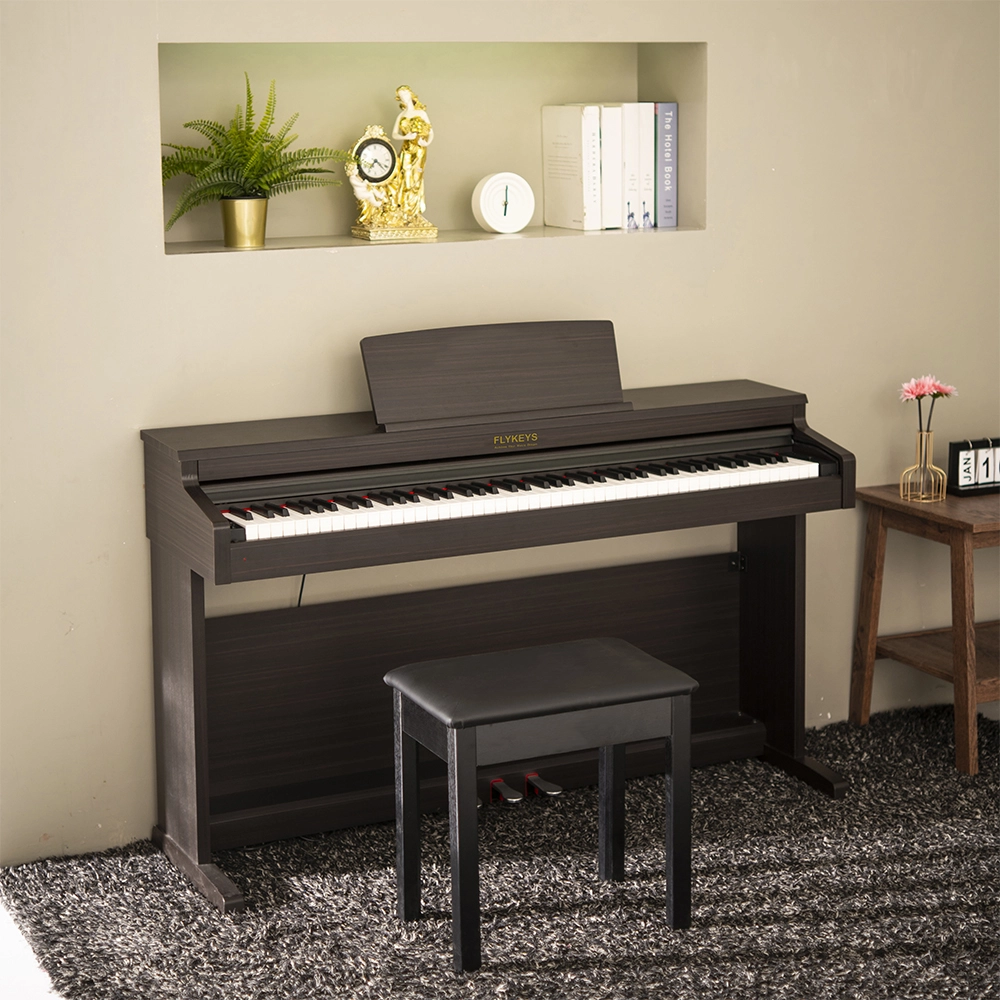
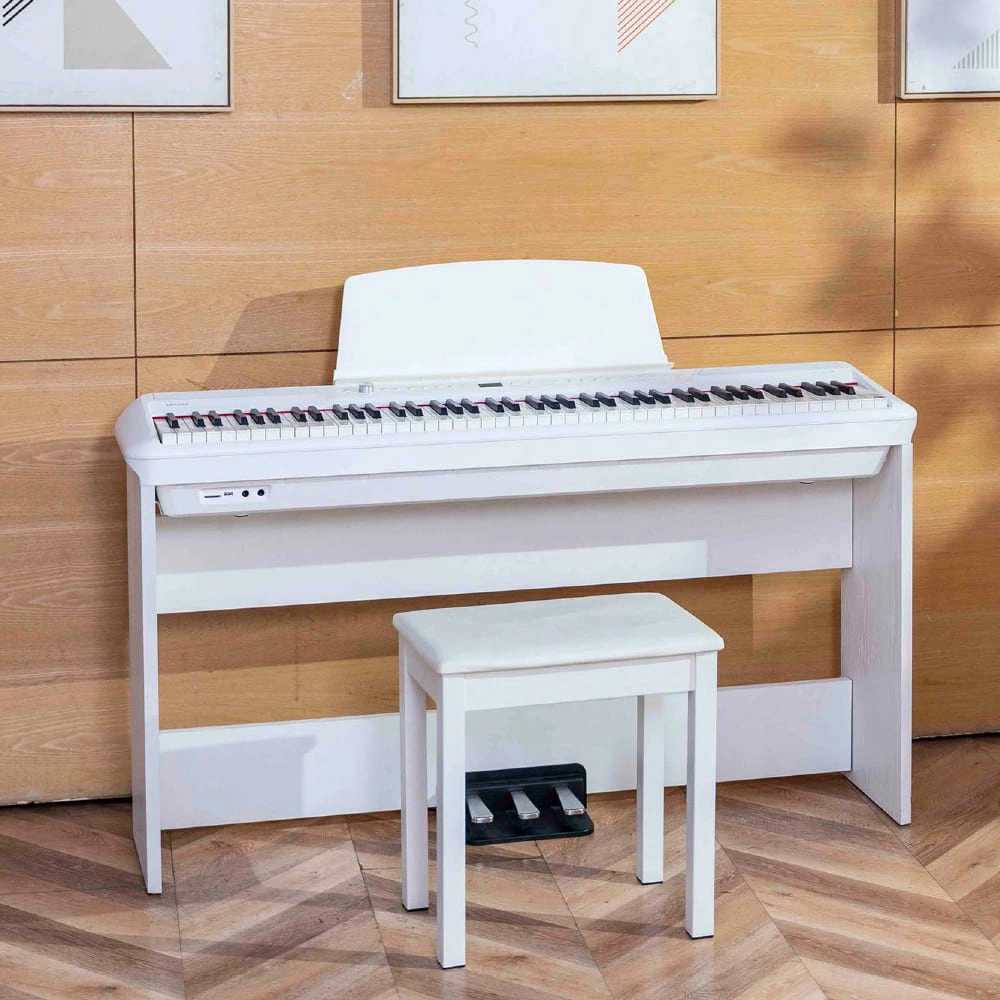
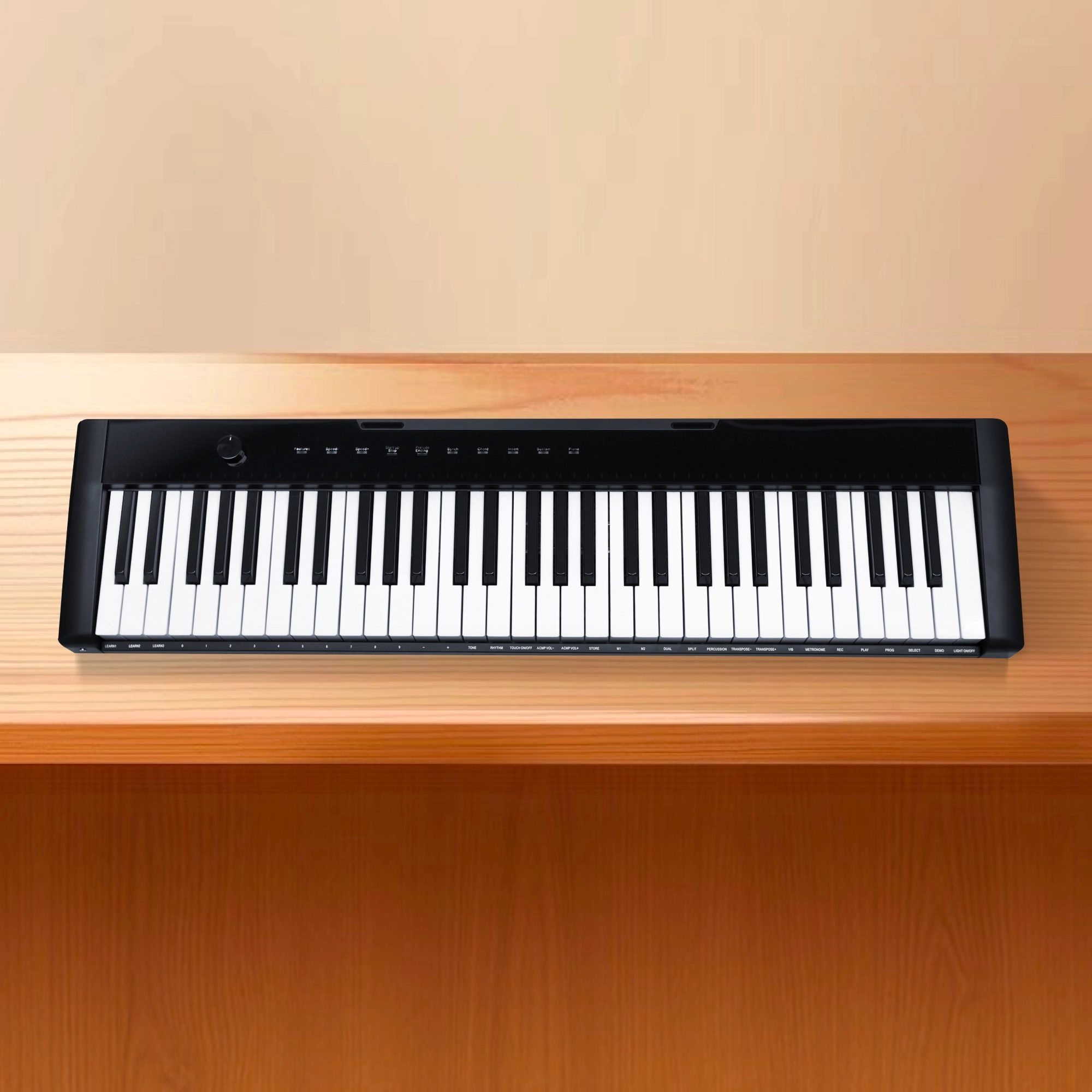
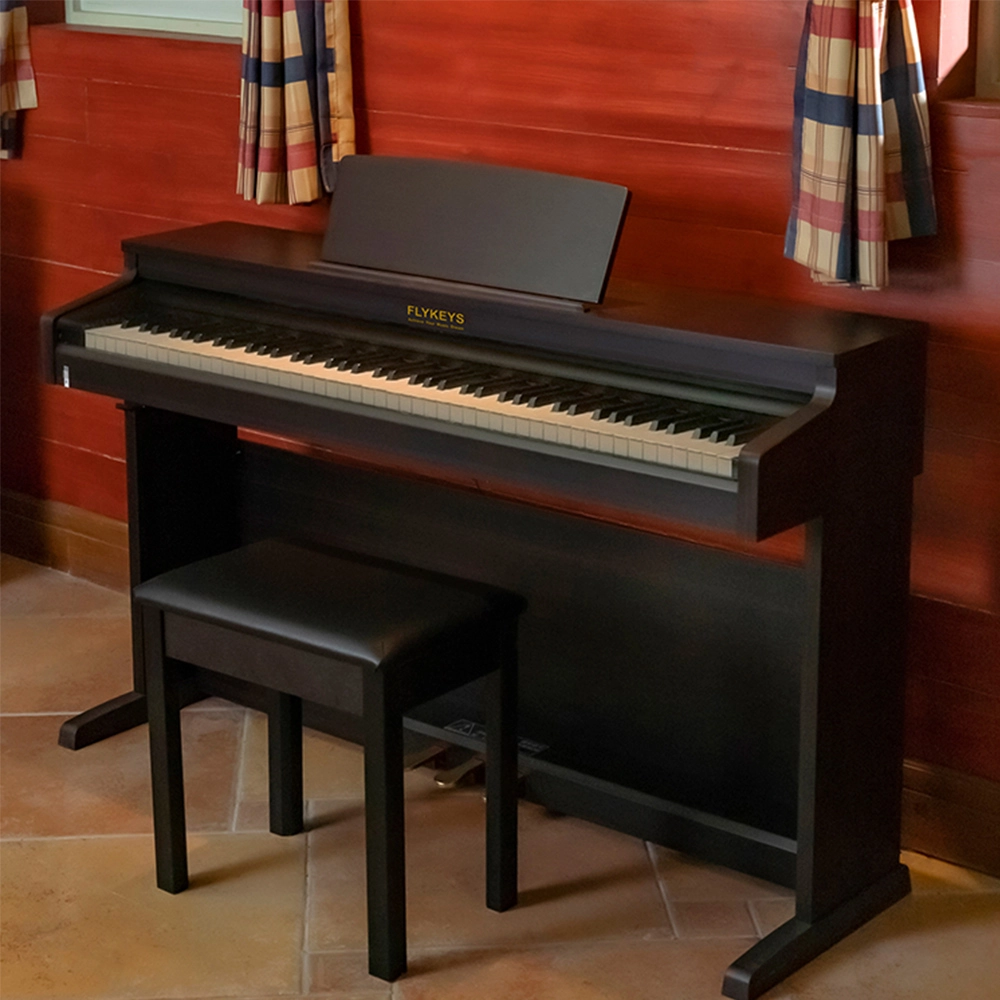
digital pianos with warranty for schools Display


Top 10 Technological Enterprises in China's Musical Instrument Industry.
- 112 PATENT CERTIFICATES AND SOFTWARE COPYRIGHTS
After years of development, we have a wealth of independent research and development achievements, 104 patent certificates and 8 software copyrights.
- Manufacturing Equipment
We have production lines that meet international standards and are equipped with various high-end laboratories to ensure the excellence and stability of product quality.
FAQ
What should schools look for when choosing a digital piano?
Schools should consider weighted key action, expressive piano sounds, headphone compatibility, room size, ease of operation, connectivity, included accessories, expected usage, and available support. The best choice depends on whether the instrument will serve classroom teaching, individual practice, examinations, performance, or several of these purposes.
Are digital pianos suitable for frequent classroom use?
Yes, a suitable digital piano can support frequent lessons, rehearsals, and practice sessions. Buyers should confirm that the model is appropriate for the intended level of use, follow care instructions, and review the warranty terms to understand how educational or higher-volume use is treated.
Why is weighted key action important for students?
Weighted action gives learners a playing response that is closer to an acoustic piano. It supports the development of finger control, touch sensitivity, dynamics, and technique, helping students build skills that can transfer more naturally to other piano instruments.
What should a school warranty cover?
Schools should check the warranty duration, covered components, exclusions, registration requirements, service process, and whether classroom use is included. The exact terms vary by product and supplier, so the warranty documentation should be reviewed before purchase and retained with the school’s equipment records.
Can students practise privately on a digital piano?
Many digital pianos include headphone connectivity, allowing students to practise with reduced sound in shared rooms or outside normal lesson times. Schools should verify the number and type of headphone connections required and establish safe, supervised procedures for using cables and accessories.




Address: No. 38 Xiangshan Avenue, Zengcheng Economic And Technological Development Zone, Guangzhou, China.
FOLLOW US:
Copyright© 2026 FLYKEYS All Rights Reserved. 粤 ICP备2020102774号. Designed by Gooeyun. Sitemap | Privacy | Terms
FLYKEYS
FLYKEYS
flykeys-music
Flykeys Music