

School Digital Piano Installation and Service
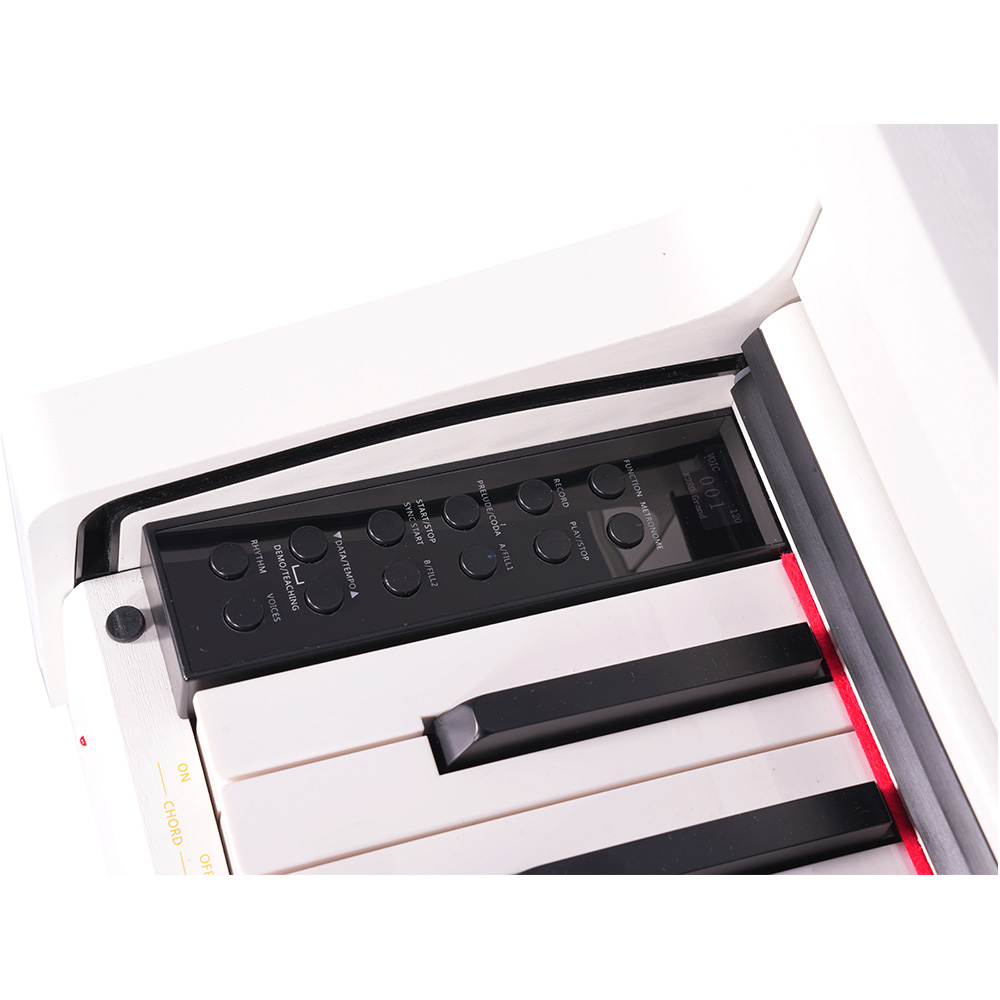
Installation and service digital pianos for schools involves more than placing instruments in a room. Schools need a setup that supports lessons, rehearsals, and everyday student use, alongside a clear plan for delivery, configuration, maintenance, and resolving issues. This category helps music departments, school administrators, and facilities teams understand the decisions involved and prepare questions for prospective suppliers or service providers.
Plan an Installation That Fits the School
Every school space has its own constraints. A classroom may need an efficient arrangement for group instruction, while a practice room may prioritize access to individual instruments. Before requesting a proposal, identify the intended use, number of instruments, room dimensions, access routes, and any scheduling restrictions. Sharing these details early can help a provider assess the work and reduce avoidable changes on installation day.
Clarify what installation includes rather than assuming every quote covers the same tasks. Depending on the project and provider, the scope may address delivery coordination, placement, assembly of compatible stands or seating, basic setup, connection checks, and removal of packaging. Schools should confirm which items are included, who supplies any accessories, and whether electrical work, room preparation, or furniture moves are outside the service scope. Requirements vary by site and provider, so written confirmation is valuable.
Thoughtful placement can make a meaningful difference to teaching and supervision. Consider clear walkways, accessible controls, the teacher’s sightlines, and enough room for students to sit and move safely. If instruments will be used by different classes, agree on practical arrangements for shared accessories and room access. A site visit or a floor plan with measurements can help the installation team understand the environment before the equipment arrives.
Support Reliable Use Through Ongoing Service
Digital pianos are designed to provide an electronic alternative to acoustic instruments, but school use still calls for sensible care. Frequent handling, shared rooms, and busy timetables can make consistent setup and basic checks especially useful. Ask what support is available after installation, how service requests are submitted, what information the school should provide, and whether support is offered on site, remotely, or through another arrangement.
Service plans and response times differ, so compare specific commitments rather than relying on broad terms such as “support” or “maintenance.” Confirm which instruments and components are covered, whether labor or travel charges may apply, how urgent issues are prioritized, and what happens if a unit needs repair. Keep purchase records, model details, serial numbers, and service history in an accessible place. This information can help staff describe a problem clearly and support more efficient troubleshooting.
Staff can also help protect equipment through consistent everyday practices. Follow the manufacturer’s care and operating guidance, keep liquids away from instruments, and report damaged cables, controls, or stands promptly. Avoid attempting repairs that require specialist knowledge. A simple process for logging problems and identifying the affected room or instrument can help the school spot recurring concerns and communicate effectively with its provider.
Evaluate Providers and Prepare for Project Handover
When comparing providers, look for a clearly written scope, relevant experience with institutional installations, transparent pricing, and a practical explanation of service arrangements. Ask who will coordinate with school staff, how access and delivery will be scheduled, and what information will be supplied at handover. No provider should be assumed to offer a particular service, credential, warranty, or response time unless it is expressly stated in the proposal.
A useful handover gives the school a shared understanding of what was installed and how to seek help. Depending on the agreed scope, request an equipment list, setup notes, relevant manufacturer documentation, and contact details for service enquiries. Confirm that the responsible staff member knows where records are stored and how to report a fault. With these basics in place, schools can make informed purchasing decisions and create a more dependable foundation for music learning.
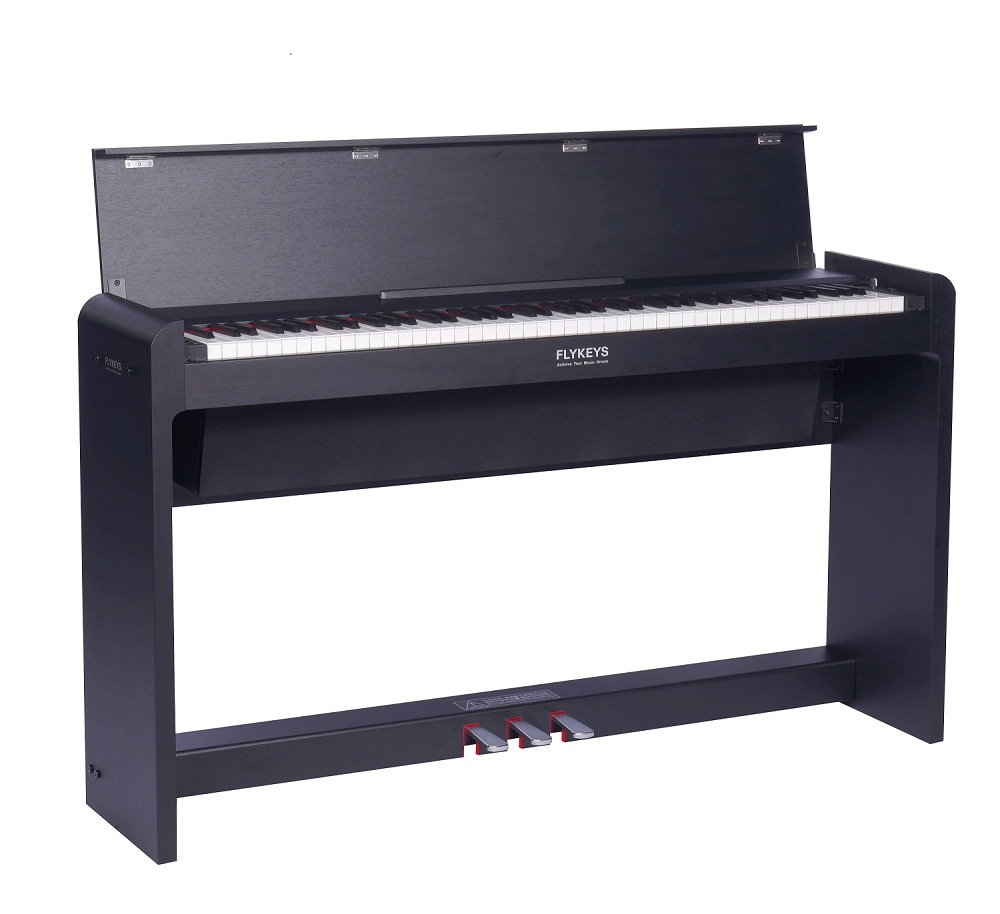
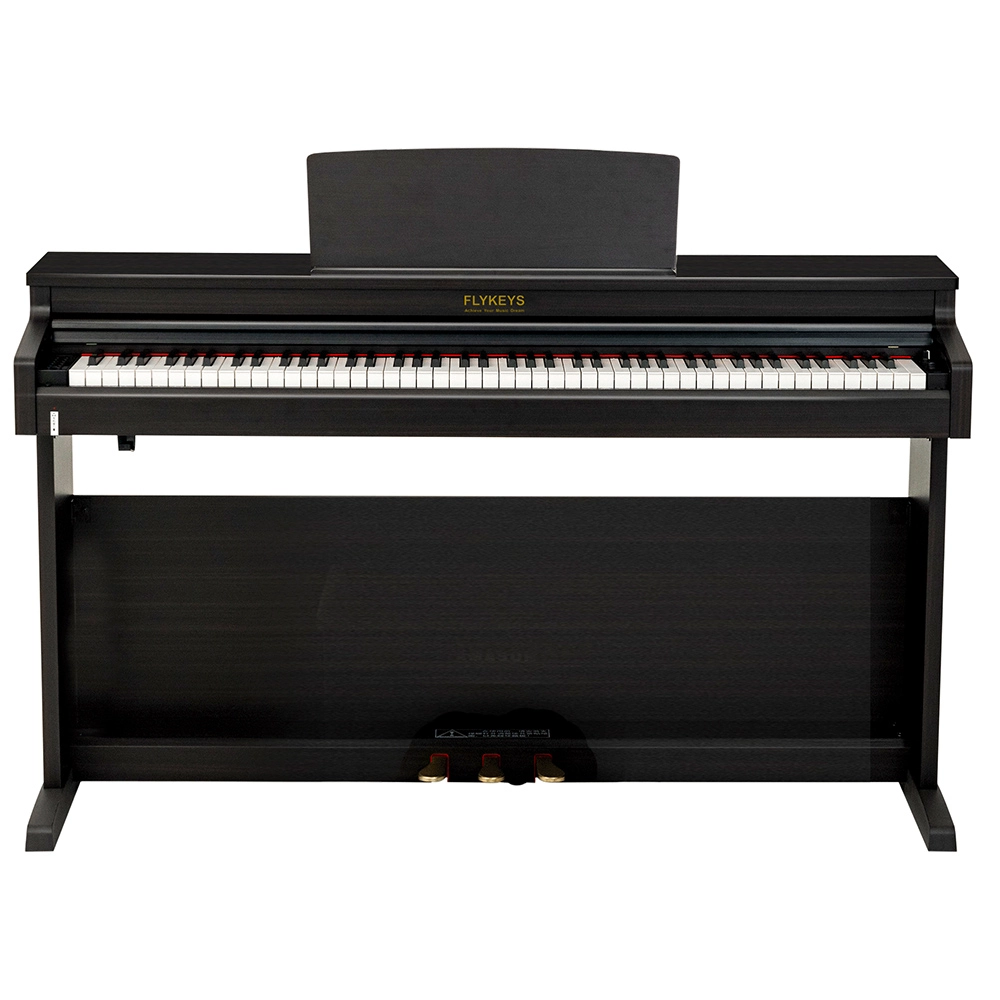
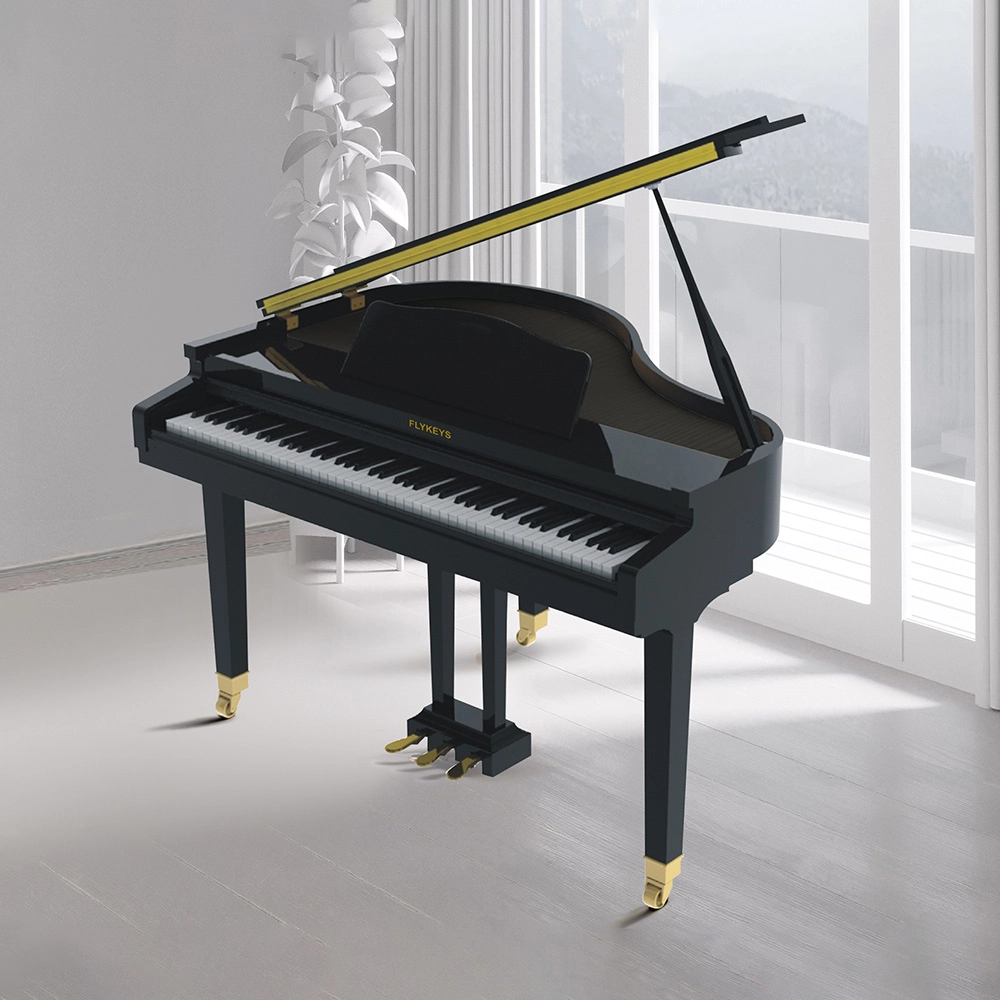
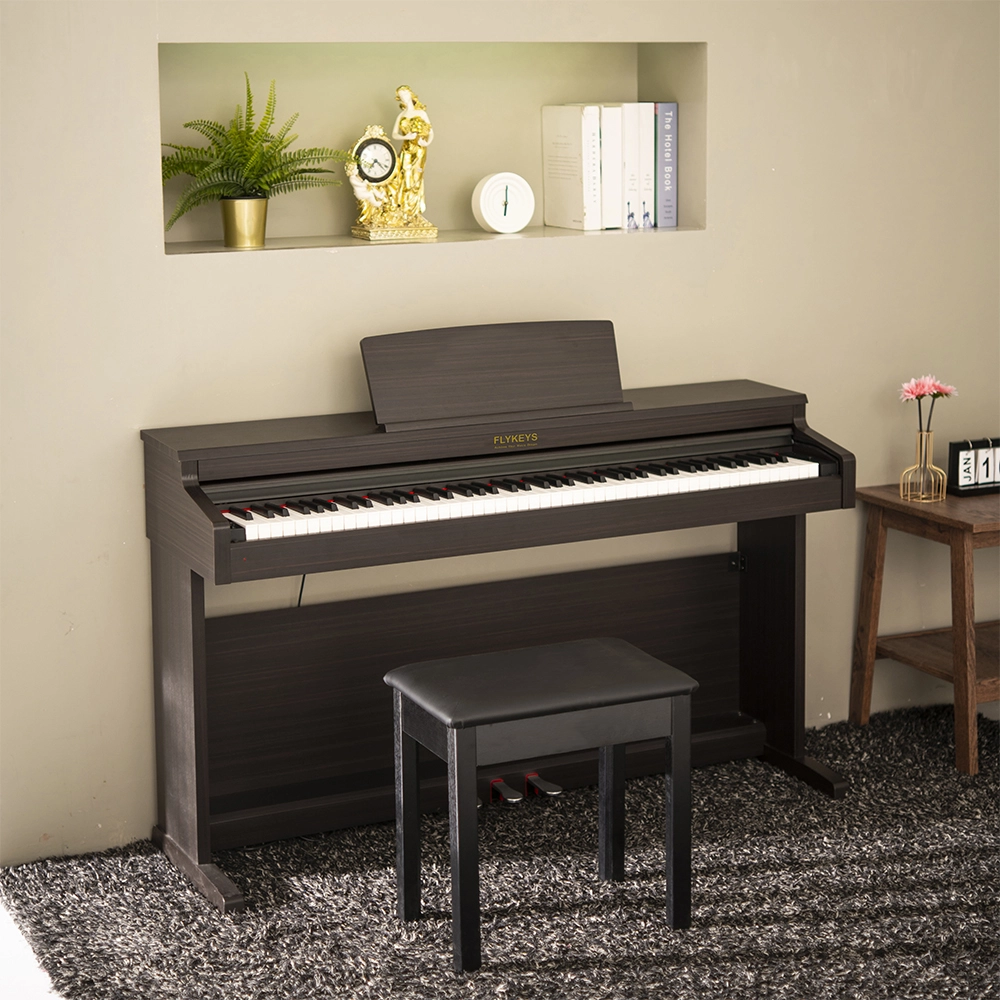
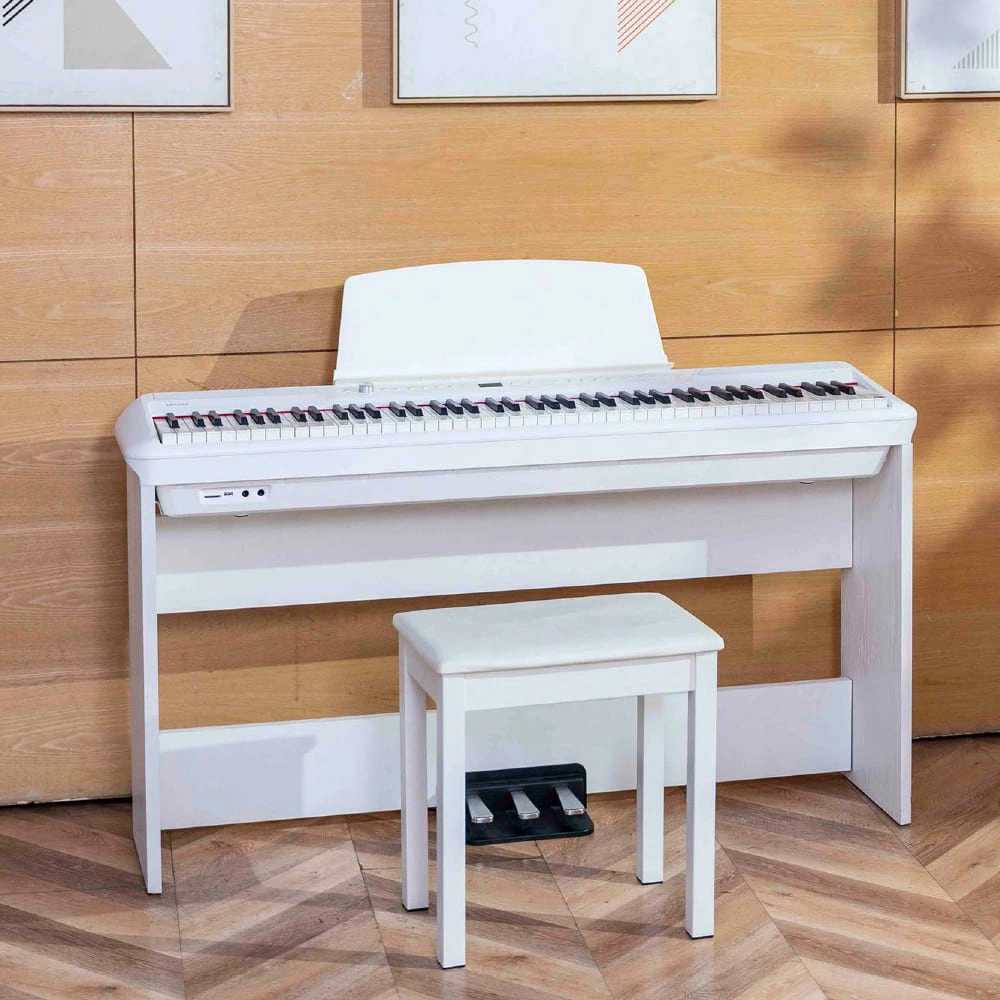
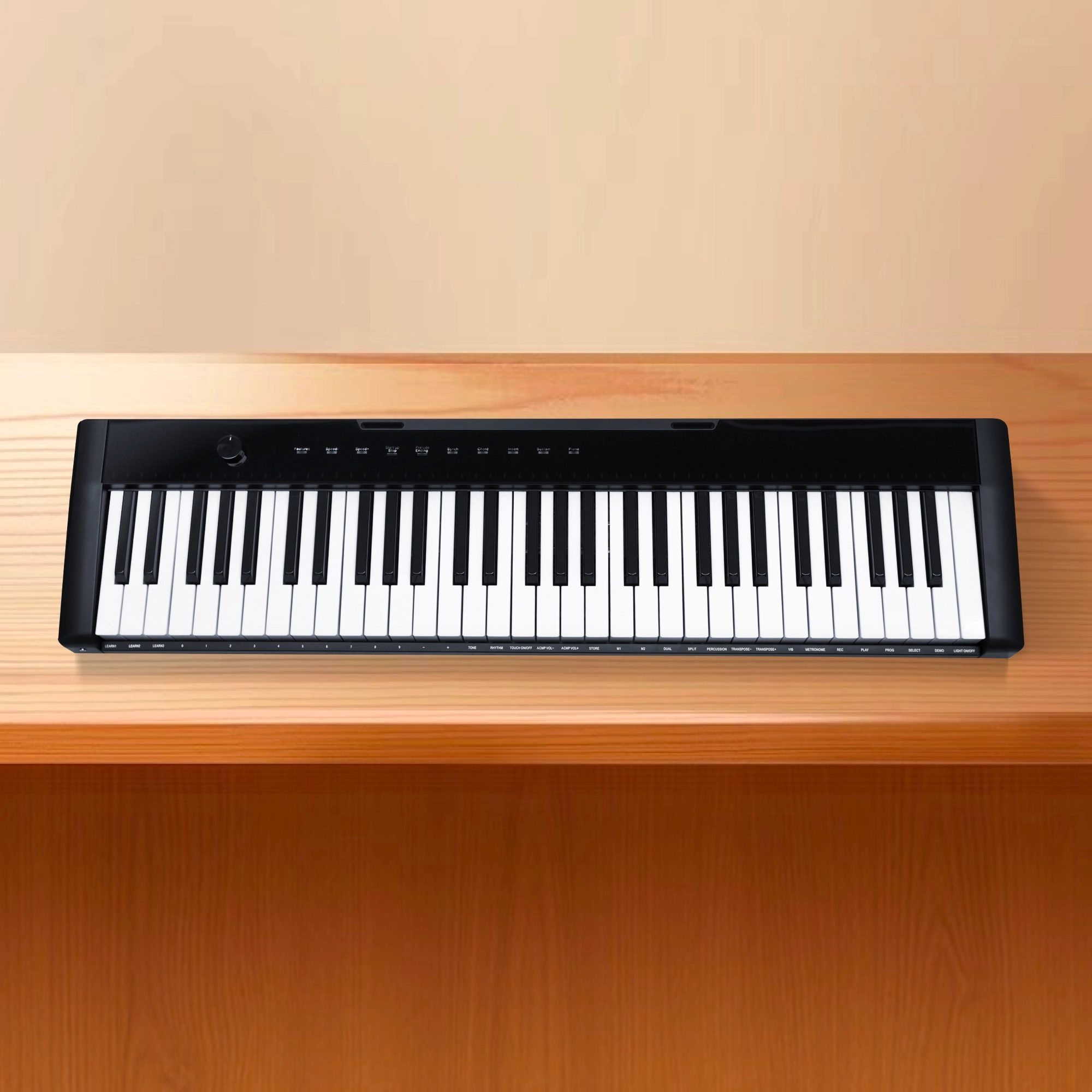
installation and service digital pianos for schools Display

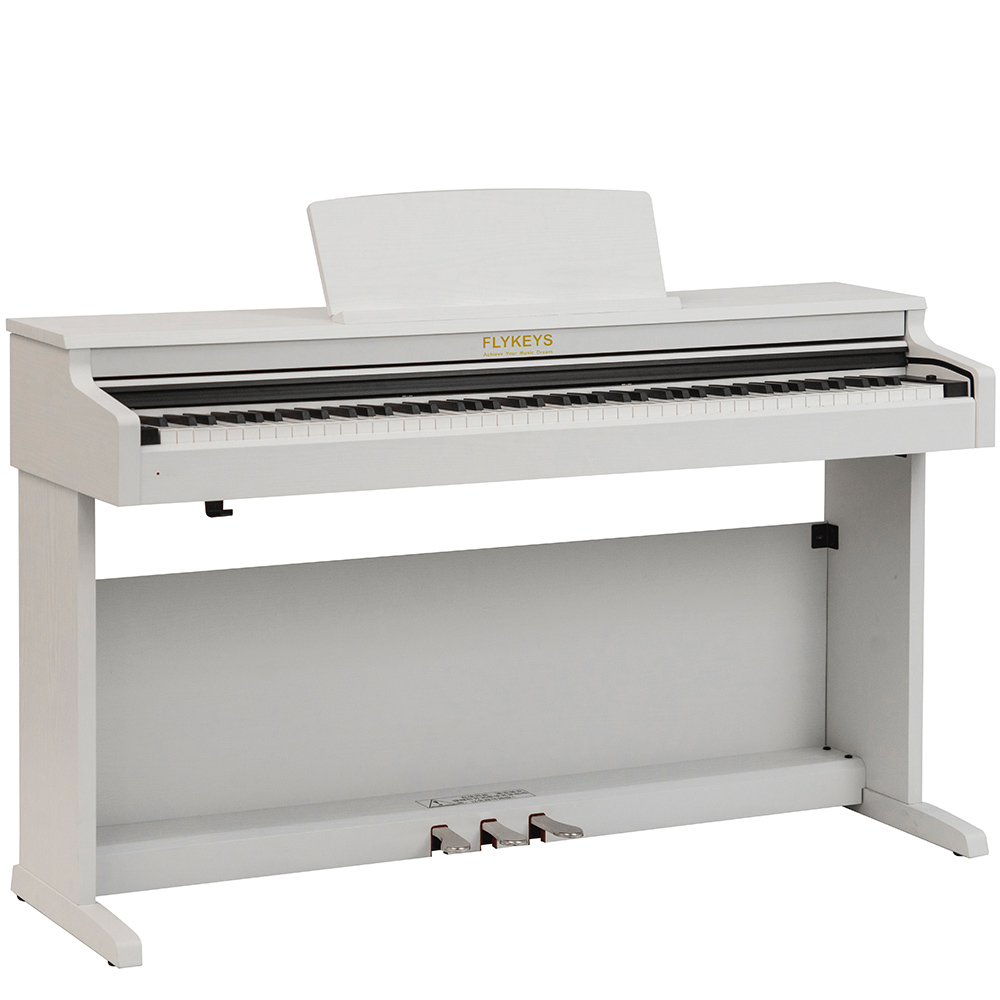
- 112 PATENT CERTIFICATES AND SOFTWARE COPYRIGHTS
After years of development, we have a wealth of independent research and development achievements, 104 patent certificates and 8 software copyrights.
- THE FACTORY COVERS AN AREA OF MORE THAN 15,000 ㎡
Pearl River Amason is located in the Pearl River Piano National Cultural Industry Base. It covers an area of 15000㎡ and has first-class workshops and advanced production and testing equipment.
- After-Sale Service
Our products provide after-sales service guarantee.
If there are any after-sales problems with the products you bought, we suggest you to contact with the purchasing platform or FLYKEYS local authorized dealer for help, or you can contact us directly.
- PRODUCTS EXPORTED TO MORE THAN 50 COUNTRIES
Through continuous development, FLYKEYS has exported to more than 50 countries in Europe, Poland, Turkey, Russia, the United States, the Middle East, South Africa, etc.
- THE FIRST LISTED COMPANY IN THE MUSICAL INSTRUMENT INDUSTRY
After 10 years of high-speed development, Pearl River Amason has become a public company on NEEQ in Beijing, China, and has become the first listed company in the Chinese musical instrument industry.
FAQ
What should a school prepare before digital piano installation?
Identify the intended use and number of instruments, measure the room and access routes, note scheduling or delivery restrictions, and share any floor plan or site details with the prospective provider. Confirm room readiness and clarify which preparation tasks are included in the written installation scope.
What might a school digital piano installation service include?
The scope depends on the provider and project. It may include delivery coordination, instrument placement, assembly of compatible stands or seating, basic setup, connection checks, or packaging removal. Confirm each included task in writing, and ask whether electrical work, furniture moves, or other site preparation is excluded.
How can a school compare digital piano service plans?
Compare the stated instruments and components covered, request process, service method, response commitments, and any labor or travel charges. Ask how urgent problems are handled and whether repair work is included. Terms vary, so rely on the written plan rather than general descriptions of support.
What information should staff provide when reporting a problem?
Share the instrument’s model and serial number if available, its location, a clear description of the issue, and when it occurs. Purchase records and prior service notes may also help. Follow the provider’s reporting process and avoid repairs that require specialist knowledge.
What should be included in the installation handover?
Ask for relevant equipment and setup records, manufacturer documentation where applicable, and service contact details. Confirm that a designated staff member knows where the records are kept and how to submit a service request. The exact handover should match the agreed project scope.





Address: No. 38 Xiangshan Avenue, Zengcheng Economic And Technological Development Zone, Guangzhou, China.
FOLLOW US:
Copyright© 2026 FLYKEYS All Rights Reserved. 粤 ICP备2020102774号. Designed by Gooeyun. Sitemap | Privacy | Terms
FLYKEYS
FLYKEYS
flykeys-music
Flykeys Music