

Low-Maintenance Digital Pianos for Schools
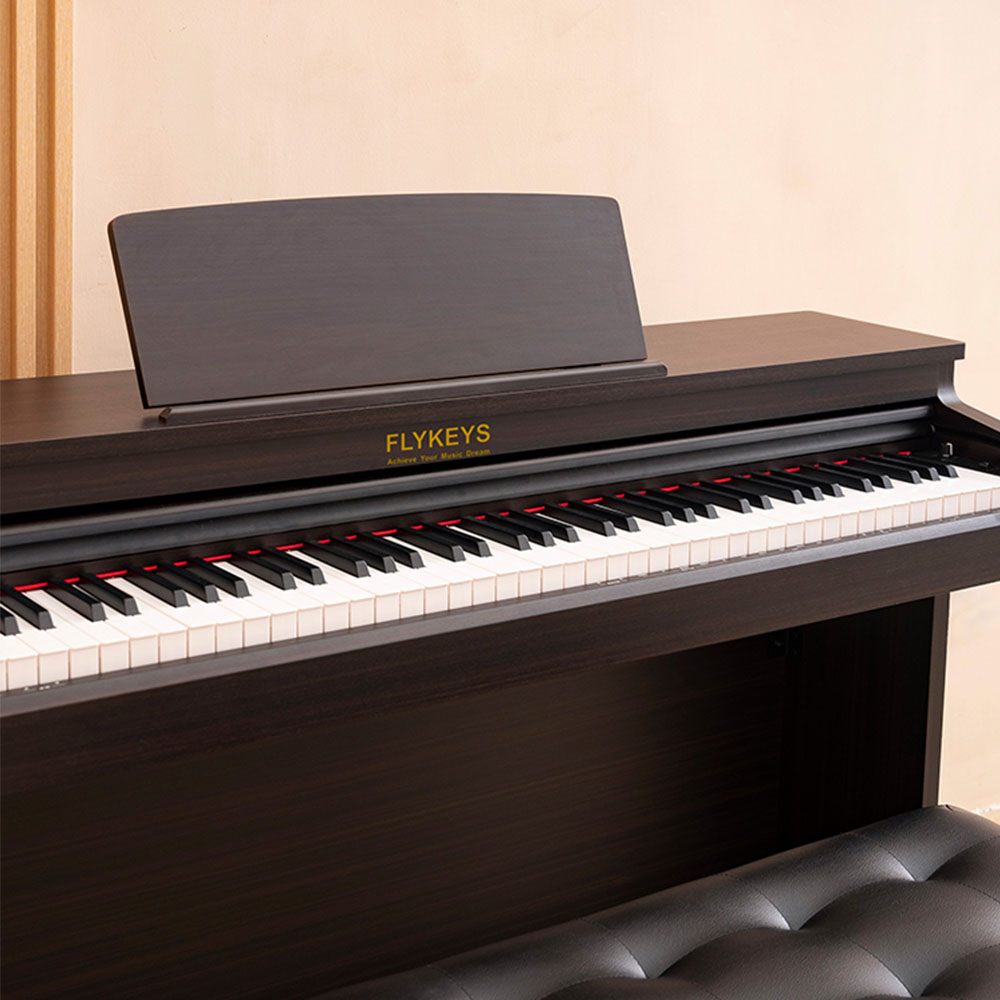
Low-maintenance digital pianos for schools can make music learning easier to organize across busy classrooms, practice spaces, and shared facilities. When comparing instruments, consider the students who will use them, the activities they need to support, the room setup, and the time available for routine care. A thoughtful choice can help a school create dependable access to keyboard learning without adding unnecessary upkeep to staff responsibilities.
Choose instruments around the way students learn
A school piano may serve beginners learning their first notes, more experienced students rehearsing parts, and teachers demonstrating musical ideas. Before selecting an instrument, identify the range of uses it needs to support. A classroom used for group instruction may have different needs from a quiet practice room or a multipurpose hall. Matching the instrument to its setting helps schools make practical decisions and avoid paying for features that will not be used.
Consider how students will interact with the keyboard during lessons. For example, teachers may need to demonstrate technique, guide practice, or help several learners work through assignments. Schools can compare available playing features, sound options, controls, and connectivity against those teaching needs, checking the specifications of each model rather than assuming every digital piano offers the same functions. Ease of use matters, too: straightforward controls can make it simpler for students and staff to begin a session without a lengthy setup.
- List the main teaching and practice activities the instrument should support.
- Consider the age, experience, and number of students who may use it.
- Check the product specifications for the features required by the curriculum.
- Think about who will set up, supervise, and care for the instrument.
These questions make selection more purposeful. They also give music departments a useful basis for comparing models and explaining purchasing priorities to administrators.
Make everyday care manageable in shared spaces
In a school, equipment may be used by many people throughout the day. A digital instrument can avoid some of the routine considerations associated with maintaining an acoustic piano, such as tuning, but it still benefits from sensible handling and care. “Low maintenance” should mean manageable upkeep, not no upkeep. Following the manufacturer’s instructions is essential because cleaning methods, power requirements, and storage recommendations can differ by model.
Set clear expectations for students and staff: use clean, dry hands; keep food and drinks away; avoid placing books or other objects on the keyboard; and handle controls, cables, and any accessories carefully. Dust the instrument with a soft, appropriate cloth, and do not apply liquids or cleaning products directly to it unless the manufacturer specifically permits that method. A simple care routine can help protect shared equipment and make problems easier to identify.
Room planning contributes to dependable use. Consider where the instrument will be placed, how students and teachers can reach it safely, and whether the space provides suitable power access. If the piano will be moved or stored between sessions, check its size, weight, and handling guidance before purchase. A stable, well-planned setup can reduce avoidable disruption and help the instrument remain ready for lessons.
Compare practical value before making a decision
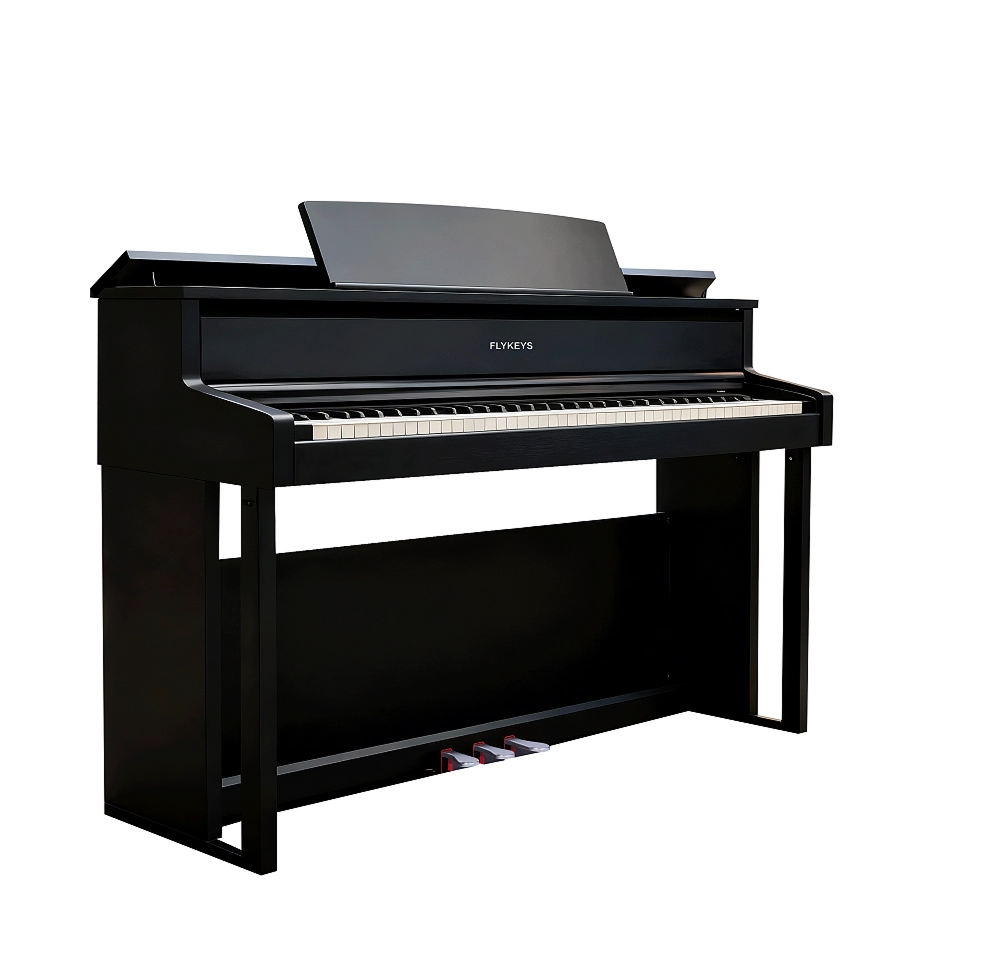
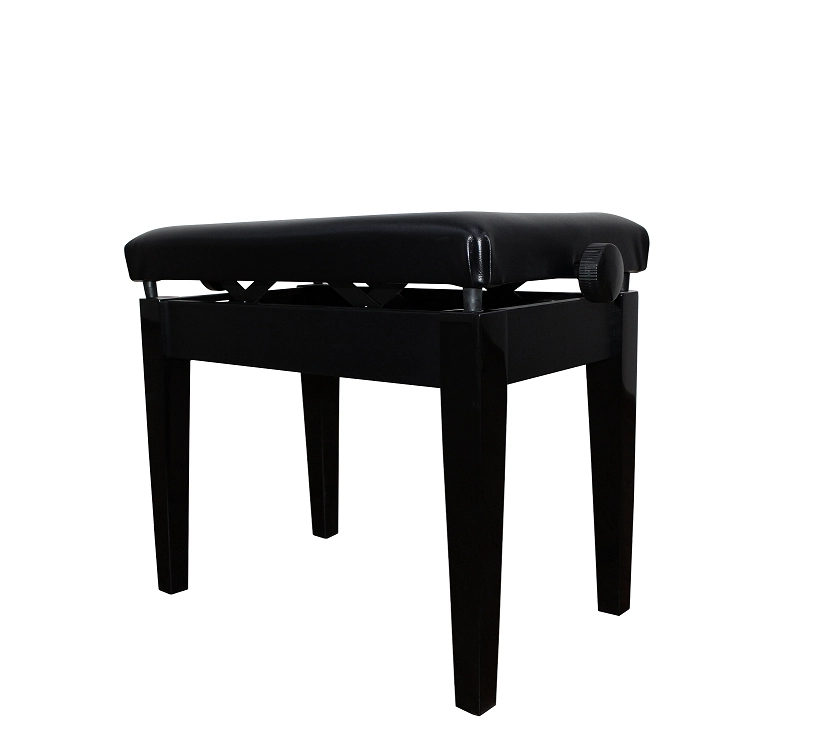
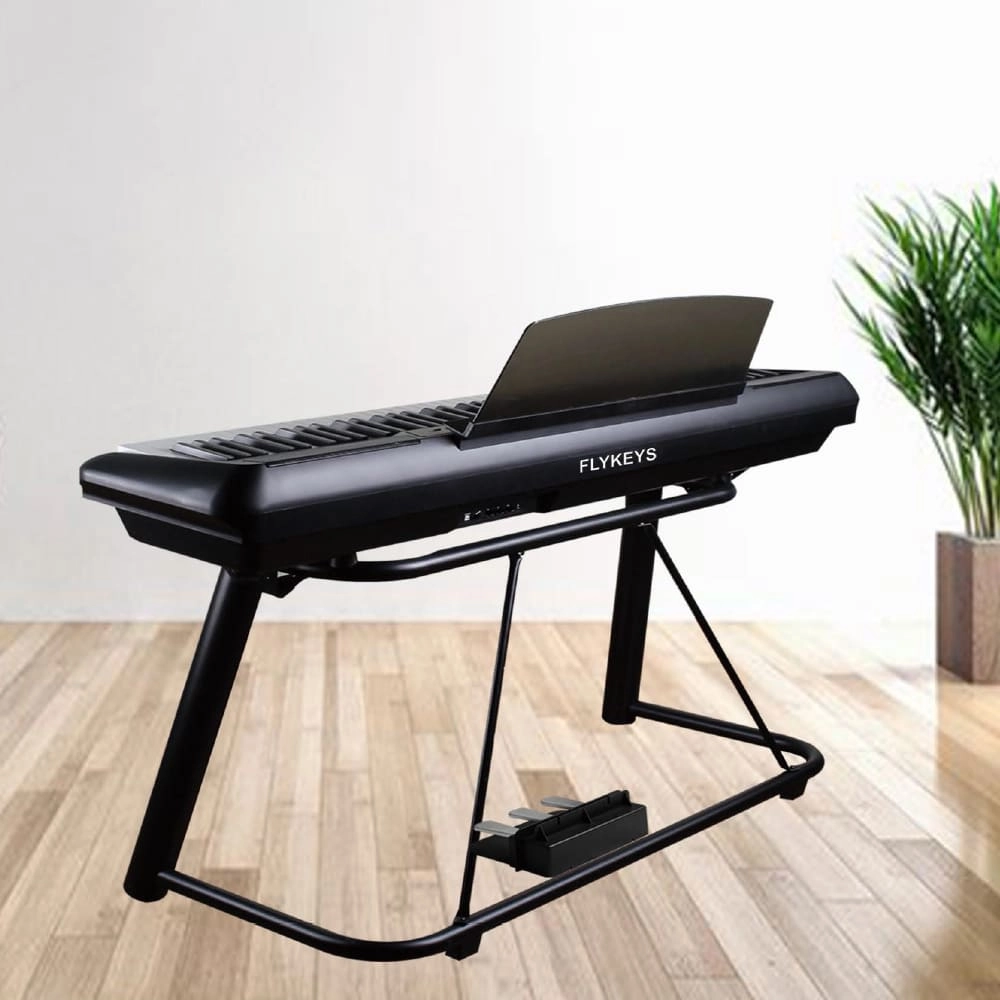
The right choice balances teaching needs, usability, available space, and budget. Compare the full product specifications and included components for each option: a keyboard alone may not include every stand, seat, pedal, or connection a school expects to use. Confirm what is supplied, what may need to be purchased separately, and whether the configuration suits the intended room. Reviewing these details early can help prevent setup surprises.
It is also useful to consider the school’s plans for the instrument over time. Will it stay in one classroom, move between rooms, or support a growing music program? Is the purchase intended for individual practice, teacher demonstration, or a broader range of activities? Clear answers help buyers prioritize relevant capabilities and make a more informed comparison. Where possible, consult music staff and the people responsible for equipment setup and care before choosing.
For a confident purchase, rely on the model’s published specifications and care instructions rather than assumptions about an entire product category. A digital piano that fits the school’s teaching context and can be cared for consistently is more likely to support regular, enjoyable music-making.
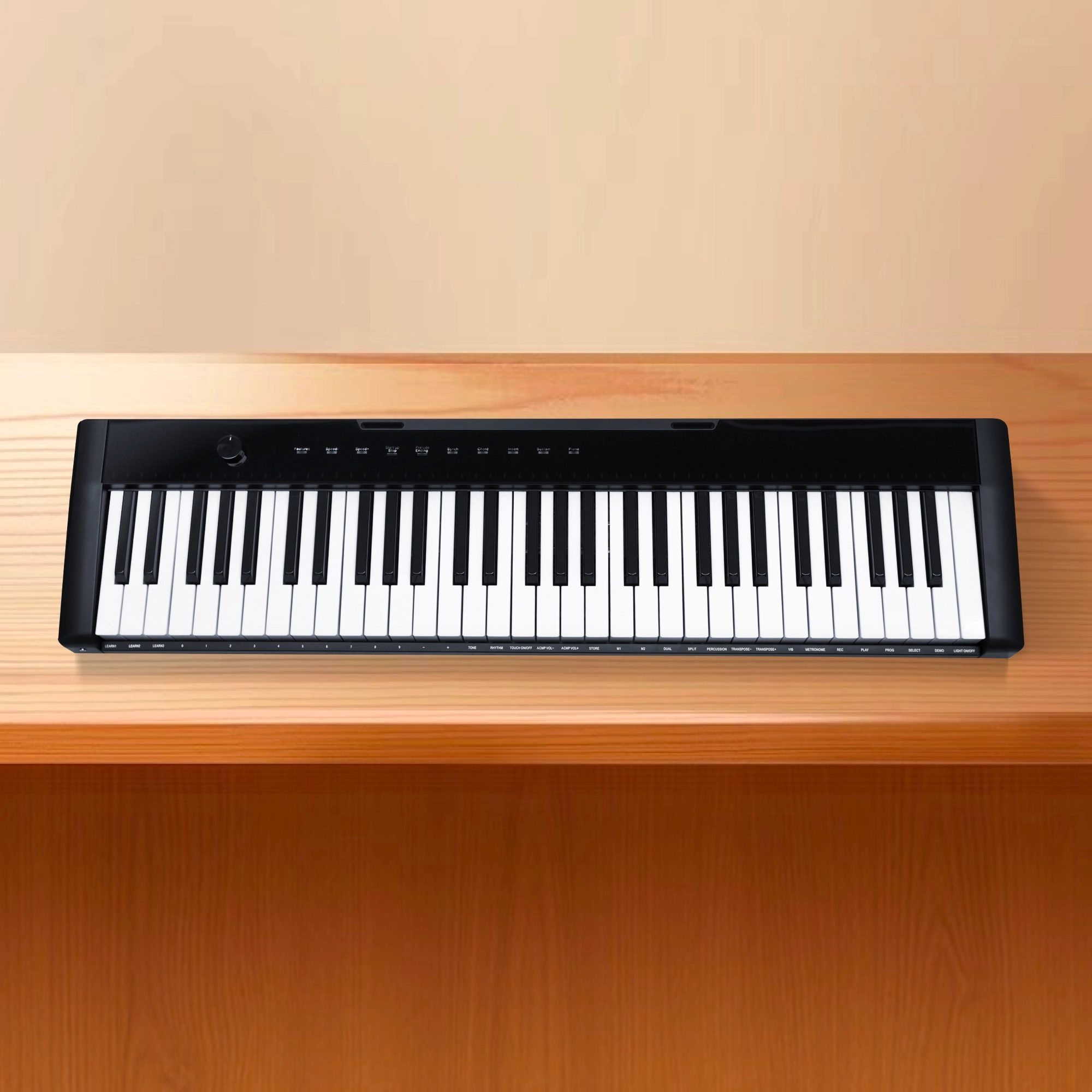
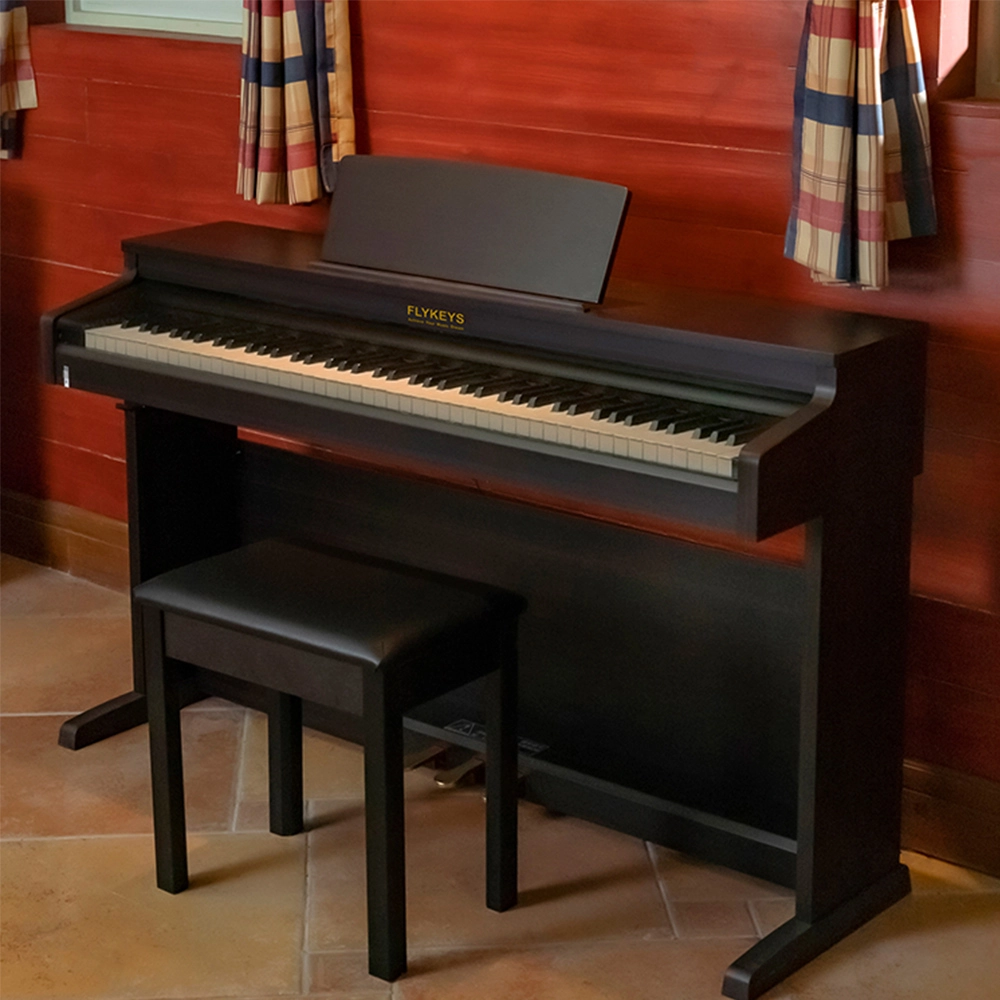
low-maintenance digital pianos for schools Display

- ANNUAL PRODUCTION CAPACITY OF MORE THAN 40,000 UNITS
In 2016, Pearl River Amason's annual sales volume reached 40,000 digital pianos, making it one of the top three Chinese musical instrument brands in the industry.
- PRODUCTS EXPORTED TO MORE THAN 50 COUNTRIES
Through continuous development, FLYKEYS has exported to more than 50 countries in Europe, Poland, Turkey, Russia, the United States, the Middle East, South Africa, etc.
- MORE THAN 16 YEARS OF INDUSTRY EXPERIENCE
2008 was the year of the establishment of Pearl River Amason, which focuses on developing, manufacturing and marketing digital musical instruments.
FAQ
What makes a digital piano suitable for a school?
Suitability depends on the students, teaching activities, room, and staff who will use and care for it. Compare each model’s published features and specifications with the school’s needs rather than assuming all digital pianos offer the same capabilities.
Do digital pianos need tuning?
Digital pianos do not require the routine tuning associated with acoustic pianos. They still need appropriate handling and care, and schools should follow the manufacturer’s guidance for cleaning, power, storage, and use.
How can a school keep a shared digital piano in good condition?
Set simple expectations: keep food and drinks away, use clean hands, handle the controls and cables carefully, and clean the instrument only as directed by its manufacturer. Regular checks can help staff spot issues promptly.
What should schools check before purchasing a digital piano?
Identify the intended teaching and practice uses, then compare the relevant specifications, room requirements, and budget. Confirm which components are included and whether the instrument’s size, weight, and setup suit its planned location.
Can one digital piano serve different classes or rooms?
It may, depending on the instrument’s specifications, the activities involved, and how it will be moved or set up. Check manufacturer handling guidance and consider whether the school has suitable space, power access, and staff support for shared use.



Address: No. 38 Xiangshan Avenue, Zengcheng Economic And Technological Development Zone, Guangzhou, China.
FOLLOW US:
Copyright© 2026 FLYKEYS All Rights Reserved. 粤 ICP备2020102774号. Designed by Gooeyun. Sitemap | Privacy | Terms
FLYKEYS
FLYKEYS
flykeys-music
Flykeys Music