

Portable Digital Pianos for Modern School Music Programs

Portable digital pianos for schools offer a practical way to bring authentic keyboard learning into classrooms, rehearsal spaces, performance areas, and shared music departments. By combining a familiar piano layout with a more manageable form factor than a traditional acoustic instrument, these keyboards can help schools make better use of limited space while giving students consistent access to foundational music education.
Why Portable Keyboards Matter in Education
School music environments rarely stay the same from one lesson to the next. A classroom may need to support individual practice in the morning, group instruction later in the day, and a recital or examination session after school. Portable digital pianos are well suited to this changing routine because they can be repositioned when required rather than remaining permanently tied to one room.
For educators, flexibility is not simply a convenience. It can make music learning more accessible across different year groups and departments. A movable keyboard may serve beginner lessons, accompaniment work, composition exercises, theory demonstrations, and supervised practice without requiring a dedicated piano room for every activity. This can be especially valuable for schools working with shared facilities or evolving timetables.
Digital instruments also provide a consistent teaching platform. Students can become familiar with the same key arrangement and playing response across lessons, reducing distractions caused by differences between poorly maintained or heavily used acoustic pianos. Teachers can focus more closely on posture, rhythm, dynamics, reading, and musical expression while students develop dependable habits.
- Flexible placement in classrooms, practice areas, halls, and rehearsal rooms
- Useful support for one-to-one tuition, group teaching, accompaniment, and composition
- A practical option where permanent acoustic piano installation is unsuitable
- Adaptable equipment for schools that need to share resources between departments
Choosing the Right Instrument for a School Setting
The best choice depends on how the instrument will be used each day. Before comparing models, schools should consider who will play it, where it will be stored, how often it will be moved, and whether it will support teaching, performance, practice, or a combination of these needs. A keyboard intended for occasional demonstrations may have different priorities from one used for regular student lessons.
Key feel should be considered carefully because it influences how students develop touch, control, and confidence. A piano-style playing experience can support more natural progression for learners who may later move to an acoustic piano or advanced digital model. Schools should also assess the clarity of the sound, the ease of operation, and whether controls are straightforward enough for students and staff to use without unnecessary setup time.
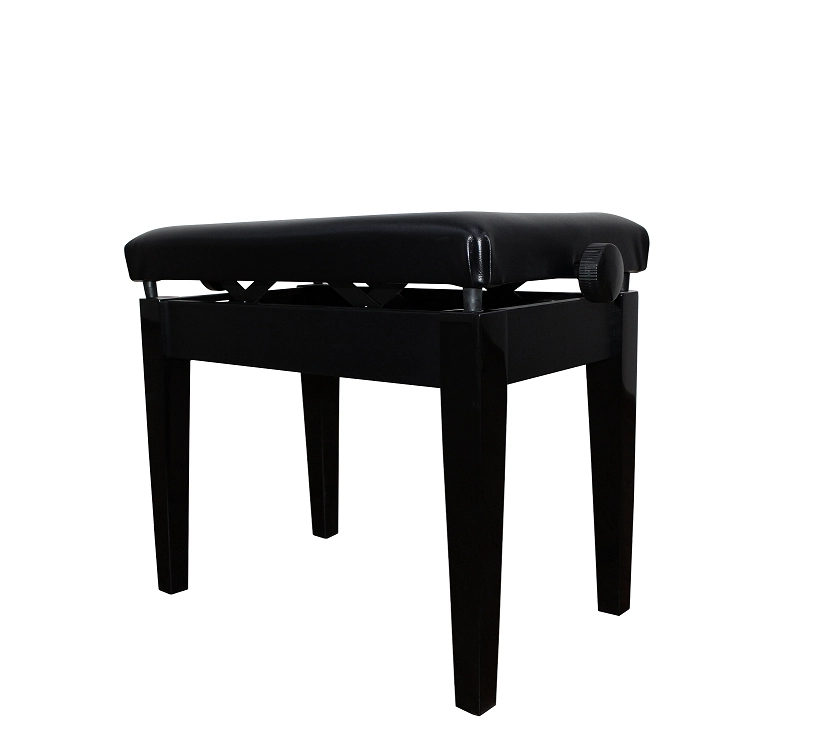
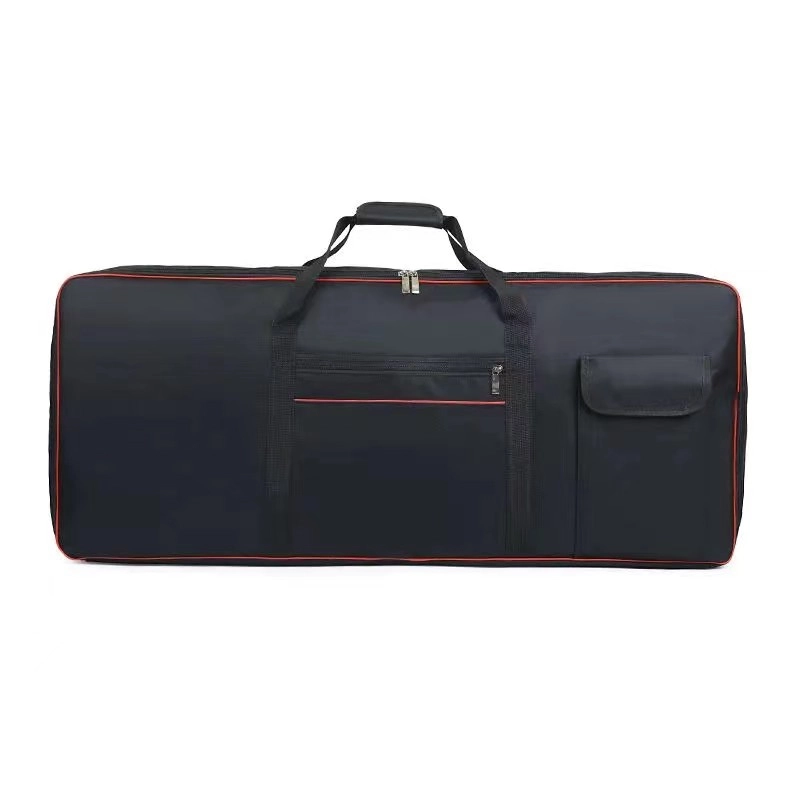
Practical handling is equally important. An instrument that can be moved safely and stored efficiently may deliver greater value than one with features that are rarely used. Consider the available stands, benches, protective covers, power arrangements, and storage procedures as part of the complete purchase decision. Clear responsibility for setup and care helps protect school equipment and keeps lessons running smoothly.
- Match the keyboard to the age, ability, and learning goals of its users
- Evaluate portability alongside stability, storage, and regular handling requirements
- Prioritize intuitive controls that reduce interruptions during teaching
- Plan for accessories and safe storage rather than assessing the instrument alone
Supporting Long-Term Learning and School Value
A school piano is more than a classroom purchase; it is a resource that can influence participation over many years. Instruments that are easy to position and simple to access can encourage more frequent practice and make informal musical exploration less intimidating. They may also support wider school activities, including assemblies, songwriting projects, student performances, and interdisciplinary work involving drama or media.
For music leaders, the strongest investment is one that fits naturally into the school’s teaching strategy. A versatile keyboard can help create continuity between beginner instruction and more advanced study, while also supporting students who are discovering music for the first time. It can contribute to a more inclusive environment by making keyboard-based activities available beyond students who already have access to an instrument at home.
When reviewing this category, schools should balance educational purpose, everyday usability, portability, and expected frequency of use. A considered approach helps administrators select equipment that teachers can rely on and students can engage with confidently. The result is not merely a convenient substitute for a traditional piano, but a flexible teaching resource that can adapt as the school’s musical needs grow.
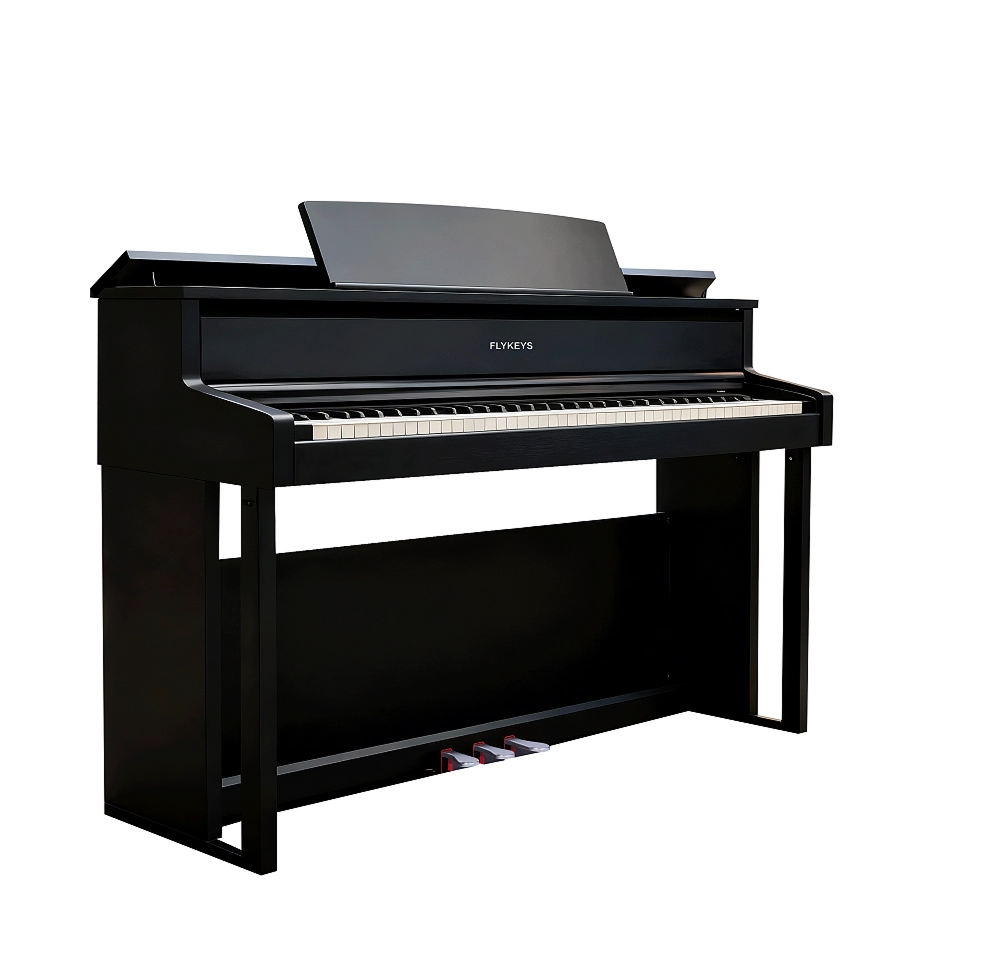
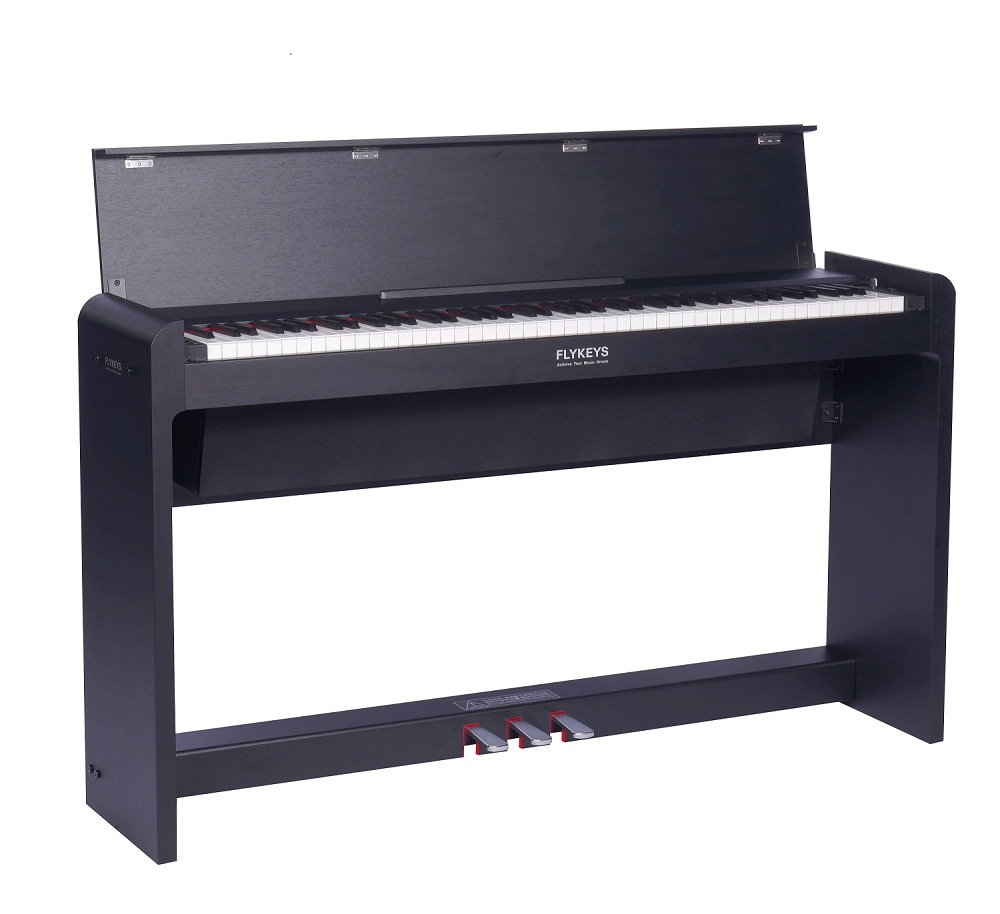
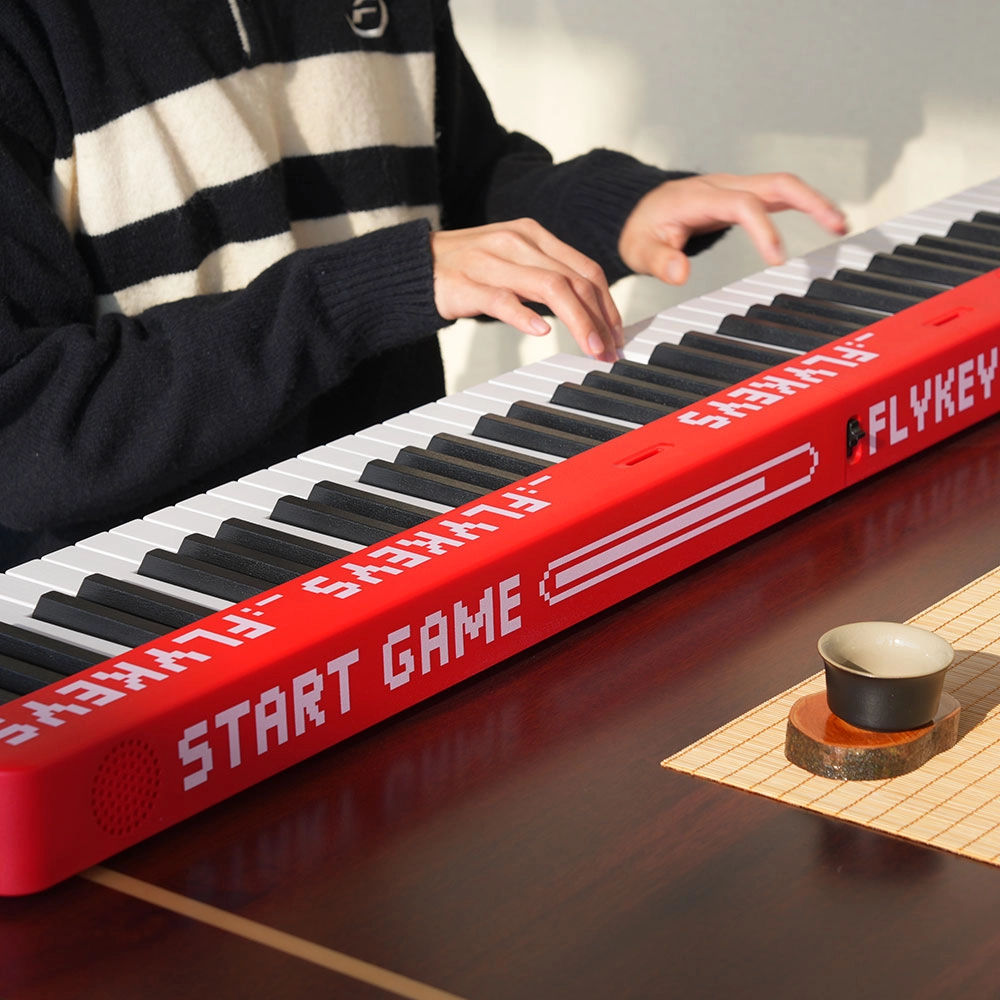
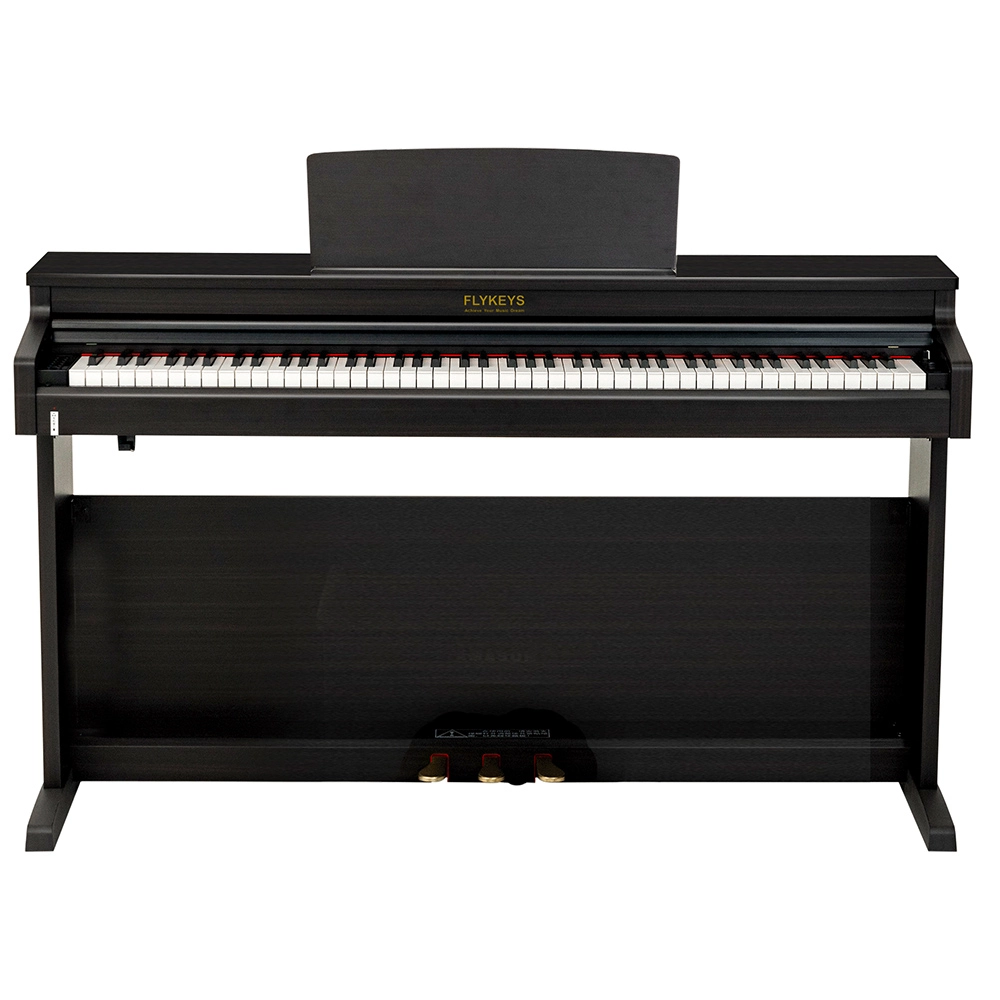
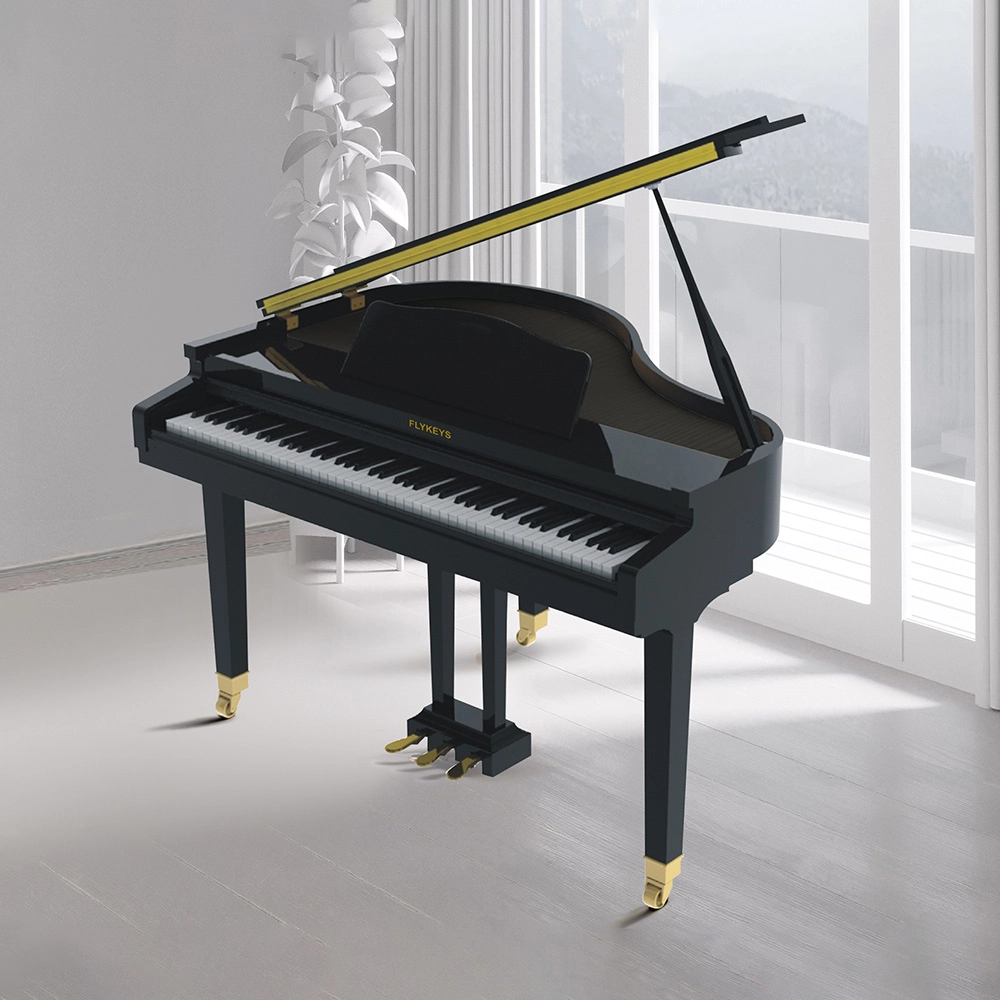
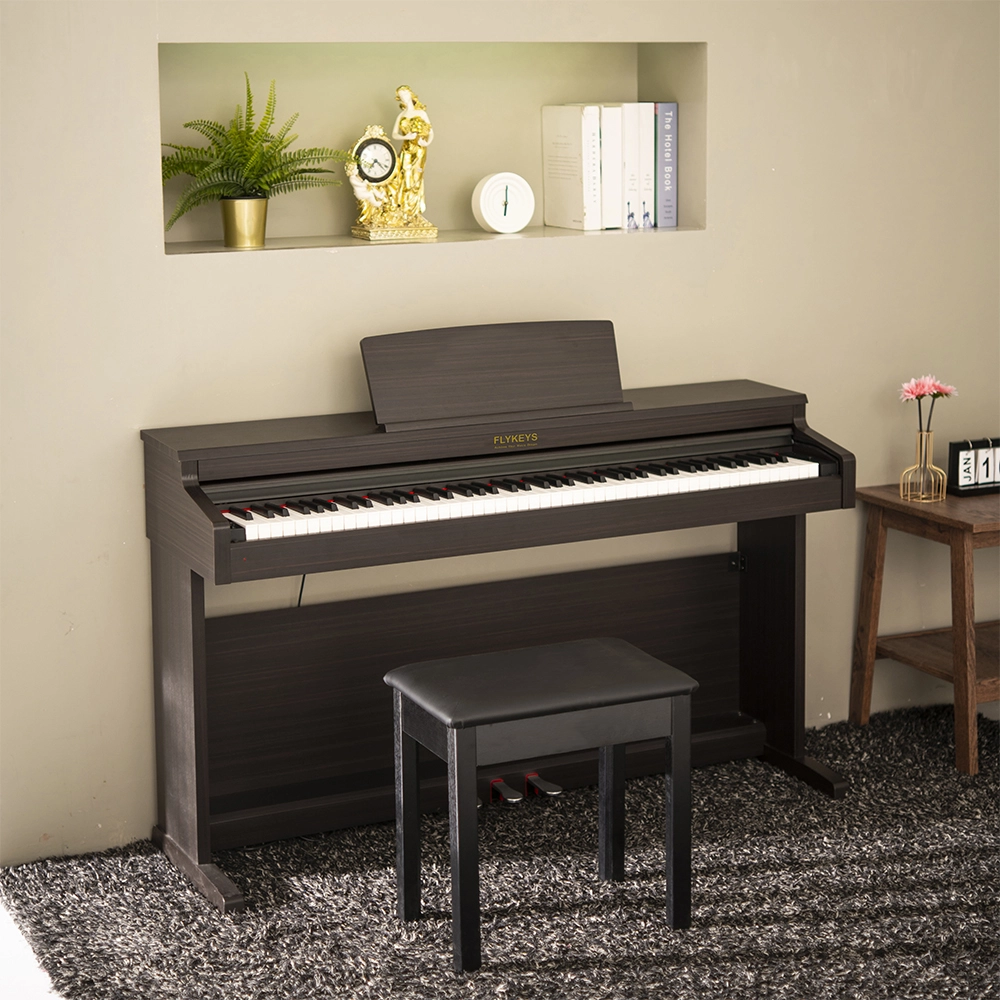
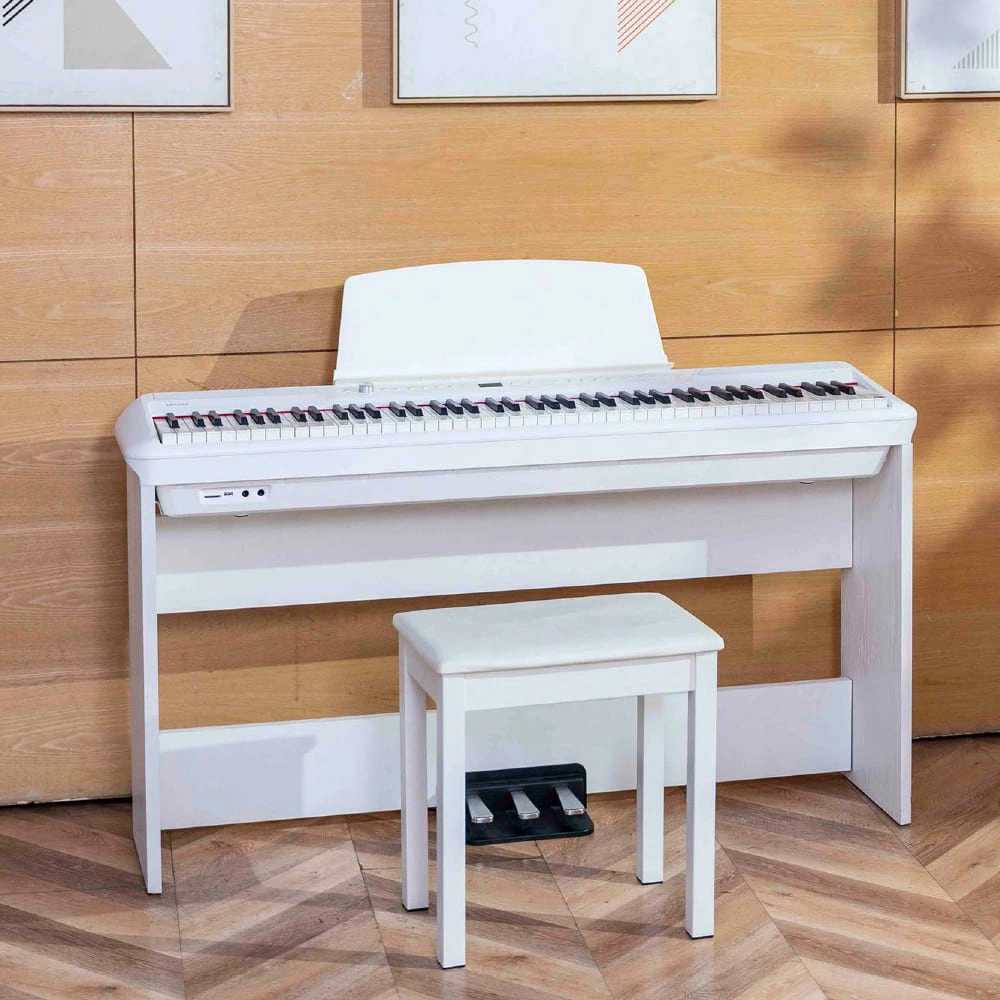
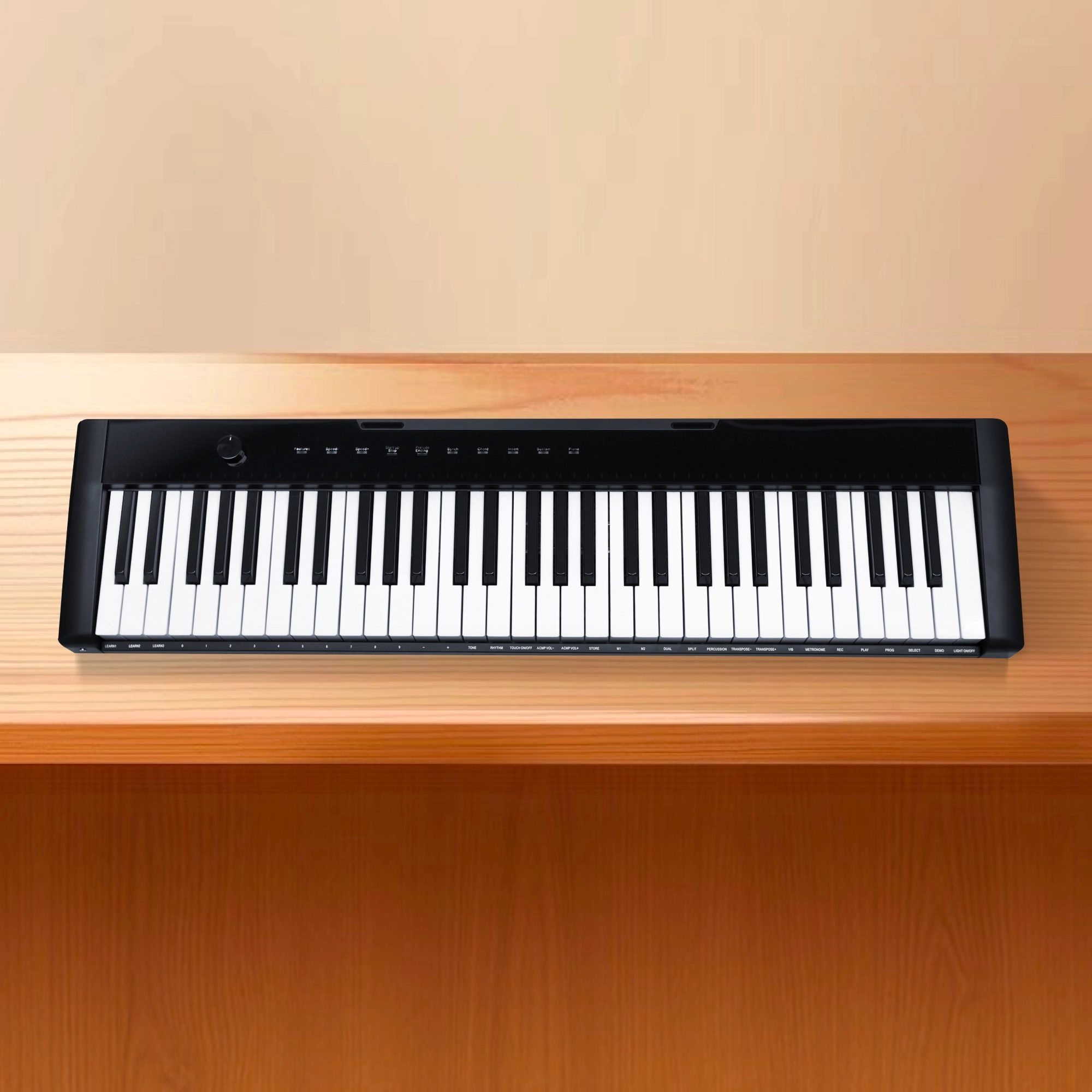
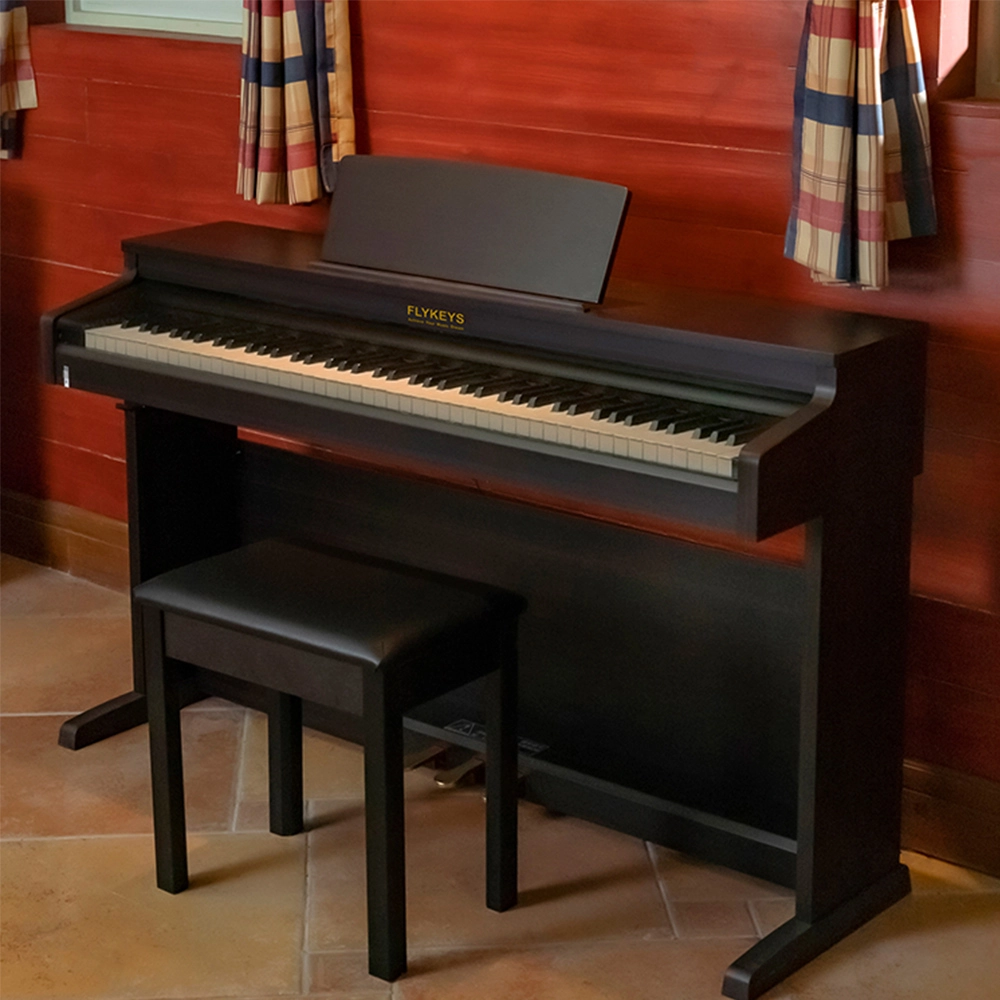
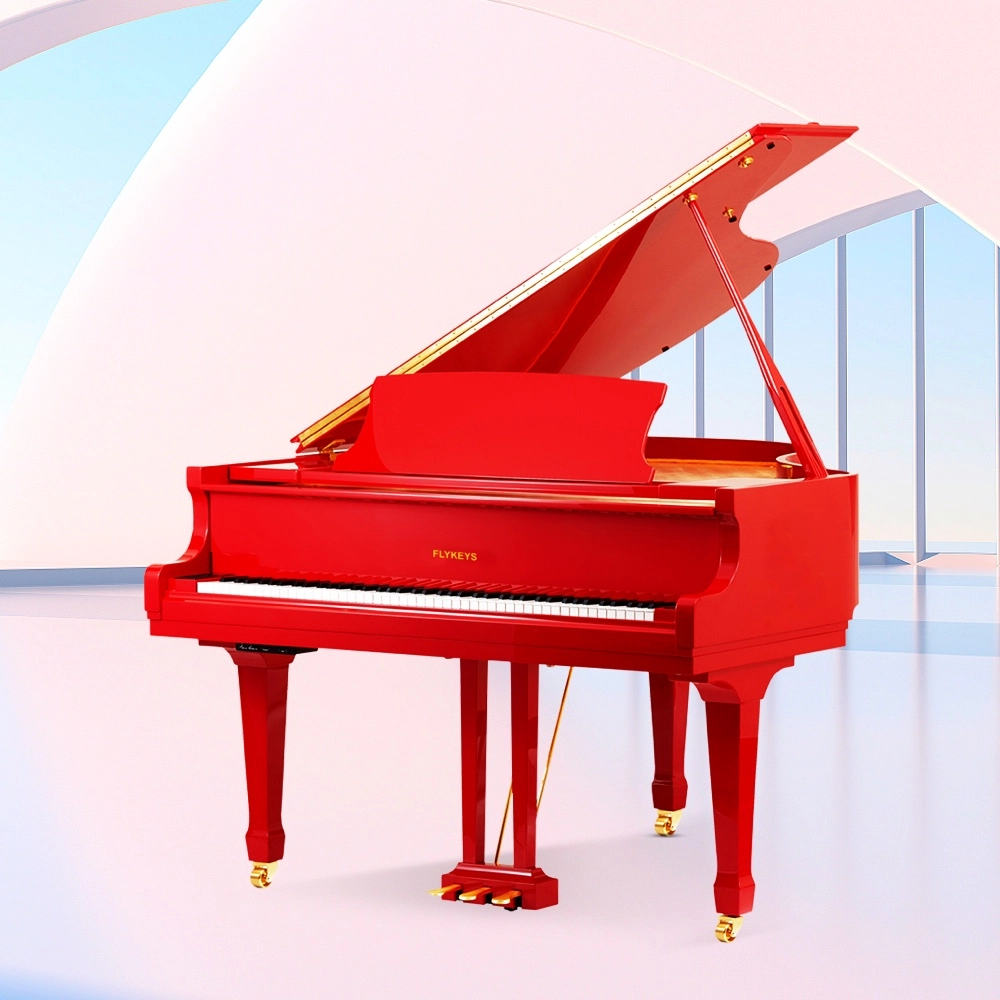
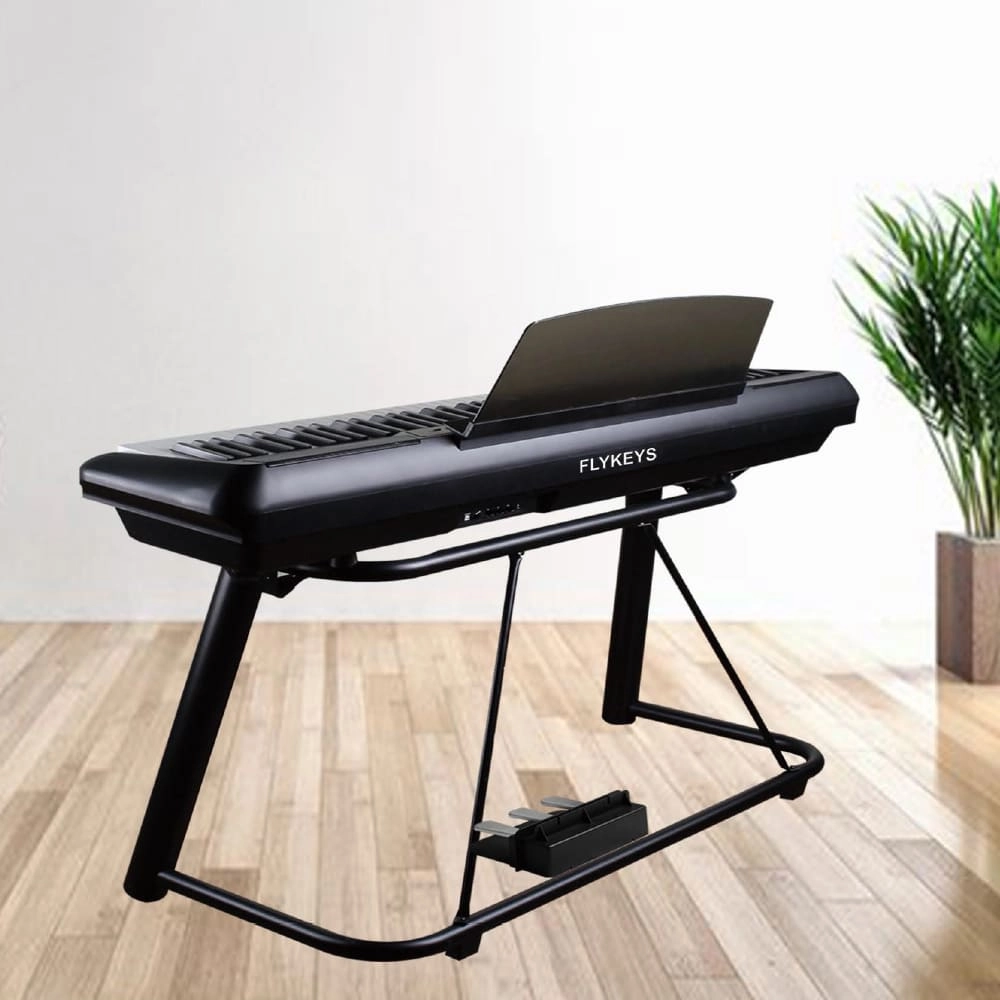
portable digital pianos for schools Display


- Productivity
We are a factory with over 15 years of experience in digital instrument development and manufacturing, with a factory of over 15000 square meters and a team of 200 people.
We are dedicated to providing high-quality digital instruments customization services and high-quality digital instruments products to global customers. We can handle any order that meets the needs of our customers, whether it's technical research and development or finished product manufacturing. Top 50 Musical Instrument Manufacturers.
- Advisory Service
Flykeys has a professional overseas team to provide a one-stop solution for FLYKEYS overseas pre-sales, in sales, and after-sales related consulting services.
Pearl River Amason has been deeply engaged in the electronic digital musical instrument industry for 16 years, insisting on independent research and development and technological innovation.
- PRODUCTS EXPORTED TO MORE THAN 50 COUNTRIES
Through continuous development, FLYKEYS has exported to more than 50 countries in Europe, Poland, Turkey, Russia, the United States, the Middle East, South Africa, etc.
FAQ
What makes a digital piano suitable for use in schools?
A suitable school instrument should support the intended learning activities while being practical to position, operate, store, and maintain. Schools should consider playing feel, sound clarity, ease of use, portability, and the age and ability of the students who will use it.
Can a portable digital piano support more than piano lessons?
Yes. A portable keyboard can support accompaniment, composition, music theory demonstrations, group instruction, rehearsal, performances, assemblies, and interdisciplinary projects. Its value increases when it can serve multiple teaching and school activities.
How should schools assess portability?
Portability should be evaluated alongside stability and storage. Consider how often the instrument will be moved, where it will be kept, whether staff can handle it safely, and which stands, benches, covers, and power arrangements are needed for regular use.
Why is key feel important for student development?
Key feel influences touch, control, coordination, and confidence. A piano-style playing experience can help students build habits that transfer more naturally to acoustic pianos and other advanced keyboard instruments.
What should schools plan for after purchasing an instrument?
Schools should establish clear procedures for setup, storage, handling, cleaning, and shared use. Planning for accessories and responsible care helps protect the equipment, reduce disruption, and keep it available for lessons and performances over the long term.



Address: No. 38 Xiangshan Avenue, Zengcheng Economic And Technological Development Zone, Guangzhou, China.
FOLLOW US:
Copyright© 2026 FLYKEYS All Rights Reserved. 粤 ICP备2020102774号. Designed by Gooeyun. Sitemap | Privacy | Terms
FLYKEYS
FLYKEYS
flykeys-music
Flykeys Music