

Sound Quality Digital Pianos for Schools

Choosing a digital piano for a school is about more than finding an instrument that fits a room or a budget. Teachers need a dependable way to demonstrate musical ideas, students need a responsive instrument for practice and performance, and administrators need purchases that make sense for the program’s needs. Sound quality digital pianos for schools should be assessed in context: how clearly they communicate musical expression, how they will be used in lessons, and whether the overall setup suits the spaces and students they serve. This category brings together considerations that can help schools make a thoughtful, informed choice.
Choose a Piano That Supports the Way Students Learn
In a classroom, sound is part of instruction. A clear, convincing piano tone can help students hear the difference between melody and accompaniment, notice changes in dynamics, and connect what they see on the keyboard with what they hear. A teacher may use an instrument to introduce a new passage, lead a group activity, or provide a reference during rehearsal. Students may use it for individual practice, ensemble work, or developing confidence at the keyboard. The right instrument should make those everyday learning moments easier to support.
Sound quality is not simply a matter of personal preference. Consider whether the piano’s tone is comfortable to listen to in the intended room and whether it gives students a useful reference for their playing. Schools should also think about who will hear the instrument: a teacher and one student in a lesson, a small group gathered around a keyboard, or a class in a larger music room. Room size, background noise, placement, and the way the piano will be amplified can all affect how well its sound carries. When possible, try an instrument in a setting similar to its planned use.
Student experience matters alongside tone. A keyboard that feels comfortable and predictable can help learners focus on technique and musical choices rather than adapting to an unfamiliar response. If multiple students will share an instrument, consider their ages, experience levels, and the kinds of activities the piano will support. A school’s music staff can help define these needs before purchase, making it easier to compare options on relevant criteria rather than appearance alone.
Match the Instrument to the Classroom and Program
School environments vary widely, so there is no single setup that works for every program. A piano used in a dedicated music room may have different priorities from one that needs to move between classrooms or serve as a teaching instrument. Start by mapping out the practical details: where the instrument will be placed, who will use it, how often it will be used, and what other equipment or furniture must share the space. Check the manufacturer’s specifications for dimensions, power requirements, and included accessories before deciding how a particular model will fit.
It is useful to distinguish between essential needs and desirable extras. A school might prioritize a sound that supports demonstration, a layout that is easy for beginners to approach, or compatibility with existing teaching equipment. Other programs may place greater emphasis on flexible use across lessons and rehearsals. Confirm any required connections, accessories, or sound reinforcement equipment rather than assuming they are included. A clear checklist helps staff compare products consistently and reduces the likelihood of overlooking a practical requirement.
- Identify the primary users and teaching activities before comparing instruments.
- Consider room acoustics, listening distance, placement, and any amplification needs.
- Check specifications and included accessories against the school’s setup.
- Plan how students will access, share, and care for the instrument.
- Compare total ownership needs, including setup and ongoing support, not just the initial price.
Careful planning also supports inclusive, well-organized teaching. When an instrument is placed where students can see demonstrations and hear musical examples clearly, it can become a more useful part of classroom routines. Schools should consider access for the learners who will use it and coordinate placement with the people responsible for room setup and equipment. Basic expectations for handling and storage can help a shared instrument remain ready for lessons. These are practical decisions, but they shape how often and how effectively the piano is used.
Make a Confident, Long-Term Selection
A school purchase is strongest when the selection process connects musical goals with operational realities. Ask music teachers to describe the situations the instrument must handle, then use those examples to guide evaluation. Listening in person, where possible, can reveal whether the tone suits the room and whether the playing experience feels appropriate for the intended learners. If an in-person trial is not available, review verified specifications and seek clear information from the seller or manufacturer about setup, compatibility, and support.
Value is best judged over the instrument’s expected role in the program, rather than by price alone. A product that suits the teaching context, can be set up appropriately, and is supported by a clear plan for shared use may serve the school more effectively than an option chosen without those considerations. Before ordering, confirm delivery details, what is included, and any requirements for installation or additional equipment. Keeping a written record of these points helps staff align expectations and plan a smooth introduction into the classroom.
Ultimately, choosing a school digital piano is a decision about enabling musical participation. Prioritize a sound that helps students and teachers communicate musical ideas, a setup that fits the learning environment, and a selection process grounded in the program’s real needs. With those criteria in view, schools can compare instruments more confidently and choose an option that supports lessons, practice, and shared music-making.
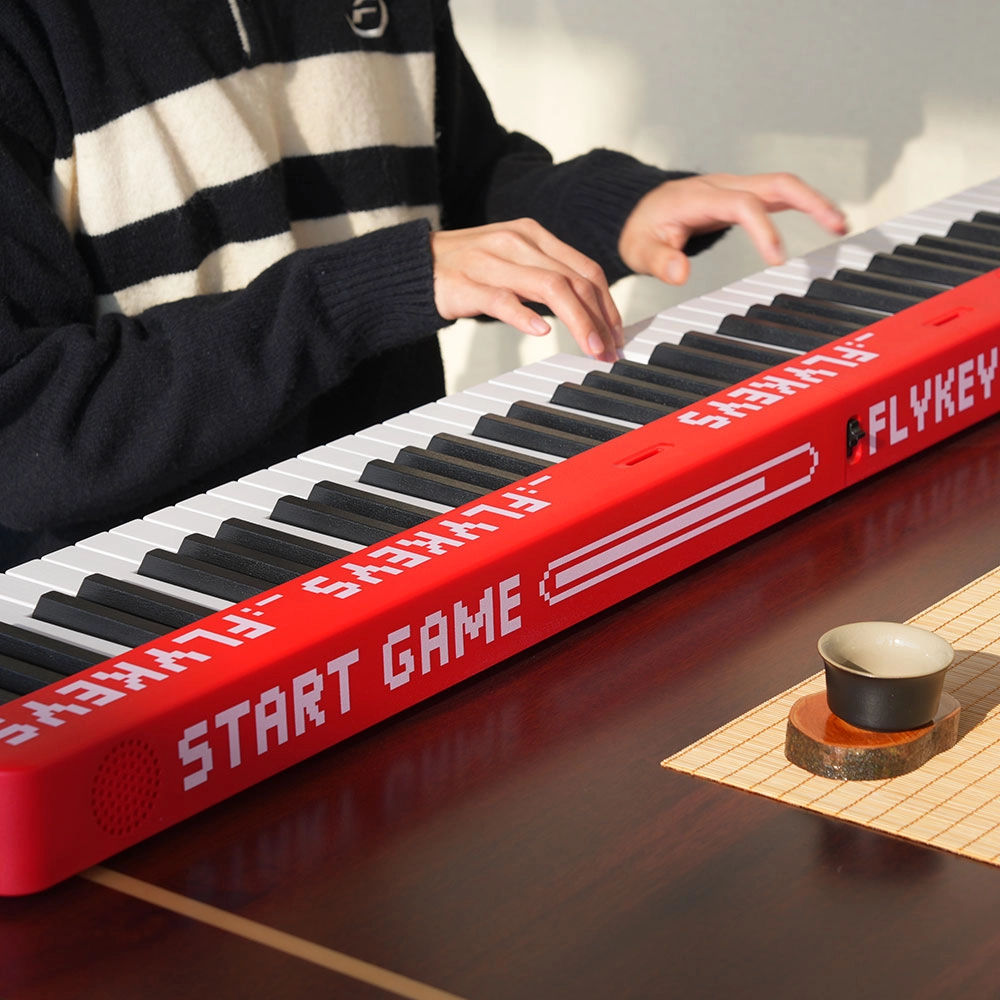
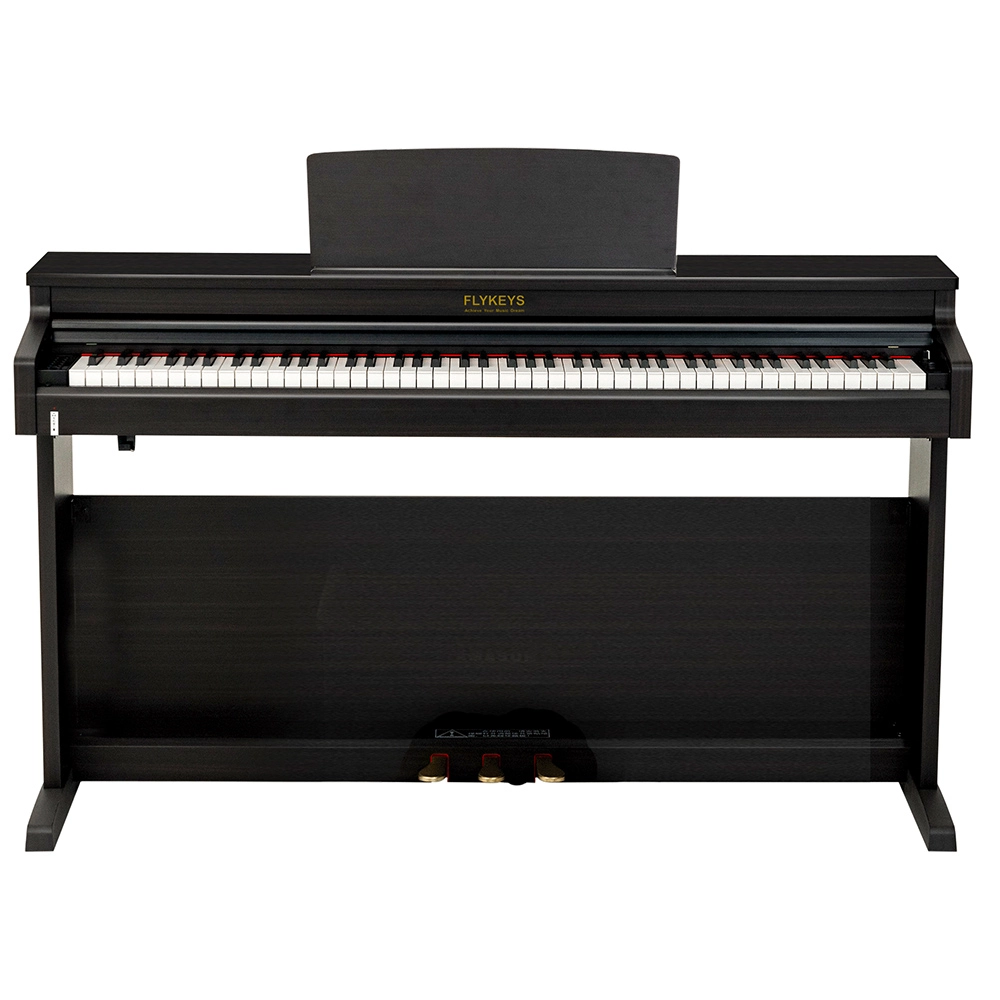
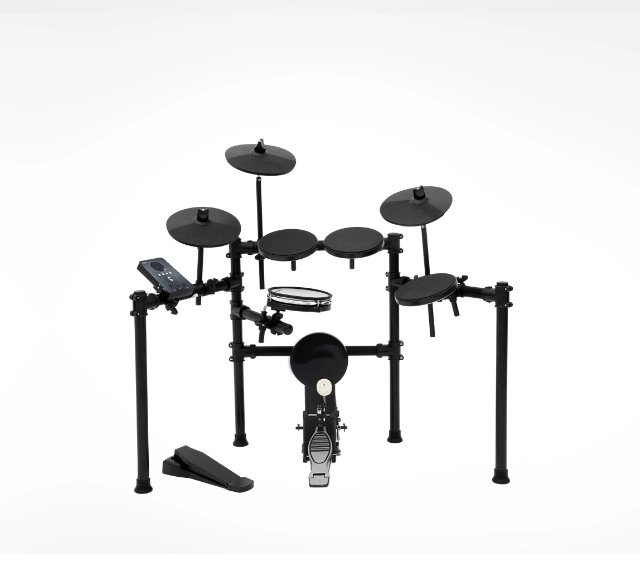
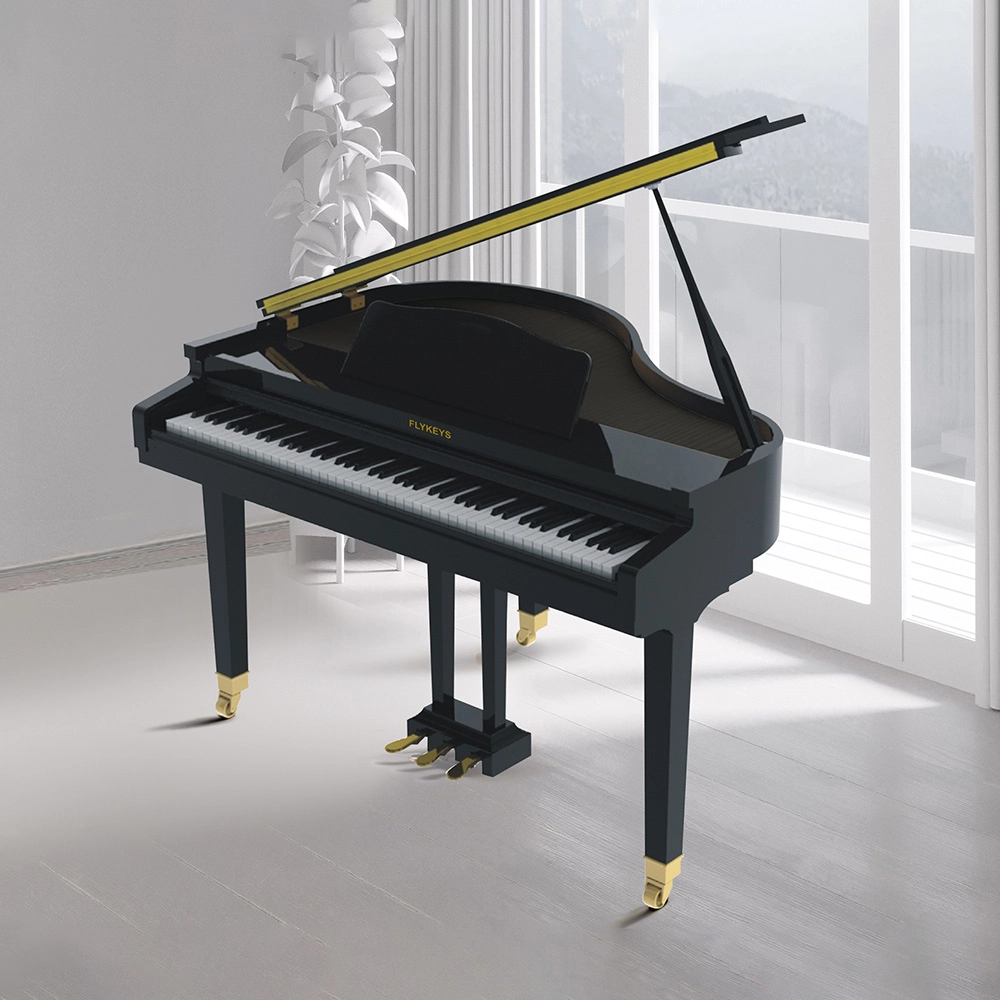
sound quality digital pianos for schools Display


Top 10 Technological Enterprises in China's Musical Instrument Industry.
Top 50 Musical Instrument Manufacturers.
Pearl River Amason has been deeply engaged in the electronic digital musical instrument industry for 16 years, insisting on independent research and development and technological innovation.
- Excellent Service
Flykeys is a brand facing to the world market, we have professional R&D team and manufacturing team to handle all your requirements and aim to provide a high standard digital musical instruments product to our customers.
FAQ
What should schools consider when evaluating digital piano sound quality?
Listen for a tone that is clear and comfortable in the intended room, and consider whether it helps students hear musical details such as melody and dynamics. Room size, background noise, placement, and amplification can all affect the result, so an in-person evaluation in a similar setting is useful when possible.
How can a school choose a digital piano for different student experience levels?
Start by identifying the ages, experience levels, and activities of the students who will use it. Consider whether the playing experience feels comfortable and predictable for those learners, and ask music staff to define the instrument’s main teaching and practice roles before comparing options.
Should a school digital piano be tested in the classroom before purchase?
Testing in a setting similar to the planned classroom use can help staff judge how the sound carries and whether the instrument suits the room. If a trial is not possible, review verified specifications and ask the seller or manufacturer about setup, compatibility, and support.
What practical requirements should schools check before ordering?
Confirm the intended placement, dimensions, power requirements, included accessories, and any connections or sound reinforcement equipment the setup may need. Also check delivery details and whether installation or additional equipment is required rather than assuming these are included.
How can schools get better long-term value from a digital piano?
Assess the instrument against its expected role in the program, including teaching needs, classroom fit, setup, shared use, and support. Planning how students will access and care for the instrument, and comparing total ownership needs rather than initial price alone, can support a more informed purchase.



Address: No. 38 Xiangshan Avenue, Zengcheng Economic And Technological Development Zone, Guangzhou, China.
FOLLOW US:
Copyright© 2026 FLYKEYS All Rights Reserved. 粤 ICP备2020102774号. Designed by Gooeyun. Sitemap | Privacy | Terms
FLYKEYS
FLYKEYS
flykeys-music
Flykeys Music