

Teacher-Recommended School Pianos for Confident Music Learning
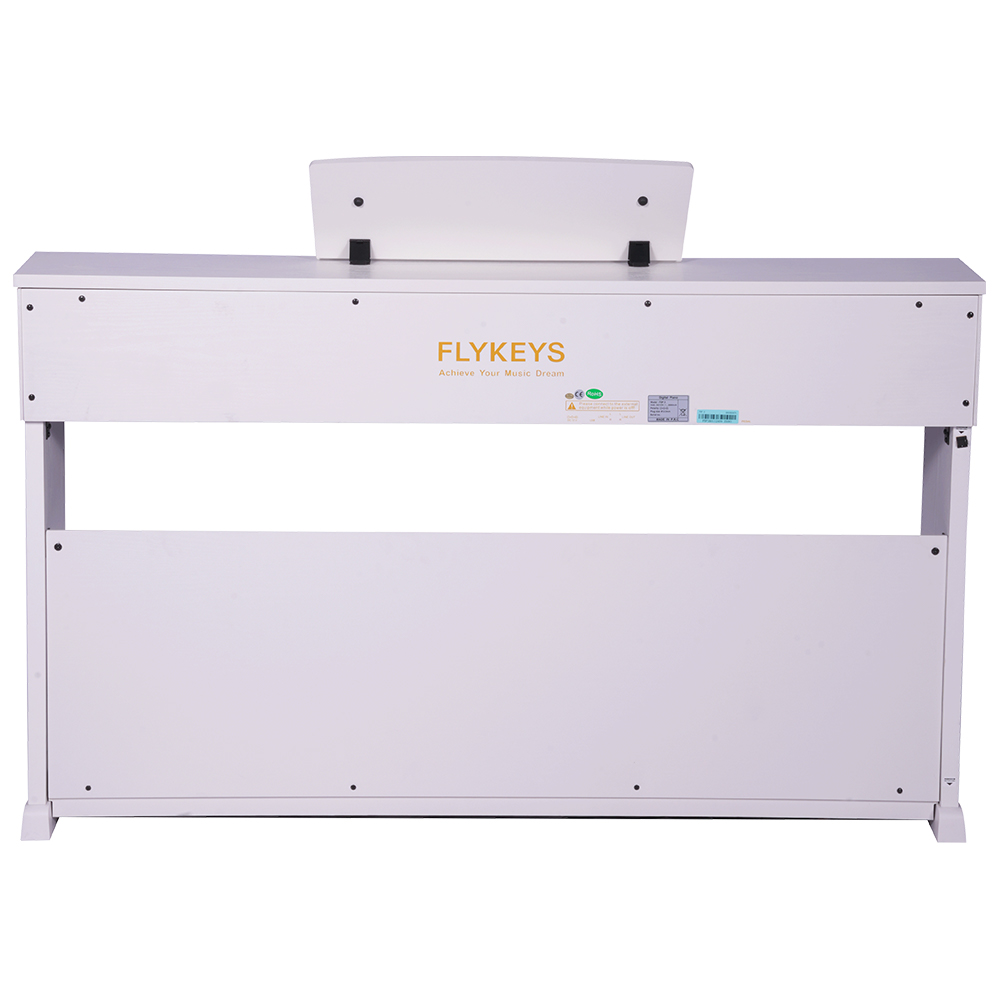
Choosing the right piano for a school is an investment in musical confidence, teaching quality, and years of student engagement. The best teacher-recommended school pianos are not selected on appearance alone; they are judged by how naturally they support instruction, how consistently they perform under frequent use, and how well they fit the school’s rooms, timetable, budget, and maintenance resources. Whether the requirement is for a classroom, practice area, performance space, or examination room, a carefully matched instrument can make lessons more productive and music more inviting.
Choose an Instrument That Supports Every Stage of Learning
A school piano should serve beginners without limiting advanced learners. Students need a responsive playing experience that helps them hear the relationship between finger movement, rhythm, dynamics, and tone. Teachers also need an instrument that communicates musical detail clearly, allowing them to demonstrate phrasing, articulation, balance, and pedaling without distraction.
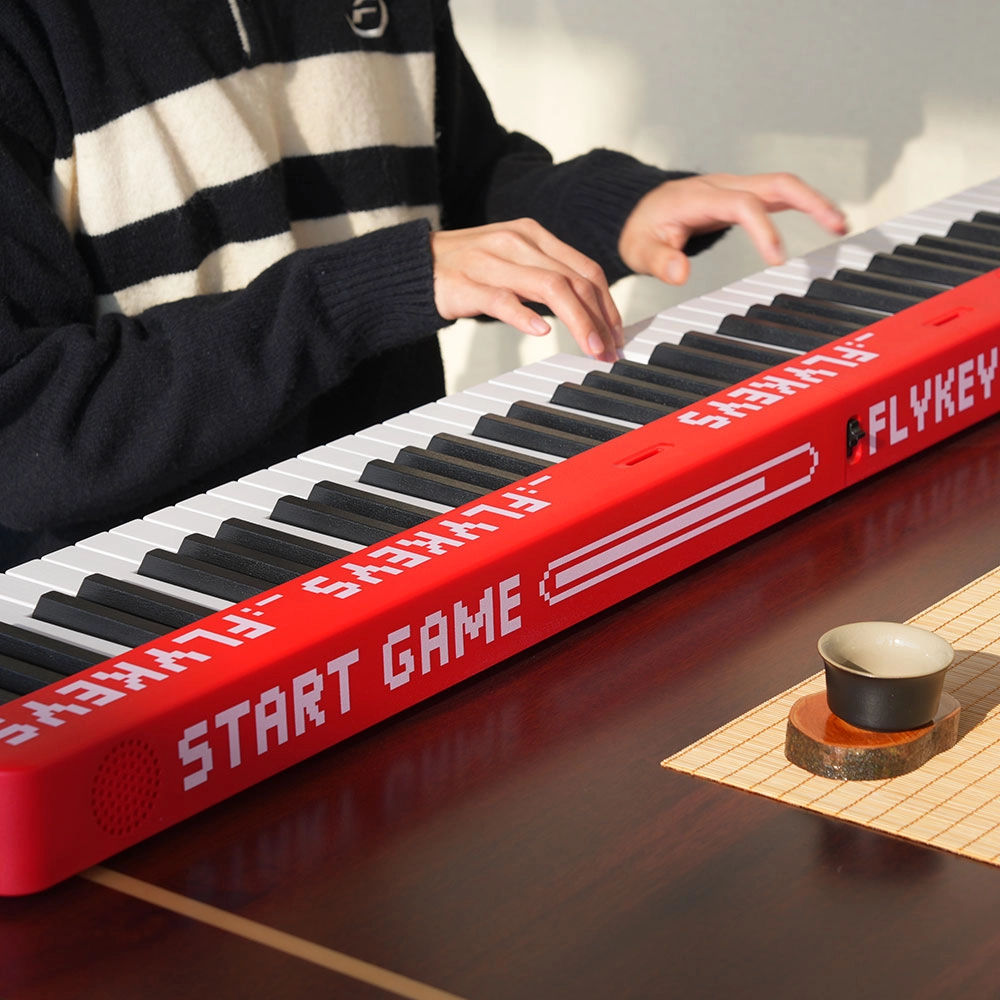
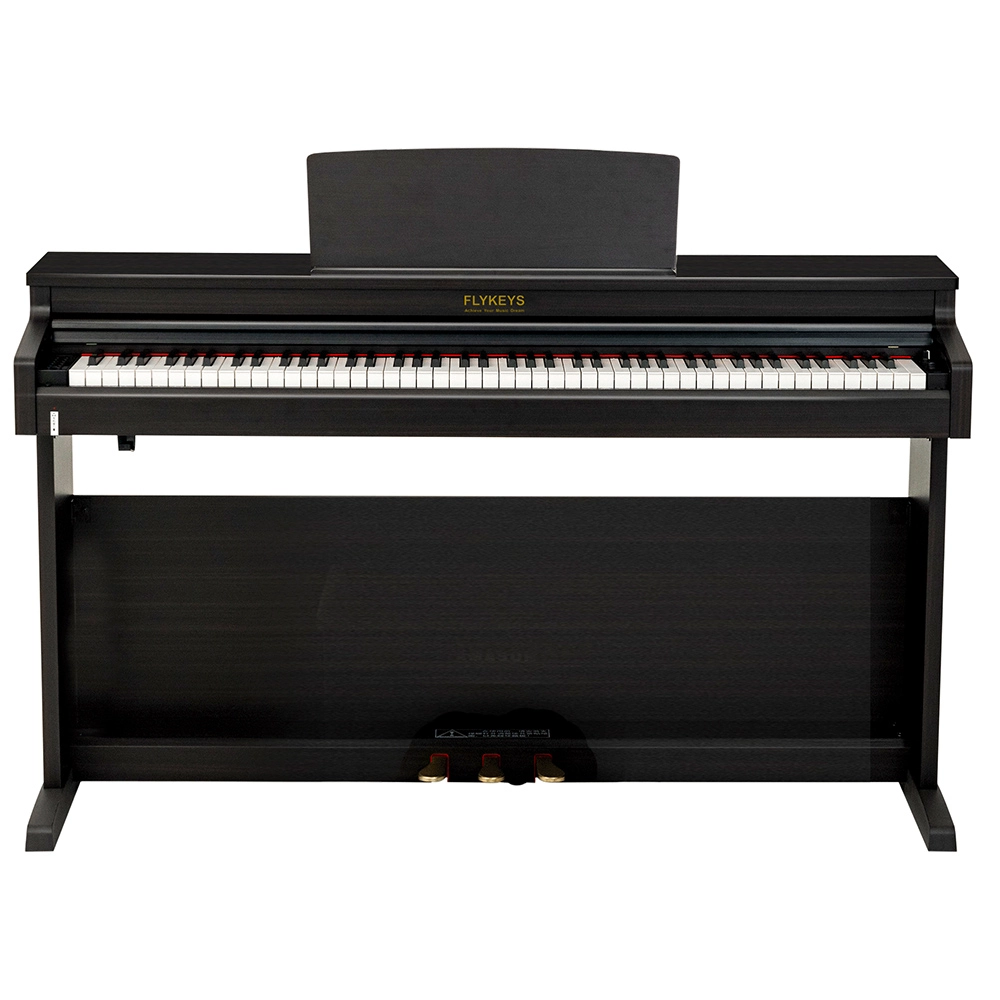
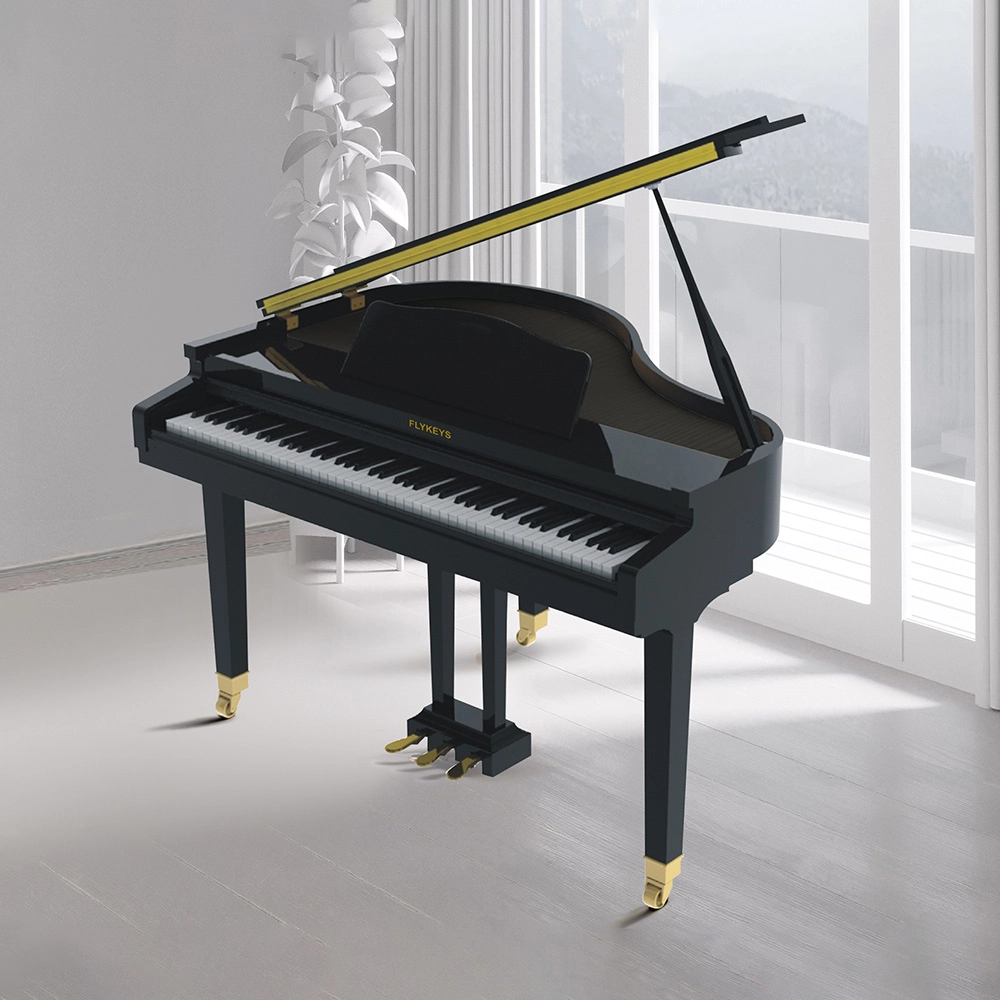
Acoustic pianos can provide an expressive, naturally evolving sound and a tactile connection that many educators value. Digital pianos may offer practical advantages where space, volume control, portability, or flexible scheduling is important. Neither format is automatically right for every school. The most useful decision begins with the teaching environment: how often the instrument will be used, who will use it, whether lessons occur simultaneously, and what level of sound management the building requires.
- For general classrooms: prioritize reliable operation, clear projection, and a footprint that leaves room for group teaching.
- For practice rooms: consider touch consistency, headphone capability where appropriate, and ease of supervision.
- For assemblies and performances: focus on tonal presence, visual presentation, and dependable performance in front of an audience.
- For examination or assessment spaces: select an instrument with predictable response and a condition that supports fair evaluation.
Balance Sound, Durability, and Practical Ownership
Educational instruments often experience more varied use than a private home piano. They may be played by beginners, experienced performers, teachers, visiting specialists, and large numbers of students throughout the week. This makes consistent touch and dependable construction especially important. A piano that feels predictable helps students build technique with fewer compensations, while a stable instrument gives teachers confidence when demonstrating musical ideas.
Ownership should be considered beyond the initial purchase price. Acoustic models require appropriate placement, periodic tuning, and professional care. Digital models reduce some maintenance demands but still benefit from careful handling, suitable power arrangements, and protection from excessive heat, moisture, or impact. Schools should also review warranty terms, service availability, delivery access, installation requirements, and the expected availability of replacement components before committing to a purchase.
Room conditions matter as well. Direct sunlight, radiators, drafts, uneven flooring, and fluctuating humidity can affect an acoustic piano over time. In a digital setting, acoustics, speaker placement, and volume limits influence how naturally students hear their playing. Thoughtful planning protects the instrument and improves the learning experience for everyone who uses it.
Make the Piano a Long-Term Educational Resource
A well-chosen school piano becomes part of the institution’s wider music culture. It can support first lessons, accompany choirs, strengthen ensemble rehearsals, provide a foundation for composition, and give students a reliable place to prepare for performances. That versatility makes it important to consider not only today’s timetable but also future curriculum plans, enrollment changes, extracurricular programs, and the school’s approach to inclusive access.
Teachers and administrators can improve the selection process by gathering input from the people who will use and maintain the instrument. Ask instructors about preferred touch and tonal character, facilities teams about room conditions and access, and finance teams about service costs over the instrument’s expected life. A student-centered choice should also consider accessibility, seating position, volume management, and whether the instrument can support learners with different physical, sensory, or musical needs.
The strongest purchase is the one that aligns musical quality with operational reality. By assessing use, environment, support, and future goals together, schools can choose an instrument that encourages regular practice, supports confident teaching, and remains valuable as students progress.
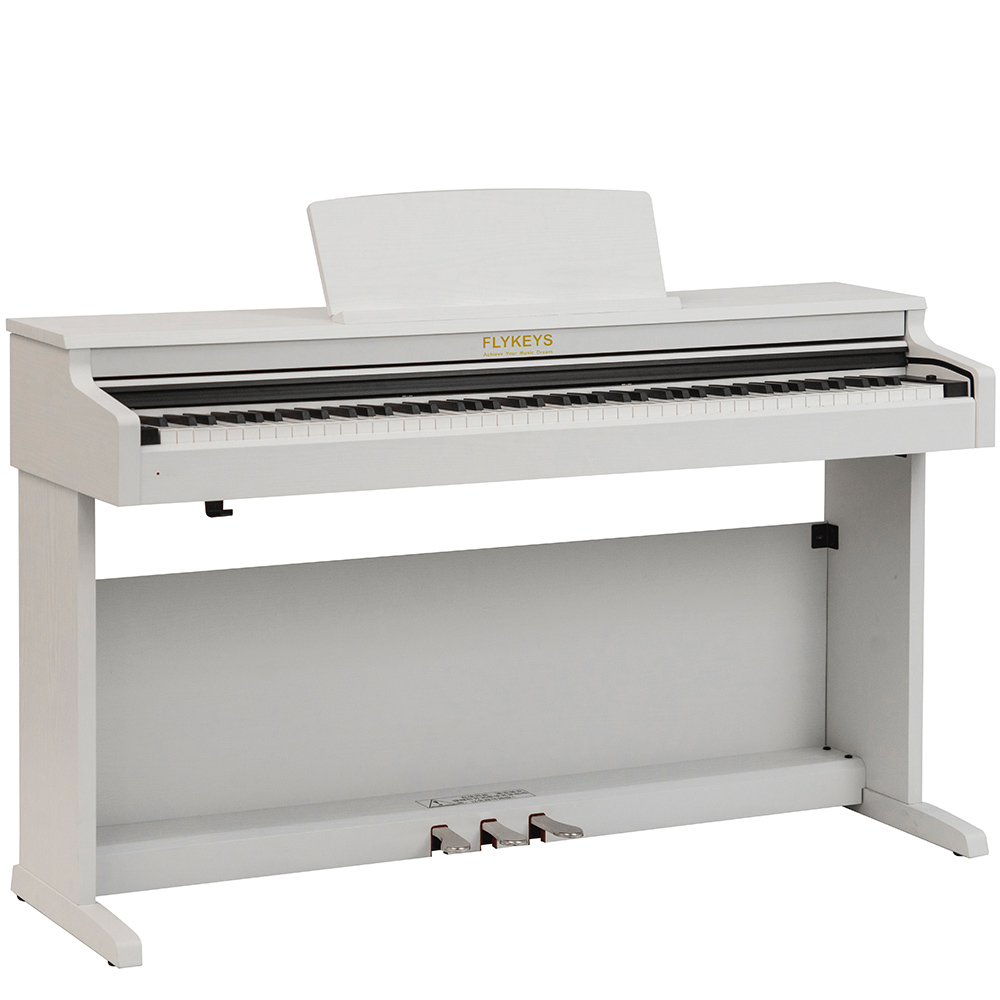
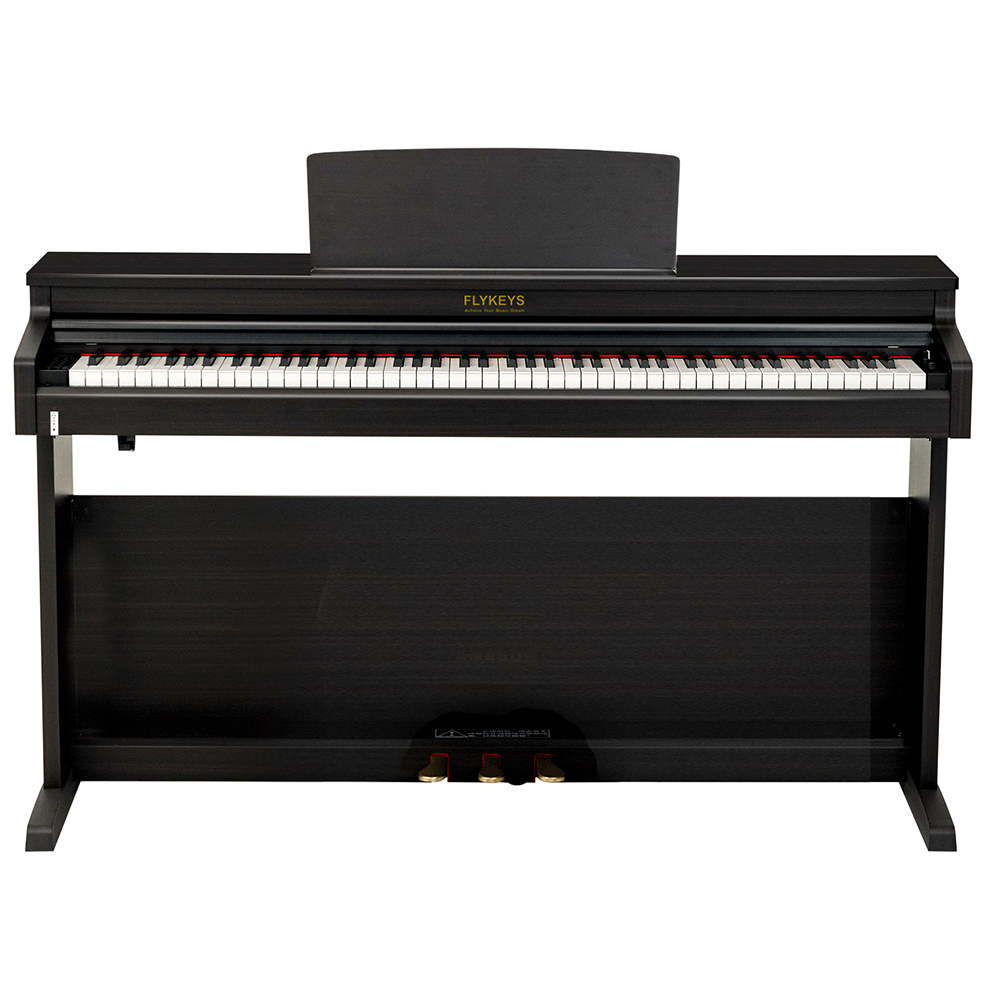
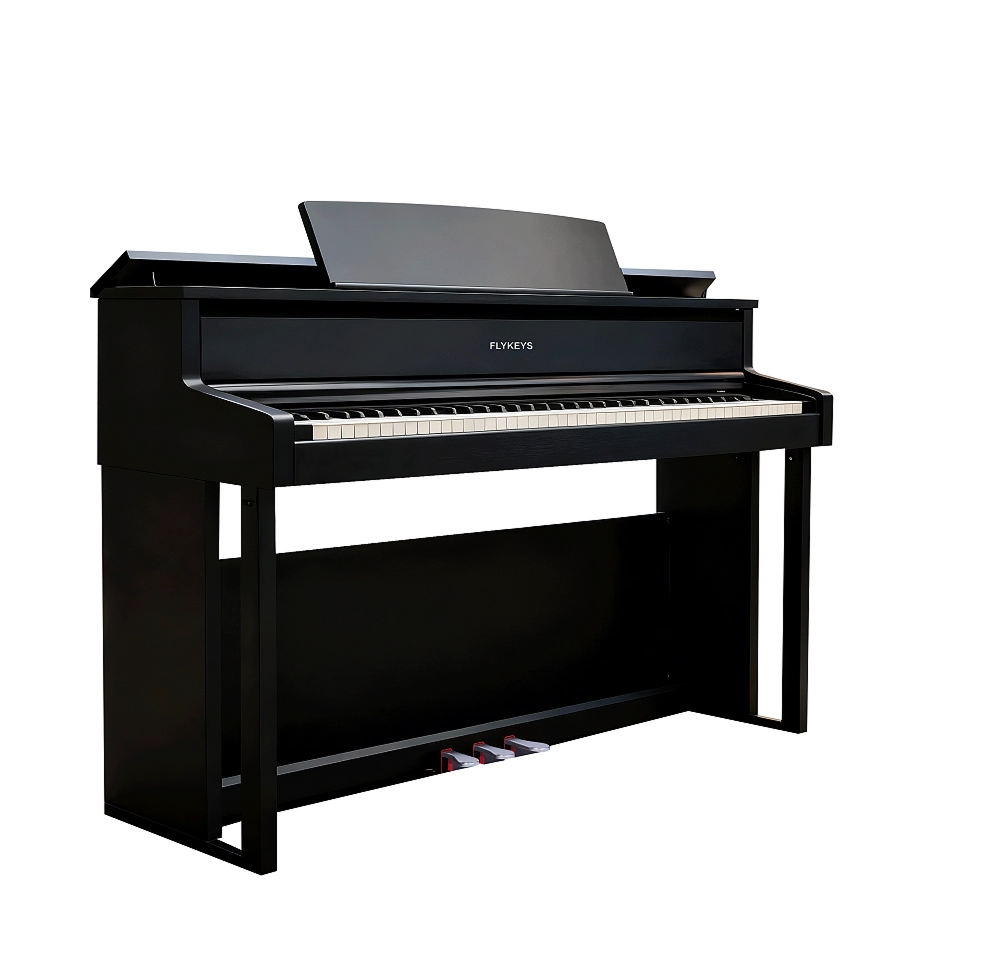
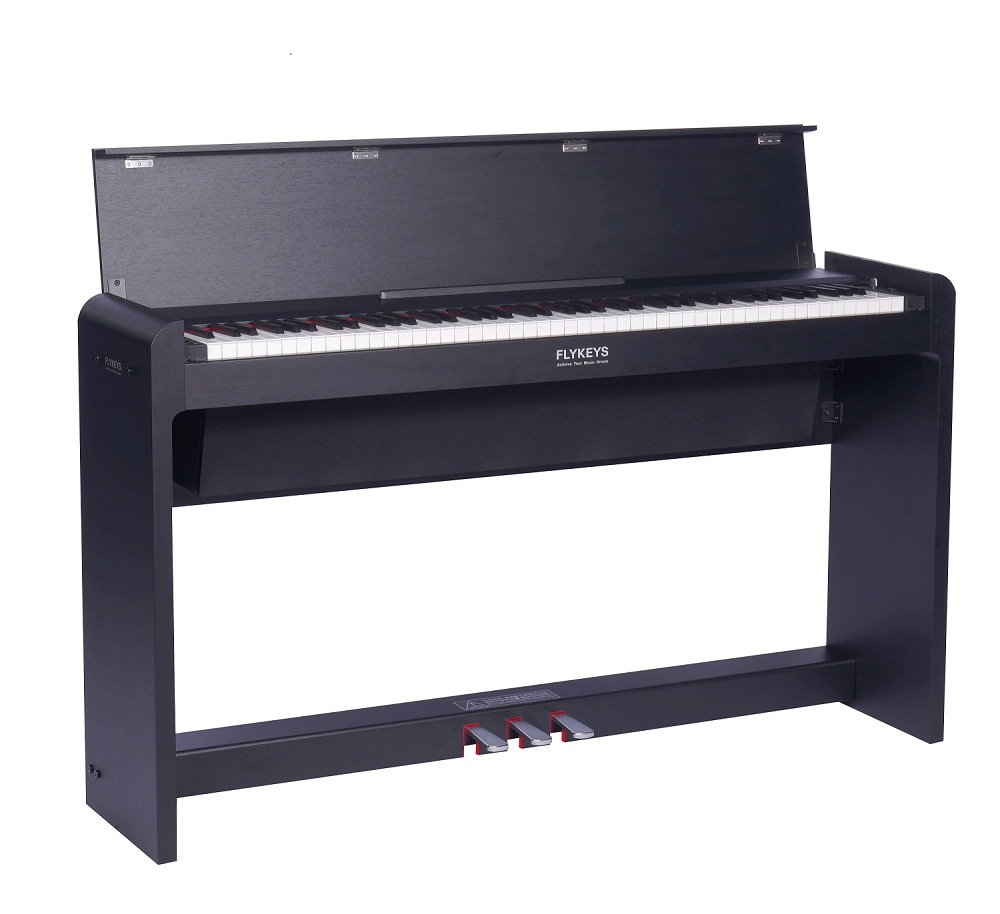
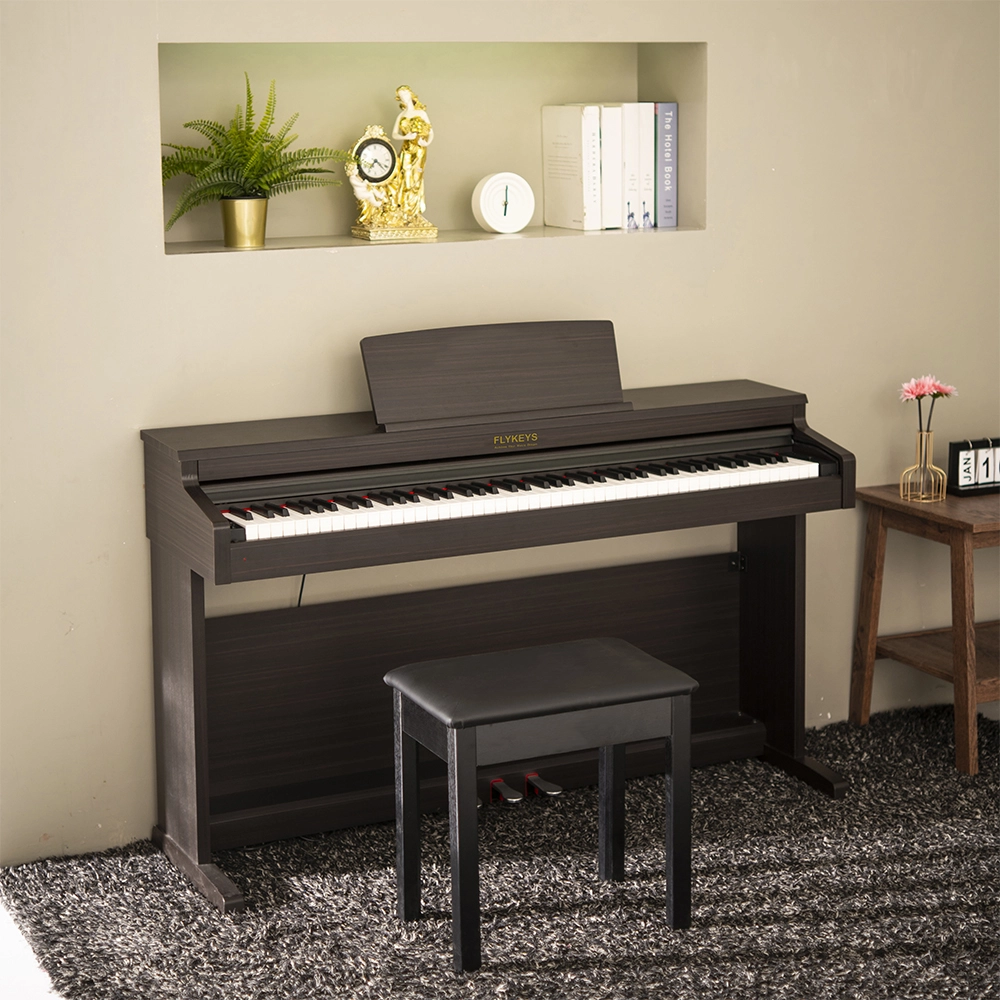
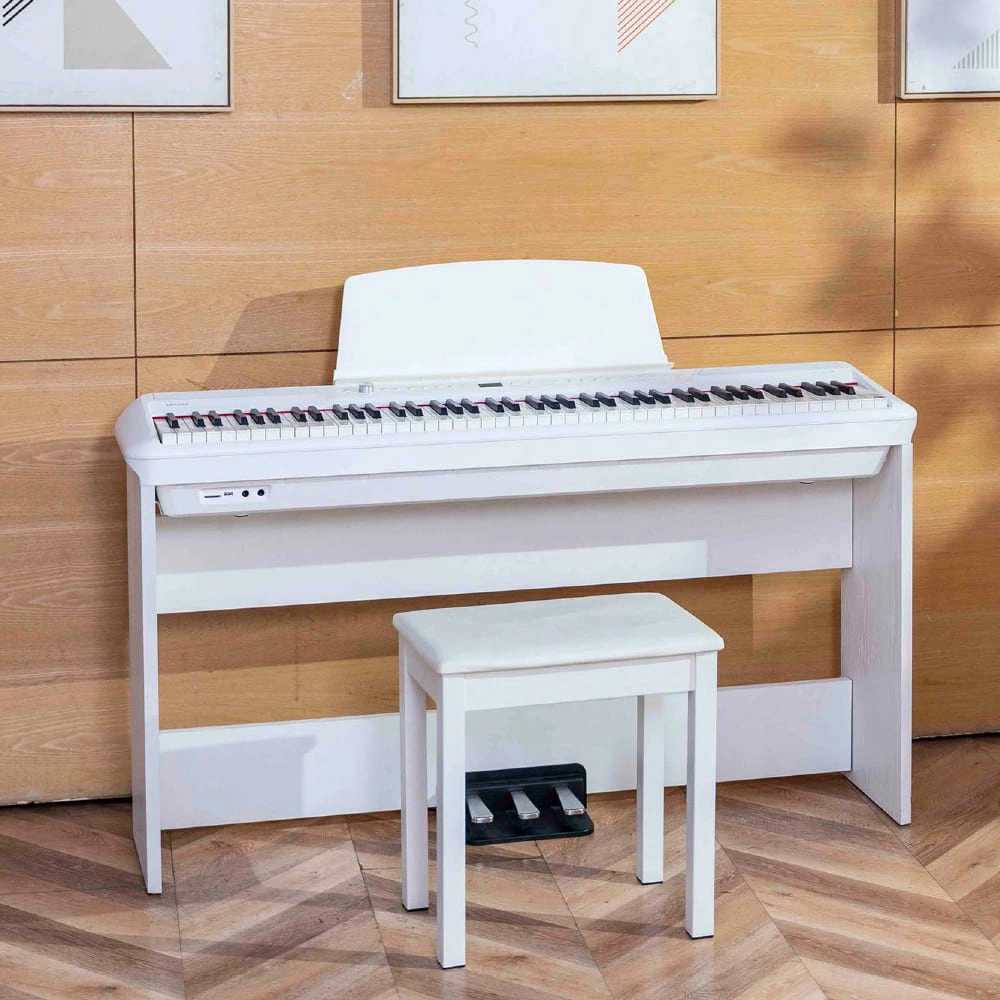
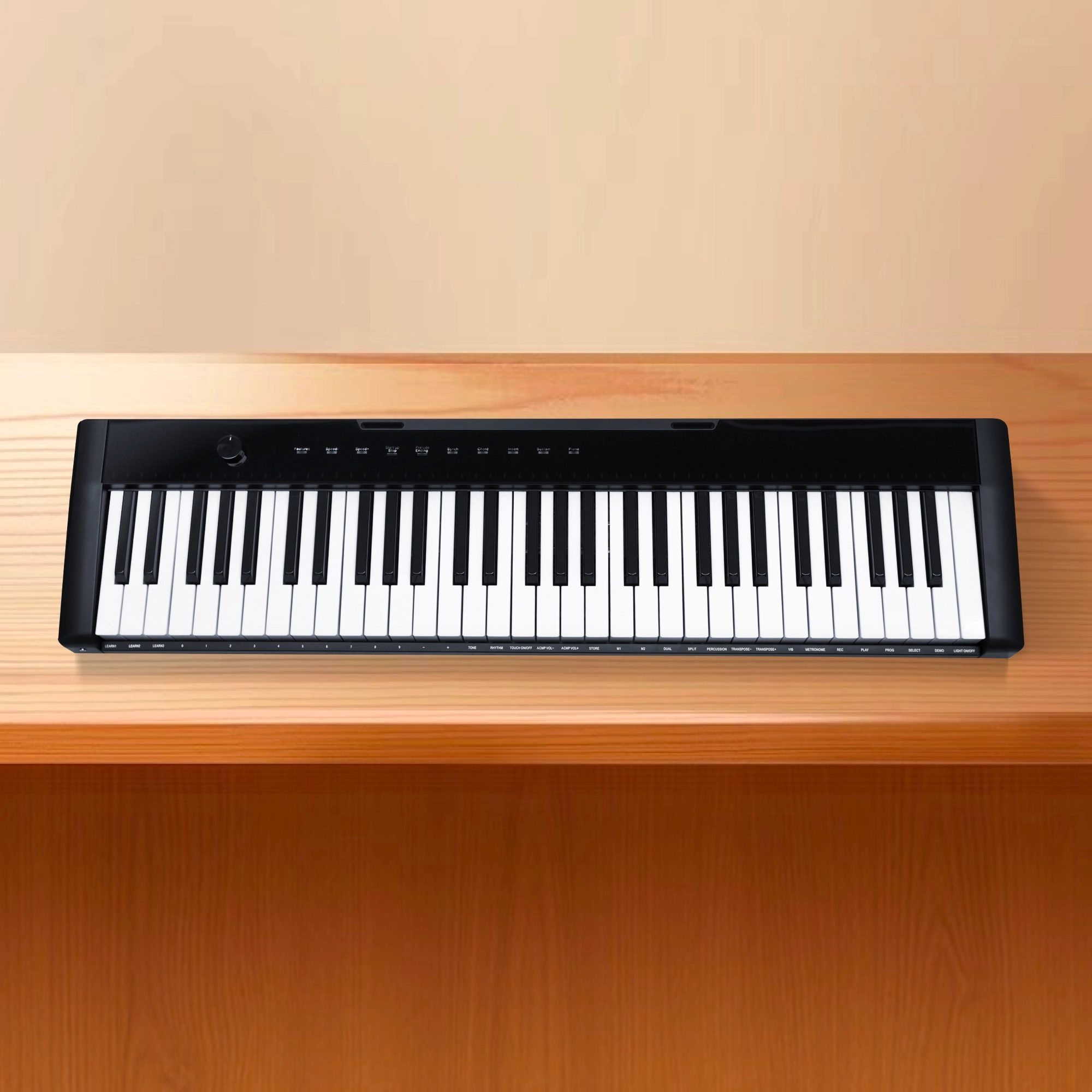
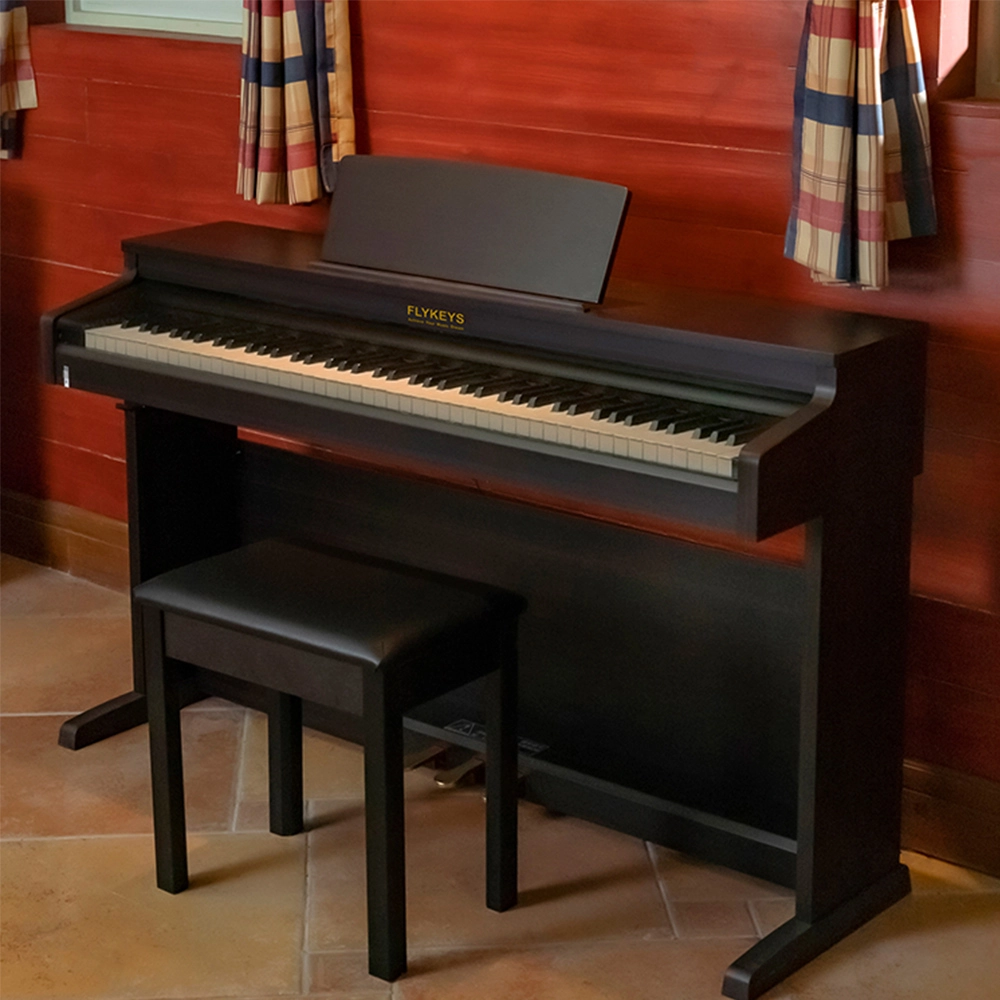
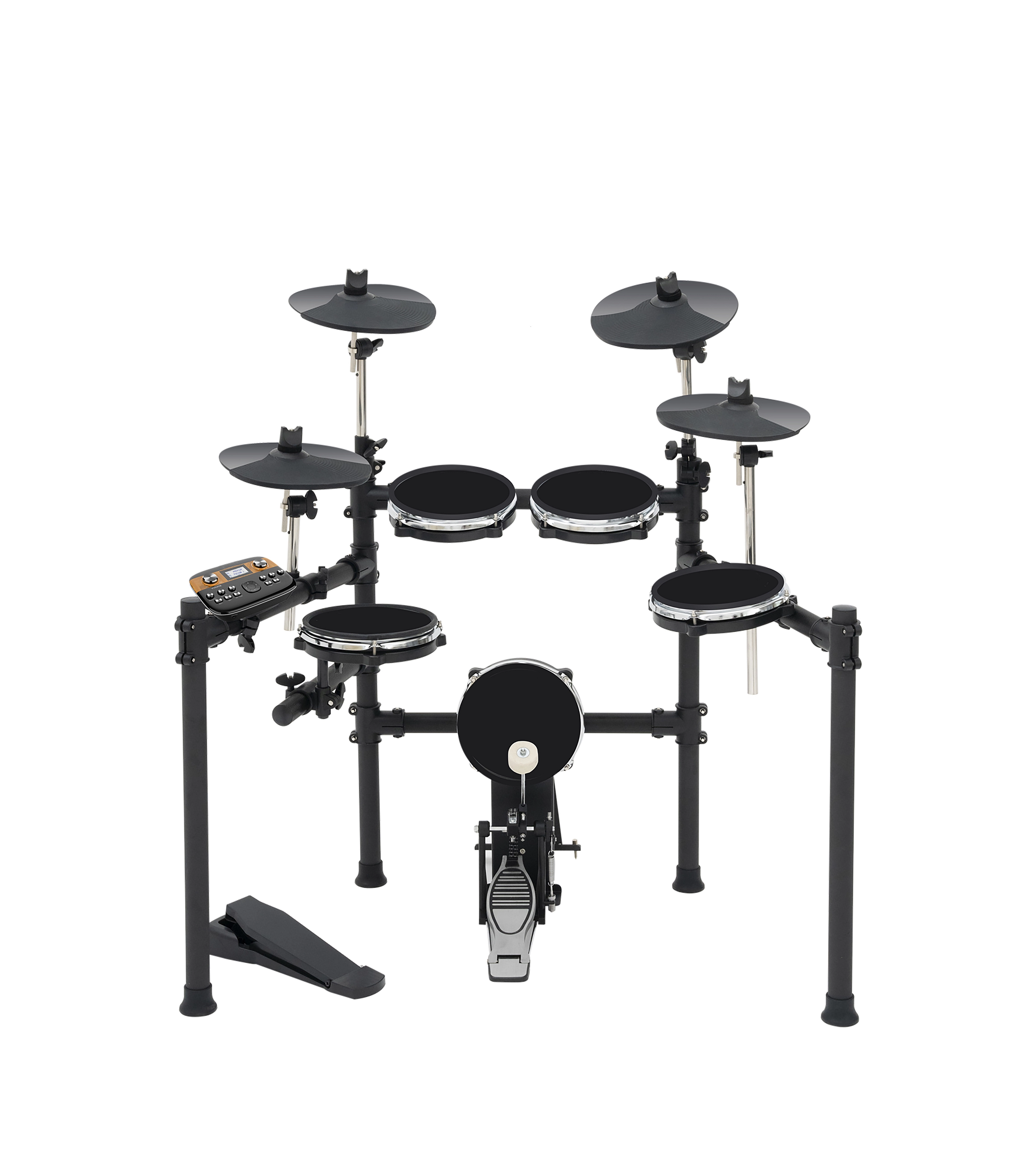
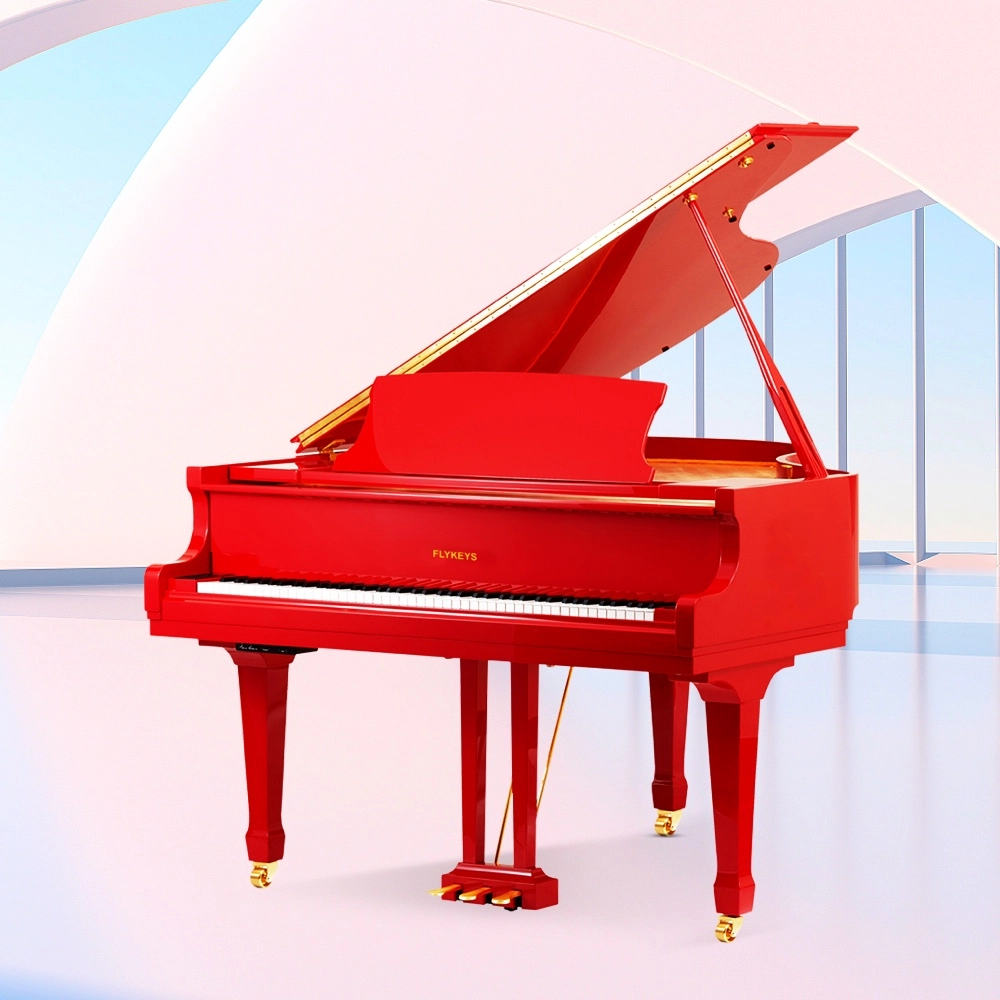
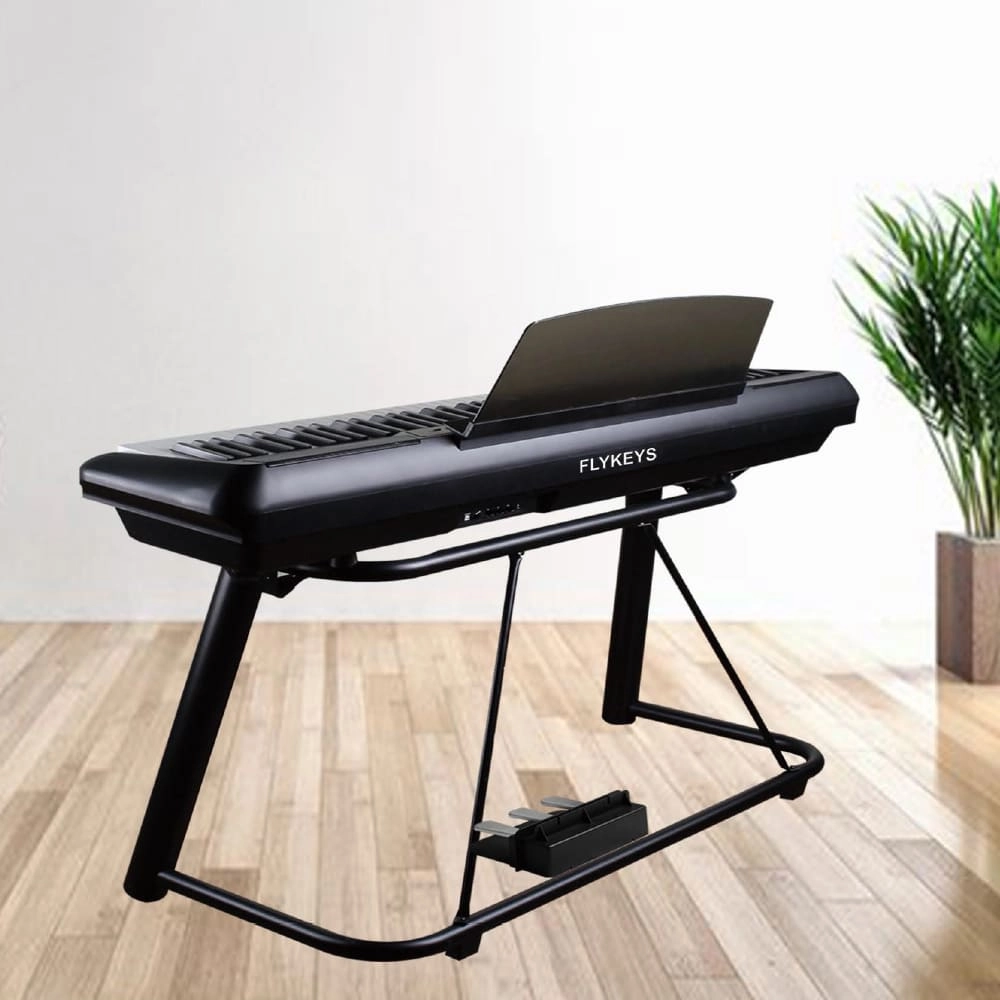
teacher-recommended school pianos Display
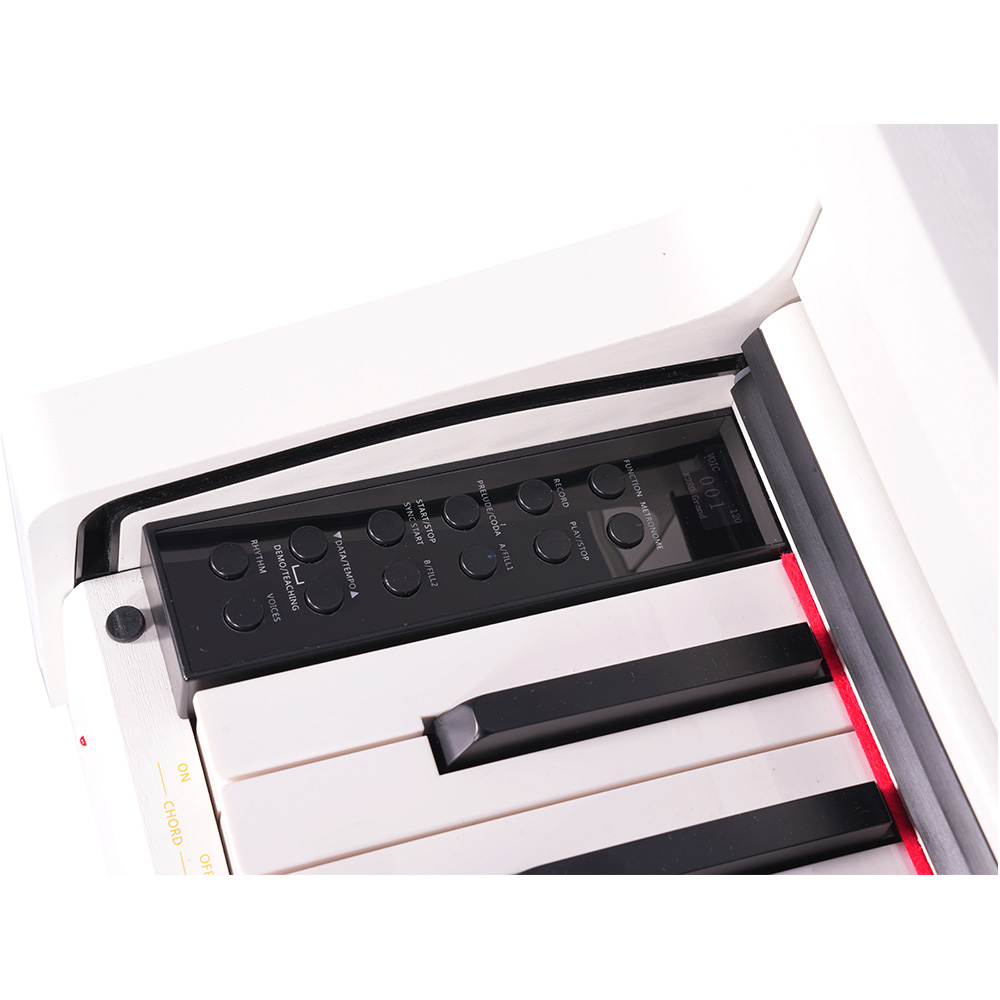
- THE FACTORY COVERS AN AREA OF MORE THAN 15,000 ㎡
Pearl River Amason is located in the Pearl River Piano National Cultural Industry Base. It covers an area of 15000㎡ and has first-class workshops and advanced production and testing equipment.
- MORE THAN 16 YEARS OF INDUSTRY EXPERIENCE
2008 was the year of the establishment of Pearl River Amason, which focuses on developing, manufacturing and marketing digital musical instruments.
Pearl River Amason has been deeply engaged in the electronic digital musical instrument industry for 16 years, insisting on independent research and development and technological innovation.
- ANNUAL PRODUCTION CAPACITY OF MORE THAN 40,000 UNITS
In 2016, Pearl River Amason's annual sales volume reached 40,000 digital pianos, making it one of the top three Chinese musical instrument brands in the industry.
- Excellent Service
Flykeys is a brand facing to the world market, we have professional R&D team and manufacturing team to handle all your requirements and aim to provide a high standard digital musical instruments product to our customers.
FAQ
What should schools consider when choosing a piano?
Schools should assess the instrument’s intended use, playing frequency, room size, acoustic conditions, maintenance capacity, budget, and access requirements. Touch consistency, clear sound, dependable operation, and suitability for beginners through advanced learners are also important.
Are acoustic or digital pianos better for schools?
The better choice depends on the school’s environment and teaching priorities. Acoustic pianos offer a naturally responsive playing experience and expressive projection, while digital pianos can be useful where volume control, headphones, portability, or reduced routine maintenance are priorities.
How can a school piano withstand frequent student use?
Select an instrument suited to regular educational use, place it in a stable environment, establish sensible handling procedures, and arrange appropriate professional servicing. Acoustic instruments generally need periodic tuning, while digital instruments should be protected from impact, heat, moisture, and unsuitable power conditions.
Where should a piano be placed in a school?
The location should provide safe access, sufficient space for students and teachers, suitable lighting, and manageable sound levels. Acoustic pianos should be kept away from direct sunlight, radiators, drafts, and major humidity fluctuations. Digital pianos should also have secure power access and stable support.
Can one school piano support lessons, performances, and examinations?
A versatile instrument may support all three uses when its sound, touch, condition, placement, and maintenance are appropriate. Schools should confirm that the chosen piano provides predictable response for assessment, enough projection for performances, and an accessible playing experience for everyday teaching.



Address: No. 38 Xiangshan Avenue, Zengcheng Economic And Technological Development Zone, Guangzhou, China.
FOLLOW US:
Copyright© 2026 FLYKEYS All Rights Reserved. 粤 ICP备2020102774号. Designed by Gooeyun. Sitemap | Privacy | Terms
FLYKEYS
FLYKEYS
flykeys-music
Flykeys Music