

Digital Pianos for Schools: A Practical Guide to Choosing the Right Fit

Choosing a piano for a school means balancing musical learning with the realities of shared spaces, varied experience levels, and careful budgeting. The top-rated digital pianos for schools are not simply the models with the longest feature list; they are the instruments that suit the program’s teaching goals, can be used comfortably by students, and fit the school’s practical requirements. Because the right choice depends on the instruments and facilities available, compare specifications, test options where possible, and consider how the piano will be used throughout the school day.
Start with the needs of your music program
Begin by identifying who will use the piano and what they will do with it. A classroom instrument may support demonstrations, beginner lessons, composition, rehearsal, or individual practice. These uses can place different demands on a piano. A teacher leading a group may value controls that are straightforward to operate, while students learning technique benefit from a responsive playing feel that encourages controlled touch and dynamic expression.
Consider the setting as carefully as the lesson plan. Will the piano stay in one room, move between spaces, or be used for performances? Measure the available area and note where students, teachers, stands, and other equipment need to fit. If the instrument will be moved regularly, check its dimensions and weight, and confirm what stand or support is appropriate. A compact option may be practical where space is limited, while a fixed teaching room may allow a larger setup.
It is also useful to plan for different levels of experience. Beginners need an approachable instrument, but a school may want a piano that remains useful as students develop. Ask whether the available controls and connections support the planned teaching activities rather than paying for functions the program is unlikely to use.
Compare sound, touch, and classroom practicality
Sound and playing feel shape a student’s experience from the first lesson. When comparing instruments, listen for a piano tone that works in the intended room and across the music students will study. If possible, try the instrument at a realistic volume and with a teacher or student playing. A hands-on comparison can reveal differences that are difficult to judge from product descriptions alone.
Pay attention to the keyboard action and how comfortably it responds to a light touch and a firmer one. Students learning phrasing and control need to hear and feel the relationship between how they play and the sound produced. Since key feel is personal and product specifications vary, avoid treating a single feature name as a guarantee of suitability; evaluate the instrument in the context of the curriculum and users.
For shared or quiet environments, check which listening and connection options each product actually provides. Headphone use may help with individual practice, but schools should verify the number and type of connections needed for their teaching setup. For group instruction, investigate whether the piano can connect to the school’s existing audio or learning equipment, and confirm compatibility before purchase. Do not assume that a connection or teaching function is included unless the product information says so.
- Confirm dimensions, weight, and the suitability of any required stand.
- Compare sound and key response through a practical trial when available.
- Check the specific audio, headphone, and device connections needed.
- Review what is included, what must be purchased separately, and the applicable warranty terms.
Make a confident, long-term school purchase
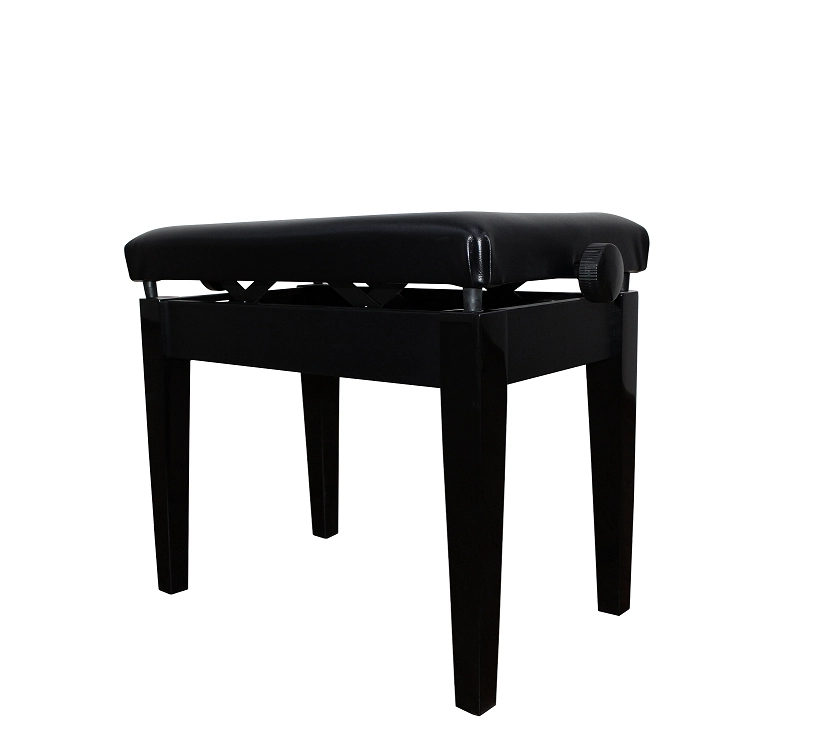
A school purchase should reflect the full cost of putting an instrument into service. Compare the piano, stand, seating, headphones, and other necessary accessories as a complete setup. Check product documentation for included items and warranty details, and ask the seller about delivery, setup, and support if those services matter to your institution. These checks help prevent a low initial price from obscuring the actual cost of a classroom-ready arrangement.
Involve the people who will use and maintain the piano in the decision. Music teachers can explain the demands of lessons and performances; facilities staff can flag space and storage concerns; and budget holders can clarify purchasing limits. A short requirements list makes comparisons clearer and helps keep decisions focused on educational value rather than features that may not serve the program.
There is no single instrument that is right for every school. The most reliable choice is one that meets the school’s stated needs, offers a playing experience appropriate to its learners, and fits the room, setup, and budget. By comparing the details that matter and verifying product-specific claims before ordering, schools can select a digital piano with confidence and make better use of it in lessons, practice, and music-making.
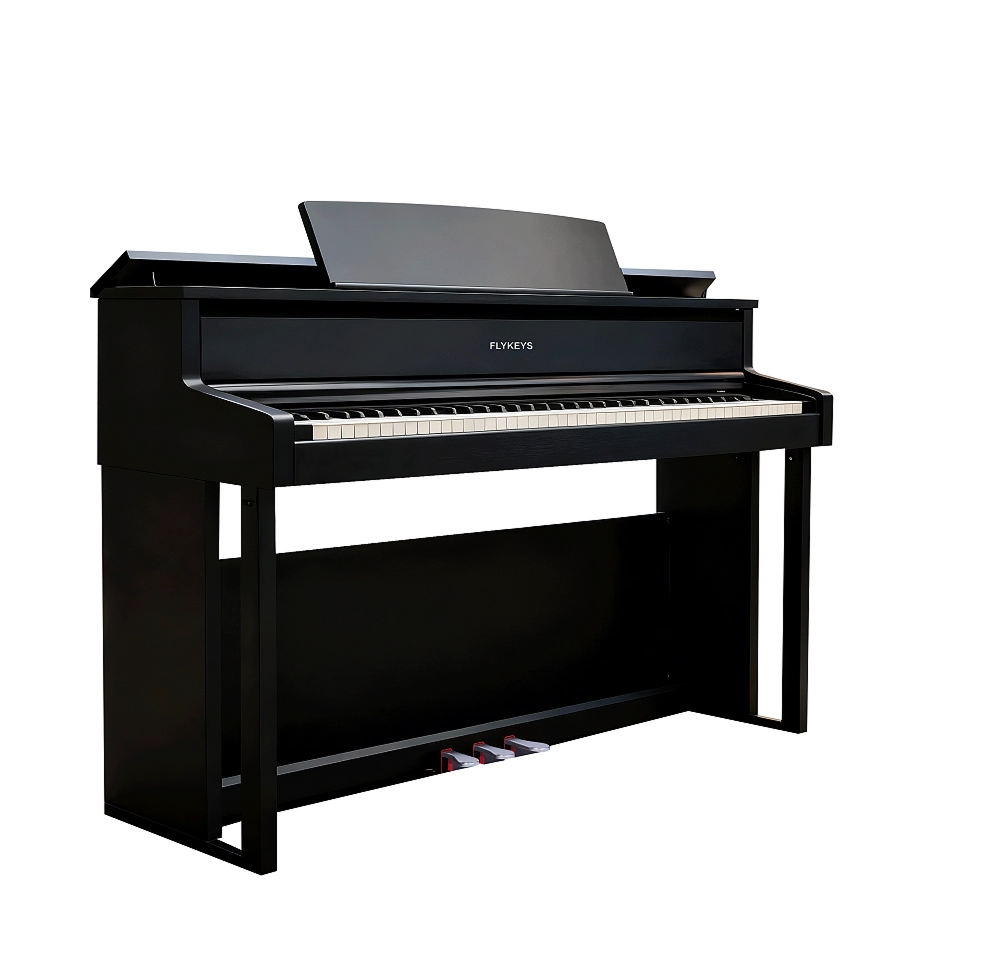
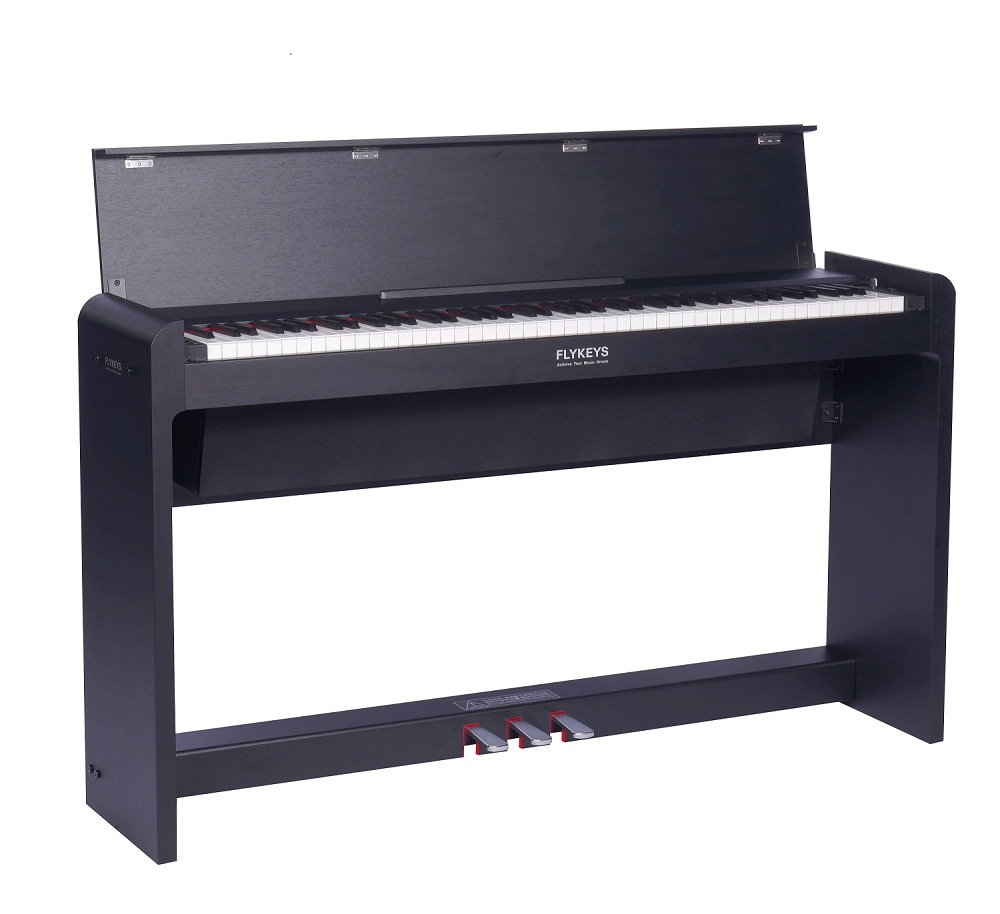
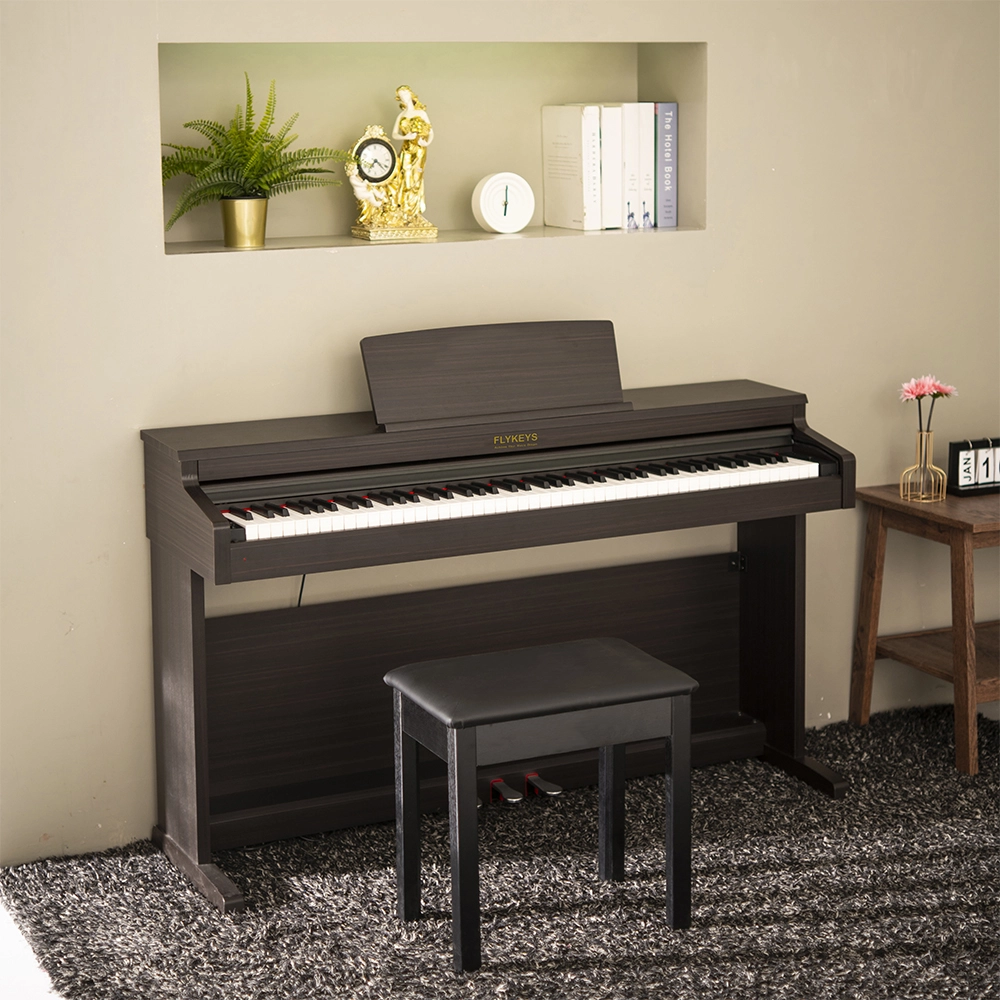
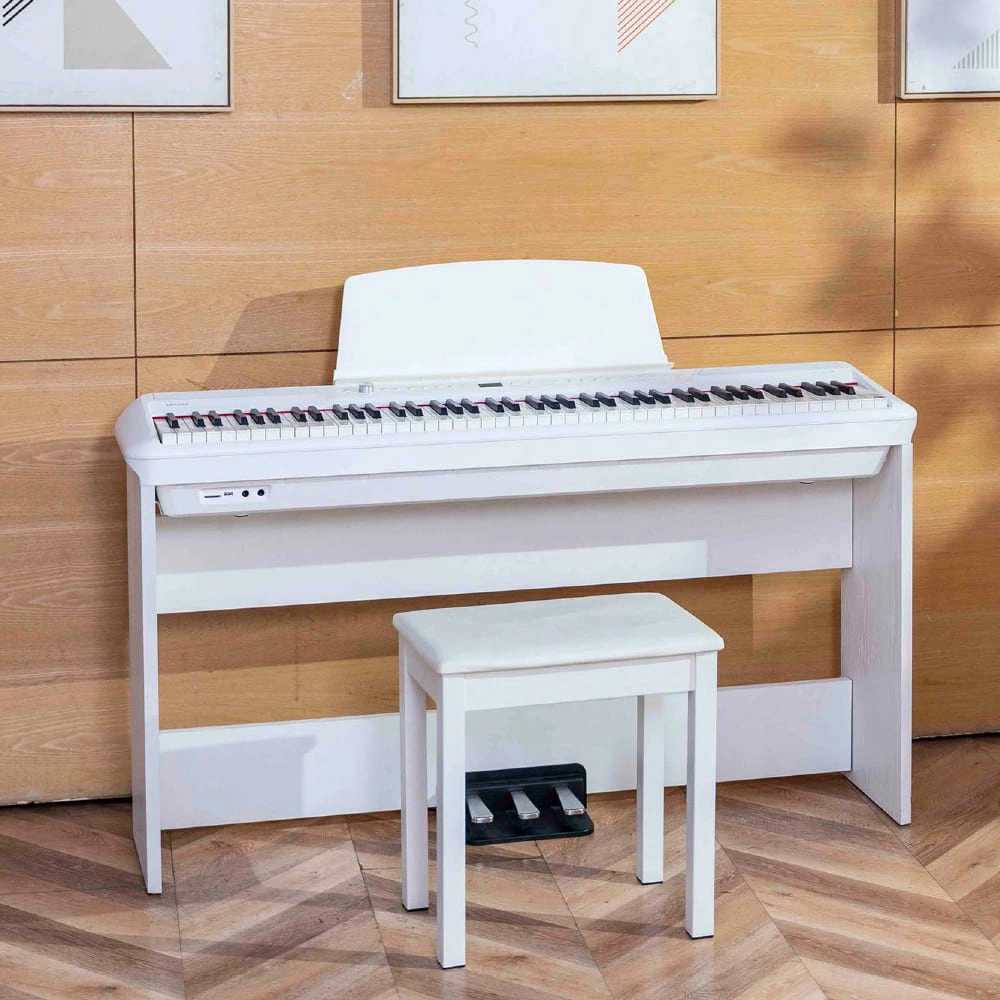
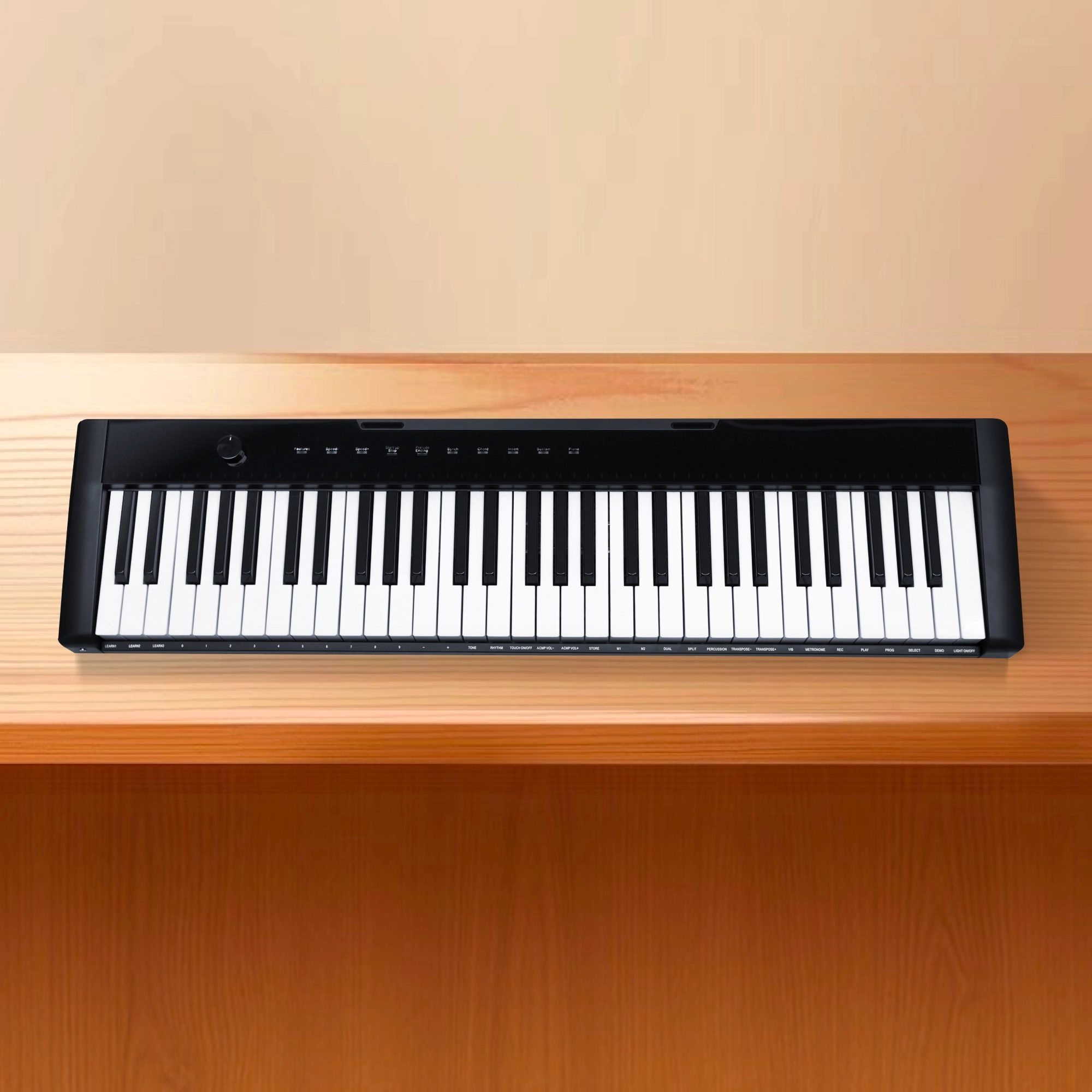
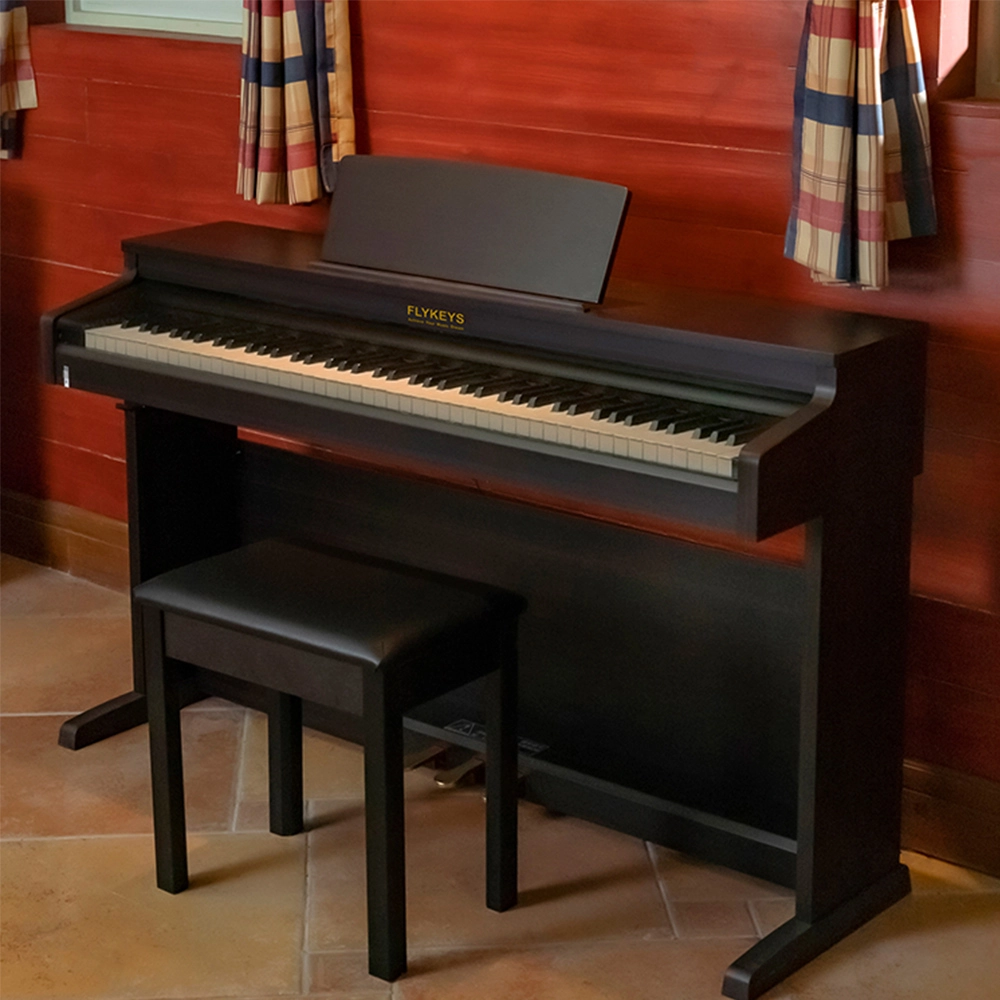
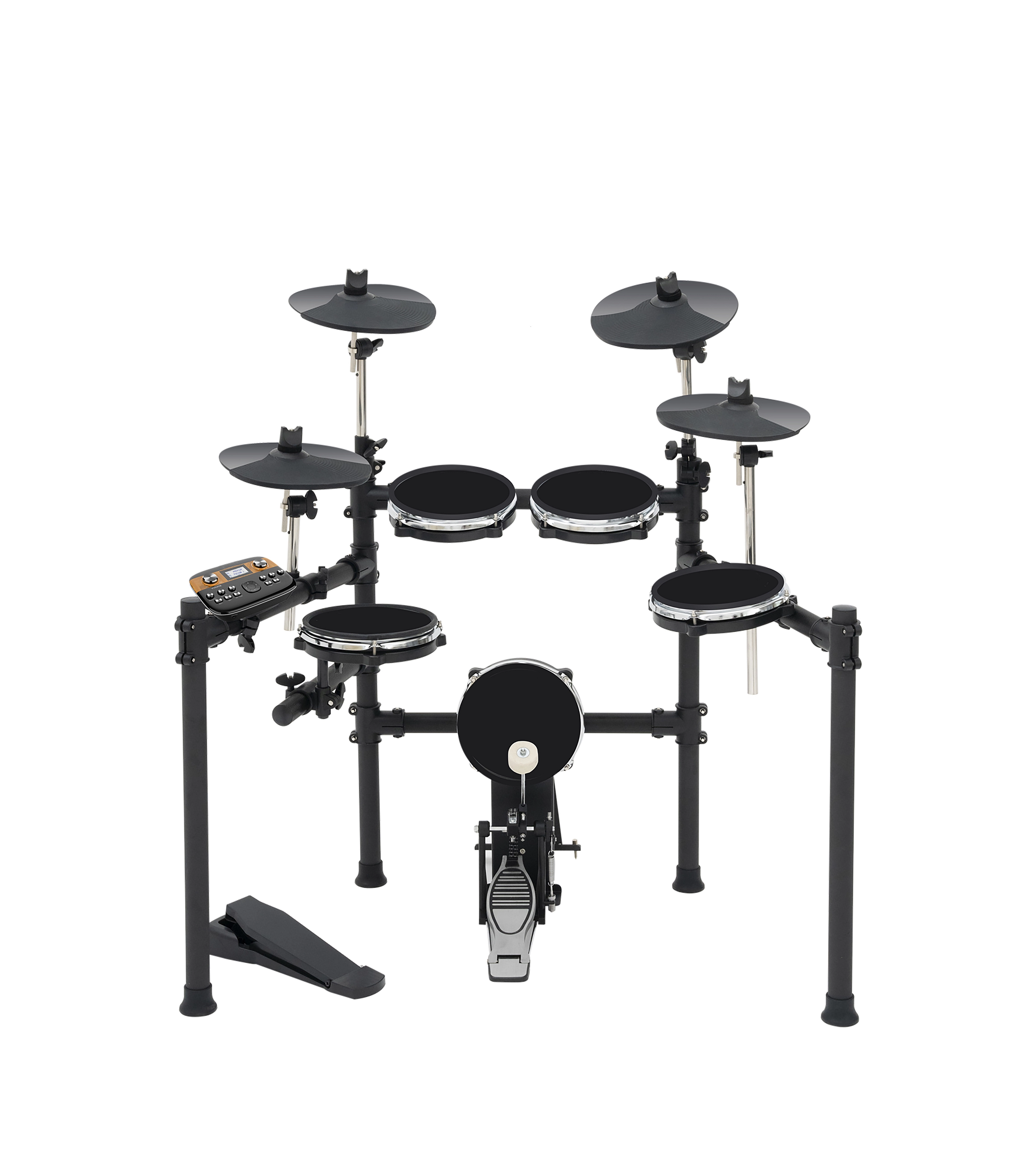
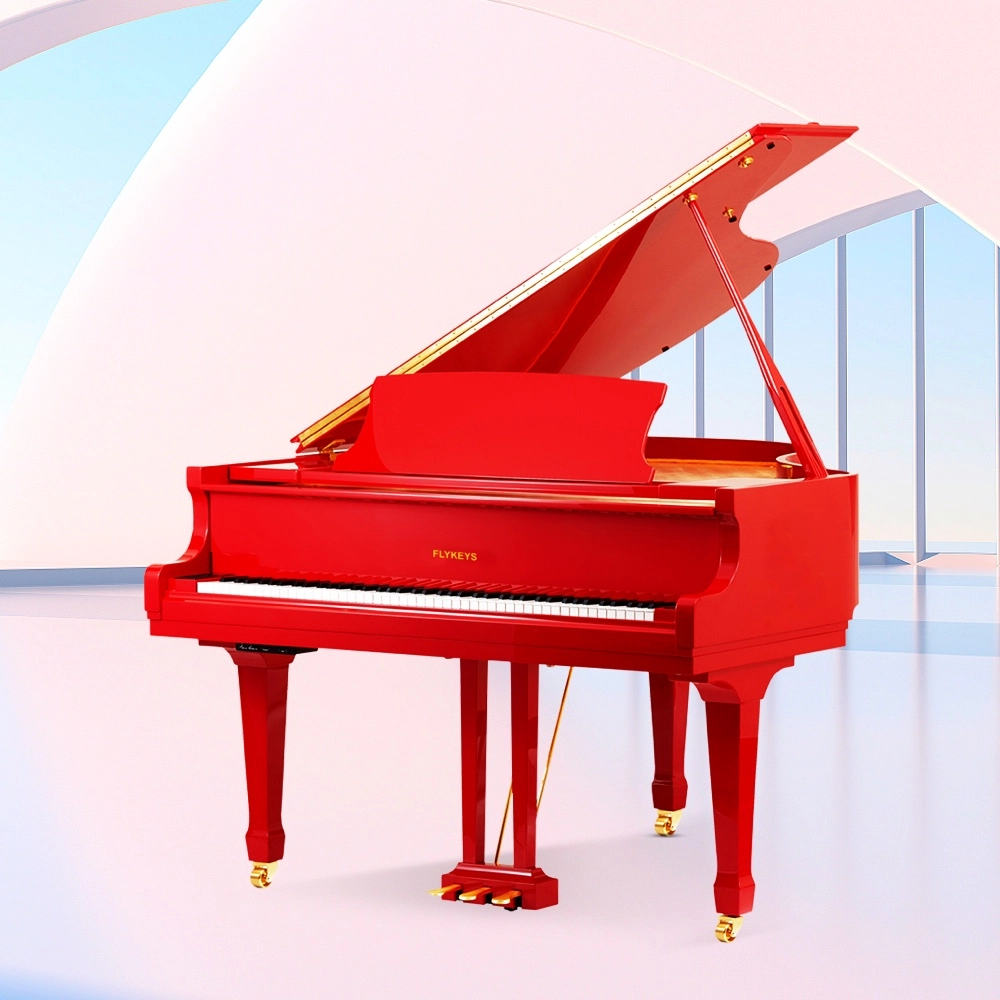
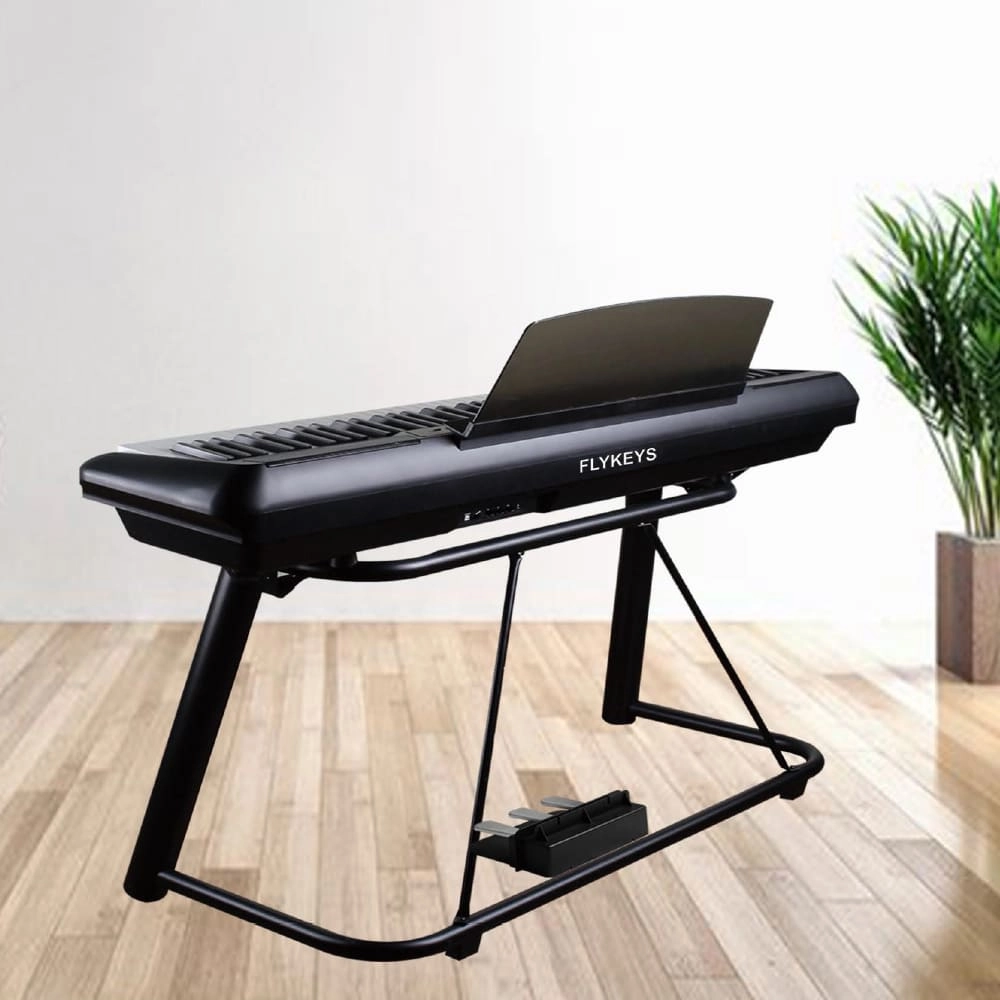
top-rated digital pianos for schools Display


- THE FACTORY COVERS AN AREA OF MORE THAN 15,000 ㎡
Pearl River Amason is located in the Pearl River Piano National Cultural Industry Base. It covers an area of 15000㎡ and has first-class workshops and advanced production and testing equipment.
- Manufacturing Equipment
We have production lines that meet international standards and are equipped with various high-end laboratories to ensure the excellence and stability of product quality.
- MORE THAN 16 YEARS OF INDUSTRY EXPERIENCE
2008 was the year of the establishment of Pearl River Amason, which focuses on developing, manufacturing and marketing digital musical instruments.
Top 10 Technological Enterprises in China's Musical Instrument Industry.
Top 50 Musical Instrument Manufacturers.
FAQ
What should a school consider first when choosing a digital piano?
Start with the intended use, such as lessons, demonstrations, practice, composition, or performances. Then assess the room, the students’ needs, available connections, setup requirements, and budget. These priorities help schools compare relevant features instead of relying on a broad ranking alone.
How can we tell whether a digital piano’s key feel is suitable for students?
If possible, have a teacher or student play the instrument before purchase. Compare how the keys respond to different levels of touch and whether the playing experience suits the program’s learning goals. Product descriptions can help with initial research, but a practical trial gives users a chance to assess feel directly.
Are headphones useful for a school piano?
Headphones can support individual practice in shared or quiet spaces, but schools should check the specific piano’s headphone connections and confirm that they suit the intended setup. If several students need to listen at once, verify the connection requirements rather than assuming a particular arrangement is included.
What costs should schools include in their digital piano budget?
Consider the complete setup, not only the instrument’s listed price. Depending on the product and the school’s needs, the budget may also need to account for a suitable stand, seating, headphones, delivery, or setup. Check the product listing to confirm which items are included and review applicable warranty terms.
How do we choose between a compact piano and a larger setup?
Base the decision on the room, how often the instrument will be moved, and how it will be used. Measure the available space and check product dimensions and weight. A compact option may help where space is restricted, while a permanent teaching or performance space may accommodate a larger arrangement.



Address: No. 38 Xiangshan Avenue, Zengcheng Economic And Technological Development Zone, Guangzhou, China.
FOLLOW US:
Copyright© 2026 FLYKEYS All Rights Reserved. 粤 ICP备2020102774号. Designed by Gooeyun. Sitemap | Privacy | Terms
FLYKEYS
FLYKEYS
flykeys-music
Flykeys Music