

Should a beginner piano have 61 or 88 keys? | FLYKEYS Guide
Choosing between a 61-key and 88-key piano is a common question for beginners. 61-key keyboards are portable and budget-friendly, ideal for those unsure of long-term commitment. However, 88-key pianos offer the full range of notes, crucial for developing technique and exploring a wider repertoire. ly, the best choice depends on your space, budget, and musical goals. Consider your commitment level before purchasing.
Should a Beginner Piano Have 61 or 88 Keys? A 2026 Buyer’s Guide
Choosing your first piano can feel overwhelming. One of the most common beginner questions in 2026 is:
Should a beginner piano have 61 keys or 88 keys?
The number of keys directly affects playability, learning progression, and long-term musical potential. This guide breaks down the pros and cons of each option to help beginners choose the right piano for their goals.
Why the Number of Keys Matters for Beginners
Choosing between a 61-key vs 88-key piano is a classic beginner dilemma. While both options can be suitable for learning, the total number of keys significantly impacts:
- The range of music you can play
- Technique and hand positioning
- How soon you may need to upgrade
Understanding these differences early helps avoid unnecessary limitations later.
61 Keys: The Compact Beginner Option
A 61-key keyboard is typically smaller, lighter, and more affordable. These instruments are often marketed as beginner keyboards or entry-level digital pianos, making them a popular starting point for new learners.
Pros of a 61-Key Piano
- More affordable for beginners on a tight budget
- Compact and portable
- Space-saving, ideal for apartments or small rooms
Cons of a 61-Key Piano
- Limited note range
- Restricts access to many classical and advanced pieces
- May require upgrading as skills progress
A 61-key keyboard works best for beginners who are still exploring their interest in piano or need a highly portable solution
88 Keys: The Full Piano Experience
An 88-key piano, whether digital or acoustic, offers the complete range found on a traditional piano. This makes it the standard choice for formal piano study and long-term skill development.
Pros of an 88-Key Piano
- Full range of notes for all musical styles
- Better for developing proper technique and hand positioning
- Supports long-term learning without limitations
Cons of an 88-Key Piano
- Higher initial cost
- Larger size and reduced portability
- Requires more dedicated space
For beginners serious about learning piano, an 88-key instrument provides the most authentic and future-proof experience.
Which Is Right for You as a Beginner?
The best choice depends on your space, budget, and long-term goals.
Choose a 61-key piano if you:
- Have limited space
- Are working with a strict budget
- Want a lightweight, portable beginner instrument
Choose an 88-key piano if you:
- Plan to study piano long-term
- Want to develop proper technique from the start
- Intend to play classical, jazz, or advanced repertoire
Final Recommendation
In 2026, most piano teachers and professionals recommend 88-key digital pianos for beginners whenever possible. While a 61-key keyboard can be a practical starting point, an 88-key piano avoids early limitations and eliminates the need for frequent upgrades.
Ultimately, consider your space, budget, and commitment level. If possible, try both 61-key and 88-key models in a music store to feel the difference before making your decision.
- Should a Beginner Piano Have 61 or 88 Keys? A 2026 Buyer’s Guide
- Why the Number of Keys Matters for Beginners
- 61 Keys: The Compact Beginner Option
- Pros of a 61-Key Piano
- Cons of a 61-Key Piano
- 88 Keys: The Full Piano Experience
- Pros of an 88-Key Piano
- Cons of an 88-Key Piano
- Which Is Right for You as a Beginner?
- Final Recommendation
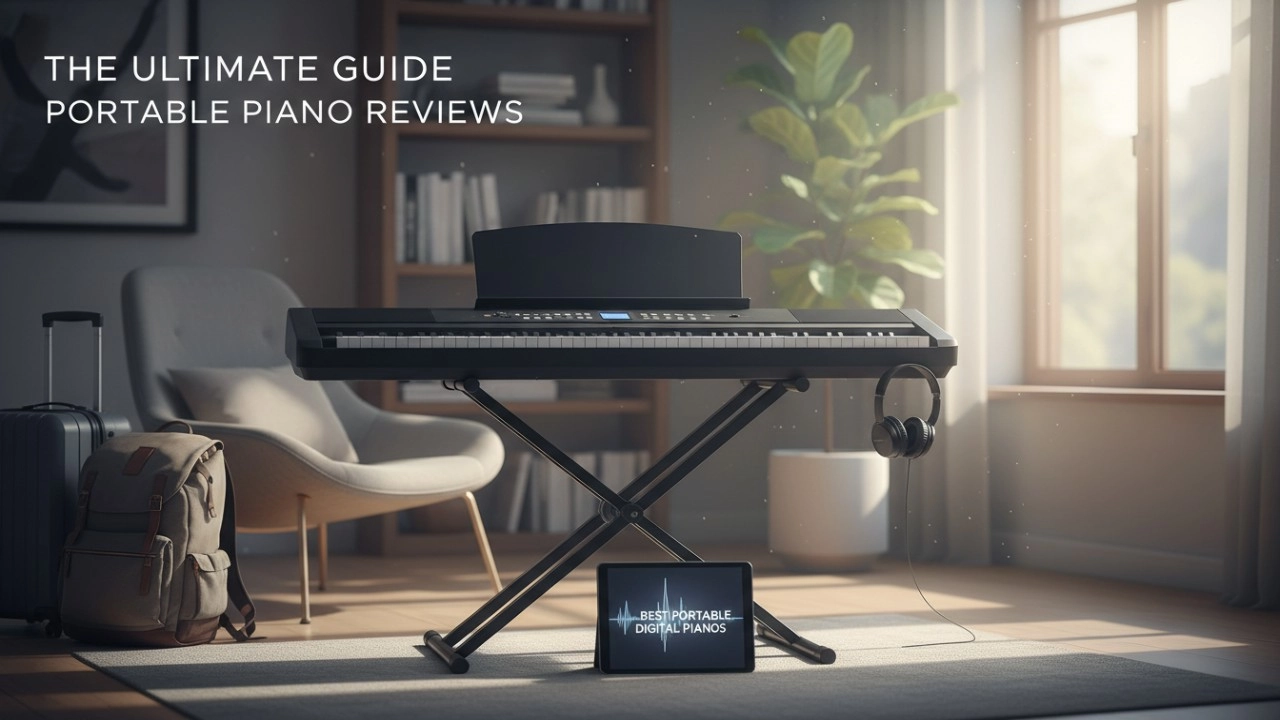
15 Best Portable Digital Pianos of 2026: The Only Comparison Guide You’ll Ever Need
Is the Flykeys FP9 Worth It? Our Real-Life Experience with the World’s Largest Piano Maker’s Digital Tech.
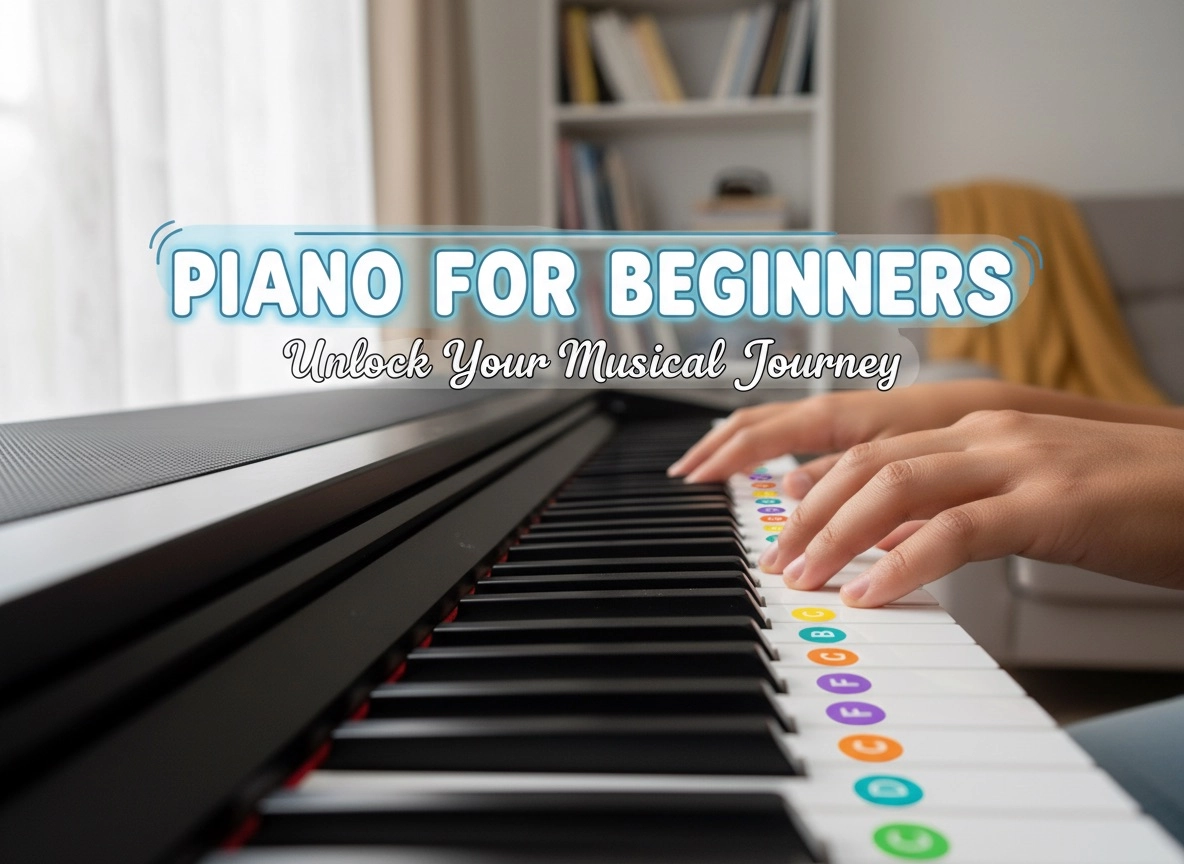
Best Digital Piano Keyboards for Beginners 2026: Your Ultimate Buying Guide
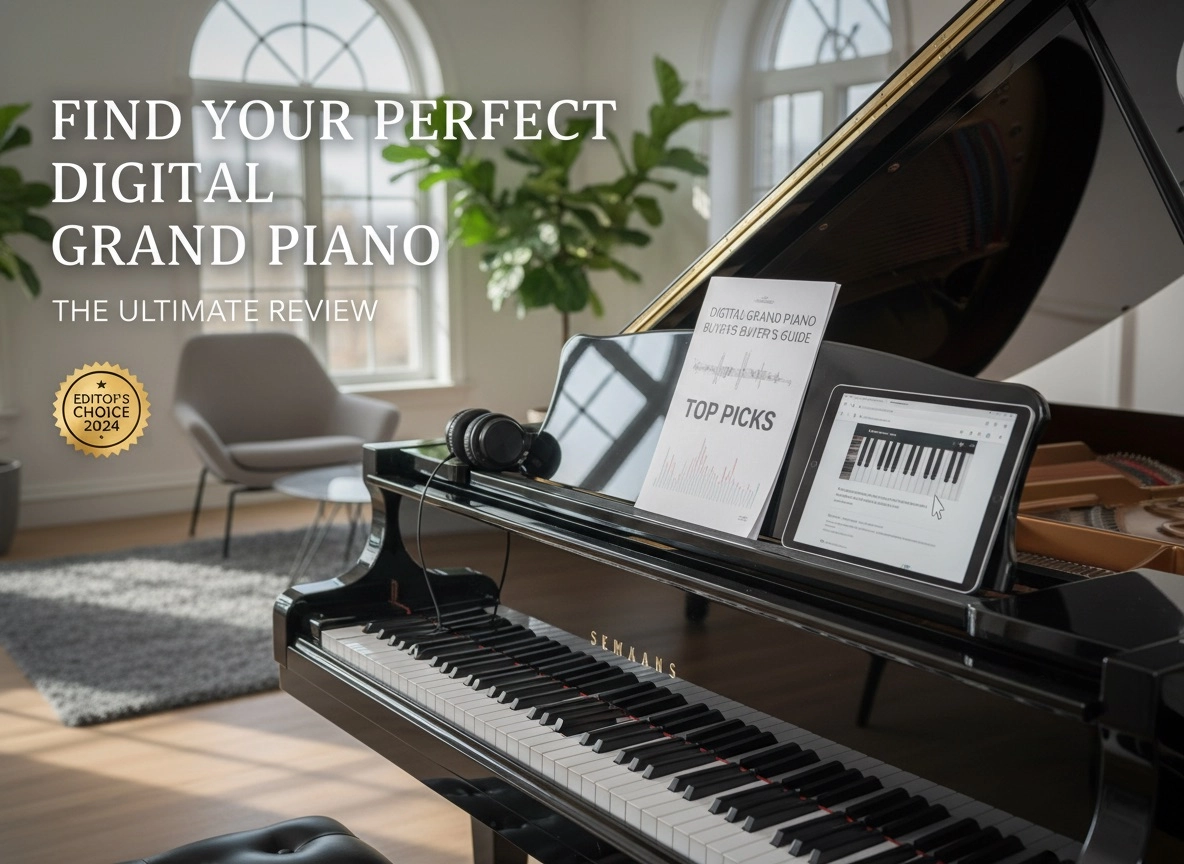
Best Digital Grand Pianos 2026: Ultimate Buyer's Guide for Authentic Sound & Feel
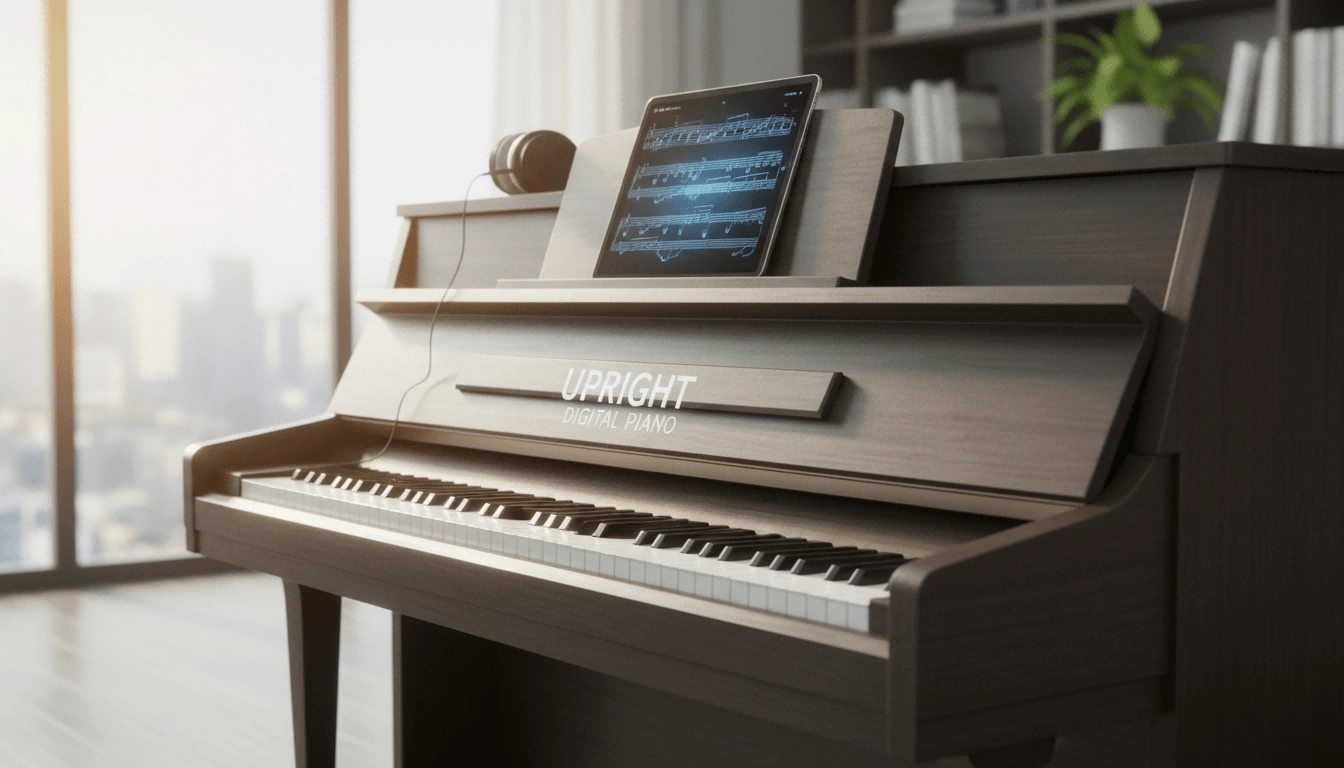
The Definitive Guide to Upright Digital Pianos: Blending Timeless Elegance with Modern Innovation in 2026
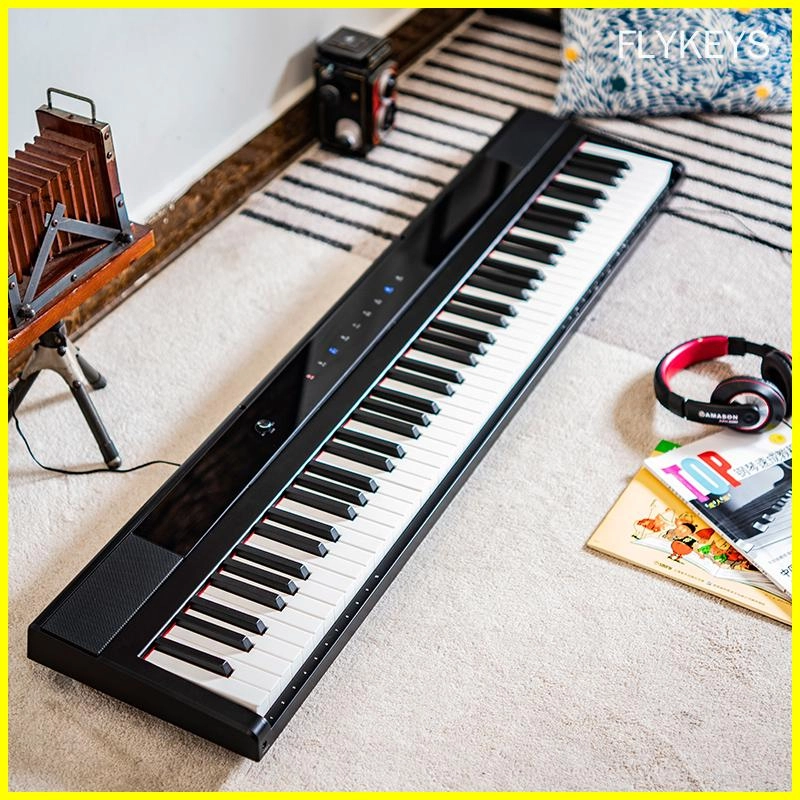
Best-Rated Electronic Pianos for Beginners in 2026: What to Buy and Why
Logistics
Can l track my order during shipping?
Yes, tracking information will be provided once your order has been shipped, allowing you to monitor its progress.
Products
Can I connect your electronic pianos to external devices?
Yes, our electronic pianos are equipped with connectivity options such as MIDI, USB, and Bluetooth for seamless integration with external devices.
What is the warranty period of piano?
We provide 2 years warranty service, if there is any quality problem, we can provide accessories for free
Do you offer software updates for your electronic pianos?
Yes, we regularly release software updates to enhance performance and add new features to our electronic pianos.
Company
What is your company's mission?
Our mission is capture the zeitgeist, enjoy the quality lifestyle.
Our vision is to be the TOP 1 Chinese digital musical instrument brand and enter International top list.
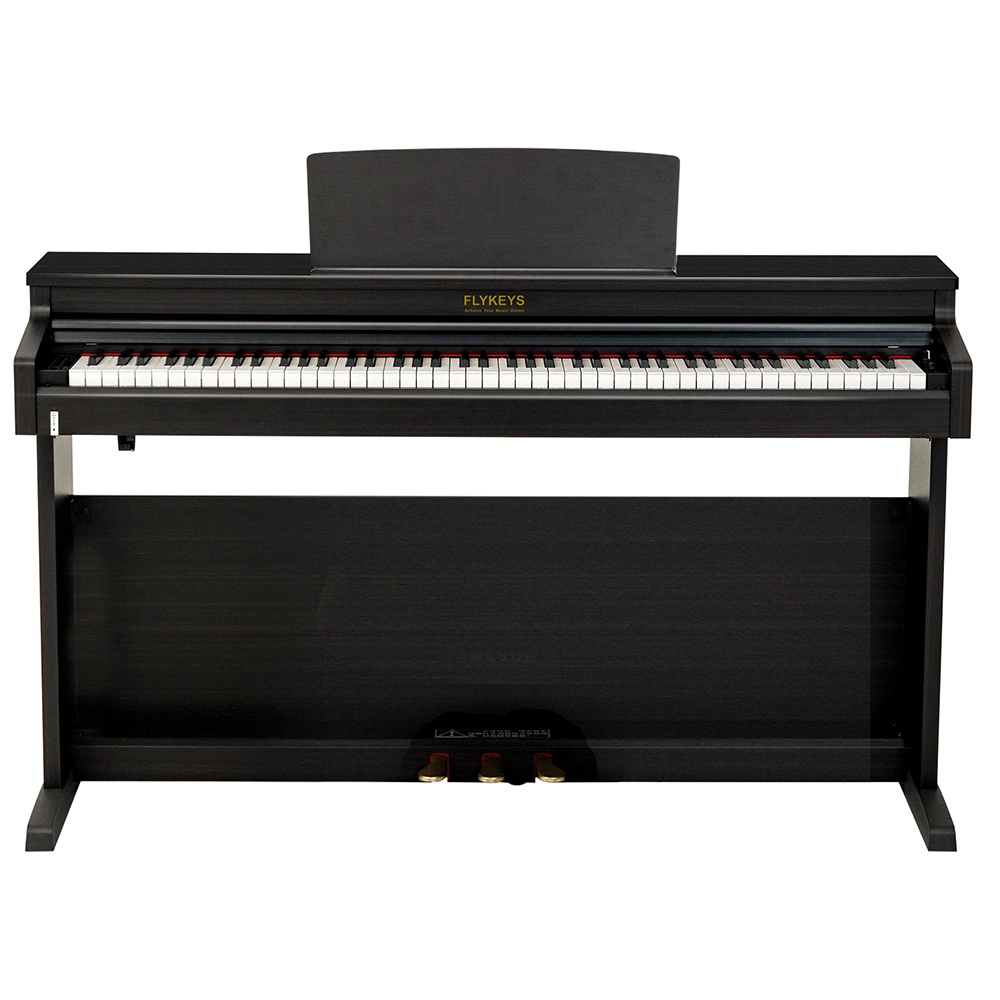
Flykeys Upright Digital Piano FDP 3
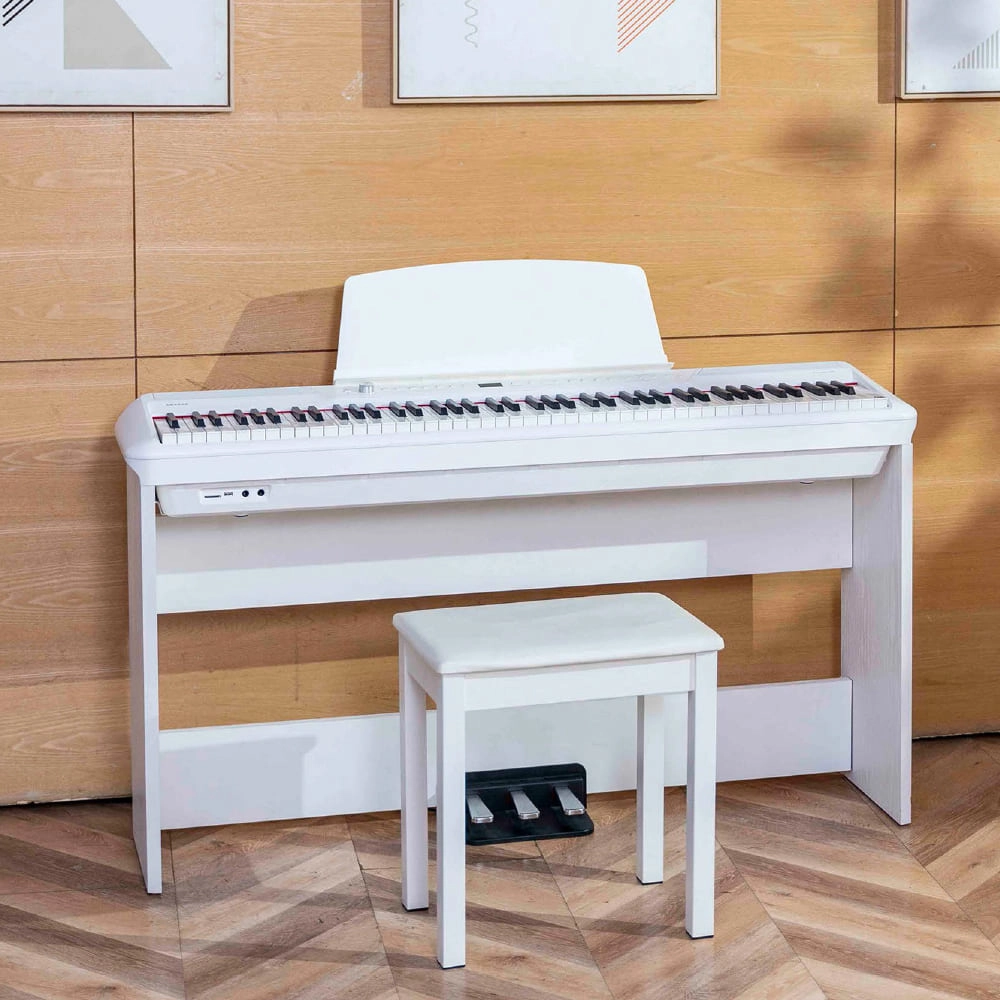
Flykeys Portable Electric Keyboard FP9 Digital Piano
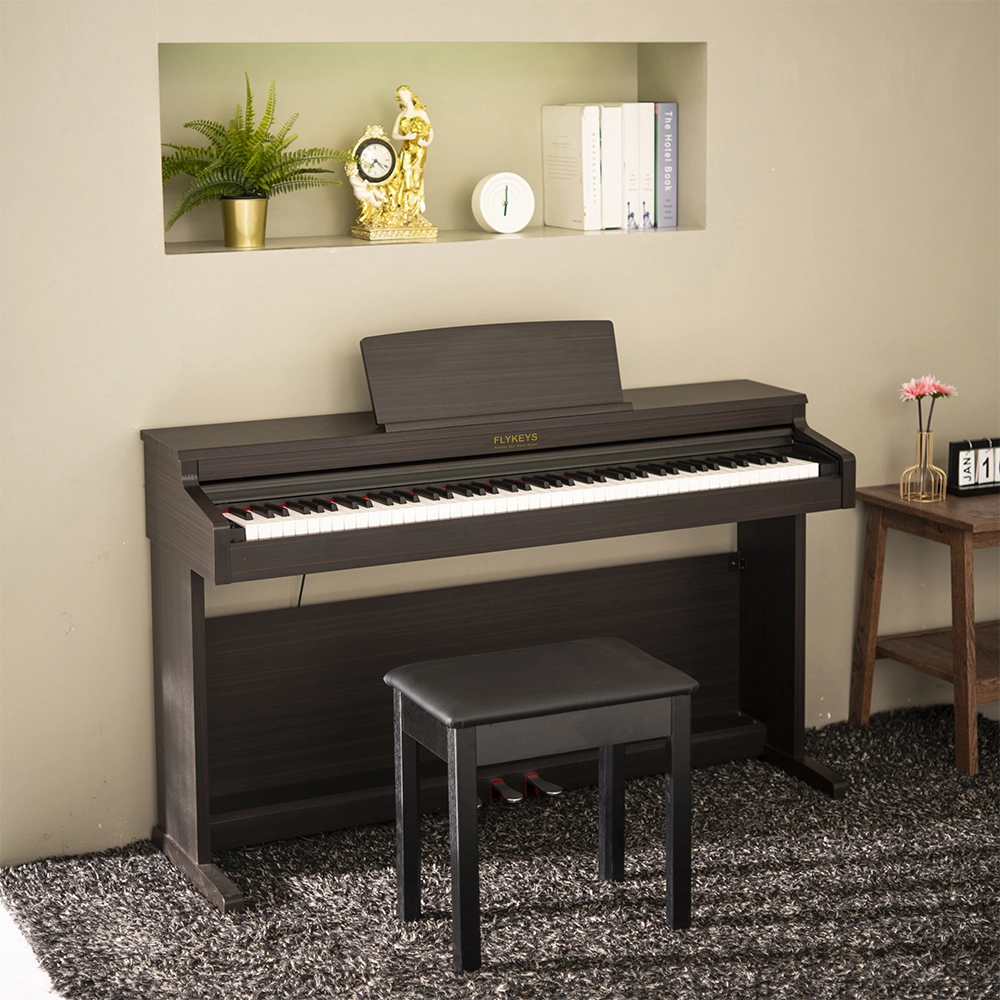
Flykeys 88 Keys Hammer Action keyboard Upright Piano LK03S Digital Piano
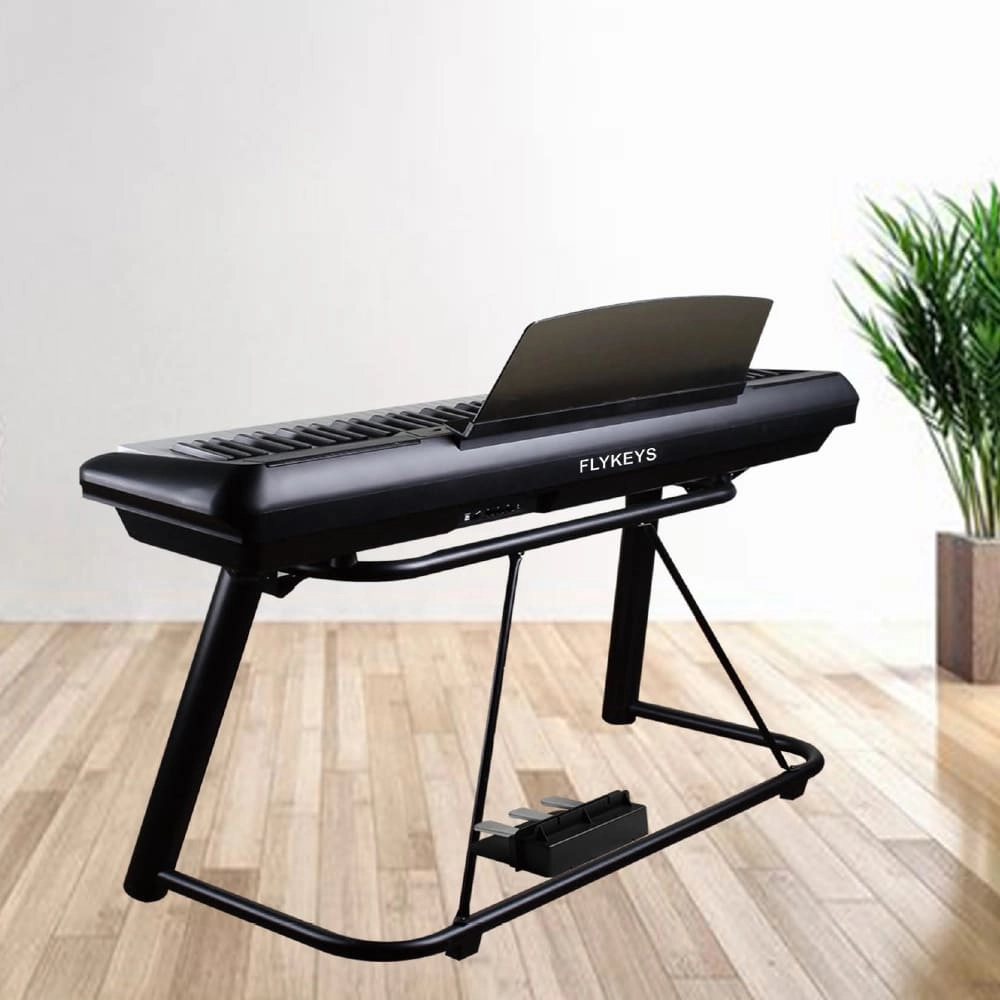
Flykeys 88 Keys Portable Piano With Wooden Stand FP6 Digital Piano
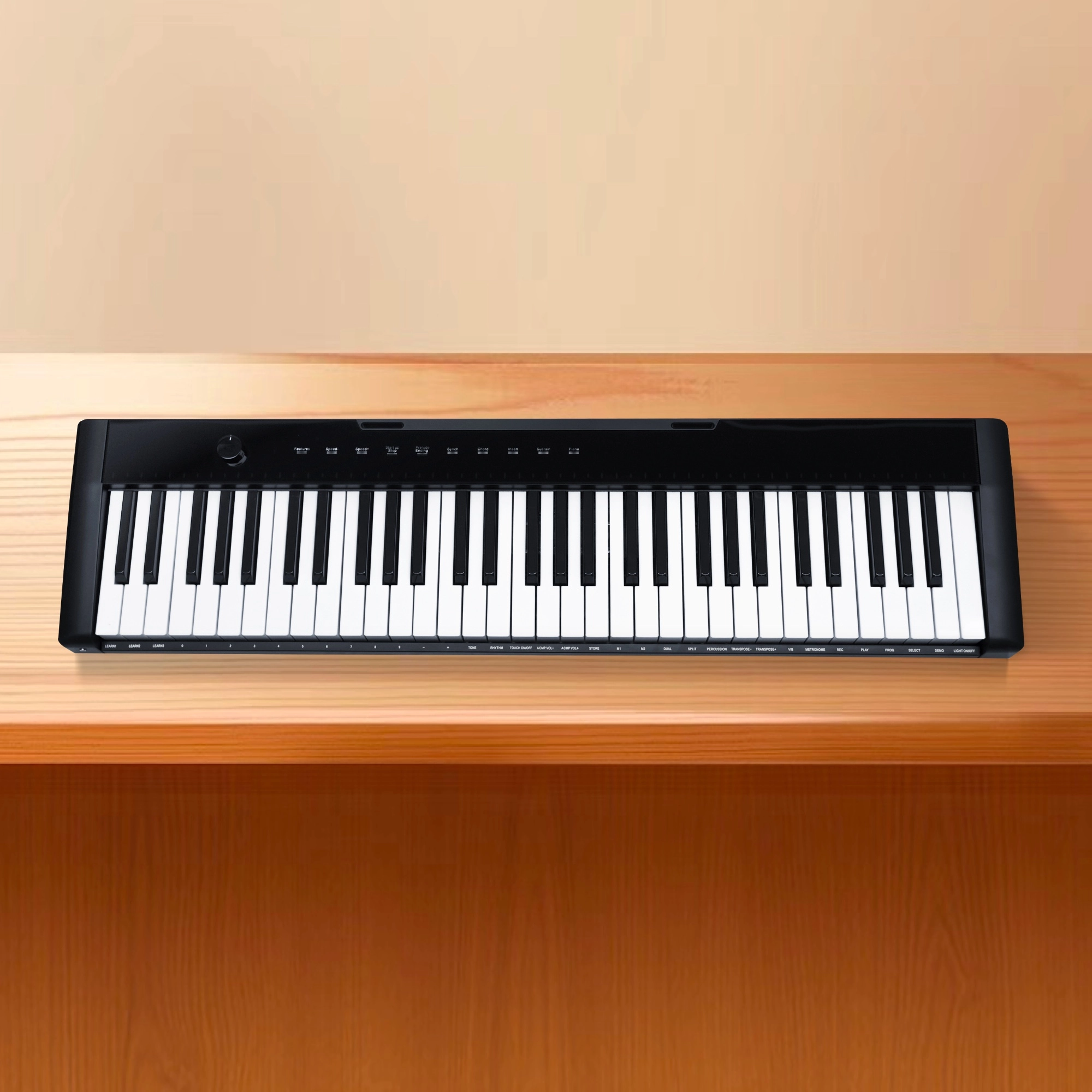
Flykeys 61 keys portable electronic keyboard piano with X stand (M2)
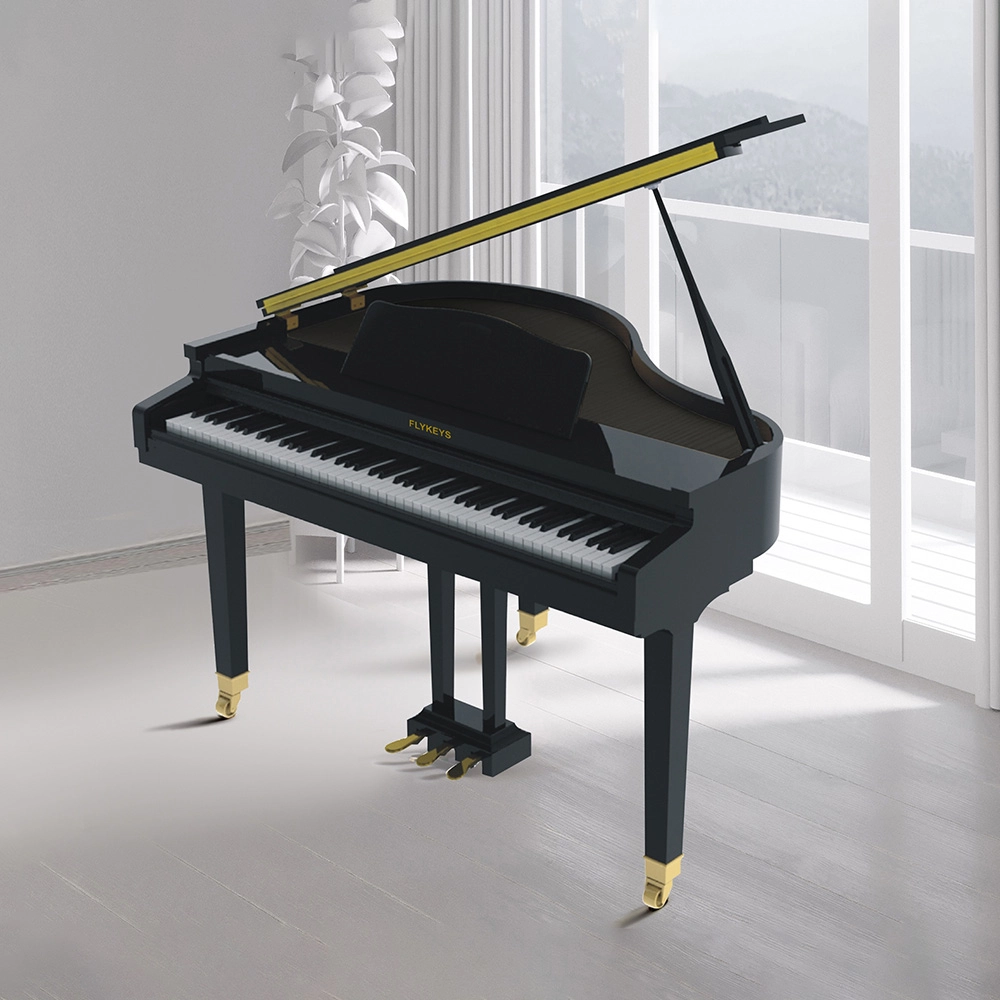
Flykeys 88 Keys Professional Digital Grand Piano Hammer Action Keyboard FGP110 Digital Piano
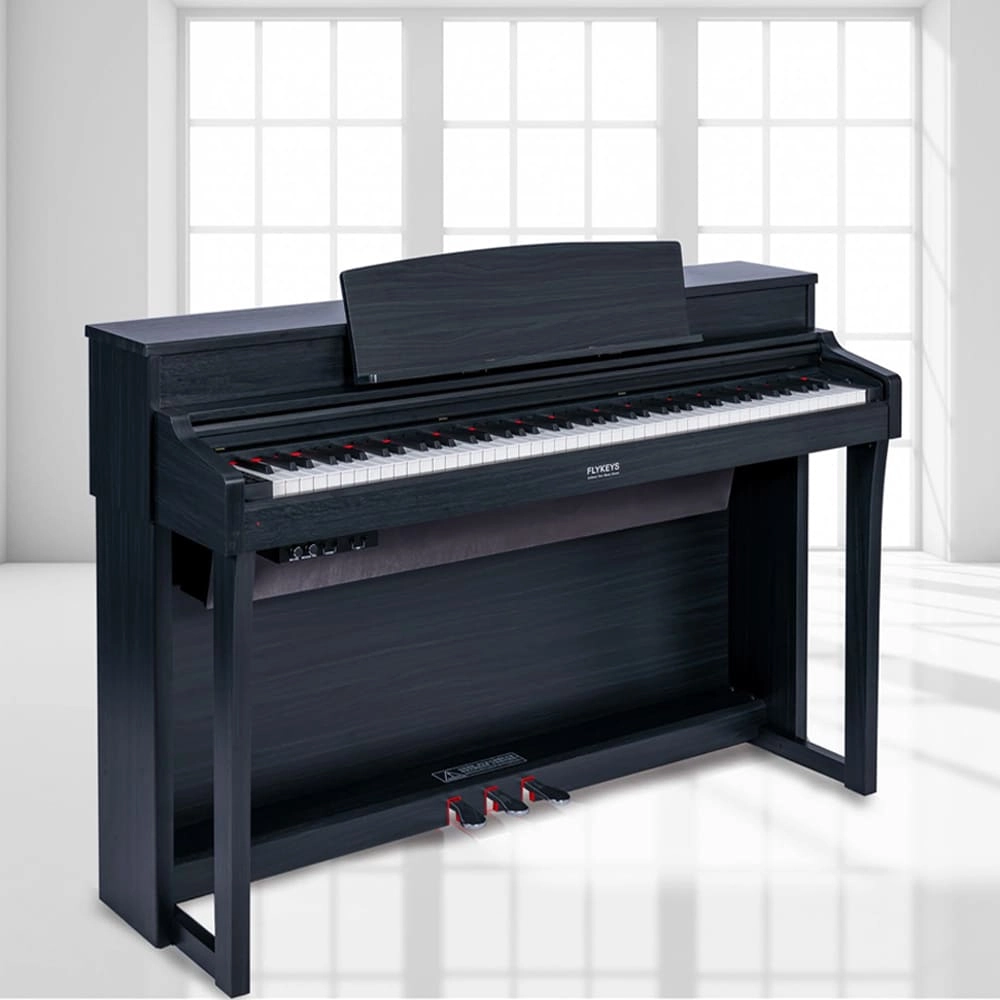
Flykeys Upright Digital Piano 88keys Hammer Action Keyboard FK330 Digital Piano
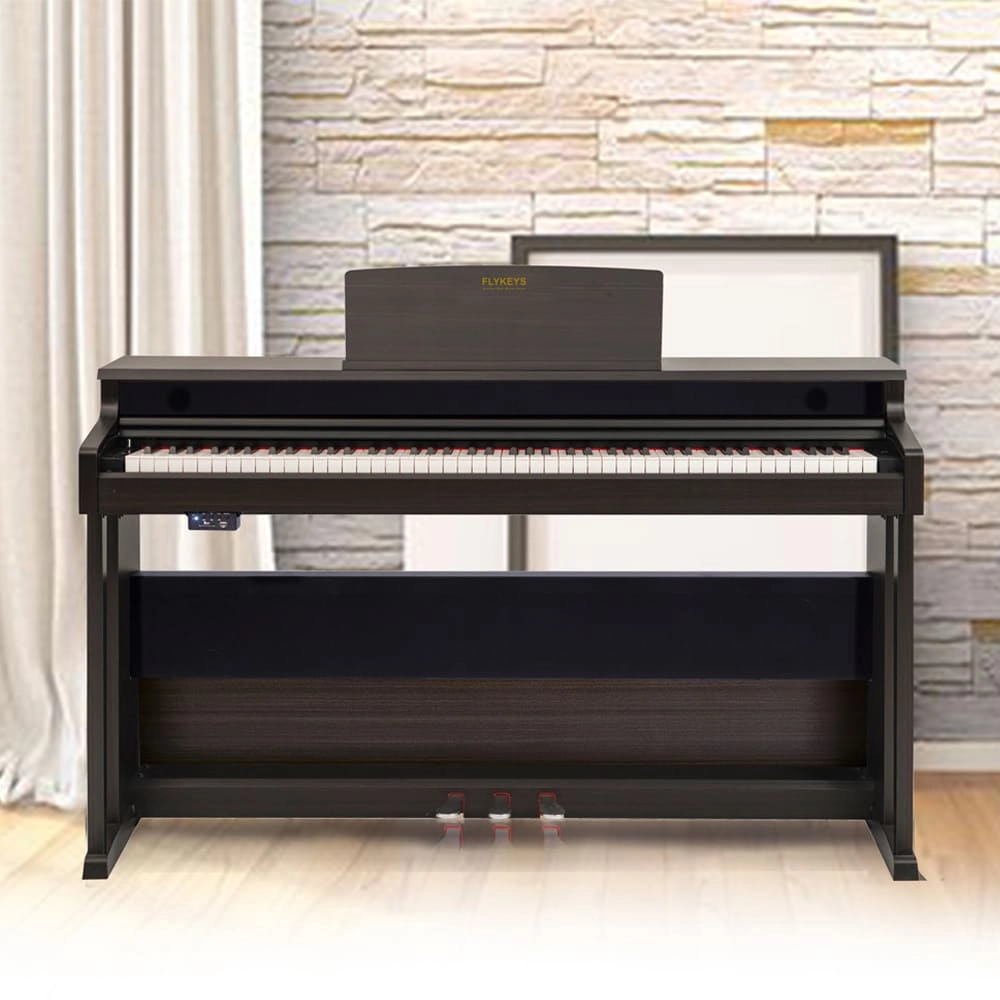
Flykeys Upright Piano Wooden Panel 88 KEYS Piano FK130 Digital Piano
Get in touch with us
Have a question or inquiry about our digital pianos products? Leave us a message here and our team will get back to you promptly within 24 hours.
Whether you're interested in custom orders, technical specifications, or partnership opportunities, we're here to assist you.
Rest assured that your privacy is important to us, and all information provided will be handled with the utmost confidentiality.
Address: No. 38 Xiangshan Avenue, Zengcheng Economic And Technological Development Zone, Guangzhou, China.
FOLLOW US:


© 2026 FLYKEYS All Rights Reserved. 粤 ICP备2020102774号. Designed by gooeyun. Sitemap | Privacy | Terms