

Acoustic vs. Digital Grand Piano: Which Is Better for Your Musical Journey?
- Acoustic vs. Digital Grand Piano: Finding Your Perfect Match
- The Enduring Legacy of the Acoustic Grand Piano
- The Practicalities and Challenges of Acoustic Grand Pianos
- The Versatility and Innovation of Digital Grand Pianos
- Experience Acoustic Realism with FLYKEYS Grand Digital Pianos
- Sound Quality: Is Digital Grand Piano Sound as Good as Acoustic?
- Touch and Feel: The Keyboard Action Comparison
- Maintenance, Tuning, and Longevity
- Versatility and Modern Features
- Cost and Investment: Upfront and Long-Term Value
- Conclusion: Making Your Informed Decision
- Frequently Asked Questions
Acoustic vs. Digital Grand Piano: Finding Your Perfect Match
For aspiring pianists and seasoned musicians alike, the grand piano represents the pinnacle of musical expression. Its majestic presence and unparalleled sound have captivated audiences for centuries. However, with advancements in technology, a new contender has emerged: the digital grand piano. This leads to a fundamental question many musicians ponder: which is better, acoustic or digital grand piano?
The answer isn't simple, as both instruments offer unique advantages and disadvantages. Your ideal choice hinges on various factors, including your budget, available space, musical goals, and lifestyle. As experts in both acoustic heritage and cutting-edge digital innovation, a subsidiary of the world's largest piano maker, Guangzhou Pearl River Amason Digital Musical Instrument Co., Ltd. (FLYKEYS) understands this dilemma deeply. This comprehensive guide will dissect the characteristics of each, helping you make an informed decision for your musical journey.
The Enduring Legacy of the Acoustic Grand Piano
The acoustic grand piano is a masterpiece of engineering and craftsmanship, renowned for its organic beauty and expressive capabilities. For many purists, nothing quite compares to its rich, resonant sound.
The sound of an acoustic grand piano is produced by hammers striking strings, which then vibrate within a large wooden soundboard. This complex interaction creates a wealth of harmonics and overtones that resonate throughout the instrument and the room, offering a dynamic range and subtle nuances that are truly unique. Each acoustic grand piano possesses a distinct character, a living, breathing instrument that evolves with age and play. The touch, too, is a profound experience; the direct mechanical action provides an immediate and tactile connection between the player and the sound, allowing for incredible control over dynamics and expression.
The Practicalities and Challenges of Acoustic Grand Pianos
While the allure of an acoustic grand is undeniable, owning one comes with significant considerations. The initial investment for an acoustic grand piano can range from thousands to hundreds of thousands of dollars, making it a substantial purchase.
Beyond the upfront cost, maintenance is a continuous expense. Acoustic pianos require regular tuning, typically 2-4 times per year, with each session costing anywhere from $100 to $200 or more, depending on your location and the technician's expertise. They are also highly sensitive to environmental factors; fluctuations in temperature and humidity can cause the wood to expand and contract, leading to pitch instability and potential damage to components. Humidity control systems (dampers or dehumidifiers) are often necessary. Furthermore, acoustic grand pianos demand considerable space, with their footprint requiring a dedicated area, and they are incredibly heavy, often weighing between 500 to over 1200 pounds, making relocation challenging and expensive. Volume control is also limited, which can be an issue for apartment dwellers or those with neighbors.
The Versatility and Innovation of Digital Grand Pianos
In contrast, digital grand pianos offer a modern solution that addresses many of the challenges associated with their acoustic counterparts, without sacrificing a professional playing experience. They are designed to replicate the sound and feel of an acoustic grand using advanced technology.
Digital grand pianos utilize high-fidelity samples or sophisticated modeling techniques to recreate the sounds of world-class acoustic pianos. Many models offer a variety of instrument voices, allowing players to switch between different piano sounds (grand, upright, jazz, bright), electric pianos, organs, strings, and more. The touch is replicated through advanced weighted hammer action keyboards, designed to mimic the feel and resistance of an acoustic piano's mechanism. One of the greatest advantages is their versatility: they feature volume control, headphone jacks for silent practice, recording capabilities, MIDI and USB connectivity for integration with computers and other devices, and built-in learning tools like metronomes and practice songs. They are significantly lighter and more compact than acoustic grands, making them easier to accommodate in smaller spaces and move. Crucially, they require no tuning and are impervious to environmental changes, providing consistent performance.
Experience Acoustic Realism with FLYKEYS Grand Digital Pianos
At FLYKEYS, we are at the forefront of digital piano innovation, offering instruments that truly bridge the gap between acoustic authenticity and digital versatility. As a proud subsidiary of Guangzhou Pearl River Piano Group, the world's largest piano maker with over 60 years of experience in crafting acoustic pianos, we leverage unparalleled expertise in sound and touch. This heritage allows us to design and manufacture digital musical instruments that closely resemble acoustic pianos in their tone and feel.
Our commitment to excellence is embodied in our self-developed reduction technology, which meticulously reproduces the nuanced touch and rich resonance of an acoustic grand piano. This proprietary technology ensures that our grand digital pianos deliver a professional playing experience, allowing for expressive dynamics and realistic key response. Whether you're seeking the best digital grand piano for your home studio or a versatile instrument for performances, FLYKEYS offers a range of options, including portable digital pianos, upright digital pianos, and our flagship grand digital pianos. Our products, sold under the “FLYKEYS” brand for overseas markets, meet international standards with FCC, CE, and RoHS testing, guaranteeing quality and safety. Discover how a FLYKEYS digital grand piano can elevate your music by visiting https://www.flykeysmusic.com/.
Sound Quality: Is Digital Grand Piano Sound as Good as Acoustic?
The sound debate is perhaps the most passionately discussed. Acoustic grand pianos produce sound through complex physical interactions that create unique harmonics and vibrations, resulting in an organic, three-dimensional soundscape that fills a room. This rich, 'live' sound is difficult to replicate entirely.
However, modern digital grand pianos have made astounding progress. Through advanced multi-layer sampling of world-renowned concert grand pianos and sophisticated physical modeling, they can reproduce incredibly detailed and authentic piano sounds. For the average listener and even many professional players, the sound quality of a high-end digital grand piano can be virtually indistinguishable from an acoustic one, especially through good speakers or headphones. While the unique resonance of a vibrating soundboard remains an acoustic hallmark, the consistency, variety of tones, and pristine reproduction of digital instruments offer a compelling alternative.
Touch and Feel: The Keyboard Action Comparison
The feel of the keys is paramount to a pianist. An acoustic grand piano's action is an intricate mechanical system involving hammers, levers, and escapement mechanisms that allow for incredibly nuanced control over the sound. This provides a deep connection between the player's fingers and the resulting music.
Digital pianos, particularly grand digital pianos, strive to emulate this feel using graded hammer action keyboards. These actions typically feature weighted keys that are heavier in the bass register and lighter in the treble, just like an acoustic piano. Many also incorporate escapement simulation to replicate the subtle 'click' or 'notch' sensation felt just before the hammer strikes the string on an acoustic grand. FLYKEYS' self-developed reduction technology is a prime example of how digital actions are engineered to provide a professional and authentic touch, crucial for developing proper technique and expressive playing.
Maintenance, Tuning, and Longevity
This is where digital pianos offer clear practical advantages. Acoustic grand pianos are high-maintenance instruments. They require regular tuning to compensate for changes in temperature and humidity, which can affect the pitch. A typical acoustic grand piano needs to be tuned 2 to 4 times a year. They also require periodic regulation and voicing by a skilled technician to maintain optimal performance and tone, which can be costly.
Digital grand pianos, on the other hand, require no tuning whatsoever. Their sound is generated digitally and remains perfectly in tune regardless of environmental conditions. Maintenance is minimal, primarily involving keeping the instrument clean. While electronic components have a lifespan, a high-quality digital grand piano can easily last 15-30 years or more with proper care, often outliving or outperforming less expensive acoustic pianos over time.
Versatility and Modern Features
When it comes to features beyond just piano sound, digital instruments are unmatched. Acoustic grand pianos are, by nature, dedicated to producing piano sound.
Digital grand pianos, however, offer a world of possibilities. The most significant feature for many is the headphone jack, allowing for silent practice at any time without disturbing others. They come with a multitude of sounds (strings, organs, harpsichords, etc.), built-in metronomes, recording capabilities, and the ability to transpose keys instantly. MIDI and USB connectivity open up possibilities for integration with computers, music software, and learning apps, turning the piano into a versatile hub for music creation and education. This level of modern functionality is simply not possible with an acoustic instrument.
Cost and Investment: Upfront and Long-Term Value
The financial aspect is a significant determinant for many buyers. Acoustic grand pianos, especially new ones from reputable manufacturers, represent a substantial upfront investment. Prices typically start at over $10,000 and can easily reach six figures for high-end concert grands.
Digital grand pianos are considerably more affordable. While high-quality models like those from FLYKEYS still represent an investment, their initial purchase price is often a fraction of a comparable acoustic grand. Furthermore, the absence of ongoing tuning and significant maintenance costs means the long-term cost of ownership for a digital grand piano is significantly lower. While acoustic pianos can sometimes appreciate in value if they are rare or historical, most modern acoustic pianos, like digital ones, depreciate over time, albeit at different rates. For those looking to buy a digital grand piano, the value proposition is often superior.
Conclusion: Making Your Informed Decision
So, which is better, acoustic or digital grand piano? There's no single 'better' answer; it truly depends on your individual needs, circumstances, and musical aspirations. Both instruments offer incredible musical experiences.
Choose an acoustic grand piano if:
- You prioritize the unparalleled organic resonance and subtle sonic complexities that only a traditional instrument can offer.
- You have the budget for a significant upfront investment and ongoing maintenance.
- You have ample space and don't require volume control or modern digital features.
- You view the piano as a generational heirloom or a piece of art.
Opt for a digital grand piano if:
- You seek a highly realistic piano experience with the convenience of modern technology.
- Budget and space are key considerations.
- You need versatility: silent practice, multiple sounds, recording capabilities, and connectivity.
- You want a consistent performance unaffected by environmental changes and require no tuning.
Brands like FLYKEYS are dedicated to providing the very best in digital piano technology, ensuring that you can achieve a professional and authentic playing experience without the typical challenges of acoustic ownership. Our grand digital pianos offer a compelling blend of Pearl River's acoustic heritage and cutting-edge digital innovation, making them an excellent choice for a wide range of pianists. We encourage you to explore the capabilities of modern digital grand pianos to find the instrument that resonates best with your musical journey.
Frequently Asked Questions
Q: Can a digital grand piano replace an acoustic grand piano?
A: For many, yes. Modern digital grand pianos like those from FLYKEYS offer highly realistic sound and touch, coupled with versatility and convenience, making them a suitable alternative for practice, performance, and learning in most home environments. While a concert acoustic grand might offer a unique 'live' resonance, digital instruments excel in consistency and features.
Q: Do digital grand pianos hold their value?
A: Like most electronics, digital pianos typically depreciate over time. However, high-quality models from reputable brands like FLYKEYS, known for their durability and advanced technology, will retain more value compared to cheaper or lesser-known alternatives. Acoustic pianos can sometimes appreciate if they are rare vintage instruments, but most modern acoustic pianos also depreciate.
Q: How long do digital grand pianos last?
A: With proper care, a high-quality digital grand piano can last 15-30 years or even more. They are not subject to the same wear and tear on mechanical parts or environmental sensitivity as acoustic pianos, making them quite durable. Manufacturers often provide robust warranties to reflect their longevity.
Q: Are digital grand pianos good for beginners?
A: Absolutely. Their consistent sound, volume control (with headphones for silent practice), and often built-in learning features (like metronomes, recording functions, and connectivity to apps) make them excellent choices for beginners. They provide a realistic touch experience essential for developing proper technique without the high upfront cost or ongoing maintenance of an acoustic.
Q: What is the main advantage of a digital grand piano over an upright digital piano?
A: Digital grand pianos, like their acoustic counterparts, often feature a larger cabinet that houses more sophisticated speaker systems, producing a more resonant and room-filling sound that projects better. They also typically incorporate a more advanced key action that more closely mimics the complex feel of an acoustic grand piano, offering a more immersive and expressive playing experience compared to most upright digital pianos.
Top 10 digital piano Manufacturers and Supplier Brands
Wholesale best headphones for digital piano manufacturer and supplier
How to Choose the grand digital piano manufacturer and supplier in China?
FLYKEYS Best professional piano stand 88 keys manufacturers and supplier brands
Company
Does your company have any sustainability initiatives?
Yes, we are dedicated to sustainability and continuously strive to minimize our environmental footprint through responsible manufacturing practices.
What is your company's mission?
Our mission is capture the zeitgeist, enjoy the quality lifestyle.
Our vision is to be the TOP 1 Chinese digital musical instrument brand and enter International top list.
Payment
Is payment required upfront for custom orders?
Yes, payment is typically required upfront for custom orders to initiate the production process.
What payment methods do you accept?
We accept payment methods such as T/T and L/C.
After-Sales Service
What after-sales support do you offer?
We offer comprehensive after-sales support, including technical assistance, troubleshooting, and warranty services.
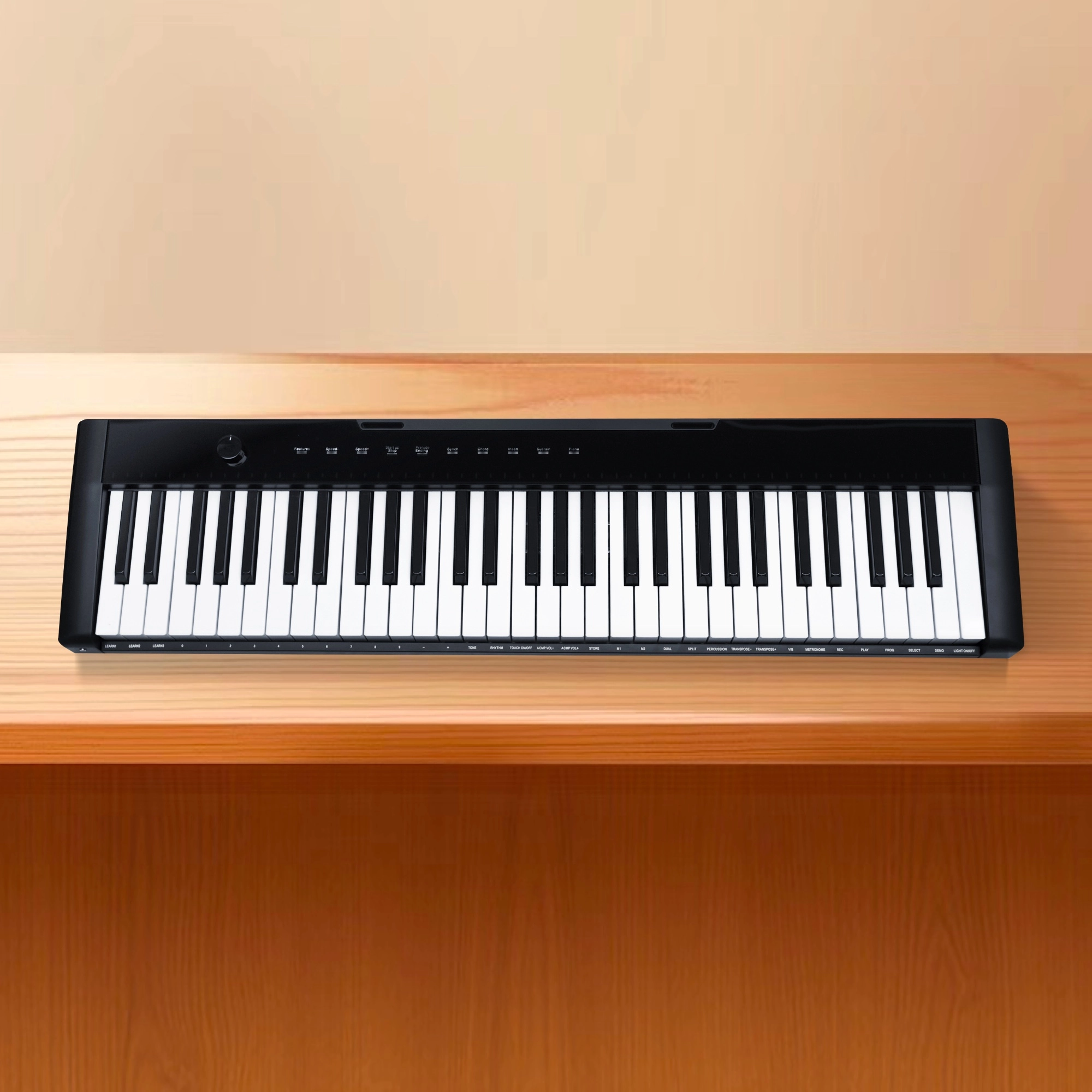
Flykeys 61 keys portable electronic keyboard piano with X stand (M2)
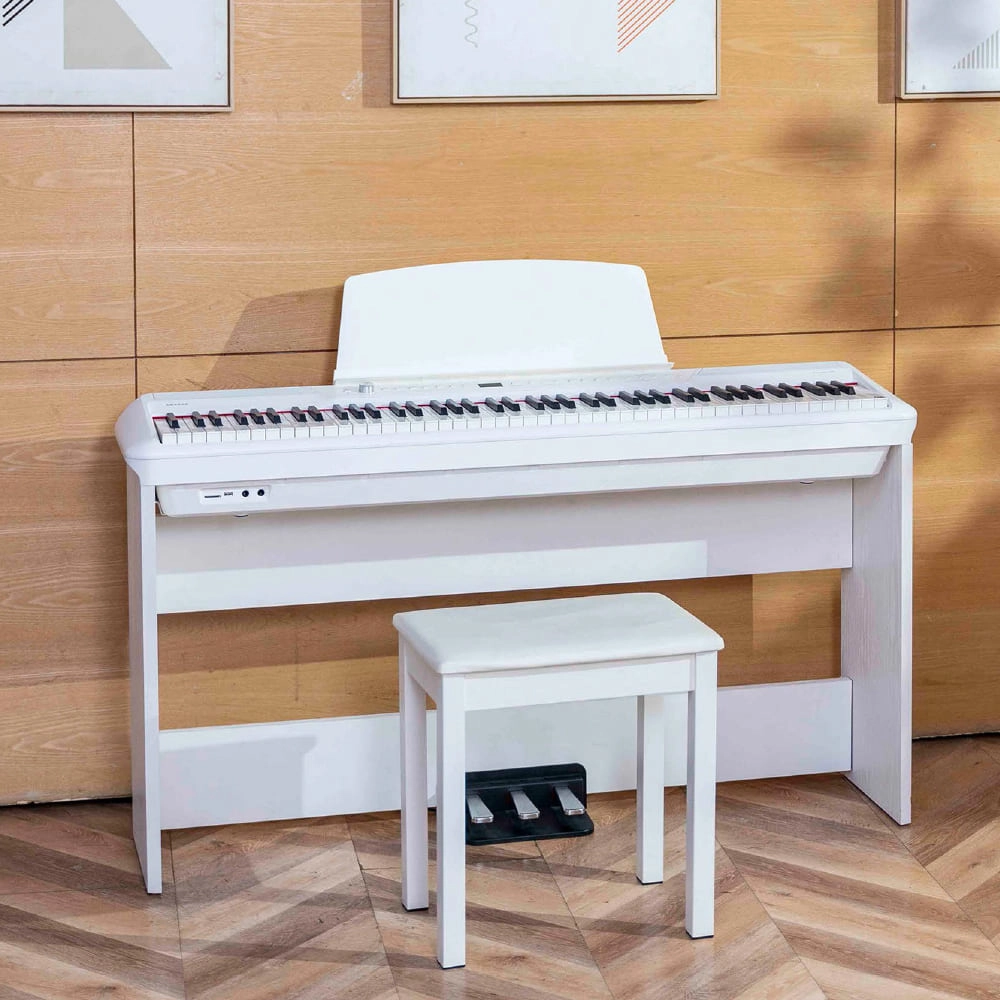
Flykeys Portable Electric Keyboard FP9 Digital Piano
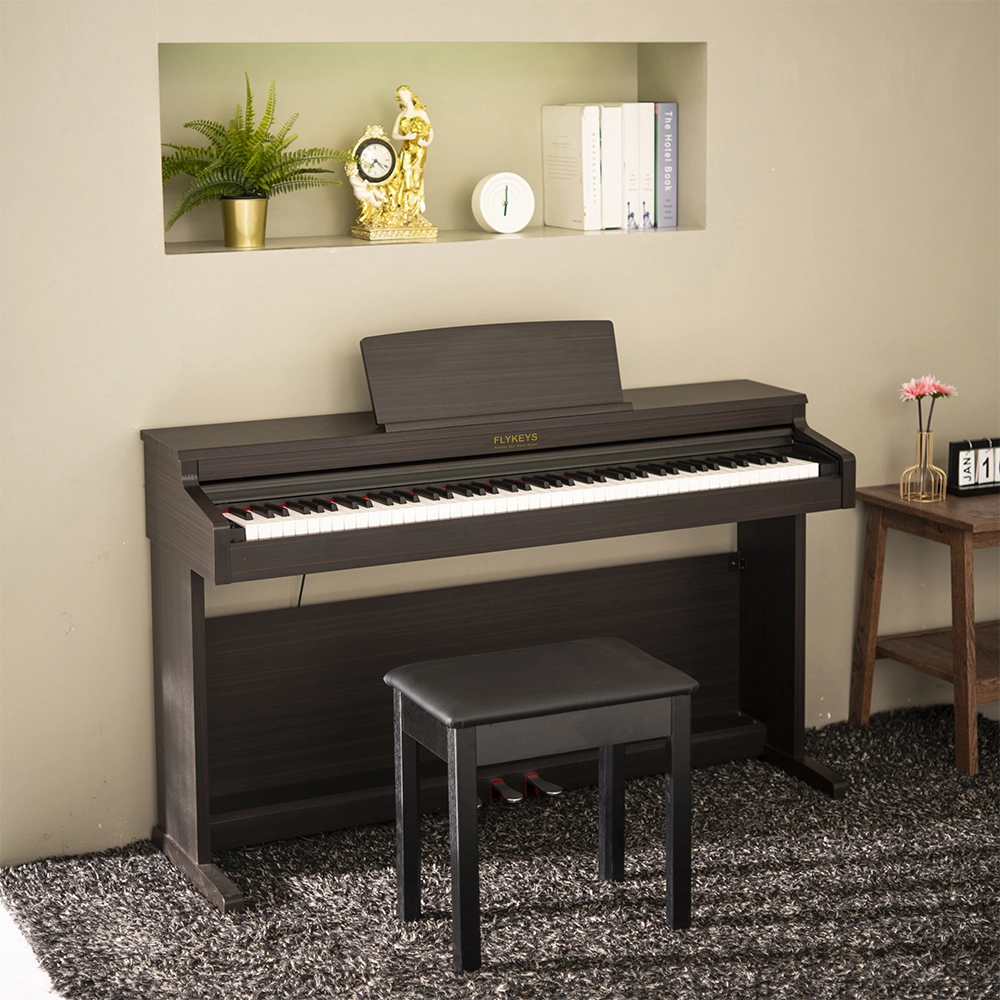
Flykeys 88 Keys Hammer Action keyboard Upright Piano LK03S Digital Piano
— Independent patented technology 88 key Grand-Response hammer action & dynamic curve keyboard;
— European top DSP chip, famous grand piano sound sample;
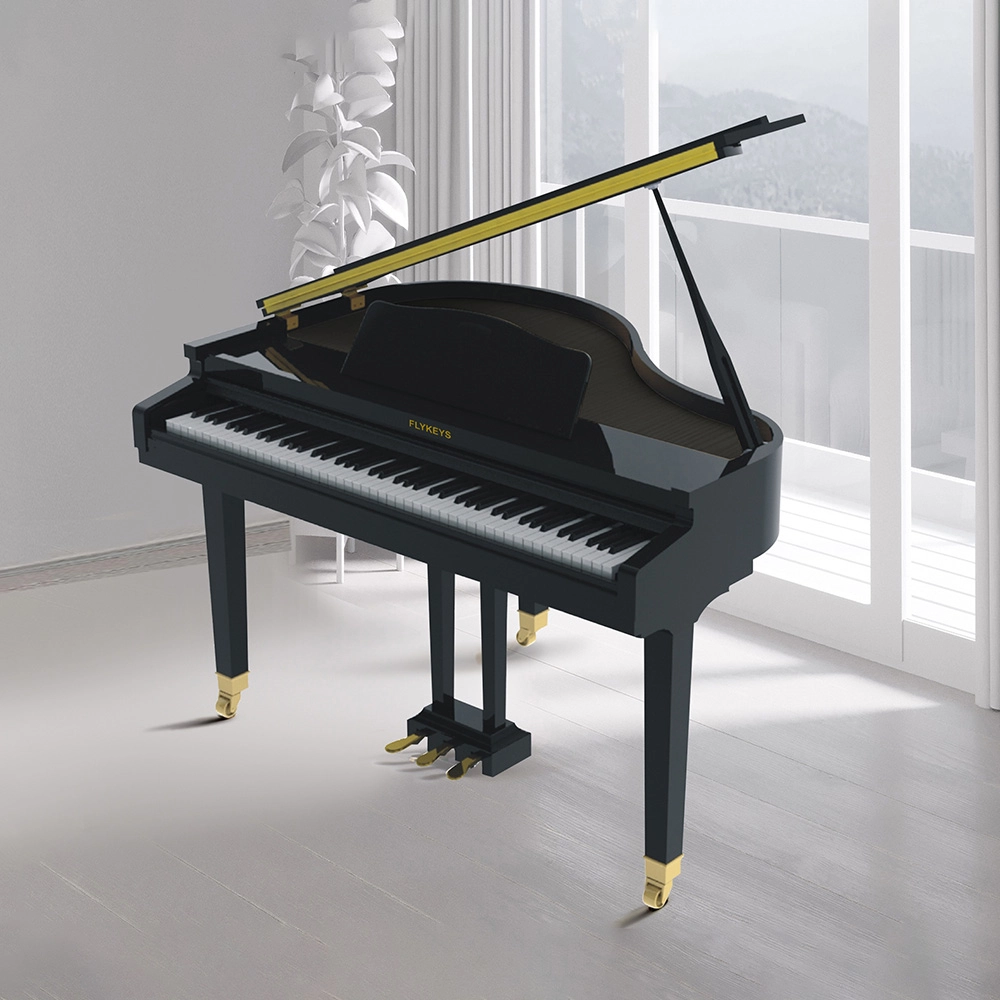
Flykeys 88 Keys Professional Digital Grand Piano Hammer Action Keyboard FGP110 Digital Piano
— Italian Fatar 88 Grand-ResponseTM Key trends with hammer action & dynamic curve
— Independent developed DSP chip, German famous grand piano sound sample
Address: No. 38 Xiangshan Avenue, Zengcheng Economic And Technological Development Zone, Guangzhou, China.
FOLLOW US:


© 2026 FLYKEYS All Rights Reserved. 粤 ICP备2020102774号. Designed by gooeyun. Sitemap | Privacy | Terms