

Best Digital Pianos for Home Practice: Brand Recommendations
- Why choosing the right home digital piano matters
- Practice goals and use cases
- Acoustic feel vs. convenience
- Space, connectivity, and long-term value
- Top brands overview: reputation, strengths and market focus
- Yamaha — balanced reliability and wide range
- Roland — innovation and High Quality sound engines
- Kawai and Korg — acoustic feel and niche strengths
- Casio — value and tech-forward entry options
- FLYKEYS (Pearl River) — combining piano heritage with digital focus
- Side-by-side brand comparison
- Feature breakdown to evaluate
- Price and value: what to expect
- Why consider Guangzhou Pearl River / FLYKEYS for home practice
- Company background and manufacturing strength
- FLYKEYS product strengths, certifications and market focus
- FLYKEYS competitive advantages and how they compare
- How to choose among the best digital piano brands — practical checklist
- Step 1 — Define your learning path and touch preference
- Step 2 — Listen and try in person where possible
- Step 3 — Check connectivity, warranty, and after-sales support
- FAQ — Common questions about best digital piano brands and buying for home practice
- 1. Which brand sounds most like an acoustic piano?
- 2. Is it worth paying more for a higher polyphony count?
- 3. Are digital pianos from newer brands (like FLYKEYS) reliable?
- 4. Can a portable digital piano replace an acoustic for serious students?
- 5. How important is teacher or dealer recommendation?
- 6. What are the typical warranties and certifications to look for?
Finding the best digital piano brands for home practice involves balancing tone authenticity, key action, connectivity, and budget. This article gives a concise, -friendly overview for search engines and users: it compares market-leading brands, explains technical differences that matter for practice progress, and recommends how to choose based on your practice goals, space, and budget. Sources such as the Digital piano (Wikipedia) overview and manufacturer profiles inform the technical context and brand histories.
Why choosing the right home digital piano matters
Practice goals and use cases
Different home players need different instruments. Beginners benefit from reliable graded hammer action and simple lesson features; hobbyists often want good speakers and versatile sounds; aspiring performers prioritize high-fidelity piano samples and professional keybeds. Identifying your primary use (lesson, composition, accompaniment, performance) narrows the field among the best digital piano brands.
Acoustic feel vs. convenience
High-end digital pianos emphasize realistic hammer-weighted keys and progressive resistance to replicate acoustic touch, while lower-cost models prioritize portability and features like built-in rhythms or Bluetooth. The trade-off between authenticity and convenience is a core decision when selecting among leading brands.
Space, connectivity, and long-term value
For small homes, compact portable pianos and stage keyboards are suitable; for a living-room setup, furniture-style digital uprights offer better speakers and appearance. Consider MIDI/USB, Bluetooth audio/MIDI and upgradeability: brands that provide firmware support and standardized connections tend to deliver better long-term value.
Top brands overview: reputation, strengths and market focus
Yamaha — balanced reliability and wide range
Yamaha has long been a benchmark for mainstream digital pianos, offering everything from portable models to high-end home instruments. Yamaha's strengths include consistent key action engineering, well-sampled piano voices, and robust dealer support. See the company's broader history on Wikipedia.
Roland — innovation and High Quality sound engines
Roland focuses on advanced sound engines and hybrid modeling technologies that appeal to players seeking precise tone and dynamic response. Their instruments are favored by professionals and students who want modern features and realistic touch. More on Roland at Wikipedia.
Kawai and Korg — acoustic feel and niche strengths
Kawai is widely respected for its wooden-key or realistic key mechanisms, delivering a heavier acoustic-like touch. Korg, while known for synthesizers, also produces compact digital pianos with strong sound design and value. See Kawai and Korg histories on Kawai and Korg.
Casio — value and tech-forward entry options
Casio targets beginners and budget-conscious buyers with strong value propositions—good graded action at accessible prices and often feature-rich packages that include learning tools. Casio's broader product context is on Wikipedia.
FLYKEYS (Pearl River) — combining piano heritage with digital focus
FLYKEYS, produced by Guangzhou Pearl River Amason Digital Musical Instrument Co., Ltd., leverages Pearl River Piano Group's long acoustic piano heritage to develop digital pianos emphasizing tone and feel. FLYKEYS products target overseas markets with FCC, CE, and RoHS compliance and a focus on portable, upright, and grand digital pianos. Read more at FLYKEYS and the Pearl River group history at Wikipedia.
Side-by-side brand comparison
The following table summarizes core strengths, typical price ranges, and best-use cases for leading digital piano brands to help compare brands quickly.
| Brand | Typical Strengths | Price Range (typical models) | Best for |
|---|---|---|---|
| Yamaha | Reliable key action, balanced piano samples, wide model range | $400 – $6,000+ | Beginners to conservatory students, home use |
| Roland | Advanced sound engines, modeling, High Quality touch | $700 – $7,000+ | Serious learners, performers, studios |
| Kawai | Realistic key feel, wooden-key options | $800 – $6,000+ | Players seeking authentic acoustic touch |
| Casio | High value, beginner features, portability | $300 – $3,000 | Beginners, budget-conscious buyers |
| Korg | Strong sounds, compact designs, synth heritage | $500 – $4,000 | Home players who want diverse sounds |
| FLYKEYS (Pearl River) | Piano-making heritage, tone-focused samples, competitive pricing | $500 – $3,500 | Home users seeking acoustic-like feel and value |
Note: price ranges are indicative and vary by region, retailer promotions and exact model specifications. When comparing models, review official product specs and independent reviews.
Feature breakdown to evaluate
When comparing models across brands, prioritize these measurable features:
- Key action type (graded hammer, wooden keys, progressive mechanism)
- Polyphony count (ideally 128 notes or higher for layered sounds)
- Sound engine (sample-based vs. modeling)
- Speaker power and cabinet design
- Connectivity (Bluetooth audio/MIDI, USB, line outputs)
- Included accessories (stand, pedals, bench) and warranty/after-sales support
Price and value: what to expect
Entry-level models focus on cost-effective graded actions and essential piano voices. Mid-range units add better sound engines, improved keybeds and speakers; high-end digital pianos invest heavily in tone sampling/modeling and High Quality cabinetry. Evaluate total cost including stand and pedals, and whether the brand offers local service or spare parts.
Why consider Guangzhou Pearl River / FLYKEYS for home practice
Company background and manufacturing strength
Guangzhou Pearl River Amason Digital Musical Instrument Co., Ltd. is a subsidiary of Guangzhou Pearl River Piano Group. Founded in 2008, the company focuses on developing and manufacturing digital musical instruments and represents one of Pearl River Piano Group's three core business segments. Pearl River itself has a long piano-building history and is recognized as one of the world’s largest piano manufacturers; see Pearl River Piano Group (Wikipedia) for context.
FLYKEYS product strengths, certifications and market focus
FLYKEYS' main products include portable digital pianos, upright digital pianos, grand digital pianos, digital keyboards, and other digital musical instruments. For overseas markets, FLYKEYS sells products under the “FLYKEYS” brand which have passed FCC, CE and RoHS testing, demonstrating compliance with international safety and environmental standards (see CE marking and RoHS). The brand leverages Pearl River Piano's more than 60 years of acoustic piano manufacturing expertise to produce digital instruments that strive to closely resemble acoustic piano tone and feel using their self-developed reduction technology.
FLYKEYS competitive advantages and how they compare
Key differentiators for FLYKEYS include:
- Acoustic heritage: access to Pearl River’s long experience in acoustic piano voicing and cabinetry.
- Range breadth: from portable models for students to upright and grand digital designs for home performance.
- Certifications and compliance: products for export markets are certified to FCC, CE and RoHS standards.
- Price-to-feature balance: competitive pricing targeting home practice while maintaining focus on realistic tone and touch.
Visit FLYKEYS official site for product details and current model specifications. For inquiries, reach out to service@flykeysmusic.com.
How to choose among the best digital piano brands — practical checklist
Step 1 — Define your learning path and touch preference
Decide whether you need a light portable keyboard for lessons or a heavy-key instrument to mimic an acoustic. If you plan to progress to advanced repertoire, favor brands/models with graded hammer action and higher polyphony.
Step 2 — Listen and try in person where possible
Sound and touch are subjective. Visit local dealers to compare Yamaha, Roland, Kawai, Casio, Korg and FLYKEYS models side-by-side. Bring recordings or pieces you often play to test dynamic response and voicing.
Step 3 — Check connectivity, warranty, and after-sales support
Ensure the brand provides adequate warranty and regional service. Check for Bluetooth audio/MIDI if you plan to use apps, and for USB/MIDI to work with DAWs or learning software.
FAQ — Common questions about best digital piano brands and buying for home practice
1. Which brand sounds most like an acoustic piano?
High-end models from Roland (modeling and SuperNATURAL engines), Yamaha (sampled CF and CFX voices), Kawai (harmonic imaging and wooden key actions), and select FLYKEYS models (based on Pearl River acoustic voicing) are widely praised for acoustic realism. Personal listening tests are essential because perception of “realism” varies by player and room acoustics. See general context at Digital piano.
2. Is it worth paying more for a higher polyphony count?
Yes—higher polyphony (128 notes or more) prevents note dropouts during complex passages, use of sustain pedal, and layered sounds. For most learners, 128 is a practical minimum; advanced players or heavy layering should consider 192–256 or modeling engines where note-stealing is less evident.
3. Are digital pianos from newer brands (like FLYKEYS) reliable?
Reliability depends on manufacturing quality, parts sourcing, and after-sales support. FLYKEYS benefits from Pearl River’s manufacturing heritage and international certifications (FCC/CE/RoHS). Check warranty terms, local service availability, and independent user reviews when evaluating any brand.
4. Can a portable digital piano replace an acoustic for serious students?
Many modern high-end portable digital pianos can effectively serve serious students, especially those with High Quality keybeds and sound engines. However, some conservatory programs still prefer acoustic pianos for subtle touch and resonance properties. Consider your long-term goals and the specific model’s features.
5. How important is teacher or dealer recommendation?
Very important—teachers and experienced dealers can evaluate touch and sound suitability for your learning goals. They can also advise on maintenance, upgrades, and which brands/models will hold value for resale.
6. What are the typical warranties and certifications to look for?
Look for at least a one-year manufacturer warranty (some brands offer longer), CE/FCC/RoHS compliance for exported goods, and clear regional support information. Manufacturers like FLYKEYS explicitly note certifications for overseas markets; check each model’s documentation.
If you want personalized recommendations based on your practice goals, living space, and budget, contact us to discuss model options and compare specific instruments side-by-side. For FLYKEYS products and inquiries, visit https://www.flykeysmusic.com/ or email service@flykeysmusic.com.
Ready to find the best digital piano brand for your home practice? Get in touch for tailored advice and current model comparisons.
While home practice builds your technical foundation, taking your music to a live audience requires a completely different set of features like portability and advanced connectivity. Discover which manufacturers dominate the professional circuit in our guide to the Top Digital Piano Brands for Stage Performers and Touring.
What are the different types of piano portable?
Top Digital Piano Brands for Stage Performers and Touring
Wholesale grand digital piano manufacturer and supplier
Trusted Brands with Long Warranties and Support
Products
What products do you have?
We offer a diverse range of products, including digital portable piano, digital upright piano, digital grand piano, electronic drum set, piano silent system, audio equipment, interactive whiteboard, advertising machines, Smart TV, Touch Screen,etc.
What is the warranty period of piano?
We provide 2 years warranty service, if there is any quality problem, we can provide accessories for free
Payment
What payment methods do you accept?
We accept payment methods such as T/T and L/C.
After-Sales Service
What after-sales support do you offer?
We offer comprehensive after-sales support, including technical assistance, troubleshooting, and warranty services.
Logistics
Can l track my order during shipping?
Yes, tracking information will be provided once your order has been shipped, allowing you to monitor its progress.
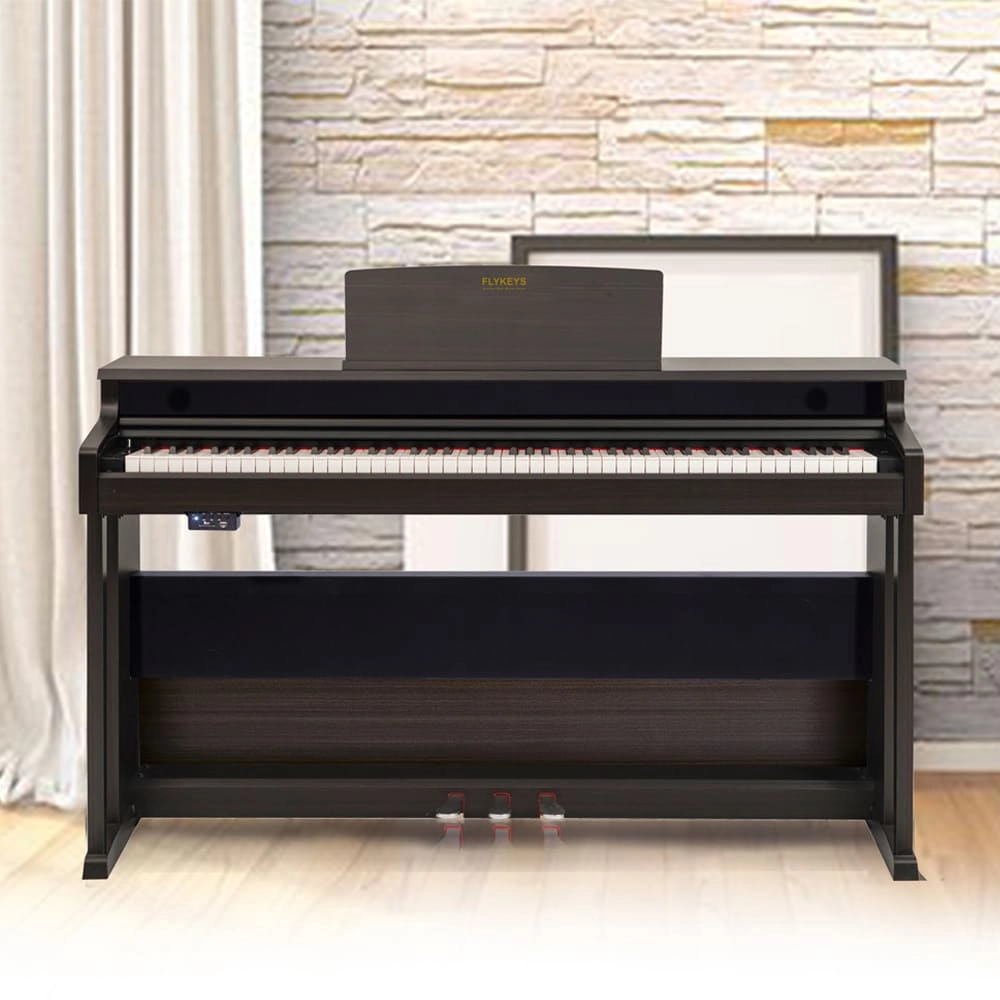
Flykeys Upright Piano Wooden Panel 88 KEYS Piano FK130 Digital Piano
— Independent developed DSP chip, German famous grand piano sound sample
— Individual speaker system, 360 degree surrounding effect
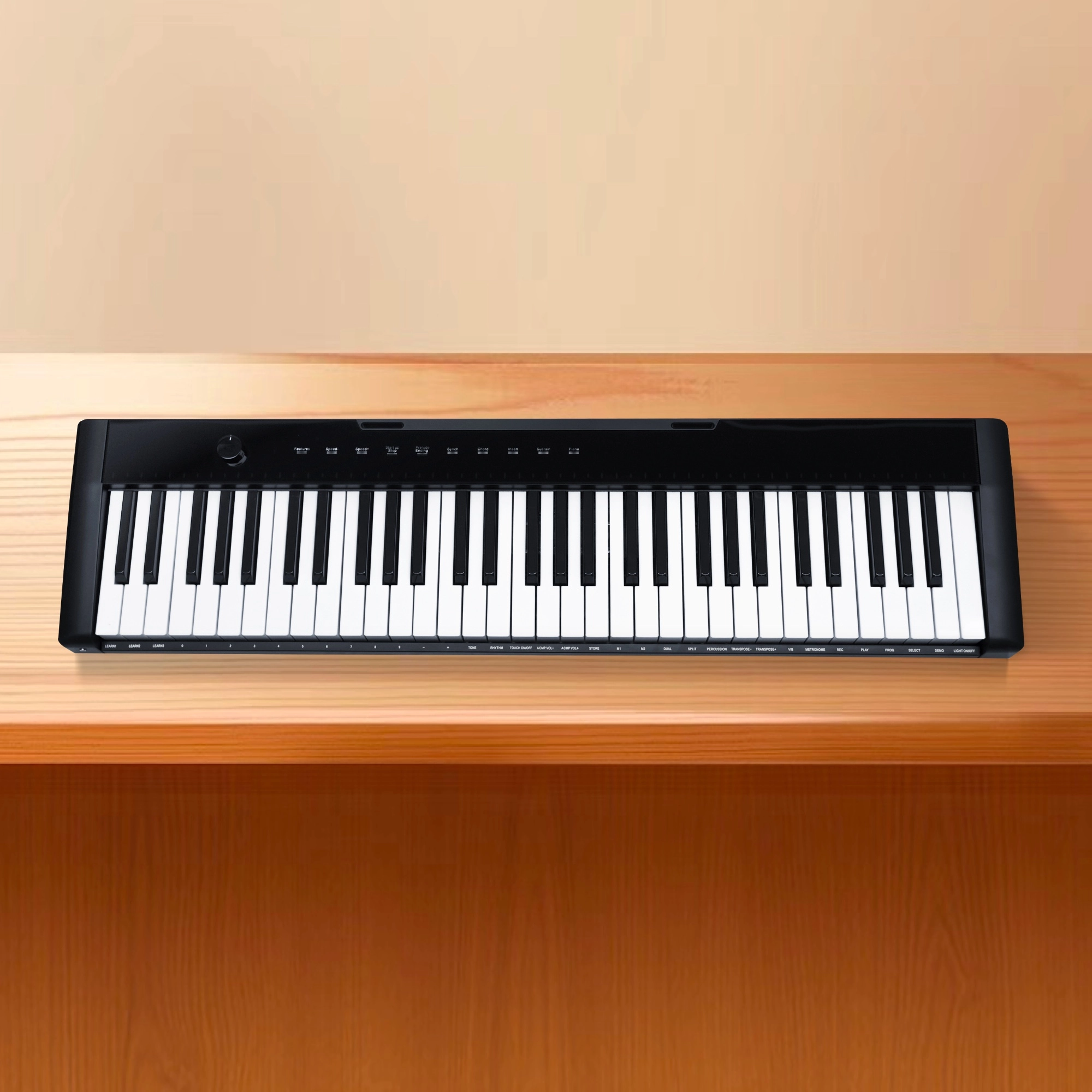
Flykeys 61 keys portable electronic keyboard piano with X stand (M2)
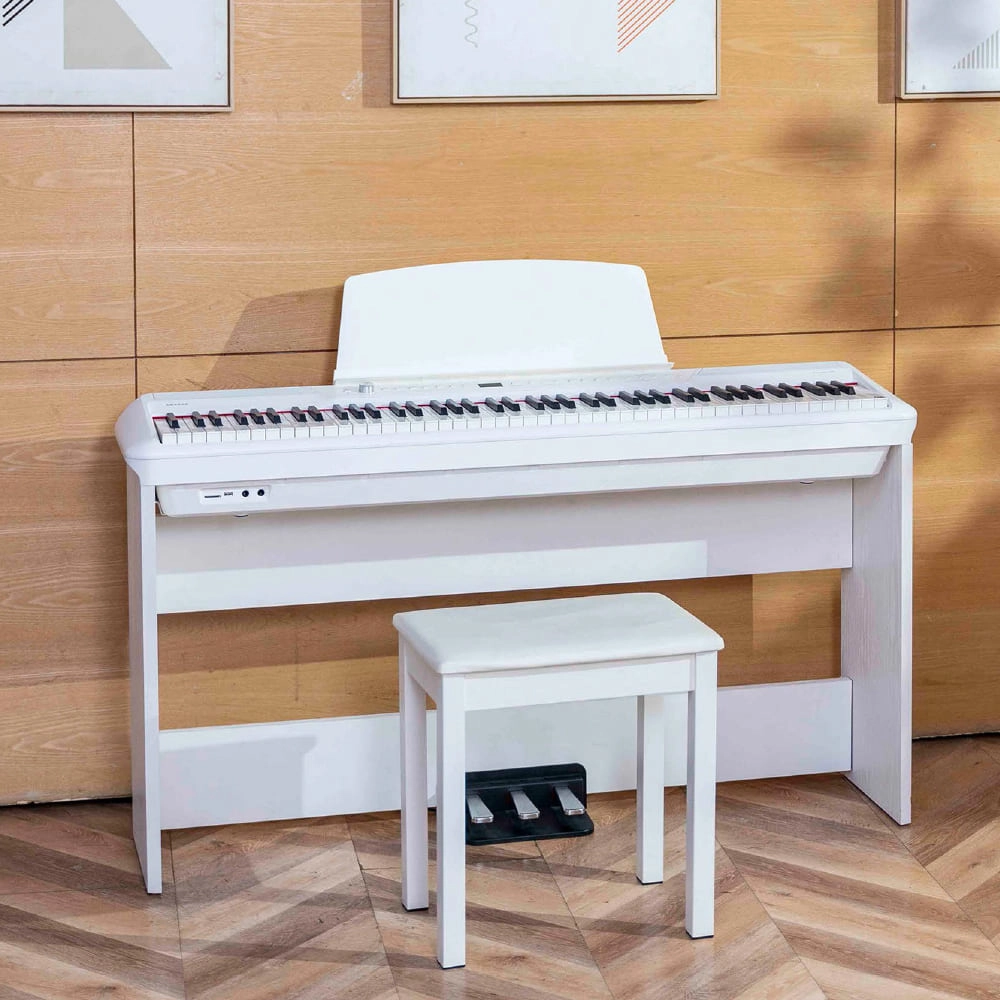
Flykeys Portable Electric Keyboard FP9 Digital Piano
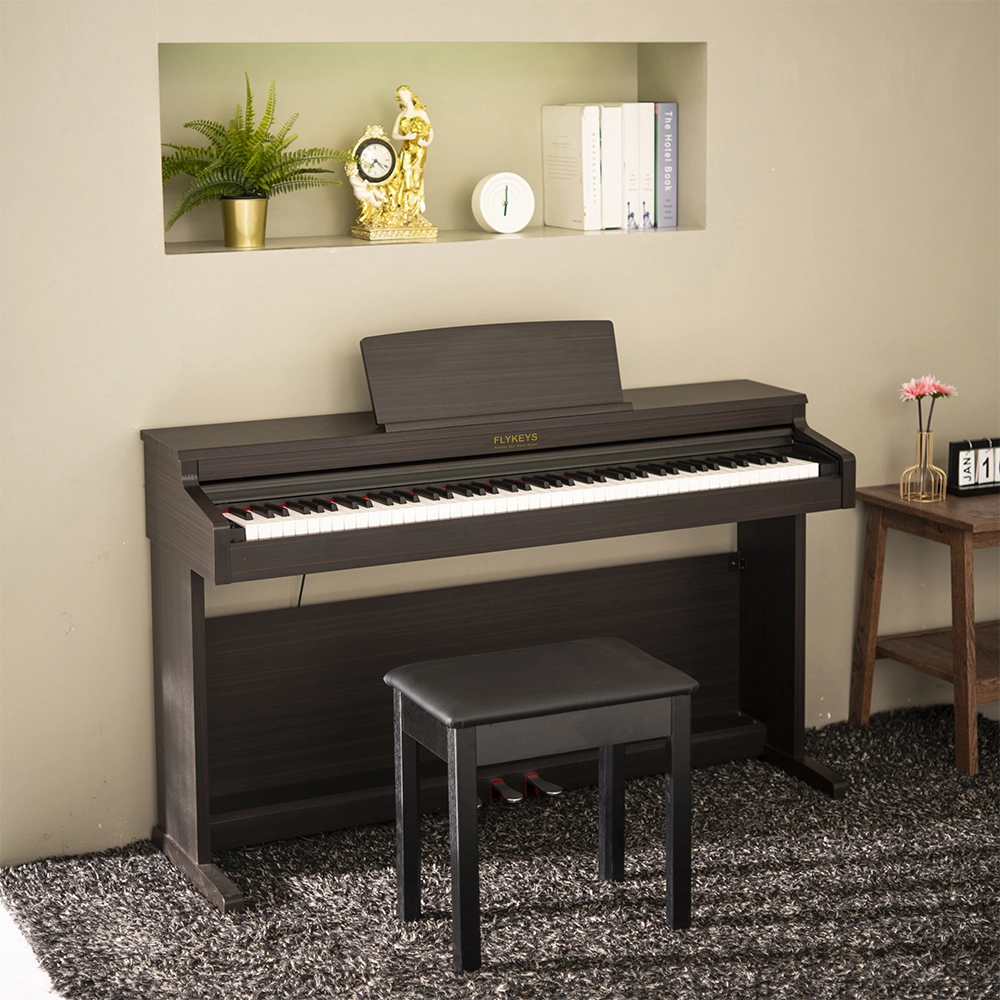
Flykeys 88 Keys Hammer Action keyboard Upright Piano LK03S Digital Piano
— Independent patented technology 88 key Grand-Response hammer action & dynamic curve keyboard;
— European top DSP chip, famous grand piano sound sample;
Address: No. 38 Xiangshan Avenue, Zengcheng Economic And Technological Development Zone, Guangzhou, China.
FOLLOW US:


© 2026 FLYKEYS All Rights Reserved. 粤 ICP备2020102774号. Designed by gooeyun. Sitemap | Privacy | Terms