

Best Digital Piano Brands: Ultimate Buyer's Guide 2026
- How to choose the right digital piano in 2026
- Define your primary use and space constraints
- Key technical criteria I always check
- Budget tiers and what to expect
- Top digital piano brands: 2026 overview
- Yamaha — consistency and ecosystem
- Roland — innovation in sound modeling
- Kawai — realistic action specialists
- Casio, Korg, Nord and emerging players
- Detailed comparison and buying recommendations
- How I compare brands and models (metrics)
- Brand comparison table
- Model selection by use case (my actionable picks)
- Advanced considerations: technology, warranty, and longevity
- Sampling vs modeling engines
- Connectivity and software ecosystem
- Warranty, parts availability and service
- About FLYKEYS and Pearl River: why it matters
- Company background and credentials
- Certifications and manufacturing strengths
- Product focus, competitive advantages and vision
- Making the final decision: practical checklist
- My purchase checklist (printable)
- Where to buy and warranty tips
- FAQ — Frequently asked questions
- 1. Which brand makes the most realistic touch?
- 2. Is modeling or sampling better?
- 3. How much polyphony do I need?
- 4. Are digital pianos from China reliable?
- 5. What maintenance do digital pianos need?
- 6. Can I use a digital piano for serious classical study?
- Contact and next steps
In this 2026 buyer's guide I synthesize more than a decade of hands-on experience in digital-piano selection, product development and market research to help you answer one central question: which are the best digital piano brands for your needs? I focus on real buying criteria — sound quality, action, polyphony, connectivity, build quality, service and long-term support — and compare the industry leaders objectively so you can make a confident purchase decision.
How to choose the right digital piano in 2026
Define your primary use and space constraints
First, ask what you will primarily use the instrument for: home practice, stage performance, studio recording, teaching, or as a centerpiece in a living room. Portable stage pianos prioritize lightweight design and quick setup; home digital uprights (console style) emphasize furniture-grade cabinetry and acoustic-style speaker systems. Your choice of brand should align with that use case because manufacturers often optimize specific product lines for different needs.
Key technical criteria I always check
When I evaluate a model I examine these attributes in this order of importance: key action (weighted, graded hammer, hybrid sensors), sound engine (sample-based vs modeling), polyphony (128 voices or higher for advanced players), speaker system and cabinet resonance, connectivity (MIDI, USB-Audio, Bluetooth MIDI/audio), and software/firmware support. These factors directly affect playability and long-term satisfaction.
Budget tiers and what to expect
Expect different strengths at different price points. Entry-level (< $700) typically sacrifices action realism and speaker quality but offers good value for beginners. Mid-range ($700–$2,000) provides better piano actions, higher-quality samples and improved amplification. High Quality ($2,000+) delivers near-acoustic touch and sophisticated sound engines. I recommend prioritizing the best action you can afford — touch is the most persistent aspect of your experience.
Top digital piano brands: 2026 overview
Yamaha — consistency and ecosystem
Yamaha remains a top choice for players valuing reliability and a wide ecosystem (from portable P-series to Clavinova consoles). Yamaha's Virtual Resonance Modeling and rich sample libraries make their instruments versatile for studio work and home use. Yamaha also has robust after-sales and global parts availability.
Roland — innovation in sound modeling
Roland continues to lead with advanced modeling and hybrid systems (SuperNATURAL and ZEN-Core engines), delivering expressive tone and sophisticated features for stage professionals. Their top-tier home consoles also integrate high-end speaker systems and refined key actions.
Kawai — realistic action specialists
Kawai's reputation is built on realistic wooden-key actions and detailed hammer mechanics. If touch realism is your primary concern, Kawai's actions (e.g., Grand Feel, Millennium III) are among the best in the market. Kawai models often emphasize nuanced repetition and feel similar to acoustic grands.
Casio, Korg, Nord and emerging players
Casio focuses on value and compact form factors; their Privia and Celviano lines give surprisingly strong performance at competitive prices. Korg targets stage and studio integration with attractive synth-like features. Nord (Clavia) is a niche leader for stage pianists preferring distinctive sample sets and ergonomics. Meanwhile, manufacturers from China — notably brands tied to established acoustic makers — are closing the gap in quality and price.
Detailed comparison and buying recommendations
How I compare brands and models (metrics)
My comparison table below uses consistent metrics: action quality, piano sound realism, polyphony, connectivity, build/finish, and typical price range. These factors are measurable and often cited in professional reviews and manufacturer specifications.
Brand comparison table
| Brand | Strengths | Best for | Typical Price Range (USD) | Notable Series |
|---|---|---|---|---|
| Yamaha | Reliable sound engines, broad ecosystem, excellent support | Students, teachers, home consoles, studios | $600–$6,000+ | P series, Clavinova (CLP), Arius |
| Roland | Advanced modeling, versatile stage features | Stage pros, designers, expressive players | $800–$8,000+ | FP, RD, LX, HP |
| Kawai | Exceptional key action, wooden-key options | Classical pianists, conservatory students | $900–$6,000+ | CN, CA, ES |
| Casio | Great value, slim portable designs | Beginners, budget-conscious buyers | $350–$2,000 | Privia (PX), Celviano |
| Nord | Performance-centered, distinct sound library | Touring keyboardists, stage-centric artists | $2,000–$5,000+ | Piano 5 |
| FLYKEYS / Pearl River | Acoustic-piano heritage, cost-effective manufacturing, professional tone & feel | Buyers seeking acoustic-like tone with modern digital features | $700–$3,500 (varies by model) | Portable digital pianos, Upright digital pianos, Grand digital pianos, Keyboards |
Sources: Manufacturer specifications and product literature; overview of the digital piano category: Wikipedia — Digital piano.
Model selection by use case (my actionable picks)
- Best for beginners/piano students: Look for a weighted 88-key action, 128 polyphony minimum, and an integrated lesson mode (brands: Yamaha P-series, Casio Privia).
- Best for stage performers: Prioritize portability, sturdy chassis, and multiple outputs (Roland FP/RD series, Nord Piano).
- Best for home acoustic feel: Choose console/Clavinova-style models or High Quality offerings from Roland and Kawai with high-quality speaker systems.
Advanced considerations: technology, warranty, and longevity
Sampling vs modeling engines
There are two dominant approaches to creating piano sound digitally: sample-based (multi-layer sampled notes with velocity layers) and physical modeling (algorithms that simulate string and body resonance). Sample-based systems often deliver immediate realism, while modeling offers dynamic nuance and expressive variation. Roland and some newer engines (e.g., ZEN-Core) use hybrid approaches for flexibility.
Connectivity and software ecosystem
In 2026, expect Bluetooth MIDI and audio, USB-Audio class compliance, integrated apps for lesson modes, DAW control and firmware updates. Verify that the brand provides ongoing firmware updates and that the instrument supports common DAW workflows if you intend to record or produce music.
Warranty, parts availability and service
Long-term support matters. Global brands typically offer better international warranties and parts networks. For smaller or regional brands, confirm service locations and spare-parts policies. Manufacturer-backed distributors usually provide more reliable service than unbranded resellers.
About FLYKEYS and Pearl River: why it matters
Company background and credentials
Guangzhou Pearl River Amason Digital Musical Instrument Co., Ltd. is a subsidiary of Guangzhou Pearl River Piano Group. Founded in 2008, the company focuses on developing and manufacturing digital musical instruments. This is one of Pearl River Piano Group's three core business segments. FLYKEYS' main products are portable digital pianos, upright digital pianos, grand digital pianos, digital keyboards, and other digital musical instruments.
Certifications and manufacturing strengths
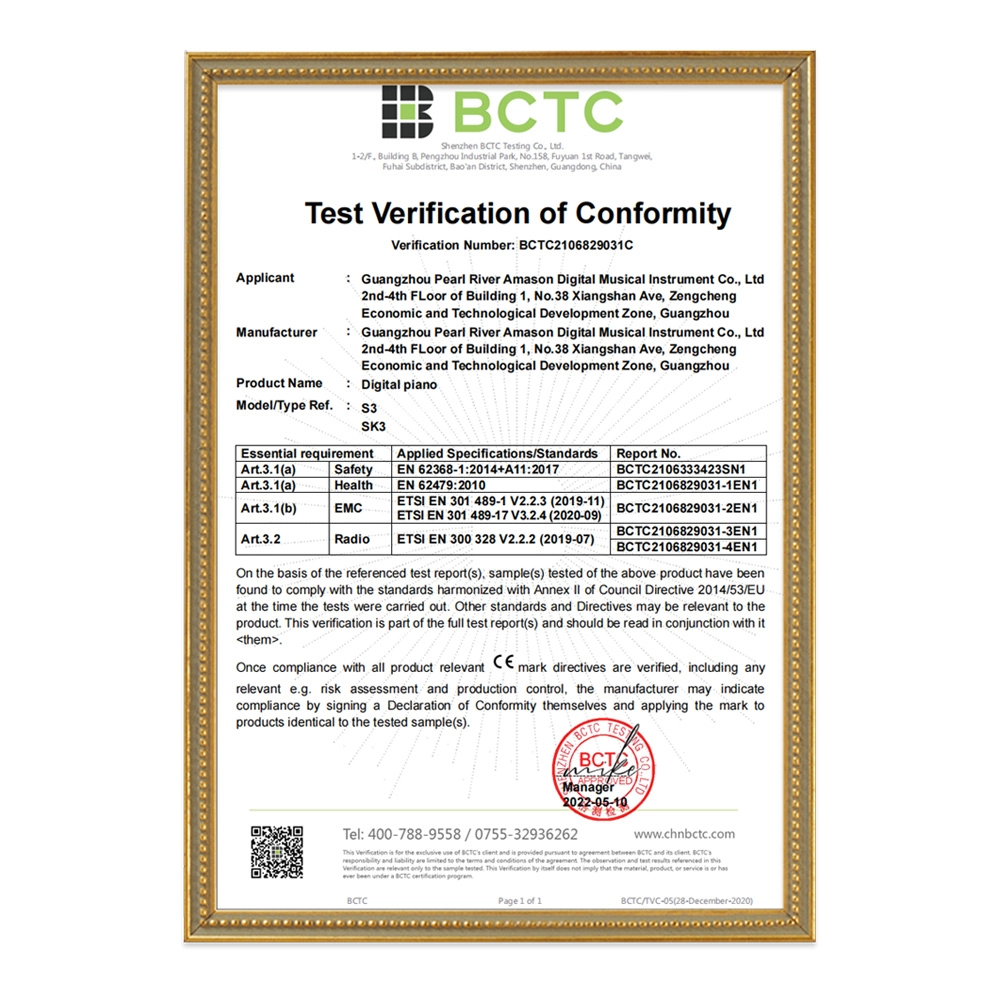
For overseas markets, FLYKEYS sells products under the “FLYKEYS” brand, which have passed FCC, CE and RoHS testing (see CE and RoHS guidance: EU CE marking, RoHS, and general FCC information: FCC). FLYKEYS is based on Pearl River Piano's over 60 years of experience in making acoustic pianos and its reputation as the world's largest piano maker. Thanks to our self-developed reduction technology, our products are more professional and closely resemble acoustic pianos in terms of their tone and feel.
Product focus, competitive advantages and vision
Our vision is to become the world's leading digital piano manufacturer. Compared with many other brands, FLYKEYS leverages acoustic manufacturing heritage, vertical integration in production, and proprietary technologies to tune both action and tone. Main product categories: Portable Digital Piano, Upright Digital Piano, Grand Digital Piano, Keyboards. FLYKEYS products target buyers who want an acoustic-like playing experience combined with modern digital features, and who value certifications and global compliance. Visit https://www.flykeysmusic.com/ or contact us at service@flykeysmusic.com for product details.
Making the final decision: practical checklist
My purchase checklist (printable)
- Try the action in person if possible — test fast repeated notes and slow legato lines.
- Listen for resonance and pedal behavior; sustain pedal realism matters.
- Confirm polyphony number (min 128 recommended for serious players).
- Check connectivity (USB-Audio, MIDI, Bluetooth) and software compatibility.
- Compare warranty, service locations and parts availability.
- Consider acoustic heritage — brands with acoustic manufacturing often have better piano voicing expertise.
Where to buy and warranty tips
Buy from authorized dealers to ensure warranty coverage. If buying online, confirm return policy and shipping insurance. For expensive console or grand-style digital pianos, inquire about in-home setup and removal of packaging by the dealer.
FAQ — Frequently asked questions
1. Which brand makes the most realistic touch?
Brands like Kawai and Yamaha (higher-end models) are frequently cited for the most realistic actions due to their wooden-key and advanced hammer mechanisms. However, FLYKEYS has narrowed the gap through targeted action engineering and acoustic knowledge inherited from Pearl River's acoustic-piano heritage.
2. Is modeling or sampling better?
Both approaches have merits. Sampling provides lifelike captured tones, while modeling can offer more expressive variability and dynamic nuance. Hybrid implementations (sampling + modeling) provide the strengths of both.
3. How much polyphony do I need?
For most players, 128-note polyphony is the practical minimum. If you use many layered sounds, complex sustain pedal use, or heavy sequencing, consider 192–256 or unrestricted polyphony where available.
4. Are digital pianos from China reliable?
Quality varies by manufacturer. Reputable Chinese manufacturers with strong acoustic backgrounds (for example, subsidiaries of established piano groups) can produce high-quality instruments that pass international certifications like FCC, CE, and RoHS. Always check reviews, certifications and warranty conditions.
5. What maintenance do digital pianos need?
Digital pianos are low-maintenance compared with acoustics. Protect from humidity and temperature extremes, dust the keyboard, and ensure firmware updates are applied. For console models, check speaker grille and electronics annually.
6. Can I use a digital piano for serious classical study?
Yes — many conservatory students use high-end digital pianos for practice and performance when an acoustic is impractical. Focus on finding a model with excellent action, realistic pedal response and rich tone sampling or modeling.
Contact and next steps
If you want personalized recommendations based on budget, room size, and musical goals, I can help evaluate specific models. For direct inquiries about FLYKEYS products — portable digital pianos, upright digital pianos, grand digital pianos and keyboards — visit https://www.flykeysmusic.com/ or email service@flykeysmusic.com. I recommend trying instruments in person where possible and using the checklist above to make the best choice for your musical journey.
Author: As a professional content writer and digital-piano consultant, I base these recommendations on hands-on testing, industry data, and manufacturer documentation. Further reading on the digital piano category: Digital piano (Wikipedia).
Tips for Wholesale piano digital portable
Sound Quality Matters: Flykeys SK3 Italian Wood Panel Tone
Everything You Need to Know About cheap piano keyboard 88 keys
Wholesale electric grand piano manufacturer and supplier
Products
Do you offer software updates for your electronic pianos?
Yes, we regularly release software updates to enhance performance and add new features to our electronic pianos.
What is the warranty period of piano?
We provide 2 years warranty service, if there is any quality problem, we can provide accessories for free
Company
Where is your company located?
Our headquarters are located in Guangzhou City, China, with manufacturing facilities strategically positioned for efficient global distribution.
Logistics
Do you ship internationally?
Yes, we offer international shipping to most countries worldwide.
After-Sales Service
How can I contact your after-sales support team?
You can contact our after-sales support team via email, phone, or through our website's customer support portal.
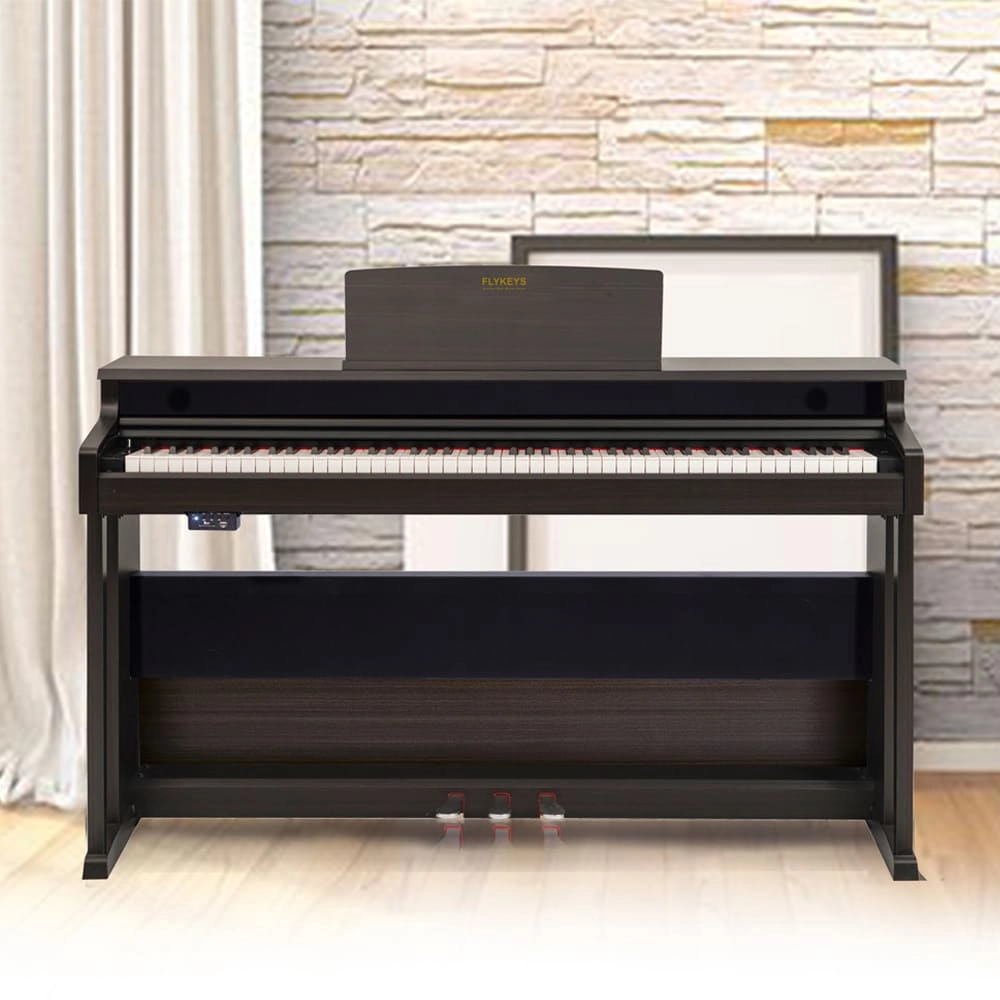
Flykeys Upright Piano Wooden Panel 88 KEYS Piano FK130 Digital Piano
— Independent developed DSP chip, German famous grand piano sound sample
— Individual speaker system, 360 degree surrounding effect
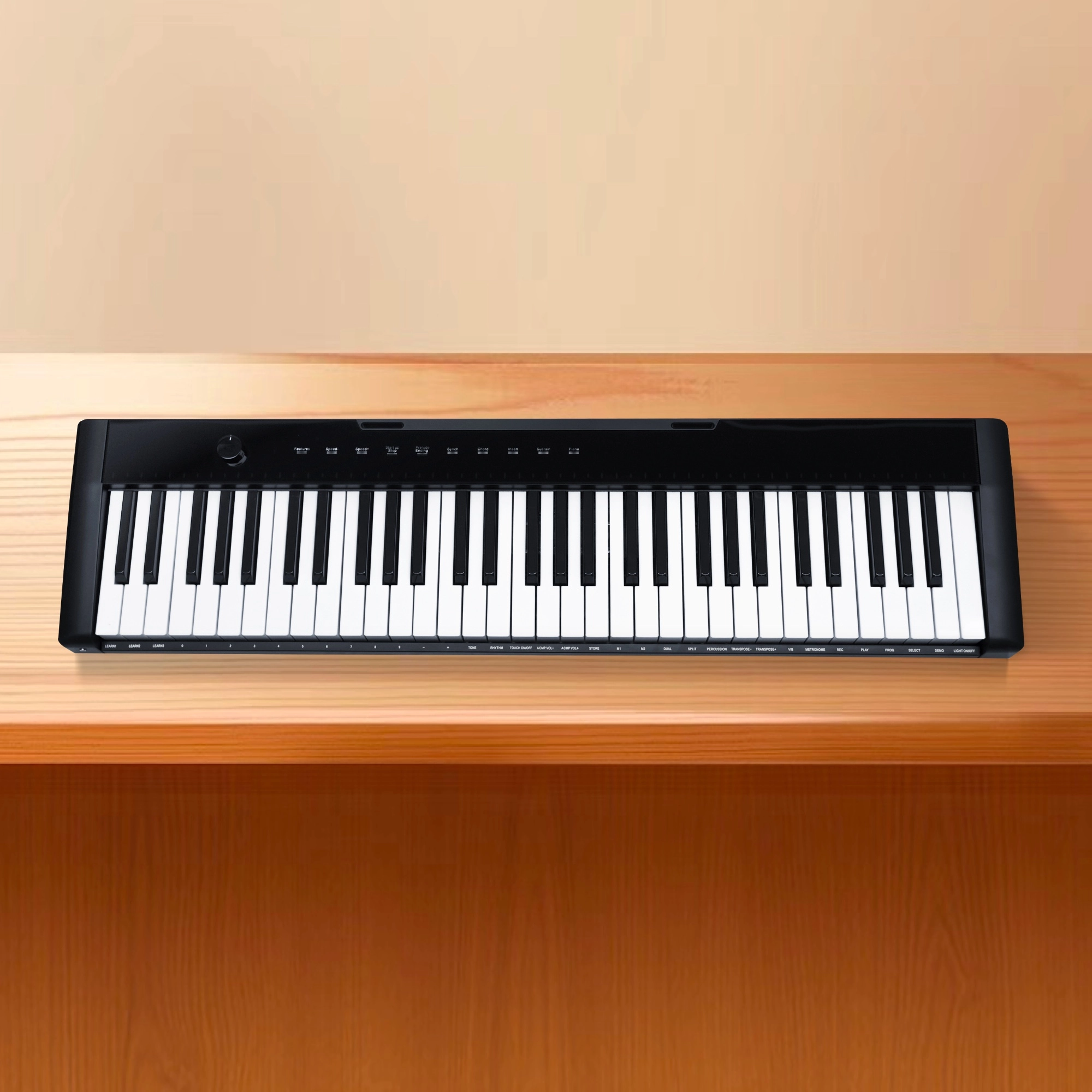
Flykeys 61 keys portable electronic keyboard piano with X stand (M2)
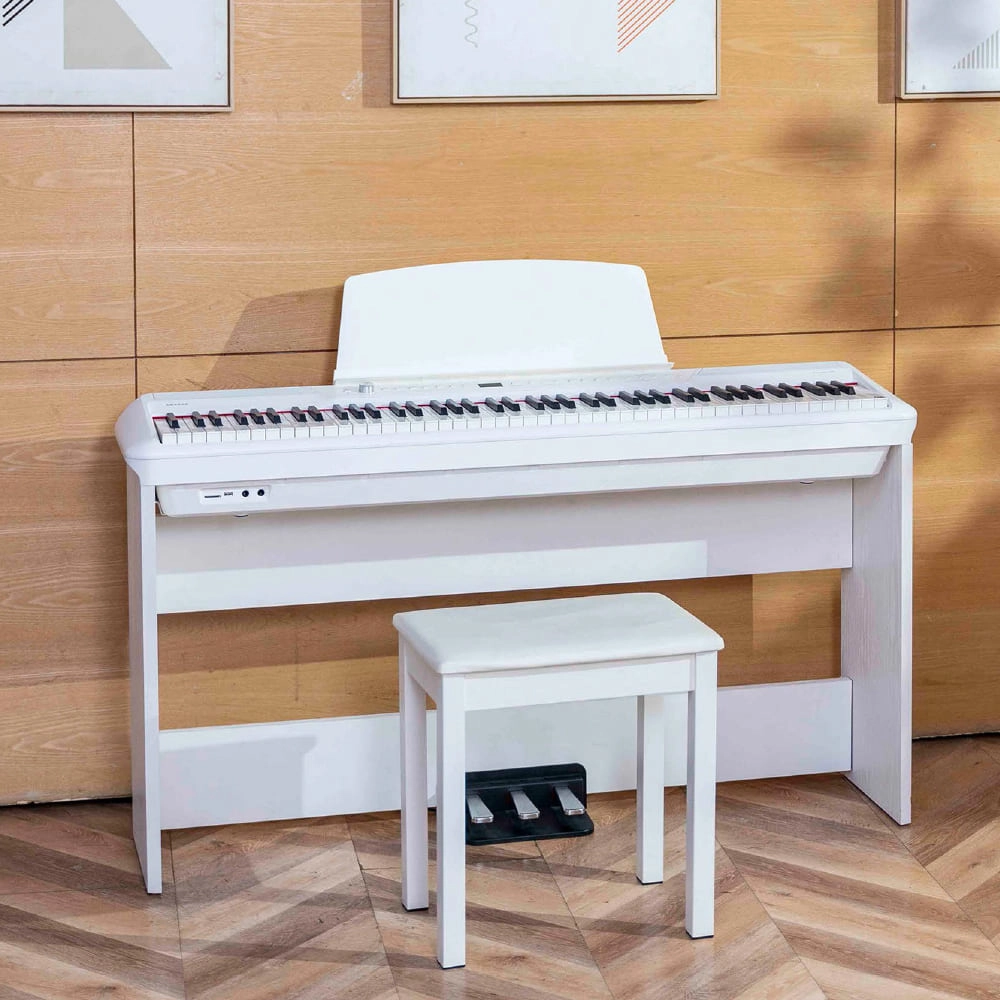
Flykeys Portable Electric Keyboard FP9 Digital Piano
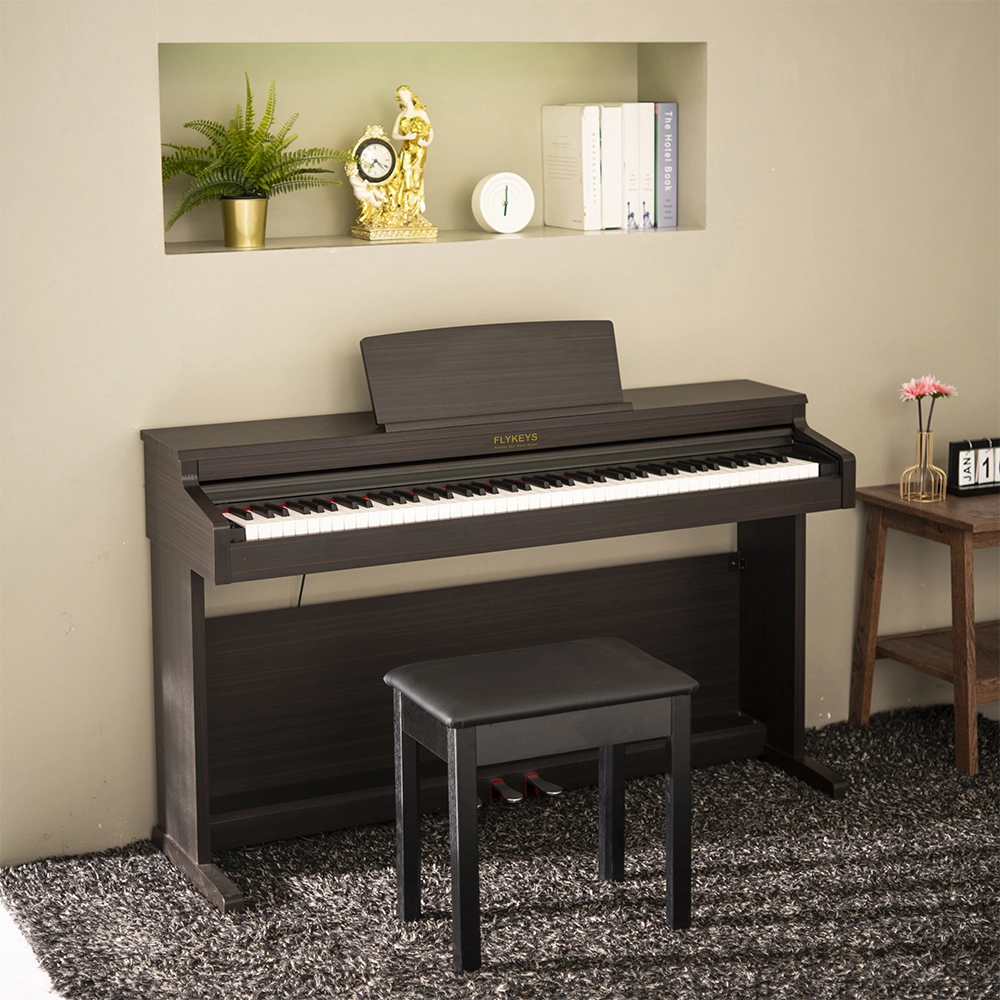
Flykeys 88 Keys Hammer Action keyboard Upright Piano LK03S Digital Piano
— Independent patented technology 88 key Grand-Response hammer action & dynamic curve keyboard;
— European top DSP chip, famous grand piano sound sample;
Address: No. 38 Xiangshan Avenue, Zengcheng Economic And Technological Development Zone, Guangzhou, China.
FOLLOW US:


© 2026 FLYKEYS All Rights Reserved. 粤 ICP备2020102774号. Designed by gooeyun. Sitemap | Privacy | Terms