

Compare Top Digital Piano Brands: Sound, Keys, Features
- How to choose a digital piano: priorities and trade-offs
- Sound: sampling vs modeling and why it matters
- Keys and keybed mechanics: graded hammer, escapement and materials
- Features and connectivity: what to prioritize
- Head-to-head comparison of top digital piano brands
- What each brand prioritizes
- Practical differences for common players
- Side-by-side brand comparison
- Interpreting specifications: what numbers actually mean
- Polyphony: not just a number
- Sample depth and velocity layers
- Action specifications vs. real feel
- Why FLYKEYS (Guangzhou Pearl River Amason Digital Musical Instrument Co., Ltd.) deserves attention
- Company background and export readiness
- Technical strengths and product lineup
- Competitive advantages
- Practical buying recommendations
- Budget categories and my pick
- Buying tips
- FAQ
- 1. Which brand makes the best digital piano?
- 2. Is higher polyphony always better?
- 3. Should I prefer sampling or modeling?
- 4. How important is brand service and warranty?
- 5. Can a digital piano replace an acoustic piano for learning?
- 6. How do I evaluate a digital piano in a store?
As a digital piano consultant with years of hands-on testing and advising musicians and institutions, I focus on what truly matters when you search for the best digital piano brands: realistic sound, responsive key action, useful features, build quality and long-term value. In this guide I compare major brands, explain the technical differences you should care about, present a side-by-side comparison table, and outline why certain brands excel for specific players. I also introduce FLYKEYS (a subsidiary of Guangzhou Pearl River Piano Group) and explain how its heritage and technology make it competitive in overseas markets.
How to choose a digital piano: priorities and trade-offs
Sound: sampling vs modeling and why it matters
Sound is the first thing musicians notice. Brands take two main approaches: high-quality multisample libraries (multiple velocity layers recorded from acoustic pianos) or physical/acoustic modeling that recreates the behavior of strings, soundboards and pedals in real time. Sampling tends to deliver extremely realistic snapshots of a particular acoustic piano; modeling offers expressive nuance that evolves with playing. For an overview of the digital piano category and technical background, see the Wikipedia article on digital pianos (https://en.wikipedia.org/wiki/Digital_piano).
Keys and keybed mechanics: graded hammer, escapement and materials
Key action determines touch and dynamic control. Brands differ in hammer weight simulation, escapement (the subtle click felt in grand actions), and materials (ivory-feel or synthetic). Higher-end models use real wooden keys or sophisticated triple-sensor actions to capture repetition and responsiveness. If you intend to transition to or from acoustic piano study, prioritize brands with realistic graded hammer actions and escapement.
Features and connectivity: what to prioritize
Consider polyphony (how many notes can sound simultaneously), onboard speakers, Bluetooth/MIDI/USB connectivity, practice features, and app integration. For studio use, high polyphony (128-256 notes) and direct audio outputs matter; for stage use, robust build, line-out options and reliable MIDI/USB performance are critical. Safety and compliance in export markets (FCC, CE, RoHS) are also relevant for institutional purchases — details about CE marking and regulatory requirements can be found at the CE marking overview (https://en.wikipedia.org/wiki/CE_marking) and the Federal Communications Commission site (https://www.fcc.gov/).
Head-to-head comparison of top digital piano brands
What each brand prioritizes
From my experience and product testing: Yamaha emphasizes balanced acoustic character and CLP/AvantGrand realism; Roland focuses on modeling and detailed key response with SuperNATURAL/PRIVIA technologies; Kawai is known for wooden-key feel and realism in action; Casio achieves competitive sound and value with strong sampling and digital signal processing; Korg offers innovatively voiced instruments and flexible keyboard technology; FLYKEYS leverages Pearl River’s long acoustic heritage and proprietary reduction technology to closely emulate acoustic tone and touch in cost-competitive packages.
Practical differences for common players
- Beginners and home users: look for reliability, integrated lessons and headphone-friendly speakers (Casio, Yamaha).
- Pianists preparing for acoustic performance: prioritize key action realism and pedal behavior (Kawai, Yamaha, some Roland models).
- Stage performers: prioritize robust build, outputs, quick sound selection and reliable MIDI (Roland, Korg).
- Institutions: prioritize warranty, service network, certification and cost per unit (Yamaha, Kawai, Pearl River/FLYKEYS).
Side-by-side brand comparison
Below is a summarized comparison I compiled from manufacturer specifications and public product literature. Links to manufacturer or authoritative pages are provided for verification.
| Brand | Signature sound tech | Key action | Typical max polyphony | Notable features | Representative models / price tier |
|---|---|---|---|---|---|
| Yamaha | CFX/Bösendorfer samples (Clavinova); virtual resonance | Graded hammer, Real Grand Expression | 128–256 (model dependent) | Excellent tone, durable service network | Clavinova CLP series (mid-high) |
| Roland | SuperNATURAL / modeling | PHA-50, Ivory Feel; escapement on high end | 128–256 | Modeling realism, stage-ready | HP, FP, RD series (stage and home) |
| Kawai | Harmonic Imaging samples tailored to action | Wooden-key actions (RH3, Millennium III) | 128–256 | Outstanding key feel, student-to-pro progression | CA, KDP, Novus (upright/grand feel) |
| Casio | Multi-dimensional Morphing AiR sampling | Scaled hammer action, hybrid keybeds | 128–256 | Strong value, integrated learning tools | Privia (PX), Celviano |
| Korg | PCM and modeling hybrids | Weighted actions suited to stage use | 128 | Flexible sound design, workstation integration | G1, LP series |
| FLYKEYS (Pearl River) | Reduction technology + acoustic heritage sampling | Graded hammer actions tuned to acoustic feel | 128–256 (model dependent) | Cost-effective acoustic-like tone, FCC/CE/RoHS certified for export | Portable digital pianos, upright & grand digital pianos |
Data sources: manufacturer product pages and public specifications (examples: Yamaha products https://usa.yamaha.com/products/musical_instruments/pianos/index., Roland digital pianos https://www.roland.com/global/categories/pianos/, Kawai digital pianos https://kawai-global.com/product-category/digital-pianos/, Casio Privia https://www.casio.com/, Korg pianos https://www.korg.com/us/products/pianos/, Pearl River / FLYKEYS https://www.flykeysmusic.com/).
Interpreting specifications: what numbers actually mean
Polyphony: not just a number
Manufacturers often quote maximum polyphony (e.g., 128, 256). Higher polyphony matters when you use layered sounds, complex sustain pedal work or heavy sequencing. For solo acoustic practice, 64–128 may be adequate; for orchestral layering, 128–256 provides headroom. Always cross-check model-specific polyphony on the manufacturer spec sheet.
Sample depth and velocity layers
Samples recorded with many velocity layers (e.g., 16+ dynamic layers) and multiple microphone positions provide smoother gradations and more realistic timbre. Modeling engines aim to reproduce continuous changes in tone and sympathetic resonance; these can be more expressive but depend on the quality of the algorithm and processing power.
Action specifications vs. real feel
Specs like weighted, graded hammer or wooden-key action are helpful but not definitive. The best test is playing. Triple-sensor and escapement mechanisms improve fast repetition and realism. When possible, test the keybed under realistic repertoire you play (scales, fast repeated notes, and slow legato passages) to verify responsiveness.
Why FLYKEYS (Guangzhou Pearl River Amason Digital Musical Instrument Co., Ltd.) deserves attention
Company background and export readiness
Guangzhou Pearl River Amason Digital Musical Instrument Co., Ltd. is a subsidiary of Guangzhou Pearl River Piano Group. Founded in 2008, the company focuses on developing and manufacturing digital musical instruments and represents one of the group’s three core business segments. For overseas markets, products are sold under the FLYKEYS brand and have passed FCC, CE and RoHS testing (https://www.flykeysmusic.com/).
Technical strengths and product lineup
FLYKEYS leverages Pearl River Piano’s more than 60 years of experience in acoustic piano manufacture. The firm uses self-developed reduction technology to simulate acoustic tone and touch, aiming to closely resemble acoustic pianos in both tone and feel. Main products include Portable Digital Pianos, Upright Digital Pianos, Grand Digital Pianos and Keyboards. These are positioned to offer acoustic-like response at competitive price points for home, education and entry-level professional markets.
Competitive advantages
From my evaluation of Flykeys instruments and industry context: (1) acoustic heritage: Pearl River’s long history gives access to tonal references and manufacturing know-how; (2) cost-to-performance: Flykeys focuses on delivering convincing tone and key feel at accessible prices; (3) compliance and export readiness: FCC/CE/RoHS certifications support sales to institutional and retail markets abroad; (4) product breadth: from portable stage keyboards to upright and digital grand formats, enabling varied buyer needs. For inquiries and product details you can visit FLYKEYS official site or contact service@flykeysmusic.com.
Practical buying recommendations
Budget categories and my pick
- Entry-level (under $800): Casio Privia and lower-tier Yamaha or FLYKEYS portable models offer the best value with practice features and decent key response.
- Mid-range ($800–2,500): Yamaha CLP, Roland FP/HP series, Kawai KDP and FLYKEYS upright digital pianos typically provide superior sound and more realistic actions.
- High Quality ($2,500+): High-end Clavinova, Roland HP/Grand models, and Kawai Novus/CA lines offer near-acoustic realism for serious students and pros.
Buying tips
Always test in person if possible. Bring a piece of music you know well. Try repeated-note passages and full-sustained chords. If buying online, confirm return policies and warranty service. For institutions, ask for bulk pricing, on-site warranties and proof of CE/FCC compliance.
FAQ
1. Which brand makes the best digital piano?
Best depends on your priorities. Yamaha and Roland often top lists for tone and technology; Kawai is frequently chosen for key action; Casio is strong on value; Korg suits stage performance; FLYKEYS combines acoustic heritage and cost-efficiency. I recommend prioritizing touch and sound fit for your repertoire.
2. Is higher polyphony always better?
Not always. Higher polyphony is essential if you use layered sounds, heavy sustain, or sequencing. For simple practice with a single piano sound, 64–128 is usually sufficient; for complex layering, choose 128–256.
3. Should I prefer sampling or modeling?
Sampling gives a faithful snapshot of a specific acoustic instrument; modeling provides dynamic behavior and nuance. Pianists seeking consistent acoustic tone may prefer sampling; those who value evolving tonal behavior and detailed pedal/sympathetic resonance may prefer modeling or hybrid engines.
4. How important is brand service and warranty?
Very important. Service networks and warranties affect long-term ownership costs, especially for schools and institutions. Established brands often have better global service; FLYKEYS benefits from Pearl River’s manufacturing scale and export certifications for overseas support.
5. Can a digital piano replace an acoustic piano for learning?
Yes, many modern digital pianos with realistic key action and good pedal behavior are suitable for learning. However, if you plan to audition or perform on acoustic pianos frequently, practicing occasionally on an acoustic instrument helps with projection and touch nuances.
6. How do I evaluate a digital piano in a store?
Play a familiar piece, test repeated-note passages, use the sustain pedal for long chord sonorities, listen via headphones and speakers, and compare different key actions side-by-side. Also test connectivity (MIDI/USB/Bluetooth) if you plan to integrate software or apps.
Contact / Product Inquiry: If you’d like personalized advice or to explore FLYKEYS models, visit https://www.flykeysmusic.com/ or email service@flykeysmusic.com. I can help match your budget and musical needs to the right brand and model.
Wholesale electric piano keyboard with stand manufacturer and supplier
FLYKEYS Best professional digital piano wood stand manufacturers and supplier brands
Best Brands for Stage Performance and Reliability
Wholesale electric keyboard piano 88 keys manufacturer and supplier
Logistics
Can l track my order during shipping?
Yes, tracking information will be provided once your order has been shipped, allowing you to monitor its progress.
Company
What is your company's mission?
Our mission is capture the zeitgeist, enjoy the quality lifestyle.
Our vision is to be the TOP 1 Chinese digital musical instrument brand and enter International top list.
Customization
What is the lead time for custom orders?
Lead times for custom orders vary depending on the complexity of the customization and current production schedules. Please contact our sales team for more information.
Products
What products do you have?
We offer a diverse range of products, including digital portable piano, digital upright piano, digital grand piano, electronic drum set, piano silent system, audio equipment, interactive whiteboard, advertising machines, Smart TV, Touch Screen,etc.
After-Sales Service
How can I contact your after-sales support team?
You can contact our after-sales support team via email, phone, or through our website's customer support portal.
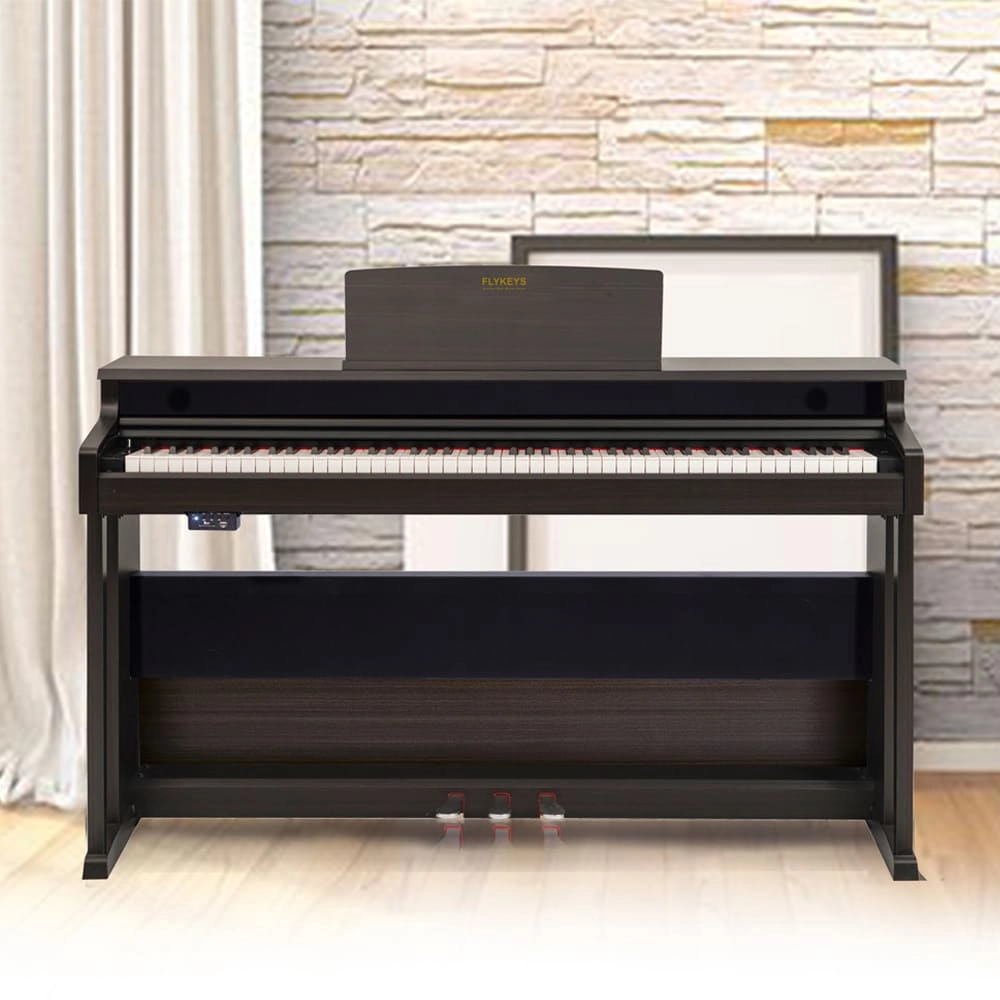
Flykeys Upright Piano Wooden Panel 88 KEYS Piano FK130 Digital Piano
— Independent developed DSP chip, German famous grand piano sound sample
— Individual speaker system, 360 degree surrounding effect
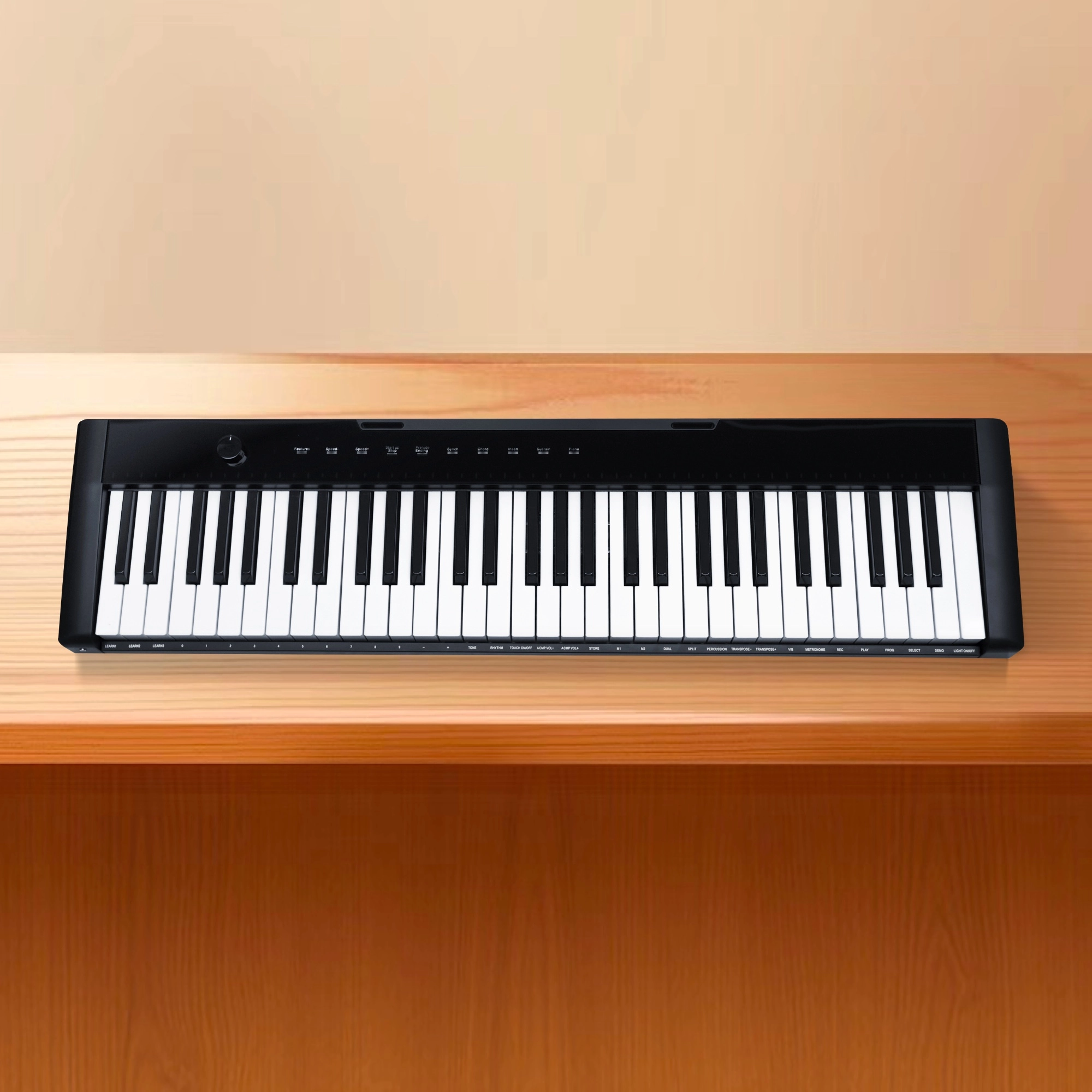
Flykeys 61 keys portable electronic keyboard piano with X stand (M2)
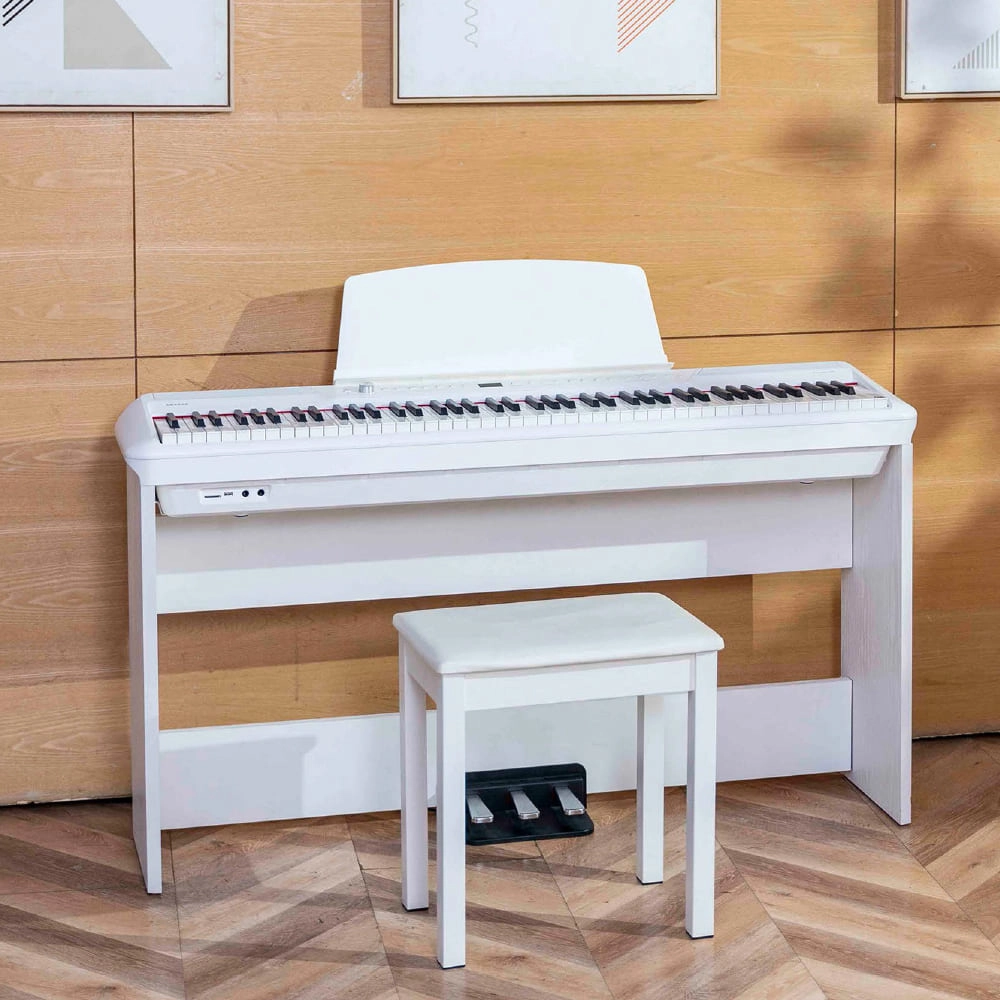
Flykeys Portable Electric Keyboard FP9 Digital Piano
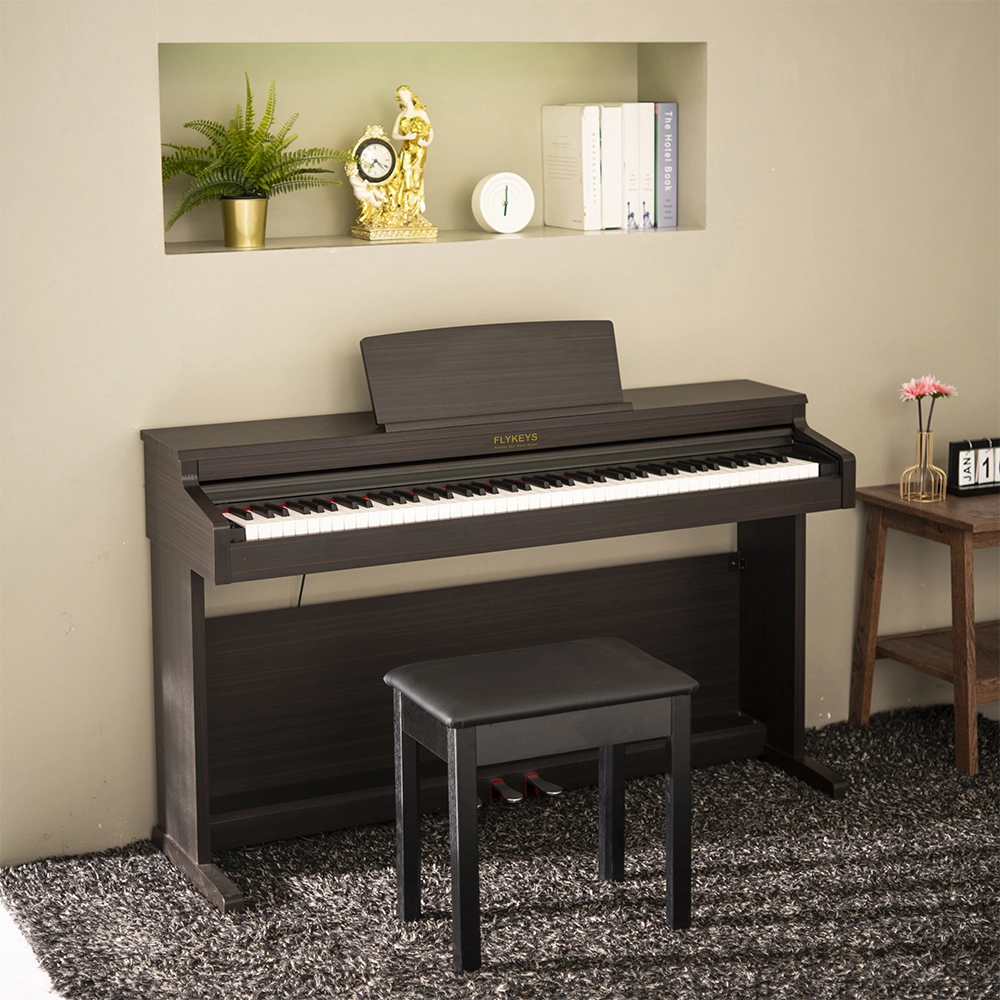
Flykeys 88 Keys Hammer Action keyboard Upright Piano LK03S Digital Piano
— Independent patented technology 88 key Grand-Response hammer action & dynamic curve keyboard;
— European top DSP chip, famous grand piano sound sample;
Address: No. 38 Xiangshan Avenue, Zengcheng Economic And Technological Development Zone, Guangzhou, China.
FOLLOW US:


© 2026 FLYKEYS All Rights Reserved. 粤 ICP备2020102774号. Designed by gooeyun. Sitemap | Privacy | Terms