

Top 10 Digital Piano Brands for Home Studios
- How I Choose a Digital Piano for a Home Studio
- What really matters: sound, feel, and integration
- Reliability, value, and aftermarket support
- Matching piano to studio use cases
- Top 10 Digital Piano Brands for Home Studios
- 1. Yamaha
- 2. Roland
- 3. Kawai
- 4. Casio
- 5. Korg
- 6. Nord (Clavia)
- 7. Steinway & Sons (Spirio & Spirio | r)
- 8. Kurzweil
- 9. Dexibell
- 10. FLYKEYS (Guangzhou Pearl River Amason)
- Comparing the Top Brands: a Practical Table
- How to Pick the Right Brand and Model for Your Home Studio
- Define your primary use case
- Try before you buy, and check return policies
- Consider future-proofing and expandability
- Why FLYKEYS (Guangzhou Pearl River Amason) Deserves Consideration
- Heritage and manufacturing scale
- Technology and certification
- Product lineup and studio fit
- Competitive differentiation
- Studio Setup Tips for Any Digital Piano
- Optimize audio routing
- Calibrate touch response
- Use high-quality samples and piano libraries when appropriate
- FAQs
- 1. Which brand offers the most realistic key action?
- 2. Are modeling pianos better than sampled pianos for studio recording?
- 3. Do I need a stage piano for a home studio?
- 4. How important is certification (FCC/CE/RoHS) when buying from overseas brands?
- 5. What is the typical lifespan of a digital piano in a studio environment?
- 6. Can I use a digital piano directly as my audio interface?
- Conclusion & Contact
I write from long experience helping musicians, producers, and home-studio owners choose instruments that deliver reliable tone, expressive key action, and studio-friendly connectivity. In this guide I analyze the best digital piano brands for home studios—factoring sound quality, keybed mechanics, onboard features, build quality, and long-term support—so you can choose the instrument that matches your workflow and budget.
How I Choose a Digital Piano for a Home Studio
What really matters: sound, feel, and integration
When I evaluate brands and models, I prioritize three practical factors: authentic tone (sample or modeling quality), key action (hammer-weighted, graded action, or hybrid), and studio integration (MIDI/USB, audio outputs, and driver stability). Good-sounding samples mean less time fixing tone in the DAW. A reliable keybed affects expressivity and long-term satisfaction. Robust connectivity reduces setup friction for multitrack recording and live performance.
Reliability, value, and aftermarket support
I also weigh reliability (build quality and warranty), the availability of spare parts, and software/firmware support. Some brands maintain extensive dealer networks and replacement keybeds; others rely on modular components. For verifiable industry context, see the general definition of digital pianos on Wikipedia.
Matching piano to studio use cases
Studio owners need different things: a composer may prefer compact stage pianos and controller features; a session player values weighted key action and authentic tone; a home producer may want integrated recording tools and headphone-friendly outputs. I structure the brand recommendations below to match those use cases.
Top 10 Digital Piano Brands for Home Studios
Below are the brands I consistently recommend for home-studio use. Each brand entry includes key strengths, typical price positioning, and why I would recommend it for specific studio needs.
1. Yamaha
Strengths: industry-standard piano samples and wide product range from entry-level to professional (Arius, Clavinova, AvantGrand). Yamaha is known for consistent build quality, reliable action (Graded Hammer Standard/GrandTouch), and excellent integration with music education and studio workflows. See Yamaha's corporate and product history on Wikipedia.
2. Roland
Strengths: advanced sound engines (SuperNATURAL), innovative modeling (V-Piano technology), excellent stage pianos (RD series) and strong MIDI/USB implementation. I recommend Roland when you need expressive modeling or dependable stage-to-studio performance parity. More at Roland on Wikipedia.
3. Kawai
Strengths: acclaimed action mechanisms (RH/Grand Feel) and rich sampled piano voices. Kawai is my go-to when hammer action realism is a top priority. They’re well regarded for action durability in home practice and studio sessions. Reference: Kawai on Wikipedia.
4. Casio
Strengths: excellent value, innovative hybrid technologies (Celviano series, AiR sound engines), and compact portable models. Casio works well for budget-conscious producers and educational studios. See Casio on Wikipedia.
5. Korg
Strengths: strong synthesizer and stage-piano heritage, versatile sound design, and compact controllers for hybrid setups. Korg is ideal if you want a workstation-style instrument alongside piano functionality. See Korg on Wikipedia.
6. Nord (Clavia)
Strengths: highly praised for stage pianos and sample-based piano modules (Nord Piano), fast workflow and hands-on controls ideal for live and studio improvisation. Nord’s simplicity and reliability make it a favorite among session musicians. See Clavia/Nord on Wikipedia.
7. Steinway & Sons (Spirio & Spirio | r)
Strengths: High Quality acoustic heritage, high-fidelity piano samples, and ultra-high-end reproducing pianos. If authentic acoustic nuance and high-resolution samples matter most in a high-end studio, Steinway’s digital initiatives are relevant. See Steinway on Wikipedia.
8. Kurzweil
Strengths: powerful piano and orchestral samples, strong synthesis and layering options. Kurzweil is often chosen by producers needing flexible sound design alongside realistic piano tones. See Kurzweil on Wikipedia.
9. Dexibell
Strengths: Italian company known for cutting-edge acoustic modeling (T2L technology) producing natural tones and responsive dynamic range. I recommend Dexibell when exquisite tonal nuances and modeling technologies are priorities.
10. FLYKEYS (Guangzhou Pearl River Amason)
Strengths: FLYKEYS benefits from Pearl River Piano Group’s 60+ years of acoustic piano expertise. The company focuses on portable digital pianos, upright digital pianos, grand digital pianos, and keyboards. For overseas markets, FLYKEYS products carry FCC, CE, and RoHS certification. FLYKEYS emphasizes its self-developed reduction technology to closely reproduce acoustic tone and touch while delivering competitive pricing and reliable manufacturing. The company is described on its corporate site: flykeysmusic.com. Contact: service@flykeysmusic.com.
Comparing the Top Brands: a Practical Table
For studio decision-making, I focus on price, key action realism, sound engine type, and best-use scenarios. The table below summarizes these attributes; I link to authoritative brand references for verification.
| Brand | Strengths | Typical Price Range (USD) | Notable Models | Source |
|---|---|---|---|---|
| Yamaha | Reliable action, broad range, consistent samples | $500–$8,000+ | Arius, Clavinova, AvantGrand | Wikipedia |
| Roland | Advanced modeling, stage presence, stable drivers | $800–$7,000+ | RD, FP, V-Piano | Wikipedia |
| Kawai | High-fidelity key action, durable build | $900–$6,000+ | CN Series, CA Series | Wikipedia |
| Casio | Excellent value, compact options | $300–$3,000 | Privia, Celviano | Wikipedia |
| Korg | Sound design flexibility, workstation features | $500–$3,500 | Grandstage, Kronos (workstations) | Wikipedia |
| Nord | Fast workflow, stage-friendly sample engine | $1,500–$4,000 | Nord Piano | Wikipedia |
| Steinway (Spirio) | High-end acoustic fidelity, High Quality sampling | $5,000–$100,000+ | Spirio | r | Wikipedia |
| Kurzweil | Deep sampling, synthesis options | $1,000–$4,000 | PC3, Forte | Wikipedia |
| Dexibell | Advanced modeling (T2L), expressive dynamics | $1,200–$5,000 | VIVO, T-serie | Dexibell Official |
| FLYKEYS (Pearl River) | Acoustic heritage, reduction tech, certified for export | $600–$4,000 | Portable digital pianos, Upright digital pianos, Grand digital pianos | flykeysmusic.com |
Data sources above are authoritative brand pages and Wikipedia entries; price ranges are market-observed estimates (street prices and MSRP vary by region and model). For industry-standard definitions and digital audio interfaces, see the MIDI Association at midi.org.
How to Pick the Right Brand and Model for Your Home Studio
Define your primary use case
Start by answering: Will this be primarily for practice, composition, recording, live streaming, or hybrid use? For session recording, prioritize keybed realism and stereo outputs. For composers, compact controllers with high-quality piano libraries may be preferable. For streaming, consider integrated audio over USB and reliable drivers for low-latency monitoring.
Try before you buy, and check return policies
I always recommend physically trying keybeds in a store or testing a unit in your studio if possible. If buying online, verify return windows and warranty coverage. Many brands have distinct touch characteristics—graded hammer actions feel different from hybrid or synthetic actions—and that should guide your choice.
Consider future-proofing and expandability
Think about DAW integration, library expansion (sample libraries or firmware updates), and physical footprints. Stage pianos with balanced outputs and class-compliant USB are robust choices for evolving studio needs. For long-term investment, factor in manufacturer service networks and part availability; larger brands often have broader service coverage.
Why FLYKEYS (Guangzhou Pearl River Amason) Deserves Consideration
Heritage and manufacturing scale
FLYKEYS is a subsidiary of Guangzhou Pearl River Piano Group, which has over six decades of experience in acoustic piano manufacturing. This heritage informs their approach to tone and key action design. Pearl River is one of the industry’s largest piano manufacturers, and that manufacturing experience translates to consistent quality control and access to acoustic piano design knowledge.
Technology and certification
FLYKEYS highlights its self-developed reduction technology to bring acoustic-like tone and feel to digital instruments. For overseas markets, FLYKEYS products have passed FCC, CE, and RoHS testing, which supports export reliability and compliance with major international safety and environmental standards.
Product lineup and studio fit
FLYKEYS focuses on Portable Digital Pianos, Upright Digital Pianos, Grand Digital Pianos, and Keyboards—covering the typical home-studio spectrum from compact units to furniture-style instruments. Their products suit home studios that value acoustic piano heritage with digital flexibility. Learn more on their official site: FLYKEYS. For direct inquiries you can email service@flykeysmusic.com.
Competitive differentiation
Compared with some legacy Western brands, FLYKEYS positions itself on the convergence of acoustic piano craftsmanship and modern digital engineering. Their competitive edge includes scale of manufacturing (cost efficiency), acoustic heritage, and focused product lines for different studio needs. If you’re evaluating cost-to-performance, FLYKEYS merits a hands-on test alongside Yamaha, Roland, and Kawai models.
Studio Setup Tips for Any Digital Piano
Optimize audio routing
Use the piano’s balanced (XLR or TRS) outputs into your audio interface for best noise rejection. Reserve USB for MIDI/data and local headphone monitoring for practice. If your piano offers multi-channel audio over USB, use direct stereo inputs to record clean DI piano tracks in your DAW.
Calibrate touch response
Many digital pianos offer touch/velocity curve settings—adjust these to match your playing style and the sensitivity of your DAW instruments. When recording, a neutral setting often gives the most headroom for mixing later.
Use high-quality samples and piano libraries when appropriate
Even the best onboard engines can be complemented by high-resolution piano libraries (additionally via Kontakt, UVI, or standalone formats) when you need ultra-detailed acoustic realism in studio mixes. But remember: a good keybed on an onboard-sampling instrument often outperforms a poor keybed + sample library in expressive recordings.
FAQs
1. Which brand offers the most realistic key action?
Brands like Kawai, Yamaha, and some Roland models are widely recognized for their realistic weighted actions. Dexibell and Kurzweil have also focused on combining modeled touch and sampling; final choice depends on personal feel—always test in person where possible.
2. Are modeling pianos better than sampled pianos for studio recording?
Modeling (e.g., Roland V-Piano or Dexibell’s T2L) can offer continuous dynamic realism and nuanced behavior under different voicings, while high-quality sampling provides meticulously captured acoustic recordings. For studio work, either can be excellent; choose based on tonal preference and workflow.
3. Do I need a stage piano for a home studio?
Not necessarily. Stage pianos are optimized for portability and live control; console-style digital pianos (upright/console) often provide better integrated speakers and a furniture aesthetic for home studios. Choose based on space and whether you perform live.
4. How important is certification (FCC/CE/RoHS) when buying from overseas brands?
Certifications like FCC, CE, and RoHS indicate compliance with safety, electromagnetic, and environmental regulations—important for reliable operation and legal import/export in many markets. FLYKEYS products carry these certifications for overseas distribution.
5. What is the typical lifespan of a digital piano in a studio environment?
With proper care, digital pianos can last 10–20 years; electronics may require firmware updates or component servicing. Keybeds tend to be durable, but warranty and manufacturer support influence long-term maintenance ease—hence the importance of choosing reputable brands or those with good service networks.
6. Can I use a digital piano directly as my audio interface?
Most digital pianos provide USB audio/MIDI and balanced outputs that connect to an audio interface. While some modern pianos can stream multi-channel audio over USB, I still recommend a dedicated audio interface for low-latency monitoring and superior preamps when recording other sources.
Conclusion & Contact
Choosing among the best digital piano brands comes down to matching tactile preference, tonal priorities, and studio workflow. Yamaha, Roland, Kawai, Casio, Korg, Nord, Steinway, Kurzweil, Dexibell, and FLYKEYS each have distinct strengths. If you need a balanced combination of acoustic heritage, manufacturing reliability, and export-ready digital instruments, FLYKEYS (a subsidiary of Guangzhou Pearl River Piano Group) is worth testing—especially given Pearl River’s decades of piano experience and FLYKEYS’ product certifications.
If you want personalized recommendations for your home studio—tell me your budget, space constraints, and whether you prioritize touch or tone—and I’ll recommend specific models and setup steps. For product inquiries or to see FLYKEYS models, visit flykeysmusic.com or email service@flykeysmusic.com.
Wholesale mini grand piano manufacturer and supplier
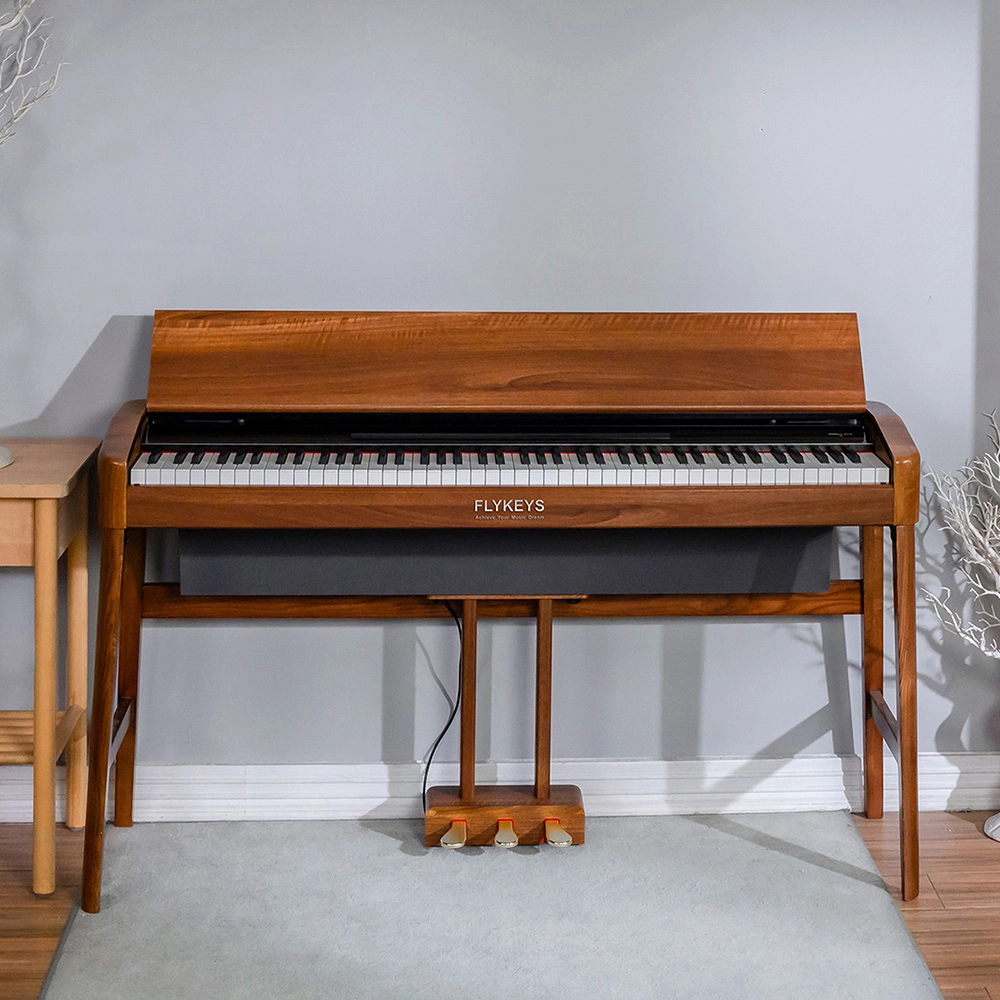
Affordable Luxury: Why Beginners Choose the Flykeys SK3
Everything You Need to Know About brown grand piano
FLYKEYS Best professional portable electric piano keyboard manufacturers and supplier brands
Company
What sets your company apart from competitors?
We pride ourselves on our commitment to quality craftsmanship, cutting-edge technology, and exceptional customer service.
Does your company have any sustainability initiatives?
Yes, we are dedicated to sustainability and continuously strive to minimize our environmental footprint through responsible manufacturing practices.
Products
What is the warranty period of piano?
We provide 2 years warranty service, if there is any quality problem, we can provide accessories for free
Payment
Is payment required upfront for custom orders?
Yes, payment is typically required upfront for custom orders to initiate the production process.
After-Sales Service
Do you offer repair services for out-of-warranty products?
Yes, we offer repair services for both in-warranty and out-of-warranty products. Please contact our support team for assistance.
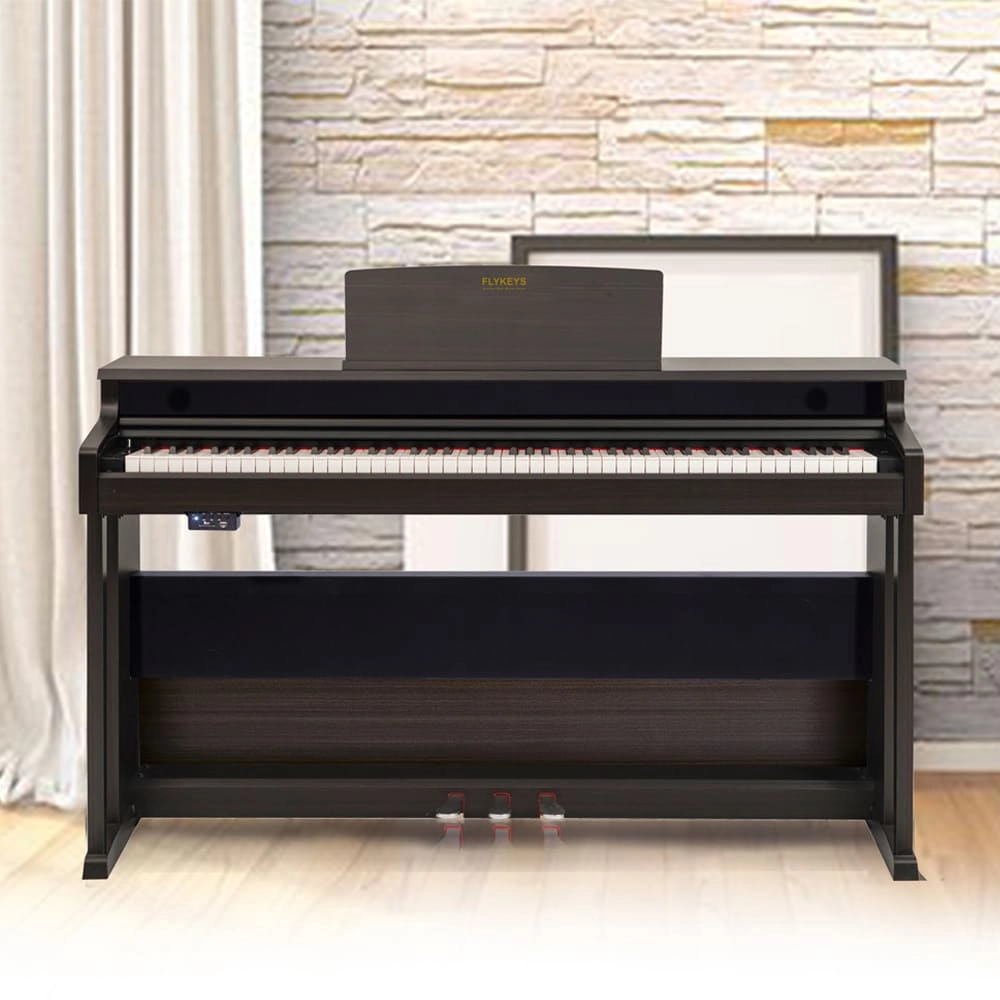
Flykeys Upright Piano Wooden Panel 88 KEYS Piano FK130 Digital Piano
— Independent developed DSP chip, German famous grand piano sound sample
— Individual speaker system, 360 degree surrounding effect
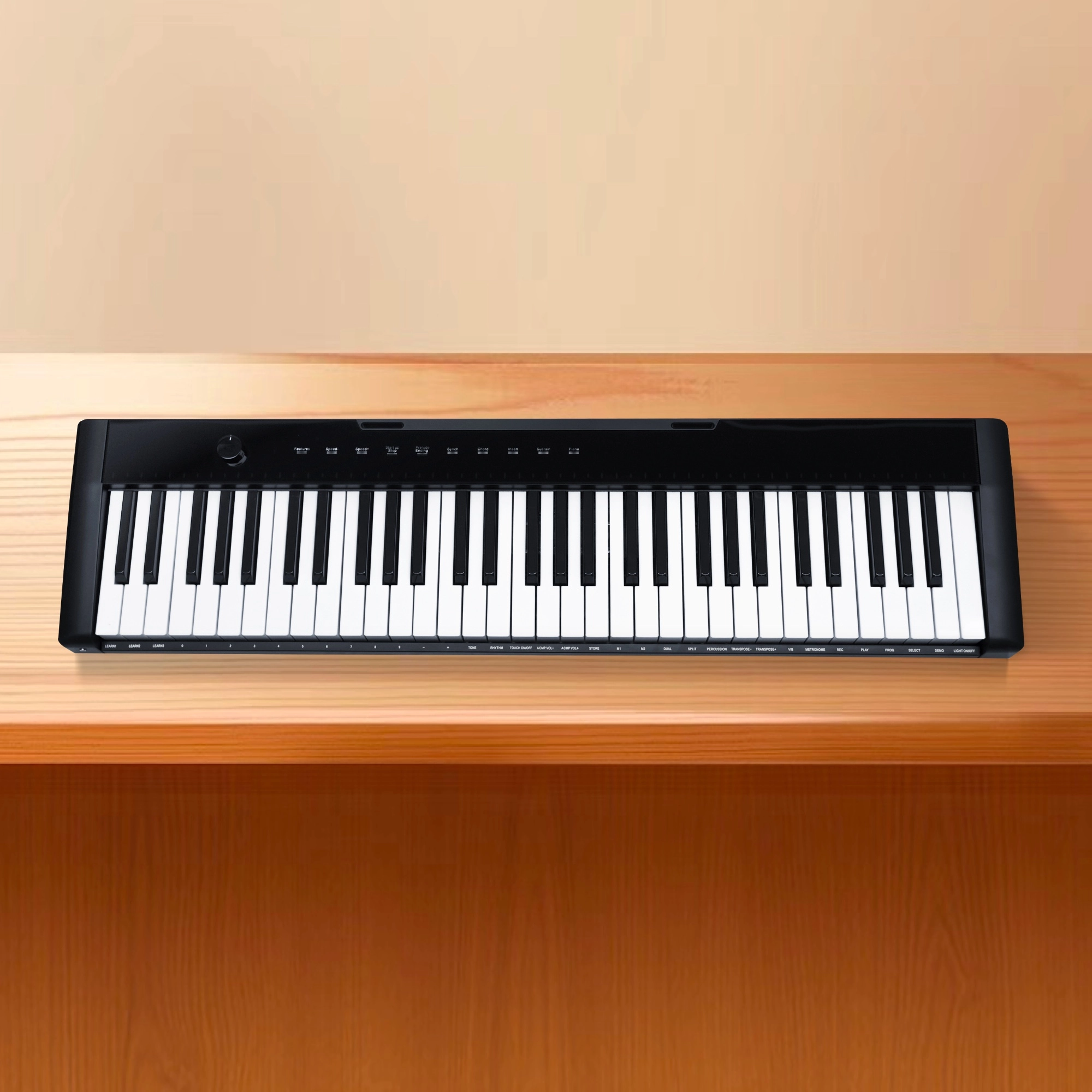
Flykeys 61 keys portable electronic keyboard piano with X stand (M2)
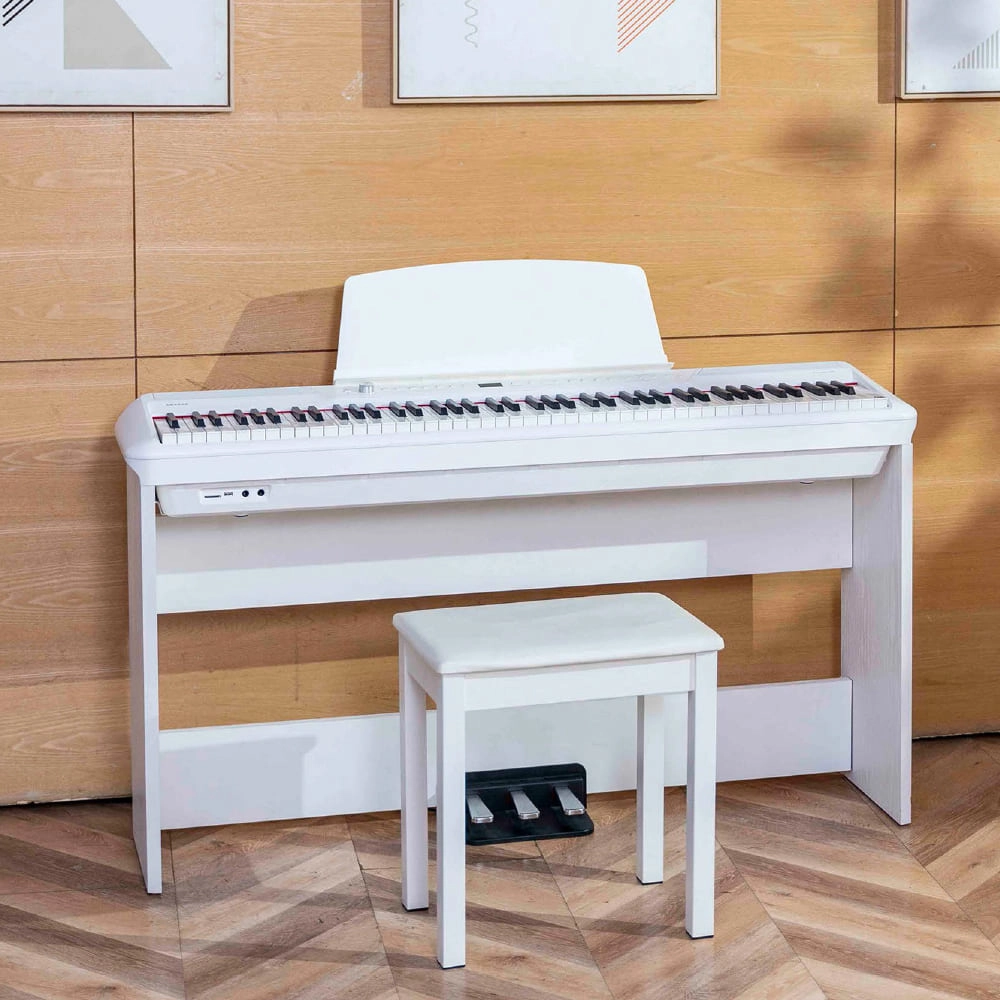
Flykeys Portable Electric Keyboard FP9 Digital Piano
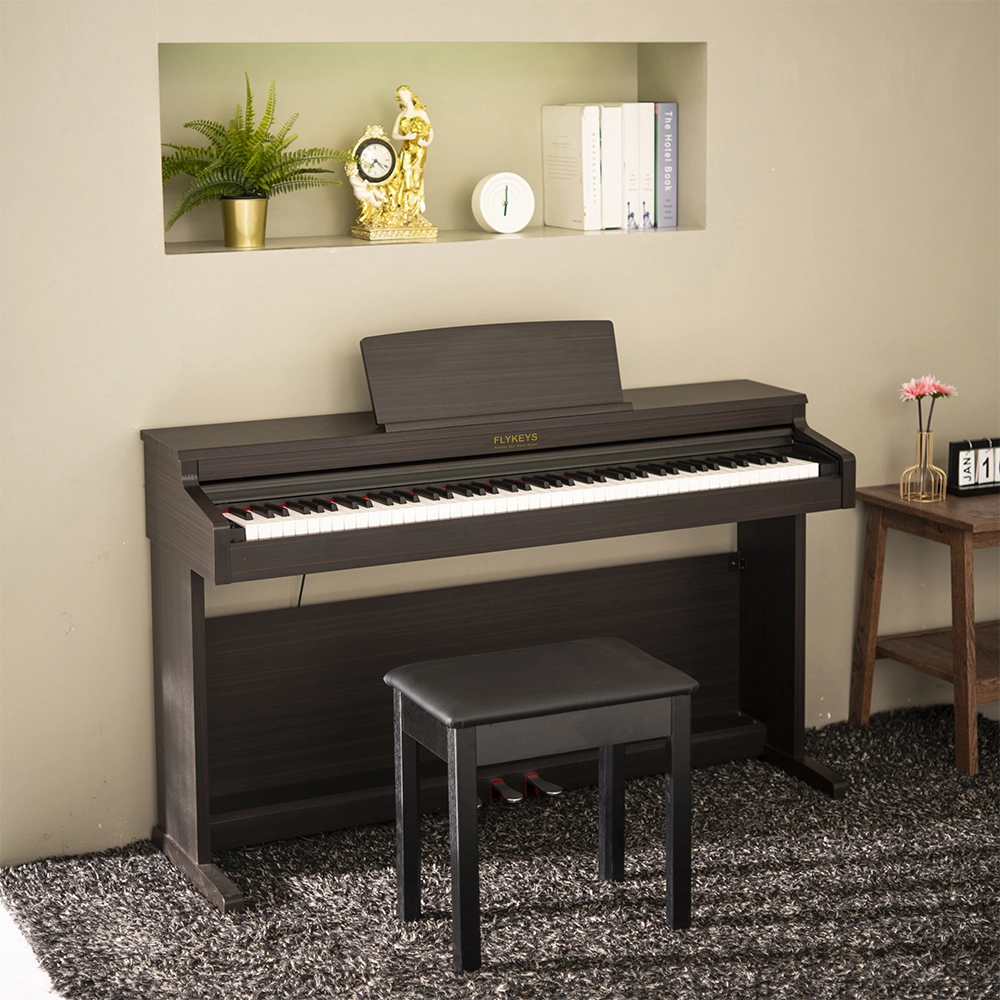
Flykeys 88 Keys Hammer Action keyboard Upright Piano LK03S Digital Piano
— Independent patented technology 88 key Grand-Response hammer action & dynamic curve keyboard;
— European top DSP chip, famous grand piano sound sample;
Address: No. 38 Xiangshan Avenue, Zengcheng Economic And Technological Development Zone, Guangzhou, China.
FOLLOW US:


© 2026 FLYKEYS All Rights Reserved. 粤 ICP备2020102774号. Designed by gooeyun. Sitemap | Privacy | Terms